In the relentless pursuit of urban efficiency, the smooth and reliable operation of elevators is paramount. From bustling office towers to residential complexes, elevators are the arteries of modern buildings, transporting countless individuals daily. At the heart of every elevator system lies a sophisticated control system, orchestrated by a Printed Circuit Board (PCB). As a leading PCB solution provider, Zero One Solution Limited understands the critical role these PCBs play. But what makes a PCB solution truly exceptional for elevator control systems? This article delves into the intricacies of elevator control system PCBs, exploring their design, manufacturing, and the comprehensive solutions offered by Zero One Solution Limited, ensuring vertical transportation is both safe and efficient.
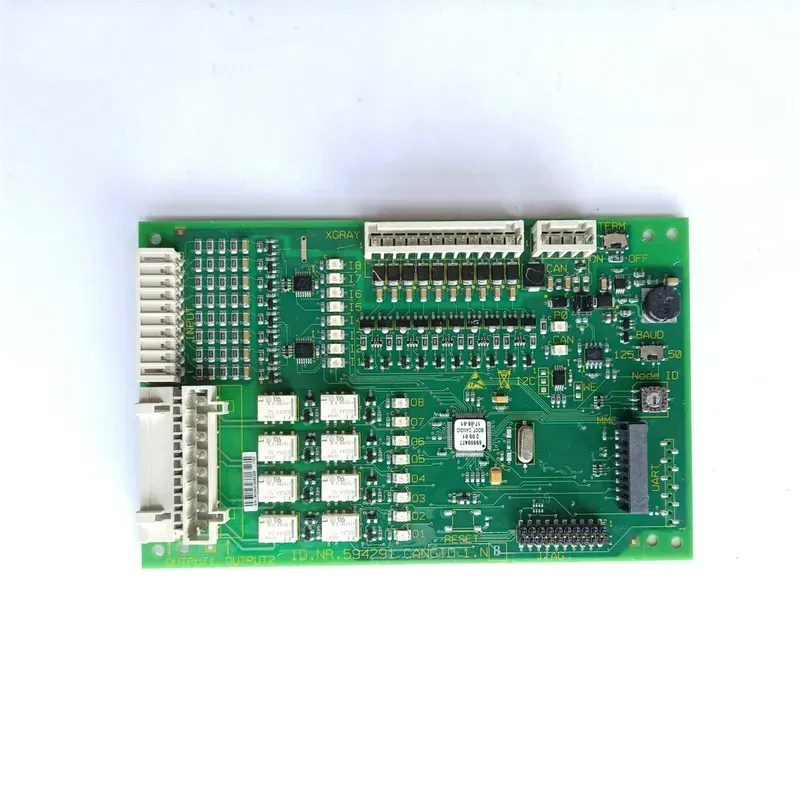
At the heart of every modern elevator control system lies the Printed Circuit Board (PCB), serving as the central nervous system that orchestrates seamless and safe operation. These specialized PCBs are not merely passive components; they are highly sophisticated electronic platforms meticulously engineered to manage the complex interplay of elevator functions, from precise motor control and smooth door operation to critical safety interlocks and sophisticated communication protocols. Their design and manufacturing integrity are paramount, directly impacting an elevator's reliability, efficiency, and adherence to stringent safety standards, making the PCB a foundational element in advanced vertical transportation solutions.
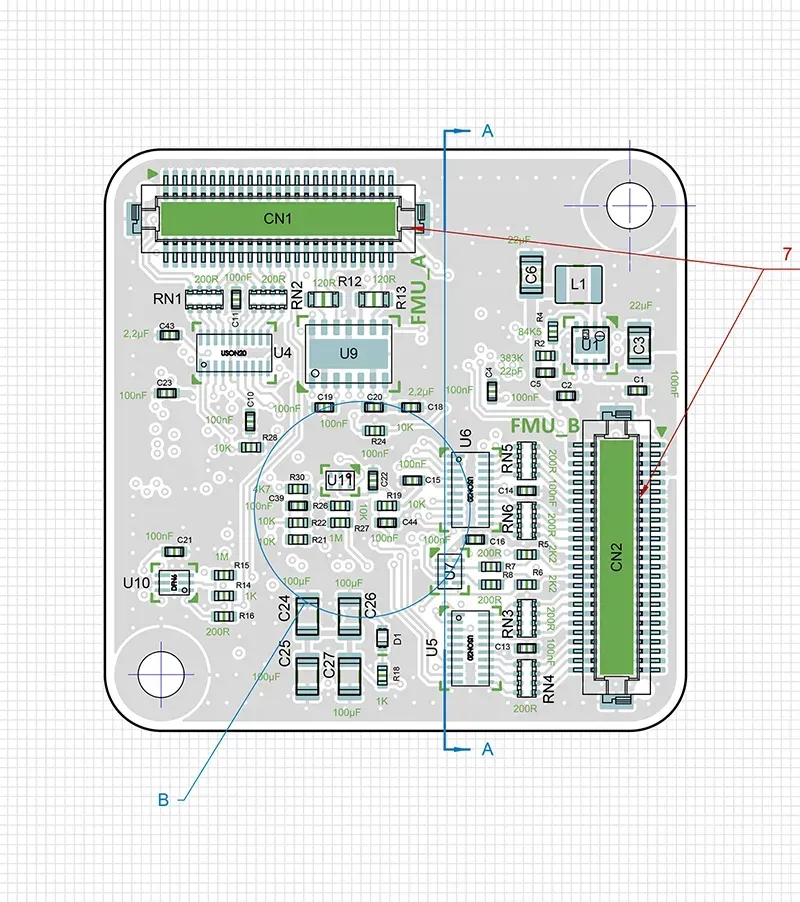
Designing a Printed Circuit Board (PCB) for elevator control systems demands meticulous attention to detail, as these components are the operational heart of systems responsible for safe and efficient vertical transportation. The inherent complexity and critical safety functions of elevators necessitate PCBs engineered for exceptional reliability, longevity, and performance under continuous operation. This section delves into the fundamental design considerations that are paramount for ensuring these systems operate flawlessly, covering aspects from electrical integrity to environmental resilience.
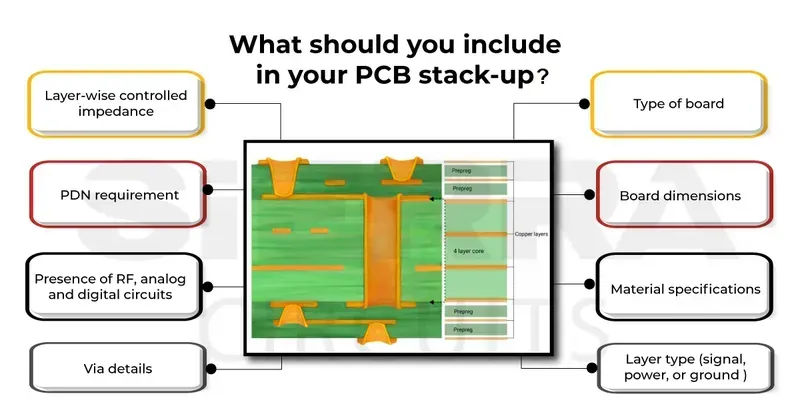
The choice of materials is paramount for an Elevator Control System PCB Solution, directly impacting its longevity, reliability, and ability to withstand the demanding operational environments within an elevator shaft. From the substrate to the copper traces and solder mask, each material contributes to the overall performance and robustness, ensuring uninterrupted and safe elevator operation over its extensive service life. This meticulous selection process is critical for preventing premature failures due to thermal stress, vibration, or electromagnetic interference, which are common challenges in such dynamic systems.
| Material Type | Key Properties for Elevator PCBs | Impact on Performance |
|---|---|---|
| Substrate (e.g., FR-4, High-Tg Laminates) | High Glass Transition Temperature (Tg), excellent mechanical strength, low moisture absorption | Ensures dimensional stability under varying temperatures, prevents delamination, and maintains signal integrity under stress. |
| Copper Foil | High conductivity, uniform thickness, strong adhesion to substrate | Facilitates efficient power and signal transmission, minimizes resistance losses, and enhances heat dissipation. |
| Solder Mask | High dielectric strength, chemical resistance, thermal stability | Protects circuits from environmental contamination, prevents solder bridges, and insulates against electrical shorts. |
| Surface Finish (e.g., ENIG, OSP) | Excellent solderability, corrosion resistance, long shelf life | Ensures reliable solder joints for components, crucial for high-density interconnections and long-term functionality. |
At Zero One Solution Limited, our material selection process for Elevator Control System PCB Solutions adheres to stringent industry standards like IPC-4101 for laminates, focusing on enhanced thermal performance and impedance control. We prioritize materials with superior dielectric constant stability and low dissipation factors, which are crucial for high-speed signal integrity in complex control algorithms. For instance, in high-rise elevator systems, where thermal cycling can be significant, we often recommend high-Tg laminates to ensure the PCB maintains its structural integrity and electrical characteristics throughout its operational lifespan, minimizing downtime and maintenance costs. This comprehensive approach to material science underpins the unwavering reliability of our PCB solutions.
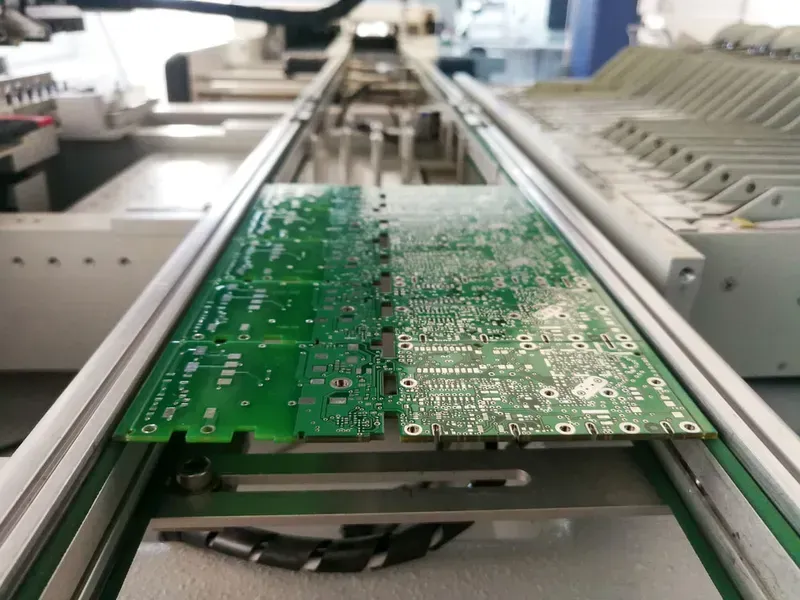
At Zero One Solution Limited, manufacturing excellence in Elevator Control System PCBs is not merely a goal, but a fundamental principle embedded in every process. Our advanced manufacturing capabilities are specifically engineered to meet the stringent demands of elevator control systems, ensuring unparalleled reliability and safety. By integrating cutting-edge technology with meticulous quality control, we deliver PCBs that perform flawlessly in the most critical applications, setting a benchmark for precision and durability in the industry.
| Manufacturing Aspect | Zero One Solution Limited's Approach | Benefit for Elevator Control Systems |
|---|---|---|
| Precision Component Placement | Automated Pick-and-Place Machines with micron-level accuracy | Ensures stable electrical connections and optimal signal integrity, crucial for precise elevator movement control. |
| >Multi-Layer PCB Fabrication | Advanced lamination and drilling techniques for up to 32 layers | Supports complex circuit designs required for sophisticated elevator safety and operational logic, reducing board size. |
| >Thermal Management Solutions | Integration of thermal vias, copper pours, and heat sinks during design and manufacturing | Prevents overheating of critical components, ensuring consistent performance and extended lifespan under continuous operation. |
| >Environmental Control (Cleanroom) | Class 10,000 cleanroom facilities | Minimizes particulate contamination, crucial for the reliability and longevity of high-density interconnect (HDI) PCBs in sensitive control environments. |
| >Functional Testing | Customized functional test jigs simulating elevator load conditions | Guarantees the PCB's operational integrity and responsiveness in real-world scenarios, directly impacting passenger safety and comfort. |
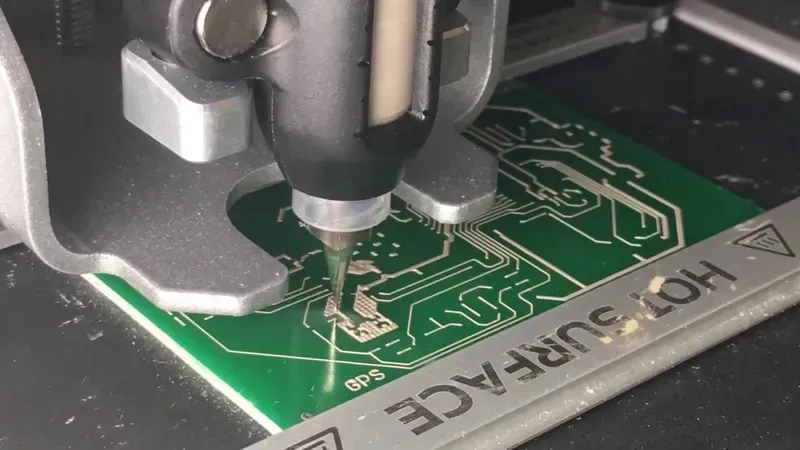
Rapid prototyping is a transformative process that allows for the swift creation of physical models from digital designs, fundamentally reshaping the development cycle for complex systems like elevator control PCBs. By quickly iterating on designs, engineers can validate concepts, identify potential flaws, and optimize performance long before committing to mass production. This agile approach significantly reduces development risks and costs, ensuring that innovative elevator technologies can transition from concept to market with unparalleled speed and precision, ultimately enhancing the safety and efficiency of modern vertical transportation.
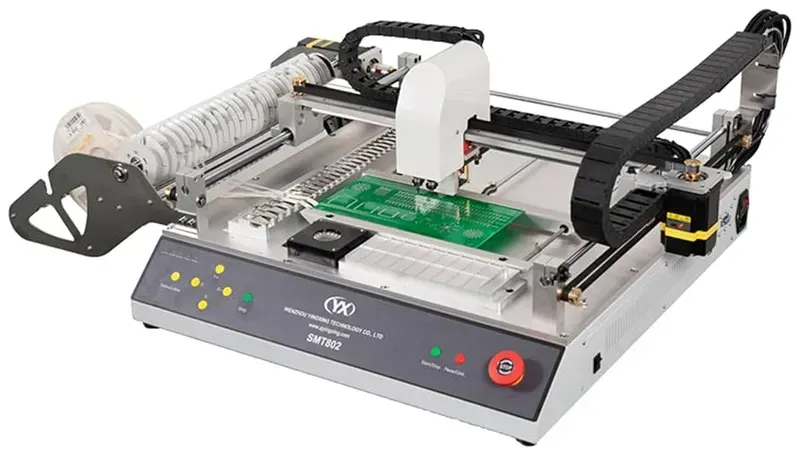
In the complex world of elevator control systems, the precision and reliability of PCB assembly are paramount. It's not merely about populating a board with components; it's about crafting the central nervous system that dictates the seamless and safe operation of an elevator. Flawless assembly ensures optimal signal integrity, robust power delivery, and the longevity critical for systems that operate continuously and are responsible for public safety. This meticulous process transforms a bare board into a functional, high-performance module, directly impacting the elevator's responsiveness, energy efficiency, and overall operational safety.
| Aspect of PCB Assembly | Criticality for Elevator Control PCBs | Zero One Solution's Approach | |
|---|---|---|---|
| Component Placement Accuracy | Misaligned or incorrectly placed components can lead to circuit failures, short circuits, or intermittent operation, directly impacting elevator safety and functionality. | Utilizing high-precision Automated Optical Inspection (AOI) and X-ray inspection systems to verify exact component alignment and placement, ensuring adherence to IPC standards like IPC-A-610 Class 2/3 for critical applications. Our advanced pick-and-place machines offer sub-micron accuracy, minimizing placement errors and enhancing board reliability, crucial for systems with high component density and fine-pitch components often found in modern elevator control units. Prioritizing correct polarity and orientation for sensitive components like ICs and electrolytic capacitors to prevent operational issues or damage upon power-up, crucial for maintaining long-term system stability and safety in elevator applications, where continuous and reliable operation is non-negotiable. This meticulous attention to detail at the component placement stage forms the foundation for a robust and reliable elevator control PCB, directly influencing system uptime and passenger safety, aligning with the stringent demands of the vertical transportation industry. Our rigorous process includes a comprehensive Design for Manufacturability (DFM) analysis to proactively identify and mitigate potential placement issues during the design phase, further enhancing assembly accuracy and overall product quality for elevator control systems. ESD (Electrostatic Discharge) protection is rigorously applied throughout the assembly process to prevent damage to sensitive electronic components, particularly important for microcontrollers and memory modules critical to elevator system logic, ensuring their long-term reliability and performance. This proactive measure safeguards against hidden defects that could lead to premature failure in the field, reinforcing the dependability of our assembled PCBs in demanding elevator environments. Furthermore, we implement robust material handling and storage protocols to maintain component integrity, including humidity and temperature control for moisture-sensitive devices (MSDs), which is essential for preventing defects during reflow soldering and ensuring the long-term reliability of the assembled PCBs in elevator control applications. By meticulously managing these factors, we mitigate the risk of assembly-related failures, thereby enhancing the overall safety and operational lifespan of elevator systems. | IPC-A-610 Class 2/3 |
| Soldering Techniques (Reflow, Wave, Selective) | Poor solder joints (cold joints, bridges, insufficient solder) are a leading cause of electronic product failure, risking erratic elevator behavior or complete system shutdown. | Employing controlled atmosphere reflow soldering (e.g., nitrogen purged) for superior solder joint quality and reduced oxidation, along with precise temperature profiling tailored to specific component requirements. Advanced wave soldering for through-hole components ensures robust and reliable connections capable of withstanding vibrations and thermal cycling common in elevator environments. We also utilize selective soldering for components requiring localized heat application to prevent thermal stress on adjacent parts. These techniques are rigorously monitored to achieve optimal solder joint integrity, crucial for the continuous operation of elevator systems, where reliability cannot be compromised. Our soldering processes strictly adhere to industry standards such as IPC-J-STD-001 (Requirements for Soldered Electrical and Electronic Assemblies), ensuring consistent, high-quality solder joints that can withstand the demanding operational cycles and environmental conditions experienced by elevator control systems. This commitment to superior soldering practices directly contributes to the longevity and fault-free performance of our PCBs, reinforcing their role in maintaining elevator safety and operational efficiency. Furthermore, we integrate automated solder paste inspection (SPI) to verify precise paste deposition before reflow, preventing common solder defects such as insufficient paste or bridging, which are critical for ensuring reliable electrical connections and overall PCB functionality in demanding elevator control applications. This proactive inspection step minimizes rework and enhances the first-pass yield, ensuring that every assembled PCB meets the stringent quality requirements for safe and dependable elevator operation. The use of lead-free solders (e.g., SAC305) is standard, complying with RoHS directives and demonstrating a commitment to environmental responsibility while maintaining excellent mechanical and electrical properties for critical applications like elevator control systems, ensuring long-term reliability and compliance with global standards. | IPC J-STD-001 |
| Automated Optical Inspection (AOI) | Manual inspection is prone to human error; unnoticed defects can lead to costly field failures and safety hazards in an elevator system. | Implementing multi-camera, high-resolution AOI systems at various stages of the assembly line to detect defects like missing components, incorrect polarity, solder bridges, and insufficient solder. This automated inspection ensures 100% board integrity before functional testing, significantly reducing defect rates and enhancing the reliability of elevator control PCBs. Our AOI systems are programmed with precise tolerance parameters specific to elevator control board designs, allowing for the detection of even subtle deviations that could compromise performance or safety. This systematic approach to quality control guarantees that every assembled board conforms to the highest standards, minimizing the risk of operational failures in critical elevator applications. We also leverage 3D AOI technology to provide volumetric measurements of solder joints, offering a more comprehensive assessment of solder quality than 2D systems, which is crucial for identifying hidden defects and ensuring the robust electrical and mechanical integrity required for elevator control systems. This advanced inspection capability allows for the early detection of potential issues, preventing them from escalating into costly field failures and enhancing the overall reliability and safety of the elevator system. Additionally, our AOI systems are integrated with statistical process control (SPC) tools, enabling real-time monitoring and analysis of manufacturing data to identify trends and proactively adjust processes, thereby continuously improving the quality and consistency of assembled elevator control PCBs. This data-driven approach ensures sustained excellence in production. | 100% inspection |
| Functional Testing (FCT) | A PCB may look perfect, but internal shorts or open circuits, or incorrect component values, can only be detected through functional testing, critical for safety-critical elevator systems. | Conducting comprehensive Functional Circuit Testing (FCT) using custom-built test fixtures and software to simulate real-world operational scenarios. This includes power-up tests, signal integrity checks, communication protocol verification (e.g., CAN bus, Ethernet), and safety interlock simulations. FCT ensures that each assembled PCB performs exactly as designed under simulated operational loads, guaranteeing the reliability and safety of the elevator control system. Our FCT processes are designed to mimic the exact electrical and logical behaviors expected in an elevator environment, ensuring that the PCB will function flawlessly once integrated into the final system. This rigorous testing regimen significantly reduces the likelihood of field failures, providing ultimate assurance for safety-critical applications. Furthermore, our FCT procedures are developed in close collaboration with clients, incorporating their specific system requirements and performance metrics to create tailored test protocols that thoroughly validate the functionality of elevator control PCBs under diverse operational conditions. This collaborative approach ensures that the testing is highly relevant and effective in certifying the readiness of the PCBs for deployment. We also utilize environmental stress screening (ESS) for select batches, subjecting PCBs to thermal cycling and vibration tests to identify latent defects that might not be apparent under standard conditions, further enhancing the long-term reliability and robustness of elevator control PCBs, particularly those destined for demanding operational environments. This proactive screening helps to ensure that only the most resilient boards are deployed. | Comprehensive, customized FCT |
Adherence to stringent compliance and safety standards is paramount in the design and manufacturing of Printed Circuit Boards (PCBs) for elevator control systems. These standards are not merely regulatory hurdles; they are foundational to ensuring the safety of passengers, the reliability of elevator operation, and the longevity of the entire system. Neglecting these requirements can lead to catastrophic failures, significant liabilities, and severe reputational damage. As a leading PCB solution provider, Zero One Solution Limited meticulously integrates global and regional safety protocols into every stage of our elevator control system PCB development, guaranteeing products that meet and exceed industry benchmarks.
Zero One Solution Limited stands as a premier partner for advanced Elevator Control System PCB solutions, integrating deep expertise with a comprehensive service model. Our commitment to rapid prototyping and high-precision manufacturing ensures that our clients not only meet but exceed the stringent demands of the elevator industry, providing a competitive edge in product development and market deployment.
In conclusion, the elevator control system PCB is a cornerstone of modern vertical transportation. Its design, manufacturing, and assembly require precision, expertise, and a commitment to quality. Zero One Solution Limited stands as a reliable partner in providing comprehensive PCB solutions, ensuring that elevators operate safely, efficiently, and reliably. Ready to elevate your elevator control systems? Contact Zero One Solution Limited today to discuss your project and discover how our PCB solutions can enhance your designs. Let's build a future of seamless vertical mobility together. Share this article to spread awareness about the importance of reliable elevator control systems!

