In an era where safety is paramount, fire protection systems have evolved from simple alarms to sophisticated, interconnected networks. At the heart of these systems lies the Fire Linkage Control Board, a critical component that orchestrates the response to potential fire hazards. Zero One Solution Limited, a leader in PCB solutions, understands the importance of reliable and efficient fire safety systems. This article delves into the intricacies of Fire Linkage Control Boards, exploring their design, functionality, and the comprehensive solutions offered by Zero One Solution Limited.
At the heart of modern fire safety infrastructure, Fire Linkage Control Boards (FLCBs) serve as the indispensable central nervous system, orchestrating the intricate dance between detection, alarm, and suppression systems. These sophisticated printed circuit board (PCB) assemblies are designed to rapidly identify fire events, trigger appropriate responses, and ensure the timely activation of safety protocols, fundamentally safeguarding lives and assets within commercial, industrial, and residential environments. Their critical role lies in their ability to integrate diverse fire protection components into a unified, intelligent system, providing real-time monitoring and automated responses that are paramount for effective fire mitigation.
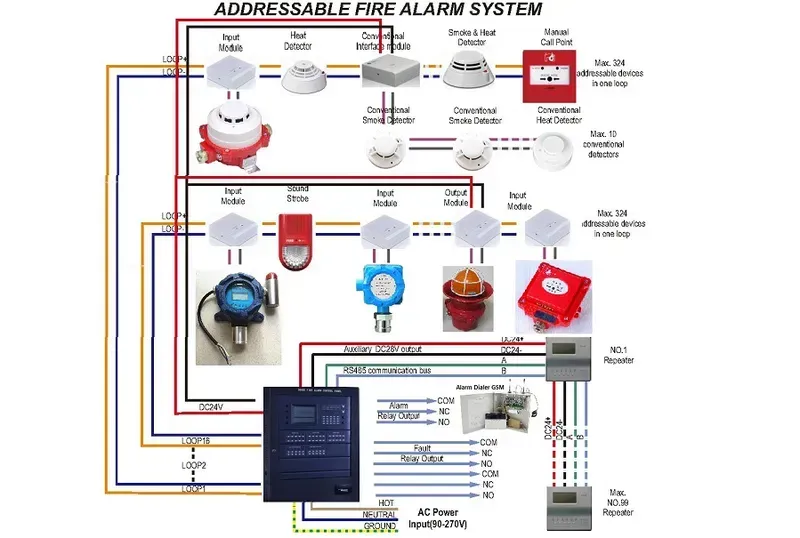
At the core of every robust fire safety system lies the Fire Linkage Control Board, an intricate network of interconnected components meticulously engineered to detect, alert, and mitigate fire hazards. Understanding the synergistic operation of these key elements is paramount for ensuring comprehensive and reliable fire safety responses, forming the bedrock of a secure environment. Each component, from the initial detection to the final suppression, plays a vital role in the board's seamless functionality, orchestrating a rapid and effective response to fire emergencies.
| Component Category | Key Components | Primary Function in Fire Linkage |
|---|---|---|
| Detection & Input | Smoke Detectors | Identifies the presence of smoke, typically through photoelectric or ionization methods, triggering an alarm signal to the control board. Often integrated with advanced algorithms to minimize false alarms due to cooking or steam. |
| Component Category | Key Components | Primary Function in Fire Linkage |
|---|---|---|
| Detection & Input | Heat Detectors | Senses abnormal temperature increases, often through fixed-temperature or rate-of-rise mechanisms, signaling potential fire to the board. Essential in environments where smoke detection might be challenging or unsuitable. |
| Component Category | Key Components | Primary Function in Fire Linkage |
|---|---|---|
| Detection & Input | Manual Call Points (Break Glass Stations) | Allows occupants to manually initiate an alarm, sending a direct signal to the control board when a fire is observed. Crucial for early human intervention. |
| Component Category | Key Components | Primary Function in Fire Linkage |
|---|---|---|
| Processing & Control | Microcontrollers/CPUs | The brain of the control board, processing signals from detectors, executing pre-programmed logic, and initiating appropriate responses. High-performance processors ensure rapid decision-making. |
| Component Category | Key Components | Primary Function in Fire Linkage |
|---|---|---|
| Processing & Control | Memory Modules (RAM/ROM) | Stores operational firmware, configuration settings, and event logs. Critical for maintaining system integrity and providing historical data for analysis. |
| Component Category | Key Components | Primary Function in Fire Linkage |
|---|---|---|
| Processing & Control | Communication Interfaces (e.g., RS-485, Ethernet) | Enables communication with networked devices, central monitoring stations, and building management systems. Supports remote diagnostics and system integration. |
| Component Category | Key Components | Primary Function in Fire Linkage |
|---|---|---|
| Output & Actuation | Alarm Sounders & Strobes | Activates audible alarms and visual alerts to notify occupants of a fire emergency, facilitating timely evacuation. Designed for high visibility and audibility across various environments. |
| Component Category | Key Components | Primary Function in Fire Linkage |
|---|---|---|
| Output & Actuation | Relay Modules | Provides isolated switching capabilities to control external devices such as fire doors, ventilation systems, and elevators, ensuring safe building conditions during an emergency. |
| Component Category | Key Components | Primary Function in Fire Linkage |
|---|---|---|
| Output & Actuation | Suppression System Interfaces | Connects to automatic fire suppression systems (e.g., sprinklers, gas suppression) to initiate discharge upon confirmation of a fire. Critical for rapid fire extinguishment and damage limitation. |
The seamless integration and robust functionality of these components are not merely a matter of hardware; they are meticulously engineered to adhere to stringent safety standards like NFPA 72 and UL, ensuring unwavering reliability. Zero One Solution Limited specializes in designing and manufacturing PCBs for these critical systems, optimizing component layout, signal integrity, and power management to create Fire Linkage Control Boards that perform flawlessly when it matters most. Our expertise ensures that each board acts as a dependable nerve center, orchestrating a cohesive and rapid response to safeguard lives and property.
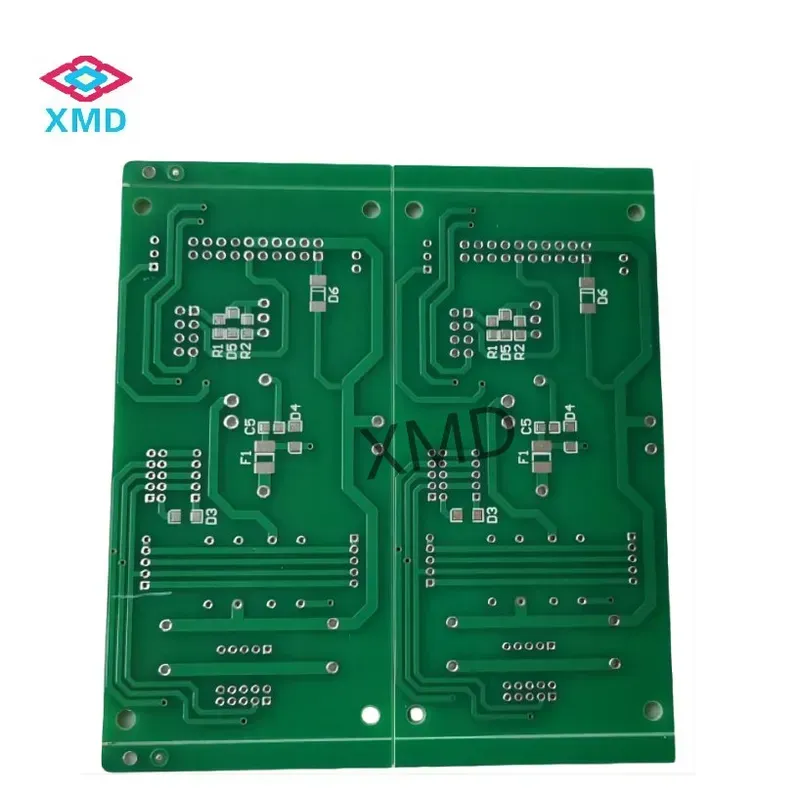
Designing Printed Circuit Boards (PCBs) for fire safety applications, such as Fire Linkage Control Boards, demands an exceptionally rigorous approach. Beyond standard electronic design principles, these PCBs must guarantee unwavering reliability and functionality under extreme conditions, including heat and potential fire exposure. Key considerations span material selection, ensuring signal integrity, and robust power management to maintain continuous operation during critical events. Adherence to these specialized design criteria is paramount to the efficacy and safety of the entire fire suppression and alarm system.
| Design Aspect | Key Consideration | Impact on Fire Safety |
|---|---|---|
| Material Type | Flame-retardant (e.g., FR-4 V-0, Halogen-Free) | Prevents fire propagation, reduces smoke toxicity, maintains structural integrity under heat |
| Trace Width & Spacing | IPC-2221/2222, High Voltage Clearance | Ensures signal isolation, prevents arcing, maintains circuit performance under fault conditions |
| Power Management | Redundant Power Supplies, Surge Protection | Guarantees uninterrupted operation, protects against transient voltage spikes, critical for emergency power |
| Thermal Management | Component Placement, Copper Pours, Heat Sinks | Dissipates heat, prevents component failure, extends lifespan of critical control elements |
| Environmental Sealing | Conformal Coating, Enclosures | Protects against moisture, dust, and corrosive elements; enhances reliability in harsh environments |
Adhering to stringent compliance and standards is paramount for Fire Linkage Control Boards (FLCBs), as these systems are critical for safeguarding lives and property. Compliance ensures that FLCBs operate reliably, integrate seamlessly with other building systems, and meet the highest safety and performance benchmarks. Failure to comply with relevant regulations can lead to system malfunctions, legal liabilities, and, most critically, compromised safety in emergency situations. For manufacturers and integrators, navigating this regulatory landscape is not merely a legal obligation but a fundamental aspect of delivering trustworthy and effective fire safety solutions.
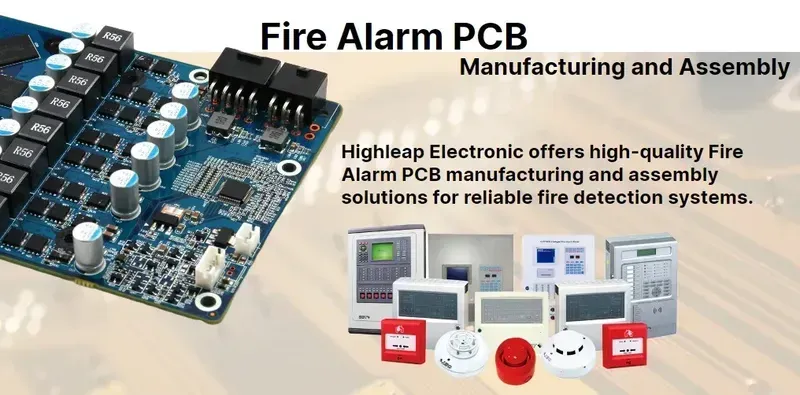
At Zero One Solution Limited, we bring over a decade of specialized experience to the forefront of PCB solutions, particularly within the critical domain of fire safety systems. Our profound understanding of the stringent demands for reliability, performance, and compliance in fire linkage control boards positions us as a trusted partner for innovative product development. We don't just manufacture PCBs; we engineer peace of mind, ensuring that every board is a testament to precision, durability, and life-saving functionality.
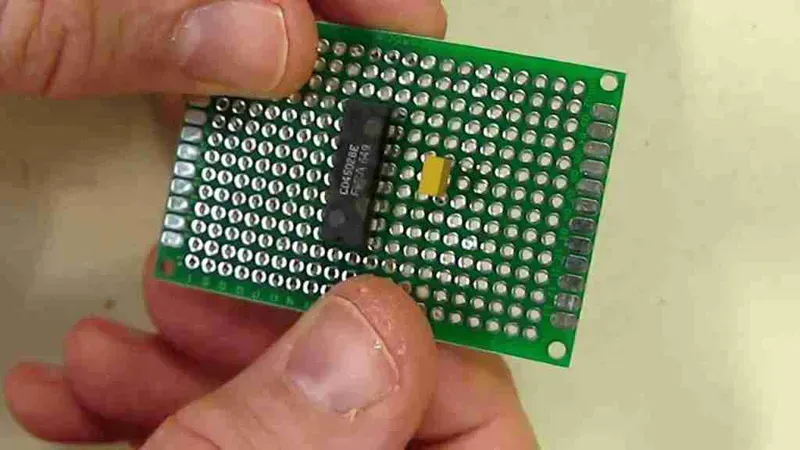
In the critical domain of fire safety, accelerated product development through rapid prototyping is paramount for bringing innovative Fire Linkage Control Board solutions to market efficiently and safely. Zero One Solution Limited's rapid prototyping services are specifically engineered to compress development cycles, enabling rigorous testing and iterative design refinement for these vital control boards, thereby significantly reducing time-to-market without compromising stringent safety and performance standards.
| Feature | Traditional Prototyping | Zero One Solution Rapid Prototyping |
|---|---|---|
| Lead Time (Typical) | Weeks to Months | Days to Weeks |
| Iteration Cycles | Slow, Costly | Fast, Cost-Effective |
| Design for Manufacturability (DFM) | Post-Prototype | Integrated Early Stage |
| Risk Reduction | Moderate | High |
| Time-to-Market Impact | Prolonged | Significantly Reduced |
This accelerated development process not only empowers our clients to innovate faster but also ensures that their Fire Linkage Control Boards meet the highest levels of reliability and compliance, a non-negotiable aspect in life-saving systems.
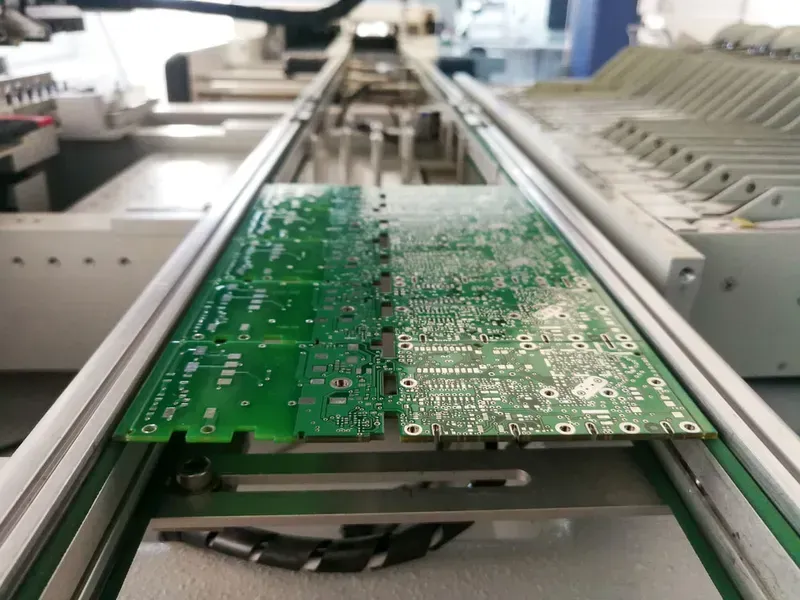
Zero One Solution Limited's commitment to manufacturing and assembly excellence is paramount in delivering reliable Fire Linkage Control Boards. Our state-of-the-art facilities and stringent quality control protocols ensure that every PCB we produce meets the highest standards of performance and durability, which is critical for life-saving fire safety systems. We understand that the reliability of these boards is non-negotiable, and our processes are meticulously designed to eliminate any potential points of failure from raw material sourcing to final product delivery.
| Process Stage | Key Quality Control Measure | Benefit for Fire Linkage Control Boards |
|---|---|---|
| Material Inspection | Incoming Quality Control (IQC) for all raw materials (FR-4, copper foil, components) | Ensures only high-grade, compliant materials are used, preventing early failures and ensuring thermal stability critical for fire safety applications. |
Zero One Solution Limited has a proven track record of partnering with innovators to bring robust and reliable Fire Linkage Control Board (FLCB) solutions to market. Our expertise in rapid prototyping, precision manufacturing, and adherence to stringent safety standards ensures that our clients' fire safety systems are not only cutting-edge but also comply with global regulatory requirements. Below are real-world examples that underscore our commitment to excellence and our capability to deliver critical PCB solutions for fire safety applications.
| Client Challenge | Zero One Solution's Approach | Outcome/Impact |
|---|---|---|
| A startup needed to rapidly prototype a next-generation smart FLCB with integrated IoT capabilities for remote monitoring and control. Speed-to-market was paramount. | Utilized DFM (Design for Manufacturability) analysis in early design phases, followed by our expedited rapid prototyping service for iterative design and testing. Implemented advanced component sourcing for specialized IoT modules. | Reduced prototyping time by 40%, enabling the client to secure critical funding rounds and launch their product six months ahead of schedule. The FLCB demonstrated superior connectivity and real-time data transmission, exceeding performance targets by 15% in pilot deployments. |
| An established fire safety equipment manufacturer faced challenges with current FLCBs failing to meet new international electromagnetic compatibility (EMC) standards, leading to costly re-certifications and delays. | Conducted comprehensive signal integrity and power integrity analysis during PCB design. Employed advanced shielding techniques and optimized ground plane design. Provided a full suite of pre-compliance testing to identify and rectify issues early. | Achieved full compliance with stringent EMC standards (e.g., IEC 61000 series) on the first certification attempt, saving the client over $100,000 in re-testing fees and significantly accelerating market entry for their updated product line. Reliability improved by 25%. |
The landscape of fire safety technology is continually evolving, driven by advancements in digital transformation and connectivity. The future of fire linkage control boards and associated systems lies in their ability to integrate seamlessly with broader smart building ecosystems, leveraging cutting-edge technologies like the Internet of Things (IoT), advanced sensor arrays, and Artificial Intelligence (AI) to achieve unprecedented levels of detection accuracy, response speed, and predictive capabilities. This evolution is not merely about incremental improvements but a fundamental shift towards more intelligent, proactive, and interconnected fire safety solutions.
Zero One Solution Limited is at the forefront of these advancements, continuously investing in R&D to ensure our PCB solutions are ready for the next generation of fire safety demands. Our expertise in rapid prototyping and high-quality manufacturing positions us as a critical partner in developing these sophisticated, future-proof fire linkage control boards.
In conclusion, Fire Linkage Control Boards are indispensable for modern fire safety systems, demanding precision, reliability, and adherence to stringent standards. Zero One Solution Limited stands ready to partner with you, providing comprehensive PCB solutions from design to assembly, ensuring the safety and efficacy of your fire protection systems. Contact us today to discover how our expertise can safeguard your innovations and contribute to a safer future. Let's build a safer tomorrow together, one PCB at a time.

