In our increasingly digital world, circuit boards are the unsung heroes powering countless devices, from our smartphones to complex industrial machinery. At the heart of these boards lies a symphony of tiny components, each playing a crucial role. Understanding these components – like resistors, capacitors, and integrated circuits – is not just for engineers; it's for anyone curious about the inner workings of our modern world. This article will serve as a practical guide to demystify the intricate world of circuit board components, connecting their function to our daily lives.
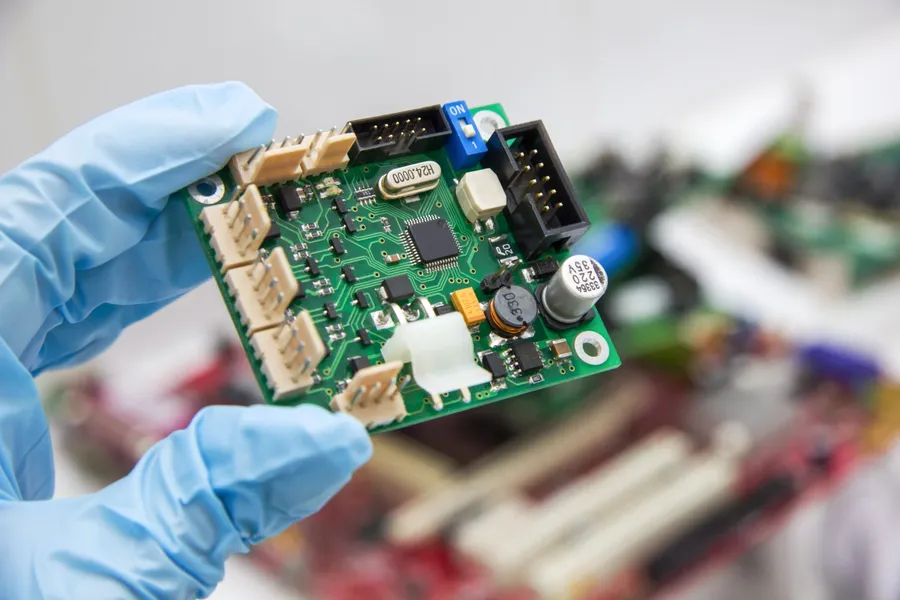
Circuit boards, also known as printed circuit boards (PCBs), are the foundational building blocks of modern electronics, serving as the structural base and electrical pathway for connecting electronic components. They facilitate the precise and reliable operation of countless devices by providing a structured network of conductive traces and pads, allowing for complex circuits to be assembled in a compact and organized manner. These boards are not merely passive carriers but an integral part of the electronic system's functionality.
The core purpose of a circuit board is twofold: mechanical support and electrical interconnection. The board provides a stable base for mounting components, preventing them from physical damage and ensuring their positions are consistent for reliable operation. Simultaneously, it offers a controlled and predictable network for electrical signals to flow through, dictating how the components interact with one another to execute the desired functionality of the device.
Circuit boards are not monolithic entities; they come in various forms, each suited to specific applications. The most common types include:
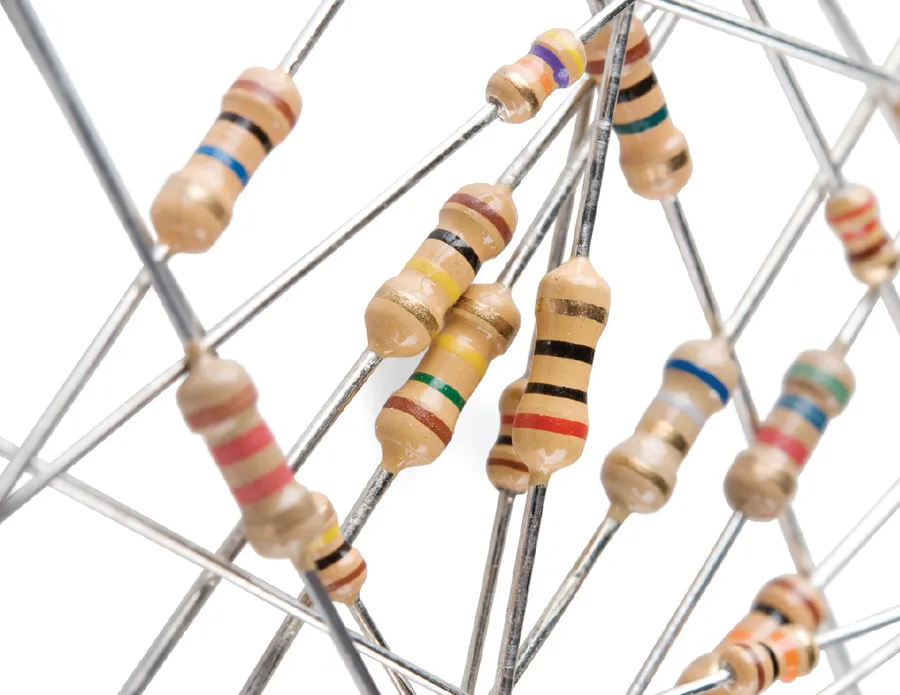
Resistors are fundamental circuit board components that impede the flow of electrical current, functioning like a valve in a water pipe. This impedance is crucial for controlling current levels, voltage division, and signal conditioning within electronic circuits. The value of a resistor, measured in ohms (Ω), determines its resistance to current flow.
Resistors come in various forms, each suited for different applications, and their value is often indicated through color-coded bands or printed markings. Understanding these components is essential for effective circuit design and troubleshooting.
| Resistor Type | Description | Applications | Advantages | Disadvantages |
|---|---|---|---|---|
| Fixed Resistors | Resistors with a predetermined resistance value. | General purpose use, current limiting, voltage division. | Low cost, high availability, reliable. | Limited flexibility, cannot be adjusted. |
| Variable Resistors (Potentiometers, Rheostats) | Resistors with an adjustable resistance value. | Volume controls, calibration, sensors. | Adjustable resistance, versatile. | Can be less precise, potentially less reliable. |
| SMD Resistors | Surface Mount Resistors, smaller and designed for automated assembly. | Modern electronics, high-density circuit boards. | Small size, good for automated assembly. | Difficult to manually solder, limited power handling |
Resistors use a color-coding system to indicate their resistance value and tolerance. Each color corresponds to a numerical value, and the bands are read from left to right. The first few bands represent the resistance value, the subsequent band is the multiplier, and the last band indicates the tolerance, which is the accuracy of the resistance value.
For example, a resistor with color bands of brown, black, red, and gold would have a resistance of 10 * 10^2 ohms, or 1000 ohms, with a tolerance of +/- 5%. Understanding this coding system is crucial for accurately identifying resistor values in circuits.
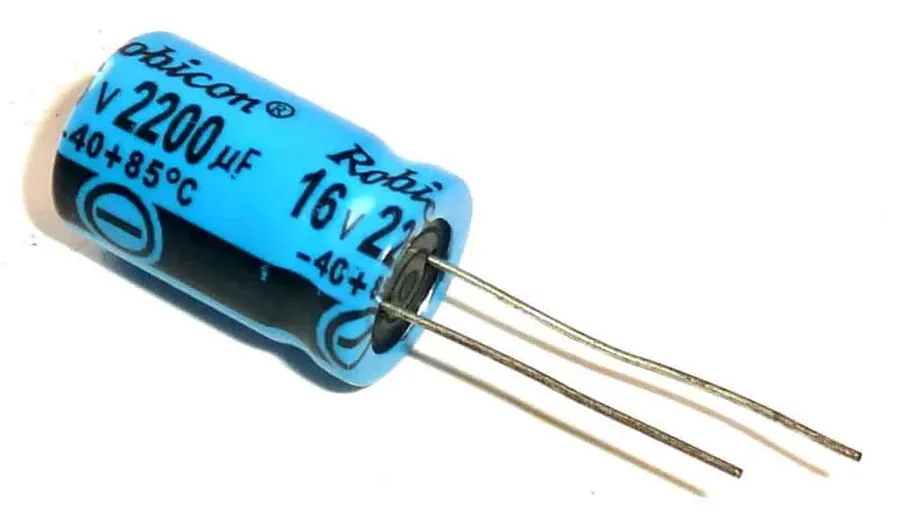
Capacitors are fundamental circuit board components designed to store electrical energy in an electric field. Unlike resistors, which dissipate energy, capacitors accumulate charge and release it when the circuit demands, effectively acting as temporary energy reservoirs. Their ability to store and release energy makes them crucial for various applications such as filtering, smoothing, and timing circuits.
Capacitors are broadly categorized by their dielectric material, which impacts their performance characteristics. The most common types include ceramic and electrolytic capacitors, each suitable for different applications due to their unique attributes:
| Feature | Ceramic Capacitors | Electrolytic Capacitors |
|---|---|---|
| Dielectric Material | Ceramic | Electrolyte (e.g., Aluminum Oxide) |
| Polarity | Non-Polarized | Polarized |
| Capacitance Range | Low to Medium | Medium to High |
| Tolerance | Typically Less Precise | Typically More Precise |
| Frequency Response | Good at High Frequencies | Limited at High Frequencies |
| Size | Smaller | Larger for the same capacitance |
| Applications | High-frequency filtering, decoupling | Power supply smoothing, energy storage |
Capacitor markings vary depending on type and manufacturer, but typically include capacitance value (often in microfarads, nanofarads, or picofarads) and working voltage. These are represented either through direct printing or through alphanumeric codes. For example, '104' represents 100nF(10 * 10^4 pF), and '22uF 16V' specifies capacitance and voltage ratings. Some capacitors may also show tolerance rating or a temperature coefficient.
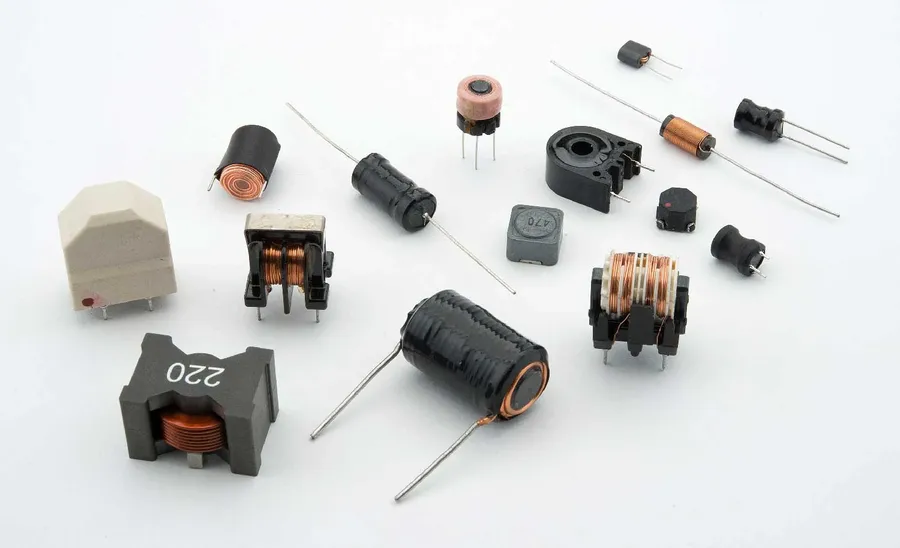
Inductors are fundamental passive electronic components that store energy in a magnetic field when an electric current flows through them. This property makes them indispensable in a wide array of applications, from filtering to energy conversion. They fundamentally oppose changes in current, a characteristic that is leveraged in various circuit designs.
| Characteristic | Description |
|---|---|
| Inductance (L) | Measured in Henries (H), defines the inductor's ability to store magnetic energy. |
| DC Resistance (DCR) | Resistance of the inductor's wire to direct current. Lower DCR results in more efficient energy storage. |
| Saturation Current | The maximum current an inductor can handle before its inductance significantly decreases due to core saturation. |
| Quality Factor (Q) | A measure of an inductor's efficiency, reflecting the ratio of inductive reactance to resistance. Higher Q indicates a more efficient inductor for filtering applications. |
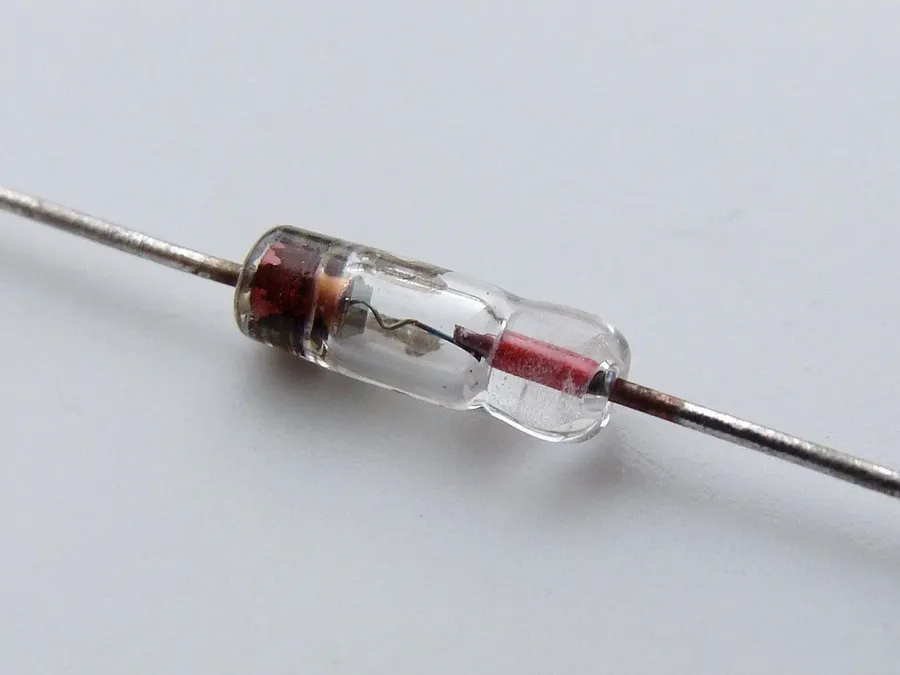
Diodes are fundamental semiconductor devices that act as one-way electrical switches, allowing current to flow primarily in one direction with minimal resistance, while blocking it in the opposite direction. This unidirectional property makes them essential for various electronic functions, including rectification, signal modulation, and light emission.
The core function of a diode stems from its p-n junction, a region formed by joining p-type and n-type semiconductors. When forward biased (positive voltage applied to the p-side), current flows easily. Conversely, under reverse bias (positive voltage applied to the n-side), current flow is negligible. This behavior is critical for controlling current flow in circuits.
| Diode Type | Function | Application | Symbol |
|---|---|---|---|
| Rectifier Diode | Converts AC to DC | Power supplies, signal demodulation | A triangle pointing to a line. |
| Light Emitting Diode (LED) | Emits light when current passes | Displays, indicators, lighting | A triangle pointing to a line, with two small arrows pointing away from the line. |
| Zener Diode | Regulates voltage | Voltage regulation circuits, overvoltage protection | A triangle pointing to a line with two bent tips. |
| Schottky Diode | Fast switching with low voltage drop | High-frequency circuits, switching power supplies | A triangle pointing to a zig-zag line. |
Polarity is a key consideration when working with diodes. The anode (positive terminal) and the cathode (negative terminal) must be connected correctly in a circuit, as incorrect polarity will result in either no current flow or damage to the device. Manufacturers typically mark the cathode with a band, line, or a specific shape on the diode body.
Understanding the different types of diodes and their properties is fundamental for designing and troubleshooting electronic circuits.
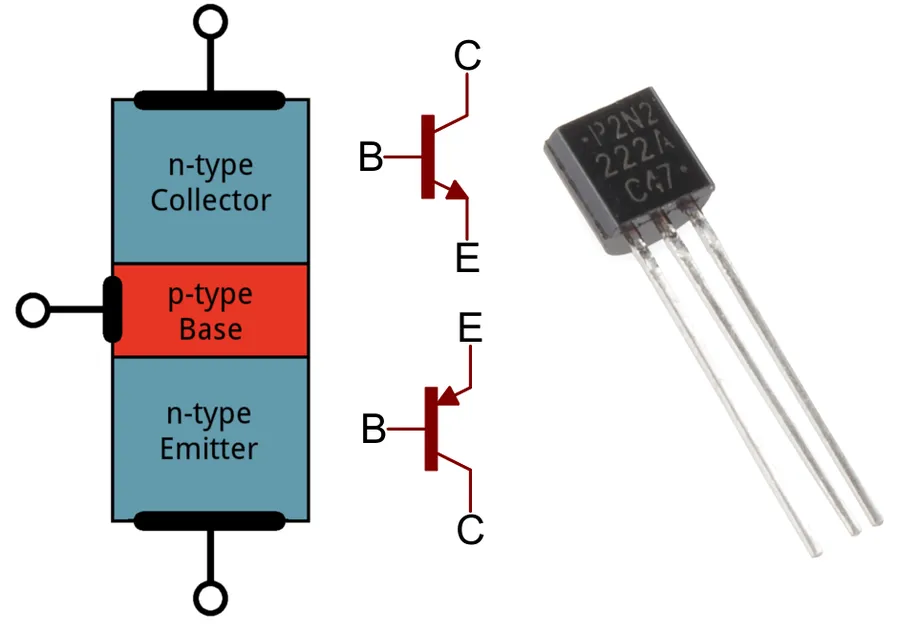
Transistors are fundamental semiconductor devices that act as both electronic switches and signal amplifiers. Their ability to control the flow of electrical current makes them essential building blocks in virtually all modern electronic circuits.
At their core, transistors consist of three layers of doped semiconductor material, each connected to a terminal, which allow for manipulation of current flow. These three terminals are typically named the base, collector and emitter for Bipolar Junction Transistors (BJTs) and gate, drain, and source for Field Effect Transistors (FETs) . By applying a small voltage or current to one terminal, the current flow between the other two terminals can be precisely controlled.
| Feature | BJT | MOSFET |
|---|---|---|
| Control Mechanism | Current Controlled | Voltage Controlled |
| Input Impedance | Low | High |
| Common Applications | Amplifiers, Current Switching | Digital Logic, Power Management |
| Polarity | NPN and PNP | N-channel and P-channel |
The operational versatility of transistors enables them to be employed in a diverse range of applications. As amplifiers, they can boost weak signals, which is crucial in audio systems and telecommunications. In their role as switches, they control current in logic gates, which forms the very foundation of all digital circuits. This allows them to function in microprocessors, memory chips, and numerous other digital devices. Their impact in modern electronics is ubiquitous and pivotal, underpinning the functionality of almost all electronic systems.
Furthermore, transistors have undergone continuous refinement, resulting in miniaturization and enhanced performance, allowing for exponentially more complex circuits to be contained in ever-shrinking form factors, and to enhance the power efficiency of modern electronics.
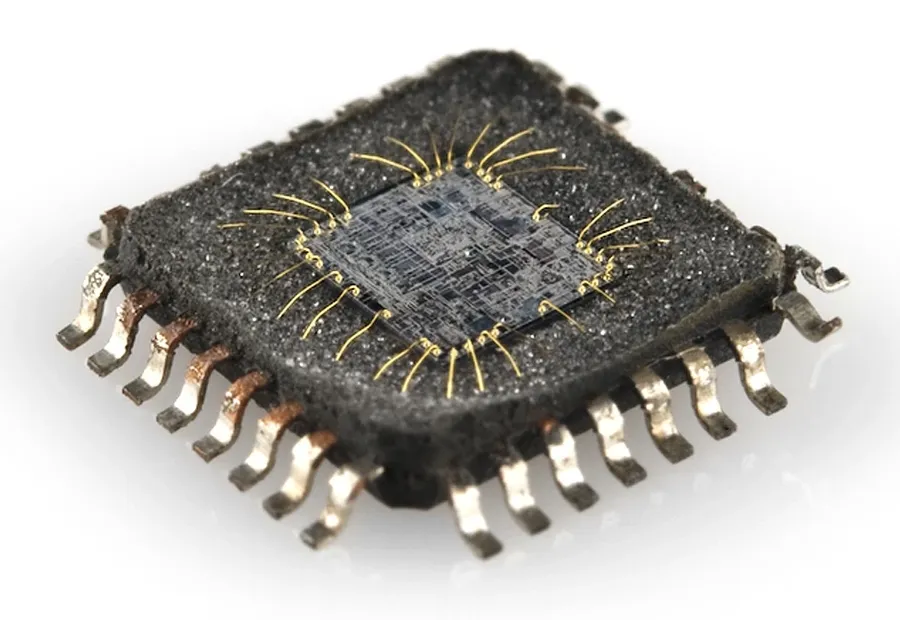
Integrated Circuits (ICs) are fundamental components of modern electronics, acting as the 'brains' of circuit boards. An IC is essentially a miniaturized electronic circuit (comprising transistors, resistors, capacitors, and other elements) fabricated on a small semiconductor chip. This integration allows for complex functionalities to be packed into a very small space, enabling the creation of sophisticated electronic devices.
ICs are the cornerstone of modern electronics, enabling complex functionalities within a small footprint. They are classified based on their functionality, scale of integration, and packaging. The miniaturization achieved through ICs has revolutionized electronics, facilitating the development of powerful yet compact devices.
| IC Type | Function | Examples | Typical Applications |
|---|---|---|---|
| Microcontrollers | Process and control data | ATmega328, ARM Cortex-M series | Embedded systems, IoT devices, robotics |
| Operational Amplifiers (Op-Amps) | Amplify electrical signals | LM741, TL081 | Signal conditioning, audio amplification |
| Logic Gates | Perform basic logic operations | 7400 series (AND, OR, NOT) | Digital circuits, combinational logic |
| Memory ICs | Store digital data | DRAM, SRAM, Flash | Computer memory, data storage |
| Analog-to-Digital Converters (ADCs) | Convert analog signals to digital | ADC0804, ADS1115 | Sensor interfaces, data acquisition |
IC packaging is crucial for both protection and connecting the chip to the circuit board. Common IC packaging styles include:
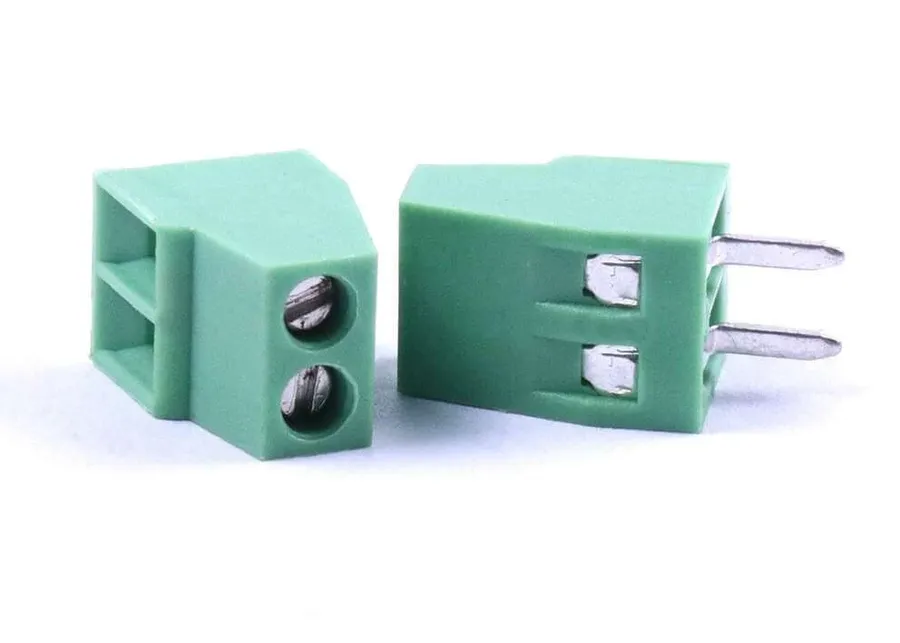
Connectors are essential components on a circuit board, serving as the crucial interface points for linking various parts of an electronic system. They facilitate the transfer of electrical signals and power, enabling the circuit board to communicate with other devices, power sources, and external peripherals. The appropriate selection and implementation of connectors are paramount for the overall functionality and reliability of any electronic system.
Connectors come in a wide array of types, each designed to meet specific needs and requirements. These variations in design, material, and functionality determine their suitability for particular applications. Here are a few common types and their applications:
Selecting the right connector for a given application involves considering several important parameters. Key factors include:
In conclusion, connectors play a fundamental role in the overall design and functionality of electronic systems, acting as the essential interface for electrical connections, power delivery, and communication with external devices. They must be selected judiciously to guarantee long-term reliability and optimum performance. Understanding the application-specific nuances and the variety of available connector types is vital in designing high-quality electronic products.
This section addresses common questions regarding circuit board components, providing practical insights for identification and understanding their functions. Understanding these components is essential for anyone working with or studying electronics.
Understanding the various components of a circuit board – resistors, capacitors, inductors, diodes, transistors, and integrated circuits – is fundamental to appreciating the complexity and ingenuity behind modern electronics. Each component, with its unique role, works in concert to enable the devices we rely on every day. As technology continues to advance, the principles of these circuit board components will remain vital, driving future innovations and shaping our digital world. Whether you're an electronics enthusiast or a casual observer, this knowledge empowers a deeper connection with the technology that permeates our lives.

