From smartphones to medical devices, our modern world is powered by a vast array of electronic components. These tiny marvels, including resistors, capacitors, diodes, transistors, inductors, and integrated circuits, work in harmony to perform complex functions. This article delves into a comprehensive list of these fundamental electronic components, exploring their roles and applications, bridging the gap between complex technology and everyday use and providing an understanding of the components that enable the electronics we use daily.
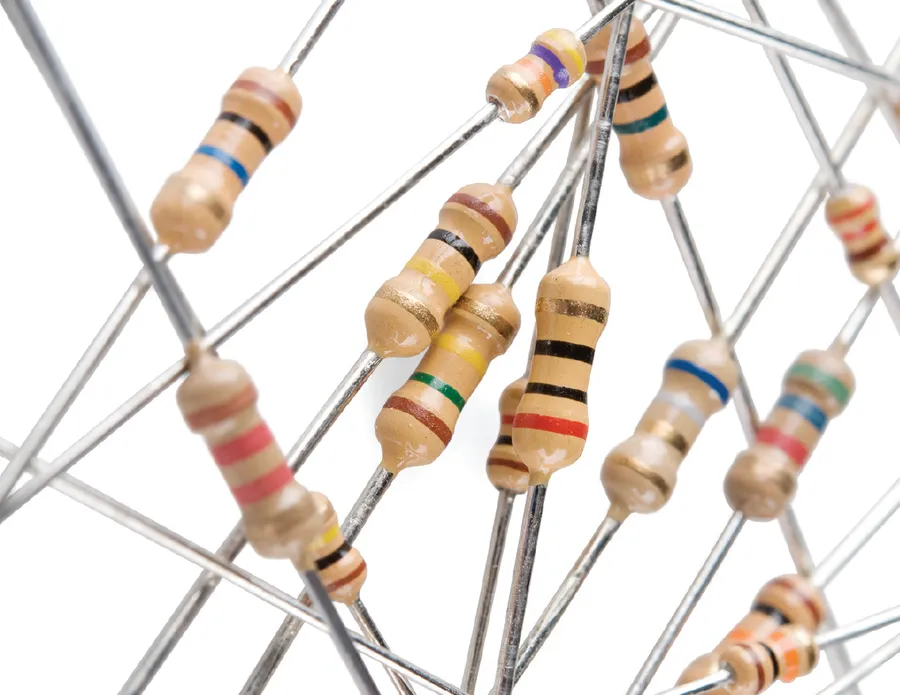
Resistors are fundamental electronic components designed to impede the flow of electrical current within a circuit. This impedance, known as resistance, is measured in ohms (Ω) and is critical for controlling voltage levels, limiting current, and managing signal behavior within electronic devices. The primary function of a resistor is to convert electrical energy into heat, enabling the precise manipulation of electrical signals and power distribution.
Resistors are categorized based on their construction and characteristics, with common types including fixed resistors, which offer a static resistance value, and variable resistors (potentiometers and rheostats), which allow for adjustable resistance. Fixed resistors are often identified through a color-coding system, wherein bands of color represent specific numerical values that enable the determination of the resistor's resistance and tolerance. This standard color-coding system is essential for engineers and technicians in circuit design, assembly, and repair.
| Characteristic | Fixed Resistors | Variable Resistors (Potentiometers/Rheostats) |
|---|---|---|
| Resistance Value | Static value, determined during manufacturing | Adjustable within a specified range |
| Adjustment | Non-adjustable | Manually or electronically adjustable |
| Typical Application | Precise current limiting and voltage division | Volume controls, sensor adjustments and calibration |
| Color Coding | Color bands for resistance value and tolerance | Often no color codes; value specified by manufacture |
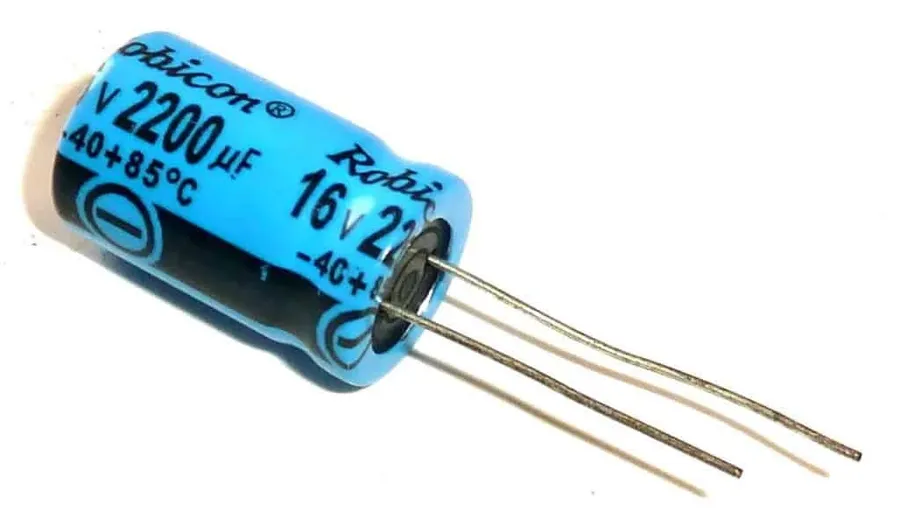
Capacitors are fundamental electronic components that store electrical energy in an electric field. They are characterized by their ability to accumulate charge and are crucial in various applications, including filtering, energy storage, and timing circuits. This section delves into the operational principles of capacitors, explores diverse types, and elucidates their practical uses in electronics. The core functionality is based on the principle of capacitance, defined as the ratio of charge stored to the potential difference across the capacitor.
| Capacitor Type | Dielectric Material | Typical Capacitance Range | Typical Applications | Advantages | Disadvantages |
|---|---|---|---|---|---|
| Ceramic | Ceramic compounds (e.g., titanium dioxide) | 1 pF to 10 μF | Bypass capacitors, coupling capacitors, filtering | Low cost, small size, good high-frequency performance | Lower capacitance values, susceptible to mechanical stress |
| Electrolytic | Aluminum oxide or tantalum oxide with an electrolyte | 0.1 μF to 100,000 μF | Power supply filtering, decoupling, energy storage | High capacitance values, good for low-frequency applications | Polarized, higher Equivalent Series Resistance (ESR), shorter lifespan compared to other types |
| Tantalum | Tantalum pentoxide | 0.01 μF to 1000 μF | High-reliability applications, filtering, decoupling | High capacitance in small sizes, stable performance | Sensitive to voltage surges, more expensive |
| Film | Plastic films (e.g., polyester, polypropylene) | 100 pF to 10 μF | High-precision timing circuits, audio circuits | Low losses, high stability, high reliability | Larger size compared to ceramic capacitors |
| Supercapacitor | Porous carbon electrodes with an electrolyte | Farads (F) | Energy storage, backup power | Very high capacitance, fast charging and discharging | Lower voltage ratings, higher ESR compared to other capacitors |
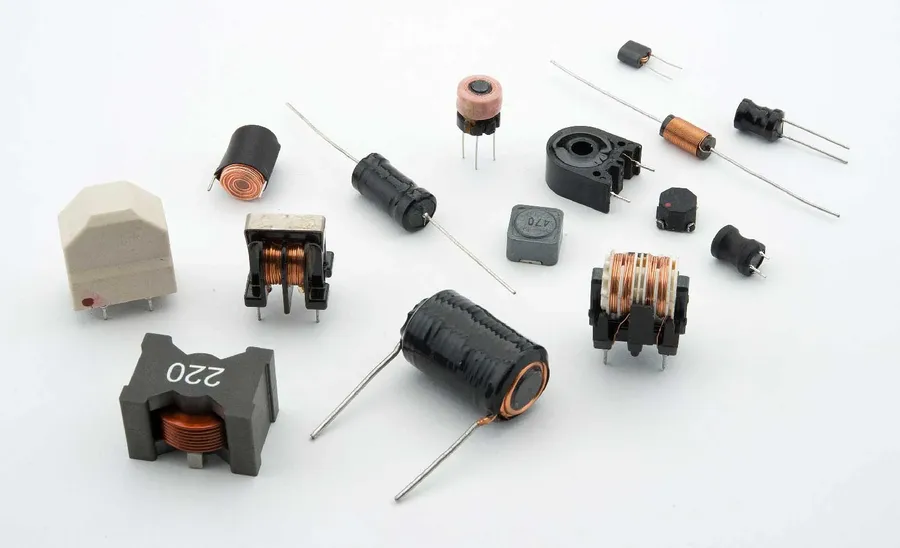
Inductors are fundamental electronic components that store energy in a magnetic field when electric current flows through them. This property allows inductors to resist changes in current, making them crucial for various applications, including filtering, energy storage, and impedance matching. They are often employed in circuits that require alternating current (AC) manipulation.
Inductors come in various forms, each with specific characteristics and applications. The primary function of an inductor is to oppose changes in current flow. This characteristic, known as inductance, is measured in henries (H). The inductance value depends on the physical properties of the inductor, including the number of turns in the coil, the coil's cross-sectional area, its length, and the type of core material used.
| Type | Core Material | Typical Applications | Advantages | Disadvantages |
|---|---|---|---|---|
| Air-core inductor | Air | Radio frequency (RF) circuits | Low core losses, high frequency operation | Lower inductance, larger size |
| Ferrite-core inductor | Ferrite | Power supplies, filtering circuits | Higher inductance, compact size | Core saturation at high currents, frequency limitations |
| Iron-core inductor | Iron | Audio frequency applications, power transformers | High inductance, suitable for high current | Core losses, lower frequency operation |
| Toroidal inductor | Ferrite or Powdered Iron | Noise filtering, power supplies, high frequency applications | Minimized magnetic leakage, efficient | Complex manufacturing, higher cost |
Inductors are essential in numerous electronic applications. Their ability to oppose changes in current makes them invaluable for filtering out unwanted frequencies in signal processing and power supply circuits. They are also vital for storing energy in switched-mode power supplies and play a crucial role in resonant circuits used in wireless communication and induction heating technologies.
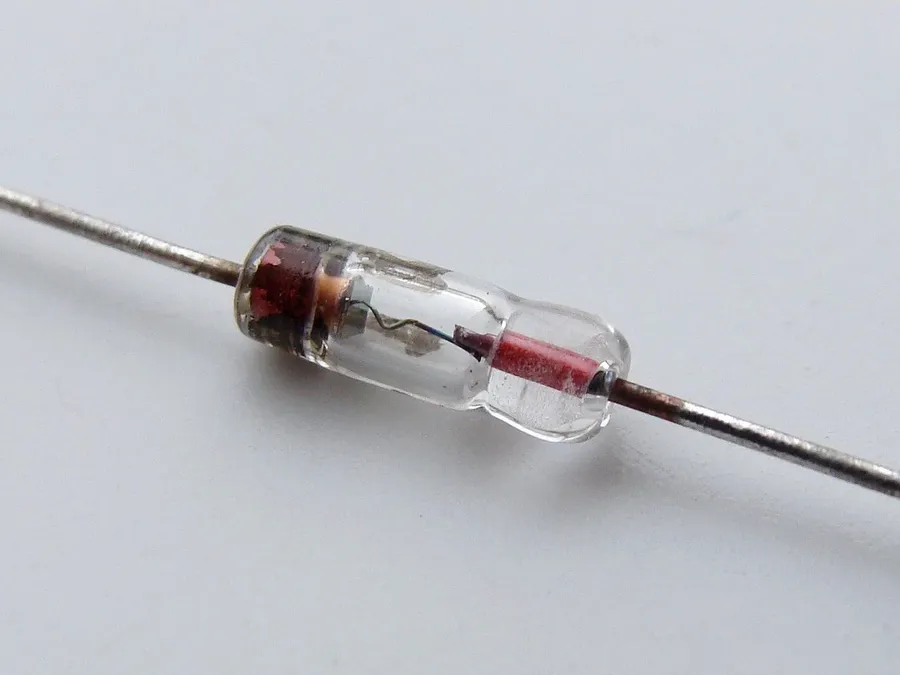
Diodes are fundamental semiconductor devices that act as one-way valves for electrical current, allowing current to flow easily in one direction while blocking it in the opposite direction. This unidirectional behavior is crucial in various electronic circuits for tasks such as rectification, signal processing, and voltage regulation.
The core functionality of a diode arises from its construction, typically involving a junction between a p-type and an n-type semiconductor material. This p-n junction creates a depletion region that, when forward-biased, allows current to flow with minimal resistance and when reverse-biased effectively blocks current flow with the exception of a small leakage current.
| Diode Type | Function | Applications |
|---|---|---|
| Rectifier Diode | Converts AC to DC | Power supplies, battery chargers |
| Zener Diode | Regulates voltage | Voltage regulation circuits, overvoltage protection |
| Light Emitting Diode (LED) | Emits light when current flows | Displays, lighting, indicators |
| Schottky Diode | Fast switching with low voltage drop | High frequency circuits, power converters |
| Signal Diode | Used in signal processing and switching applications. | Signal detection, demodulation, small switching applications. |
The specific characteristics of each diode type are determined by factors such as the doping levels and the materials used in their construction. For example, rectifier diodes are optimized for high current capabilities, while zener diodes are designed to maintain a specific reverse voltage. Similarly, LEDs are designed to emit light efficiently when forward biased. Understanding the different types of diodes and their characteristics is essential for designing circuits to achieve the desired functionality.
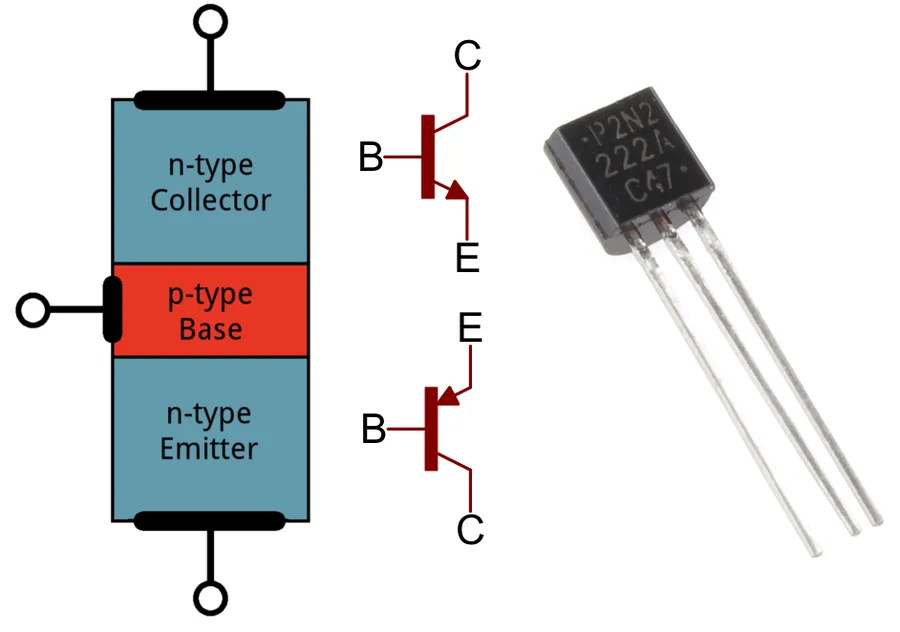
Transistors are fundamental semiconductor devices that serve as the building blocks of modern electronics, acting as both amplifiers and switches. Their ability to control electrical current flow makes them essential for a wide range of applications, from simple switching circuits to complex signal amplification in integrated circuits.
| Feature | Bipolar Junction Transistors (BJTs) | Field-Effect Transistors (FETs) |
|---|---|---|
| Control Mechanism | Current controlled by input current | Current controlled by input voltage |
| Input Impedance | Low input impedance | High input impedance |
| Polarity | NPN and PNP | N-channel and P-channel |
| Applications | Amplification, switching | Logic circuits, switching |
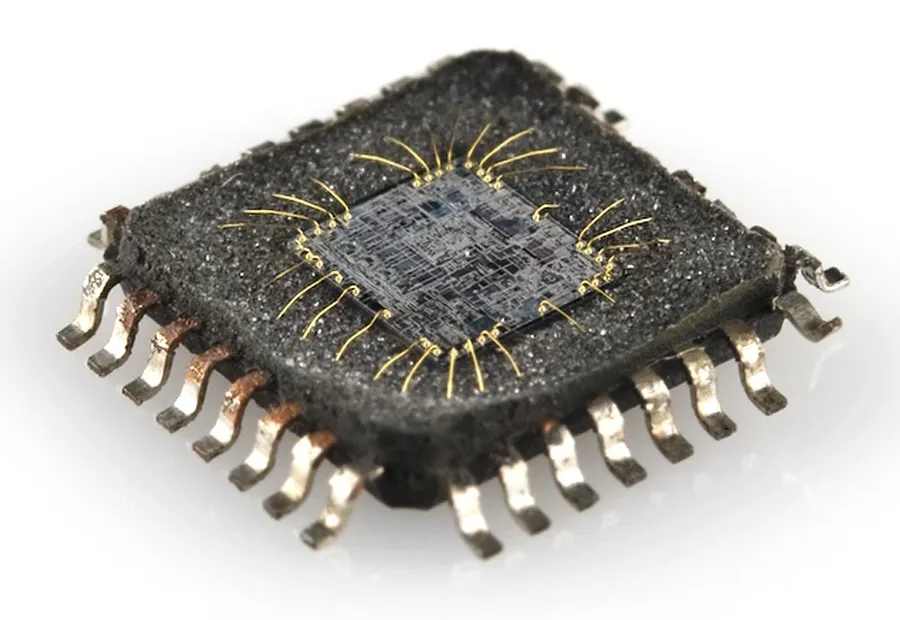
Integrated circuits (ICs), often called microchips or chips, represent a pinnacle of modern electronics, encapsulating numerous electronic components—such as transistors, resistors, and capacitors—within a single, miniaturized package. This integration enables complex functionalities and greatly reduces the size and complexity of electronic devices, making them the fundamental building blocks of today's electronic systems.
The following table outlines several common categories of integrated circuits and their primary functions:
| IC Category | Primary Function | Examples |
|---|---|---|
| Microprocessors (MPUs) | Central processing unit of a system, executing instructions and performing calculations. | Intel Core series, ARM Cortex series |
| Memory Chips | Store data and instructions for use by the processor. | DRAM, SRAM, Flash Memory |
| Operational Amplifiers (Op-Amps) | Amplify analog signals and perform various mathematical operations. | LM741, TL081 |
| Microcontrollers (MCUs) | System on a chip, designed for embedded applications. | Arduino boards, ESP32 series |
| Logic Gates | Perform logical operations such as AND, OR, and NOT. | 7400 series chips |
| Analog-to-Digital Converters (ADCs) | Convert analog signals into digital data for processing. | ADC0804, MCP3008 |
| Digital-to-Analog Converters (DACs) | Convert digital data into analog signals. | DAC0800, MCP4725 |
ICs are manufactured through a process of depositing layers of semiconductor materials onto a substrate, creating complex interconnected circuits. This process allows for mass production of highly reliable and cost-effective electronic components.
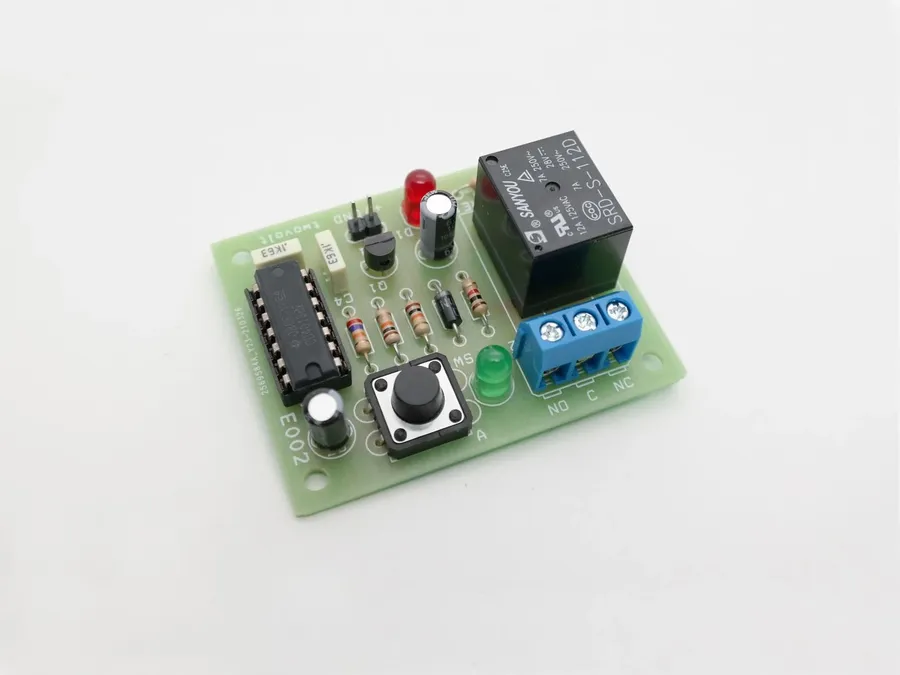
Switches and relays are fundamental components for controlling electrical circuits, acting as gatekeepers that either permit or block the flow of current. They are essential for everything from simple on/off controls to complex automation systems, ensuring precise management of electrical power distribution and signal routing.
| Component Type | Function | Control Method | Typical Applications |
|---|---|---|---|
| Mechanical Switches | Directly open or close a circuit through physical movement. | Manual (e.g., toggle, push-button). | Lighting, appliances, simple machine controls. |
| Electronic Switches (e.g., Transistors) | Use semiconductor materials to enable or inhibit current flow based on an electrical signal. | Electrical signal input to base or gate. | Logic circuits, power control, signal amplification. |
| Relays | Use an electromagnetic coil to open or close contacts, often to control higher current or voltage circuits. | Electrical signal to coil (often low power). | Automotive systems, industrial controls, HVAC systems. |
The choice between a switch and a relay often depends on the specific application's requirements regarding load, control voltage, speed, and physical space constraints.
This section addresses common queries regarding electronic components, offering concise answers to enhance understanding and clarify fundamental concepts.
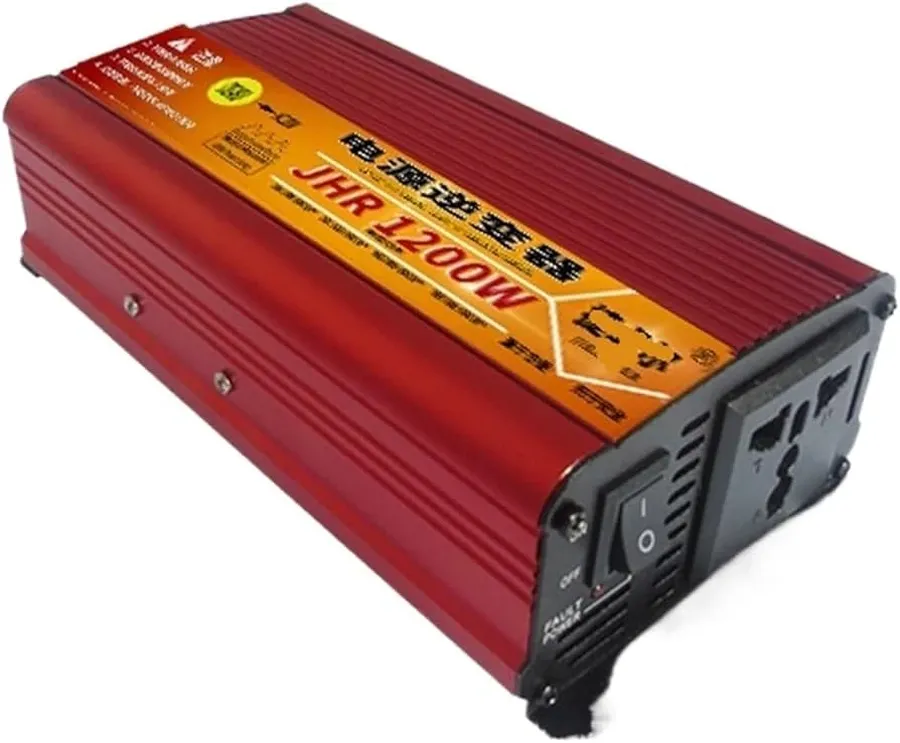
Power sources are fundamental to all electronic circuits, providing the energy necessary for components to operate. This section will explore two critical power sources: batteries, which provide direct current (DC) power, and transformers, which convert alternating current (AC) voltages.
| Feature | Batteries | Transformers |
|---|---|---|
| Power Type | DC | AC |
| Energy Source | Chemical | Electromagnetic Induction |
| Function | Provides stable DC power | Converts AC voltages |
| Types | Primary(non-rechargeable) and Secondary(rechargeable) | Step-up and Step-down |
| Typical Applications | Portable electronics, remote controls | Power distribution, electronic equipment |
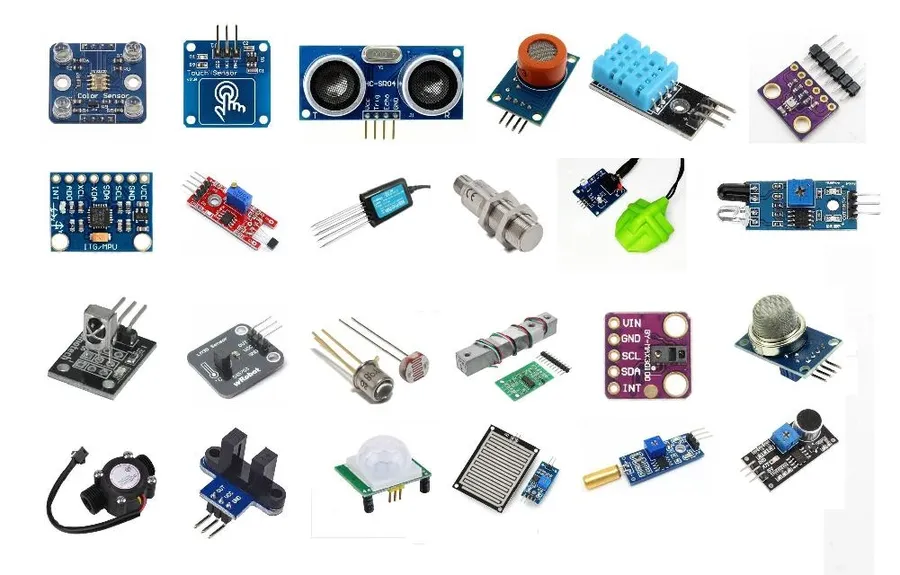
Sensors are the critical interface between the physical world and electronic systems, converting real-world phenomena like temperature, pressure, light, and motion into electrical signals that can be processed, measured, and acted upon by electronic circuits. These devices are essential for gathering data and enabling a vast array of applications, from industrial automation to environmental monitoring and consumer electronics.
Understanding electronic components such as resistors, capacitors, diodes, transistors, inductors, and integrated circuits is crucial for anyone interested in electronics, whether for hobby projects or professional circuit design. This comprehensive guide provides essential knowledge about their functions and applications, setting the foundation for further exploration in the exciting world of electronics. From basic circuits to complex systems, these fundamental components form the core of modern technology.

