Industrial electronics, the backbone of modern manufacturing and automation, powers the complex systems that drive our industrial world. From the simple sensors detecting production line flow to the sophisticated power converters controlling robotic arms, understanding industrial electronics is crucial for anyone involved in or interested in advanced industrial technology. This article will delve into the core concepts, applications, and emerging trends, providing a clear and comprehensive overview of this critical field.
Industrial electronics is a specialized field of electronics that focuses on the design, development, and application of electronic devices, systems, and controls for use in industrial environments. Unlike consumer electronics, which are designed for general public use, industrial electronics are engineered for durability, reliability, and performance in harsh conditions. This field encompasses a wide array of components, devices, and systems, playing a vital role in automating and optimizing industrial processes.
At its core, industrial electronics deals with converting, controlling, and monitoring electrical power to drive industrial machinery and processes. This includes a spectrum of applications from simple sensor-based control circuits to complex automated systems that manage entire production lines. The robustness and precision required in these applications distinguish industrial electronics from its consumer-grade counterparts.
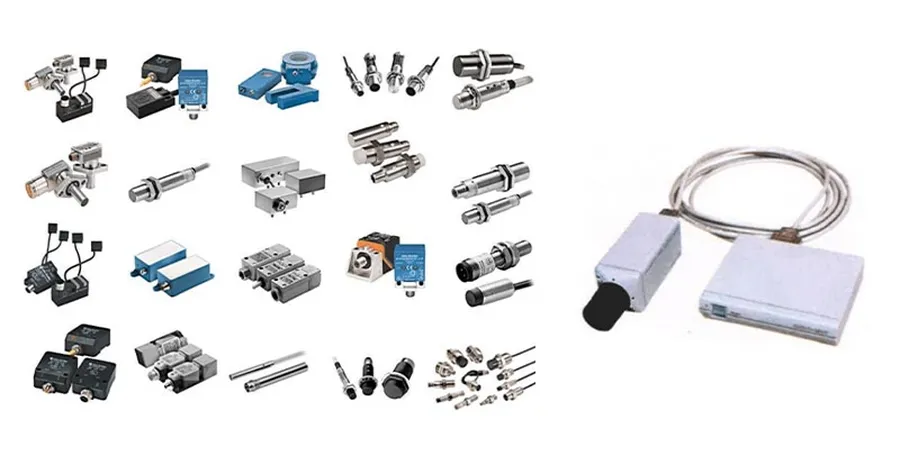
Industrial electronic systems are comprised of various critical components that enable complex automation, control, and monitoring processes. These components work in synergy to ensure efficient and reliable operation across diverse industrial applications. Understanding the functionalities and roles of these key components is fundamental for anyone working with or studying industrial electronics.
| Component | Functionality | Role in Industrial Systems | Key Characteristics |
|---|---|---|---|
| Sensors | Convert physical phenomena (e.g., temperature, pressure, light) into electrical signals. | Provide real-time data about the state of the process or environment, which is essential for monitoring and control systems. | Accuracy, sensitivity, response time, and robustness. |
| Actuators | Convert electrical signals into physical actions (e.g., movement, force, flow). | Implement control decisions by operating valves, motors, and other mechanical devices. | Force, speed, precision, and energy efficiency. |
| Power Supplies | Provide stable and regulated electrical power to all other components of the system. | Ensure reliable and consistent power delivery, which is crucial for proper operation and prevention of damage. | Output voltage and current, stability, efficiency, and protection features. |
| PLCs (Programmable Logic Controllers) | Digital computers used for automation of industrial electromechanical processes. | Control the sequence of operations, monitor process parameters, and interface with other control systems. | Real-time processing capability, programming flexibility, and resilience to harsh industrial environments. |
| HMIs (Human-Machine Interfaces) | Provide interfaces for human operators to monitor and control industrial systems. | Display process data, allow operators to input commands, and manage system parameters. | Clarity, ease of use, real-time updates, and robustness to industrial environments. |
Industrial electronics is the cornerstone of modern automated systems, driving efficiency and precision across numerous sectors. This section will explore its pervasive influence by delving into real-world applications and illustrative case studies, highlighting the transformative impact of industrial electronics in manufacturing, energy, transportation, and robotics.
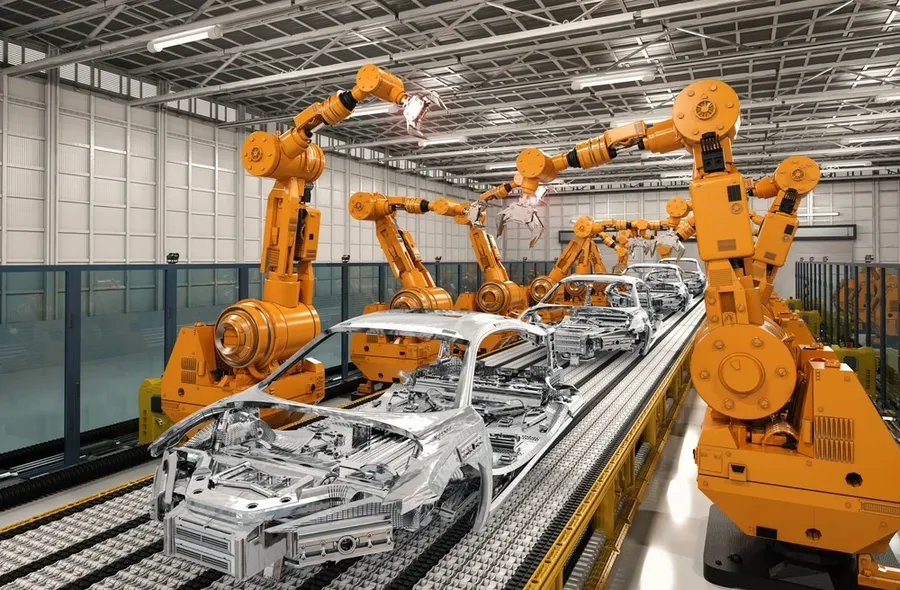
**Manufacturing:** Industrial electronics are fundamental to automated production lines, powering robotic assembly, precision machining, and quality control systems. Programmable Logic Controllers (PLCs) manage complex sequences, sensors provide critical feedback, and variable frequency drives (VFDs) control motor speeds for optimal performance. For example, in the automotive industry, robots equipped with sophisticated electronic control systems perform welding, painting, and assembly with high accuracy and repeatability, increasing production rates and reducing defects. Case studies have shown significant increases in throughput and reductions in operational costs after implementing automated systems based on industrial electronics.
**Energy:** Within the energy sector, industrial electronics are vital for power generation, transmission, and distribution. Smart grids rely on intelligent electronic devices (IEDs) for real-time monitoring and control, ensuring grid stability and reliability. Power converters, inverters, and rectifiers manage the flow of electricity, enabling efficient integration of renewable energy sources like solar and wind. Industrial electronics also facilitate precise control of complex industrial processes in oil and gas, optimizing energy use and improving safety and efficiency. For instance, high-voltage direct current (HVDC) transmission lines that use industrial electronic converters allow the efficient transfer of electricity over long distances with minimal loss.
**Transportation:** The transportation industry leverages industrial electronics for enhanced safety, efficiency, and reliability. Electric vehicles (EVs) utilize power electronic inverters for motor control, energy storage management, and battery charging. Railway systems incorporate sophisticated control systems for train operations, signaling, and communication. Modern aircraft employ electronic flight control systems (fly-by-wire) that enable safer and more efficient navigation, as well as advanced engine control systems. Moreover, industrial electronics play a critical role in traffic management systems, utilizing sensor data and control algorithms to optimize traffic flow, reduce congestion, and improve safety in urban areas.
**Robotics:** Industrial robots, integral to manufacturing and logistics, depend on industrial electronics for motion control, sensing, and data processing. They employ complex electronic control systems to perform repetitive tasks with precision and efficiency. Industrial robots are equipped with a wide range of sensors, including vision systems, force sensors, and proximity sensors, which enable them to interact with their environment in a safe and effective manner. As robotics continues to advance, industrial electronics remains the critical driving force behind ever more intelligent and adaptable machines in a multitude of applications.
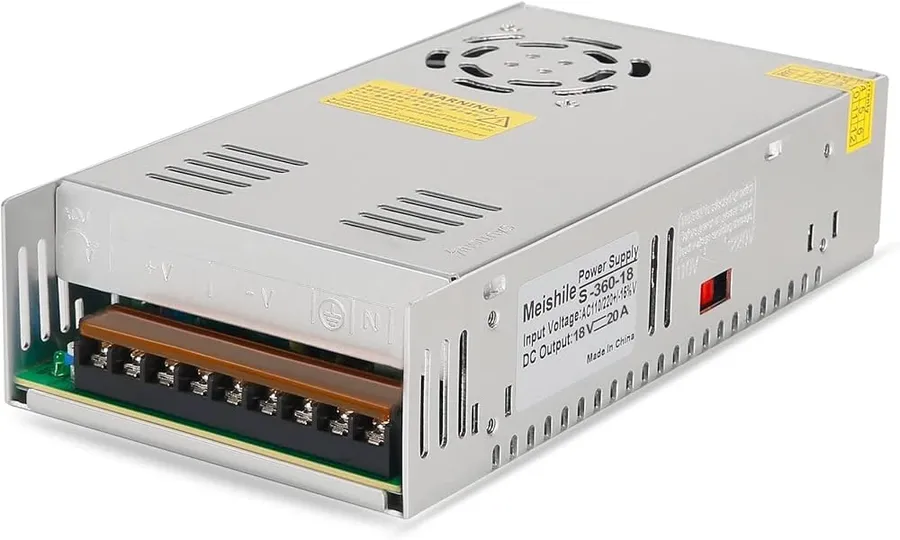
Power electronics forms the backbone of industrial systems, enabling efficient and precise control of electrical energy. This section delves into the critical role of power conversion, focusing on key devices like AC/DC converters, DC/DC converters, and inverters, alongside control strategies such as PID control.
| Converter Type | Function | Typical Industrial Applications |
|---|---|---|
| AC/DC Converters (Rectifiers) | Convert Alternating Current (AC) to Direct Current (DC). | Power supplies for DC equipment, battery chargers, variable speed drives. |
| DC/DC Converters (Choppers) | Convert one DC voltage level to another. | Powering various electronic circuits within a system, solar power systems, electric vehicle charging. |
| DC/AC Converters (Inverters) | Convert Direct Current (DC) to Alternating Current (AC). | Motor drives, uninterruptible power supplies (UPS), renewable energy systems. |
These power converters are fundamental in industrial applications for various reasons. AC/DC converters, or rectifiers, are used to transform AC power from the grid into DC power, which is needed to operate many electronic devices and systems. DC/DC converters, also called choppers, are used to efficiently regulate DC voltage levels. This is crucial for powering different circuits within a system at their required voltage levels. Lastly, DC/AC converters, or inverters, are essential for converting DC power into AC power, which is necessary to run electric motors, uninterruptible power supplies (UPS), and renewable energy systems. The selection of the right power converter depends on the specific application, taking into account voltage levels, current requirements, efficiency, and cost considerations. Optimizing the power conversion stage is a key factor in reducing energy consumption and improving system performance.
Motor control is another critical area where power electronics plays a vital role. Variable frequency drives (VFDs), which use power electronic inverters, are commonly used to control the speed of AC motors. By precisely adjusting the frequency of the AC power, VFDs enable accurate motor speed control while improving energy efficiency by optimizing operation, which is crucial in applications such as pumps, fans, and conveyor systems. A proportional-integral-derivative (PID) controller is also key to control systems. PID controllers work by calculating the error between a desired setpoint and the actual value, using three control terms (proportional, integral, and derivative) to make corrections. This method ensures stable and accurate operation, as well as fast response times to disturbances. These control systems are used in many different industrial processes to manage a wide range of factors, including temperature, pressure, flow, and position. For example, in temperature control, the PID controller adjusts the heating or cooling based on the error between the desired and actual temperatures, allowing the process to operate at its optimal setting. In summary, power conversion and control systems are essential components of industrial systems, ensuring efficient operation, precise control, and system performance.
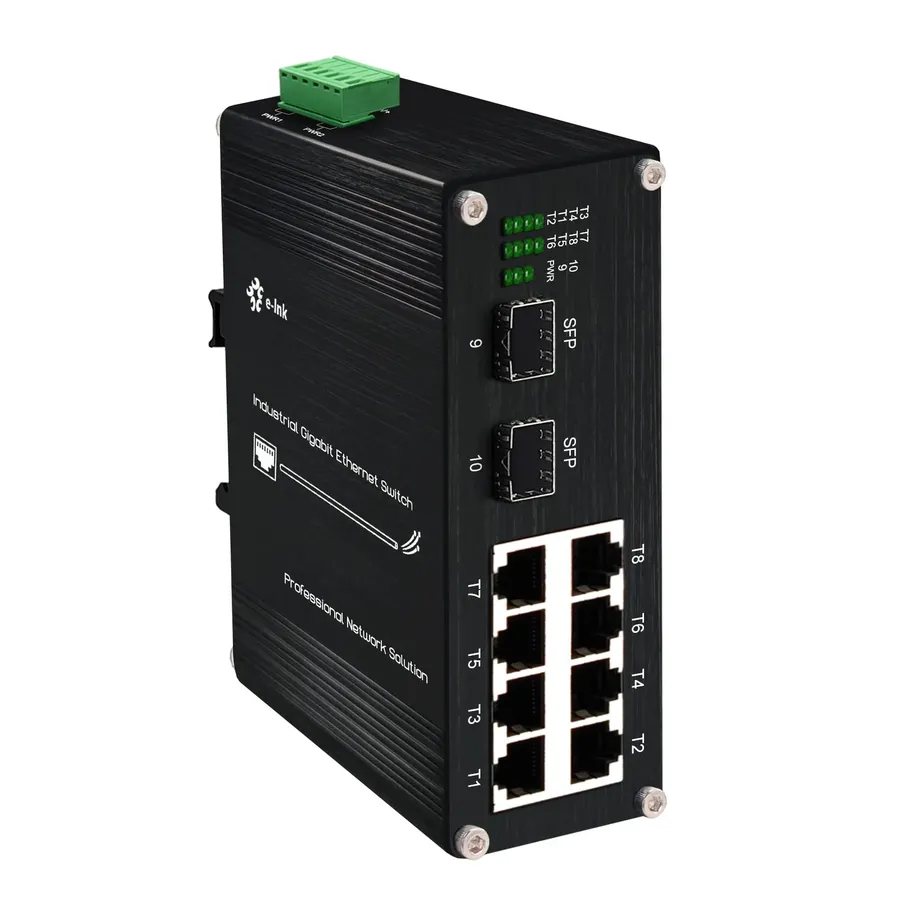
Industrial communication protocols are the backbone of modern automated systems, enabling seamless data exchange between various devices and controllers within industrial environments. These protocols are essential for ensuring real-time control, monitoring, and diagnostics of complex industrial processes, driving efficiency and productivity. They facilitate interoperability between different devices, regardless of the manufacturer, by defining specific rules for data transmission and interpretation.
Here's a look at some common industrial communication protocols:
| Protocol | Typical Application | Speed | Topology | Strengths |
|---|---|---|---|---|
| Ethernet/IP | Factory automation, motion control | High (100 Mbps - 10 Gbps) | Star, tree | Flexibility, wide availability, high-speed |
| PROFINET | Process automation, motion control | High (100 Mbps - 1 Gbps) | Star, tree | Deterministic, real-time, robust |
| Modbus | SCADA, data acquisition | Low (up to 115 kbps) | Bus, serial | Simple, versatile, widely supported |
| CANopen | Embedded networks, automotive | Medium (up to 1 Mbps) | Bus | Robust, cost-effective for device networks |
| DeviceNet | Industrial devices, sensors | Medium (up to 500 kbps) | Bus | Simple device connectivity |
| HART | Process instrumentation, smart sensors | Low (1200 bps) | Point-to-point, multi-drop | Analog signal with digital communication |
The selection of a specific protocol depends on various factors including, data rate requirements, network size, environmental conditions, cost constraints and compatibility of existing devices. Understanding these protocols is essential for effective industrial system design, implementation, and maintenance.
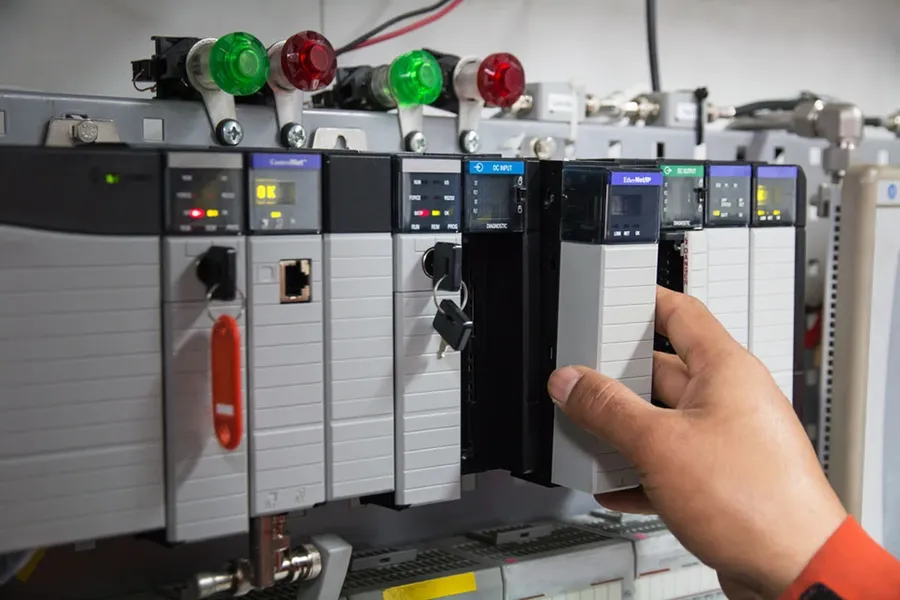
Programmable Logic Controllers (PLCs) and Supervisory Control and Data Acquisition (SCADA) systems are the cornerstones of modern industrial automation. PLCs execute real-time control of machinery and processes, while SCADA systems provide centralized monitoring, data logging, and supervisory control across entire facilities.
| Feature | PLC (Programmable Logic Controller) | SCADA (Supervisory Control and Data Acquisition) |
|---|---|---|
| Primary Function | Real-time control of machines/processes | Supervisory control, data logging, and monitoring |
| Scope | Local control of a single machine or process | Facility-wide or geographically dispersed operations |
| Data Acquisition | Directly from sensors and actuators | Via PLCs and other control systems |
| Control Mode | Closed-loop control based on pre-programmed logic | Open-loop or set-point control based on operator input |
| Human Interface | Typically via HMIs (Human-Machine Interfaces) or small panels | Sophisticated graphical user interfaces (GUIs) on workstations |
| Real-Time Response | High-speed and deterministic | Less critical, typically milliseconds or seconds |
| Programming Languages | Ladder logic, function block diagrams, structured text, etc. | Configured via specialized software |
PLCs are designed for robust operation in harsh industrial environments, executing control algorithms with high reliability and speed, while SCADA systems provides the overall operational oversight, collecting data from the various plant control systems for analysis and reporting. The synergy between the two is fundamental to achieving highly automated and efficient industrial operations.
Maintaining and troubleshooting industrial electronics equipment is crucial for ensuring operational efficiency and minimizing downtime. This section outlines best practices for preventing failures, diagnosing problems, and repairing industrial electronic systems, emphasizing the importance of regular maintenance and the appropriate use of diagnostic tools.
Effective maintenance involves a combination of preventative measures, regular inspections, and proactive part replacement. When issues do arise, systematic troubleshooting, coupled with the right diagnostic tools, plays a key role in minimizing system downtime.
This section addresses common queries regarding industrial electronics, providing clear and concise answers to enhance understanding of this critical field. These questions are designed to cover key aspects and clarify frequently encountered points of confusion.
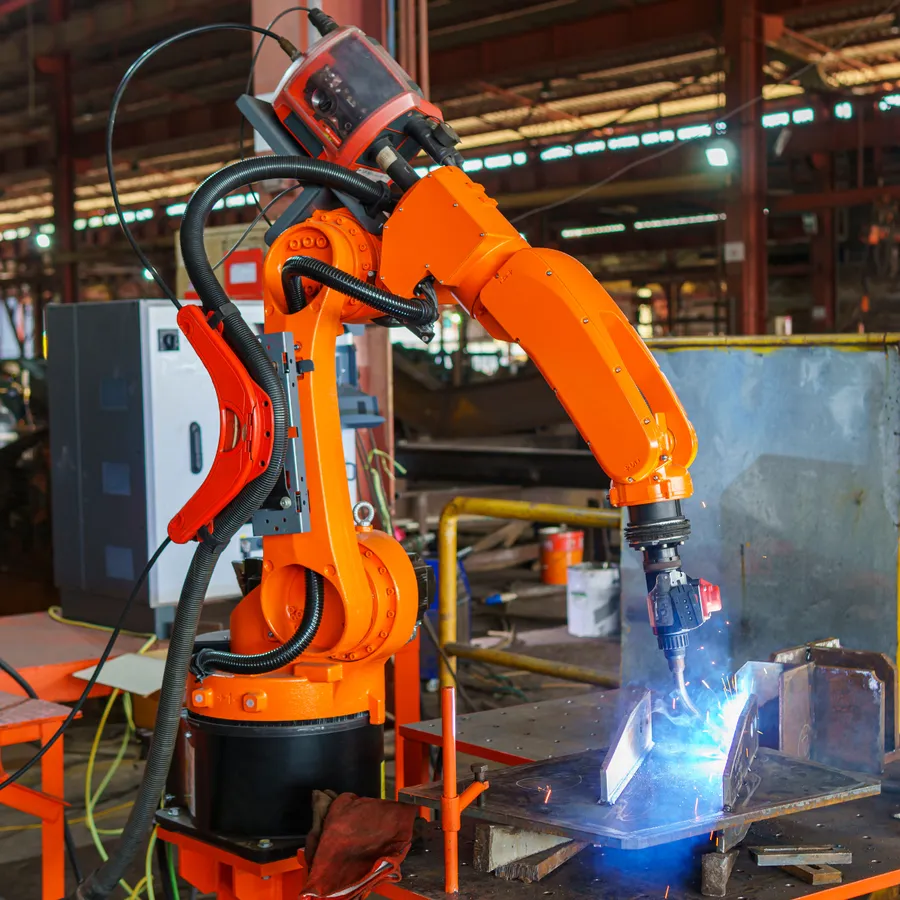
The field of industrial electronics is undergoing rapid transformation, driven by emerging technologies and the imperative for increased efficiency, productivity, and sustainability. Key trends include the integration of the Internet of Things (IoT), the adoption of Industry 4.0 principles, and the application of Artificial Intelligence (AI) and machine learning.
In conclusion, industrial electronics is a dynamic and critical field underpinning many sectors of modern industry. From basic components to advanced automation systems, a deep understanding of its principles and technologies is essential. As technology evolves, continuous learning and adaptation in areas such as Industry 4.0 and AI will be crucial for professionals in industrial electronics, ensuring continued innovation and progress within the industrial landscape.

