In our increasingly interconnected world, electronic connectors are the unsung heroes enabling seamless communication and power transfer between devices. From the simplest household gadgets to complex industrial machinery, understanding these vital components is crucial. This guide will demystify electronic connectors, exploring their diverse types, applications, and selection criteria, bridging the gap between technical jargon and everyday understanding.
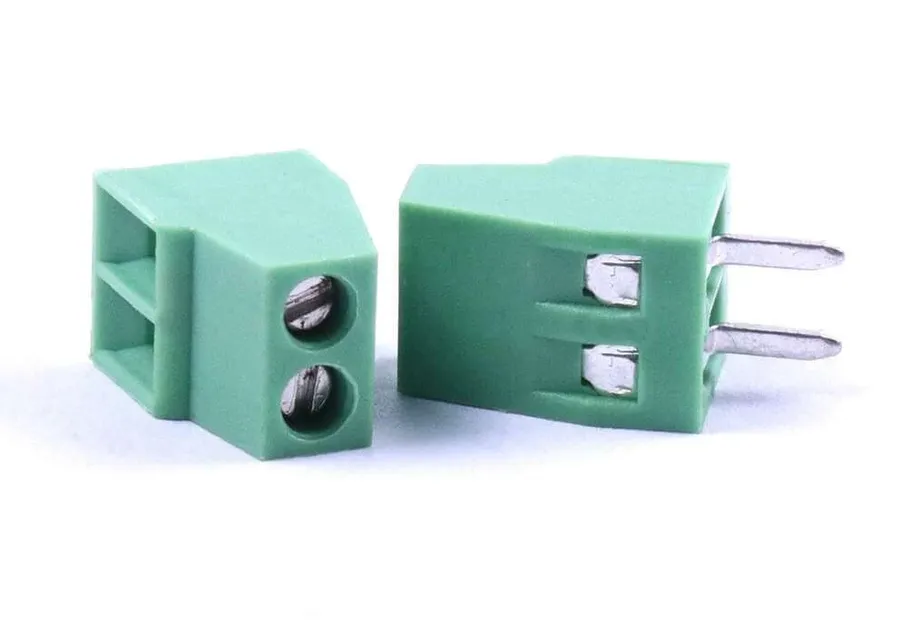
Electronic connectors are indispensable components in any electronic system, serving as the critical interface that facilitates the flow of electrical current and signals between various subsystems or modules. They are fundamental to ensuring the operational integrity and performance of electronic devices, acting as the vital links that allow for the seamless transfer of power and data. Their design and proper selection directly influence system reliability and efficiency, making them a cornerstone of electronic engineering.
PCB (Printed Circuit Board) connectors are essential components that facilitate electrical connections to and from a PCB. They provide a modular and reliable way to link different circuit boards, components, and external devices, ensuring the seamless transmission of power and signals within electronic systems. This section details the key functions and various types of PCB connectors.
| Connector Type | Function | Common Application | Connection Type |
|---|---|---|---|
| Board-to-Board | Connects two PCBs | Modular electronic devices, stacking systems | Direct PCB connection |
| Wire-to-Board | Connects wires to PCB | Power supplies, signal inputs/outputs | Wire termination |
| Header | Versatile interface | Prototyping, modular systems | Pin/socket interface |
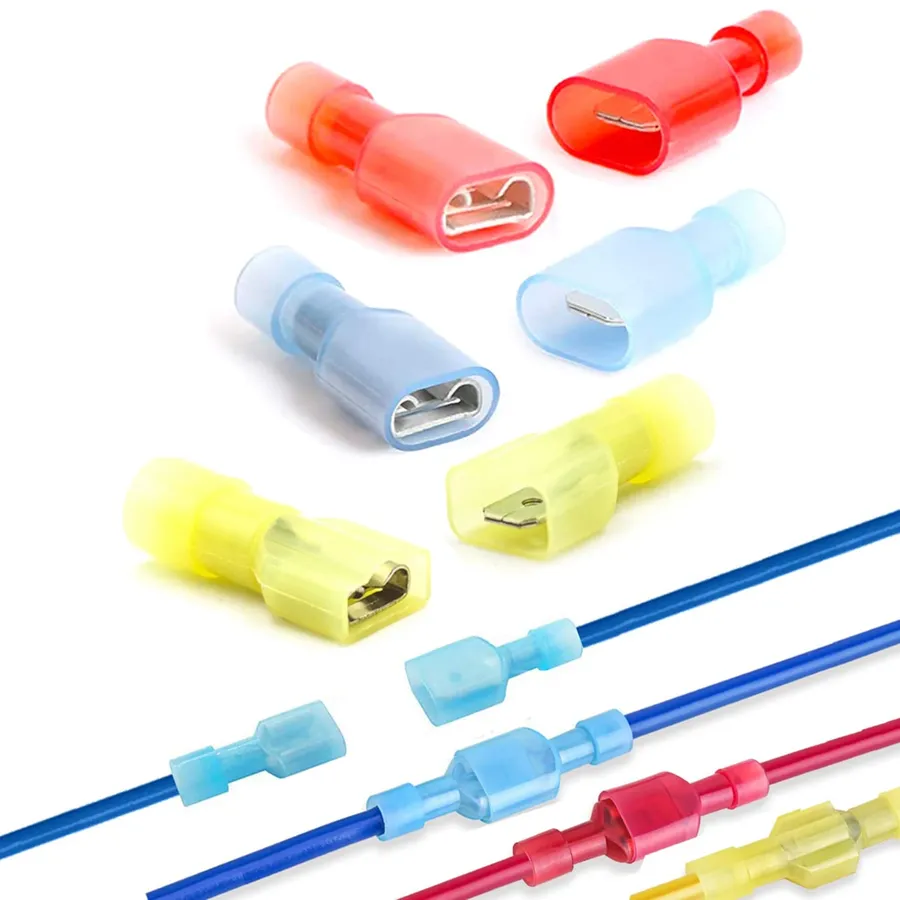
Electronic connectors are the unsung heroes of modern electronics, facilitating the crucial connections that enable the flow of power and signals. This section delves into the most prevalent types of electronic connectors, categorized by their primary function and design, offering a comprehensive overview of their characteristics and applications.
| Connector Type | Typical Application | Key Characteristics |
|---|---|---|
| PCB Connectors | Internal device connections | Board-to-board, wire-to-board, various pin configurations |
| Wire Connectors | External wiring, harness connections | Crimp, IDC, terminal blocks, various wire gauges |
| RF Connectors | Radio frequency signal transmission | BNC, SMA, N-type, impedance matching, signal integrity |
| Power Connectors | Power supply connections | DC, AC, various voltage and current ratings |
| Data Connectors | Data signal transmission | USB, Ethernet, HDMI, various data transmission rates |
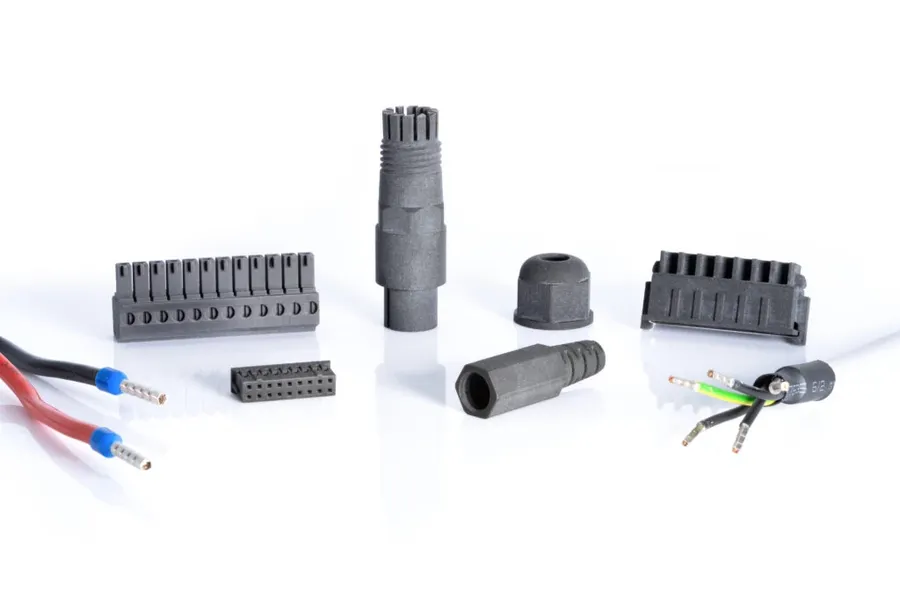
Wire connectors are essential components for creating secure and reliable electrical connections between wires. They come in a variety of forms, each designed for specific applications and wiring needs. These connectors facilitate the joining of wires without the need for soldering, providing a more convenient and often reversible method of electrical connection. The selection of an appropriate wire connector depends on factors such as the wire gauge, the electrical current, the environment, and the required reliability.
| Connector Type | Connection Method | Common Applications | Advantages | Disadvantages |
|---|---|---|---|---|
| Crimp Connectors | Mechanical pressure | Automotive, general wiring | Reliable, easy to install | Requires specific tools |
| Insulation Displacement Connectors (IDCs) | Insulation piercing | Mass termination, flat ribbon cables | Fast, no stripping needed | Limited wire types and gauges |
| Terminal Blocks | Screw or spring clamps | Industrial, power distribution | Modular, organized | Can be bulky |
RF (Radio Frequency) connectors are specialized components designed to transmit radio frequency signals with minimal signal loss and impedance mismatch. These connectors are crucial in applications where high-frequency signals are used, such as in telecommunications, radar systems, and wireless communication equipment. Their design emphasizes maintaining signal integrity and minimizing signal reflection.
RF connectors are characterized by specific impedance values, typically 50 ohms or 75 ohms, to match the impedance of the transmission lines and devices they connect. Different types of RF connectors exist, each with its own characteristics suitable for specific applications.
| Connector Type | Description | Typical Applications | Frequency Range |
|---|---|---|---|
| BNC | Bayonet Neill-Concelman connector; a quick connect/disconnect connector with a bayonet locking mechanism. | Test equipment, video signals, low-frequency RF | DC to 4 GHz |
| SMA | SubMiniature version A; a threaded connector with high precision and good performance. | Microwave systems, antennas, mobile communications | DC to 18 GHz (and higher for some variants) |
| N-type | A threaded connector known for its durability and good performance at higher power levels. | Base station antennas, high-power RF systems | DC to 18 GHz |
| TNC | Threaded Neill-Concelman; threaded version of the BNC connector. | Vibration prone environments, test equipment | DC to 12 GHz |
| UHF | A threaded connector historically used in HF/UHF applications. | Ham radio, older RF equipment | DC to 300 MHz |
The selection of an appropriate RF connector is crucial, and it is primarily dependent on operating frequency, power handling requirements, environmental conditions and desired durability. It is also crucial to choose mating connectors with the same characteristics for correct operation.
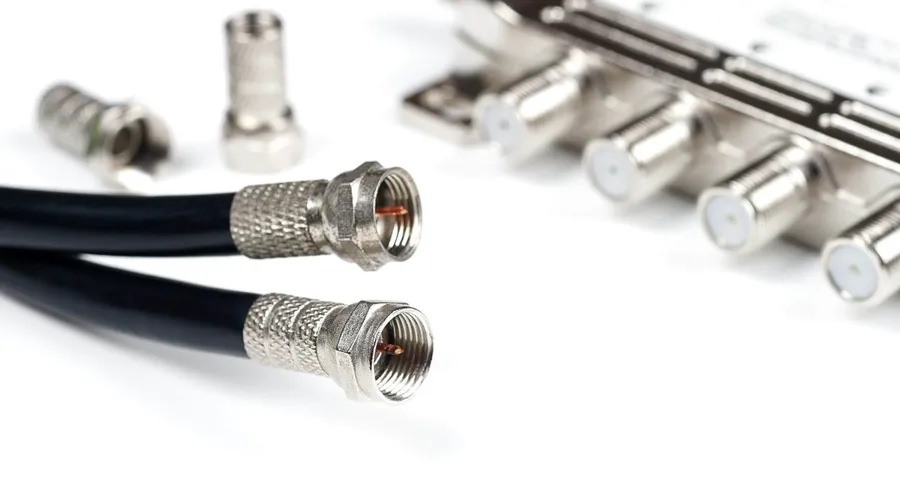
Selecting the correct electronic connector is crucial for ensuring the reliability and performance of any electronic system. Several key electrical, mechanical, and environmental factors must be carefully considered to guarantee optimal operation and longevity. These factors directly affect the connector's ability to transmit signals and power efficiently, resist environmental stresses, and maintain integrity over its lifespan. Ignoring these considerations can result in system failures, signal degradation, or premature component wear.
| Feature | Description | Importance |
|---|---|---|
| Voltage Rating | The maximum voltage that the connector can safely handle without insulation breakdown. | Ensures safety and prevents electrical arcing or short circuits. |
| Current Rating | The maximum continuous current the connector can carry without overheating and causing damage. | Prevents connector overheating and ensures reliable power delivery. |
| Operating Temperature | The range of temperatures within which the connector is designed to operate effectively. | Essential for systems subjected to extreme temperature conditions to ensure reliable operation and prevent material degradation. |
| Contact Materials | The metals used for the connector's conductive elements, e.g. gold, tin, or copper alloys. | Impacts conductivity, corrosion resistance, and contact reliability. Gold is ideal for low-voltage signals with superior corrosion resistance, while tin is more cost-effective for high current applications. |
| Environmental Protection (IP Ratings) | Indicates the degree of protection against intrusion from solids and liquids. | Crucial for connectors used in harsh environments and ensures proper function despite dust and moisture exposure. IP67 and IP68 are commonly used ratings, where the former ensures protection against dust and temporary immersion, and the latter against dust and continuous immersion. |
| Mating Cycles | The number of times a connector can be repeatedly connected and disconnected without significant degradation in performance. | Indicates the connector's durability, particularly in applications requiring frequent mating. |
| Contact Resistance | The electrical resistance of the contact interface, often specified in milliohms. | Affects signal integrity and power loss, with low values being preferred for high-performance applications. |
| Connector Type & Size | Physical shape and dimensions of the connector, which needs to be compatible with the design and available space. | Influences compatibility with other components and physical space constraints within the system. |
| Mounting Style | How the connector is attached to a PCB or enclosure, such as surface mount, through-hole or cable mount. | Must be compatible with manufacturing methods and application design. Surface Mount Technology (SMT) is widely used for its cost effectiveness and compactness. |
| Polarization and Keying | Mechanical features ensuring correct connector orientation during mating. | Prevents damage and misconnections by ensuring that the connector is only installed correctly. |
Power connectors are essential components in electronic systems, responsible for delivering electrical power from a source to a device or circuit. They facilitate the safe and efficient transfer of energy, ensuring that electronic devices function correctly. The selection of the correct power connector is critical to the reliability and safety of the electronic system.
Power connectors can be broadly categorized into two main types: DC connectors and AC connectors. DC connectors are typically used for low-voltage applications, while AC connectors are designed for higher voltage applications related to mains power.
| Connector Type | Voltage Type | Typical Applications | Key Features |
|---|---|---|---|
| DC Barrel Connectors | DC | Adapters, low-power devices | Cylindrical shape, various sizes, center pin polarity. |
| DC Coaxial Connectors | DC | Power supplies, audio equipment | Threaded or bayonet locking, robust. |
| Screw Terminal Blocks | DC | Industrial power connections, high-current applications | Secure connection, customizable wire termination. |
| IEC Connectors (C13/C14) | AC | Computer power supplies, other high-power devices | Standardized, three-pin design, secure connection. |
| NEMA Connectors | AC | North American standard wall outlets, appliance power | Various configurations based on amperage and voltage ratings. |
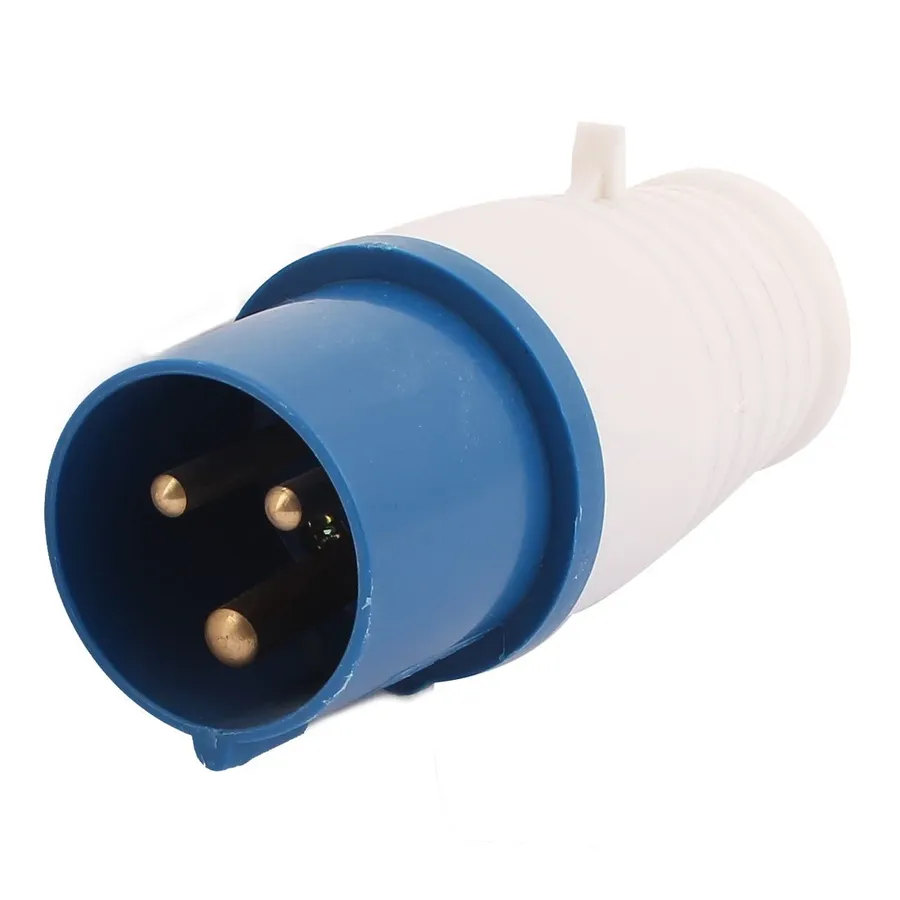
Electronic connectors are integral across a vast spectrum of industries, serving as the critical interface for electrical and data transmission. Their specific designs and characteristics are tailored to meet the unique demands of each sector, ensuring reliable operation and performance.
Data connectors are critical components in modern electronic systems, facilitating the transmission of digital information between devices. These connectors are designed to ensure reliable and efficient data transfer, supporting various communication protocols and speeds. The selection of a data connector is dependent on the specific data transmission requirements, including bandwidth, signal integrity, and physical constraints.
Below are some of the common data connectors:
The selection of materials in electronic connectors is a critical design consideration, directly impacting performance, reliability, and cost. These materials must provide a stable electrical path, withstand mechanical stresses, and resist environmental degradation. Material choices involve a delicate balance of conductivity, strength, durability, and cost-effectiveness.
| Material | Properties | Common Applications | Trade-offs |
|---|---|---|---|
| Copper | Excellent electrical conductivity, good thermal conductivity, malleable | Contacts, terminals, conductors | Susceptible to oxidation, can require plating, lower strength than other metals |
| Brass | Good electrical conductivity, corrosion-resistant, relatively low cost | Contacts, terminals, housings | Lower conductivity than copper, can be more susceptible to stress cracking |
| Phosphor Bronze | Excellent spring properties, good fatigue resistance, relatively good conductivity | Spring contacts, clips | Lower conductivity than copper, higher cost than brass |
| Beryllium Copper | High strength, excellent spring properties, good electrical conductivity | High-performance contacts, connectors with frequent mating cycles | Expensive, potential health hazards during manufacturing, requires careful handling |
| Gold | Excellent corrosion resistance, high conductivity, low contact resistance | High-reliability connectors, critical contacts | Expensive, soft and can wear easily, used as plating over other metals |
| Tin | Good solderability, corrosion resistance, low cost | General-purpose connectors, solder terminals | Lower conductivity than copper, can form tin whiskers, which can cause shorts |
| Nickel | Good corrosion resistance, used as barrier layer between base metals and plating | Underplating for gold and other finishes | Lower conductivity compared to copper and gold, not used for contact surface |
| Plastics (e.g., Nylon, PBT, PPS) | Insulation, mechanical support, chemical resistance, low cost | Connector housings, insulators, supports | Not electrically conductive, can be susceptible to heat and chemical degradation |
The reliability and safety of electronic connectors are governed by a range of industry standards and certifications. These standards ensure that connectors meet specific performance, safety, and environmental requirements, guaranteeing compatibility and minimizing risks in various applications. Compliance with these standards is critical for manufacturers and end-users alike, as it ensures product quality, safety, and interoperability.
| Standard/Certification | Description | Relevance to Electronic Connectors |
|---|---|---|
| UL (Underwriters Laboratories) | A global safety certification company that tests and certifies products for safety and performance. | UL certification on connectors ensures they meet specific safety standards, including electrical safety, material flammability, and mechanical strength. UL listing can cover various connector properties, including voltage and current ratings, and also the suitability of a connector for its application. A UL listed connector signifies the product was tested for safety. |
| RoHS (Restriction of Hazardous Substances) | A European Union directive that restricts the use of specific hazardous materials in electrical and electronic products. | RoHS compliance restricts the use of substances like lead, mercury, cadmium, and hexavalent chromium, which can be harmful to human health and the environment. RoHS compliance is an indicator that a connector is more environmentally friendly and safe to handle. |
| REACH (Registration, Evaluation, Authorisation, and Restriction of Chemicals) | A European Union regulation that addresses the production and use of chemical substances, and their potential impacts on both human health and the environment. | REACH compliance requires manufacturers to provide information on any Substances of Very High Concern (SVHCs) used in connectors, this is to ensure transparency about the chemicals used in connectors and further prevent potentially harmful substances from being used. REACH is more comprehensive than RoHS, as it applies to all chemical substances, whereas RoHS is specific to substances in electronics. |
| IEC (International Electrotechnical Commission) | IEC is an international standards organization that develops standards for all electrical, electronic and related technologies. | IEC standards for electronic connectors cover various aspects including dimensions, testing procedures, performance requirements, and safety. Conformance to IEC standards ensures consistency and interoperability of connectors across different countries and manufacturers. IEC standards provide harmonized benchmarks for connector design and testing. |
| ISO (International Organization for Standardization) | An international standard-setting body composed of representatives from various national standards organizations. | ISO standards are broader and may cover quality management (ISO 9001) related to connector manufacturing. While not directly on connector performance, ISO standards are relevant to the overall quality and manufacturing processes of connectors. This helps to ensure that manufacturers have quality management systems in place that can improve and maintain connector quality. |
| MIL-SPEC (Military Specifications) | Set of standards developed by the U.S. Department of Defense for military-grade equipment and components. | MIL-SPEC connectors are designed for high-reliability, durability, and performance in demanding military and aerospace applications. These connectors undergo rigorous testing to withstand extreme environmental conditions, making them suitable for use in harsh environments outside of military usage. |
This section addresses common queries regarding electronic connectors, encompassing their various types, applications, and best practices for installation and maintenance. The goal is to provide clear and concise answers to frequently asked questions, enabling a deeper understanding of these critical components.
Electronic connectors, while essential for electrical systems, are prone to various issues that can disrupt functionality. This section addresses the most common problems encountered with connectors, offering practical troubleshooting advice to ensure reliable connections and prevent system failures. Understanding these issues and implementing preventative measures is critical for maintaining the integrity of electronic devices and systems.
Electronic connectors are the vital building blocks of modern electronics, enabling the transfer of power and data across countless devices. This guide has covered the critical aspects, from basic types to complex selection criteria. Understanding the nuances of these components allows for the design and maintenance of reliable electronic systems. The right electronic connector is the foundation of reliable electronic connections and the right choice ensures the system performance of any electronic devices.

