In the realm of electrical engineering, capacitors play a crucial role, and among them, Genteq capacitors stand out for their reliability and performance, particularly in HVAC systems and motor applications. Just like how our bodies rely on a healthy heart to function properly, these capacitors are the heartbeat of many mechanical systems. This article dives deep into the world of Genteq capacitors, providing you with a comprehensive understanding of their importance, selection process, and troubleshooting, to ensure your systems run smoothly and efficiently.
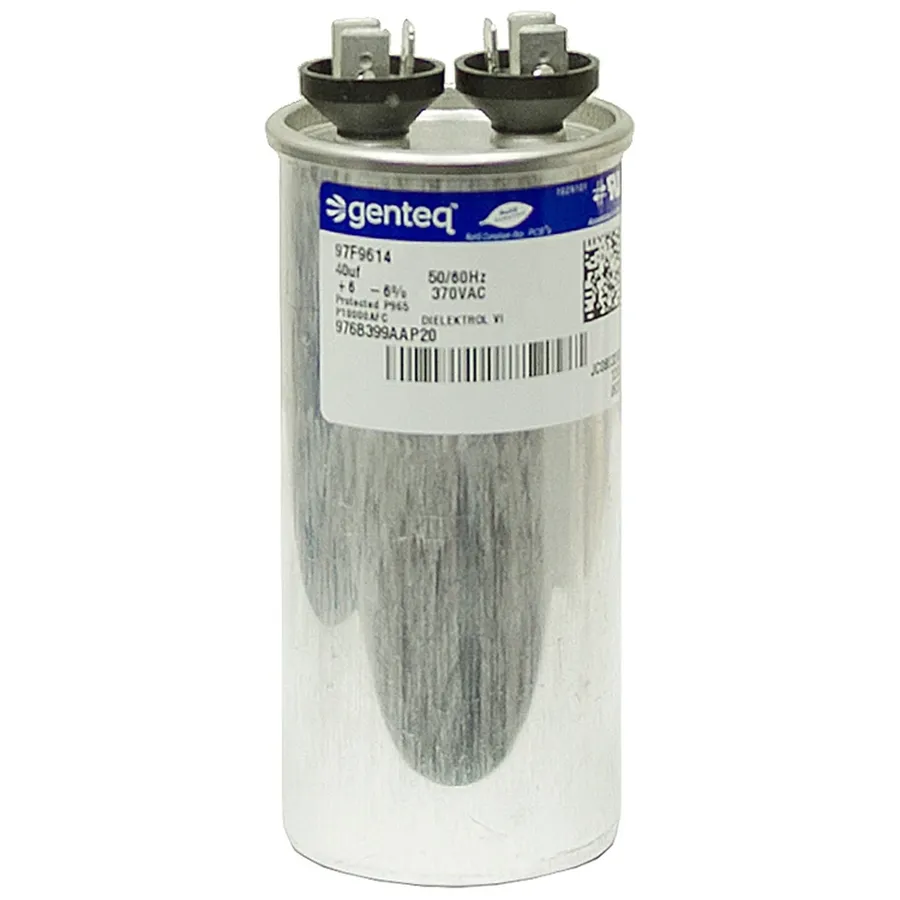
Genteq capacitors are fundamental components within HVAC (Heating, Ventilation, and Air Conditioning) systems and various motor-driven applications. Their primary function is to store and release electrical energy, providing the necessary surge of power to initiate and sustain the operation of electric motors with optimal efficiency. These capacitors are meticulously engineered to meet precise specifications, encompassing voltage and capacitance requirements, ensuring the reliable and effective performance of the equipment they serve.
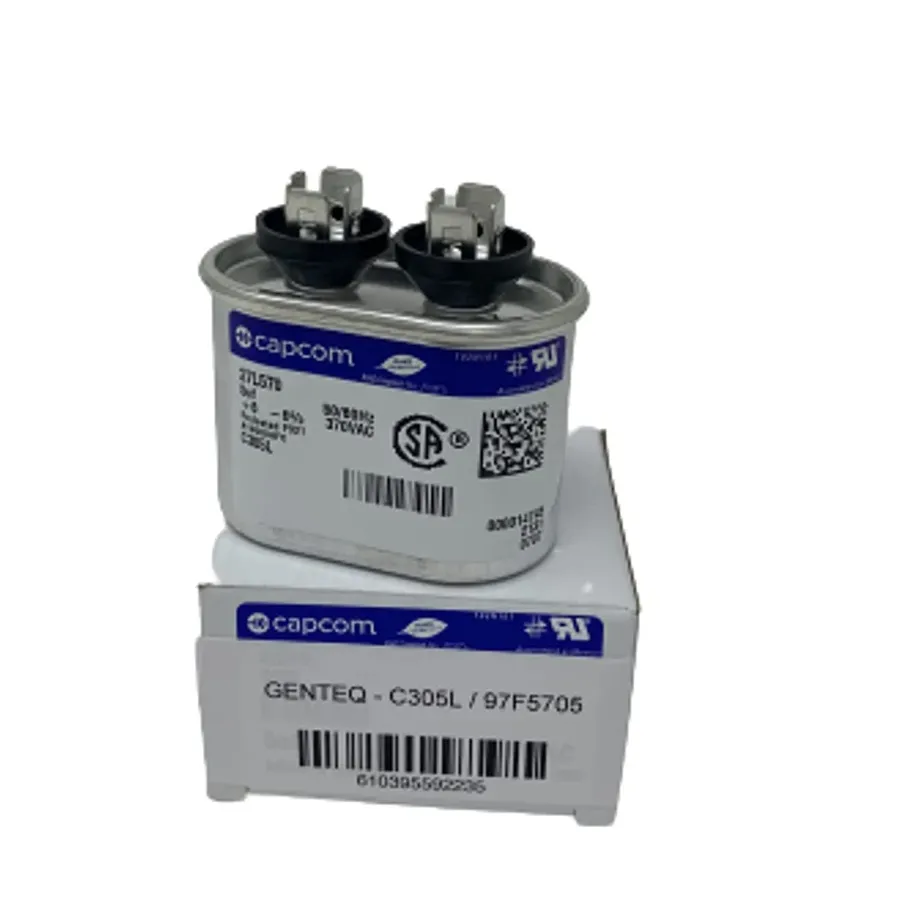
Genteq capacitors are essential components in motor-driven systems, exhibiting a range of specifications tailored to their applications. These specifications encompass electrical characteristics like capacitance, voltage, and frequency, alongside physical attributes such as dimensions and terminal configurations. Understanding these details is crucial for proper capacitor selection and optimal system performance.
Genteq primarily manufactures two main types of capacitors: run capacitors and start capacitors.
| Feature | Run Capacitor | Start Capacitor |
|---|---|---|
| Primary Function | Continuous motor operation | Motor starting torque |
| Duty Cycle | Continuous | Short-duration (intermittent) |
| Construction | Typically oil-filled or dry film | Typically electrolytic or film |
| Capacitance | Lower values (e.g., 5-80 uF) | Higher values (e.g., 70-300 uF) |
| Connection | Permanently connected in the motor circuit | Connected only during start-up |
Key electrical specifications for Genteq capacitors include:
Physical attributes of Genteq capacitors include:
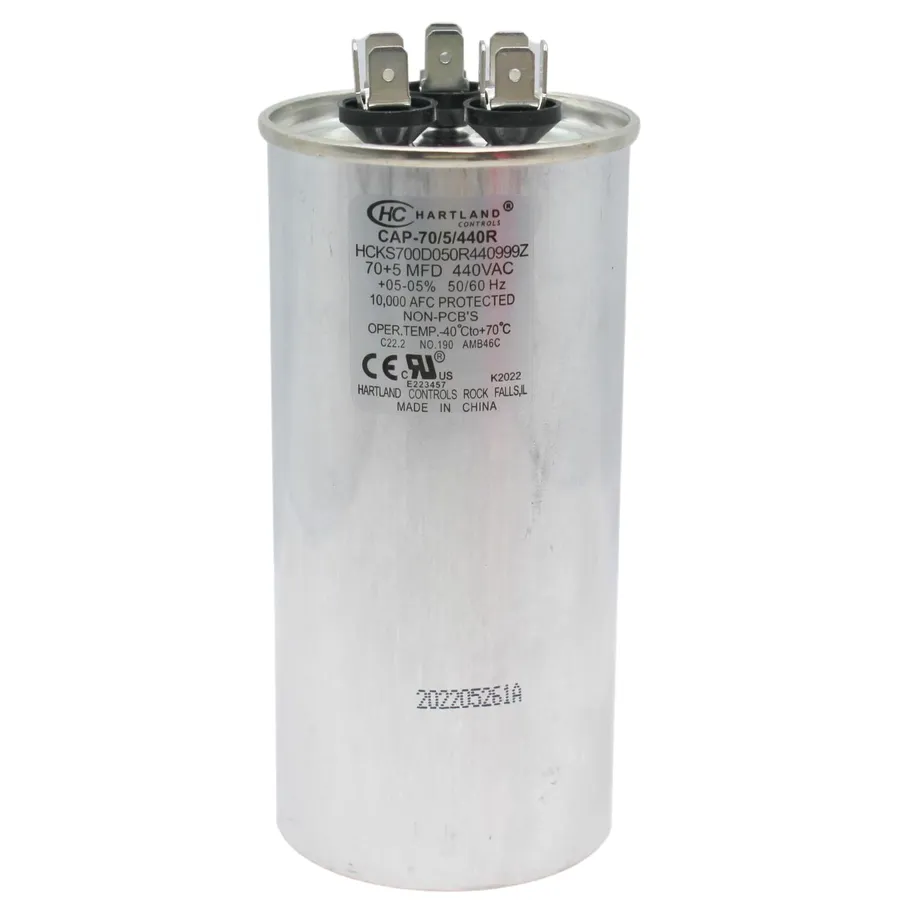
Genteq capacitors are integral components within Heating, Ventilation, and Air Conditioning (HVAC) systems, serving the crucial function of providing the necessary electrical charge to initiate and maintain the operation of various motors. These capacitors are engineered to meet specific voltage and capacitance requirements, ensuring the optimal performance of HVAC units such as air conditioners and heat pumps.
| HVAC Component | Genteq Capacitor Role | Capacitor Selection Considerations |
|---|---|---|
| Compressor Motor | Provides the initial and running electrical charge to start and run the motor. | Must match the compressor motor’s capacitance (uF) and voltage (VAC) ratings. |
| Blower Motor | Provides the initial and running electrical charge to start and run the motor. | Should be selected based on the blower motor’s required capacitance and voltage. |
| Fan Motor | Provides the initial electrical boost and assists in running the fan motor efficiently. | Needs to have the same or better capacitance and voltage rating as the fan motor specifications. |
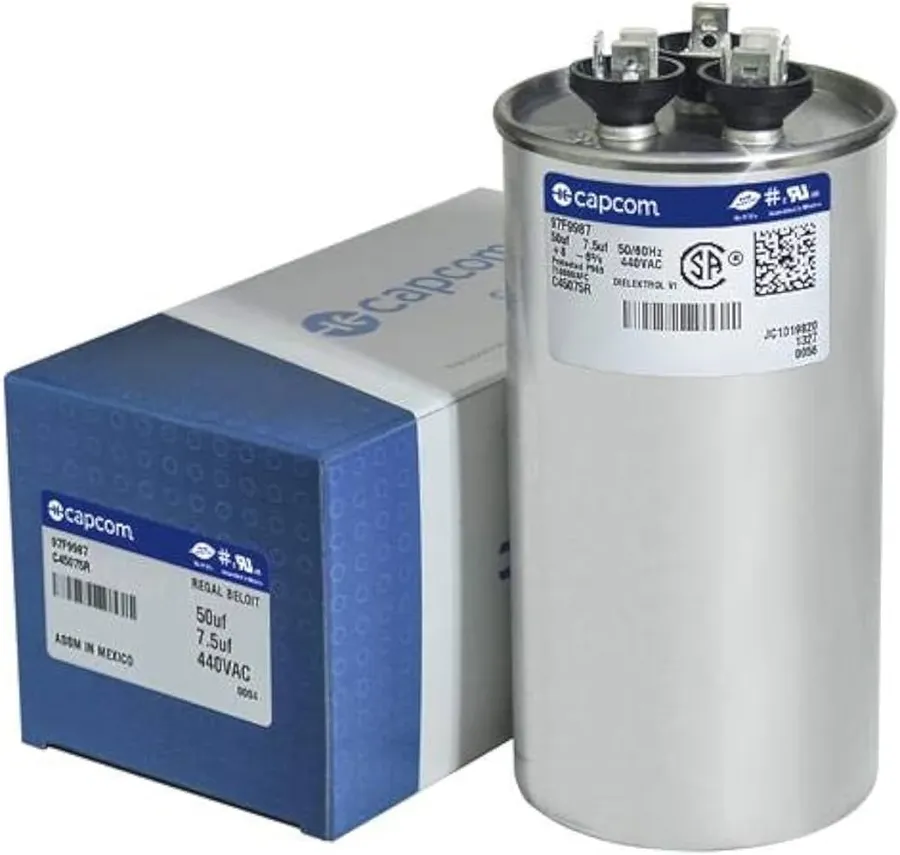
Selecting the correct Genteq capacitor is essential for ensuring the efficient and reliable operation of your HVAC system or motor. The primary factors to consider are the capacitor's microfarad (MFD) rating, its voltage rating (VAC), and its physical dimensions. A mismatch in these specifications can lead to performance issues or even equipment damage. Always prioritize selecting a replacement with compatible or superior specifications to the original capacitor.
The most important factor is to match the MFD (Microfarad) rating and the voltage (VAC) rating of the existing capacitor. Slight tolerance in the capacitance rating is usually acceptable, but it's best practice to stay as close as possible to the original specifications. It is also important to consider the capacitor's physical dimensions to ensure it fits within the equipment's housing.
| Parameter | Description | Importance |
|---|---|---|
| Capacitance (MFD or uF) | The electrical charge storage capacity of the capacitor, measured in microfarads. | Must match the original capacitor or have a very slight tolerance. Incorrect capacitance can lead to motor inefficiency, damage, or failure. |
| Voltage Rating (VAC) | The maximum voltage the capacitor is designed to withstand, measured in volts of alternating current. | Must be equal to or greater than the original capacitor. Using a lower voltage capacitor can cause it to fail catastrophically. |
| Physical Dimensions | The physical size and shape of the capacitor. | Ensures the replacement capacitor fits correctly within the allocated space in the equipment. |
| Operating Frequency (Hz) | The intended operating frequency of the capacitor, usually 50/60Hz for standard AC applications | Must match or be compatible with the electrical system. While many capacitors are dual rated (50/60Hz), it is an important specification to confirm. |
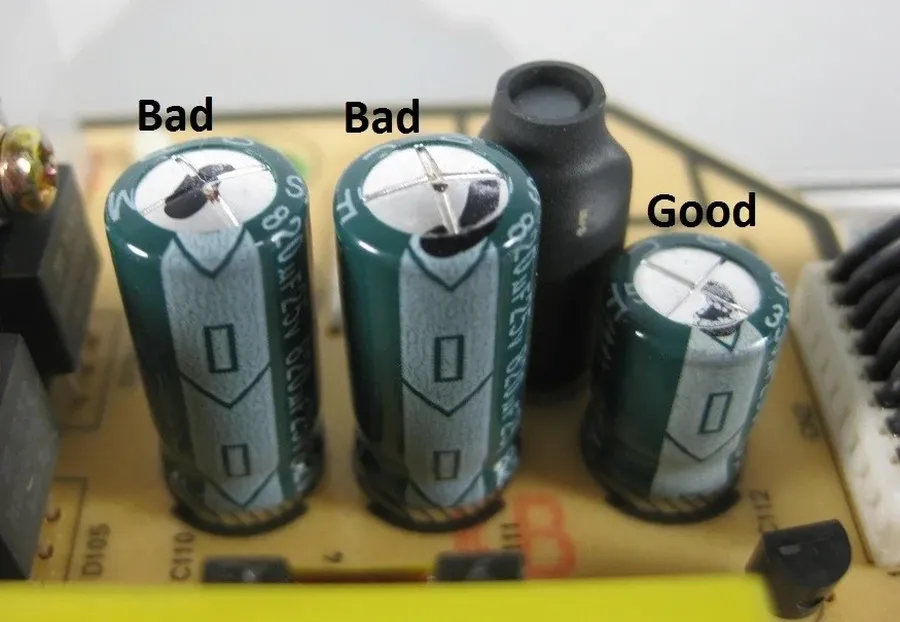
Recognizing a failing Genteq capacitor is crucial for maintaining the optimal performance of HVAC systems and motors. Common indicators of a failing capacitor include a humming motor, slow or delayed start-up, or the complete failure of the motor to operate. These symptoms often result from the capacitor's inability to store and release electrical charge effectively, impacting the motor's starting torque and running efficiency.
A multimeter is essential for accurately diagnosing a capacitor's health. Here's a step-by-step guide to testing a Genteq capacitor:
When troubleshooting, also look for visual clues such as bulging or leaking capacitors, which can indicate internal damage and potential failure. Always compare the capacitor readings with the manufacturer's specifications to confirm its functional status. Correctly interpreting both capacitance and resistance readings ensures accurate diagnosis of the capacitor and enables timely replacement for optimal equipment performance.
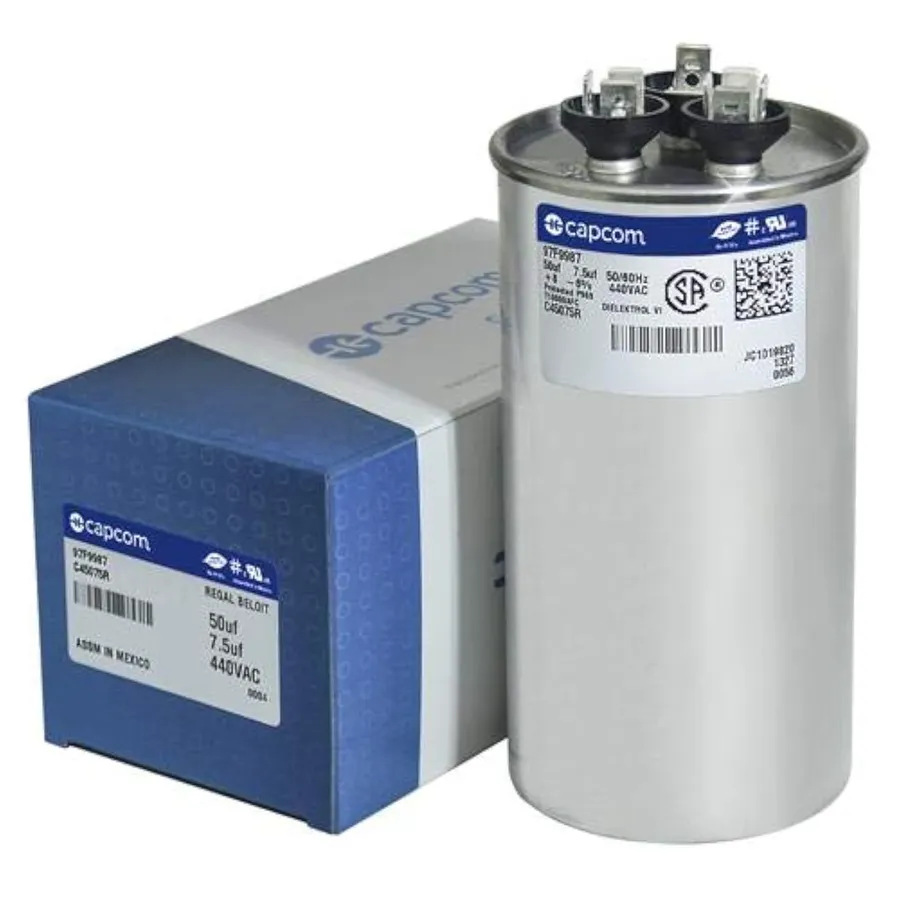
Genteq capacitors have established themselves as a preferred choice for Original Equipment Manufacturers (OEMs) within the HVAC industry, due to their proven reliability and consistent performance. These capacitors are specifically engineered to meet the rigorous demands of HVAC systems, ensuring the efficient operation of crucial components like compressor motors, blower motors, and fan motors. Their widespread use and dependability have led to them being a key component in a variety of HVAC equipment.
While Genteq is a prominent brand, it's not uncommon to find their capacitors rebranded or supplied under different names, with Capcom being a notable example. This practice is typical within the OEM supply chain, where manufacturers often source components from reliable suppliers like Genteq and then market them under their own branding or a partner brand. This business model ensures OEMs can confidently incorporate high-quality, dependable capacitors into their final products.
Capcom's historical significance in the capacitor industry further highlights the impact and reach of Genteq’s products. The collaboration between Genteq and companies like Capcom demonstrates how manufacturers ensure their components meet the high demands of the HVAC industry. These OEM connections underscore the wide range of applications and the prevalence of Genteq capacitors in various HVAC systems, emphasizing their quality and market penetration.
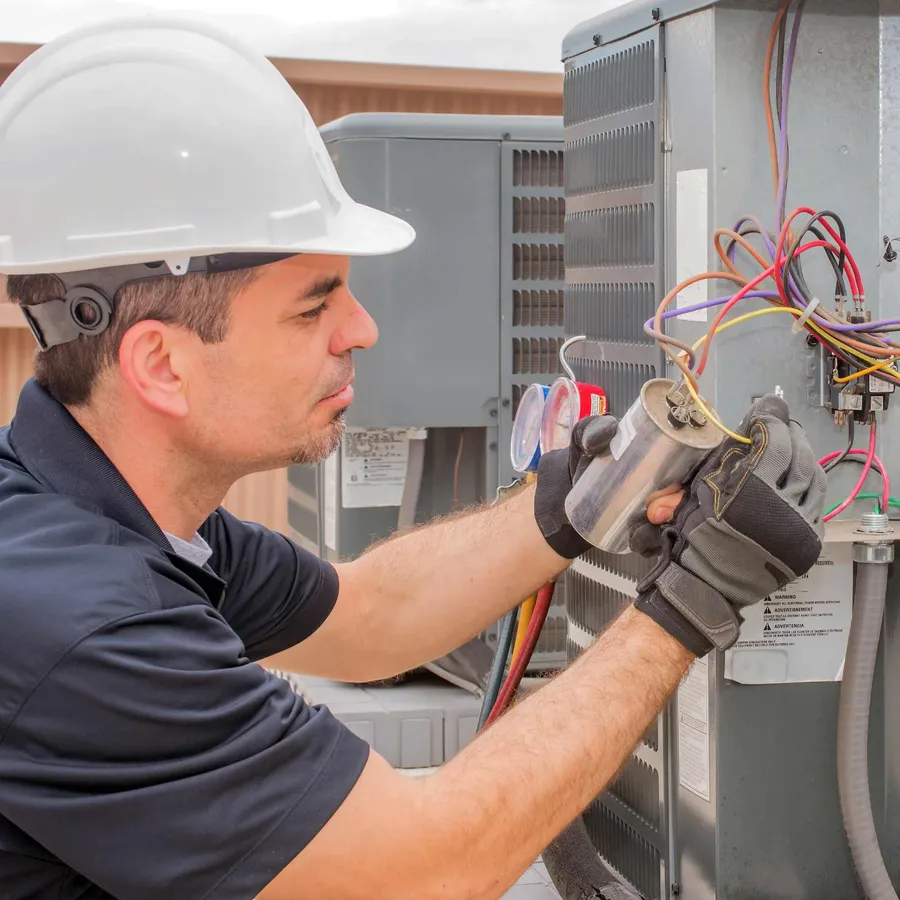
Replacing a Genteq capacitor, while seemingly straightforward, requires meticulous attention to safety protocols and procedural accuracy to ensure optimal performance and prevent potential hazards. This section outlines a practical, step-by-step guide for safely and effectively replacing these crucial components in HVAC systems and motors.
Before initiating any replacement procedure, it is paramount to recognize that capacitors store electrical energy, even when the equipment is powered off. Therefore, the initial step involves taking the necessary safety precautions. This includes de-energizing the equipment, which means turning off the power at the circuit breaker and disconnecting the power source to eliminate any possibility of electrical shock. In addition, be sure to use insulated tools and wear appropriate protective gear, such as safety glasses and gloves. Always verify that the capacitor is fully discharged using a multimeter.
Once these preliminary safety precautions are complete, identify the capacitor to be replaced, noting its model number, capacitance (in microfarads, µF), and voltage (VAC). These parameters are typically printed on the capacitor's casing. Verify that the replacement capacitor's specifications precisely match the originals. Even a slight mismatch in these specs can lead to inefficient performance, damage to connected equipment, or premature failure. When procuring a replacement, ensure that you are working with a reputable supplier to guarantee the authenticity and quality of the part. Generic or low-quality capacitors may lead to performance issues or, worse, cause damage to the HVAC system.
The replacement procedure itself involves disconnecting the existing capacitor, which is typically connected to terminals using wires. Use insulated pliers to carefully disconnect each wire. Use a digital camera or cell phone to take pictures of the capacitor wiring connections to be sure that the replacement wiring is identical. Next, carefully remove the old capacitor. Then install the new capacitor and secure it using the existing mounting hardware. Reconnect the wires in the same order as the originals. Double-check all connections for tightness and proper placement and once again verify there are no loose parts before completing the next step. Once the capacitor is installed and secured, reinstate power to the unit. Observe the unit, ensuring it operates smoothly without any unusual noises or delays in startup. If all is well, the replacement is successful; if not, retrace the steps to isolate the problem.
This section addresses common queries regarding Genteq capacitors, providing clear and concise answers to help users understand their function, maintenance, and replacement.
While Genteq capacitors are a popular choice, particularly among HVAC OEMs, understanding how they compare to other leading brands is crucial for informed decision-making. This analysis explores the strengths and weaknesses of Genteq capacitors in relation to their competitors, focusing on performance, reliability, and cost-effectiveness.
| Feature | Genteq | Other Leading Brands (e.g., Aerovox, Mars) | Considerations |
|---|---|---|---|
| Reliability | High reliability, consistently used by OEMs, proven performance in HVAC applications. | Variable reliability, some brands known for high quality, while others may have cost focus. | Choose based on equipment manufacturer's recommendations and reviews. Look for UL certification. |
| Performance | Designed for specific HVAC and motor applications, meeting required specifications. | Performance varies based on the brand and application, may have comparable or different specs. | Compare specifications and ensure the capacitor meets the application requirements. |
| Price Point | Generally mid-range, with a balance between cost and performance. | Ranges from budget-friendly to premium, based on brand reputation and performance. | Balance price, reliability and application needs to ensure compatibility. |
| OEM Preference | A popular OEM choice due to its quality, reliability and proven track record. | Varies, some brands specialize in aftermarket options while others focus on OEM supply. | Consider OEM recommendations for critical systems, aftermarket options may suffice for standard or basic applications. |
| Availability | Widely available through distributors, and part of many OEM supply chains. | Availability may vary by brand and region, some brands may be harder to acquire. | Check local suppliers and online retailers to see if the capacitor can be obtained readily. |
| Special Features | Designed with robust materials for extended lifespan in demanding conditions. | Some brands may offer special features, such as internal protection mechanisms. | Prioritize capacitors with enhanced durability and additional safety features for specific needs. |
| Warranty | Standard manufacturer's warranty, typical for the industry. | Varies by brand, may range from no warranty to extended warranties. | Consider manufacturers that offer longer warranties, indicating the durability and confidence in their products. |
Real-world examples illustrate the selection process. For instance, in high-end commercial HVAC systems, Genteq capacitors are often chosen for their consistent reliability and performance, which aligns with the high operating hours and critical nature of the equipment. In comparison, other brands might be more appropriate for residential systems where budget is a significant constraint, and where the specific demands on capacitors are less rigorous. For a standard home AC system, a good budget option with matching specs is acceptable, but for crucial industrial systems, a brand known for higher reliability and stability may be preferred, which, depending on the specific use case, may be a Genteq model. The ultimate choice will depend on balancing the application needs, performance requirements and budget constraints. While Genteq capacitors often represent a reliable mid-range option, comparing specifications from multiple manufacturers ensures informed, cost-effective and fit-for-purpose decision-making.
Genteq capacitors stand as a testament to reliability and efficiency in the world of HVAC systems and motor applications. Their importance is often overlooked, but they are essential for ensuring smooth and consistent operation of many home and industrial systems. By understanding their function, selection criteria, and troubleshooting techniques, you can ensure optimal performance and longevity of your equipment and avoid costly breakdowns. Whether you are a professional technician or a homeowner, a comprehensive understanding of Genteq capacitors is crucial for effective maintenance and repair.

