Find Affordable PCB Assembly: A Guide to Cheap PCB Assembly Services
2025.01.12
In today's rapidly advancing tech landscape, the demand for electronics is ever-increasing. Printed Circuit Boards (PCBs) are the fundamental building blocks of these electronics, and PCB assembly services are the bridge that transforms bare boards into functional devices. Many seek cheap PCB assembly service to minimize expenses on their electronics projects, whether they are for rapid prototyping or mass production. This article dives deep into how you can find high-quality, cheap PCB assembly services, and make informed decisions without compromising on quality.
Understanding Your PCB Assembly Needs
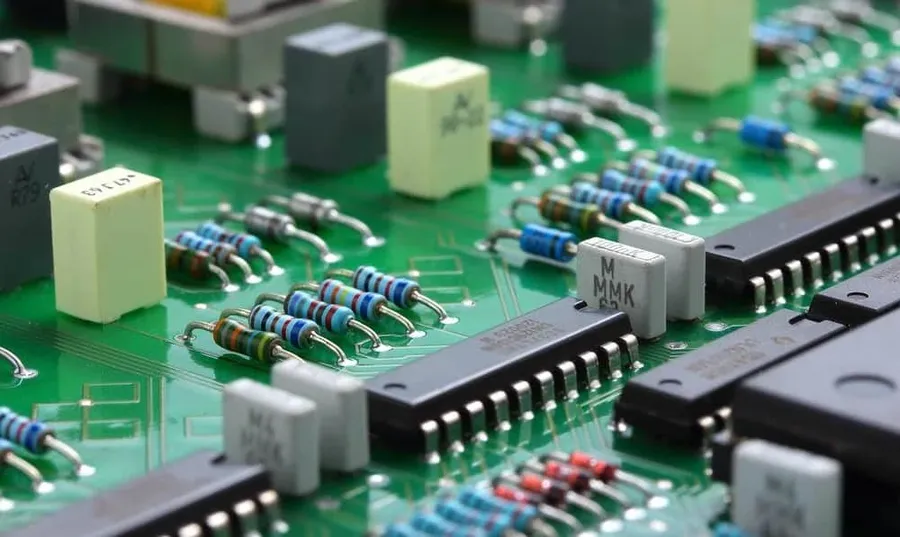
PCB with components
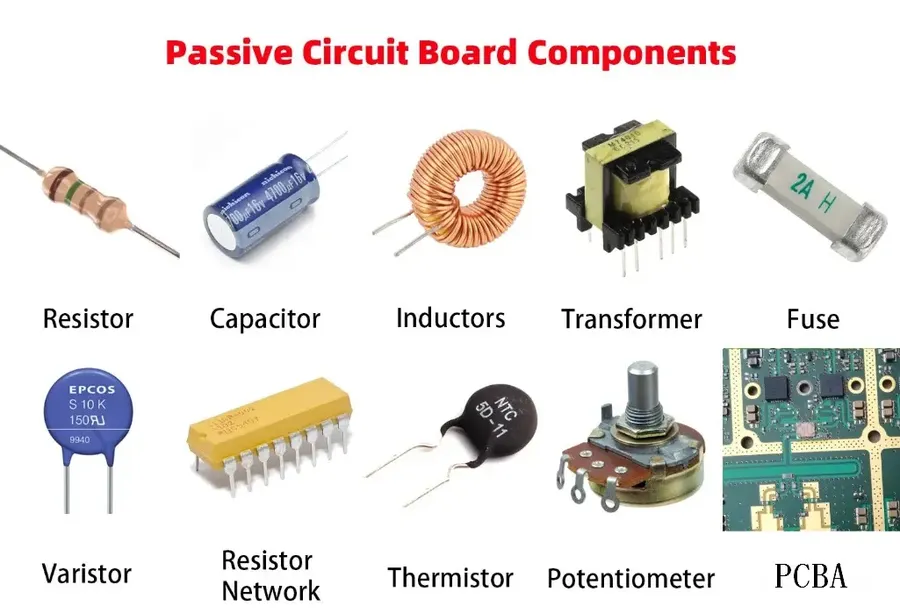
Before engaging a PCB assembly service, a clear understanding of your project's specific needs is paramount. This foundational step directly influences cost, service selection, and the ultimate success of your project. Carefully evaluating whether your project involves a prototype, a small batch, or large-scale mass production is essential. Furthermore, the complexity of the PCB design, the types of components used (surface mount devices (SMD) or through-hole), and the required turnaround time will significantly impact both pricing and which service is most suitable.
Project Volume Determine whether you need a prototype, small batch, or mass production run. This dictates the production process and pricing structures of services.
PCB Complexity Assess the number of layers, component density, and overall complexity of your design. More complex designs usually entail higher assembly costs.
Component Types Identify the types of components (e.g., SMD, through-hole, mixed) and the specific components required. This has direct impact on the assembly method and the cost.
Turnaround Time Evaluate the urgency of your project. Faster turnaround times often lead to higher costs, while standard turnaround times may offer a lower pricing options.
Factors Influencing PCB Assembly Costs
PCB manufacturing
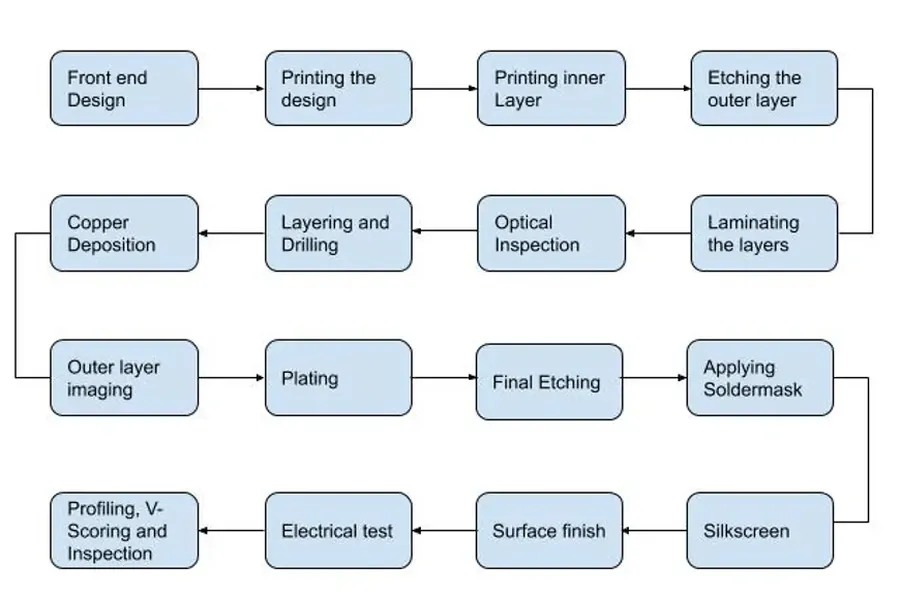
The cost of PCB assembly is not a fixed figure; it fluctuates based on several key parameters inherent in the design and manufacturing process. Understanding these factors is crucial for accurately budgeting and selecting a suitable cheap PCB assembly service. These factors range from the design complexity to logistical considerations like turnaround time.
Factor
Description
Impact on Cost
PCB Design Complexity
The intricacy of the PCB layout, including the number of layers, trace density, and via count.
Higher complexity leads to increased manufacturing time and material costs.
Board Quantity
The number of PCBs to be assembled.
Unit cost decreases with higher volumes due to economies of scale. Prototypes or small batches have higher per-unit costs.
Component Count
The total number of individual electronic components to be placed and soldered onto the PCB.
More components increase assembly time and cost.
Component Types
Different types of components (e.g., surface-mount (SMT), through-hole (THT), ball grid array (BGA), fine-pitch), each having different assembly requirements.
Fine-pitch components and BGAs require precise placement equipment, increasing cost. THT is typically more labor-intensive and costly for large quantities.
Assembly Method
The specific assembly techniques used (e.g., SMT, through-hole, mixed assembly, automated or manual placement).
SMT is generally more cost-effective for automated assembly and high-volume runs, while THT might be necessary for specific components but is more labor-intensive, increasing costs.
Turnaround Time
The required time from placing the order to receiving the assembled PCBs.
Expedited or rush orders typically incur higher costs due to overtime, faster processing and logistics.
Special Requirements
Specific assembly specifications or additional requirements, such as conformal coating, testing, or specific component placement instructions.
Special requirements add to the overall cost due to extra materials or labor. Testing adds to the cost, but can save costs in the long run by avoiding failed products.
Where to Find Cheap PCB Assembly Services
PCB assembly factory
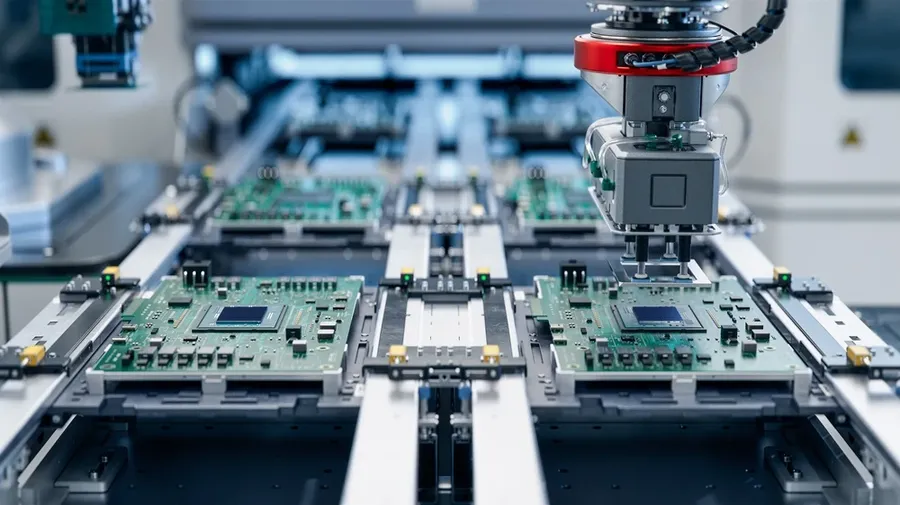
Locating cost-effective PCB assembly services is crucial for budget-conscious projects. Options range from local providers to international manufacturers, with online platforms offering a diverse array of choices, and it's important to weigh the advantages and disadvantages of each when searching for a cheap pcb assembly service.
Local PCB Assembly Services Local providers often offer faster turnaround times and easier communication, making them suitable for quick prototyping or small-batch runs. However, they may come at a higher cost compared to international options, but still provide a cheap pcb assembly service in many cases.
International PCB Assembly Services International services, especially those based in China, frequently offer competitive pricing for PCB assembly. While this may result in significant cost savings, be prepared for longer lead times, potential language barriers, and the need for meticulous planning and communication to ensure quality and delivery expectations are met.
Online PCB Assembly Platforms Online platforms serve as intermediaries, linking customers with various assembly houses. These platforms offer a wide selection of options, often with tools to compare quotes and services. This approach can simplify the process of finding a cheap pcb assembly service that matches your budget, requirements, and turnaround needs.
Factor
Local Providers
International Providers
Online Platforms
Cost
Generally higher
Generally lower
Varies, competitive pricing often available
Lead Time
Shorter
Longer
Varies depending on the selected supplier
Communication
Easier
Can have language barriers
Can be streamlined through the platform
Minimum Order Quantity
Varies, often lower
Varies, may be higher
Varies, can accommodate different batch sizes
Shipping Time
Shorter
Longer
Varies, depending on the supplier's location
Evaluating and Comparing Quotes for Cheap PCB Assembly Services
PCB quote sheet
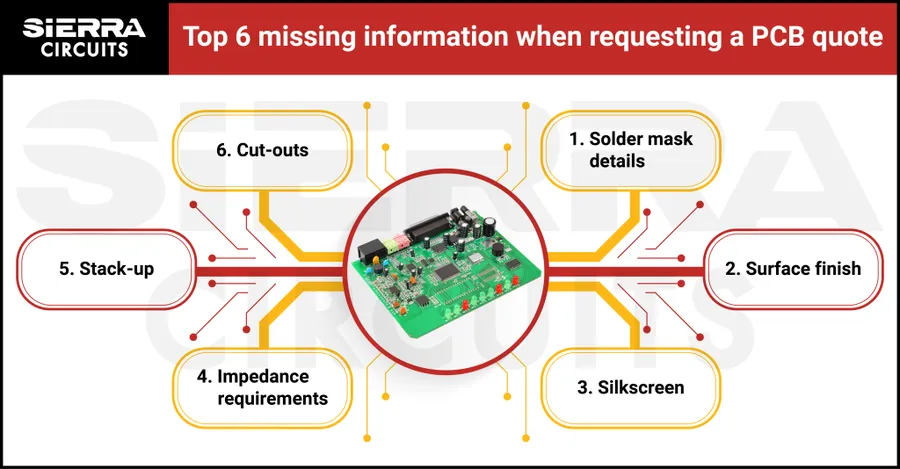
When seeking a cheap PCB assembly service, a thorough evaluation of quotes is essential, and price should not be the sole determining factor. A holistic assessment encompassing quality, expertise, capabilities, and customer feedback ensures the selection of a provider that balances cost-effectiveness with reliability. This section provides a structured approach to comparing quotes and making an informed decision.
The following table outlines key factors to consider when comparing quotes from different PCB assembly providers:
Factor
Description
Importance
Price
Total cost, including assembly, components, and shipping.
Important, but should be balanced with other factors.
Quality
Board quality, material, component placement accuracy, and solder quality.
Critical for performance and reliability.
Assembly Expertise
Experience with different board complexities and component types (SMT, through-hole).
Essential for complex designs.
Manufacturing Capabilities
Equipment and techniques used, such as reflow ovens, pick-and-place machines.
Impacts precision and reliability.
Turnaround Time
Time from order placement to delivery, including assembly and any testing.
Important for project timelines.
Customer Reviews and References
Feedback from other clients regarding service quality and reliability.
Helps gauge trustworthiness.
Communication and Support
Responsiveness, clarity in communication, and problem-solving ability.
Critical for smooth project execution.
Additional Services
Testing, programming, conformal coating, and design for manufacturability (DFM).
Can save time and ensure quality.
Component Sourcing
Capability to source components at reasonable prices
Affects the overall cost
It is recommended to request detailed quotes from multiple providers, explicitly outlining your project specifications. By meticulously comparing these quotations, you can identify a service that not only aligns with your budget but also ensures the delivery of quality PCB assemblies.
Frequently Asked Questions About Cheap PCB Assembly Services
Navigating the complexities of PCB assembly can be daunting, especially when cost is a primary concern. This section addresses common questions to provide clarity and actionable insights into securing affordable PCB assembly services.
How much does it cost to get a PCB assembled? The cost of PCB assembly is highly variable, influenced by factors such as board complexity, component count, assembly method, and order volume. Prototype runs may range from a few tens to several hundred dollars. It's crucial to obtain detailed quotes based on your specific project requirements. The best practice is to break down your project into board count, components and assembly time.
What is the most cost-effective method for PCB assembly? The most cost-effective approach typically involves designing a simple, single-layer PCB with surface-mount technology (SMT) components in higher quantities. SMT assembly is generally cheaper than through-hole assembly due to automation capabilities. Minimizing unique component types and optimizing for manufacturability (DFM) also plays a key role in reducing costs.
How can I accurately estimate PCB assembly costs? Accurately estimating PCB assembly costs requires a detailed bill of materials (BOM), including all components, and your PCB design files. Break down your project into the number of boards, components, and estimated assembly time. Utilize online quoting tools available on various PCB assembly websites. Be sure to factor in additional costs such as stencil fees, shipping, and any required testing.
What is the most economical PCB finish to use? Hot Air Solder Leveling (HASL) is generally the most cost-effective PCB finish. It provides good solderability and is a mature, well-established process. However, HASL can be less suitable for fine-pitch components compared to finishes like ENIG (Electroless Nickel Immersion Gold), though ENIG is more expensive.
Are overseas PCB assembly services truly cheaper? Overseas PCB assembly services, particularly those based in China, often offer lower pricing due to reduced labor and manufacturing costs. However, it's essential to consider potential drawbacks such as longer lead times, communication challenges, and shipping delays. Be sure to thoroughly vet the supplier, request samples, and define all required specifications to avoid quality issues.
How does component selection impact the cost of assembly? Component selection has a significant impact on assembly costs. Opting for readily available, standard parts can considerably reduce expenses compared to using specialized or rare components. Using surface mount components (SMT) and minimizing unique components are important strategies, as they are more easily handled with automated assembly equipment. Always check component availability to avoid potential lead-time issues that can raise costs.
What other factors can influence the final price of PCB assembly? Beyond the core elements of board size, component count, and assembly method, several less obvious factors affect the overall cost of PCB assembly. These include the turnaround time requested (rush orders cost more), the complexity of the assembly process itself (mixed SMT/through-hole assembly can be more complex and costly), the need for specialized testing or inspection, and the type of packaging required. Be sure to consider these factors when requesting quotations.
Optimizing Your Design for Cost-Effectiveness in PCB Assembly
Optimized PCB Design
Achieving cost-effective PCB assembly is not solely about choosing the cheapest service; it is also critically dependent on the initial design choices. By strategically designing your PCB, you can significantly reduce manufacturing expenses and improve the overall efficiency of the assembly process. This involves a meticulous approach to component selection, layout, and adherence to design for manufacturability (DFM) principles.
Standard Component Footprints Using standard, widely available component footprints simplifies the assembly process and avoids additional costs associated with custom footprint creation. This reduces the risk of errors and accelerates the production timeline.
Minimize Unique Components Reducing the variety of components minimizes the number of pick-and-place operations during assembly. This can considerably reduce assembly time and cost, as well as simplifying inventory management.
Surface Mount Components Opting for surface mount (SMT) components over through-hole (THT) components whenever possible is crucial. SMT is generally more cost-effective and suitable for automated assembly, increasing placement speed and accuracy. THT requires manual intervention or wave soldering which will increase the cost.
Design for Manufacturability (DFM) Following DFM guidelines ensures that your design is optimized for efficient production. This includes considerations for solder mask clearance, pad sizes, via placement, and component spacing. This approach minimizes potential assembly defects and rework which can cause additional costs and delays.
Design Optimization Strategy
Cost Impact
Implementation Notes
Use Standard Component Footprints
Reduces setup costs and risk of errors
Consult component datasheets for recommended footprints
Minimize Unique Components
Reduces assembly time, cost, and inventory complexity
Consider functional alternatives from the same component families
Prefer SMT Components
Cost-effective for automated assembly
Ensure SMT components meet design requirements
Follow DFM Guidelines
Avoids assembly defects and rework
Use software to verify DFM rules and consult with manufacturers
Tips for Working with Overseas PCB Assembly Providers
Overseas PCB Assembly
Selecting an overseas provider for cheap PCB assembly can be a cost-effective strategy, but it requires careful planning and execution to mitigate potential risks. Clear communication, meticulous specification, and proactive quality control are paramount when dealing with international manufacturers.
Establish Clear Communication Channels Ensure that you have direct lines of communication with the manufacturer's engineering and customer service teams. Use a platform that facilitates real-time updates and allows for easy file sharing. Be explicit in your requirements and confirm understanding at each stage.
Define Specifications Precisely Provide comprehensive documentation that includes all relevant design files, assembly instructions, and material specifications. Be specific about tolerances, testing requirements, and quality standards. Ambiguity can lead to misunderstandings and costly rework. Use internationally recognized standards such as IPC guidelines.
Factor in Shipping Times and Potential Delays Overseas shipping can take several weeks, and unforeseen delays can occur. Build this into your project schedule and plan accordingly. Consider using a reputable logistics provider with experience in handling electronic components to ensure timely and safe delivery. Track your shipment closely.
Prototype Before Large Batch Orders Before placing a large production order, invest in a small prototype run to verify the board's quality and functionality. This allows you to identify any issues and address them before committing to a larger batch, reducing the likelihood of significant losses from manufacturing defects or misunderstanding in specification.
Be Aware of Cultural and Language Barriers Be mindful of potential cultural differences and language barriers. Engage professional translation services when necessary and keep your communication direct and unambiguous. This can help reduce misinterpretations and ensure a smooth collaboration process with the manufacturer.
Address Payment and Intellectual Property Be cautious in ensuring secure payment methods, and safeguard your intellectual property rights. Consider using escrow services and have appropriate legal agreements in place to protect your design and ensure that the payment is released after you have validated the quality of the delivery.
Choosing the Right Service: A Checklist
Selecting the appropriate PCB assembly service is crucial for the success of your electronic project. It's important to move beyond just finding a cheap pcb assembly service. A systematic approach, considering several factors, will lead you to a reliable partner who can fulfill your needs with quality and within budget. This checklist outlines the key elements to evaluate when making your decision.
Assembly Type (SMT/THT) Determine if your project requires Surface Mount Technology (SMT), Through-Hole Technology (THT), or a combination. Ensure the service provider has the necessary equipment and expertise for your required assembly type.
Board Quantity Consider whether you need prototype quantities, small batches, or mass production. Some service providers specialize in small runs, while others are geared for larger volumes, and their pricing models will vary accordingly. Also verify their capability to scale as your demand grows if you are looking for a long-term relationship.
Turnaround Time Evaluate the required turnaround time for your project. Confirm that the assembly service can meet your timeline and note that faster turnaround options often come at a premium. Plan for contingencies.
Company Reputation and Reliability Research the service provider's reputation. Look for reviews, customer testimonials, and case studies. A well-established company with positive feedback is more likely to deliver quality service. Use a trusted platform when possible to research these companies.
Quality Control Procedures Inquire about the company's quality control measures. Ensure that they conduct thorough inspections and tests to minimize defects and ensure your boards function as intended. Quality testing should include visual inspection, electrical testing and potentially X-Ray inspection if needed.
Certifications and Compliance Confirm that the company has any relevant certifications (e.g., ISO 9001) for quality management and meets compliance requirements for your industry.
Communication Channels Assess the service provider's communication channels. Do they provide easy access to support for questions and issues? Clear communication is crucial for addressing your needs, ensuring smooth process, and for minimizing potential delays. Verify their response times and language capabilities.
Technical Support Check if the company offers technical support. A reliable support team can help with any challenges you might face during the process. Do they offer support during design phase, assembly, or both?
Price While cost is a key factor, do not make your decision based solely on the lowest price. Always balance cost with quality, reliability, and responsiveness to avoid compromising product quality. Be certain that you have identified all possible costs.
Long-Term Partnership Evaluate if the service provider has the capabilities and capacity to scale with your business needs. If you are looking for long term relationship, the provider should be able to meet your needs, not just today, but also in the future.
Finding the right cheap PCB assembly service requires careful consideration of project needs, cost factors, and service capabilities. By following these guidelines and optimizing your design for cost-effectiveness, you can ensure you find a provider that meets your needs and budget. Whether you choose a local provider or an overseas manufacturer, diligent research and thorough communication are key to a successful PCB assembly project. Remember, while cheap PCB assembly service is important, quality and reliability should also be important when choosing a service.