In our technologically advanced world, printed circuit boards (PCBs) are the backbone of virtually every electronic device. From the smart phone in your pocket to the advanced medical equipment in hospitals, reliable PCB assembly is critical. This article explores the top PCB assembly companies, examining the criteria for selection and what makes them leaders in the field. We'll delve into the nuances of choosing the right manufacturing partner, ensuring your products are built with precision and quality, highlighting [top pcb assembly companies] in the global market.
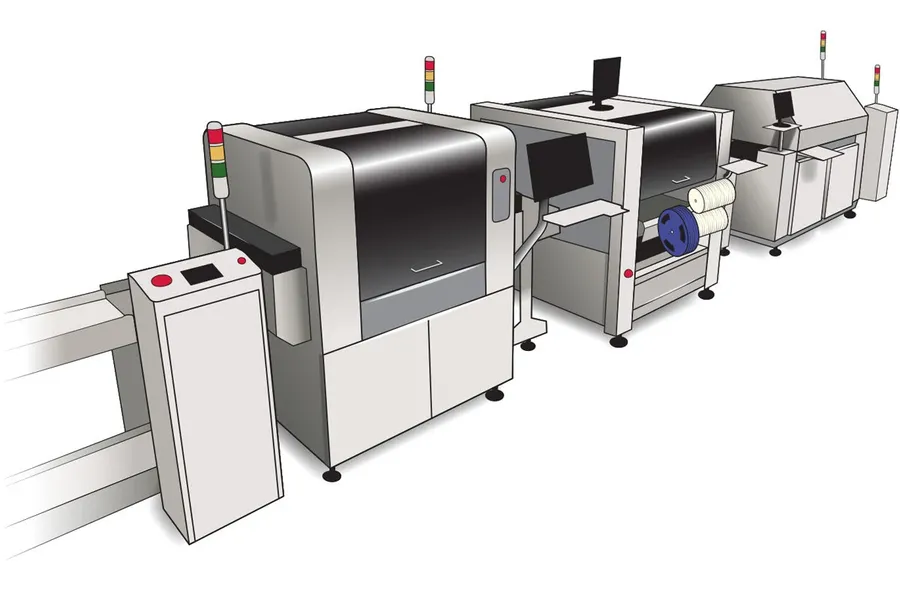
Selecting the right PCB assembly partner is a critical decision that directly impacts the success of your electronic product. This choice hinges on a comprehensive understanding of your project's unique requirements, encompassing budget constraints, lead time expectations, stringent quality benchmarks, and the inherent complexity of your PCB design. A thorough evaluation of these parameters will pave the way for a successful collaboration.
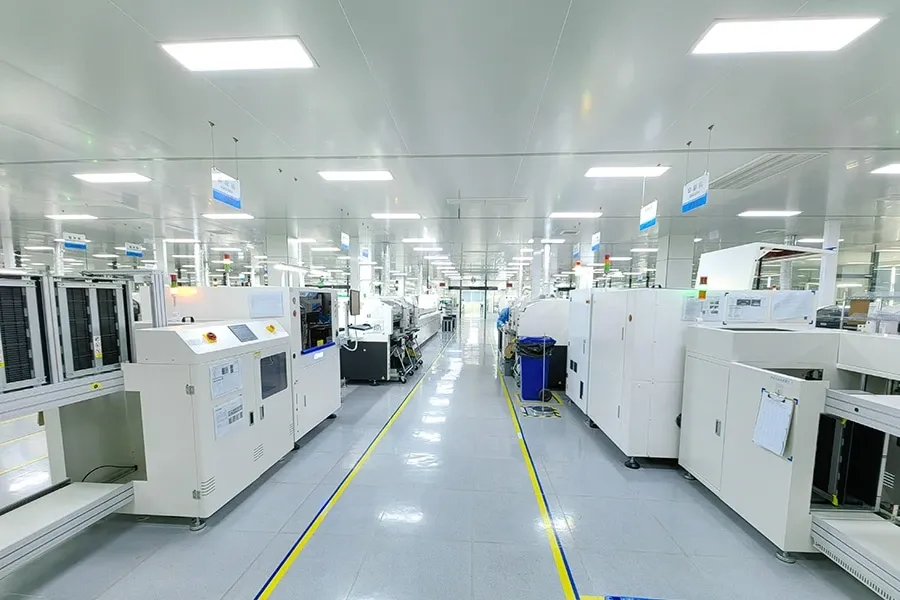
The United States hosts several leading PCB assembly companies, each with distinct strengths and specialties. These firms are pivotal in supporting the nation's electronics manufacturing sector, offering services from prototype development to high-volume production. Understanding their capabilities is essential for any project requiring PCB assembly.
| Company | Expertise | Certifications | Geographic Coverage | Market Standing |
|---|---|---|---|---|
| TTM Technologies | High-technology PCBs, complex designs, rigid-flex circuits | ISO 9001, AS9100, ISO 13485 | Multiple facilities across North America | One of the largest PCB manufacturers globally, strong presence in aerospace and defense sectors |
| Sanmina | End-to-end manufacturing, global supply chain management, diverse industry solutions | ISO 9001, ISO 13485, TL 9000 | Extensive global footprint with significant U.S. operations | A major player in electronic manufacturing services with large-scale production capabilities |
| Jabil | Design, manufacturing, and supply chain management solutions, broad industry experience | ISO 9001, ISO 13485, AS9100 | Global reach, with numerous facilities in the U.S. | Recognized for its comprehensive manufacturing capabilities and technology solutions |
| Benchmark Electronics | Specialized in complex and high-reliability PCB assemblies, including medical and aerospace | ISO 9001, ISO 13485, AS9100 | Strategic locations across the U.S. with specialized manufacturing capabilities | Known for its focus on high-quality, regulated industries |
| APCT | Specializes in quick-turn, high-reliability, and complex printed circuit boards, advanced technologies | ISO 9001, AS9100, ITAR Compliant | Multiple facilities throughout the U.S. | Strong reputation for rapid prototyping and high-mix, low-volume production |
These companies not only vary in their service offerings but also in their approach to manufacturing. TTM Technologies is known for its advanced technological capabilities, Sanmina excels in end-to-end solutions, and Jabil is recognized for its comprehensive industry experience. When evaluating the 'Top PCB Assembly Companies in the USA', it is essential to consider which company aligns best with specific project requirements in terms of technology, volume, and industry standards. Each company is certified by internationally recognized bodies. This is the reason why they are considered top-tier PCB assembly companies in the US.
While the United States houses several prominent PCB assembly companies, the global market presents a diverse landscape of manufacturers offering unique advantages. This section explores leading PCB assembly firms in Europe and Asia, highlighting their strengths in technology, cost-effectiveness, and regional market expertise, providing a broader perspective for selecting a suitable partner.
| Company | Region | Key Strengths | Typical Industries Served |
|---|---|---|---|
| AT&S | Europe (Austria) | High-end interconnect solutions, advanced HDI PCBs, embedded components. | Automotive, industrial, medical, and mobile devices |
| PCBONLINE | Asia (China) | Comprehensive services from prototyping to mass production, cost-competitive solutions, strong supply chain. | Consumer electronics, telecommunications, automotive, and industrial controls |
| Sumitomo Electric | Asia (Japan) | Advanced materials, high-frequency PCBs, rigid-flex circuit boards | Aerospace, automotive, medical, and telecommunications. |
| Compeq Manufacturing | Asia (Taiwan) | High-volume production, advanced technologies for mobile and computing devices. | Mobile devices, computing, and networking equipment |
| Unimicron | Asia (Taiwan) | HDI PCBs, IC substrates, comprehensive manufacturing capabilities | Mobile devices, computing, and networking equipment |
The global distribution of PCB assembly companies often leads to different specializations and advantages. For example, European companies like AT&S tend to excel in high-reliability applications and advanced technologies such as HDI boards and embedded components. In contrast, Asian manufacturers often provide highly cost-effective solutions and high-volume production capabilities. Selecting an international partner involves careful consideration of these nuanced differences to align with the specific demands of your project.
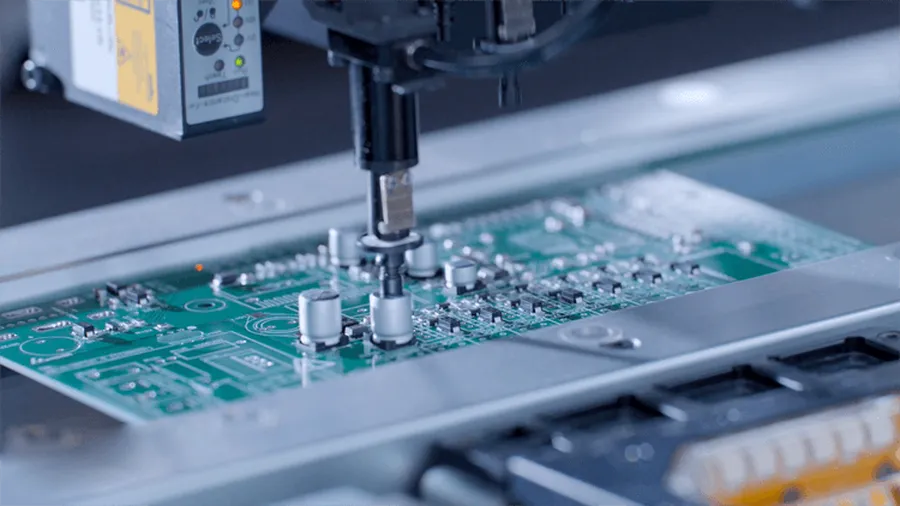
The PCB assembly industry is highly diverse, with companies offering a range of specialized services to meet varied project needs. Selecting a PCB assembly partner requires understanding these specializations to ensure the chosen company aligns with your specific production volume, complexity, and turnaround time requirements. Key areas of specialization include high-volume manufacturing, quick-turn prototyping, and complex assembly for multi-layered boards.
| Specialization | Description | Typical Applications | Advantages | Considerations |
|---|---|---|---|---|
| High-Volume Production | Focuses on manufacturing large quantities of PCBs efficiently. | Consumer electronics, automotive components, mass-market devices. | Economies of scale, lower per-unit cost, optimized processes. | May have longer lead times for initial setup; less flexible for design changes. |
| Quick-Turn Prototypes | Specializes in rapidly producing small batches of PCBs for testing and validation. | R&D projects, proof-of-concept designs, new product development. | Fast turnaround time, allows for quick iteration, cost-effective for small runs. | May have higher per-unit cost; less optimized for mass production. |
| Complex Multi-Layer Assembly | Handles intricate PCB designs with many layers and advanced features. | Aerospace, medical devices, high-performance computing, telecom. | Capable of handling high-density interconnects, advanced component placements, and complex routing. | Requires specialized equipment and expertise; may be more expensive with longer lead times. |
| Mixed Technology Assembly | Combines Surface Mount Technology (SMT) and Through-Hole Technology (THT) on a single board. | Industrial controls, power electronics, legacy systems | Offers versatility and compatibility with a wide range of components. | Requires expertise in both SMT and THT processes; may have a higher assembly time. |
| Flex PCB Assembly | Specializes in manufacturing flexible printed circuits for applications requiring bending or folding. | Wearable devices, automotive electronics, flexible displays. | Enables compact designs, dynamic bending applications, and high reliability. | Requires specialized equipment and handling techniques; can be more expensive and have a longer turnaround. |
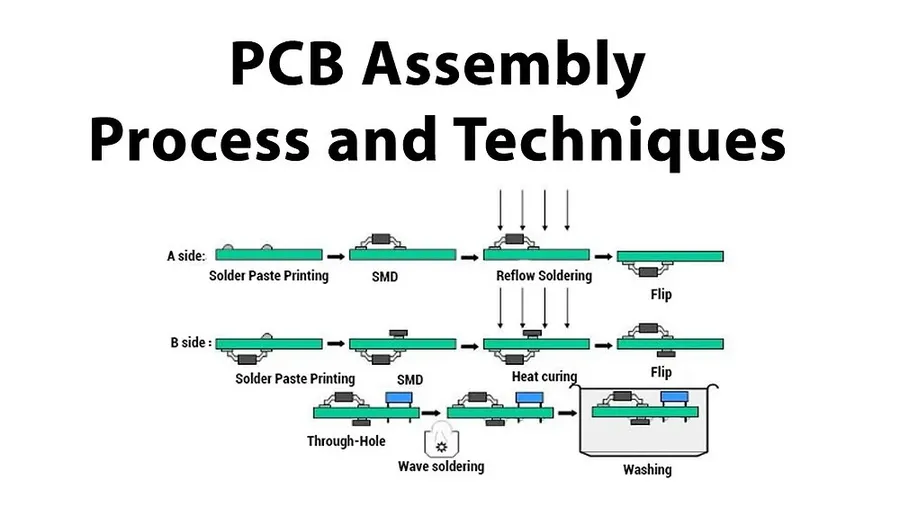
Understanding the PCB assembly process is crucial for evaluating the capabilities of potential manufacturing partners. This process, which transforms a bare printed circuit board into a functional electronic assembly, involves several key stages, each demanding precision and expertise. From design specifications to the final product, a meticulous approach ensures optimal performance and reliability.
Here's a breakdown of the critical steps:
The assembly process can vary based on the complexity of the board, the types of components used, and the specific capabilities of the assembly partner. Understanding this flow will enable you to ask informed questions and ensure your chosen partner aligns with your project requirements.
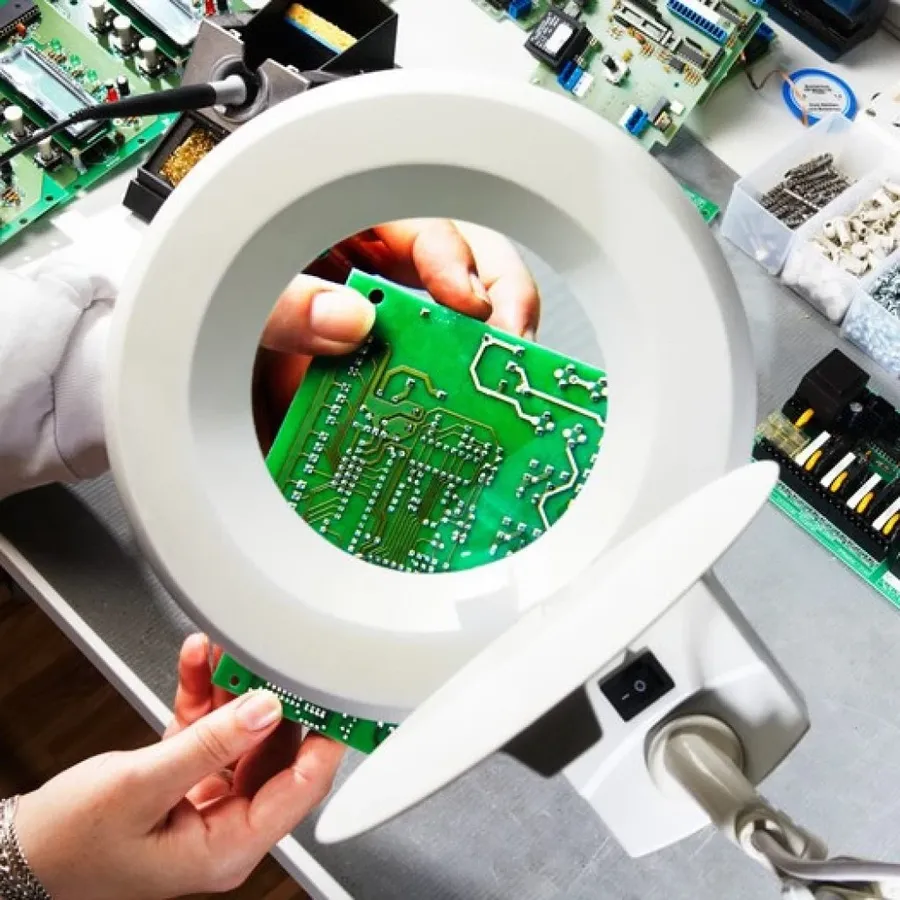
Rigorous quality assurance and adherence to industry certifications are paramount in PCB assembly, directly influencing the reliability and performance of the final product. Leading PCB assembly companies employ stringent quality control measures and pursue certifications to demonstrate their commitment to excellence.
These certifications are not merely badges of honor; they represent a commitment to maintaining high standards in all aspects of PCB assembly, from material sourcing to the final product inspection. A robust quality management system reduces defects, enhances product longevity, and ultimately lowers overall costs by minimizing rework and recalls.
| Certification | Description | Importance |
|---|---|---|
| ISO 9001 | International standard for quality management systems. | Ensures consistent processes and continuous improvement in manufacturing. |
| ISO 13485 | Specific to quality management systems for medical devices. | Mandatory for PCB assemblies used in medical applications, ensuring safety and efficacy. |
| AS9100 | Quality management system standard for the aerospace industry. | Ensures the reliability of PCB assemblies for critical aerospace applications. |
| IPC Standards | A set of industry standards for PCB design and manufacturing. | Specifies best practices for all stages of PCB manufacturing. |
| UL Certification | Indicates product safety and compliance with Underwriters Laboratories standards. | Ensures electrical safety of the PCB assemblies. |
In addition to certifications, leading companies also implement comprehensive quality control measures throughout the assembly process, including:
Navigating the landscape of PCB assembly can raise several questions. This section addresses common inquiries to provide clarity and assist in selecting the most suitable PCB assembly partner. We will cover key aspects, from identifying top manufacturers to understanding selection criteria.
Understanding the cost drivers in PCB assembly is paramount for effective budget planning. This section explores the key factors that influence pricing, allowing you to optimize expenditures and ensure your project aligns with financial constraints while partnering with top PCB assembly companies.
| Cost Factor | Description | Impact on Price |
|---|---|---|
| Material Costs | The type of substrate material (FR-4, Rogers, etc.), copper thickness, and surface finish (ENIG, HASL, etc.). | Higher-performance materials and specialized finishes increase costs. |
| Volume | The quantity of PCBs to be assembled. | Larger volumes typically result in lower per-unit costs due to economies of scale. |
| Assembly Complexity | The number of layers, component density, type of components (SMT, through-hole), and the complexity of the assembly process. | Higher complexity boards and fine-pitch components require more advanced equipment and expertise, increasing costs. |
| Testing Requirements | The level of testing required (AOI, ICT, functional testing). | More extensive testing protocols result in increased costs. |
| Turnaround Time | The required time for PCB assembly. | Quicker turnarounds often incur higher fees due to expedited production and logistics |
| Geographic Location | The location of the assembly company and the related shipping costs. | Offshore options may offer lower assembly costs but can be impacted by shipping and potential import duties. |
When planning your PCB assembly budget, consider the following strategic approaches to minimize cost:
The printed circuit board (PCB) assembly industry is in constant evolution, driven by the demand for smaller, more efficient, and increasingly complex electronic devices. Several key trends are shaping the future of PCB assembly, requiring companies to adapt and innovate to remain competitive. These trends span from miniaturization and advanced materials to sustainable practices and intelligent automation.
These innovations are not just about technological advancements; they also represent a shift in how PCB assembly companies operate, emphasizing agility, sustainability, and deep technological expertise. Partnering with a company at the forefront of these innovations ensures access to cutting-edge solutions and long-term competitiveness.
| Trend | Description | Impact on PCB Assembly |
|---|---|---|
| Miniaturization | The ongoing reduction in the size of electronic components and devices. | Requires higher precision assembly processes and advanced technologies like micro-SMT and chip-scale packaging. |
| Flexible PCBs | The use of flexible substrates for PCBs, allowing for more dynamic and adaptable designs. | Demands specialized assembly equipment and techniques to handle the flexibility of the substrates while maintaining electrical and mechanical integrity. |
| Advanced Materials | The integration of new materials with enhanced electrical, thermal, and mechanical properties. | Calls for new assembly techniques that are compatible with these novel materials, along with different handling and soldering protocols. |
| Sustainable Practices | The increasing emphasis on eco-friendly production methods and materials. | Drives a move towards lead-free soldering, water-based cleaning solutions, and materials with lower environmental impacts. |
| Intelligent Automation | The incorporation of artificial intelligence (AI) and robotics in assembly processes. | Enables increased production efficiency, reduced errors, and better data analytics for improved process control. |
Choosing the right PCB assembly partner is crucial for the success of your electronics projects. By understanding the various factors discussed, including the capabilities of [top pcb assembly companies], from global leaders to specialized manufacturers, you can make an informed decision. The future of PCB assembly is bright, with continued innovation driving efficiency and performance. Keep abreast of these trends to ensure your products remain competitive in the dynamic electronics market and leverage the strengths of top companies in the field for superior results.

