Find Your Ideal Electronics Supply Near Me: A Comprehensive Guide
2025.01.23
In today's fast-paced technological world, finding a reliable electronics supply near me is crucial for hobbyists, professionals, and anyone working on electronic projects. This guide will walk you through various options, both online and physical, highlighting where you can source your electronic components and electrical supplies with ease and convenience, ensuring that you can find the materials you need quickly.
Understanding Your Needs: What Type of Electronics Supply Do You Need?
Prior to initiating a search for 'electronics supply near me,' a crucial first step involves identifying the specific nature of your requirements. Are you in need of fundamental components such as resistors and capacitors, specialized integrated circuits (ICs) and microcontrollers, or are you looking for electrical wiring and fixtures? Accurately defining these needs will significantly streamline your search and ensure you locate the most suitable supplier.
Local Electronics Retailers: The Convenience of Physical Stores
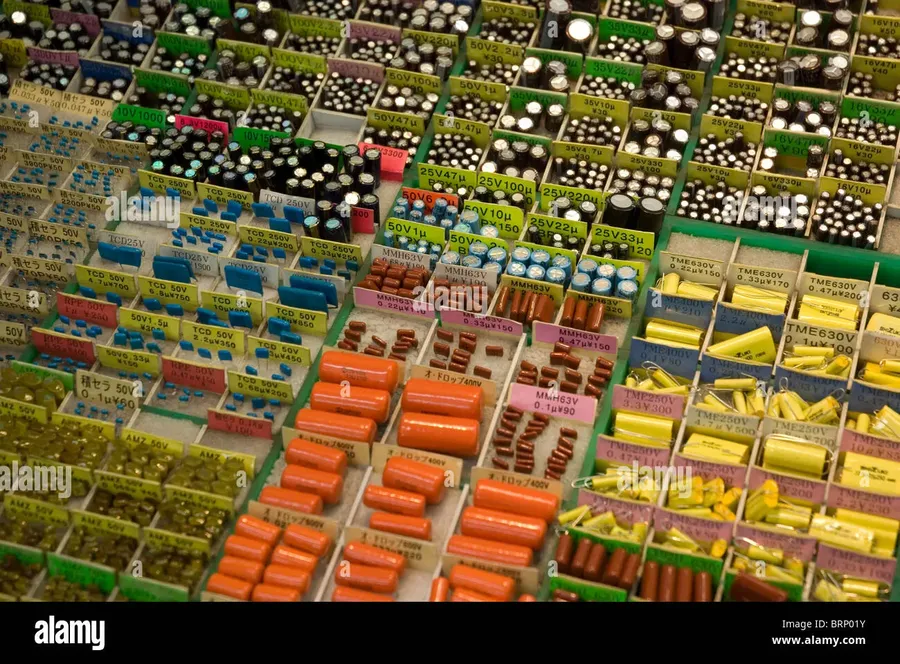
Retail store shelves with electronic parts
For immediate access to electronic components and hands-on assistance, local electronics retailers offer distinct advantages. These brick-and-mortar stores allow for in-person evaluation of products, immediate procurement, and direct interaction with knowledgeable staff, which is particularly beneficial for troubleshooting and quick project turnarounds.
Below are some examples of local retailers and their typical offerings:
Ace Hardware Generally carries basic electrical supplies, including wiring, connectors, and basic components for household electrical projects. Ideal for common needs but with limited specialized electronic parts.
Best Buy Offers a range of consumer electronics, including computers, accessories, and some basic electronic components. Good for off-the-shelf solutions but not specialized for advanced projects.
Dedicated Electronic Component Stores (e.g., 'You-Do-It' Electronics) These stores specialize in a wide range of electronic components, from resistors and capacitors to ICs and microcontrollers. They often carry a diverse inventory and offer advice tailored to specific project needs. They provide a good balance of inventory breadth and expert knowledge, and are ideal for hobbyists and experienced engineers.
Advantages of choosing local electronic retailers include:
Immediate Availability Products are available for immediate purchase, eliminating wait times associated with shipping.
Hands-on Inspection Customers can physically examine components, ensuring they meet their needs before purchase.
Expert Advice Store staff often provide valuable assistance and guidance on selecting appropriate components and addressing project-specific challenges, which can be particularly useful for those with less experience.
Returns and Exchanges Local stores typically offer a straightforward process for returns and exchanges, which is convenient if you realize that an item does not meet your project needs.
Specialty Electronic Component Suppliers: Where to Find Specific Parts
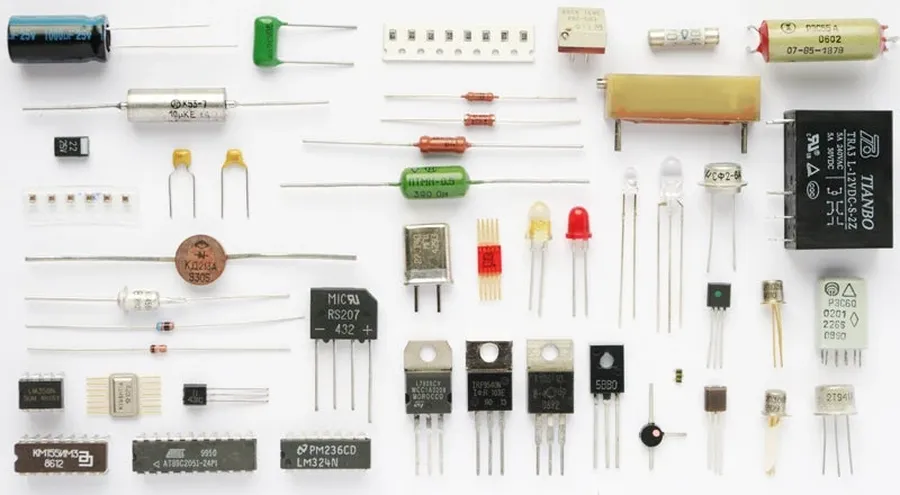
Specialty electronics component store
For sourcing specialized electronic components, specialty suppliers offer an advantage over general retailers due to their larger inventories, expertise, and focus on niche products. These suppliers cater to engineers, hobbyists, and businesses requiring specific electronic parts that might not be available in mainstream stores. They often provide a deeper level of product knowledge and technical support, crucial for complex projects.
Micro Center Micro Center is known for its wide selection of computer components, but also carries a decent range of electronic components, including microcontrollers, sensors, and development boards. They are particularly useful for those working on projects involving computers and embedded systems.
Elliott Electronic Supply Elliott Electronic Supply is a good source for various electronic components, including those harder to find. They focus more on electronic parts for repair and prototyping and offer a mix of common and obscure components.
Green Brook Electronics Green Brook Electronics specializes in a wide range of electronic parts, from basic components like resistors and capacitors to more specialized items like connectors, relays, and semiconductors. They focus on providing comprehensive solutions for specific projects and offer expertise in their field.
These suppliers typically stock a more comprehensive selection than general retailers, making it easier to find the exact components needed for specialized projects. Their focus allows them to provide a higher level of technical support and product knowledge. While they might not be as widely available as general retailers, their expertise and specialized inventories make them invaluable for those needing specific electronic parts.
Wholesale Electrical Supply: A Cost-Effective Option for Bulk Purchases
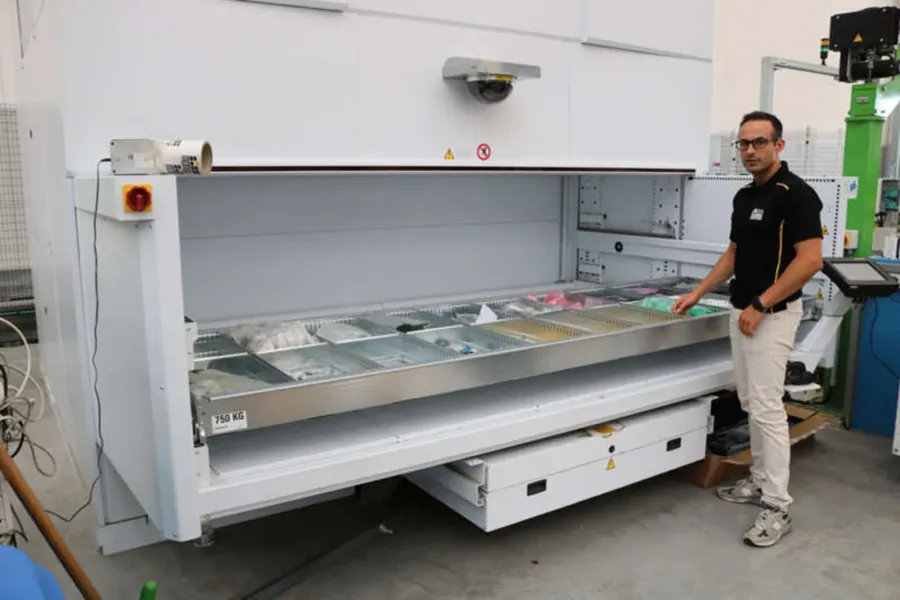
Wholesale components warehouse
For businesses and larger projects requiring substantial quantities of electrical and electronic components, wholesale suppliers offer a cost-effective alternative to retail channels. These distributors specialize in bulk sales, providing competitive pricing and a wide selection of products that cater to the needs of contractors, manufacturers, and other large-scale consumers. Unlike retail stores, which may focus on smaller quantities and individual customer sales, wholesale suppliers are structured to handle larger orders and often offer specialized services tailored to the needs of their commercial clients.
Examples of well-established wholesale electrical suppliers include:
City Electric Supply A major distributor offering a wide range of electrical supplies, including wiring, lighting, and control systems. Known for serving commercial and industrial clients.
Platt Electric Supply Another significant player in the wholesale market, specializing in electrical and industrial supplies. They cater to a variety of sectors, including construction and manufacturing.
Feature
Wholesale Suppliers
Retail Stores
Pricing
Competitive pricing on bulk orders
Higher prices for individual purchases
Order Quantity
Designed for large orders
Typically smaller quantities for individual customers
Product Selection
Wide range of products, typically industrial/commercial focus
Selection can be more general, but less product choices
Customer Base
Focus on B2B (business-to-business) customers
Focus on B2C (business-to-consumer) or individual users
Services
May include project management, specialized quotes, delivery services
Generally limited to retail sales and basic customer service
It is important for buyers to determine if the wholesale supplier offers all items you need. Some suppliers specialize in certain component types. Also, some wholesale suppliers also function as a local retail store, but with wholesale pricing available only for larger purchases. So, verify the business’s retail pricing vs. wholesale pricing before commiting to a purchase.
Online Electronics Supply: Convenience and a Wider Selection
Online electronics shopping website
The digital marketplace offers a vast array of online electronics suppliers, providing unparalleled convenience and an extensive selection that often surpasses brick-and-mortar stores. This accessibility allows for easy comparison shopping and access to niche components, catering to a wide range of projects and requirements.
Key online retailers include:
Amazon A general e-commerce platform with a wide range of electronics, suitable for hobbyists and general needs. However, source verification is crucial.
Mouser Electronics A dedicated electronic component distributor, known for its vast inventory and detailed specifications. Ideal for professional and engineering applications.
DigiKey Another major distributor of electronic components, offering a comprehensive product range, datasheets, and technical resources.
Other e-commerce platforms Specialized online retailers can offer unique or hard-to-find components. Thoroughly investigate seller ratings and product authenticity before purchasing.
When purchasing online, consider the following:
Verify product descriptions Ensure that the specifications, part numbers, and datasheets align with your requirements.
Check supplier reputation Look for customer reviews, ratings, and certifications to verify the seller's credibility and product quality.
Compare prices Compare prices from different sellers, including shipping costs and potential discounts.
Shipping times and cost Evaluate lead times for delivery and select the shipping option that meets your time constraint and budget.
Comparing Your Options: Online vs. Local Electronics Supply
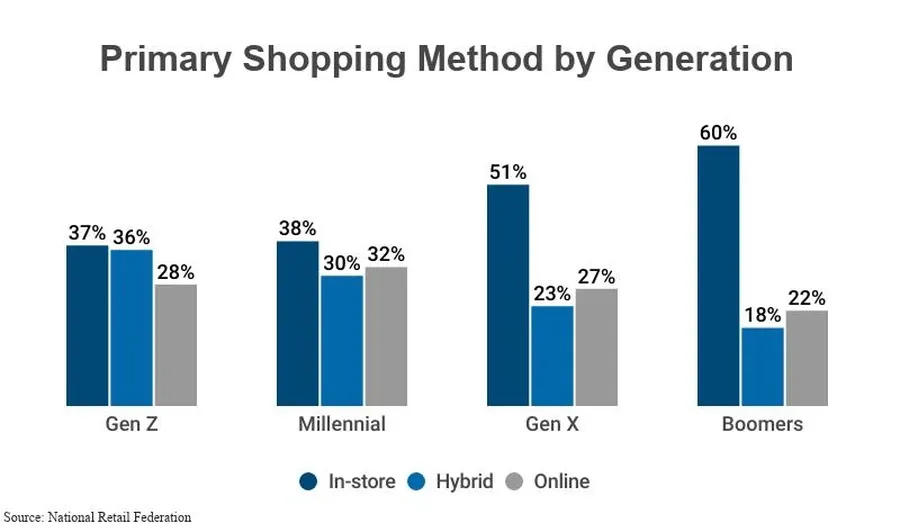
Comparison of Local and Online Shop
Choosing between online and local electronics suppliers involves trade-offs between convenience, cost, and immediacy. Understanding these differences is crucial for making informed purchasing decisions, whether for hobbyist projects, professional repairs, or bulk commercial needs.
Factor
Local Electronics Stores
Online Electronics Retailers
Cost
Potentially higher prices due to overhead costs; prices vary by store
Often more competitive pricing due to lower overhead and broader market reach
Convenience
Immediate access to products; convenient for urgent needs; ability to physically inspect items.
Convenient 24/7 access; shopping from any location with internet; home delivery.
Delivery Time
Instant availability; no delivery time for in-stock items.
Shipping times vary based on location, courier, and order processing; potential for delays.
Product Variety
Limited by physical store size and stocking decisions; may have more specialized selections in specific niche stores.
Vastly wider selection; access to a variety of brands and hard-to-find components from different suppliers.
Expert Advice
Potentially expert in-store staff who can provide guidance.
May offer customer support via email, phone, or chat, but less direct interaction; relies on self-service resources like forums and specifications sheets.
Returns and Warranty
Easier to return items to a physical store, potentially faster processing of returns and warranty claims; returns may be subject to store-specific policies.
Returns require shipping back; warranty processes may be more complex; subject to online retailer-specific policies.
Community and Networking
Provides opportunities for direct interaction with other enthusiasts and experts.
Offers digital communication options, such as forums, reviews, and ratings.
Frequently Asked Questions About Finding Electronics Supply Near You
This section addresses common questions users have when searching for 'electronics supply near me', offering clear and concise answers to help you navigate your options effectively. These questions cover various aspects, from the types of suppliers to consider, to the specifics of their offerings and suitability for different needs.
Should I look for an 'electronics supply near me open now'? While convenient, focusing solely on 'open now' may limit your choices. Consider your project timeline. If immediacy is crucial, then 'open now' options are valuable; however, broader searches might reveal better options that are open during standard business hours. Use online tools for store hour verification.
What's the difference between hobby and commercial 'electrical supply near me'? Hobby electronics stores typically cater to smaller projects and individual makers, offering a range of common components and basic tools. Commercial electrical suppliers, on the other hand, focus on larger-scale projects with a wide variety of electrical components and higher quantities, often including specialized hardware and advanced automation equipment. Assess your project scale to determine the appropriate supplier.
Where can I find 'cheap electronics supply near me'? While seeking cost-effective options is reasonable, always prioritize quality and reliability. Compare prices from various sources, and don't hesitate to check customer reviews. Online marketplaces and smaller component stores can sometimes offer more economical alternatives. Consider also buying in bulk when feasible to access better pricing.
What are the best sources for 'small electronics parts near me'? For small electronics parts, local hobby stores, dedicated electronic component stores (like those mentioned in previous sections), and online retailers specializing in components are excellent choices. Review their inventory carefully to ensure they stock the specific small parts your project requires.
Are 'wholesale electronics supply near me' options suitable for small projects? While wholesale suppliers primarily serve businesses and bulk buyers, they can still offer benefits for larger hobby projects or those that require multiple parts or quantities of certain components. Evaluate minimum order quantities and cost-per-unit to see if wholesale is viable for your project. If your project demands multiple or identical components, the benefits may be significant
How can I be sure of product quality when ordering 'electronic components' from a local store? Check product specifications, datasheets, and verify that the supplier or product has certification where necessary, if it is not clear, ask the supplier directly. For local stores, assess the shop's reputation, their customer reviews, and any known returns policies. Look for stores that readily provide product information or warranty, a good level of support is a good indicator of a responsible supplier.
What are the advantages of choosing local vs. online 'electronics supply near me'? Local suppliers offer immediate availability, expert advice, and the opportunity to visually inspect products before purchase. Online suppliers typically provide a wider range, detailed product information, and more competitive pricing. Your preference depends on your specific needs, including the need for speed, specific parts, and price.
Tips for Choosing the Right 'Electronics Supply Near Me'
Selecting the right electronics supplier is crucial for ensuring you obtain quality components, competitive pricing, and reliable service. Whether you're a hobbyist or a business, these tips will help you assess and choose the most appropriate 'electronics supply near me'.
Assess Store Credibility Before committing to a supplier, evaluate their reputation. Look for online reviews, check if they are registered with relevant industry associations, and see if they have a history of positive customer feedback. Consider how long they've been in business as an indicator of experience and reliability. A supplier's credibility is paramount, especially when dealing with critical components.
Compare Prices Across Multiple Suppliers Never settle for the first price you encounter. Conduct a comparative analysis of multiple suppliers for the same or comparable items. Note that cheaper isn't always better; consider total cost of ownership, including shipping and handling fees. Sometimes slightly higher-priced items are better investments considering quality and durability.
Check Return Policies A clear and fair return policy protects you from receiving faulty or incorrect items. Before purchasing, ensure you are aware of the supplier's return procedure, including the timeframe for returns, whether they offer refunds or exchanges, and if restocking fees apply. A reasonable return policy is a key indicator of a customer-centric supplier.
Evaluate Product Quality and Certifications For critical electronic components, confirm if the products meet the necessary certifications or quality standards (e.g., ISO, UL, RoHS). Be especially careful with cheap alternatives from unknown suppliers, as they may not meet industry standards or may be counterfeit and could lead to significant issues down the road.
Confirm Product Availability Before committing to a specific electronic component, verify the supplier has sufficient stock available or their lead times are acceptable. This helps avoid project delays and assures a continuous supply of needed parts. Having a clear idea of product availability helps manage expectations for project timelines.
Evaluate Customer Service Effective customer service is a must-have. Assess if the supplier is easily contactable and how responsive they are to questions or concerns. The ability to quickly resolve queries can save time and money during project development. A responsive and helpful customer service team is a valuable asset.
Navigating the Supply Chain: Understanding Lead Times and Availability
Electronic component delivery truck
Understanding supply chain dynamics is critical when sourcing electronic components. Lead times and availability can significantly impact project timelines and costs. Factors such as global chip shortages, manufacturing capacities, and logistical challenges can cause delays. Proactive planning and having contingency options is crucial to mitigate these risks.
Global Chip Shortages The semiconductor industry is prone to periodic shortages due to fluctuations in demand and disruptions in the supply chain. This can lead to long lead times and increased prices for microchips and other integrated circuits. Monitor industry news and plan ahead for potential delays.
Manufacturing Capacities The capacity of manufacturing facilities, especially for specialized electronic components, can affect lead times. During peak demand, manufacturers may struggle to keep pace, resulting in extended waiting times. Checking manufacturer capacity reports can aid in supply chain planning.
Logistical Challenges Shipping and transportation logistics can introduce delays due to unforeseen events, such as weather disruptions, port congestions, and geopolitical instability. Diversifying supply lines and using expedited shipping when possible can help reduce these delays.
Demand Fluctuations Changes in demand for specific electronic components or products can affect both lead times and pricing. Rapidly increasing demand will likely exhaust existing inventory, and manufacturing lead times will likely increase. Keep aware of industry forecasts for demand shifts, and adjust forecasts and supply strategy accordingly.
Material Sourcing The availability of raw materials used in electronic components will influence manufacturing lead times. If the source of raw materials is limited or at risk, lead times will increase. Evaluate the source and processing of materials used in the electronic components you require.
To navigate these challenges, consider the following:
Forecast Demand Create a detailed forecast of the electronic components you require for your projects, to ensure an appropriate inventory is maintained and the supply chain is prepared. Factor in market trends and changes to ensure the forecasts are aligned.
Early Ordering Placing orders well in advance of when the components are required provides a safety buffer in the case of unexpected delays. Early orders are especially helpful during times of global shortages.
Diversify Suppliers Avoid relying on a single supplier. Establish relationships with multiple vendors to mitigate the risk of supply disruptions. Diversification of supply chain can be challenging but provides greater resilience.
Maintain Safety Stock Keep a safety stock of essential components to ensure that production or projects can continue despite potential delays in the supply chain. Safety stock levels must be based on lead times and demand forecasts.
Monitor Lead Times Continuously monitor lead times and availability information from suppliers. Use electronic component search engines or vendor websites to understand expected delivery windows. This will help manage expectations and provide time to react to delays.
Alternative Parts Identify alternative components that can be used if primary parts are unavailable. Have drop-in alternatives on hand, so that design changes are not required for a component that is unavailable. The ability to pivot your design quickly can save projects from costly delays.
Finding the right electronics supply near me doesn't have to be a challenge. By understanding your specific needs, weighing local and online options, and carefully evaluating suppliers, you can secure the components you need to bring your projects to life. Whether you're a hobbyist, a seasoned engineer, or a business professional, having a reliable local or online electronics supply source is vital. Remember to always verify your source to ensure the components you receive are of the highest quality. This will save you time and resources on your projects.