In our tech-driven world, capacitors are the unsung heroes of electronics, quietly storing and releasing energy. From smartphones to power grids, these components are indispensable, making the selection of a reliable [capacitor suppliers] crucial. Whether you're an engineer sourcing parts for a complex circuit or a hobbyist tinkering with DIY electronics, understanding the capacitor market is essential. This article will guide you through finding the right [capacitor suppliers], ensuring you get quality components for your specific needs, while also looking at the breadth of manufacturers and types of capacitors available.
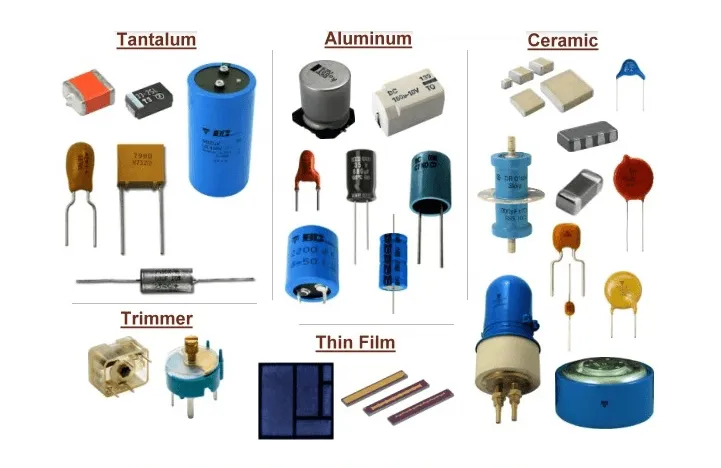
Before engaging with capacitor suppliers, a precise understanding of your project's specific requirements is essential. This involves identifying the necessary capacitor type, such as ceramic, electrolytic, tantalum, or film, as well as specifying the required voltage rating, capacitance value, tolerance, and operating temperature range. Accurate specification of these parameters ensures the selection of components that will perform reliably in their intended application.
Selecting the right capacitor supplier is crucial for ensuring the success and reliability of any electronics project. Beyond simply finding a source of components, several factors must be carefully evaluated to make an informed decision. These include the supplier's product availability, pricing, lead times, shipping costs, and overall reputation. A comprehensive approach involves verifying customer feedback and assessing the supplier's alignment with established quality standards and manufacturer certifications.
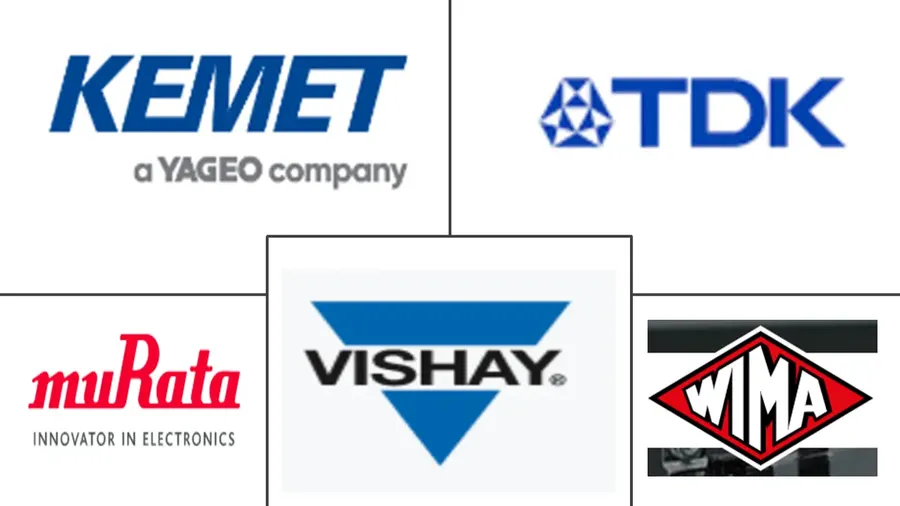
Understanding the landscape of major capacitor manufacturers is crucial for sourcing authentic and high-quality components. These manufacturers often set industry standards and their products form the backbone of many electronic applications. This section provides a concise overview of some leading names, shedding light on their core strengths and specializations in different capacitor technologies.
It's important to note that most distributors source their capacitors from these manufacturers. By understanding the strengths of each manufacturer, buyers can better select the right components for their specific applications. Sourcing from authorized distributors who have direct relationships with these manufacturers is crucial for ensuring the authenticity and quality of components. This can minimize the risk of counterfeit components which can pose significant reliability risks.
Authorized distributors play a crucial role in the electronics supply chain, offering a wide selection of capacitors from various manufacturers. These distributors, such as Mouser Electronics, Arrow Electronics, DigiKey, and Jameco Electronics, act as intermediaries, providing a convenient one-stop shopping experience for engineers, designers, and manufacturers. While offering a broad inventory and often providing excellent customer service and support, it's essential to note that prices may be higher compared to purchasing directly from manufacturers or through smaller, regional suppliers.
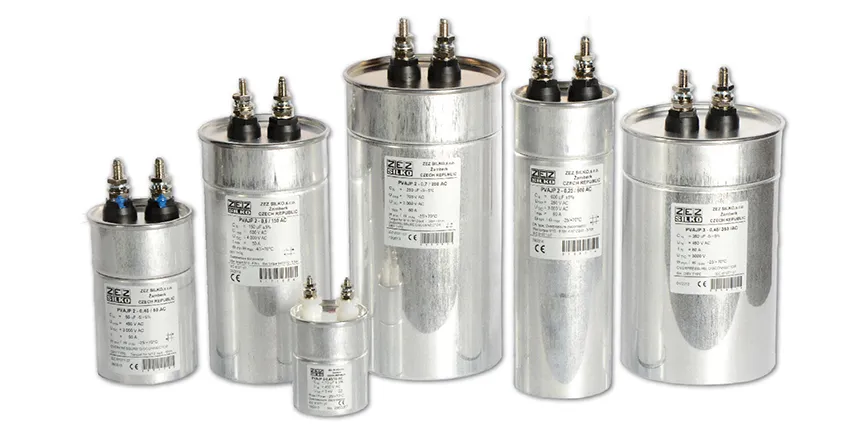
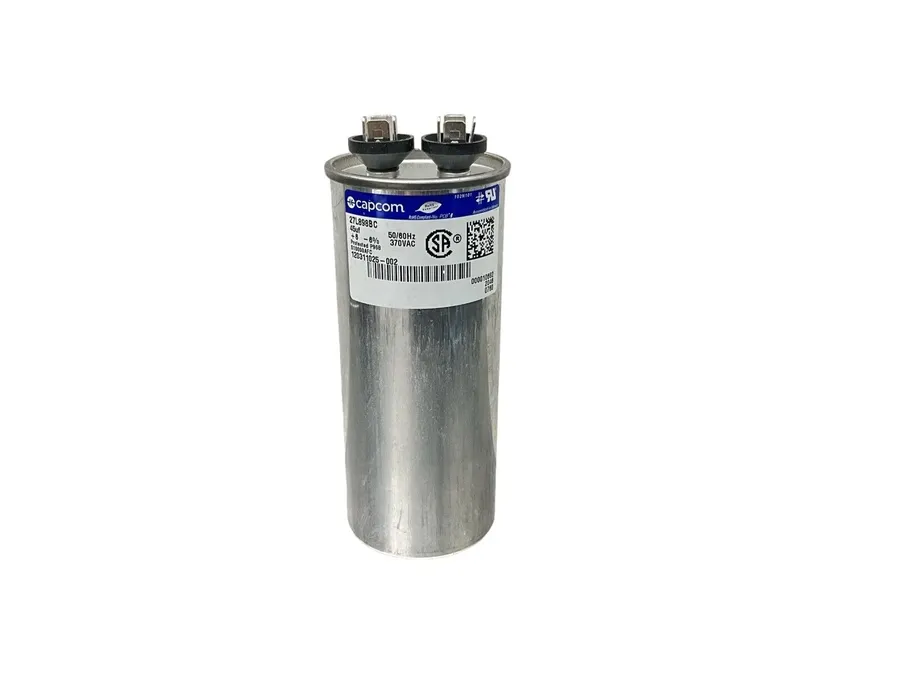
Specialized capacitor suppliers cater to specific industries or capacitor types, offering advantages for unique applications where standard components may not suffice. These suppliers often possess in-depth knowledge and tailored product offerings for niche markets, allowing for more precise and effective solutions. While their procurement process might differ from mainstream distributors, the benefits of specialized expertise can significantly outweigh the challenges, particularly in industries such as HVAC.
For instance, HVAC Parts Direct, mentioned earlier, concentrates specifically on HVAC capacitors. Other niche suppliers may specialize in high-voltage, high-temperature, or other unique capacitor needs, providing product lines and technical support that are not commonly available from broad-line distributors.
These specialized suppliers often have closer relationships with specific manufacturers, and can sometimes offer unique components, lower prices, or shorter lead times for particular product families.
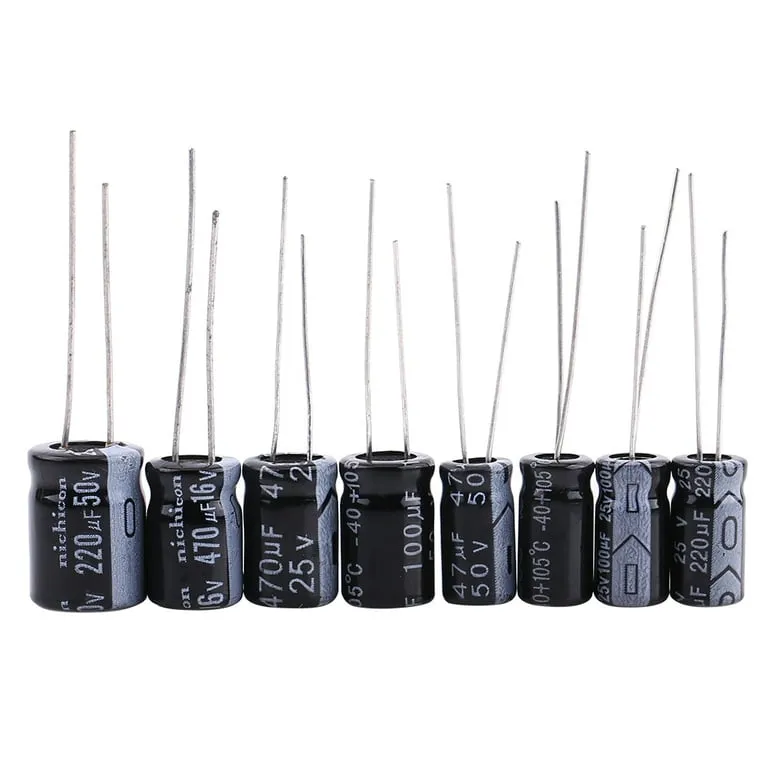
Online marketplaces like Amazon, eBay, and Alibaba present both opportunities and challenges for sourcing capacitors. While offering convenience and often competitive pricing, it's crucial to exercise caution and prioritize supplier verification to ensure the quality and authenticity of the components.
The primary advantage of these marketplaces is their accessibility. A wide array of capacitor types and specifications are often available, sometimes at very competitive prices. The user-friendly interface allows for easy searching and comparison. However, this convenience comes with risks that require careful management.
The main drawback of these platforms is the potential for counterfeit or substandard capacitors. Unlike authorized distributors or direct manufacturer channels, online marketplaces may host less reputable sellers. The lack of stringent quality control and the presence of non-authorized suppliers can lead to components that do not meet specifications or that fail prematurely, creating a risk to the integrity of your electronics and project.
To mitigate these risks, it is imperative to verify supplier reputation thoroughly. Look for user reviews, ratings, and feedback. Scrutinize the seller's history, and prefer those with a strong record. Additionally, check for any certifications or affiliations with reputable brands. These steps, while not foolproof, can significantly reduce the possibility of purchasing unreliable parts.
When browsing online marketplaces, consider using filters that specify the manufacturer or brand whenever possible. This can help to avoid counterfeit parts as these platforms are often a place for less-than-genuine parts. Although it might not be possible to guarantee 100% genuine parts, this measure can increase the likelihood of acquiring authentic components.
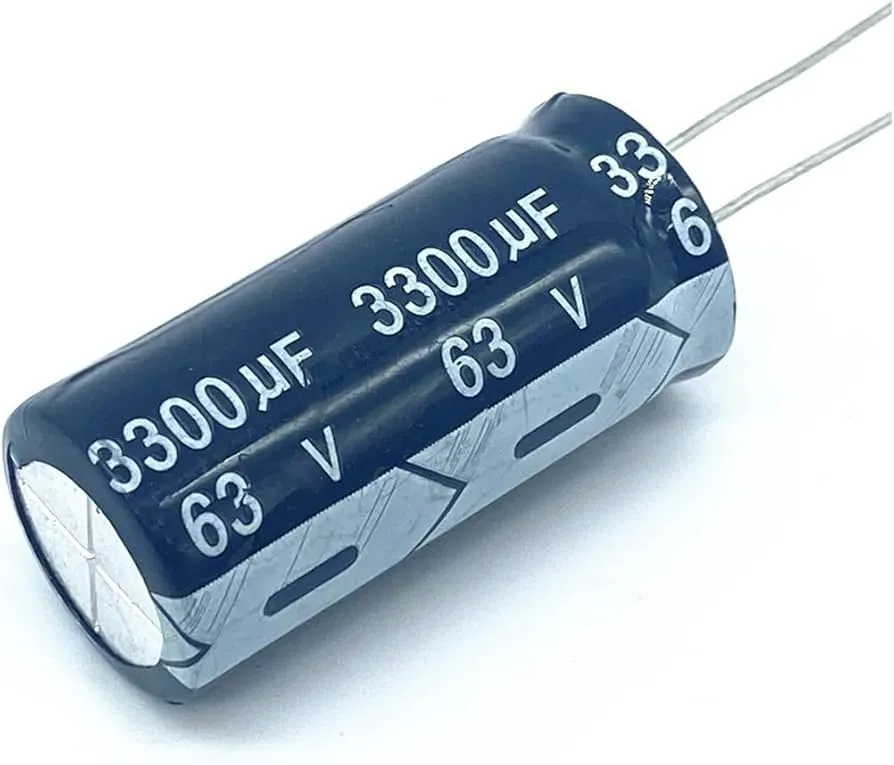
Electrolytic capacitors, distinguished by their unique construction and high capacitance values, necessitate specialized suppliers. These components, which utilize an electrolyte to achieve their high capacitance, differ significantly from ceramic and film capacitors, both in design and application. Consequently, sourcing from suppliers with expertise in electrolytic capacitors is often crucial for optimal performance and reliability.
Key considerations when selecting an electrolytic capacitor supplier include their specialization in this type of capacitor, the range of voltage and capacitance values offered, and their sourcing of authentic components. Given the critical nature of electrolytic capacitors in various applications, choosing a supplier knowledgeable in the nuances of these components is paramount.
Electrolytic capacitors are widely utilized in applications such as power supplies, audio equipment, and motor drives due to their ability to store large amounts of electrical charge in relatively small packages. The electrolyte material, which can be liquid, solid polymer, or other varieties, defines their operating characteristics and lifetime. Different applications may require specific electrolyte types and configurations which will determine appropriate suppliers.
Major manufacturers specializing in electrolytic capacitors include Chemi-Con, known for high reliability and performance, and KEMET, offering a broad range of electrolytic solutions. Other reputable manufacturers include Nichicon, Panasonic, and Rubycon. These manufacturers are known for quality and consistency. Suppliers should have certifications confirming the authenticity of the components, and they should be able to offer technical information including operating lifespans.
Selecting the correct capacitor for a given application, and identifying reputable suppliers, is critical for ensuring the reliability and performance of electronic devices. This section addresses common queries related to capacitor selection and lifespan, providing clear, technically-grounded answers.
This section provides a detailed comparison table of major capacitor suppliers, enabling buyers to quickly assess and identify the most suitable provider based on critical factors. By evaluating product range, customer service, shipping, and pricing, users can make informed decisions, optimizing their procurement process.
| Supplier | Product Range | Customer Service | Shipping | Price | Other Factors |
|---|---|---|---|---|---|
| Mouser Electronics | Extensive range, various manufacturers | Excellent support, technical assistance | Fast, reliable, various options | Competitive, may be higher on small quantities | Large inventory, strong online tools |
| Arrow Electronics | Broad range of components | Good customer support, large team | Reliable and fast | Competitive, good for larger orders | Global distribution network, strong logistics |
| DigiKey | Very wide range of manufacturers | Excellent online support resources | Fast, reliable options available | Good pricing | Comprehensive search features |
| Jameco Electronics | Good range of electronic components | Helpful customer service | Reasonable shipping times | Budget-friendly options | Ideal for hobbyists and small projects |
| KEMET | Specialized in high-reliability capacitors | Direct support available | Varies, often direct shipment for large orders | Competitive on larger volumes | Leading manufacturer of ceramic, tantalum and electrolytic capacitors |
| Murata | Specialized in ceramic capacitors | Direct support available | Global shipping options | Competitive | Leading manufacturer of ceramic capacitors |
| Vishay | Wide range of capacitors, film, electrolytic | Direct support available | Various shipping options | Competitive pricing | High performance components, broad portfolio |
| Panasonic | Strong in electrolytic and film capacitors | Direct support available | Global shipping options | Competitive pricing | Trusted brand known for reliability |
| TDK | Leading manufacturer in MLCC and power capacitors | Direct support available | Global shipping available | Competitive pricing | High quality and innovative components |
| Nichicon | Specialized in electrolytic capacitors | Direct support available | Worldwide shipping options | Competitive pricing | Leading electrolytic capacitor manufacturer |
| HVAC Parts Direct | Specialized in HVAC capacitors | Focused support for HVAC systems | Fast shipping within the HVAC industry | Competitive in the HVAC market | Specialized inventory for HVAC needs |
Selecting the right [capacitor suppliers] is critical for the success of any electronics project. By understanding your needs, researching reputable suppliers, and considering factors like price and lead time, you can ensure you get high-quality components. Major manufacturers like KEMET, Murata, and Vishay play a crucial role in the capacitor market, while authorized distributors like Mouser, Arrow, and DigiKey provide a wide variety of options. Whether you're a large corporation or a hobbyist, choosing the right [capacitor suppliers] can significantly impact project success. Remember to also consider niche suppliers or direct OEM relationships for specialized requirements. This guide serves as your starting point to confidently navigate the capacitor market.

