Effortlessly Order PCB Boards Online: A Comprehensive Guide
2024.12.31
In today's fast-paced world of electronics, the ability to quickly order PCB boards online is crucial for innovation and rapid prototyping. Whether you're a hobbyist or a professional engineer, understanding the online PCB ordering process is essential to bring your designs to life. Just like the blueprint of a modern building, the printed circuit board acts as the foundation of modern electronics. This guide will explore the key steps and considerations for effectively ordering PCBs online, ensuring a smooth and efficient process, making the complexity of electronics accessible to everyone. Let's dive into the world of online PCB ordering, and empower your project with the perfect foundation. If you're looking to order pcb board online, this is your starting point.
Understanding Your PCB Needs Before Ordering
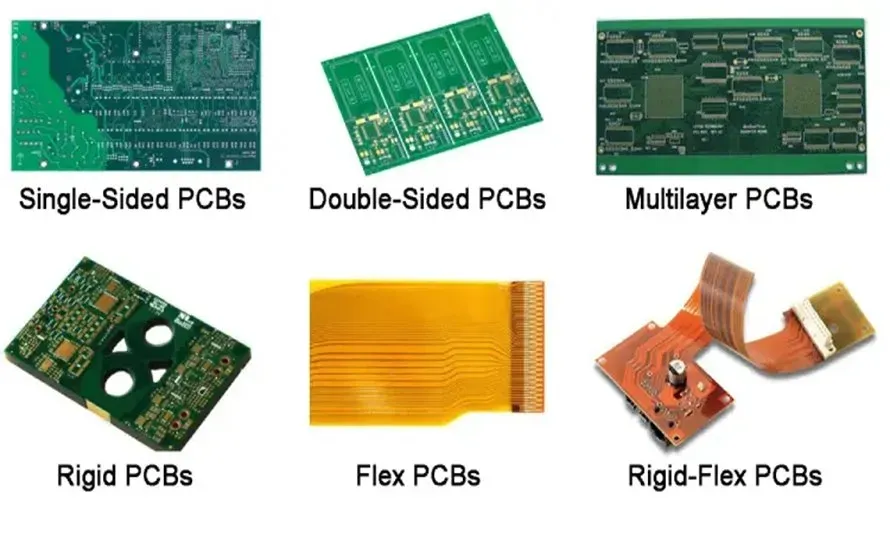
Various PCB Boards
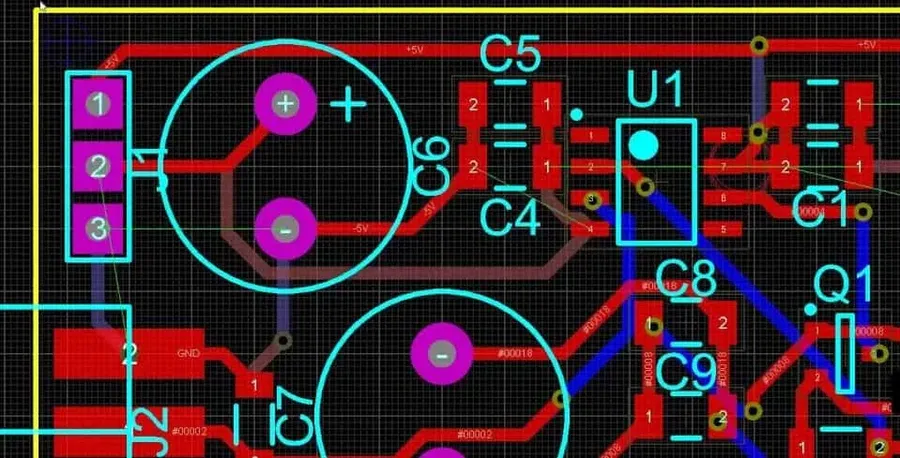
Prior to initiating an online order for printed circuit boards (PCBs), a clear and concise definition of your project's specific requirements is paramount. This involves a thorough evaluation of the PCB's size, complexity, material composition, and the requisite number of layers. These specifications are crucial for guiding the selection process and ensuring the final product meets the intended application's demands.
Size and Dimensions Accurately determine the physical dimensions of the PCB. Consider the overall board size as well as the spacing requirements between components. Precise measurements are needed for accurate manufacturing.
Complexity Evaluate the complexity of the circuit design. Factors such as the number of components, trace density, and the presence of fine-pitch devices will influence the manufacturing process and cost.
Material Selection Choose the appropriate substrate material based on performance requirements. Common materials include FR-4, aluminum, and flexible substrates. Each material has unique electrical and mechanical properties suitable for different applications.
Layer Count Specify the number of conductive layers required for your design. The complexity and routing requirements of your circuit will dictate the layer count needed. More layers allow for increased routing flexibility but also increase manufacturing costs.
Choosing the Right Online PCB Manufacturer
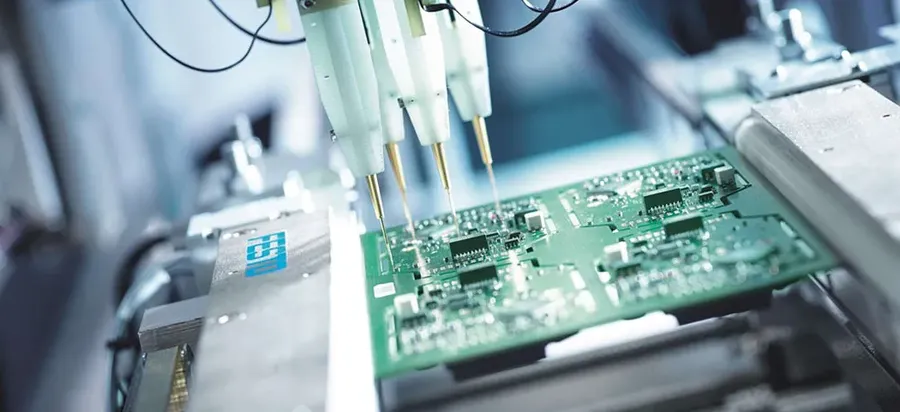
PCB Manufacturing Workshop
Selecting the appropriate online PCB manufacturer is crucial for ensuring your project's success, as it directly impacts factors like cost, quality, and delivery time. This decision requires a thorough assessment of various providers based on your specific project requirements, including production capabilities, material options, and supported features.
Key factors to consider when choosing a PCB manufacturer include:
Turnaround Time Assess the manufacturer's lead times and production speed to ensure they align with your project timeline. Consider both standard and expedited options.
Cost Analyze the overall cost, factoring in not only the per-board price but also setup fees, shipping charges, and potential tooling costs. Compare quotes from multiple vendors for price optimization.
Quality Evaluate the quality of the PCBs produced by the manufacturer. Check for certifications like ISO 9001 and customer reviews, and ask for sample boards, if possible, before placing large orders.
Supported Materials Verify that the manufacturer supports the materials required for your project, such as FR-4, Aluminum, Flexible PCBs, etc. Ensure the material thickness, copper weight and laminate type meet your specifications.
Production Capabilities Confirm the manufacturer's production capabilities align with the complexity of your design. Verify if they support your requirements such as layer count, board size and any specific technology you need. Consider their machine tolerances, their capabilities for impedance control, and specific vias needs.
Surface Finishes Review available surface finishes such as HASL, ENIG, Immersion Tin or Gold and select the one that is appropriate for your design. Consider the shelf life and solderability of each finish, and how they may impact your design life cycle.
Customer Support Examine the level of customer support provided by the manufacturer. Ensure they offer readily accessible technical support and can address any questions or problems promptly and professionally. Check their response times and if they have engineers on staff to assist with design issues.
Some of the notable PCB manufacturers in the industry include:
PCBWay Known for its comprehensive services, including PCB prototyping and manufacturing, with a wide range of material options and a user-friendly online ordering platform.
JLCPCB Popular for offering cost-effective PCB manufacturing, especially for small-scale orders, with rapid turnaround times and a simplified online process.
OSH Park Favored by hobbyists and makers for its affordable prototyping services, characterized by a purple solder mask and high-quality, small-batch PCB production.
Preparing Your Gerber Files for Online Order
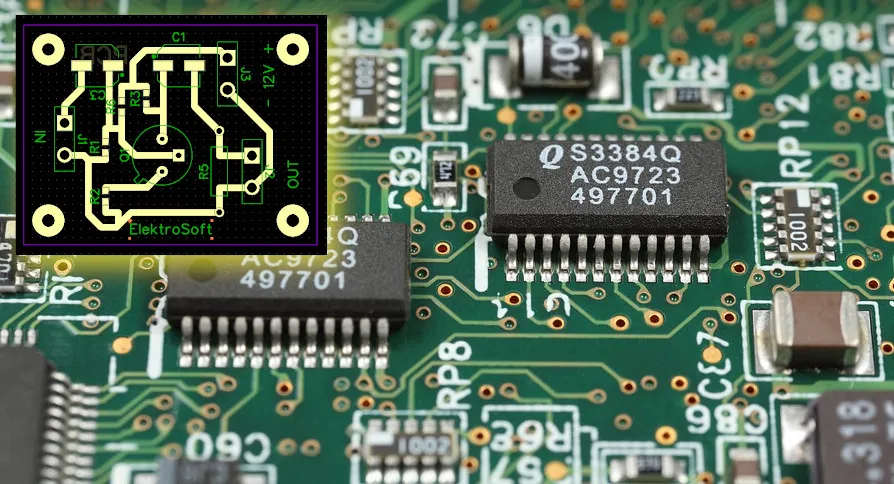
Gerber Files
Accurate Gerber files are the cornerstone of successful PCB fabrication. These files, a standard in the industry, serve as the blueprint for your printed circuit board, dictating every detail from copper traces to drill holes. Proper generation and verification of these files before you order pcb board online is essential to prevent delays and ensure the final product meets your design specifications.
Understanding Gerber File Types Gerber files come in various types, each representing a specific layer or component of your PCB design. These include: Copper layers (top, bottom, and internal), solder mask layers, silkscreen layers, drill files, and board outline files. A complete set is required by most manufacturers to accurately fabricate your board.
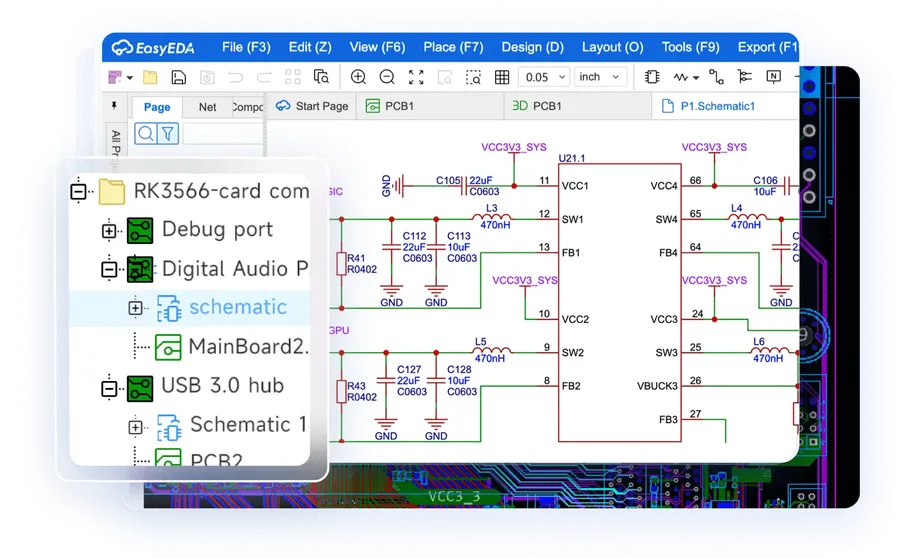
Generating Gerber Files Most PCB design software packages offer built-in tools to export your design into Gerber format. Ensure your export settings are correct by checking that your software is configured to output the correct format (RS-274X is the most common) and units (usually millimeters or inches). Careful attention to these details can prevent manufacturing errors.
Verifying Gerber Files Before submitting your Gerber files, it’s critical to visually verify them using a Gerber viewer. This step helps you identify any errors, such as missing layers, incorrect drill sizes, or misalignment, before the manufacturing process begins. Several free online Gerber viewers and offline tools are available.
Essential Files Checklist A standard Gerber package should include: Top copper layer (GTL), Bottom copper layer (GBL), Solder mask top (GTS), Solder mask bottom (GBS), Top silkscreen (GTO), Bottom silkscreen (GBO), Drill file (TXT or DRD), Board outline (GKO), and any inner copper layers if it is a multilayer board. Having all of these files in the correct format prevents problems and delays with manufacturing.
The Online PCB Ordering Process: Step-by-Step
Online PCB Order
The process of ordering PCBs online, while varying slightly between manufacturers, generally follows a consistent series of steps. This section provides a detailed walkthrough of this process, ensuring you are well-prepared for a smooth transaction from Gerber file upload to final shipping.
Step 1: Account Creation or Login Begin by creating an account on the chosen manufacturer's website or logging into an existing one. This will allow you to save your project details, track your order, and access customer support if necessary.
Step 2: Gerber File Upload Navigate to the order page and upload your prepared Gerber files. Ensure all required files (e.g., top layer, bottom layer, solder mask, silk screen, drill files) are included. Most manufacturers offer a file validation check at this point.
Step 3: Specification of Board Parameters Define crucial board parameters such as dimensions, layer count, material, thickness, copper weight, surface finish (e.g., HASL, ENIG), solder mask color, and silk screen color. Be meticulous here, as errors can lead to unusable boards.
Step 4: Quantity Selection Specify the desired quantity of PCBs. Keep in mind that higher quantities generally reduce the cost per board due to economies of scale. Some manufacturers also have minimum order quantities.
Step 5: Review and Confirmation Carefully review all selected parameters and uploaded files. Most platforms provide a visual preview of your design and an estimated cost based on your specifications. Ensure there are no discrepancies before proceeding.
Step 6: Payment Choose your preferred payment method (e.g., credit card, PayPal) and complete the transaction. Ensure you have enough funds to cover the total cost, including shipping.
Step 7: Shipping Selection Select your shipping preferences, considering both cost and delivery speed. The available options will vary from carrier to carrier based on your location. Enter your full shipping address and any specific shipping instructions.
Step 8: Order Tracking Once your order is placed, you’ll typically receive an order confirmation email and a tracking number once the boards have shipped. Monitor the progress of your order online through the manufacturer's website or the carrier's tracking system.
Cost Factors and Payment Options When You Order PCB Board Online
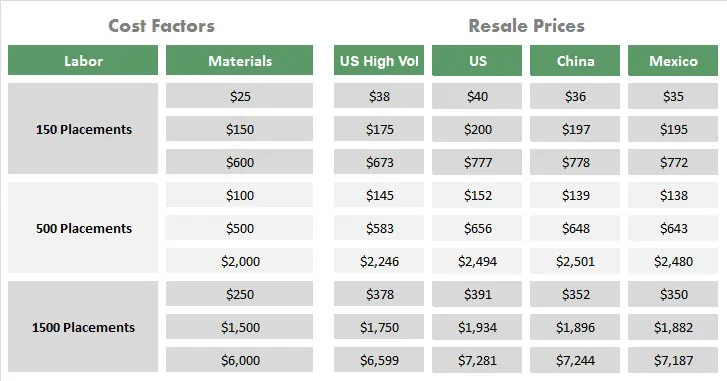
PCB Cost Factors
Understanding the cost drivers and available payment methods is crucial when you order PCB boards online. The final price is a function of several interconnected elements that can be adjusted to meet your budgetary requirements. This section will cover the primary factors influencing the cost and the common payment solutions offered by PCB manufacturers.
The following table outlines the key cost drivers and their typical impact on the overall price of your PCB order:
Cost Factor
Description
Impact on Cost
Quantity
The number of PCBs ordered in a single batch.
Generally, cost per unit decreases with higher quantities due to economies of scale.
Board Size
The physical dimensions of each PCB.
Larger boards require more material and processing, increasing cost.
Layer Count
The number of copper layers in the PCB.
More layers (e.g., 4-layer, 6-layer) result in higher costs due to increased complexity and manufacturing steps.
Material
The substrate material used for the PCB (e.g., FR-4, aluminum).
Specialized materials, like high-frequency laminates or those with specific thermal properties, often carry a higher price.
Surface Finish
The coating applied to the copper pads (e.g., HASL, ENIG).
Finishes like ENIG (Electroless Nickel Immersion Gold) typically cost more than HASL (Hot Air Solder Leveling) due to their superior performance and reliability.
Via Type
The presence of blind or buried vias.
Vias buried within internal layers (buried) or connecting layers next to each other (blind), increase the cost of manufacturing.
Board Thickness
The overall thickness of the final board.
Non-standard thicknesses can increase cost.
Customization Options
Specific requirements for controlled impedance, special routing, or other custom design parameters.
Complex specifications generally result in higher costs.
Most online PCB manufacturers provide a variety of payment options to accommodate different customer preferences. Common payment methods include:
Credit and Debit Cards Major credit and debit cards such as Visa, Mastercard, and American Express are widely accepted for their convenience and speed of processing.
PayPal A popular online payment system often used for its security and ease of use.
Bank Transfers/Wire Transfers Primarily for larger orders, bank transfers involve direct transfer of funds from the buyer's bank account to the manufacturer's.
Other Payment Platforms Some manufacturers may offer other online payment platforms or regional specific options.
It is crucial to check the specific payment options available from your selected manufacturer before placing an order, as options can vary. Also, understanding all the costs associated with your board can help you optimize your design and minimize the cost of your printed circuit board.
Frequently Asked Questions About Ordering PCBs Online
This section addresses common queries that arise when ordering PCBs online, providing concise and authoritative answers to guide you through the process.
How do I order a PCB using Gerber files? To order a PCB using Gerber files, you first need to generate these files from your PCB design software. Then, upload these files to your chosen PCB manufacturer's website. During the order process, you'll typically specify parameters such as board dimensions, layer count, material, and finish. After confirming your order, the manufacturer will then fabricate your PCBs based on your specifications.
Why are PCB boards so expensive? The cost of PCB boards is influenced by several factors, including the complexity of the design, materials used, the number of layers, surface finish requirements, and the quantity ordered. Higher complexity, advanced materials, and tighter tolerances will generally increase costs. Ordering in larger quantities can reduce the per-unit cost due to economies of scale.
What is the typical cost of a PCB? The cost of a PCB varies greatly, depending on factors such as size, layer count, complexity, and materials. Simple PCBs for hobby projects can cost a few dollars per piece, while complex, multi-layered boards with specific material requirements and finishes can cost hundreds or even thousands of dollars. It's best to get a quote from your chosen manufacturer based on your specific design and requirements.
Can I create my own PCBs at home? Yes, it's possible to create your own PCBs at home using methods like chemical etching, laser engraving, or a PCB milling machine. However, these methods are typically suitable for simple, single-layer boards and often lack the precision and consistency of professional manufacturing. The chemicals used in DIY PCB fabrication require proper handling and disposal. For complex or multi-layered boards, professional manufacturing is recommended for superior quality and reliability.
What file formats are needed to order a PCB? The primary file format needed is Gerber files, which are a standard format for PCB manufacturing instructions. These files include information for each layer of your board, including copper traces, soldermask, silkscreen, and drill holes. A drill file, typically in Excellon format, is also required for drilling the vias and component holes. Some manufacturers may also request a bill of materials (BOM) file if they are offering a turnkey assembly service.
What considerations are important when selecting a PCB manufacturer? When selecting a PCB manufacturer, crucial factors include their production capabilities, supported materials, lead time, cost, quality, customer support, and location. It's essential to research and evaluate manufacturers based on your specific needs. It's also beneficial to review customer testimonials and seek recommendations from other users before committing to one manufacturer for your order.
How does PCB material affect the performance? The choice of PCB material significantly influences performance, especially in high-frequency and high-temperature applications. FR-4, the most common material, is suitable for most general applications. However, for specific needs, materials with lower dielectric constants and dissipation factors, like PTFE or high-Tg FR-4, should be chosen for better signal integrity and thermal stability. Material choice also affects mechanical strength and moisture resistance.
Comparing PCB Manufacturers: A Detailed Analysis
Selecting the optimal PCB manufacturer is crucial for ensuring the quality and cost-effectiveness of your project. This section provides a comparative analysis of several leading online PCB manufacturers, focusing on key parameters that influence the decision-making process. This comparison is designed to assist users in making an informed choice when they order PCB board online.
Manufacturer
Cost (USD)
Lead Time
Material Options
Surface Finish Options
Customer Support
Strengths
Weaknesses
JLCPCB
Low
3-7 days
FR-4, Aluminum
HASL, ENIG
Good
Very Cost-effective, Fast Turnaround
Limited Material Options, potential quality concerns with very complex designs.
PCBWay
Moderate
5-10 days
FR-4, Aluminum, Flexible
HASL, ENIG, Immersion Tin
Excellent
Wide range of material options and advanced features, good customer service.
Longer lead times, limited material options, more expensive for large boards.
AllPCB
Low to Moderate
3-8 days
FR-4, Aluminum
HASL, ENIG, OSP
Good
Competitive pricing and decent quality.
Customer service can be slower at times.
Seeed Studio Fusion
Moderate
5-12 days
FR-4, Aluminum, Flexible
HASL, ENIG
Good
Offers PCBA services, flexible PCB options, wide range of services.
Potentially more expensive for smaller orders.
Optimizing your PCB Design for Online Manufacturing
Optimized PCB
Designing PCBs for online manufacturing requires careful attention to detail to ensure manufacturability and prevent costly delays or errors. Focusing on design parameters like trace width, via size, and minimum clearances, is crucial for a smooth fabrication process when ordering PCBs online.
Trace Width and Spacing Adhere to the manufacturer's minimum trace width and spacing specifications. Insufficient trace width may result in broken circuits and too narrow spacing can cause short circuits. Generally, using the widest possible trace width and spacing for your signal and power traces is a good rule of thumb.
Via Size and Type Choose appropriate via sizes and types that align with the manufacturer's capabilities. Consider the aspect ratio of the via (the ratio of its length to its diameter). Use via sizes that fall within standard manufacturing capabilities; excessively small vias can cause issues with plating and reliability.
Minimum Clearances Ensure that all your clearances, i.e., between traces, pads, and board edges, meet or exceed the manufacturer's specifications. Insufficient clearance may result in shorts or other manufacturing defects. Minimum clearance will vary depending on the manufacturer.
Pad Design Ensure that all pads, including SMD and through-hole pads, are sized properly for component soldering and automated assembly processes. Follow manufacturers' guidelines for pad dimensions and annular rings to ensure a solid solder joint.
Layer Stackup Carefully consider the layer stackup and signal integrity. Different stackups can affect impedance characteristics and signal transmission performance. Follow your design rules and check with the manufacturer for layer stackup optimization recommendations.
Silkscreen Design Place silkscreen layers in an easily readable location, away from component pads, vias, and the edge of the board. The text should be large enough to be readable, and not so dense that it overlaps or makes it difficult to decipher.
Test Points Ensure proper provision of test points in your design to allow for electrical testing, which can detect manufacturing defects.
Advanced Options and Features
Beyond standard PCB fabrication, advanced options offer enhanced performance and capabilities. These include impedance control, crucial for signal integrity; blind and buried vias, enabling higher density designs; and specialized surface finishes for improved reliability and solderability. Understanding these advanced options allows you to tailor your PCB to meet specific application demands.
Impedance Control Precisely manages the characteristic impedance of signal traces, ensuring signal integrity and minimizing signal reflections, which is critical for high-speed digital and RF designs.
Blind Vias Connect an outer layer to one or more inner layers without penetrating through the entire board, allowing for denser routing and increased component placement.
Buried Vias Connect inner layers of a multilayer board without reaching the outer layers, enabling more complex and compact designs.
Special Surface Finishes Offer specific properties such as enhanced solderability, corrosion resistance, and wire bondability. Common options include ENIG (Electroless Nickel Immersion Gold), ENEPIG (Electroless Nickel Electroless Palladium Immersion Gold), and hard gold plating for connector areas.
Feature
Description
Typical Application
Impedance Control
Maintains consistent signal impedance along the traces.
High-speed digital circuits, RF circuits
Blind Vias
Connects outer layers to one or more inner layers.
High-density interconnect (HDI) boards
Buried Vias
Connects inner layers without reaching the outer layers.
High-density multilayer boards
ENIG
Provides excellent solderability and corrosion resistance.
General purpose PCB, high reliability application.
ENEPIG
Offers improved wire bondability and solderability.
Advanced electronics applications and high-performance circuits
Hard Gold Plating
Durable and corrosion-resistant for repeated contacts.
Edge connectors and test points.
Ordering PCB boards online has never been easier, thanks to various online platforms that cater to all kinds of user needs. However, by carefully planning, selecting the right manufacturer, and understanding the various aspects of the ordering process, you can ensure a smooth experience and high-quality PCBs. Whether you're prototyping a new product or designing a complex electronic system, the ability to order pcb board online is a game-changer. By considering the information provided in this guide, you are well-equipped to make informed decisions and bring your projects to fruition. Remember, the foundation of great electronics is a well-fabricated PCB and we've empowered you to take that step confidently.