In today's interconnected world, the role of electronics assembly companies is more critical than ever. From smartphones to medical devices, these companies are the unsung heroes, transforming designs into tangible products. This article will delve into the intricacies of the electronics assembly industry, offering a guide to the top players, their services, and key considerations when selecting a partner. Think of these companies as the engine that turns the wheels of modern technological advancements.
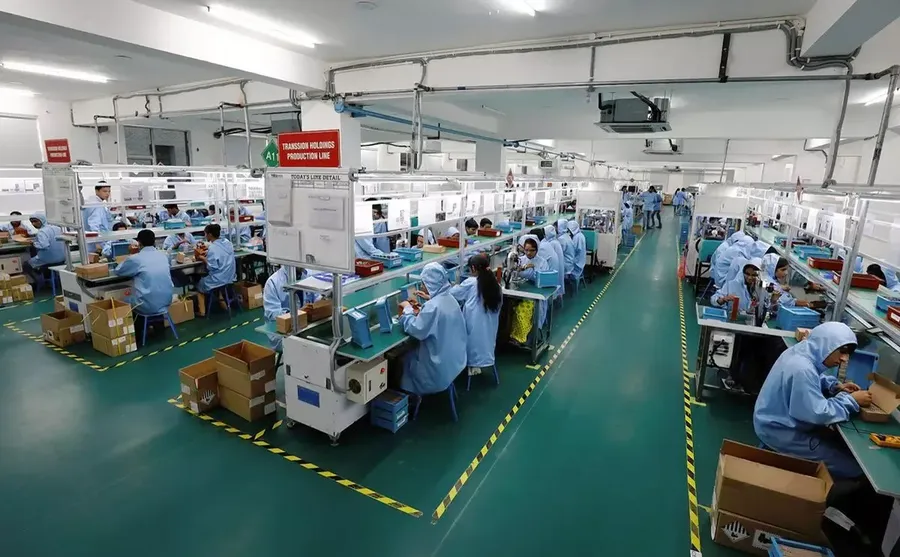
The electronics assembly industry is the backbone of modern technology, encompassing the intricate processes required to manufacture electronic devices. This crucial sector involves assembling various components onto printed circuit boards (PCBs), transforming raw materials into functional electronic products through precise techniques like Surface Mount Technology (SMT), Through-Hole Technology (THT), and mixed assembly methods. Quality, precision, and efficiency are paramount, given the complexity and sensitivity of the products, directly influencing performance and reliability, and highlighting the critical role these companies play in the global supply chain.
The processes involved in electronics assembly are diverse, each having specific applications and requirements:
The electronics assembly industry is heavily reliant on advanced machinery and skilled labor. The overall process involves several stages, each requiring careful planning and execution, it is not just about assembling components, it's about ensuring the entire product lifecycle, from design to finished product, meets the stringent quality and performance requirements.
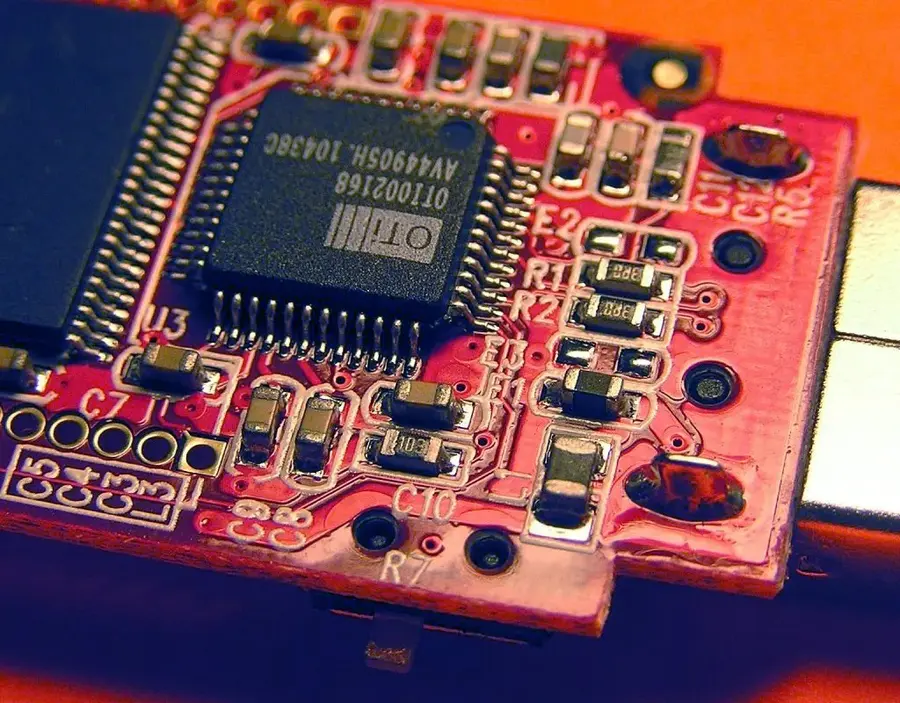
Electronics assembly companies provide a diverse array of services essential for the creation of modern electronic devices. These services encompass the entire product lifecycle, from initial design and prototyping to full-scale manufacturing and testing, playing a crucial role in bridging the gap between circuit design and functional electronic products.
| Service | Description | Significance |
|---|---|---|
| PCB Assembly | Population of printed circuit boards with electronic components using Surface Mount Technology (SMT), Through-Hole Technology (THT), or a combination. | Fundamental to creating functional electronic devices; ensures components are correctly placed and soldered onto the board. |
| Prototyping | Creation of initial models or samples to test designs, functionality, and feasibility before mass production. | Crucial for identifying design flaws and making necessary adjustments, minimizing risks in full-scale manufacturing. |
| Testing and Quality Control | Rigorous testing of assembled boards and devices to verify performance and compliance with standards. | Ensures the reliability and quality of the final product, safeguarding against defects and failures. |
| Full Turnkey Solutions | Comprehensive services that cover all aspects of manufacturing, from component sourcing to final product assembly and shipping. | Streamlines the manufacturing process, reducing management overhead and timelines for clients. |
| Design Services | Assistance with circuit board design, component selection and layout optimization, addressing manufacturability. | Ensures that the designs are optimized for manufacturability, reducing the risks of production errors and streamlining manufacturing process. |
| Component Sourcing | Procurement of electronic components from various suppliers, managing supply chain logistics. | Reduces client's effort in sourcing components, while leveraging company's existing supplier relationships and negotiation power. |
| End-to-End Assembly | Complete management of the assembly process from initial component kitting to final product packaging. | Simplifies the supply chain process, minimizing logistical complexities and ensuring smooth production flow. |
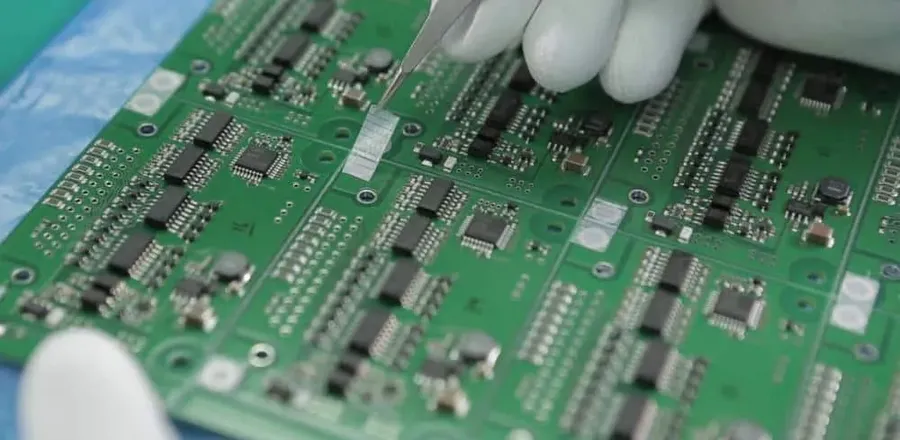
The global electronics assembly landscape is dominated by a few key players that provide comprehensive manufacturing solutions to various industries. These companies not only offer assembly services but also often extend their capabilities to design, prototyping, and supply chain management, demonstrating a commitment to quality, precision, and efficient production on a large scale.
| Company | Specialization | Strengths | Geographical Reach |
|---|---|---|---|
| Rayming Technology | Printed Circuit Board (PCB) assembly, SMT & Through-Hole | Offers comprehensive PCB assembly services with a focus on quality and flexibility. Known for its competitive pricing and fast turnaround times, excellent customer service. | Global, primarily serving North America, Europe, and Asia |
| Universal Scientific Industrial (USI) | System assembly, module design and manufacturing | Renowned for its expertise in miniaturization, advanced testing capabilities, and large-scale manufacturing capacity. Strong global presence with a diverse client base across multiple sectors. | Global, with manufacturing facilities across Asia, Europe, and the Americas |
| Flex | End-to-end supply chain, design & manufacturing | A leader in providing innovative solutions for diverse industries, leveraging its vast global network and technological expertise. Flex's focus on supply chain optimization and sustainability provides them an advantage. | Extensive global presence with manufacturing operations across multiple continents |
| Jabil | Full turnkey manufacturing, product design & supply chain | Known for its extensive global footprint and robust technological capabilities, specializing in highly complex assembly and engineering solutions. Jabil's strength lies in its scalability and ability to handle diverse product requirements. | Global, with facilities in North America, Europe, and Asia |
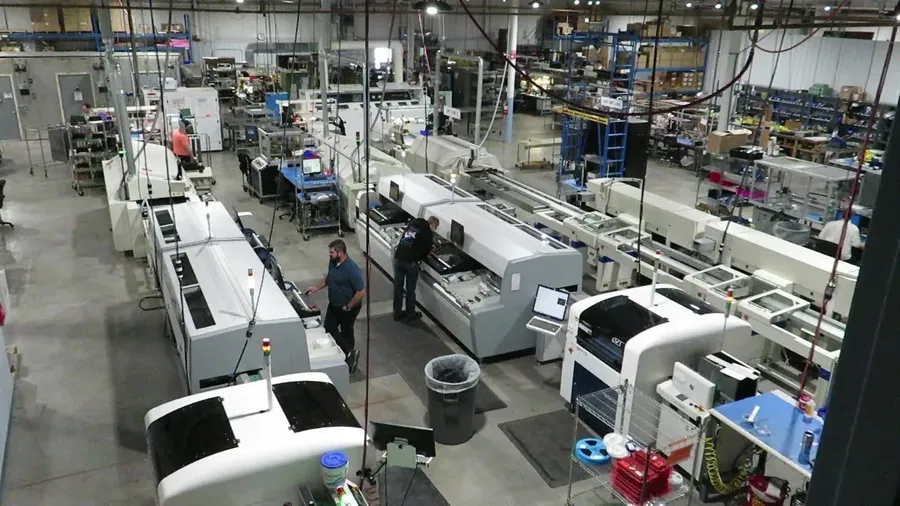
The United States boasts a robust electronics assembly sector, featuring a mix of large multinational corporations and specialized smaller firms. These companies are crucial in the production of a wide array of electronic products, from consumer devices to sophisticated industrial and aerospace components. Their regional strengths are diverse, catering to various industry niches and technological advancements.
Key players in the US market demonstrate varying expertise. Large tech companies such as Apple, Dell Technologies, Hewlett-Packard (HP), Cisco Systems, Intel, and Qualcomm, while primarily known for their own branded products, often have significant internal assembly operations and also contract out assembly work to other companies. Other companies specializing in electronics assembly services are crucial to the supply chain, offering their assembly services to these large technology companies, as well as other industries.
| Company | Industry Focus | Assembly Services | Regional Strength | Notes |
|---|---|---|---|---|
| Apple | Consumer Electronics | Primarily Internal Assembly; Contract Manufacturing for some products | California | Known for high-volume manufacturing and innovative products; also contracts out to large EMS providers. |
| Dell Technologies | Computer Hardware | Primarily contract manufacturing | Texas | Specializes in PC assembly and server hardware. |
| Hewlett-Packard (HP) | Computer Hardware & Printing | Primarily contract manufacturing | California | Focus on PC and printer assembly. |
| Cisco Systems | Networking Equipment | Primarily contract manufacturing | California | Leading manufacturer of routers, switches, and other network products. |
| Intel | Semiconductors | Primarily internal assembly of their chips; some external assembly through other companies | California | Integrated device manufacturer that focuses on semiconductors. |
| Qualcomm | Semiconductors | Primarily internal assembly of their chips; some external assembly through other companies | California | Fabless semiconductor company specializing in wireless technologies. |
The service landscape in the US electronics assembly sector is diverse. Companies provide everything from basic PCB assembly to comprehensive turnkey solutions, encompassing design, component sourcing, and final product testing. Regional strengths vary, with California housing many tech giants, while other states host specialized assembly firms. The US market is characterized by a high demand for quality and innovation, with companies adapting to new trends in automation and miniaturization. Many of the companies in the US also provide services that comply with stringent quality standards, and specific industry regulations like medical, aerospace and military applications.
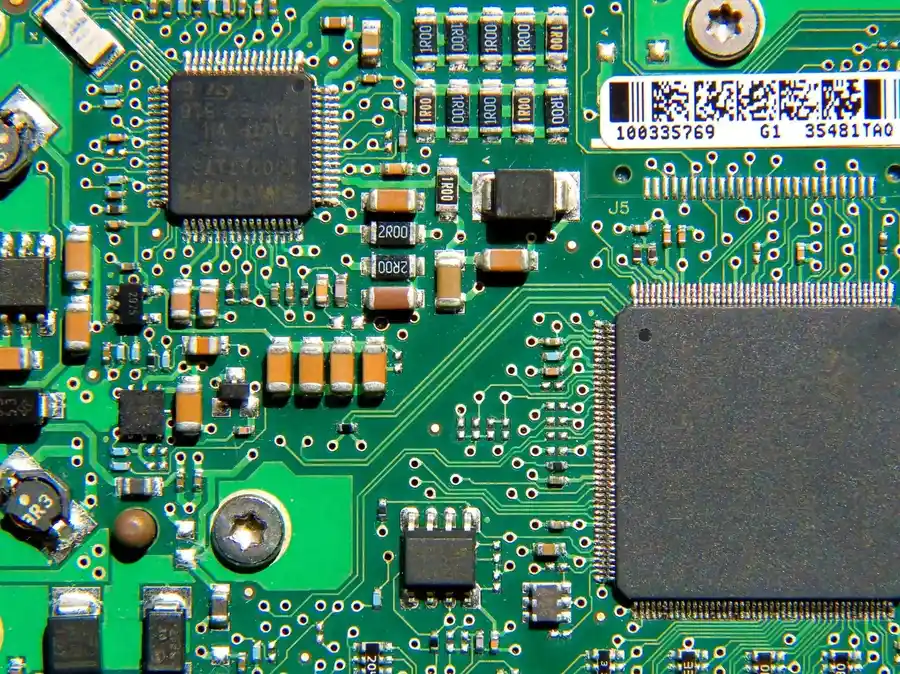
Selecting the right electronics assembly company is crucial for the success of any electronics project. This decision requires a thorough evaluation of several key factors, each of which can significantly impact project timelines, budget, and the overall quality of the final product. The checklist below provides a structured approach to evaluate potential partners, ensuring alignment with your project's unique requirements.
Each of these considerations directly impacts the project timeline and budget. For example, a company with outdated technology may lead to poor assembly quality and rework, driving up costs and delaying production. Similarly, a lack of scalable infrastructure can disrupt long-term plans. Therefore, a comprehensive evaluation of these factors is essential before selecting an electronics assembly partner.
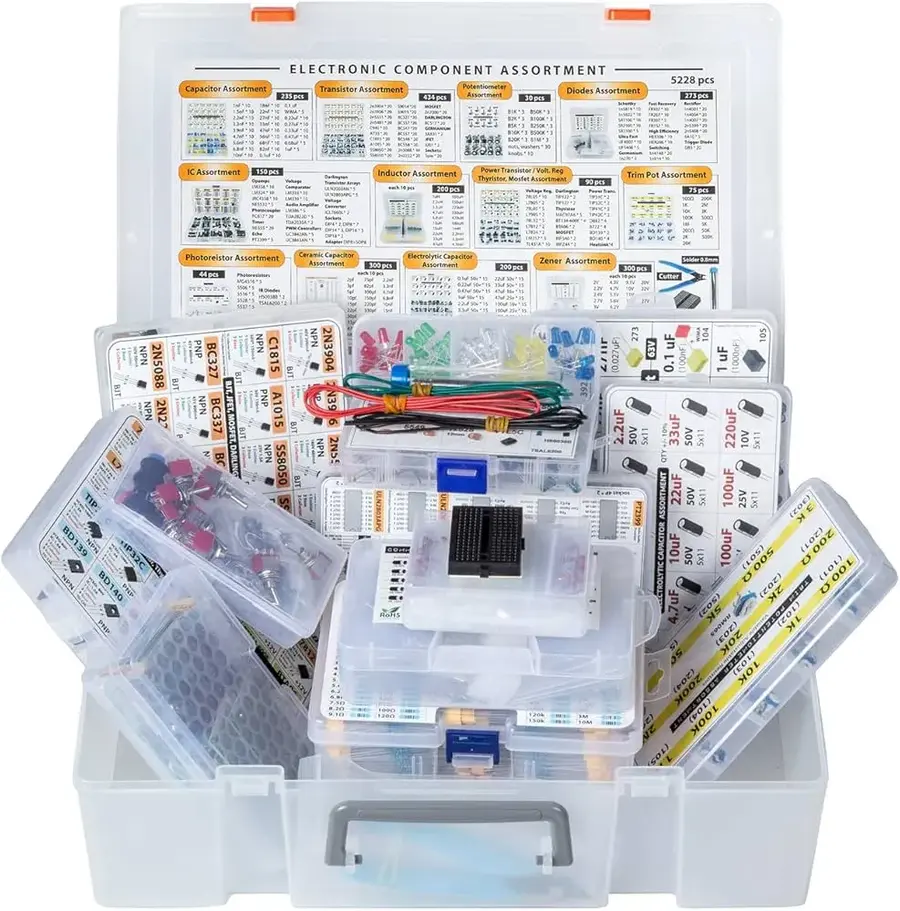
Achieving cost-effectiveness in electronics assembly requires a multifaceted approach that considers various factors from design to supply chain management. By strategically optimizing processes and making informed decisions, companies can significantly reduce expenses without compromising quality or performance. This section outlines key strategies for minimizing costs in the electronics assembly process.
Key strategies for cost reduction include optimizing designs for manufacturing, leveraging volume discounts, managing material costs effectively, and establishing a robust and efficient supply chain.
| Strategy | Description | Cost Impact |
|---|---|---|
| Design for Manufacturability (DFM) | Optimizing design for easier assembly, reduced component count, and standard parts. | Lowers assembly costs, reduces errors, and simplifies production. |
| Volume Discounts | Negotiating lower per-unit costs with suppliers for larger orders. | Significant cost reduction for mass production. |
| Material Cost Management | Selecting cost-effective components and optimizing the Bill of Materials. | Reduces raw material costs and waste. |
| Supply Chain Efficiency | Optimizing supplier relations, implementing JIT inventory and logistics. | Minimizes lead time, storage costs, and inventory management expenses. |
This section addresses common inquiries regarding electronics assembly, focusing on key aspects such as minimum order quantities, turnaround times, testing procedures, and adherence to industry standards. We also consider questions arising from related searches about local companies, company lists, and regional variations in service.
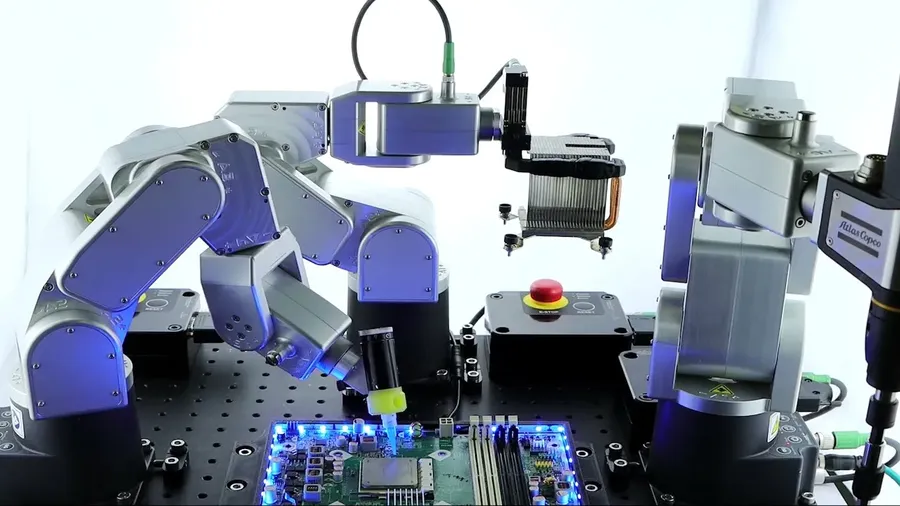
The electronics assembly sector is undergoing a rapid transformation driven by technological advancements and evolving market demands. These trends not only reshape manufacturing processes but also open new avenues for innovation and growth.
Looking ahead, the electronics assembly industry will continue to evolve driven by these trends. Companies that adapt and invest in new technologies and methodologies are positioned to achieve success. This includes not only adoption of automation but also incorporating sustainable manufacturing, and developing capabilities in handling flexible, miniaturized, and advanced materials.
The electronics assembly sector offers a variety of service models tailored to different client needs and project scopes. Understanding the distinctions between Contract Manufacturing, Original Equipment Manufacturer (OEM) services, and Electronics Manufacturing Services (EMS) is crucial for selecting the right partner for your electronic product assembly needs. Each model offers unique benefits, operational structures, and levels of involvement in the product lifecycle.
| Service Model | Description | Benefits | Typical Client | Pros | Cons | Ideal Situation |
|---|---|---|---|---|---|---|
| Contract Manufacturing | Manufacturing products based on the client's designs and specifications. | Cost-effective for high-volume production; focus on manufacturing efficiency. | Companies with established designs looking for scalable production. | Lower production costs, high scalability. | Less control over the manufacturing process, may require detailed documentation. | When a company has mature, well-defined designs and requires efficient and cost effective production. |
| OEM (Original Equipment Manufacturer) | Manufacturing products to be sold under the client's brand name. | Brand control; custom product design; potential for high profit margins. | Companies looking to sell branded products with specific requirements. | Full control over design and branding, ability to create unique products. | Potentially higher development costs; reliance on the OEM for all aspects. | When a company desires to sell a branded product and requires the manufacturer to be a comprehensive partner. |
| EMS (Electronics Manufacturing Services) | Providing a broad range of services, from design and component sourcing to assembly and testing. | Comprehensive support; faster time to market; reduced capital investment. | Companies seeking a turnkey solution for their electronic product. | End-to-end service, from design to manufacturing; greater flexibility and scalability. | Potential for less direct oversight in the production process; may require long-term partnership. | When a company needs a full-service partner and does not have the infrastructure for manufacturing or product development. |
The electronics assembly industry is a critical component of modern technology, driving innovation and enabling countless applications. By understanding the diverse landscape of electronics assembly companies, the services they offer, and the key factors for selection, businesses can choose the right partner to ensure success. As the industry continues to evolve with new technologies, strategic partnerships with qualified electronics assembly companies will be essential for companies in the electronics sectors. These companies stand at the forefront of the technological revolution, continuously pushing the boundaries of what is possible.

