In today's tech-driven world, printed circuit boards (PCBs) are the backbone of countless electronic devices. Finding a reliable and local PCB manufacturer is crucial, whether you're an established tech company or a passionate hobbyist. This guide dives into what makes a great local PCB manufacturer and how to choose the right partner for your project.
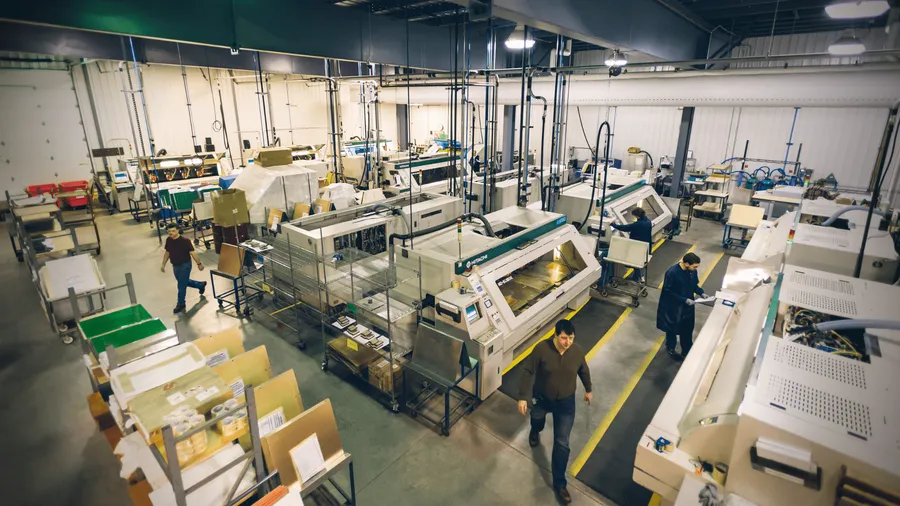
Selecting a local PCB manufacturer offers significant advantages over overseas alternatives, primarily due to enhanced control, faster turnaround, reduced logistical overhead, and improved communication throughout the production process. These benefits are crucial for projects requiring rapid prototyping, iterative design, and high levels of oversight.
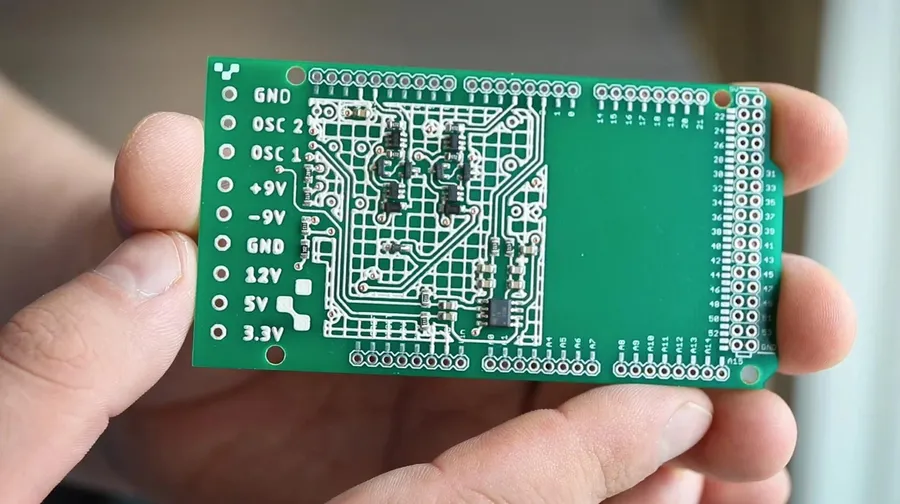
Selecting the right PCB manufacturer is crucial for the success of any electronics project. This decision hinges on a careful evaluation of several key factors that align with the specific requirements of your design and production needs. These factors encompass the manufacturer's fabrication capabilities, material expertise, assembly services, and commitment to quality assurance.
| Factor | Description | Key Questions to Ask |
|---|---|---|
| Fabrication Capabilities | Ability to manufacture different types of PCBs. | Can you produce single-sided/double-sided/multilayer PCBs? What are your minimum trace width and spacing capabilities? Do you support blind/buried vias? |
| Material Expertise | Experience working with specific PCB materials. | Do you have experience with FR-4, aluminum, polyimide? Are material certifications available? |
| Assembly Services | Provision of PCB assembly in-house. | Do you offer SMT, through-hole, or mixed assembly? What is your component sourcing process? Can you provide turnkey solutions? |
| Quality Control Measures | Processes to ensure reliable PCB performance. | Do you have quality certifications? What are your inspection and testing procedures? |
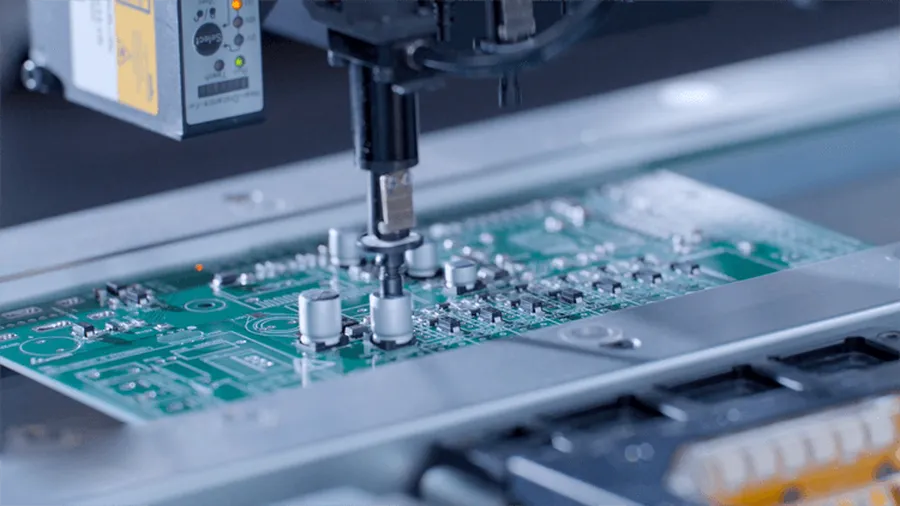
PCB manufacturers offer a range of services tailored to meet diverse project needs, typically encompassing PCB fabrication, PCB assembly, and comprehensive turnkey solutions. Understanding these distinctions is crucial for selecting the most appropriate service model for your specific requirements, ensuring both efficiency and cost-effectiveness.
| Service Type | Description | Typical Applications | Key Considerations |
|---|---|---|---|
| PCB Fabrication | Manufacturing of the bare PCB, including etching, drilling, and plating, based on provided design files (Gerber files). | Projects where customers will perform their own component assembly; prototyping and small-batch runs. | Requires precise design files; consider lead times and capabilities of the fabricator. |
| PCB Assembly | Placement and soldering of electronic components onto the bare PCB. This includes SMT (Surface Mount Technology) and through-hole assembly. | Projects where clients have a bare PCB and need components mounted; medium-volume production. | Requires a Bill of Materials (BOM) and component procurement capabilities; assess assembly capabilities and quality standards. |
| Turnkey Solutions | Comprehensive service covering everything from PCB fabrication and assembly to component procurement and functional testing. | Projects where a complete solution is needed and for those wanting to save time managing multiple vendors; larger volume productions. | Offers convenience and reduced coordination overhead; evaluate end-to-end quality control and project management. |
Each of these services caters to varying levels of customer involvement and project complexities. PCB fabrication focuses solely on producing the physical board, while assembly involves populating the board with components. Turnkey solutions streamline the process by encompassing all phases from design to finished product. Choosing the correct service ensures the process is optimized for both cost and efficiency.

Understanding the intricacies of PCB manufacturing costs is crucial for project budgeting and financial planning. Several factors interact to determine the final price of a printed circuit board, and careful consideration of each can lead to significant cost savings without sacrificing quality.
| Cost Factor | Description | Impact on Cost |
|---|---|---|
| Board Type | Single-sided, double-sided, or multilayer PCBs. | Multilayer PCBs are significantly more expensive due to increased complexity and materials. |
| Number of Layers | The quantity of conductive layers within the PCB. | Cost increases proportionally with the number of layers. |
| Materials | FR-4, aluminum, high-frequency laminates, etc. | High-performance materials like Rogers or ceramics are more costly than standard FR-4. |
| Board Size | The physical dimensions of the PCB. | Larger PCBs require more material, increasing costs. |
| Complexity of Design | Features like fine-pitch components, blind vias, and impedance control. | Intricate designs necessitate advanced manufacturing processes, raising costs. |
| Surface Finish | Options include HASL, ENIG, immersion tin, etc. | Gold plating (ENIG) is more expensive than lead-free HASL. |
| Quantity | The number of PCBs ordered. | Per-unit cost generally decreases as quantity increases due to economies of scale. |
| Testing Requirements | Specific testing procedures such as flying probe, in-circuit testing. | Comprehensive testing increases the cost but enhances reliability. |
| Turnaround Time | Expedited or rush production. | Faster turnaround times typically come with a premium. |
Balancing cost and quality is paramount. While opting for the cheapest options may reduce initial costs, it can lead to reliability issues and increased long-term expenses. Therefore, it is advised to collaborate with the manufacturer to optimize design choices, materials, and processes that meet performance requirements while remaining within budget.
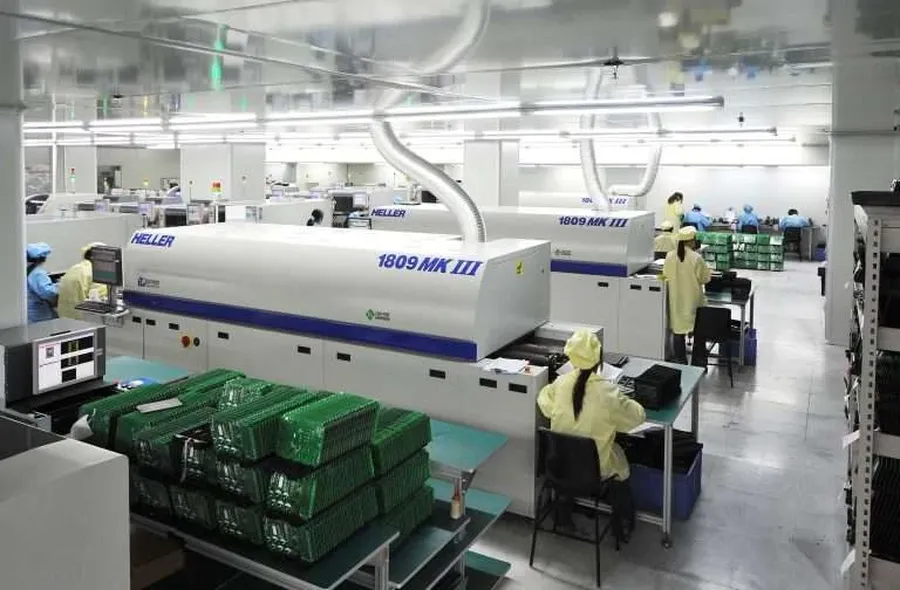
Understanding turnaround time and lead times is crucial for effective project management when sourcing PCBs. These metrics represent the duration required to complete the fabrication and assembly processes, respectively, and can significantly impact project timelines. While some manufacturers may offer expedited services for quick-turn prototypes, typical production runs will have longer lead times. Proper planning, including realistic expectations for turnaround, is therefore essential for successful PCB procurement.
| Process | Typical Turnaround Time | Factors Affecting Time |
|---|---|---|
| PCB Fabrication | 2-10 business days | Board complexity, number of layers, material availability, manufacturer capacity |
| PCB Assembly | 3-15 business days | Component availability, assembly complexity, order quantity, manufacturer capacity |
| Turnkey Solutions | 5-20 business days | Combined factors of fabrication and assembly, project complexity, specific requirements |
Several factors influence both turnaround time and lead times for PCB manufacturing. These include the board's complexity (single-sided, double-sided, multilayer), the number of layers, the materials used (FR-4, aluminum, etc.), the complexity of the design, and the manufacturer's current workload. Component availability can also have a significant impact on assembly lead times. For example, a design with very specific components or materials may experience delays if those components are not readily available or have long lead times from the supplier. Moreover, the manufacturing capacity of the chosen manufacturer, such as available production lines and staff, plays an important role. Choosing a manufacturer with the capacity to meet your deadlines and requirements is crucial. In addition, a clear understanding of the manufacturer's scheduling process can help prevent bottlenecks and delays.
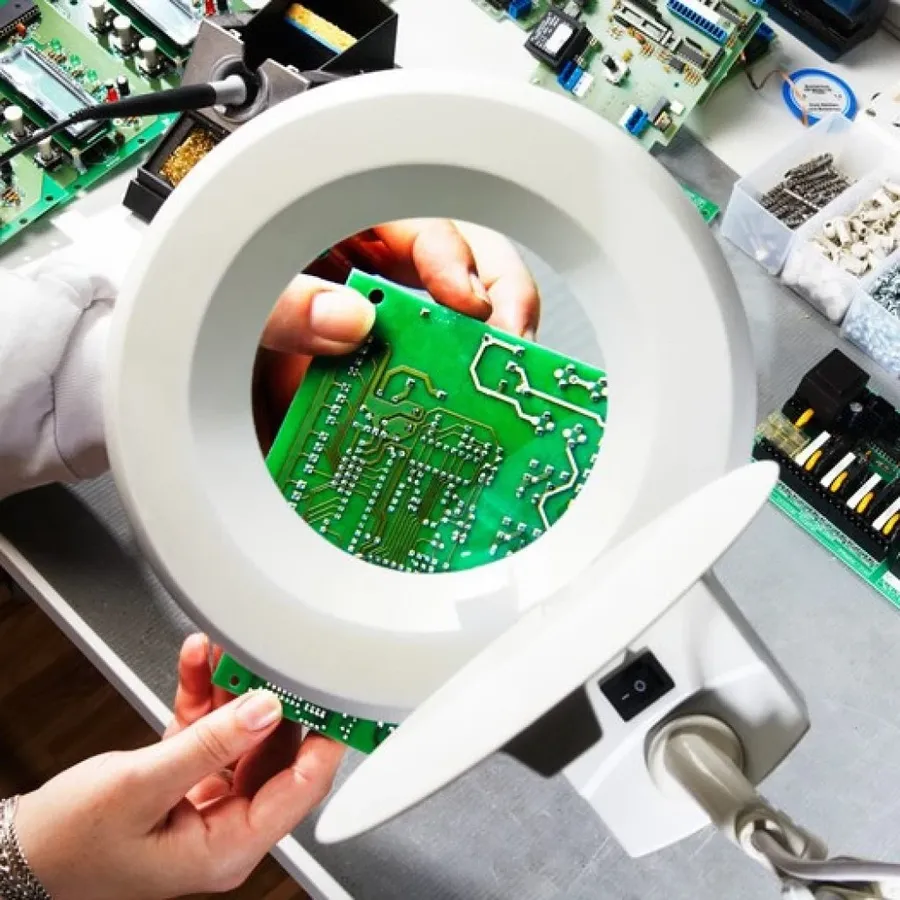
Rigorous quality control and adherence to industry certifications are paramount for ensuring the reliability and performance of printed circuit boards (PCBs). These measures guarantee that the manufactured boards meet the required specifications and perform consistently across their intended applications, minimizing risks of malfunction and costly failures.
For PCB manufacturing, adherence to established industry standards and certifications is non-negotiable. These standards dictate the acceptable levels of quality, tolerances, and testing procedures. Selecting a manufacturer that actively adheres to such standards is crucial for obtaining dependable and consistent PCBs, this also mitigates risks of potential production errors.
Besides adhering to certifications, a comprehensive quality control process should include routine inspections at various production stages, and employing both manual and automated inspections, alongside utilizing a rigorous testing process. These measures ensure the PCB adheres to the required electrical specifications and design parameters. Such measures would include optical inspection, electrical testing, and automated test equipment (ATE) to ensure each board meets the desired levels of performance and reliability. The application of these protocols is a sign of a professional PCB manufacturer.
In summary, choosing a local PCB manufacturer with strong quality control practices and relevant industry certifications like IPC standards, ISO 9001, UL certification, and RoHS compliance is essential for the reliability and consistent performance of the PCBs. These certifications provide an objective measure of the manufacturer's commitment to quality. Additionally, strong internal quality control processes are equally important for the success of your project.
This section addresses common queries regarding local PCB manufacturing, providing clear and concise answers to help you navigate the process effectively. We aim to clarify key aspects related to who makes PCBs, cost factors for assembly, identifying top manufacturers, and the reasons behind PCB shortages.
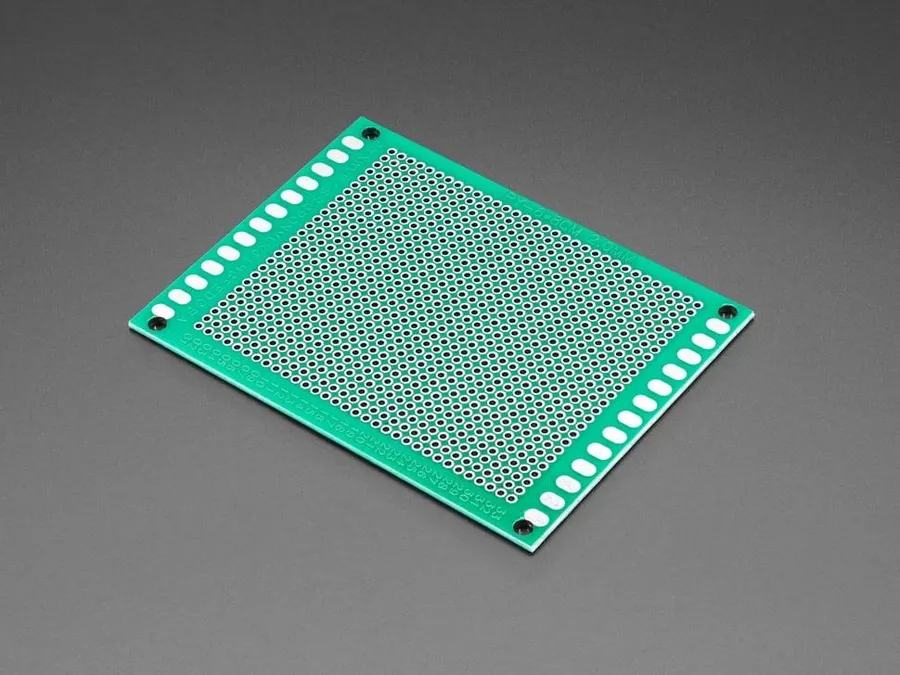
Selecting a PCB manufacturer requires different considerations depending on whether you are producing prototypes or running full-scale production. Prototypes demand flexibility and speed, while production runs prioritize cost-effectiveness and scalability. Understanding these differences is crucial for project success.
| Feature | Prototype Runs | Production Runs |
|---|---|---|
| Volume | Low (1-100s) | High (1000s+) |
| Cost per Unit | Higher | Lower |
| Turnaround Time | Fast | Longer |
| Design Flexibility | High | Lower |
| Minimum Order Quantity (MOQ) | Lower or none | Higher |
| Material Flexibility | More choice and flexibility | limited by the bulk material purchases |
| Quality Focus | Early debugging and design validation | Consistent quality control |
| Scalability | Less relevant | Critical |
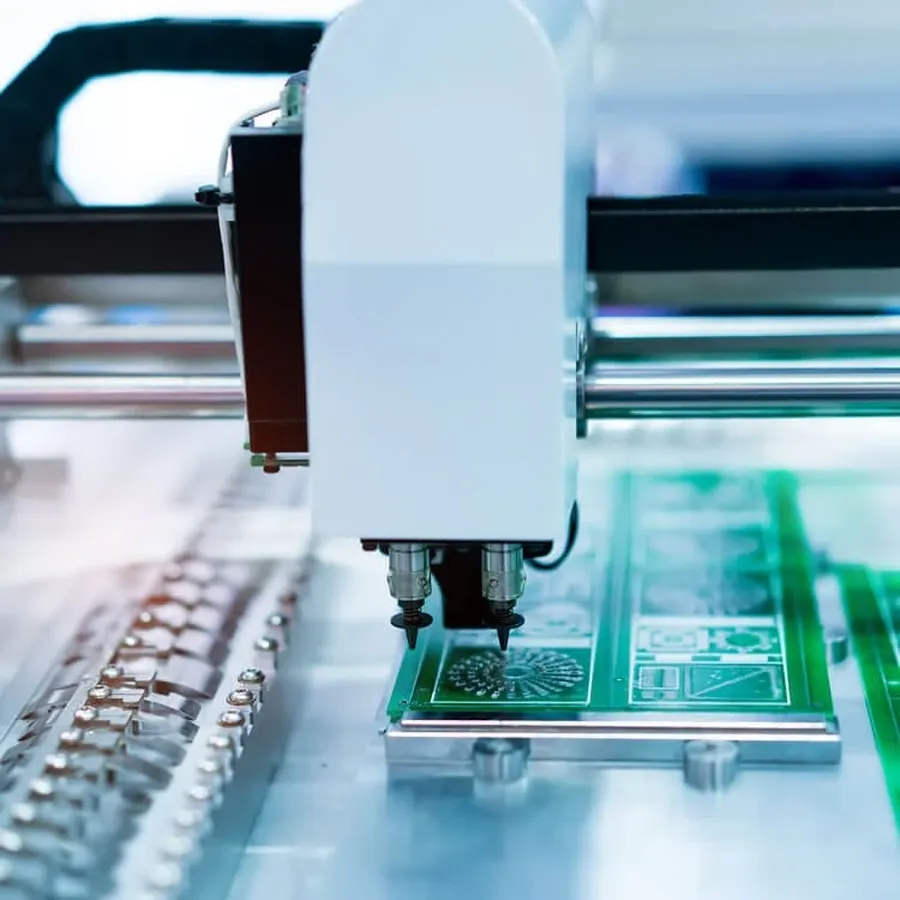
The advantages of choosing a local PCB manufacturer, particularly in a technology hub like San Jose, California, are substantial. This case study explores real-world benefits experienced by businesses that have strategically partnered with local PCB manufacturers within the Silicon Valley area, including San Jose and nearby cities. These collaborations highlight the tangible advantages of localized production, ranging from improved communication and faster turnaround times to enhanced quality control and direct collaboration.
Several case studies illustrate the benefits of partnering with local San Jose PCB Manufacturers:
These examples demonstrate the clear benefits of partnering with a local PCB manufacturer in San Jose and the broader Silicon Valley. The advantages range from faster prototype development, improved design collaboration, and quicker issue resolution to reduced shipping costs and lead times. For companies operating in this region, these localized benefits can be critical to their success.
Selecting the right local PCB manufacturer is essential for the success of any electronics project. By carefully considering factors like location, services, cost, quality control, and turnaround times, and using resources like San Francisco Circuits or Bay Area Circuits, you can ensure that your PCBs meet your specific requirements and achieve optimal performance. Partnering with a local manufacturer offers the benefits of closer communication, faster turnaround times, and a greater understanding of your project's needs, all while supporting local economies.

