In today's tech-driven world, printed circuit boards (PCBs) are the unsung heroes, powering everything from smartphones to complex machinery. Many wonder about '0 pcb price', thinking it implies free PCBs. While not literally free, understanding the factors that drive PCB costs is key for any project. This article will explore the real costs of PCBs, offering practical advice to secure the best value.
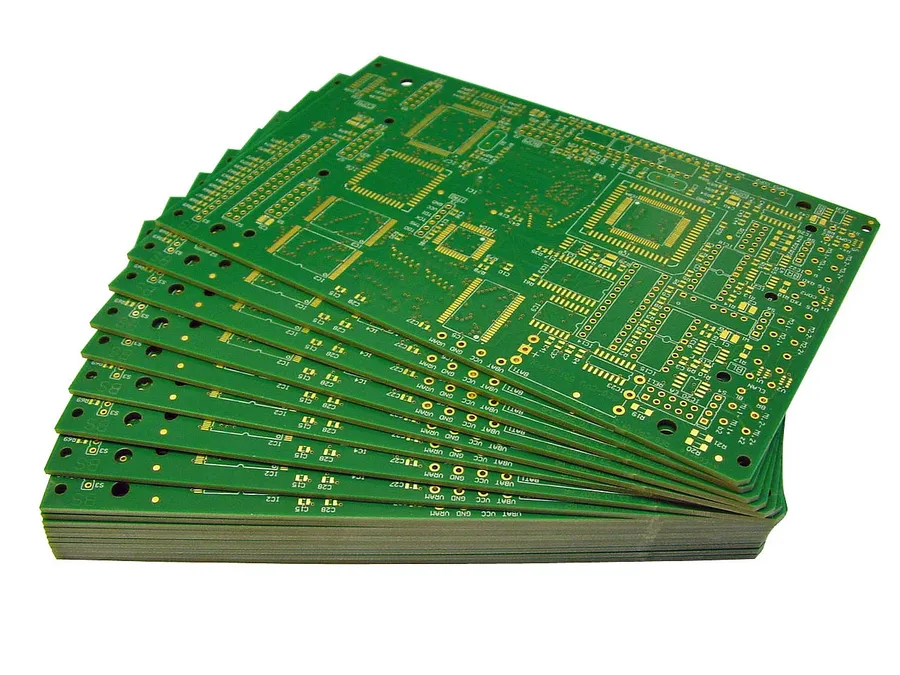
The term 'zero PCB board' often causes confusion, as it doesn't refer to a free printed circuit board. Instead, it typically describes general-purpose prototyping boards, such as perf boards or breadboards, which are essential tools for electronics development. These boards facilitate circuit testing and experimentation before committing to a final PCB design. Understanding the distinctions between these prototyping tools and actual PCBs is crucial to accurately assess and manage project costs.
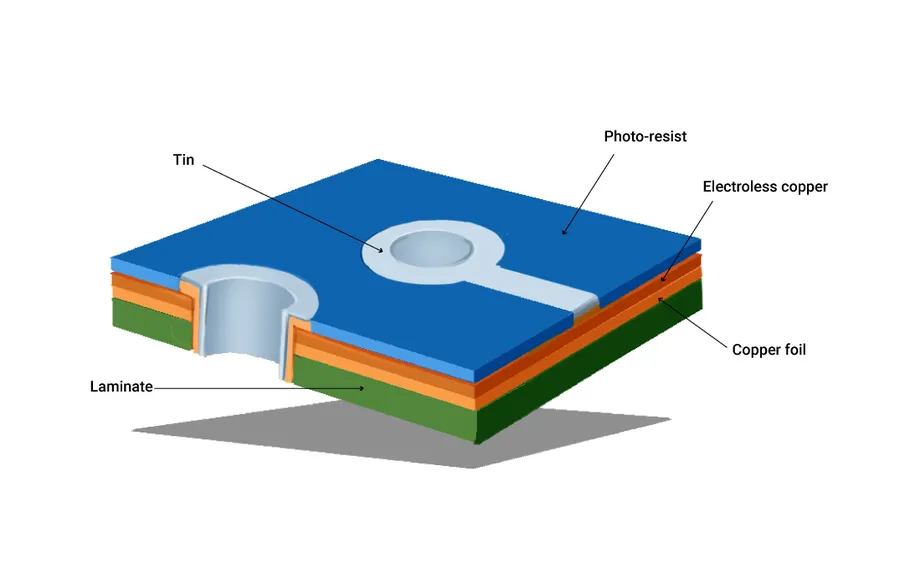
The notion of a '0 PCB price' is a misnomer, as Printed Circuit Boards inherently involve manufacturing costs. Instead, understanding the key factors influencing PCB pricing is crucial for effective budgeting. These factors span material selection, design complexity, production volume, and turnaround time, all contributing significantly to the final cost.
| Factor | Description | Impact on Cost |
|---|---|---|
| Material | The type of material used (e.g., FR-4, aluminum, flex) directly affects cost. FR-4 is common and cost-effective, while others like aluminum or flexible materials are pricier. | High-performance materials increase cost; commodity materials lower cost. |
| Layer Count | The number of conductive layers in the PCB design. More layers increase complexity and processing steps. | More layers lead to higher costs due to increased complexity and processing time. |
| Board Size | The physical dimensions of the PCB, typically in square inches or millimeters. Larger boards require more material and processing. | Larger boards cost more due to the increased material usage and complexity. |
| Quantity | The total number of PCBs manufactured in a single order. Higher volume orders can reduce the cost per unit. | High volumes decrease unit costs because of economies of scale. |
| Lead Time | The time required for manufacturing. Rush orders demand faster turnaround and often carry a premium. | Shorter lead times increase costs; standard or longer lead times reduce costs. |
| Surface Finish | The plating and surface finish applied to the PCB, different types like ENIG, HASL, etc. having different costs. | More complex surface finishes like ENIG will increase costs over more basic options like HASL. |
| Drill Hole Size | The complexity and size of drill holes on the PCB | Micro vias and smaller drill holes can increase costs, whilst through hole components are more cost effective. |
| Minimum Trace Width & Spacing | The minimum feature sizes required by a given board design, which dictates process complexity | Finer features require a more complex manufacturing processes and therefore cost more. |
| Special Design Requirements | Any features not common in a standard PCB design, such as impedance control. | Non standard requirements increase the cost. |
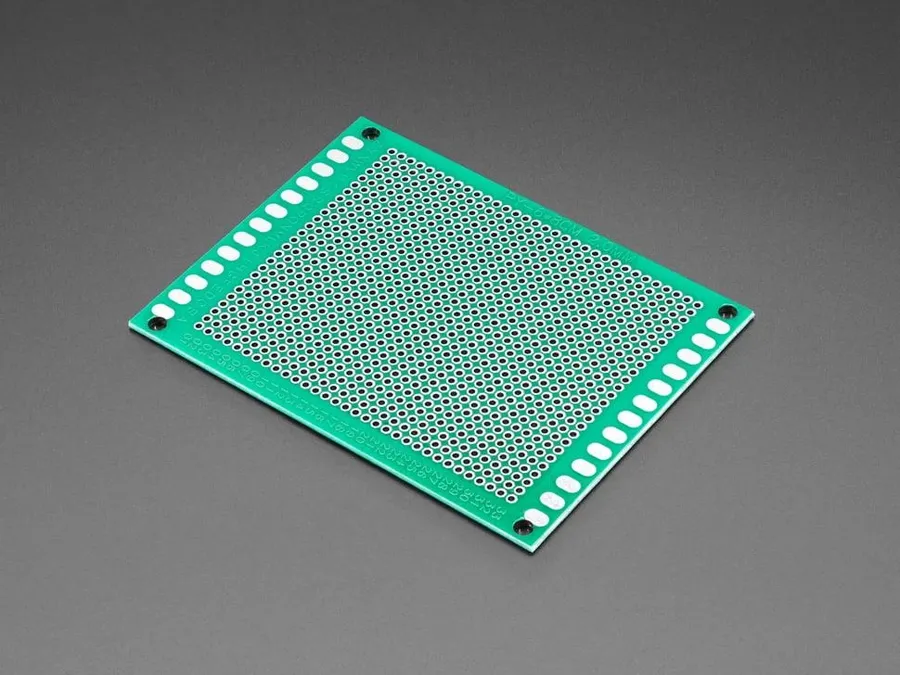
The cost of Printed Circuit Boards (PCBs) varies significantly between prototypes and mass-produced units. Understanding these differences is crucial for effective budget management in electronics projects. Prototypes, typically produced in low quantities, incur higher per-unit costs due to setup expenses and the lack of economies of scale, whereas production runs benefit from these economies, leading to lower per-unit prices.
| Feature | Prototype PCBs | Production PCBs |
|---|---|---|
| Quantity | Low (e.g., 1-10 units) | High (e.g., 100+ units) |
| Per-Unit Cost | High | Lower |
| Setup Costs | Significant | Distributed over volume |
| Lead Time | Often Faster | Can vary with volume |
| Customization | High flexibility | Less flexibility |
| Ideal For | Testing and validation | Large-scale deployment |
| Cost Drivers | Initial tooling and setup | Raw material prices, labor and efficiency |
The increased cost of prototype PCBs is attributed to initial tooling costs which include creating custom files and setting up specialized equipment for small batches. Conversely, large-scale production allows manufacturers to distribute these costs across a greater number of units, resulting in a lower price per board. While the per-unit cost of prototypes can be high, this initial expense is critical for identifying design flaws and validating functionality before committing to a full production run. This helps to avoid costly errors and revisions in mass production. The choice between prototype and production orders must be made in light of these considerations, carefully balancing the need for initial testing against cost optimization.
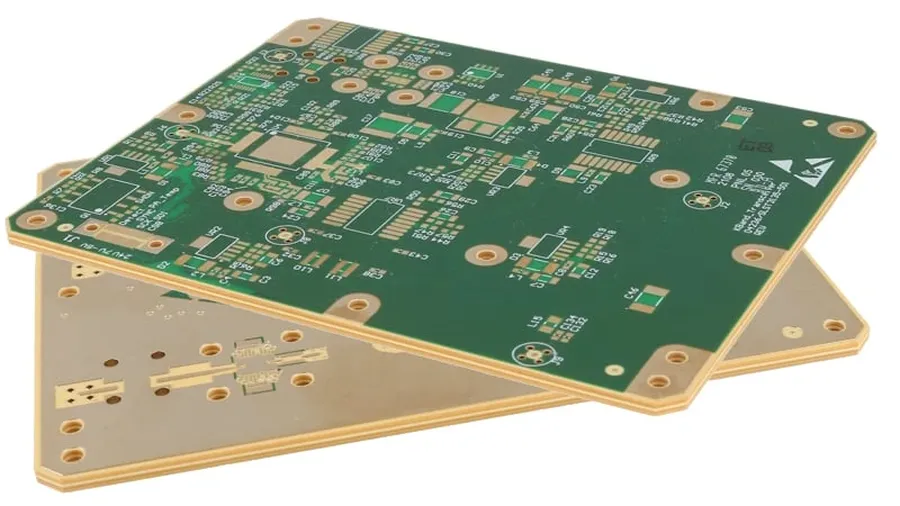
The selection of PCB material is a critical factor influencing both the performance and cost of a printed circuit board. Different materials offer varying electrical, thermal, and mechanical properties, which directly affect the final price. Understanding these differences is essential for optimizing design choices.
| Material | Description | Typical Applications | Cost | Advantages | Disadvantages |
|---|---|---|---|---|---|
| FR-4 | Most common PCB material; fiberglass reinforced epoxy laminate | General purpose, consumer electronics, industrial control | Low to Medium | Good balance of cost, electrical and mechanical properties, ease of fabrication | Limited thermal performance, can be brittle |
| Aluminum | Metal core PCB material with aluminum base | LED lighting, power electronics, high power applications | Medium to High | Excellent heat dissipation, high durability, dimensionally stable | Higher cost, more complex fabrication process |
| Flex PCB (Polyimide) | Flexible PCB material; Polyimide based | Wearables, automotive, medical, complex interconnection | High | Flexible, lightweight, high density interconnect, good temperature range | High cost, lower mechanical strength compared to rigid boards |
| Rogers | High-performance PCB material for high-frequency applications | RF and microwave circuits, antennas, aerospace | Very High | Superior electrical performance, low loss, excellent thermal properties | Very high cost, specialized fabrication |
The cost of FR-4 PCBs is generally lower than that of aluminum or flex PCBs due to its widespread availability and ease of manufacturing. Aluminum PCBs are more costly than FR-4 due to increased material costs and complex fabrication. Flex PCBs tend to have higher cost due to intricate design requirements and the material’s inherent complexity. Rogers materials, while offering the best high frequency performance, are the most expensive.
When selecting a PCB material, designers must weigh the performance requirements against the budget. For example, for applications that generate significant heat, aluminum PCBs, despite their higher cost, offer an advantage due to their superior thermal properties. In contrast, FR-4 is more suitable for less demanding applications that are cost-sensitive, as it provides a balance between cost and performance. For applications requiring flexibility, polyimide-based flex PCBs are the optimal solution, albeit at a higher price point.
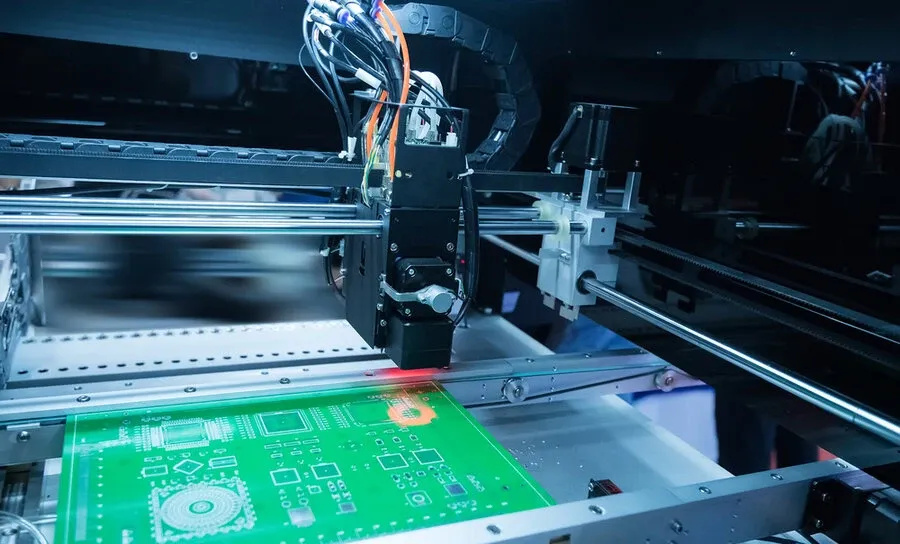
Sourcing affordable PCBs requires a strategic approach, considering various suppliers ranging from online marketplaces to specialized manufacturers. The key is to balance cost with quality and reliability, while understanding that the term "0 PCB price" generally refers to prototyping boards and not actual cost-free PCBs.
Online marketplaces offer a wide range of options, often with lower initial costs, while specialized manufacturers cater to specific requirements and often provide better quality and support, especially for more complex designs and larger volumes. Consider your project's needs carefully when choosing between these options.
While a '0 PCB price' is a misnomer when referring to fully functional PCBs, these platforms provide a competitive market where you can find options that align with different budget levels. Thorough research and consideration of lead time, shipping costs, and reviews are critical when selecting a supplier to ensure that you make an informed decision.
Selecting the right PCB supplier is crucial for project success, balancing cost, quality, and delivery timelines. This section provides a comparative overview to aid informed decision-making, considering factors beyond just the often-misleading '0 PCB price'.
| Supplier | Price (Prototype) | Price (Mass Production) | Lead Time (Prototype) | Lead Time (Mass Production) | Material Options | Customer Reviews |
|---|---|---|---|---|---|---|
| Company A | $50-$150 | $0.5-$5/pc | 1-2 Weeks | 2-4 Weeks | FR-4, Aluminum | Mostly Positive, Some Delivery Delays |
| Company B | $75-$200 | $0.75-$6/pc | 2-3 Weeks | 3-5 Weeks | FR-4, Flex | High Quality, Good Customer Service |
| Company C | $30-$100 | $0.3-$4/pc | 3-5 Days | 1-3 Weeks | FR-4, CEM-1 | Fast Turnaround, Quality Could Be Better |
| Company D | $100-$250 | $1-$8/pc | 1-2 Weeks | 2-6 Weeks | FR-4, High Tg, Rogers | Advanced Materials, Premium Cost |
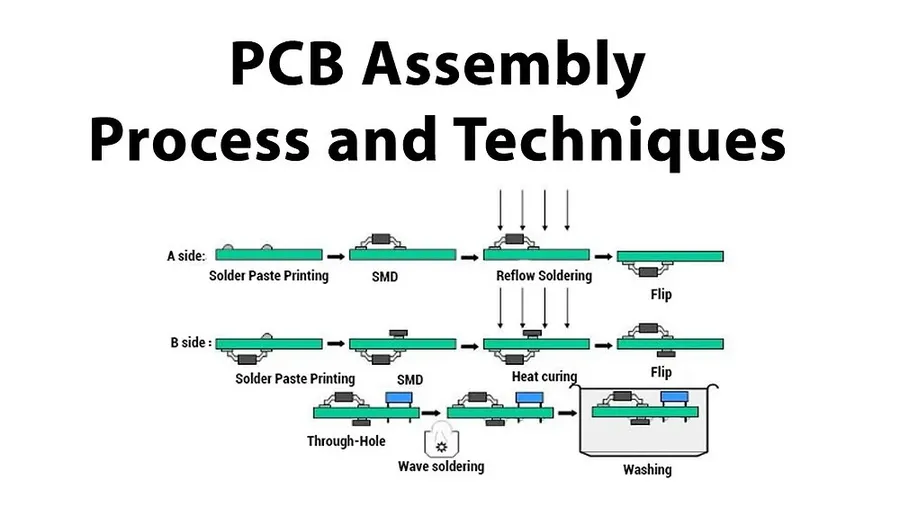
The process of assembling components onto a Printed Circuit Board (PCB) significantly impacts the overall cost, often exceeding the bare board cost itself. This involves placing and soldering electronic components onto the PCB, and the complexity and method used directly affect the final price.
Different assembly methods have varied cost implications:
Key factors influencing assembly costs include:
Understanding these factors allows for a more accurate budgeting of PCB projects. It's often beneficial to involve the assembly provider early in the design process to optimize for cost-effectiveness.
Understanding PCB costs can be complex, with many factors influencing the final price. This section addresses common questions to clarify these aspects, ensuring you are well-informed when budgeting for your electronic projects.
Minimizing PCB costs requires a multi-faceted approach, focusing on design optimization, component selection, and strategic manufacturing choices. By carefully considering each stage of the PCB development process, significant cost reductions can be achieved without compromising functionality or quality.
While the term '0 pcb price' might be misleading, understanding the factors that influence PCB costs and exploring various manufacturing options, is essential to get the best value for your budget. This guide has outlined how you can make informed decisions, optimize your designs and ensure the success of your project with cost-effective PCB solutions. Remember to always compare your options and plan ahead to avoid unexpected costs. The perfect PCB, even one with a great value and not a literal 0 pcb price, is achievable with the right approach.

