In today's fast-paced electronics world, JLCPCB has become a go-to for many when it comes to PCB manufacturing and assembly. But just like understanding the intricacies of a new computer, figuring out the [jlcpcb assembly price] can sometimes feel like deciphering a complex code. This article breaks down those complexities, giving you a clear picture of all the costs involved, from the initial setup to the final per-joint assembly fees. We'll also delve into extra charges, coupons, and practical tips to help you optimize your budget and make informed decisions, ensuring your project stays on track and within budget.
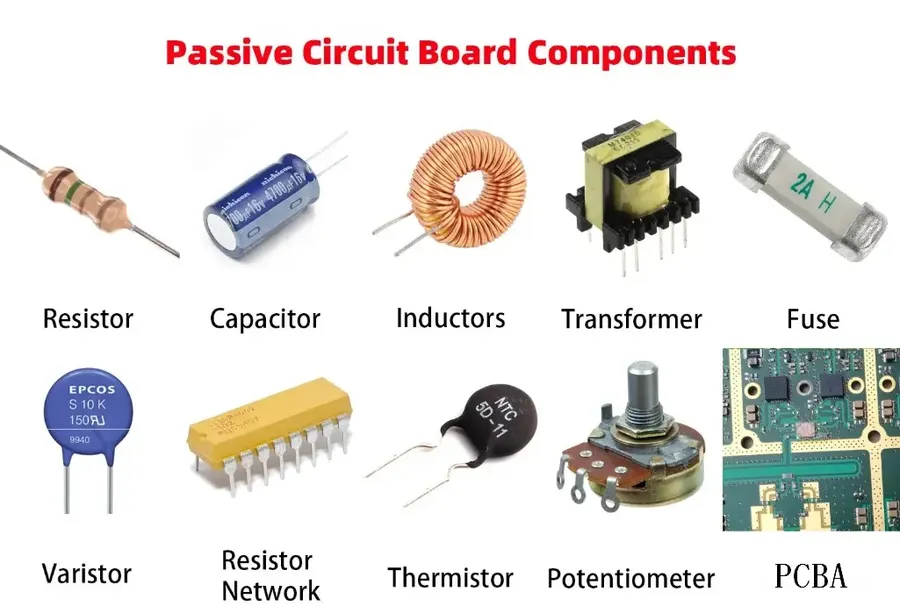
JLCPCB's assembly pricing is determined by a combination of fixed and variable costs, primarily comprising setup fees, stencil costs, and per-joint assembly costs, alongside minimum component quantity requirements. Understanding these core elements is crucial for accurately estimating the overall expenditure for your PCB assembly project.
The pricing structure is designed to accommodate various order volumes, complexities, and component requirements. Each of these core components plays a significant role in determining the final price. Therefore, being well-informed about each part of the pricing is a prerequisite to optimizing your PCB design for cost-effectiveness.
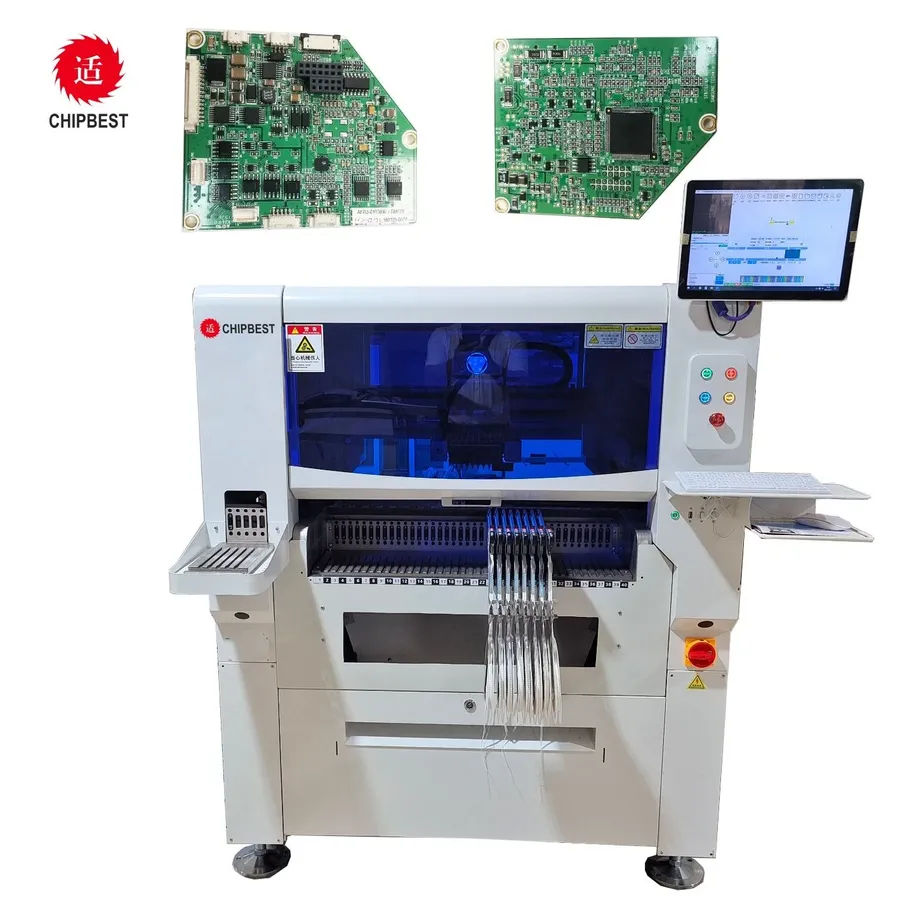
JLCPCB's setup fees are a foundational element of their assembly pricing structure, representing the initial costs incurred to prepare for the manufacturing process. These fees are applied per order and are designed to cover the expenses associated with preparing the assembly line, setting up the pick-and-place machines, and handling the initial programming for the specific PCB design. Understanding these fees is crucial for accurately estimating the overall cost of your PCB assembly project.
| Assembly Type | Setup Fee (Approximate) | Description |
|---|---|---|
| Single-Sided SMT Assembly | Variable (typically lower) | Setup fee for placing components on one side of the PCB. The cost is typically lower because of the reduced number of processes |
| Double-Sided SMT Assembly | Variable (typically higher) | Setup fee for placing components on both sides of the PCB. The cost is usually higher because of the complex setup and multi-pass assembly |
These setup fees are incurred irrespective of the quantity of PCBs you order within the same run. Therefore, it is generally more cost-effective to order a larger batch of PCBs in one go, which distributes these fixed costs over more units and reduces the per-board price. The specific cost varies, and it is essential to check the latest JLCPCB quotation to get an accurate value. Factors impacting the precise amount include the complexity of the assembly, the number of unique components, and current market conditions.
While these setup fees cannot be eliminated, careful planning can help mitigate their impact. Ordering larger quantities of PCBs, optimizing the design to reduce the number of unique parts, and taking advantage of JLCPCB's offers and discounts can help in reducing the overall project cost. For example, sticking to their basic parts library where possible can be beneficial in reducing the overall component costs, thus diminishing the influence of setup fees on the overall quote.
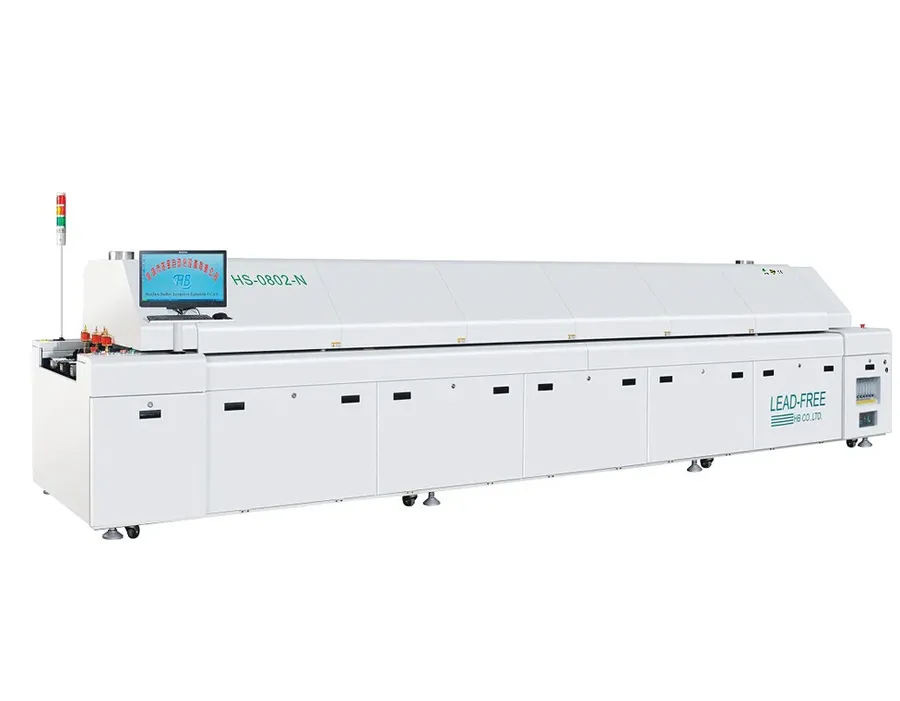
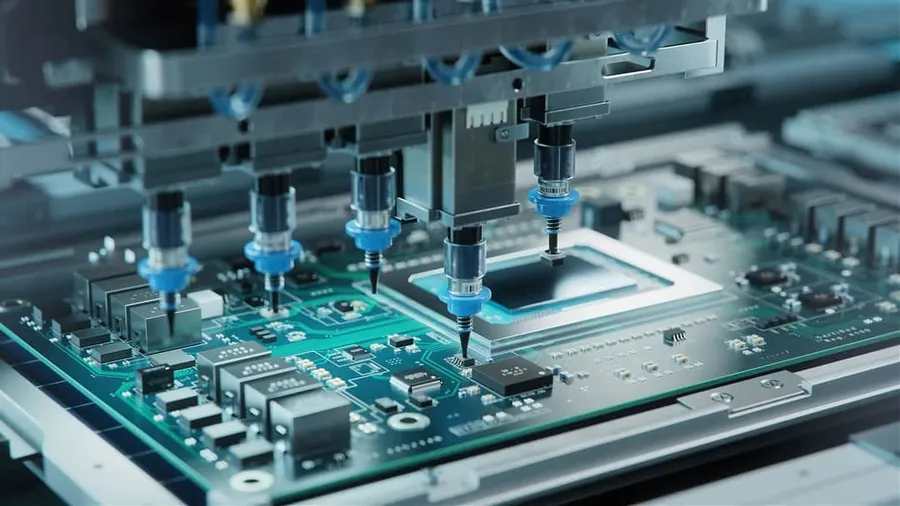
The per-joint SMT (Surface Mount Technology) assembly cost is a fundamental component of JLCPCB's pricing model, directly reflecting the number of solder connections required on your printed circuit board. This cost is incurred for each soldered connection, also referred to as a 'joint,' which is essential for securing surface mount components to the PCB. Understanding this cost is crucial for accurately estimating the overall assembly expense.
The per-joint cost is not fixed and can vary based on factors such as the type of component and complexity of the solder process. It is important to note that this cost applies to every pad on the component that needs to be soldered to the board. For example, an SOIC-8 package with 8 pins will incur 8 joint costs, whereas a 0402 resistor with 2 pads will incur 2 joint costs.
To illustrate the impact of per-joint costs, consider the following example: If JLCPCB charges $0.0015 per joint and your PCB has 1000 joints, the total per-joint assembly cost would be $1.50. A more complex board with 5000 joints would result in a cost of $7.50. These costs directly contribute to the final price of your assembled PCB. Therefore, it is critical to consider the number of solder joints when designing and selecting components to optimize your budget.
| Component Type | Number of Pins/Pads | Per-Joint Cost (Example) | Total Cost (Example) |
|---|---|---|---|
| Resistor (0402) | 2 | $0.0015 | $0.003 |
| Capacitor (0805) | 2 | $0.0015 | $0.003 |
| SOIC-8 | 8 | $0.0015 | $0.012 |
| QFP-64 | 64 | $0.0015 | $0.096 |
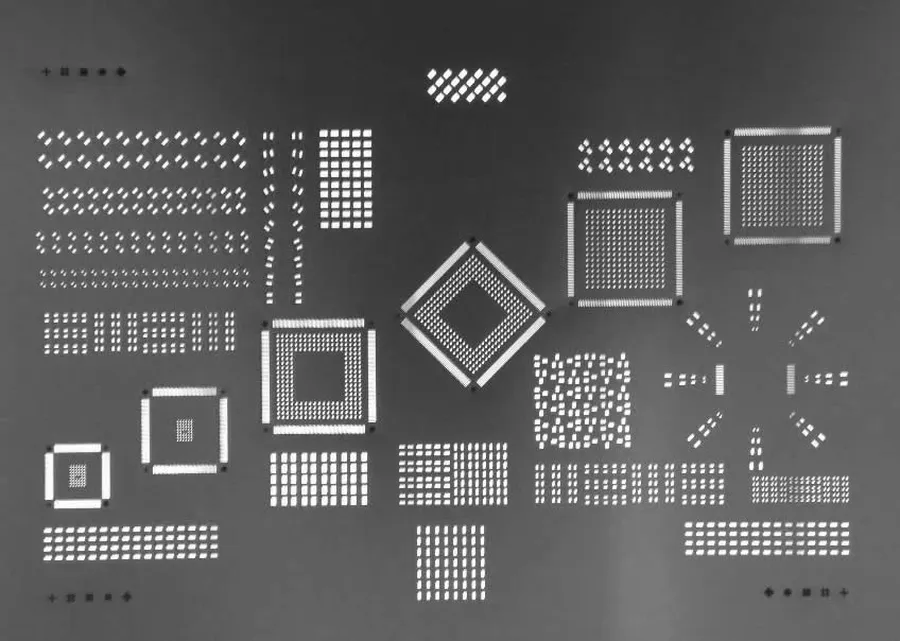
Stencils are crucial in the PCB assembly process, serving as a template to apply solder paste accurately onto the PCB pads before component placement. Understanding stencil costs is essential for accurate budgeting of your JLCPCB assembly project. This section details the importance of stencils and their cost implications.
The stencil facilitates the consistent application of solder paste to the correct locations and with the right amount for optimal soldering, ensuring reliable electrical connections. The cost associated with a stencil includes the material, manufacturing and if needed, a custom design which depends on the intricacy of the PCB.
At JLCPCB, stencils are available in several options including framed and frameless stencils, with the pricing dependent on the type of stencil and its size. Generally, framed stencils, which are pre-mounted on a frame, cost more than frameless stencils. Consider the requirements of your project when selecting the stencil option.
It’s important to know that the cost of the stencil is usually a one-time cost for a specific PCB design. If you order the same design in the future you can often reuse the same stencil, further driving down the cost of future assembly runs. This can be advantageous for larger production runs and iterative design processes. Furthermore, JLCPCB provides various stencil options, including stainless steel and chemical-etched stencils which can impact the overall cost.
The stencil, typically made from a thin sheet of stainless steel, contains precise openings that align with the solder pads on your PCB. Solder paste is applied through these openings, ensuring that the correct amount of paste is deposited on each pad, enabling efficient reflow soldering process. Stencils ensure accurate paste placement, preventing issues such as solder bridging and insufficient solder joints. Using a stencil ensures the reliable and consistent performance of the final assembled circuit board.

JLCPCB's assembly service operates with a minimum component quantity policy that directly impacts the overall cost. This policy ensures efficient handling of parts during the assembly process. Even if your design requires fewer components, you will be charged for the minimum quantity defined by JLCPCB for each specific part. Understanding this mechanism is crucial for accurate cost estimation and efficient design practices.
The underlying principle is that, due to the automated pick-and-place machinery, parts are loaded onto feeder reels. To ensure smooth operation and account for setup and material handling losses, JLCPCB requires you to purchase a minimum quantity of each component, which is usually much more than one. This minimum is usually 10 for standard parts and can vary depending on availability and the type of component. Here's a more detailed breakdown:
| Scenario | Components Required | Minimum Purchase Quantity | Cost Calculation |
|---|---|---|---|
| Resistor (0603) | 5 | 15 | Cost of 15 resistors |
| Capacitor (0805) | 10 | 15 | Cost of 15 capacitors |
| IC Chip | 1 | 1 | Cost of 1 IC chip |
It is best to always check the minimum quantity for a part on the JLCPCB parts library before designing the board as it can have a major impact on costs. Careful planning and part selection is critical to optimizing the cost of PCB assembly when using JLCPCB.
While JLCPCB strives for cost-effectiveness, certain situations may incur additional charges beyond the base assembly price. These extra costs typically arise from factors that increase the complexity or resources required for assembly, impacting the final JLCPCB assembly price. Understanding these circumstances is crucial for accurate budgeting and cost management.
JLCPCB offers various promotional opportunities to reduce assembly costs, including monthly coupons, free assembly for certain PCB types, and special discounts. These initiatives can significantly lower the overall price, making it crucial for customers to stay informed about these opportunities.
Navigating the complexities of JLCPCB assembly pricing can be challenging. This section addresses common questions to clarify the cost structure and processes involved in their PCB assembly service.
Choosing a PCB assembly service requires careful consideration of pricing, capabilities, and turnaround time. This section compares JLCPCB's assembly service with other popular providers like PCBWay, focusing on key differences in cost structures and service offerings.
| Feature | JLCPCB | PCBWay |
|---|---|---|
| Setup Fee (Single-sided) | Variable, often lower for basic assembly | Typically higher, especially for complex designs |
| Setup Fee (Double-sided) | Variable, more expensive then Single-sided | Typically higher, especially for complex designs |
| Per-Joint SMT Assembly Cost | Competitive pricing, varies by component | Slightly higher, may offer quantity-based discounts |
| Stencil Cost | Separate cost, can be reusable | Included in setup fee or a separate cost |
| Minimum Order Quantity | Flexible MOQs, but may have minimums for certain parts | May impose strict MOQs |
| Component Sourcing | Extensive parts library with basic parts | Broader part selection, more advanced options |
| Turnaround Time | Generally fast, but depends on complexity | Variable, may be longer for complex jobs |
| Assembly Capabilities | Good for standard SMT and through-hole assembly | Supports advanced assembly processes and complex boards |
| Promotions & Discounts | Frequent coupons and special offers | May offer project-based discounts |
Key distinctions arise in the handling of setup fees and component availability. JLCPCB frequently offers more budget-friendly options for simple projects, while PCBWay presents a broader range of component choices and specialized assembly services, which often entail higher costs. The decision between these platforms should consider the complexity of the project, budget, and component requirements. Consider exploring reviews, forums like Reddit, or detailed pricing models to refine your choice, ensuring you meet both your quality standards and your budget. In summary, JLCPCB often provides a cost-effective solution for standard PCB assembly, while PCBWay caters more to complex or specialized projects that may require a wider array of component options or more advanced assembly processes, with a premium on cost.
Understanding [jlcpcb assembly price] requires careful consideration of various factors like setup fees, per-joint costs, and potential extra charges. By understanding these elements and leveraging discounts and coupons, you can optimize your spending on PCB assembly. JLCPCB provides a range of services that can cater to different budget levels, from hobbyists to large businesses. As technology evolves, we can expect even more advancements and cost optimizations in PCB assembly, which will further reduce costs and enable even more creative and groundbreaking designs.

