In today's rapidly evolving tech landscape, the demand for high-quality, reliable printed circuit boards (PCBs) is ever-increasing. Pioneer PCB Factory stands as a testament to innovation and precision in this field. From pioneering techniques to serving crucial sectors like aerospace and defense, this factory plays a pivotal role in powering the future. We delve into the history, capabilities, and impact of Pioneer PCB Factory on the global stage, highlighting their unique contributions to the PCB industry.
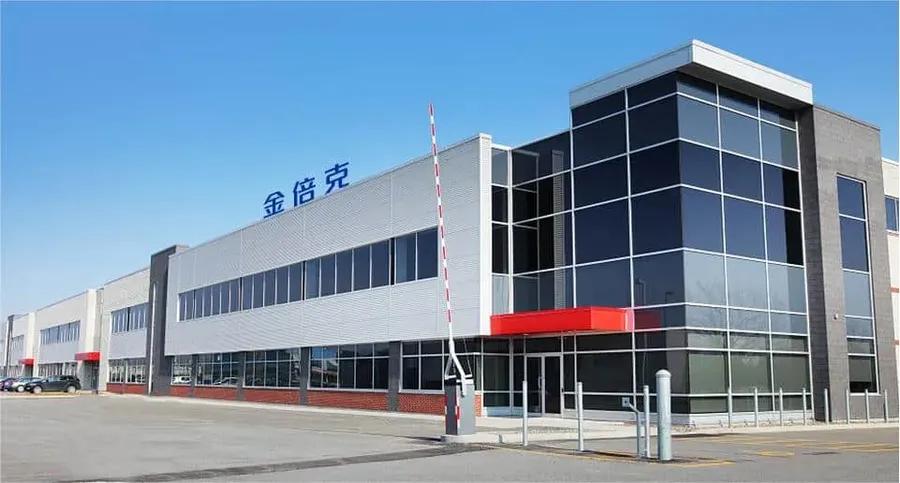
Pioneer PCB Factory's journey reflects a commitment to innovation and quality in the printed circuit board (PCB) manufacturing sector. From its inception, the company has strategically evolved, adapting to technological advancements and industry demands to become a leading manufacturer. This section details the critical milestones and expansions that have shaped Pioneer PCB Factory into the significant player it is today.
The factory's early years were marked by a focus on establishing a robust foundation in traditional PCB manufacturing techniques. As technology progressed, Pioneer PCB Factory invested heavily in research and development, allowing them to expand into more specialized areas such as rigid-flex PCB production. These advancements were crucial for attracting clients from high-reliability industries.
Key milestones include the adoption of advanced manufacturing processes, which significantly improved production efficiency and product quality. Expansion into new geographical markets has increased the company's global presence, specifically across the Middle East. Strategic partnerships with technology providers and research institutions have further solidified Pioneer PCB Factory's reputation for technical expertise and innovation. The timeline of Pioneer PCB Factory’s evolution illustrates a continuous process of development and strategic growth.
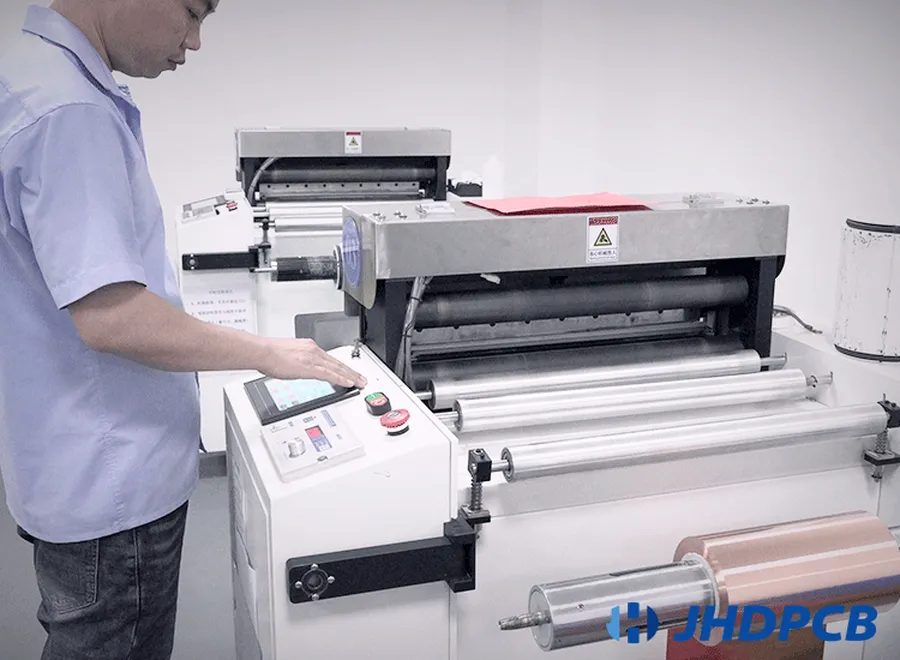
Pioneer PCB Factory distinguishes itself through its mastery of advanced PCB manufacturing technologies, specializing in the production of highly intricate and reliable circuit boards. Their core competencies span a wide array of techniques, with a particular emphasis on rigid-flex PCB manufacturing, enabling them to cater to the exacting needs of industries demanding high precision and durability.
| Technology | Description | Applications | Key Advantages |
|---|---|---|---|
| Rigid-Flex PCB Manufacturing | Combines rigid and flexible circuit board elements in a single design. This technology integrates the advantages of both rigid and flexible PCBs. | Aerospace, Medical Devices, Automotive, Wearable Electronics | Reduced size and weight, improved reliability, dynamic flexing capabilities, enhanced design flexibility |
| Multilayer PCB Fabrication | Production of PCBs with three or more conductive layers, offering increased circuit density and complexity. | High-performance computing, telecommunications, advanced industrial controls | High component density, improved signal integrity, greater routing flexibility, excellent heat dissipation capabilities |
| High-Density Interconnect (HDI) PCBs | Manufacture of boards with finer lines, smaller vias, and higher connection densities. | Smartphones, tablets, portable devices, complex embedded systems | Miniaturization, increased functionality in a smaller area, superior electrical performance, enhanced thermal management |
| Surface Mount Technology (SMT) | Automated assembly of components directly onto the PCB surface, enhancing precision and efficiency. | Consumer electronics, industrial equipment, automotive applications | High-volume production, precise component placement, reduced assembly time, cost-effectiveness |
| Through-Hole Technology (THT) | Assembly of components with leads that are inserted into drilled holes on the PCB. | High-power and robust applications | Strong mechanical connection, suitable for components handling high voltage/current, reliable in harsh environments |
Pioneer PCB Factory also incorporates advanced testing and inspection techniques throughout the manufacturing process to ensure that each board meets stringent quality and performance standards. This commitment to precision and innovation positions them as a leader in the production of specialized and complex circuit boards.
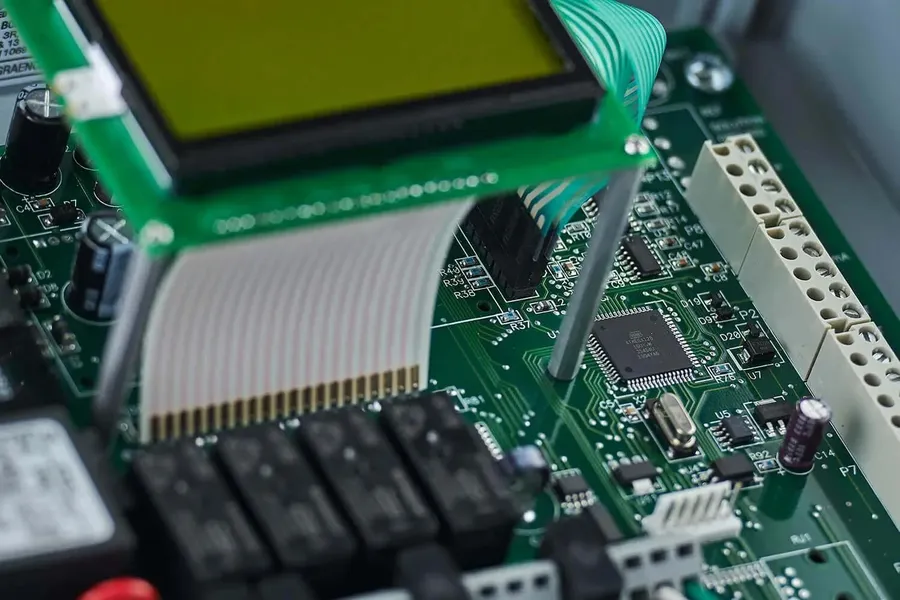
Pioneer PCB Factory's advanced manufacturing capabilities cater to a diverse spectrum of industries that demand high-reliability and performance circuit boards. Their expertise in producing complex PCBs, including rigid-flex designs, makes them a critical supplier for sectors where precision and durability are paramount.
| Industry | Application | Key PCB Requirements |
|---|---|---|
| Avionics | Flight control, navigation, communication | High-reliability, temperature resistance, vibration resistance |
| Deep Space Exploration | Spacecraft, satellites, exploration equipment | Radiation resistance, temperature stability, high vacuum operation |
| Military and Defense | Communication, radar, weapons guidance | Ruggedness, high-performance, military standards compliance |
| Satellite Communications | Satellite payloads, control systems, ground stations | High frequency, low loss, signal integrity |
| Medical Devices | Diagnostic equipment, monitoring devices | High precision, quality, regulatory compliance |
| Telecommunications | Network infrastructure, base stations, handheld devices | High speed, performance, reliability |

Pioneer PCB Factory has established a significant global footprint, extending its reach beyond its primary operational locations to serve a diverse international clientele. This expansion is driven by the increasing demand for advanced printed circuit board solutions across various industries worldwide. The company's strategic locations and partnerships enable them to efficiently meet the needs of customers in key markets, with a notable presence in the Middle East.
While precise details about all of Pioneer PCB's global locations are proprietary, it's evident through their industry engagements that they maintain a strong operational and distribution presence in several key regions. This includes:
Pioneer PCB Factory's ability to deliver advanced PCB solutions globally is facilitated by its robust supply chain and logistical network, ensuring timely delivery and consistent quality. Their approach is tailored to meet the specific needs of various regions while maintaining consistent high standards of quality.
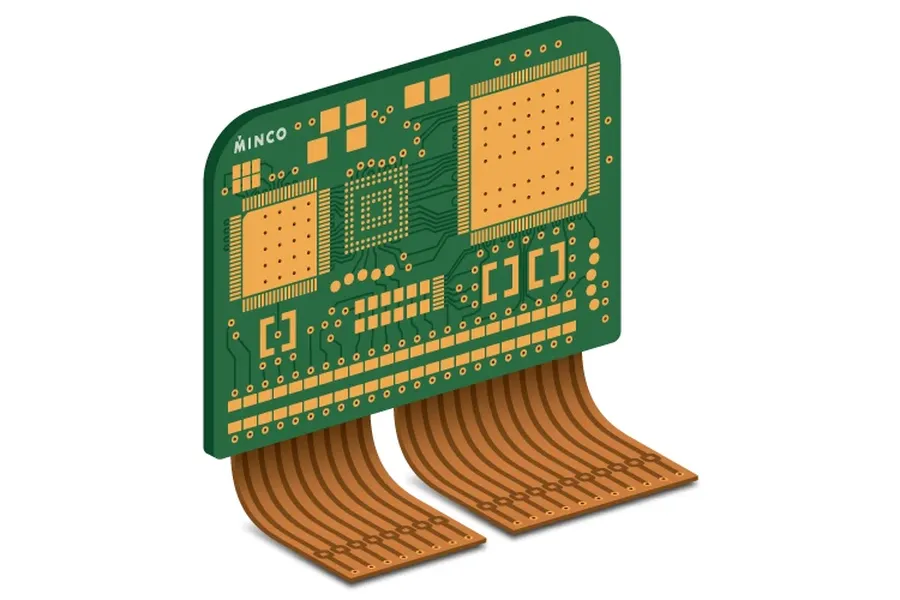
Pioneer PCB Factory excels in the manufacturing of rigid-flex PCBs, a technology that combines the advantages of both rigid and flexible circuit boards. This capability allows for the creation of complex electronic assemblies that offer superior performance and space efficiency.
The manufacturing process for rigid-flex PCBs involves several key steps, each demanding precision and expertise. This process begins with the design phase, where engineers carefully layout both the rigid and flexible layers. Following the design, the flexible substrate is created, typically using materials like polyimide, known for their flexibility and thermal stability. This flexible layer then undergoes a precise etching process to define the circuitry. For rigid sections, traditional PCB materials such as FR-4 are utilized and processed with standard PCB manufacturing techniques. Finally, these rigid and flex layers are laminated together with specialized adhesives to form the final integrated structure. Pioneer PCB Factory utilizes state-of-the-art equipment and techniques to ensure the precise alignment and bonding of all layers, delivering reliable and high-performance rigid-flex PCBs.
| Aspect | Rigid PCBs | Flexible PCBs | Rigid-Flex PCBs |
|---|---|---|---|
| Material | FR-4, CEM-1 | Polyimide, Polyester | Combination of Rigid and Flexible Materials |
| Flexibility | Inflexible | Highly Flexible | Flexibility in designated areas |
| Application | General Electronics, Mounting Components | Dynamic and Static Flexing | High-Density Interconnects, Space-Constrained Applications |
| Complexity | Relatively Simple | Complex in assembly | Highly Complex Manufacturing Process |
| Cost | Lower Cost | Moderate Cost | Higher cost due to complex manufacturing |
The primary advantage of using rigid-flex PCBs over traditional rigid or flexible boards lies in their ability to integrate multiple circuit boards into a single structure, significantly reducing the need for connectors and cables. This not only simplifies the assembly process but also enhances the reliability of the final product by minimizing potential points of failure. The reduction in interconnects leads to improved signal integrity and lower impedance, which are crucial in high-speed applications. Furthermore, rigid-flex PCBs provide a highly customizable solution, allowing engineers to tailor the shape and functionality of the circuit to the specific demands of the application. This makes rigid-flex boards an ideal choice for compact, high-performance devices.
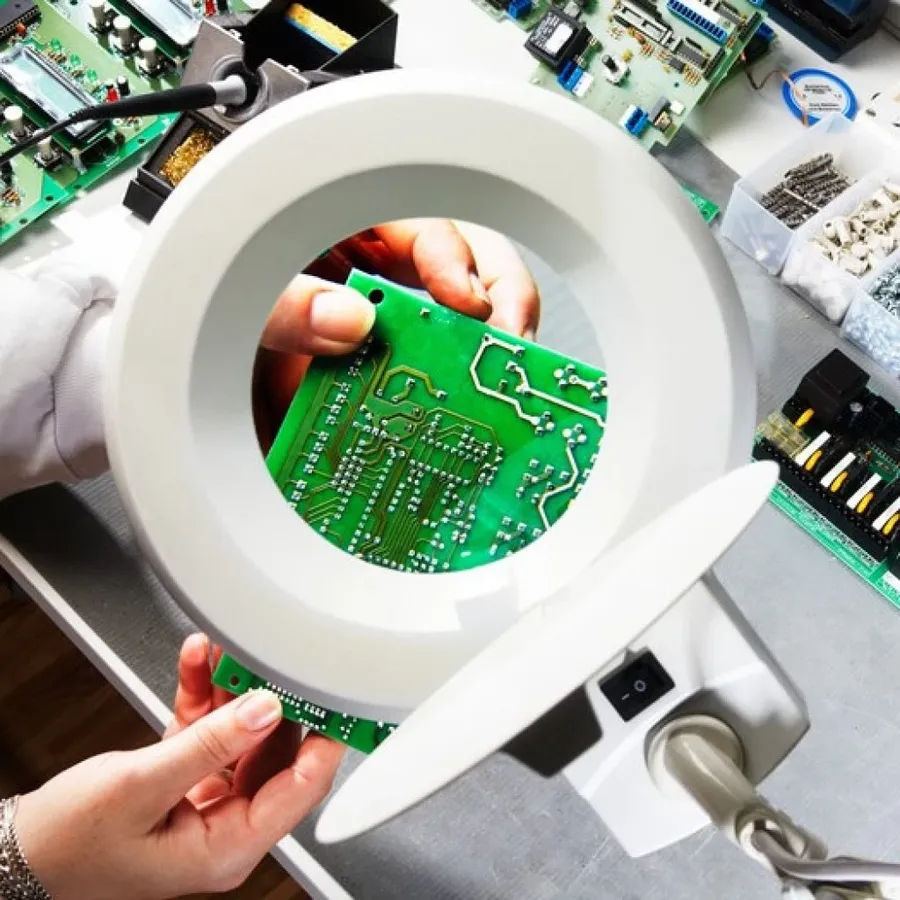
Pioneer PCB Factory upholds stringent quality assurance protocols to guarantee the reliability and performance of their circuit boards. These measures encompass rigorous testing, meticulous material selection, and adherence to industry best practices, ensuring that every product meets the highest standards of quality and durability.
The factory's commitment to quality is further substantiated by its certifications, which demonstrate adherence to internationally recognized standards.
| Quality Assurance Aspect | Description |
|---|---|
| Incoming Material Inspection | Thorough checks of all raw materials and components to ensure they meet specifications prior to manufacturing. |
| In-Process Quality Control | Continuous monitoring and testing of PCBs throughout the manufacturing process to detect and correct any deviations early on. |
| Automated Optical Inspection (AOI) | Use of advanced optical equipment to automatically inspect circuit boards for defects such as shorts, opens, and improper component placement. |
| Electrical Testing | Comprehensive electrical testing, including continuity and impedance tests, to verify the functionality of each circuit board. |
| Final Quality Check | A final, detailed inspection before packaging and shipping, to ensure only compliant products reach the customer. |
While specific certifications can vary based on industry needs and standards, Pioneer PCB Factory is typically compliant with globally recognized certifications such as:
This section addresses common questions about Pioneer PCB Factory, providing a comprehensive overview of its operations, capabilities, and reach. By answering these queries, we aim to clarify key aspects for potential clients, partners, and stakeholders.
Pioneer PCB Factory distinguishes itself in the competitive PCB manufacturing landscape through its specialization in complex, high-reliability circuit boards, particularly rigid-flex PCBs. A comparative analysis reveals key differentiators from other manufacturers, extending beyond basic production capabilities to encompass technological expertise, industry focus, and quality assurance practices.
| Feature | Pioneer PCB Factory | Typical PCB Manufacturers |
|---|---|---|
| Core Competency | High-reliability rigid-flex PCB manufacturing, specialized for aerospace, defense, and satellite applications. | General PCB manufacturing, often focusing on high-volume, standard designs. |
| Technology Focus | Advanced materials, precision assembly, and tight tolerance control. Extensive R&D in high-density interconnect (HDI) and advanced packaging. | Standard materials, volume assembly, and adherence to standard specifications. |
| Industry Specialization | Extensive experience in avionics, deep space exploration, military, and satellite communications where high reliability is paramount. | Broader industry base, including consumer electronics, automotive, and industrial sectors. |
| Quality Standards | Stringent quality control, AS9100 and other high-reliability industry certifications, emphasizing long-term performance. | Variable, ranging from ISO to industry-specific, but may not always meet the rigorous demands of aerospace or defense. |
| Supply Chain Management | Robust and secure supply chain management focusing on traceability and reliability, which can be more demanding for specialized materials. | Supply chain management that is geared towards the most common materials, with less focus on secure sourcing. |
| R&D Investment | Significant investment in research and development to meet the evolving needs of cutting-edge technology industries. | Typically lower investment in R&D, which tends to follow market demands more than lead innovative development. |
Pioneer PCB Factory is strategically positioned to lead in the next wave of PCB technology, focusing on research and development initiatives that anticipate future demands. This forward-thinking approach is essential for maintaining a competitive edge and meeting the evolving needs of industries requiring advanced circuit board solutions.
The company's future direction is marked by several key areas of innovation. These include:
These innovations will enable Pioneer PCB Factory to provide solutions for emerging applications in areas such as 5G communications, artificial intelligence, advanced automotive electronics, and space exploration. The commitment to research and development underscores Pioneer's dedication to leading the industry in quality, performance, and innovation.
Pioneer PCB Factory stands as a prominent example of how dedication to innovation and quality can lead to global influence in the specialized field of PCB manufacturing. Their work not only impacts industries like aerospace and military but also continues to push the boundaries of what's possible with circuit board technology. As the demand for advanced electronics grows, Pioneer PCB Factory remains at the forefront, ready to meet the challenges of the future, cementing its position as a key player in the electronic component manufacturing landscape. Pioneer PCB Factory’s commitment to excellence positions them as a critical resource for advanced electronic solutions globally.

