In today's fast-paced world of electronics, the backbone of almost every device lies in printed circuit boards (PCBs). And at the heart of many PCBs, we find FR4. Like the frame of a building, FR4 provides the structural support for complex electronic circuits. This material, a composite of fiberglass and epoxy resin, is ubiquitous for good reason. In this guide, we will explore the properties of FR4, its advantages and disadvantages, and what makes it such a popular choice for PCB manufacturing. We will delve into its applications, specifications and answer any questions you might have about this common yet essential component.
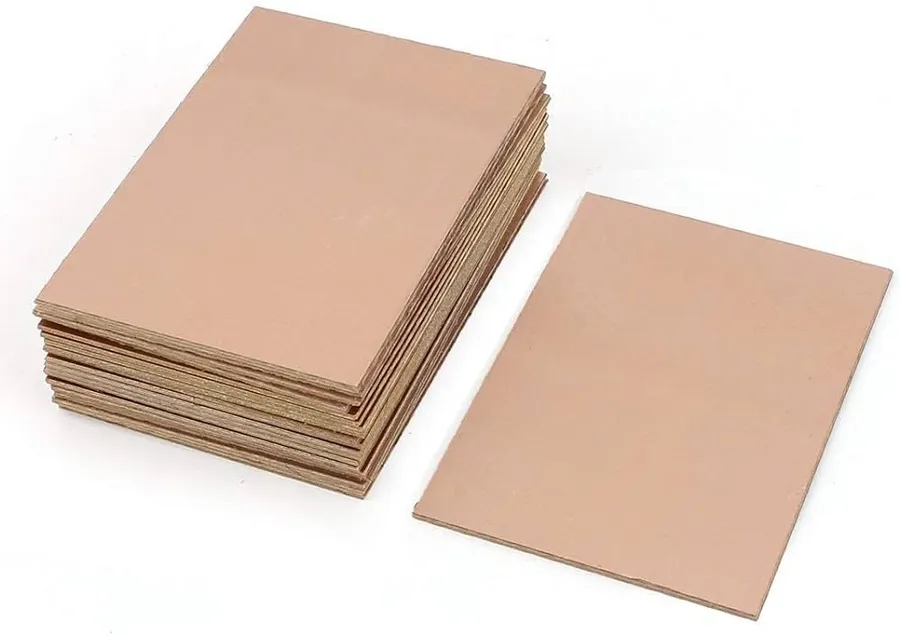
FR4, a ubiquitous material in printed circuit board (PCB) manufacturing, is a composite laminate primarily composed of woven fiberglass cloth and a flame-retardant epoxy resin. This specific combination results in a material with a unique balance of mechanical, electrical, and thermal properties, making it exceptionally suitable for a broad range of applications. The designation 'FR4' signifies that the material meets specific flammability standards, ensuring its safe use in various electronic devices.
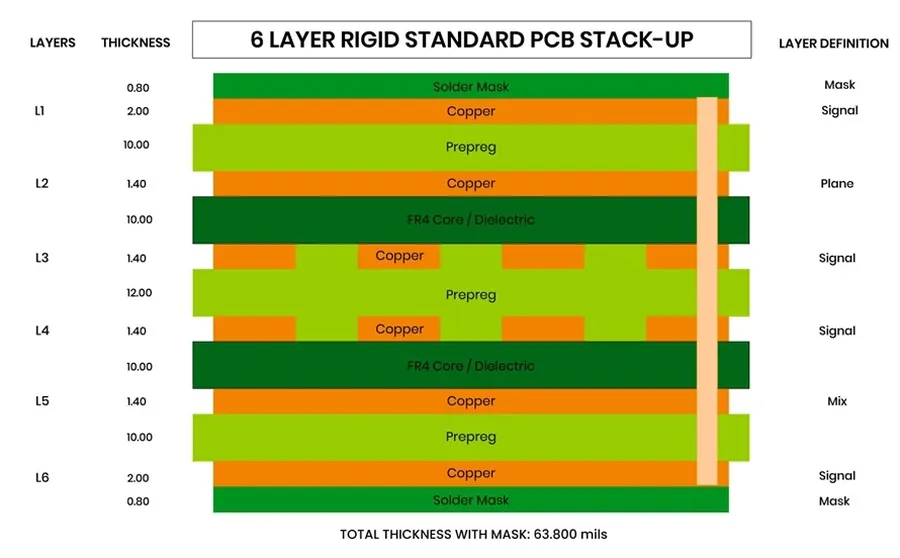
FR4's widespread use in printed circuit boards (PCBs) stems from its well-balanced set of properties. These include its dielectric constant, thermal behavior, mechanical strength, and flame retardancy, each playing a crucial role in the performance and reliability of electronic devices. These characteristics are paramount for design considerations and are the primary reason for FR4's broad acceptance in the electronics industry.
| Property | Typical Value | Significance |
|---|---|---|
| Dielectric Constant | 3.8 - 4.8 @ 1 MHz | Influences signal speed and impedance; Lower values reduce signal distortion. |
| Dissipation Factor (Tan δ) | 0.02 or less @ 1 MHz | Affects signal loss at high frequencies; Lower values reduce signal attenuation. |
| Glass Transition Temperature (Tg) | 130 - 180 °C (standard to high Tg) | Determines the maximum operating temperature before material properties degrade; higher Tg for more demanding applications. |
| Thermal Conductivity | 0.25 - 0.3 W/m·K | Affects heat dissipation; lower thermal conductivity means more heat is retained by the PCB. |
| Flexural Strength | Typically 250-400 MPa | Indicates the material's resistance to bending; higher strength for greater durability |
| Tensile Strength | Typically 200-350 MPa | Indicates the material's resistance to stretching; higher strength for greater durability. |
| Flame Retardancy | UL94 V-0 | Indicates the material's ability to self-extinguish in the event of a fire; V-0 is the highest rating. |
| Water Absorption | 0.1-0.2% after 24 hrs | Impacts dielectric properties and mechanical stability; low values are essential for consistent performance. |
The dielectric constant of FR4, typically between 3.8 and 4.8 at 1MHz, is crucial for determining the impedance of signal traces and how signals propagate through the board. The dissipation factor, or loss tangent, which is typically 0.02 or less at 1MHz, is responsible for signal loss at higher frequencies, influencing signal integrity, particularly in high-speed applications. The thermal properties, such as the glass transition temperature (Tg), which varies from 130 to 180 degrees C depending on the type, dictate the operating temperature limits before the material properties degrade. The thermal conductivity of FR4, ranging from 0.25-0.3 W/m·K, impacts the PCB's ability to dissipate heat generated by electronic components. FR4 also offers considerable mechanical strength, with flexural strength ranging between 250 and 400 MPa and tensile strength from 200-350MPa which ensures the board will withstand stress and pressure during assembly and operation. The inherent flame retardancy, rated at UL94 V-0, ensures that the material will self-extinguish when exposed to flames, and the low moisture absorption helps maintain stable electrical properties. Understanding these key properties allows for a more strategic and informed design for PCB applications.
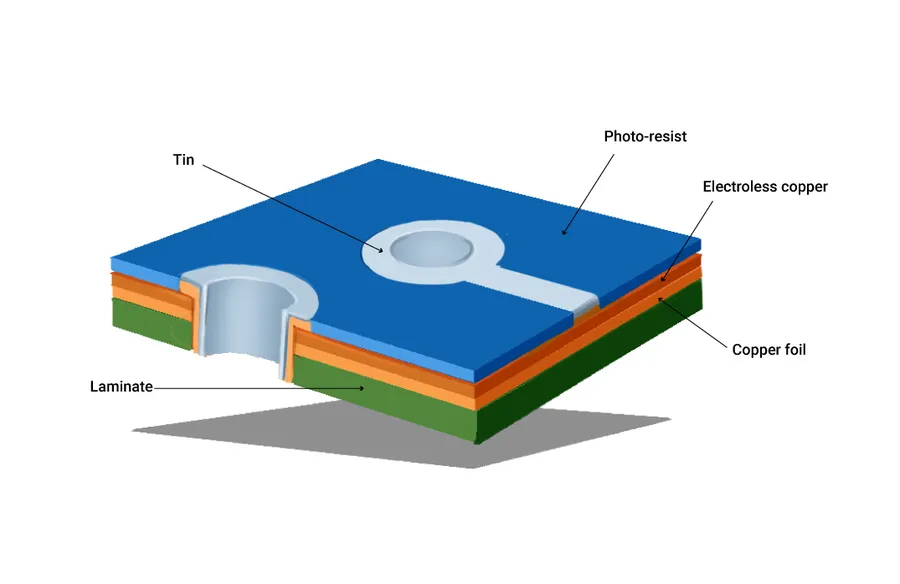
The creation of FR4 PCBs is a multi-stage process that transforms raw materials into functional circuit boards. This process involves layering fiberglass cloth with resin, followed by lamination, and the application of copper circuitry. The process requires precision and control to ensure the final board meets performance specifications.
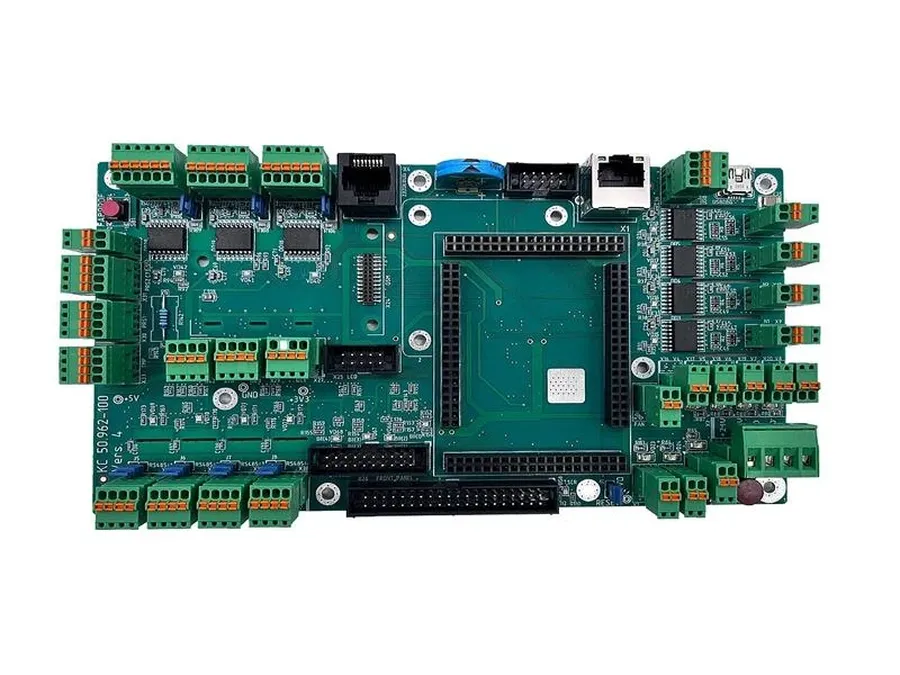
FR4's widespread adoption in printed circuit board (PCB) manufacturing stems from a confluence of advantageous properties. Its cost-effectiveness, excellent electrical insulation, commendable mechanical strength, and broad availability make it a compelling choice for a vast range of PCB applications. These attributes collectively provide a balance of performance and economic viability unmatched by many alternative materials.
| Advantage | Description | Impact on PCB Design |
|---|---|---|
| Cost-Effectiveness | FR4 is relatively inexpensive compared to specialized materials. | Reduces overall manufacturing costs, enabling wider accessibility for various applications. |
| Excellent Electrical Insulation | FR4 provides high resistance to electrical current flow, preventing short circuits and signal leakage. | Ensures reliable signal transmission and minimizes interference. |
| Good Mechanical Strength | FR4 exhibits good flexural and tensile strength, providing mechanical integrity to the PCB. | Enables robust PCBs that can withstand mechanical stress. |
| Wide Availability | FR4 is readily available from numerous suppliers globally. | Shortens lead times and simplifies procurement, making it more accessible. |
| Flame Retardancy | FR4 is self-extinguishing and meets UL94 V-0 standards, preventing fire hazards. | Enhances safety for both the user and the device. |
While FR4 is a ubiquitous and cost-effective material for PCB fabrication, it's crucial to acknowledge its inherent limitations, particularly when performance demands are high. These limitations primarily stem from its material properties that affect electrical and thermal characteristics at high frequencies.
Understanding these drawbacks will assist in making informed decisions on when to use FR4 or consider alternative materials for optimized circuit board functionality and reliability.
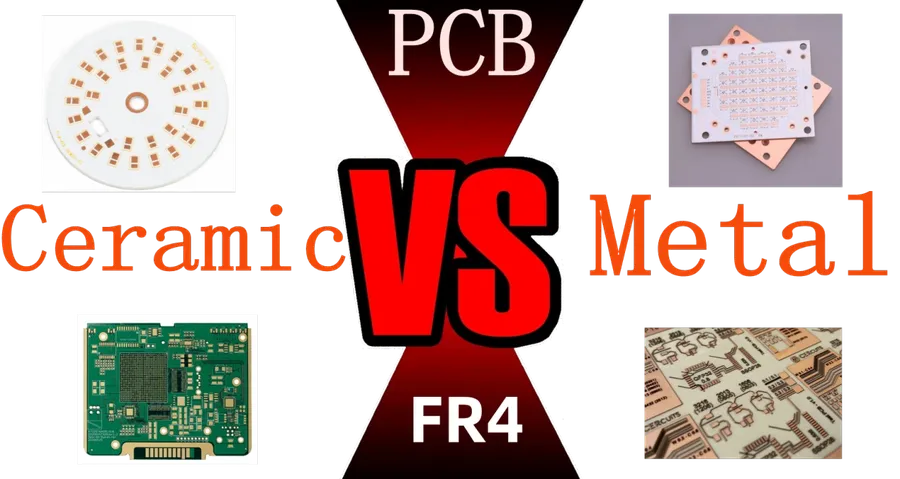
While FR4 stands as the most commonly used material in PCB manufacturing, it's essential to understand how it compares with other available options. This section provides a detailed comparison of FR4 with materials like polyimide, CEM-1, and Rogers materials, focusing on their cost, performance, and suitable applications. This comparison will empower designers to make well-informed choices based on their specific project requirements.
| Material | Cost | Dielectric Constant | Loss Tangent | Thermal Performance | Mechanical Strength | Typical Applications |
|---|---|---|---|---|---|---|
| FR4 | Low to Moderate | 3.8-4.8 | 0.02 at 1 GHz | Moderate | Good | General-purpose PCBs, consumer electronics |
| Polyimide | High | 3.0-3.5 | 0.002-0.004 at 1 GHz | Excellent (High Tg) | Excellent | High-temperature, aerospace, flexible circuits |
| CEM-1 | Low | 4.2-4.6 | 0.025 at 1 GHz | Poor | Moderate | Single-sided, low-cost applications |
| Rogers Materials | Very High | 2.2-3.6 | 0.0001-0.002 at 10 GHz | Good to Excellent | Good | High-frequency, RF, and microwave circuits |
**Detailed Comparison Points:** * **Cost**: FR4 offers an excellent balance between performance and price, making it a cost-effective choice for many applications. CEM-1 is at the lower end of the cost spectrum, however, it has significant limitations in performance. Polyimide and Rogers materials, on the other hand, are significantly more expensive due to their superior performance characteristics. * **Dielectric Constant**: FR4's dielectric constant, typically ranging from 3.8 to 4.8, is suitable for most digital and analog applications but may be a limiting factor in high-frequency applications. Polyimide offers a lower and more stable dielectric constant, making it suitable for high-speed signals. Rogers materials, designed for high-frequency applications, have a lower and more stable dielectric constant than both FR4 and polyimide, often falling in the 2.2 to 3.6 range. * **Loss Tangent**: The loss tangent, which indicates signal loss, is an important parameter at high frequencies. FR4's loss tangent is relatively high compared to polyimide and Rogers, leading to signal degradation at higher frequencies. Polyimide and Rogers offer much lower loss tangents, crucial for RF and microwave circuits. * **Thermal Performance**: FR4 has moderate thermal performance, suitable for typical operating conditions. Polyimide has excellent thermal properties and high glass transition temperature (Tg), making it suitable for high-temperature environments. Rogers also has good to excellent thermal performance, depending on the specific formulation. * **Mechanical Strength**: All of these materials exhibit good mechanical strength. FR4 is a rigid material and it offers good structural integrity for most applications. Polyimide has excellent mechanical strength and flexibility, which makes it ideal for flexible circuit boards. CEM-1 is less strong than FR4 or Polyimide. * **Applications**: FR4 is ideal for a wide range of general-purpose applications, including consumer electronics, industrial control systems, and simple digital circuits. Polyimide is utilized in aerospace, high-temperature applications, and flexible electronics. Rogers materials excel in high-frequency applications such as RF circuits, microwave devices, and telecommunication equipment. CEM-1 is often used in low-cost, single-sided PCBs. **Conclusion:** The choice of PCB material is heavily dependent on the specific requirements of the application. While FR4 provides a versatile and cost-effective solution for many general applications, more demanding applications requiring higher frequencies, temperatures, or flexible designs require materials such as Polyimide or Rogers. Understanding these differences is essential for designers to choose the most suitable material for their projects.
This section addresses common queries regarding FR4, a widely used material in printed circuit board (PCB) manufacturing. We aim to provide clear and concise answers to help you better understand its properties, applications, and limitations.
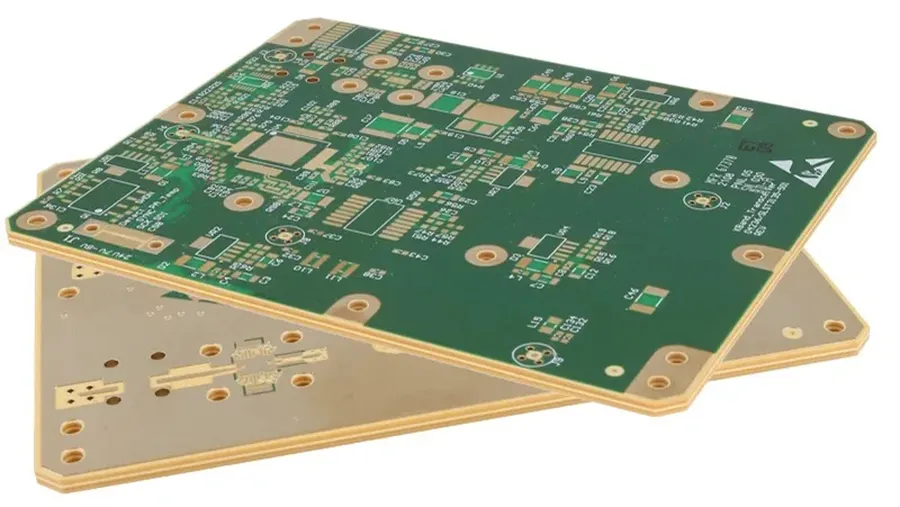
FR4's versatility and favorable properties make it a cornerstone material across a wide spectrum of industries. Its balance of electrical insulation, mechanical strength, and cost-effectiveness allows it to facilitate diverse applications ranging from everyday consumer products to high-performance industrial and critical medical devices.
Selecting the appropriate FR4 thickness is a crucial step in PCB design, directly impacting the board's mechanical integrity, electrical performance, and overall functionality. The choice depends on various factors including component size, weight, flexibility requirements, and the intended application environment.
A thinner board, for example, offers increased flexibility, which is beneficial for applications that involve bending or flexing. It can also help reduce weight, which is critical in portable devices or in aerospace application. However, thinner FR4 will generally compromise on mechanical strength and may require additional support to prevent damage. A thicker board, conversely, provides increased rigidity and better mechanical stability, making it ideal for applications where structural integrity is paramount, however it is heavier and may result in reduced flexibility.
| FR4 Thickness | Typical Application | Advantages | Disadvantages |
|---|---|---|---|
| 0.2 mm - 0.6 mm | Highly flexible PCBs, wearable devices | High flexibility, low weight | Low mechanical strength, challenging to manufacture |
| 0.8 mm - 1.2 mm | General-purpose PCBs, consumer electronics | Good balance of flexibility and rigidity, moderate weight | May not be ideal for very high-stress or very flexible applications |
| 1.6 mm | Standard for robust PCB, industrial electronics | High mechanical strength, wide availability | Higher weight, less flexible |
| 2.0 mm - 3.2 mm | High-stress application, backplanes, heavy-duty equipment | Exceptional structural integrity, heavy components | High weight, low flexibility, limited availability for some designs |
In addition to standard thicknesses, non-standard thicknesses of FR4 can be specified to fulfill particular requirements. Non-standard thicknesses are more expensive and often require a custom order. It is good practice to always consult with your PCB manufacturer to ensure that the required thickness can be manufactured cost effectively and according to the required tolerances.
The evolution of FR4 technology is driven by the increasing demands of modern electronics, which require higher performance, greater reliability, and improved signal integrity. Ongoing research and development efforts are focused on addressing existing limitations and enhancing FR4's capabilities to meet future needs.
Key areas of advancement include the reduction of dielectric loss at higher frequencies, increased thermal conductivity, and improved mechanical strength. These developments aim to expand the range of applications for FR4 while maintaining its cost-effectiveness.
These trends indicate that FR4 will continue to be a prominent material in PCB manufacturing, evolving to meet future technological challenges while retaining its advantages of cost-effectiveness and versatility. As these improvements become more widely adopted, the performance limits of FR4 based PCBs will be pushed, leading to broader applications and new innovative design possibilities.
FR4 has become the workhorse of the electronics industry due to its balance of cost, performance, and availability. Its unique composition of fiberglass and epoxy resin, results in a material that is both electrically insulating and structurally robust. Understanding the properties, advantages, and limitations of FR4 is crucial for designing reliable and cost-effective PCBs. As technology continues to advance, ongoing improvements in FR4 will make it remain a relevant material in the electronic world. Whether you're an experienced engineer or just starting, understanding FR4 will help your journey with printed circuit boards.

