In the realm of electronics, the microfarad (µF) is a fundamental unit of capacitance, much like the heartbeat of electronic circuits. It's the ability of a component, typically a capacitor, to store an electrical charge. This article delves into the practical world of microfarads, offering clarity on their meaning, usage, and importance, and relating this core electronic concept to both everyday electronics and advanced engineering applications. We’ll cover everything from the basic definition of microfarads to its real world applications, helping you understand what makes this tiny unit a powerhouse of technology.
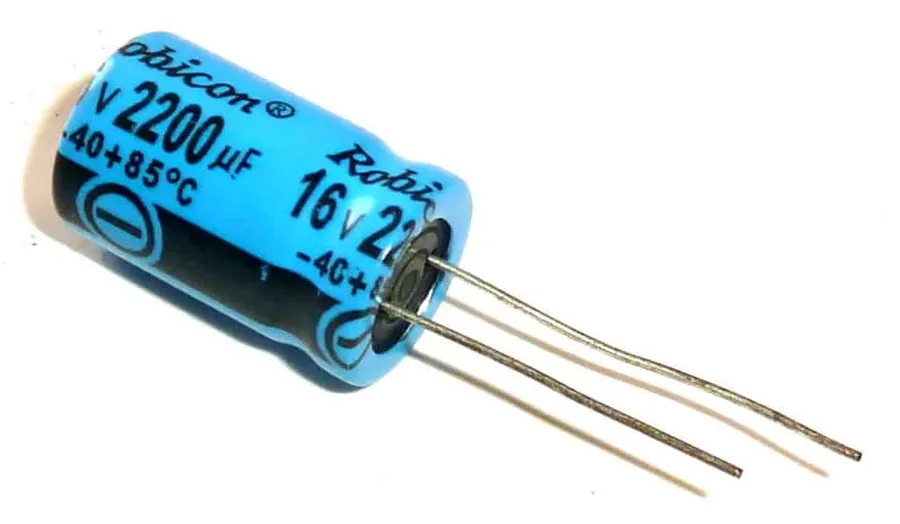
A microfarad (µF) is a unit of capacitance, representing one millionth (10⁻⁶) of a farad (F). It quantifies a capacitor's ability to store electrical charge. The microfarad is a more practical unit for everyday electronics compared to the farad, which represents a very large amount of capacitance.
In the International System of Units (SI), the farad is the base unit of capacitance, named after Michael Faraday. The prefix 'micro' denotes a factor of 10⁻⁶, making a microfarad a derived SI unit. This scaling is crucial for practical electronics, allowing for convenient measurements of capacitor sizes commonly found in circuits.
The farad (F), the base unit of capacitance in the International System of Units (SI), represents a very large amount of capacitance. For practical electronics, the microfarad (µF), which is one millionth of a farad, is much more commonly used due to the smaller values that are typical in circuits. This section will detail the significant difference in scale between these two units, clarifying why microfarads are the go-to unit in most real-world applications, as well as discuss other related units.
| Unit | Symbol | Value in Farads | Typical Use |
|---|---|---|---|
| Farad | F | 1 F | High-capacitance applications, such as energy storage. |
| Millifarad | mF | 10^-3 F | Used infrequently due to the smaller capacitance values generally used in electronics |
| Microfarad | µF | 10^-6 F | Most common unit for electronic circuits, e.g. in power supplies. |
| Nanofarad | nF | 10^-9 F | Common in high-frequency applications, bypass capacitors. |
| Picofarad | pF | 10^-12 F | Used in RF and high-precision circuits; very low capacitance. |
The relationship between farads and microfarads is defined as follows: 1 Farad (F) = 1,000,000 Microfarads (µF), or equivalently, 1 Microfarad (µF) = 0.000001 Farads (F) = 10^-6 F. This conversion is essential for understanding capacitor ratings and is foundational for circuit design and analysis. While the farad is the standard unit, the microfarad is far more practical due to the common range of capacitance values needed in electronic devices. The table above gives other commonly used units of capacitance.
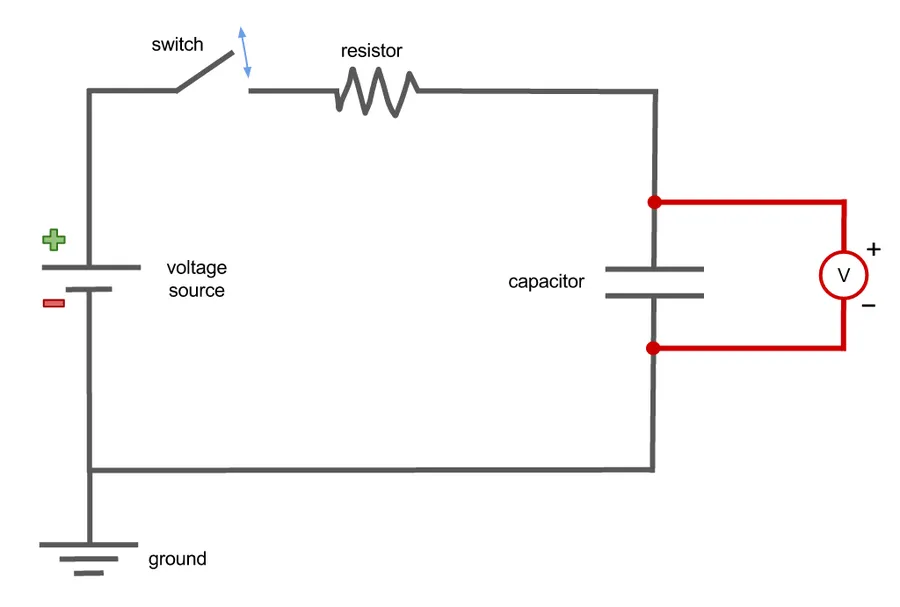
Capacitors, essential components in electronic circuits, store electrical energy in an electric field. The ability of a capacitor to store charge is quantified by its capacitance, measured in farads (F). However, due to the farad being a large unit, capacitance is more commonly expressed in microfarads (µF) for practical applications. A capacitor's microfarad rating directly indicates how much charge it can store at a given voltage.
The capacitance of a capacitor is determined by its physical characteristics, primarily the area of the conducting plates, the distance separating them, and the dielectric material between the plates. A larger plate area, a smaller separation, and a higher permittivity of the dielectric all lead to higher capacitance, and hence a greater microfarad value.
| Physical Property | Effect on Capacitance (µF) |
|---|---|
| Plate Area | Larger area increases capacitance |
| Plate Separation | Smaller separation increases capacitance |
| Dielectric Material | Higher permittivity increases capacitance |
The relationship between these factors and capacitance (C) is described by the formula: C = ε(A/d), where 'ε' is the permittivity of the dielectric material, 'A' is the area of the plates, and 'd' is the distance between the plates. This shows that capacitance is directly proportional to the dielectric constant and the plate area, while inversely proportional to the separation distance. Therefore, capacitors with higher µF ratings will typically have larger plate areas, smaller plate separations, or higher permittivity dielectric materials.
In practical terms, a capacitor rated at, say, 10 µF, will store ten times more charge at the same voltage compared to a capacitor rated at 1 µF. This understanding is crucial for circuit design and component selection, ensuring that capacitors meet the storage needs of their intended application.
Converting between microfarads (μF) and farads (F) is essential for working with capacitors and understanding their capacitance values. This section details the conversion formula and provides practical examples to facilitate a clear understanding of these unit conversions.
The fundamental relationship is that one farad is equal to one million microfarads. This conversion is crucial because farads represent a very large amount of capacitance, whereas microfarads are more commonly encountered in practical electronics.
| Conversion Type | Formula | Example |
|---|---|---|
| Microfarads to Farads | Farads = Microfarads / 1,000,000 | 500 μF = 0.0005 F |
| Farads to Microfarads | Microfarads = Farads * 1,000,000 | 0.002 F = 2000 μF |
It is important to note that when performing these calculations, maintaining correct decimal placement is vital to avoid errors. Understanding the practical implications of these conversions is paramount in real-world applications.
For instance, a capacitor labeled 100 μF indicates a storage capacity of 0.0001 farads. Conversely, if a circuit design specifies a capacitor of 0.001 F, it implies a requirement for a 1000 μF capacitor. Familiarity with these conversions will significantly improve your ability to evaluate and utilize capacitors effectively in diverse applications.
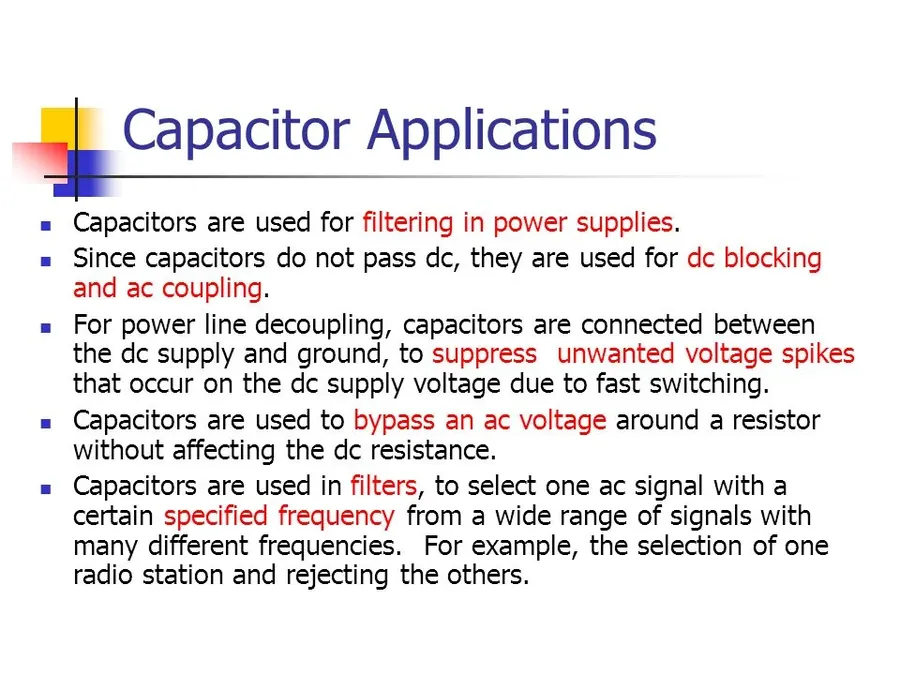
Capacitors, measured in microfarads (µF), are ubiquitous in modern electronics, playing a crucial role in various applications due to their ability to store electrical energy. Their diverse applications are a testament to their versatility and importance in circuit design, ranging from smoothing voltage fluctuations to enabling complex signal processing.
The selection of the correct microfarad value is critical in all these applications. Using an incorrectly sized capacitor can lead to performance issues, component failure, or even damage to the equipment. Therefore, understanding the specific microfarad rating required for a given circuit is essential for proper design and maintenance.
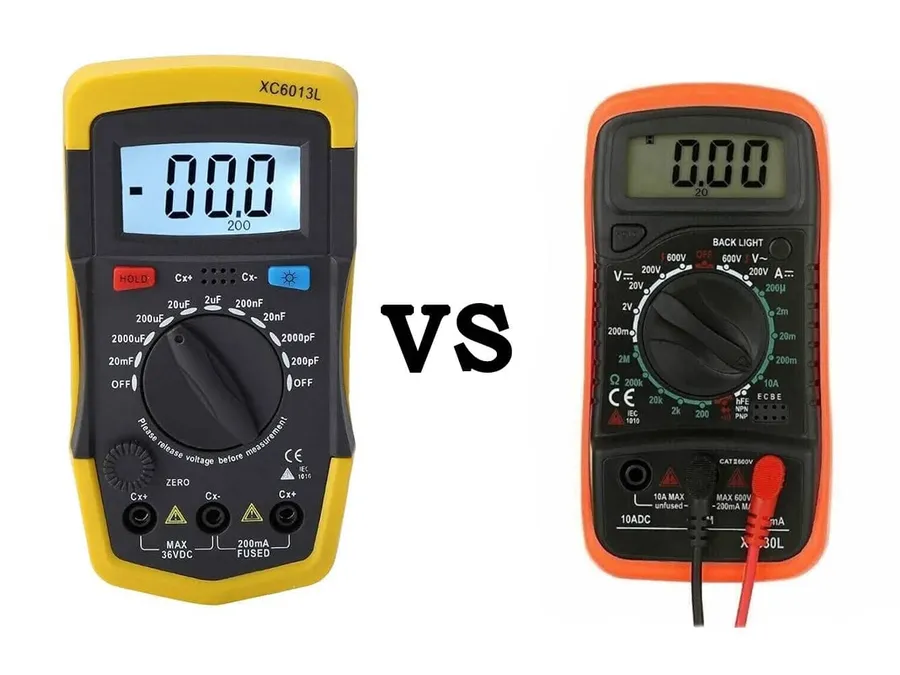
Multimeters are indispensable tools for accurately determining the capacitance, measured in microfarads (µF), of capacitors, both in standalone components and within electronic circuits. This section will provide a detailed, step-by-step guide on how to use a multimeter for microfarad measurements, along with best practices for capacitor testing.
It's essential to understand that multimeter measurements are subject to a certain degree of uncertainty. Environmental factors and the multimeter’s accuracy will influence the reading. Therefore, a reading within the tolerance specification of the capacitor is considered normal.
Testing capacitors with a multimeter allows for a preliminary assessment of their health. For more advanced testing, such as checking the capacitor's equivalent series resistance (ESR) or leakage current, specialized equipment is required.
The selection of a capacitor with the precise microfarad (µF) rating is a critical aspect of effective circuit design. An appropriate capacitance value ensures optimal circuit performance, while deviations can lead to malfunctions or inefficiencies. The microfarad rating directly dictates the capacitor's charge storage capacity, making it a key parameter in circuit functionality.
When specifying a capacitor for a circuit, it's crucial to match the designed capacitance as closely as possible. This is dictated by the circuit's operational requirements and characteristics such as time constants, filtering requirements, or energy storage needs. Using capacitors with incorrect microfarad values, whether higher or lower than specified, can have several adverse effects:
The tolerance of a capacitor's microfarad rating also plays a significant role. Capacitors are generally available with a certain tolerance range (e.g., ±5%, ±10%), this means that the actual measured capacitance value may vary from its stated value. It's crucial to select a component with a tolerance that is acceptable for the specific application. For highly sensitive circuits, capacitors with tighter tolerances (e.g., ±1%) may be required.
In summary, selecting the correct microfarad value is a fundamental step in circuit design. A meticulous selection process and an understanding of the required capacitance and tolerances are necessary to ensure optimal performance and longevity of the electronic devices.
This section addresses common queries regarding microfarads (µF), a fundamental unit for measuring capacitance. Understanding these questions will enhance your comprehension of how microfarads function within electrical circuits and components.
The microfarad (µF) symbol is a crucial component of electrical engineering and electronics, representing a unit of capacitance equal to one millionth of a farad. Its precise usage and correct terminology are essential for accurate communication in technical contexts.
Microfarads (µF) are a cornerstone of electronics, representing a unit of capacitance that allows for the storage of electrical charge. From basic circuits to advanced tech, the understanding of microfarads, their application in capacitors and practical use is essential for anyone involved in electronics. As technology evolves, the importance of microfarads will remain vital for innovations in electronics and beyond. Whether in the design of next-gen microchips or managing the energy needs of our homes, a clear understanding of microfarads allows us to harness the power of electricity safely and efficiently, paving the way for technological advancement.

