In the fast-evolving landscape of automotive technology, precision and reliability are paramount, especially when it comes to engine management. At the heart of a vehicle's performance and efficiency lies the Fuel Injection Control Module (FICM), a critical electronic component responsible for precisely timing fuel delivery. But what truly powers these sophisticated modules? The answer lies in their underlying Printed Circuit Boards (PCBs). Zero One Solution Limited, a leader in PCB assembly solutions since 2011, understands the intricate demands of automotive electronics. This article delves into our comprehensive Fuel Injection Control Module PCB solutions, demonstrating how our rapid-response R&D prototype manufacturing and one-stop services empower clients to bring next-generation automotive innovations to market with unparalleled speed and reliability.
The Fuel Injection Control Module (FICM) stands as the brain of a modern engine's fuel system, meticulously managing the precise delivery of fuel to the engine's cylinders. Its reliable operation is paramount to ensure optimal vehicle performance, fuel efficiency, and the reduction of harmful emissions. This crucial electronic control unit directly impacts a vehicle's drivability, power output, and compliance with environmental regulations. The FICM operates within the harsh conditions of the engine bay, enduring extreme temperatures, vibrations, and electromagnetic interference, underscoring the critical need for robust and dependable Printed Circuit Board (PCB) solutions.
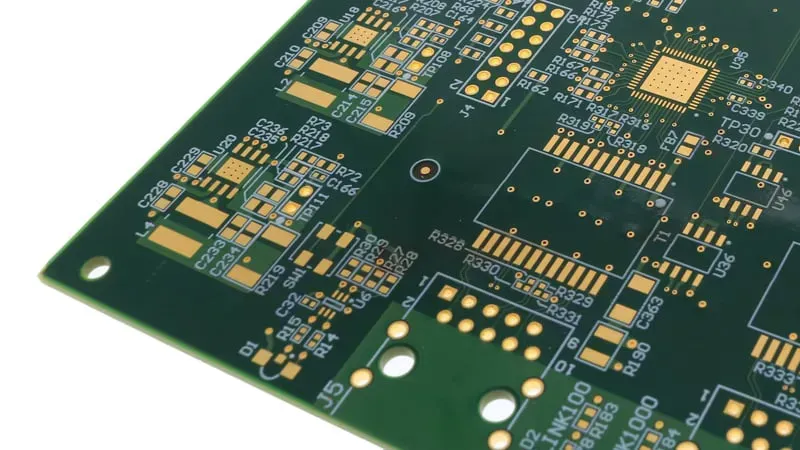
Designing and manufacturing Printed Circuit Boards (PCBs) for Fuel Injection Control Modules (FICMs) presents a unique array of challenges, stemming from the harsh operational environment within a vehicle's engine compartment. Successfully navigating these complexities is crucial for ensuring the reliability, efficiency, and longevity of the FICM, directly impacting vehicle performance and emissions compliance.
Several key factors must be meticulously addressed:
Achieving optimal performance in FICM PCBs often involves multi-layer designs and sophisticated manufacturing techniques. Precisely controlled impedance, for example, is vital for maintaining signal integrity at high frequencies. The precision required in these areas necessitates specialized expertise and advanced manufacturing capabilities. The selection of appropriate surface finishes, such as ENIG (Electroless Nickel Immersion Gold), plays a crucial role in ensuring solderability and long-term reliability in the harsh automotive environment. In addition, component placement must be carefully considered to optimize thermal performance and minimize EMI.
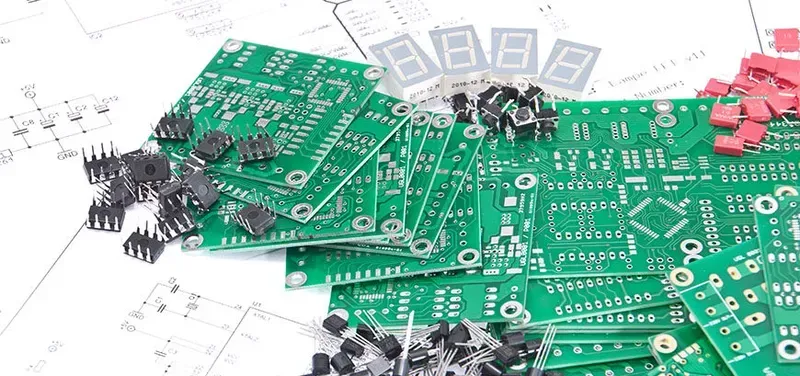
At Zero One Solution Limited, we don't just provide PCBs; we deliver complete, tailored solutions for Fuel Injection Control Module (FICM) applications. With over a decade of experience and a global supply chain network, we offer a seamless, one-stop service from initial PCB design to manufacturing, assembly, and rigorous testing. Our commitment to quality, rapid prototyping, and automotive-grade standards makes us a trusted partner in the automotive industry, ensuring your FICM designs meet the highest performance and reliability standards.
Our comprehensive capabilities include:
We stand by our dedication to providing custom solutions, making us a reliable partner in the automotive sector. Our aim is to empower our clients to bring innovations to the market efficiently. With our headquarters in Shenzhen and a branch in Dubai, we are well-positioned to serve clients globally. We have a solid understanding of the unique challenges involved, and we are dedicated to providing our customers with the best PCB solutions possible.
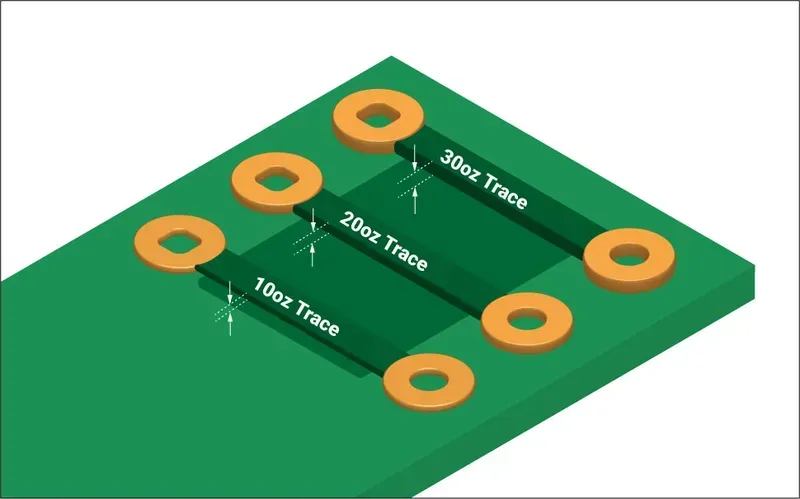
At Zero One Solution Limited, we recognize that the longevity and reliability of Fuel Injection Control Module (FICM) PCBs hinge on the precision of the technologies and materials used. Our approach centers on employing cutting-edge solutions to meet the stringent demands of automotive applications, ensuring optimal performance in even the most challenging environments. This section provides an in-depth look at the critical components and techniques we deploy to engineer superior FICM PCBs.
| Material/Technology | Description | Benefit to FICM Performance |
|---|---|---|
| High-Tg Laminates | We utilize high-Tg (glass transition temperature) laminates, such as those based on FR-4 or similar materials, that can withstand high temperatures without significant dimensional changes. | Ensures thermal stability under the high operating temperatures found in engine compartments, preventing delamination and maintaining signal integrity. |
| Heavy Copper | Our PCBs feature heavy copper layers, with thicknesses optimized for power delivery and heat dissipation. | Enhances current carrying capacity, reduces resistive losses, and improves thermal management, crucial for high-power FICM applications. |
| Advanced Surface Finishes | We employ advanced surface finishes like ENIG (Electroless Nickel Immersion Gold) for solderability and corrosion resistance. | Provides reliable solder joints, prevents oxidation, and extends the lifespan of the PCB, ensuring robust performance in harsh conditions. |
| Precise Drilling and Routing | Our manufacturing process includes high-precision drilling and routing, ensuring accurate component placement and signal path routing. | Minimizes signal loss, reduces electromagnetic interference (EMI), and enables compact designs, crucial for the complex circuitry within FICMs. |
These material choices, combined with our state-of-the-art manufacturing processes, ensure that our FICM PCBs not only meet but exceed the rigorous demands of the automotive industry, providing long-term reliability and performance.
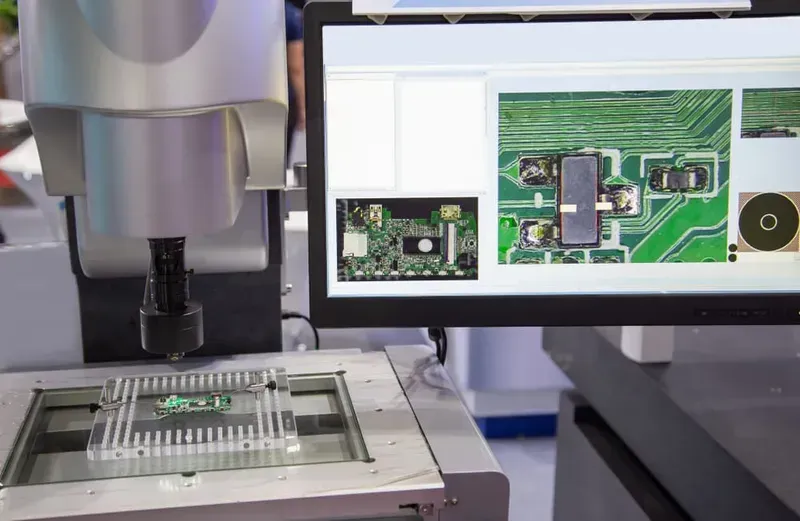
At Zero One Solution Limited, ensuring the unwavering reliability and performance of Fuel Injection Control Module (FICM) PCBs is paramount. We achieve this through a comprehensive suite of quality assurance and testing processes, meticulously designed to meet and exceed the stringent demands of the automotive industry. Our commitment to excellence guarantees that every FICM PCB we deliver upholds the highest standards of quality, safety, and longevity, critical for the demanding environments they operate in.
Our quality control framework adheres to and often surpasses industry standards, including but not limited to IPC (Association Connecting Electronics Industries) guidelines. This commitment is reflected in our multi-stage inspection and testing protocols:
These rigorous processes are fundamental to ensuring that our Fuel Injection Control Module PCBs not only meet but consistently exceed automotive industry standards, reinforcing our dedication to delivering reliable, high-performance solutions. By integrating these stringent testing procedures, Zero One Solution Limited reinforces its commitment to quality and reliability, providing automotive manufacturers with confidence in their critical engine control systems.
In conclusion, the Fuel Injection Control Module is a cornerstone of modern engine performance, and its effectiveness is directly tied to the quality and precision of its underlying PCB. Zero One Solution Limited stands as your premier partner for robust, high-performance FICM PCB solutions, backed by over a decade of expertise in rapid prototyping, design, manufacturing, and assembly. Our commitment to quality, efficiency, and global accessibility ensures that your automotive electronic innovations are not just concepts, but market-ready realities. Partner with Zero One Solution Limited to unlock the full potential of your automotive projects. Contact us today to discuss your specific Fuel Injection Control Module PCB requirements and experience the difference of a true end-to-end solution provider.

