In today's fast-paced electronics industry, flexibility isn't just a buzzword—it's a necessity. Flexible printed circuit boards (PCBs) are revolutionizing product design, and getting a quick, accurate quote online is crucial. This article will guide you through the process of obtaining a flex PCB online quote, highlighting the key factors that impact pricing and delivery, ensuring you are well-equipped to make informed decisions for your next project. We'll explore various online quoting platforms and provide actionable insights to streamline your design and production process, offering you a competitive edge using [flex pcb online quote].
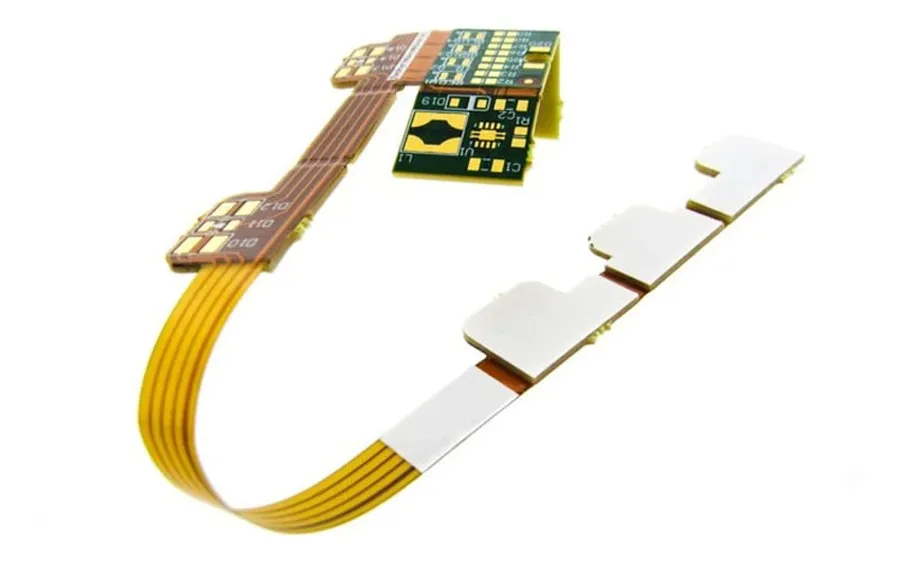
Flexible PCBs, or flex PCBs, are circuit boards constructed on a flexible substrate, offering significant advantages over traditional rigid PCBs. Their inherent flexibility enables them to conform to various shapes and spaces, optimizing designs and reducing overall system size while enhancing reliability due to fewer interconnects. Common applications span consumer electronics, automotive, and aerospace, where space constraints and dynamic movement are critical design considerations.
Flex PCBs are primarily categorized into three types based on their conductive layer structure:
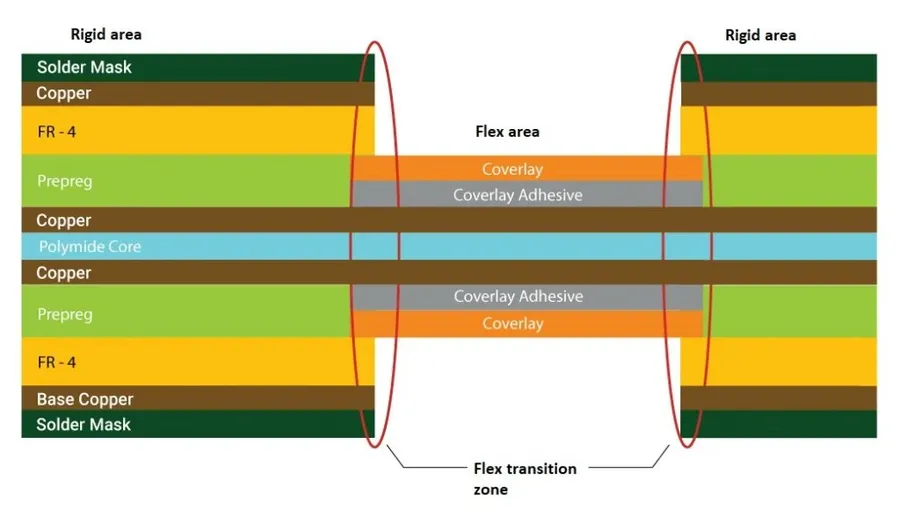
Obtaining an accurate online quote for flexible printed circuit boards (PCBs) requires a thorough understanding of the various factors that influence the final price. These factors encompass not only the physical characteristics of the PCB but also the complexity of the design and the manufacturing processes involved. A detailed consideration of these elements ensures cost-effective and efficient production.
| Factor | Description | Impact on Quote |
|---|---|---|
| PCB Size | The overall dimensions of the flex PCB. | Larger PCBs generally require more material and processing time, thus increasing the cost. |
| Material Type | The substrate material used (e.g., polyimide, polyester). | Polyimide, known for its superior thermal and mechanical properties, is typically more expensive than polyester. The specific material and the thickness will affect the final price. |
| Layer Count | The number of conductive layers in the PCB (single-sided, double-sided, multilayer). | Multilayer PCBs involve more complex fabrication processes, leading to higher costs. |
| Surface Finish | The type of coating applied to the copper traces (e.g., ENIG, HASL). | Surface finish affects the price of a flex PCB; gold plating (ENIG) can increase cost compared to HASL. The material required for the finish and the complexity of the process impact costs. |
| Copper Thickness | The thickness of the copper layer measured in ounces (oz). | Thicker copper layers are more expensive due to greater material usage and require more complex processing. |
| Trace Width and Spacing | The width and spacing of conductive traces. | Extremely fine traces and spaces may demand more precise manufacturing methods, and increase the cost of manufacturing. |
| Via Types | Type of vias used (through-hole, blind, buried). | Blind and buried vias are more complex to create, increasing costs. Through-hole vias are typically simpler and less expensive to manufacture. |
| Panelization | The arrangement of multiple PCBs on a single manufacturing panel. | Panelization can reduce costs for large-volume orders by optimizing material usage, but also increase costs depending on the process and spacing needed. |
| Design Complexity | The intricacy of the PCB layout, including the number of components and routing density. | Highly complex designs require more time and care in manufacturing, impacting the quote. |
| Quantity | The number of PCBs being ordered. | Unit costs generally decrease with larger quantities due to economies of scale. |
| Manufacturing Tolerances | Tighter manufacturing tolerances. | Requiring very tight tolerances or unique manufacturing parameters can increase costs. |
Design for Manufacturing (DFM) is a crucial aspect to consider when aiming to reduce costs. Following DFM guidelines can lead to simpler, more efficient manufacturing, resulting in lower costs for your flexible PCB. This can include optimizing via types, standardizing trace widths, avoiding excessively fine pitch, panelization and ensuring proper spacing to reduce the chance of manufacturing errors. Always review the manufacturer's DFM guidelines before finalizing your PCB design.
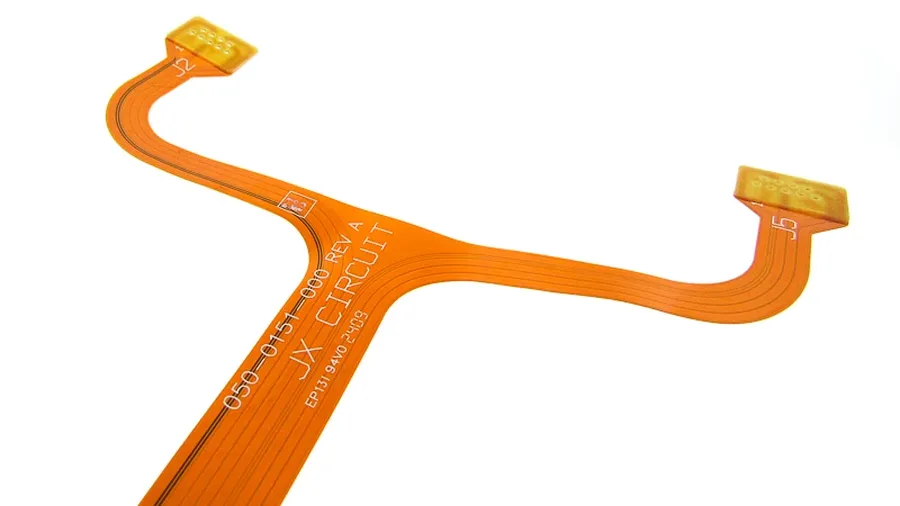
Online platforms have revolutionized the process of obtaining quotes for flexible printed circuit boards (PCBs). These platforms offer a convenient and efficient way to solicit bids from multiple manufacturers, compare prices, and manage the fabrication process of your flex PCB design. Successfully navigating these platforms requires a clear understanding of their functionalities and how to leverage them effectively to secure the best possible quote.
Key aspects of using online flex PCB quote platforms include:
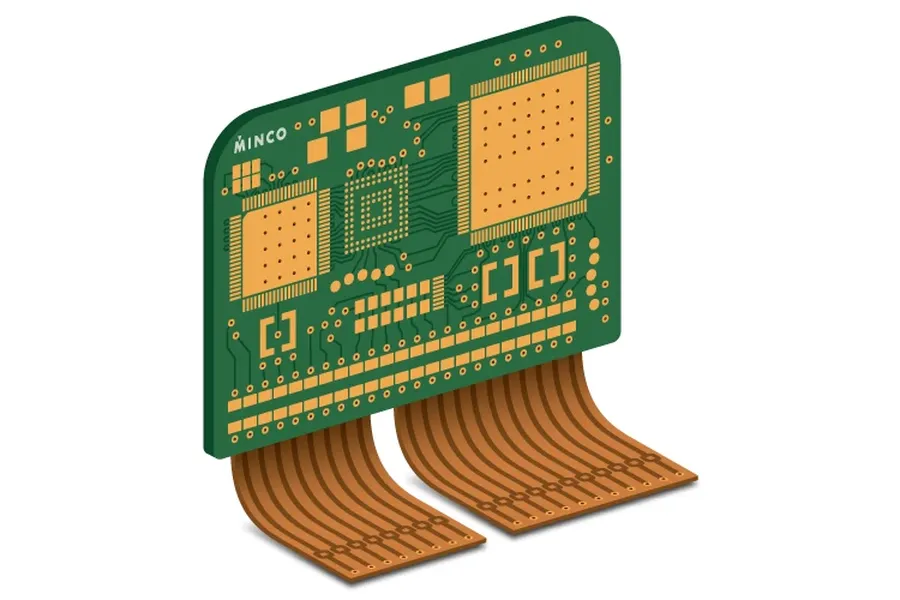
Rigid-flex PCBs represent a sophisticated evolution in circuit board technology, integrating the benefits of both rigid and flexible substrates into a single, cohesive design. This hybrid approach allows for complex three-dimensional packaging and interconnectivity, addressing challenges that neither rigid nor flexible PCBs can solve independently. Obtaining a [flex pcb online quote] for rigid-flex PCBs requires an understanding of their unique design and manufacturing considerations.
The core concept involves rigid sections, typically fabricated from materials like FR4, providing structural support and mounting surfaces for components, and flexible sections constructed from polyimide or similar materials, enabling dynamic bending and folding to fit complex enclosures. This integration allows for a reduction in the need for connectors and cables, leading to increased reliability and reduced assembly costs. The ability to incorporate both rigid and flexible elements within a single board makes rigid-flex PCBs ideal for applications where space, weight, and mechanical stress are primary design concerns.
| Feature | Rigid PCB | Flexible PCB | Rigid-Flex PCB |
|---|---|---|---|
| Flexibility | Rigid | Highly Flexible | Hybrid (Rigid and Flexible) |
| 3D Packaging | Limited | Good | Excellent |
| Interconnect | Connectors and Cables | FPC Connectors | Integrated |
| Cost | Lower | Moderate | Higher |
| Application | General Electronics | Wearables, Displays | Aerospace, Medical, High-Performance |
When seeking a [flex pcb online quote] for rigid-flex PCBs, there are specific parameters to consider in addition to those for flexible PCBs. These include the number of rigid and flexible layers, the thickness of each layer, the type of material for both rigid and flexible sections, the transition zone design, and any specific requirements for connectors or reinforcements. Furthermore, understanding the design for manufacturing (DFM) guidelines for rigid-flex PCBs is critical. DFM helps ensure the manufacturability of the design, including considerations for the bend radius and stress points in the flexible area. Early engagement with the manufacturer is highly advisable for complex rigid-flex designs to optimize the design for cost and manufacturability.
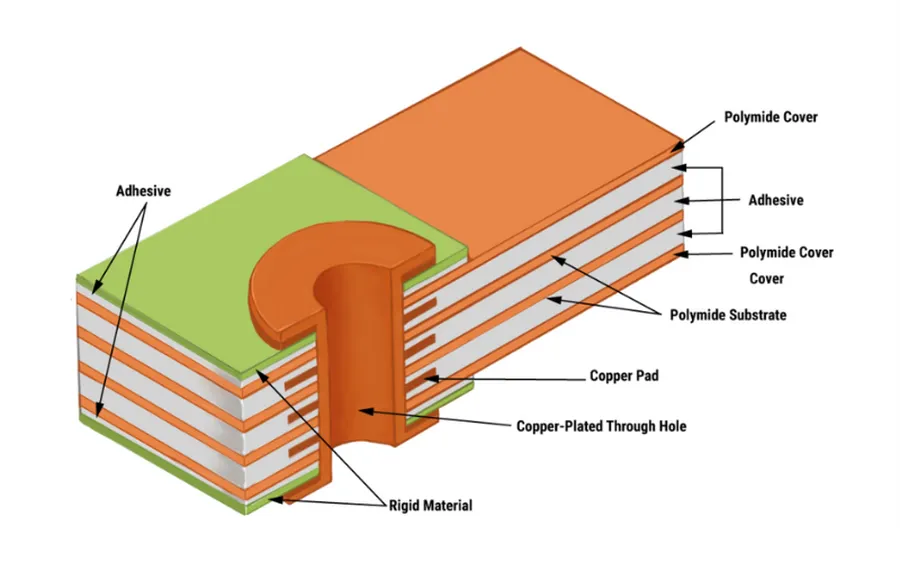
The selection of materials for flexible PCBs (Flex PCBs) is paramount, directly impacting cost, flexibility, and overall performance. This section provides an in-depth analysis of commonly used materials like polyimide and polyester, along with their unique properties and applications. Optimal material selection is critical for a successful and cost-effective design when considering a flex pcb online quote.
| Material | Properties | Advantages | Disadvantages | Typical Applications |
|---|---|---|---|---|
| Polyimide (PI) | High temperature resistance, excellent chemical resistance, superior mechanical strength, good electrical properties, and excellent dielectric properties. | High-temperature stability, excellent flexibility, reliable performance in harsh environments, long-term reliability. | Higher material cost compared to polyester, can be more difficult to process. | Aerospace, medical devices, high-reliability electronics, automotive, and applications requiring high temperature endurance. |
| Polyester (PET) | Good flexibility, moderate temperature resistance, cost-effective, and good dielectric properties. | Lower material cost, good for less demanding applications, readily available, and easy to process. | Limited temperature range, less durable, and not suitable for high-stress applications. | Consumer electronics, disposable medical devices, and applications that do not require high-temperature resistance. |
| Liquid Crystal Polymer (LCP) | Exceptional dimensional stability, high-temperature resistance, excellent electrical performance, low moisture absorption. | Superior electrical properties, high-temperature performance, good chemical resistance, allows for fine line etching. | Higher cost, specialized processing may be required, availability may be limited. | High-frequency applications, advanced medical devices, complex wearable devices, and antennas. |
| Modified Epoxy | Good mechanical strength, moderate flexibility, cost-effective. | Lower cost, good adhesion, and suitable for applications requiring medium flexibility. | Lower temperature resistance than polyimide, may be brittle with extensive bending. | Simple flex circuits, low-cost applications, LED lighting, and flexible sensors. |
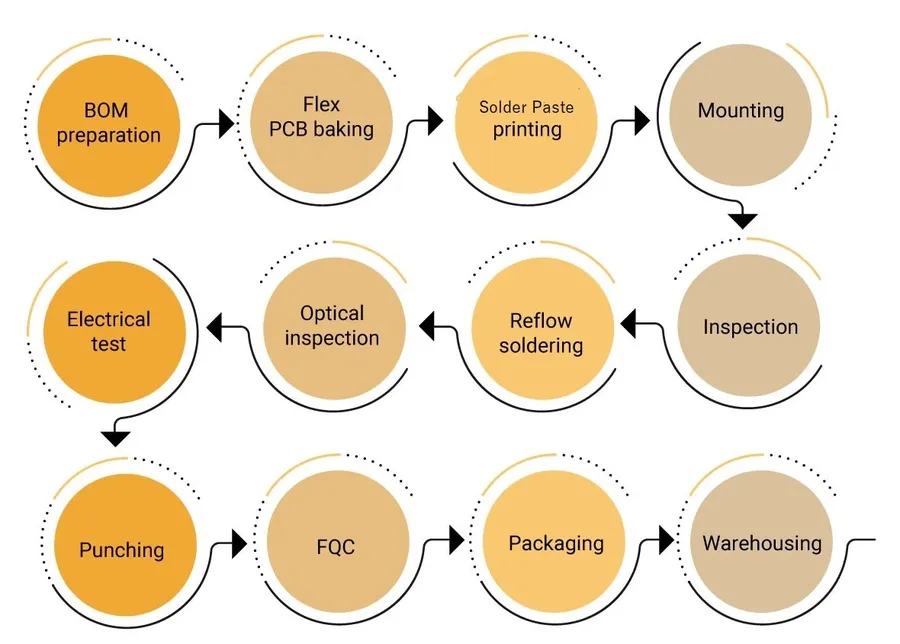
Optimizing your flex PCB design is crucial for minimizing manufacturing costs and ensuring a smooth production process. By adhering to specific design guidelines and best practices, you can significantly reduce expenses associated with flex PCB fabrication, particularly when seeking a competitive flex pcb online quote. This section provides actionable insights into design considerations that contribute to more affordable and efficient flex PCB manufacturing.
| Design Aspect | Recommendation | Impact on Cost |
|---|---|---|
| Via Types | Use through-hole vias where possible; avoid microvias unless absolutely necessary. | Microvias add complexity and cost. Through-hole vias are simpler and less expensive to fabricate. |
| Trace Width and Spacing | Maintain standard trace widths and spacing that meet design requirements, increase trace width where possible. | Smaller trace widths and spacing require higher precision and increase the probability of manufacturing defects. Standardized dimensions are more cost-effective. |
| Panelization | Panelize your PCB designs efficiently, aiming for maximum utilization of the manufacturing panel. | Effective panelization reduces material waste and manufacturing time, lowering overall production costs. |
| Bend Radius | Avoid sharp bends; ensure a minimum bend radius to prevent damage to traces and vias. | Excessive bending can cause stress to the board which can lead to trace cracking and failure, increasing cost. |
| Material Usage | Minimize non-essential features and cutouts to reduce material usage. | Reduced material usage directly translates to lower costs. |
| Layer Count | Optimize the number of layers to the minimum needed for your design. Consider design tradeoffs and carefully evaluate requirements. | Reducing layers reduces manufacturing process complexity and material costs. |
| Component Placement | Orient components to accommodate easy assembly and avoid manual hand placement. | Manual assembly can be costly and time consuming, making automated assembly an advantage |
This section addresses common questions and concerns regarding obtaining online quotes for flexible PCBs (flex PCBs), aiming to provide clarity and practical guidance for users seeking this service.
Selecting the right flex PCB manufacturer is crucial for ensuring the quality, reliability, and cost-effectiveness of your project. This section provides a guide to help users navigate the landscape of flex PCB manufacturers, focusing on key factors that should influence the selection process. Evaluating capabilities, turnaround times, certifications, and support services will enable users to choose a manufacturer that aligns with their specific requirements.
| Factor | Description | Importance |
|---|---|---|
| Manufacturing Capabilities | Range of technologies, materials, and layer counts the manufacturer can handle. | High: Directly impacts the feasibility of producing the required flex PCB. |
| Turnaround Time | The time it takes from design submission to delivery of the finished PCBs. | Medium to High: Critical for projects with tight schedules. |
| Quality Certifications | Standards such as ISO 9001, ISO 13485, and UL certifications demonstrate adherence to quality practices. | High: Indicates the manufacturer's commitment to consistent quality. |
| Support Services | Level of technical assistance provided during design, manufacturing, and assembly processes. | Medium to High: Essential for resolving issues and ensuring a smooth process. |
| Quoting Process | Ease of obtaining a quote, transparency of pricing, and flexibility of order quantities. | Medium: Affects the overall cost and project management. |
| Sample Availability | The ability to receive samples for testing and quality verification before placing a large order. | Medium: Reduces the risk of product quality issues. |
| Minimum Order Quantity (MOQ) | The smallest number of PCBs the manufacturer will produce per order. | Medium: Needs to be aligned with your project's volume. |
| Geographic Location | Location of the manufacturer and shipping costs. | Low to Medium: Can impact lead times and total project costs. |
The flexible printed circuit board (flex PCB) industry is on a trajectory of continuous innovation, driven by the demand for smaller, more adaptable, and higher-performance electronic devices. These advancements not only affect the technical capabilities of electronics but also influence the accessibility and cost-effectiveness of flex PCBs, particularly in the context of online quoting and manufacturing.
Future trends in flex PCB technology indicate a move towards more complex multilayer designs, finer trace widths, and increased integration with other components. Advanced materials with enhanced thermal and electrical properties are also under development. These innovations will expand the applicability of flex PCBs in industries such as aerospace, medical, and automotive, where reliability and performance are paramount.
The evolution of online quoting platforms will further streamline the design and manufacturing process. Expect to see more sophisticated tools capable of handling increasingly intricate PCB designs, providing more accurate and faster quotes, and offering greater transparency in the manufacturing process. This will likely lead to reduced costs and shorter lead times, making flex PCBs accessible to a broader range of projects and applications, and this will allow users to better plan future designs when they are looking for a [flex pcb online quote].
The convergence of artificial intelligence (AI) and machine learning (ML) with flex PCB manufacturing is also on the horizon. These technologies will optimize processes, predict potential manufacturing issues, and refine material selection, ultimately leading to higher-quality PCBs and reduced waste. This shift will impact the way designers, engineers, and manufacturers interact, resulting in more collaborative and streamlined workflows.
Obtaining a [flex pcb online quote] is the first step in bringing your innovative designs to life. By understanding the nuances of flexible PCB manufacturing, utilizing online platforms effectively, and optimizing your designs for cost-efficiency, you can leverage flexible PCB technology to enhance your product's functionality and market appeal. With continual advancements in material and manufacturing technologies, flexible PCBs are not just a trend but a staple in next-generation electronics, making it essential to be well-informed and ready to adapt. As you move forward with your projects, keep in mind the core principles of design and cost-optimization that we have covered in this guide.

