Get Your PCB Assembly Instant Quote: A Comprehensive Guide
2025.01.13
In today's fast-paced tech world, getting a PCB assembly instant quote is crucial for rapid prototyping and production. Just like needing an instant quote for a home repair, you also want the speed and convenience when it comes to bringing your electronic designs to life. This article will help you navigate the world of online PCB assembly quotes, providing a clear understanding of how to get the best possible price and service for your project.
Understanding PCB Assembly Instant Quote Tools
Bare PCB
Instant quote tools for PCB assembly are online platforms designed to rapidly estimate the cost of assembling printed circuit boards. These tools are essential for project planning and budgeting, providing immediate price feedback based on the specifications you input, which is critical for quick turnaround and agile product development.
These tools generally offer a streamlined process, typically requiring users to upload their design files and specify their requirements. The core functionalities include:
File Uploading Accepting Gerber files, Bill of Materials (BOM), and Pick-and-Place files for precise assembly cost analysis.
Parameter Specification Allowing users to define critical parameters such as board dimensions, layer count, material type, component quantities, and surface finish options.
Automated Cost Calculation Using sophisticated algorithms to compute the assembly cost based on the provided parameters, offering a quick and detailed cost breakdown.
Real-Time Feedback Providing immediate pricing, which can be used to make quick design decisions or to get a fast cost estimation.
Ease of use and speed are key factors, and the best tools offer intuitive interfaces that allow users with varying levels of experience to obtain quotes with minimal effort and time.
Key Factors Affecting Your PCB Assembly Instant Quote
SMD Components
The cost of PCB assembly is influenced by several interconnected parameters. Understanding these factors is crucial for obtaining an accurate instant quote and optimizing your design for cost-effectiveness. These factors extend from the physical attributes of the board itself to the complexity of component placement and material selection.
Factor
Description
Impact on Quote
Board Dimensions
The overall size of the PCB.
Larger boards generally require more material and processing, increasing costs.
Layer Count
The number of conductive layers in the PCB.
More layers increase complexity and material usage, leading to higher prices.
Material Type
The base material used for the PCB (e.g., FR-4, Rogers).
Specialized materials with enhanced electrical or thermal properties are more expensive.
Component Quantity
The number of unique components and total number of components required to be placed on the board.
Higher component counts and unique components can increase assembly time and associated costs.
Component Package Type
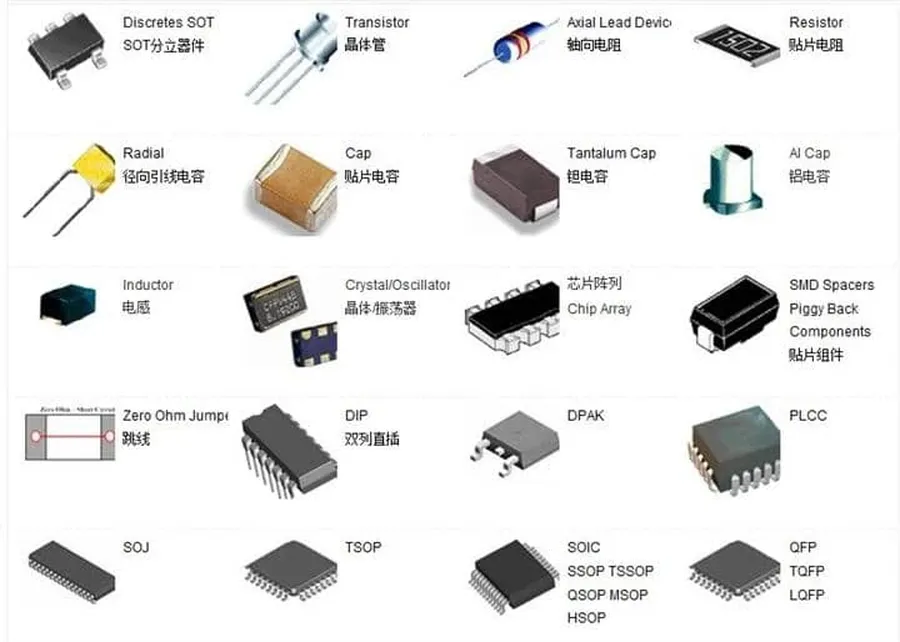
The physical form factor of a component, e.g. 0201, 0402, 0603, etc. or through hole component
Smaller components and those with tighter tolerances require more precision and specialized equipment, increasing costs
Surface Finish
The coating applied to the copper pads for solderability (e.g., HASL, ENIG).
Finishes like ENIG (Electroless Nickel Immersion Gold) offer superior performance but at a higher cost than HASL (Hot Air Solder Leveling).
Panelization
The number of boards that are manufactured on a single panel.
Panelization is a method to reduce manufacturing costs by producing multiple PCBs at once on a larger panel.
Assembly Complexity
The density of components and the complexity of the assembly process, e.g. Single or double sided assembly
Dense boards with fine-pitch components or double-sided assembly processes increase the difficulty and cost of assembly.
Testing Requirements
The level of testing required on a PCB after assembly, e.g. flying probe or in-circuit testing
More comprehensive testing adds cost but helps identify and fix issues early.
It is critical to note that the interdependencies of the design parameters can have non-linear effects on costs. For example, a small change in board dimensions could have a greater impact on the overall cost if it moves the design into a new panelization configuration.
How to Prepare Your Files for an Accurate PCB Assembly Instant Quote
PCB Gerber Files
To secure an accurate PCB assembly instant quote, providing meticulously prepared files is paramount. This ensures that the manufacturing process reflects the design intent precisely, and avoids any delays or unexpected costs due to misinterpretations. The primary files needed are Gerber files, a Bill of Materials (BOM), and a Pick and Place file. The quality and accuracy of these files directly influence the precision and competitiveness of your instant quote.
Here's a breakdown of each file type and their significance:
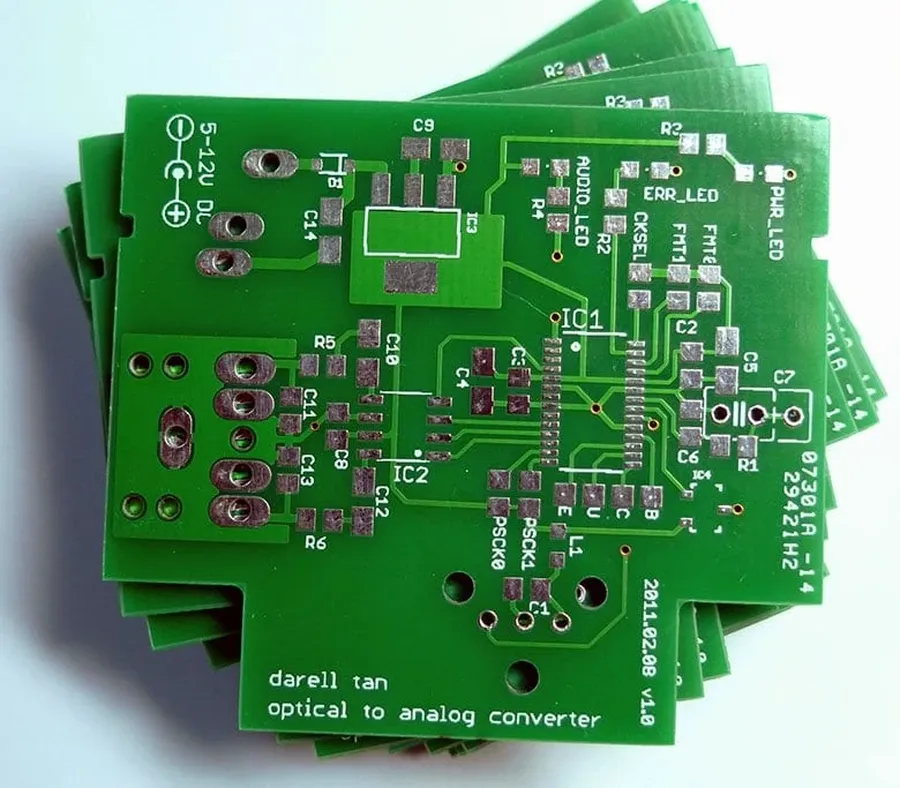
Gerber Files Gerber files are the industry-standard format for PCB fabrication. They are a set of vector files containing the graphical information about each layer of your PCB design, including copper traces, pads, vias, silkscreen, and solder mask. Each layer of the PCB is typically represented by a different Gerber file. Ensure that all layers are correctly generated, including copper layers, solder mask layers, silkscreen layers, and drill files. Including a board outline layer is crucial. Missing or improperly generated layers can lead to manufacturing errors and inaccurate quotes.
Bill of Materials (BOM) The BOM is a comprehensive list of all components required to assemble your PCB. It should include details such as part numbers, manufacturer names, reference designators, package types, and quantities. Avoid common mistakes like outdated part numbers, incorrect quantities, and missing components. It’s essential that the component information on the BOM precisely matches what the PCB design requires. Including manufacturer part numbers (MPNs) and specific sourcing information is highly recommended to expedite the component procurement process and potentially lead to lower costs.
Pick and Place File Also known as a centroid file or component placement file, this file specifies the exact location and orientation of each component on the PCB. It is used by automated assembly machines to accurately place components onto the board. The file typically includes the component's reference designator, X and Y coordinates, rotation angle, and layer information. Accurate Pick and Place files are critical for error-free assembly, and ensures that the components are correctly mounted on the PCB during assembly.
Accurate file preparation is not just about providing the files, it also involves addressing common errors. Ensure that your files are in the right format, with correct units and naming conventions. Consistent and accurate documentation is essential. Double-check that the component footprints in the Gerber files match the corresponding part numbers in the BOM. Discrepancies in the files will lead to errors during the assembly process.
File Type
Content
Importance for Accurate Quote
Common Errors
Gerber Files
Graphical representation of PCB layers.
Ensures proper layer fabrication.
Missing layers, incorrect formats, wrong units.
BOM
Comprehensive list of PCB components.
Essential for component procurement.
Outdated part numbers, incorrect quantities, missing components.
Pick and Place File
Component location and orientation data.
Critical for automated assembly.
Incorrect coordinates, missing rotation angles.
Comparing Different PCB Assembly Instant Quote Providers
PCB Assembly Factory
Selecting the right PCB assembly provider is crucial, and an effective comparison goes beyond just the initial quote. This section provides a framework to evaluate providers based on critical factors such as speed, price, service offerings, and specialization, ensuring you choose a partner that aligns with your project needs, whether for rapid prototyping or large-scale production.
Factor
Description
Considerations
Speed
Turnaround time from quote to delivery.
Evaluate lead times for prototypes vs. production runs. Check if expedited options are available.
Price
Cost of assembly services and components.
Compare total costs, including component procurement, assembly, and any additional fees. Consider pricing for different volumes.
Service Offerings
Range of assembly services provided.
Look for providers that offer a full range of services needed, such as component sourcing, SMT, through-hole, and testing.
Specialization
Specific expertise or focus of the provider.
Some providers specialize in certain types of PCBs or industries. Choose one that aligns with your project's unique requirements.
Prototype vs. Production
Capabilities and focus on either prototype runs or volume production.
Determine if the provider is suitable for prototype runs, high-volume production or both. Consider their experience in each area.
Customer Support
Quality and responsiveness of support.
Test their communication channels and the support they offer. How quickly they respond and how they help you with any issues.
Turnkey vs. Partial PCB Assembly Instant Quotes: What's the Difference?
Turnkey PCB Assembly
Understanding the distinction between turnkey and partial PCB assembly is crucial for accurate cost estimation and efficient project management. These two approaches differ significantly in terms of component sourcing and the associated responsibilities, directly influencing the instant quote you receive. A turnkey quote includes all components and assembly, while a partial quote requires the customer to supply some or all parts.
Feature
Turnkey PCB Assembly
Partial PCB Assembly
Component Sourcing
Manufacturer procures all components.
Customer supplies some or all components.
Responsibility
Manufacturer is responsible for component quality and availability.
Customer is responsible for component quality, delivery schedule and material handling.
Cost
Typically higher per unit cost due to component procurement overhead but overall supply chain management cost savings
Potentially lower per unit assembly cost if customer can source components cheaper, but additional management burden
Lead Time
Generally streamlined, with manufacturer controlling the entire process.
Can be longer if component delivery is delayed by the customer.
Best For
High-volume production, complex BOMs, or where the customer wants a fully managed assembly process, when there is no need to protect IP on components.
Low-volume production, when the customer has unique parts, specific IP protection requirements, or components readily available.
Choosing between turnkey and partial assembly depends on various factors. Turnkey solutions often simplify logistics and reduce management overhead for customers, though these benefits are reflected in the pricing. Partial assembly, while potentially cheaper on the surface, adds complexity in managing supply chains, component quality, and potential delays.
Tips for Lowering Your PCB Assembly Instant Quote
PCB Cost Reduction
Optimizing your PCB design and procurement strategy is crucial for reducing PCB assembly costs. By carefully considering design choices and material selection, you can significantly impact the final instant quote you receive from assembly providers. These practices will not only lower initial expenses but also improve the overall efficiency and reliability of your product.
Standardize Components: Using commonly available components reduces costs by increasing competition among suppliers, lowering procurement prices. Limiting the variety of components simplifies assembly, leading to fewer errors and faster production times. This efficiency directly translates into cost savings passed down from assembly providers.
Design for Manufacturability (DFM): Adhering to DFM principles is fundamental to a smooth assembly process. Ensuring sufficient spacing between components, aligning parts to common grid systems, using appropriate via sizes, and optimizing component placement and orientations will drastically reduce potential issues during manufacturing, thus decreasing cost and time spent on rework. DFM best practices reduce the likelihood of manufacturing errors and lower assembly labor costs.
Optimize Board Size and Shape: The size and shape of your PCB directly impact material usage and assembly complexity. Reducing board area, utilizing panelization for multiple boards per panel, and avoiding irregular shapes that result in material wastage will result in lower material costs and more efficient handling and placement during assembly. Utilizing cost-effective standard sizes and shapes minimizes waste and optimizes processing during manufacturing.
Choose Cost-Effective Materials: Material selection has a considerable effect on price. Opting for standard, readily available materials like FR-4 for board substrate, avoiding exotic materials unless strictly necessary, can reduce base costs significantly. Similarly, consider cost effective finishes over more costly options, when appropriate. Substituting more cost-effective alternatives for specialty materials, without sacrificing performance, ensures you maximize cost savings.
Consider Component Placement Carefully: Strategically position components to simplify assembly, reducing the need for complex machine movements. This approach minimizes setup times and reduces potential assembly errors. By optimizing the placement of components, manufacturers can reduce labor cost and ensure a more efficient and cost-effective production process.
Optimize Component Packaging: When providing parts, ensure components are in tape-and-reel or tube packaging and avoid loose, or re-packaged, components which lead to assembly issues. Using proper packaging from the outset streamlines handling and placement, leading to more efficient and cost-effective manufacturing.
Careful BOM Management: Ensure your Bill of Materials (BOM) is accurate and complete by eliminating outdated, or incorrect parts, and verifying part quantities. This reduces purchasing errors, prevents rework due to missing or incorrect components, and helps prevent assembly delays, saving time and money in production.
Frequently Asked Questions about PCB Assembly Instant Quotes
This section addresses common questions users have about PCB assembly instant quotes, providing clear and concise answers to ensure a smooth and informed experience. Understanding the nuances of instant quoting can significantly impact project planning and cost management.
How accurate are PCB assembly instant quotes? Instant quotes are generally accurate for standard designs and quantities. However, they are estimates based on the data provided. Complex designs, special materials, or high-volume orders may require a more detailed manual quote. Discrepancies can arise due to unforeseen complexities not captured in initial file analysis, or fluctuating component costs. Always verify the quote with a thorough review.
What if the actual PCB assembly cost differs significantly from the instant quote? Significant differences between an instant quote and the actual cost usually indicate issues with the design files, discrepancies in the Bill of Materials (BOM), or the addition of unexpected complexities during the manufacturing process. If this occurs, immediately contact the assembly provider to understand the reasons for the discrepancy, and be prepared to adjust your design or BOM. Transparency from both sides is key.
How can I find a PCB assembly instant quote for both prototyping and production? Most PCB assembly providers offer instant quoting tools for both prototypes and production runs. However, pricing models often differ between the two. Prototypes often incur higher per-unit costs due to setup expenses and lower volumes. Make sure to clearly define your needs (prototype vs production) when requesting a quote, as production scale typically allows for more cost-effective pricing.
Is it possible to get a PCB assembly instant quote free of charge? Yes, many PCB assembly companies provide instant quote services free of charge as a part of their customer acquisition strategy. These tools allow users to upload their design files and BOMs to receive an immediate pricing estimate. These 'free' quotes are typically based on automated analysis and are not a guarantee of final pricing, but they offer valuable price point insight during project planning.
What should I do if I have a complex PCB design that doesn't fit with an instant quote? For complex PCB designs, such as those with high layer counts, unique materials, or advanced component requirements, an instant quote might not provide the accuracy you need. In these cases, directly contact the PCB assembly provider for a custom quote. This allows them to manually assess the intricacies of your design and provide a more precise estimate. Providing detailed specifications and discussing design considerations upfront can lead to more accurate pricing.
How quickly can I receive a PCB assembly instant quote? Instant quotes are typically generated immediately after you upload your design files and BOM. The processing time is usually just a few seconds or minutes, depending on the complexity of your design and the server load of the provider's platform. This quick turnaround time is a major benefit for project budgeting and planning, allowing for rapid iteration.
What file types do I need for a PCB assembly instant quote? The common file formats needed for an instant quote include Gerber files (.gbr), a Bill of Materials (BOM) in a readable format (.csv, .xlsx) with part numbers and quantities, and a Pick and Place file (.txt, .csv) for automated assembly. Ensuring that all files are accurate and consistent is crucial to obtaining a reliable quote. Some platforms may also accept design files from CAD tools, which are then converted into the necessary formats.
Beyond the Instant Quote: Considerations for Long-Term Partnership
Long-term PCB Partnership
While an instant quote provides a crucial initial price point, selecting a PCB assembly partner should involve a more holistic evaluation that extends beyond just the immediate cost. Focusing solely on the lowest quote may lead to compromises in quality, communication, and long-term reliability. A strategic partnership with a PCB assembly provider should be built on trust, consistency, and a mutual understanding of your project's long-term needs.
Manufacturer Reliability Assess the manufacturer's track record. Look for evidence of consistent quality, adherence to delivery schedules, and compliance with industry standards. Verify certifications, such as ISO standards, to ensure they follow rigorous quality control processes. A reliable partner will minimize delays, reduce errors, and ensure the consistency of your product.
Effective Communication Clear and timely communication is paramount. Evaluate the responsiveness of their customer support team. A good partner will be proactive in providing updates, answering queries promptly, and addressing issues effectively. This is crucial during the initial design phase, as well as during the production and delivery process.
Potential for Long-Term Collaboration A long-term view should consider a provider’s capacity to scale with your company’s growth, along with their ability to adapt to changing project requirements. Look for providers that are willing to invest in a relationship, understand your products roadmap and willing to offer design and manufacturing insights. Such partnerships can lead to better cost optimization, improved efficiency and greater process control.
Technological Capability Assess the technology and equipment used by the assembly house. Modern and well-maintained equipment leads to better accuracy and quality. Make sure they can assemble the PCB's you need. Are they able to perform the more complex assembly options, such as BGA, QFN, and fine pitch components?
Post-Assembly Support Reliable assembly houses offer post-assembly testing and rework or repair options. In particular, this support becomes critical in the event issues are discovered in the initial manufacturing runs.
Getting a PCB assembly instant quote is just the first step in bringing your electronic project to life. By understanding the factors influencing these quotes and knowing how to compare providers, you can make informed decisions to reduce your production costs. Remember to always prioritize quality and reliability, and don't hesitate to shop around to get the best [pcb assembly instant quote] for your specific needs. This initial effort in getting the right quote and supplier will pave the way for a smooth and successful project, transforming an idea into a working product with ease.