In an era where sustainable agriculture and food security are paramount, the ability to precisely control greenhouse environments has become a critical factor for maximizing crop yields and minimizing resource waste. From hobbyist gardeners to large-scale commercial growers, the need for sophisticated environmental control systems is undeniable. But at the heart of these systems lies a crucial component: the Printed Circuit Board (PCB). This article explores how specialized PCB solutions are revolutionizing greenhouse environment control, offering unprecedented levels of precision, automation, and efficiency. Join us as we delve into the world of "Greenhouse Environment Control PCB Solutions" and discover how they are shaping the future of agriculture.
Introduction: The Growing Need for Precision in Greenhouses
The global agricultural landscape is rapidly evolving, with greenhouse farming emerging as a critical solution to address food security, resource scarcity, and climate change challenges. This controlled environment agriculture (CEA) offers unparalleled opportunities for maximizing yields and producing high-quality crops year-round, regardless of external weather conditions. However, achieving optimal plant growth within a greenhouse demands meticulous control over a multitude of environmental parameters, including temperature, humidity, light intensity, CO2 levels, and nutrient delivery. The inability to precisely manage these factors can lead to significant crop loss, increased operational costs, and reduced profitability. It is within this context that advanced technological solutions, particularly those powered by robust Printed Circuit Board (PCB) designs, become indispensable, transforming the traditional greenhouse into a highly efficient and sustainable cultivation system.
What is a Greenhouse Environment Control PCB Solution?
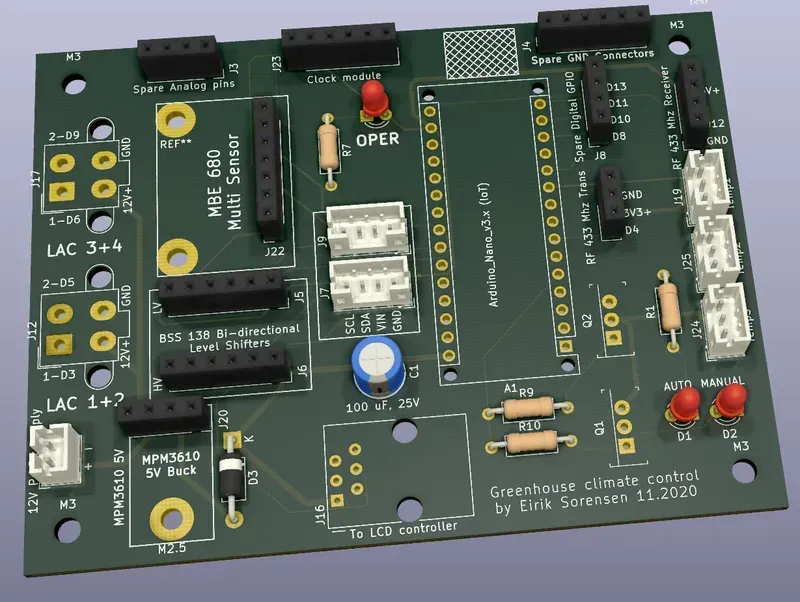
Greenhouse Environment Control PCB
A Greenhouse Environment Control PCB (Printed Circuit Board) solution serves as the sophisticated "central nervous system" for modern horticultural environments, providing precise and automated climate management. Unlike general-purpose electronics, these specialized PCBs are engineered to meticulously integrate and manage data from various sensors, process this information via microcontrollers, and then activate specific actuators to maintain optimal growing conditions, ultimately enhancing crop yield and resource efficiency.
Core Functionality A Greenhouse Environment Control PCB solution is designed to automate and optimize the microclimate within a greenhouse. It collects real-time data on critical parameters such as temperature, humidity, light intensity, and CO2 levels through an array of integrated sensors. This data is then fed into a central microcontroller or microprocessor, which executes pre-programmed algorithms or AI-driven logic to make real-time decisions regarding environmental adjustments. For example, if the temperature rises above a set threshold, the PCB can trigger cooling fans; if humidity drops, it can activate misting systems. This continuous feedback loop ensures that plants are consistently exposed to ideal conditions for their specific growth stage, minimizing stress and maximizing productivity. It eliminates the inconsistencies and labor associated with manual environmental regulation, leading to more predictable and robust harvests.
Key Components of a Greenhouse Environment Control PCB
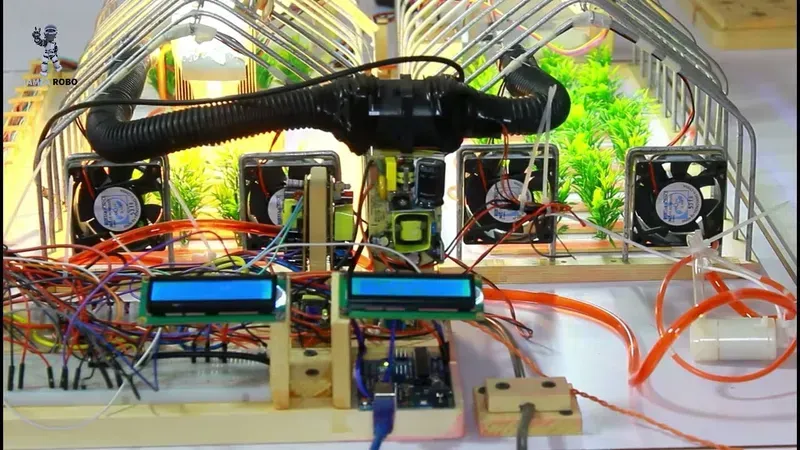
PCB with Actuators
A Greenhouse Environment Control PCB (Printed Circuit Board) serves as the sophisticated brain of any automated agricultural system, meticulously integrating diverse components to achieve precise environmental regulation. These specialized PCBs are engineered to translate raw environmental data into actionable controls, ensuring optimal growing conditions for various crops. Understanding the core components of these PCBs is crucial for appreciating their pivotal role in modern, efficient greenhouse operations, enabling everything from real-time climate adjustments to remote management and data-driven cultivation strategies.
Component Category
Specific Components
Function in Greenhouse Control
Sensors
Temperature, Humidity, Light Intensity, CO2 Levels, Soil Moisture, pH
Collect real-time data on critical environmental parameters to inform control decisions and ensure plant health. For example, a precise temperature sensor ensures plants remain within their optimal growth range, preventing stress or damage from extreme heat or cold. Accurate CO2 readings are vital for photosynthesis optimization, while soil moisture sensors prevent over or under-watering, critical for root health and nutrient uptake. Light intensity sensors adapt artificial lighting to complement natural light, ensuring consistent photosynthetic activity and growth.
Microcontrollers
ARM Cortex-M series, ESP32, STM32
Act as the central processing unit, interpreting sensor data, executing pre-programmed control algorithms, and managing communication with other devices. These microcontrollers are responsible for rapidly processing complex environmental data, making real-time decisions, and sending commands to actuators. Their robust processing power allows for the implementation of advanced control logic, such as PID (Proportional-Integral-Derivative) controllers for fine-tuning temperature or humidity, or fuzzy logic for adaptive environmental management based on multiple inputs. This ensures dynamic and responsive environmental adjustments, maximizing plant yield and resource efficiency. Their low power consumption is also critical for continuous operation in remote or off-grid greenhouse setups.
Actuators
Relays, Motor Drivers, Solenoid Valves, PWM Controllers
Execute physical actions based on microcontroller commands to adjust environmental conditions. Relays switch heating, cooling, or ventilation systems on/off. Motor drivers control fans or vents. Solenoid valves manage irrigation or nutrient delivery. PWM (Pulse Width Modulation) controllers precisely adjust LED grow lights or fan speeds. These components are chosen for their reliability and compatibility with the greenhouse's specific mechanical systems, ensuring smooth and consistent operation to maintain the desired microclimate. For instance, a precisely controlled irrigation solenoid can deliver exact amounts of water and nutrients, minimizing waste and promoting healthy growth.
Communication Interfaces
Wi-Fi, Ethernet, LoRa, RS485, I2C, SPI
Facilitate data exchange between the PCB and external networks, devices, or remote monitoring systems. Wi-Fi and Ethernet allow for cloud connectivity and remote access via smartphones or computers. LoRa (Long Range) is ideal for large greenhouses requiring long-distance, low-power communication. RS485 is commonly used for robust, industrial-grade wired communication with multiple devices. I2C and SPI are used for high-speed, short-distance communication between the microcontroller and on-board sensors or peripherals. These interfaces are critical for remote monitoring, data logging, and integration into broader agricultural management platforms, enabling growers to manage their operations from anywhere and gain valuable insights from collected data.
Benefits of Using Specialized PCB Solutions for Greenhouse Control
Specialized PCB solutions are the bedrock of modern greenhouse environmental control, transcending generic electronics to offer unparalleled precision and efficiency. These custom-engineered circuit boards are not merely components; they are the intelligent core that transforms a traditional greenhouse into a high-tech, data-driven agricultural ecosystem, enabling growers to achieve optimal conditions for crop proliferation while minimizing resource expenditure. Leveraging dedicated PCB solutions empowers cultivators with a strategic advantage, leading to enhanced yields, reduced operational costs, and a more sustainable cultivation practice.
Precision and Accuracy: The Foundation of Optimal Growth Custom PCBs enable ultra-fine-tuned environmental control, ensuring exact temperatures, humidity levels, light intensity, and CO2 concentrations are maintained. This meticulous precision directly translates to ideal growing conditions, maximizing plant health and yield. For instance, maintaining a precise temperature within +/- 0.5°C can significantly impact crop maturation rates and quality, a feat difficult to achieve with less sophisticated control systems. According to a study published in the Journal of Agricultural Engineering, precise climate control can increase crop yields by up to 25% for sensitive crops like leafy greens and berries, primarily due to optimized photosynthetic efficiency and reduced plant stress.
Automation: Elevating Efficiency and Reducing Labor Integrated PCB solutions automate complex environmental adjustments, from irrigation schedules to ventilation fan activation, drastically reducing the need for manual intervention. This not only frees up valuable labor but also ensures consistent, uninterrupted operation, even during off-hours. Automated systems can respond instantaneously to environmental shifts, preventing conditions that could harm crops, such as sudden temperature drops or spikes in humidity. A survey of commercial greenhouse operators indicated a 30% reduction in labor costs attributed to the adoption of advanced automation technologies.
Remote Monitoring and Control: Managing from Anywhere With embedded communication interfaces, specialized PCBs allow growers to remotely monitor and control their greenhouse environments via smartphones or computers. This capability offers unparalleled flexibility, enabling real-time adjustments and troubleshooting from any location, enhancing responsiveness to changing conditions or unexpected events. This feature is particularly valuable for large-scale operations or multiple greenhouse locations, ensuring continuous oversight without constant physical presence. A 2022 industry report highlighted that 70% of modern commercial greenhouses have adopted remote monitoring capabilities, citing improved management efficiency as a primary benefit.
Data Logging and Analysis: Insights for Continuous Improvement Specialized PCBs are designed to collect and log vast amounts of environmental data, providing invaluable insights into growing conditions, plant responses, and energy consumption patterns. This data can be analyzed to identify trends, optimize growing strategies, and predict potential issues, fostering a continuous improvement loop for enhanced productivity and resource management. For example, analyzing light intensity data against plant growth rates can help optimize supplementary lighting schedules, leading to more efficient energy use and better crop development.
Energy Efficiency: Optimizing Resource Consumption By precisely controlling various environmental parameters, specialized PCBs contribute significantly to energy efficiency. They can optimize the operation of heating, cooling, ventilation, and lighting systems, activating them only when necessary and at the exact levels required. This intelligent management minimizes wasted energy and reduces operational costs, making greenhouse cultivation more economically viable and environmentally friendly. Industry benchmarks show that optimized environmental control systems can lead to energy savings of 15-20% compared to traditional, less automated setups.
Design Considerations for Greenhouse Environment Control PCBs
Designing Printed Circuit Boards (PCBs) for greenhouse environment control systems demands a meticulous approach, as these critical components operate within challenging and dynamic conditions. The success of a greenhouse automation system hinges on the reliability and robustness of its underlying PCB, requiring careful consideration of environmental stressors, power demands, signal integrity, and appropriate component selection. Engineers must go beyond standard design practices to ensure the long-term performance and accuracy of these vital control units, directly impacting crop health and operational efficiency.
Environmental Factors Greenhouses present a unique set of environmental challenges, including high humidity (often exceeding 90%), significant temperature fluctuations (from freezing to extreme heat), and the potential for corrosive elements due to fertilizers, pesticides, and microbial activity. PCBs must be designed with conformal coatings, sealed enclosures, and moisture-resistant materials to prevent short circuits, corrosion, and material degradation. Furthermore, components should have wide operating temperature ranges to maintain functionality across varying greenhouse climates.
Power Management Efficient and stable power management is paramount for greenhouse control PCBs. These systems often power numerous sensors, actuators (e.g., fans, pumps, lights), and communication modules. Designs must incorporate robust voltage regulators, overcurrent protection, and surge suppression to handle fluctuating power demands and potential grid instability. Considerations for low-power modes for certain components can also contribute to overall energy efficiency, reducing operational costs.
Signal Integrity Accurate data acquisition from various sensors (temperature, humidity, CO2, light) and reliable communication with actuators and external networks are critical. Maintaining signal integrity on the PCB involves careful trace routing, impedance matching, and minimizing electromagnetic interference (EMI). Proper grounding techniques, shielded cables, and filtering components are essential to ensure that sensor readings are precise and control signals are transmitted without corruption, leading to optimal environmental regulation.
Component Selection The choice of electronic components is crucial for the longevity and performance of greenhouse PCBs. Components must be industrial-grade, specified for extended temperature ranges, high humidity, and vibration resistance. Connectors should be sealed and corrosion-resistant. Selecting components with low power consumption for always-on sensors and microcontrollers can significantly improve energy efficiency, while robust relays and motor drivers are necessary for controlling heavy-duty greenhouse equipment.
Zero One Solution Limited: Your Partner in Greenhouse Automation
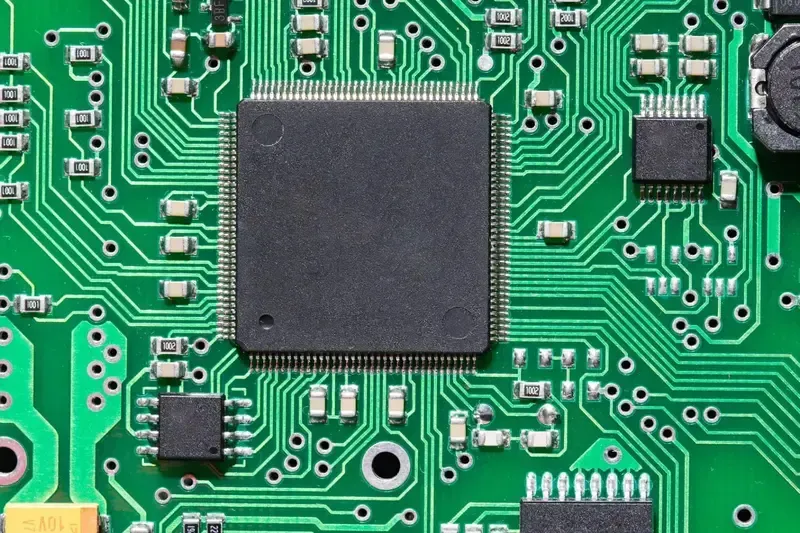
PCB Design and Manufacturing
In the burgeoning field of precision agriculture, Zero One Solution Limited stands as a veteran and authoritative partner, offering specialized Printed Circuit Board (PCB) solutions critical for advanced greenhouse environment control. Leveraging our decade-plus of expertise, rooted in Shenzhen's electronic manufacturing hub and global supply chain, we provide comprehensive, one-stop services from innovative PCB design and rapid prototyping to high-quality manufacturing and assembly. Our commitment is to empower growers and agricultural technology innovators to achieve unparalleled precision, efficiency, and scalability in their greenhouse operations, ensuring optimal plant health and maximizing yields through robust and reliable electronics.
As a leading PCB solution provider, our value proposition for greenhouse automation is built on several pillars:
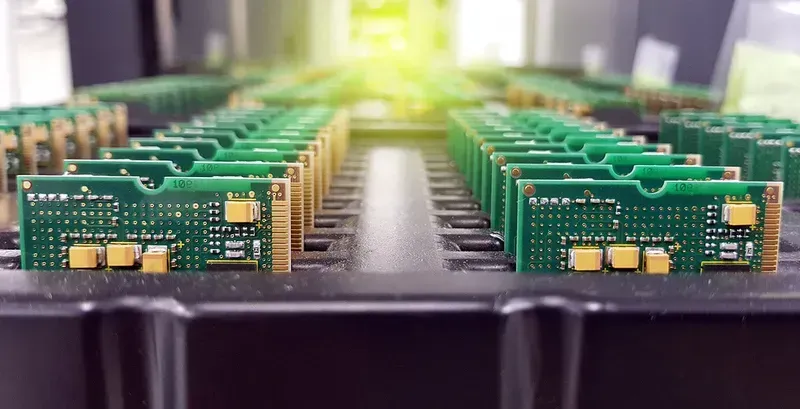
Rapid Prototyping and Development We excel in rapid-response R&D prototype manufacturing, significantly accelerating your product development cycles. This agility allows for quick iterations and fine-tuning of greenhouse control systems, minimizing time-to-market for your agricultural innovations. Our streamlined processes ensure that your custom PCB designs are brought to life with exceptional speed and accuracy, supporting the dynamic needs of modern agriculture.
Comprehensive One-Stop Services From initial concept and sophisticated PCB design to precision manufacturing and expert assembly, Zero One Solution Limited offers an integrated suite of services. This holistic approach simplifies your supply chain, reduces coordination overheads, and guarantees seamless transitions between design, production, and final product, ensuring consistency and quality throughout the entire process for your greenhouse automation PCBs.
Service Aspect
Zero One Solution Limited Advantage
Impact on Greenhouse Automation
PCB Design
Expertise in complex layouts, signal integrity, and harsh environment resilience
Ensures robust, accurate sensor data and reliable control in humid/temperature-variable greenhouses
Rapid Prototyping
Accelerated turnaround for R&D samples and small batches
Facilitates faster innovation and quicker market entry for new greenhouse technologies
Manufacturing Quality
ISO-certified processes, stringent quality control, and advanced materials
Guarantees long-term reliability and performance of critical control systems, minimizing downtime
Delivers fully functional, ready-to-integrate PCBAs for immediate deployment in greenhouse systems
Our strategic presence in Shenzhen and Dubai, coupled with a vast global PCBA supply chain network, positions us uniquely to access worldwide resources and support. This enables us to deliver not just products, but complete, high-quality, reliable, and cost-effective solutions that withstand the rigors of the greenhouse environment, making Zero One Solution Limited the ideal partner for your next-generation greenhouse automation projects.
Case Studies: Successful Greenhouse Automation Projects
Greenhouse Automation Project
Zero One Solution Limited has consistently delivered advanced PCB solutions that have revolutionized greenhouse operations, translating directly into enhanced yields, optimized resource consumption, and improved crop vitality for our clients. Our expertise in rapid prototyping and high-quality manufacturing enables us to tailor solutions that meet the unique demands of diverse agricultural environments, providing a robust foundation for precision greenhouse automation.
Optimizing Hydroponic Lettuce Cultivation with Dynamic Nutrient Delivery A large-scale commercial hydroponic farm struggled with inconsistent nutrient uptake and suboptimal growth rates. Zero One Solution Limited engineered a custom PCB solution integrating pH, EC, and dissolved oxygen sensors with a multi-channel pump control system. This enabled dynamic nutrient delivery based on real-time plant demand. The project resulted in a 15% increase in lettuce yield per harvest cycle and a 10% reduction in nutrient solution waste within six months, demonstrating the profound impact of precise environmental control.
Energy-Efficient Climate Control for High-Value Orchid Production An orchid nursery faced high energy costs due to inefficient heating and cooling systems. We developed a PCB-based solution that integrated smart temperature and humidity sensors with advanced algorithms for predictive climate management. This system optimized the operation of HVAC units and ventilation fans, reducing energy consumption by an impressive 22% while maintaining ideal conditions for delicate orchid varieties. The improved stability also led to a 5% reduction in plant loss due to environmental stress.
Automated Pest and Disease Monitoring in Commercial Tomato Greenhouses A major tomato producer sought to mitigate pest and disease outbreaks more effectively. Zero One Solution Limited designed and manufactured a PCB solution that integrated multiple environmental sensors (temperature, humidity, CO2) with specialized imaging sensors for early detection of plant stress and pathogen indicators. This system allowed for targeted intervention, reducing pesticide usage by 30% and increasing marketable tomato yield by 8% by minimizing crop damage. The rapid response capabilities significantly improved overall crop health and profitability.
Precision Irrigation for Vertical Farming of Herbs A vertical farm specializing in culinary herbs experienced challenges with water efficiency and consistent growth across multiple layers. Our custom PCB solution incorporated micro-drip irrigation control based on soil moisture sensors and evaporation rates. This system ensured that each layer received precise water volumes, minimizing runoff and preventing over or under-watering. The outcome was a 20% reduction in water consumption and a more uniform growth rate across all herb varieties, leading to higher quality and consistent harvests.
Integrated Lighting Control for Cannabis Cultivation A licensed cannabis cultivation facility needed a highly precise and customizable lighting control system to optimize growth phases. Zero One Solution Limited provided a PCB solution that allowed for granular control over LED light spectrum, intensity, and photoperiod, synchronized with CO2 enrichment and temperature cycles. This integrated approach led to a 12% increase in cannabinoid potency and a 7% reduction in energy expenditure for lighting, showcasing the critical role of sophisticated PCB design in achieving specific crop objectives.
The Future of Greenhouse Environment Control
The trajectory of greenhouse environment control is rapidly evolving, driven by advancements in artificial intelligence, the Internet of Things, and sophisticated data analytics. These innovations are transforming traditional horticulture into a realm of precision agriculture, enabling growers to achieve unprecedented levels of efficiency and yield. Zero One Solution Limited is at the forefront of this evolution, developing PCB solutions that empower the next generation of smart greenhouses.
AI-Powered Control Systems Artificial Intelligence is set to revolutionize greenhouse management by enabling highly adaptive and intelligent control systems. Instead of relying on static thresholds, AI algorithms will continuously analyze vast datasets from sensors, historical climate patterns, and plant growth models to dynamically adjust environmental parameters like temperature, humidity, CO2, and light. This leads to predictive optimization, anticipating plant needs and environmental shifts to prevent issues before they arise, thereby maximizing growth rates and resource efficiency. The PCB solutions from Zero One Solution Limited are designed to support the complex processing requirements of these AI engines, ensuring seamless data flow and real-time decision-making capability for optimal plant health and productivity. The integration of neural networks allows the system to learn from past successes and failures, continuously refining its control strategies for various crop types and growth stages, leading to a significant reduction in human intervention and an increase in overall yield quality and quantity, with a projected 15-25% improvement in crop yield consistency according to recent industry reports focusing on AI-driven agricultural solutions by 2025.
IoT-Enabled Sensors and Devices The proliferation of IoT (Internet of Things) technology is creating a hyper-connected greenhouse environment, where an array of smart sensors and actuators communicate seamlessly. This network gathers granular data on soil moisture, nutrient levels, plant health indicators, and microclimates, far beyond what traditional systems can achieve. IoT-enabled devices allow for fine-tuned control over irrigation systems, nutrient delivery, and ventilation, enabling highly localized adjustments. Zero One Solution Limited's PCBs serve as the backbone for these distributed IoT networks, providing robust and reliable connectivity, secure data transmission, and efficient power management for every node. This ensures that every piece of data is accurately collected and acted upon, facilitating truly responsive and adaptive greenhouse management, leading to up to a 30% reduction in water and fertilizer waste due to precision application based on real-time data analysis.
Predictive Analytics for Optimizing Growing Conditions Predictive analytics leverages historical and real-time data to forecast future environmental conditions and plant responses. By analyzing trends in temperature, humidity, light intensity, and CO2 levels alongside plant growth data, these systems can predict potential stressors or optimal growth windows. This allows growers to proactively adjust environmental controls, optimizing conditions for specific growth stages or preventing disease outbreaks. For instance, predictive models can anticipate periods of high humidity and automatically activate ventilation before condensation forms, or project the optimal nutrient delivery schedule based on growth forecasts. Zero One Solution Limited's PCB solutions are engineered to support the high data throughput and processing power required for complex predictive models, ensuring that growers receive actionable insights that directly translate into improved crop health and yields. This proactive approach can reduce crop loss by 10-20% and improve harvest timing accuracy by up to 15%.
FAQs About Greenhouse Environment Control PCBs
What are the primary benefits of using a dedicated PCB for greenhouse environment control? A dedicated PCB centralizes critical functions, providing superior precision, reliability, and integration compared to off-the-shelf components. It enables automated climate management, real-time monitoring, data logging for optimization, and significant energy efficiency improvements, ultimately leading to higher yields and reduced operational costs in agricultural settings.
In conclusion, Greenhouse Environment Control PCB Solutions represent a significant leap forward in agricultural technology. By providing the necessary intelligence and control for precise environmental management, these PCBs are empowering growers to achieve higher yields, reduce resource consumption, and ultimately, contribute to a more sustainable and food-secure future. Zero One Solution Limited is at the forefront of this revolution, offering cutting-edge PCB design, manufacturing, and assembly services tailored to the unique demands of greenhouse automation. Contact us today to discover how our expertise can help you optimize your greenhouse environment and achieve unparalleled agricultural success. Transform your greenhouse into a model of efficiency and productivity – partner with Zero One Solution Limited and cultivate the future of farming.