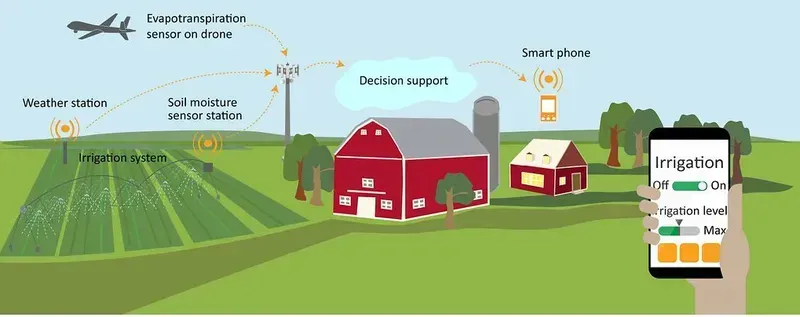
In an era where resource management is paramount, optimizing water usage in agriculture and landscaping is no longer a luxury but a necessity. Smart irrigation systems, powered by sophisticated control boards, are at the forefront of this revolution. These systems promise to deliver the right amount of water, at the right time, minimizing waste and maximizing efficiency. At Zero One Solution Limited, we understand the critical role that PCB solutions play in enabling these smart irrigation technologies. With our expertise in rapid prototyping and comprehensive PCB services, we empower innovators to develop cutting-edge irrigation solutions that address the pressing challenges of water conservation and sustainable agriculture. This article delves into the intricacies of smart irrigation control board solutions, exploring their benefits, key components, design considerations, and the crucial role Zero One Solution plays in bringing these solutions to life.
Introduction to Smart Irrigation Control Boards
Smart irrigation control boards are at the core of modern water management, transforming traditional, inefficient watering practices into precise, data-driven systems. These advanced electronic components integrate sensors, communication modules, and microcontrollers to autonomously regulate irrigation based on real-time environmental conditions, optimizing water usage and fostering sustainability. As global water scarcity intensifies, the imperative for water conservation has elevated smart irrigation from a luxury to a necessity, offering significant advantages over conventional methods by ensuring that water is applied only when and where it is truly needed, leading to substantial resource savings.
Defining Smart Irrigation Smart irrigation refers to automated watering systems that monitor environmental factors (such as soil moisture, precipitation, and temperature) and plant needs to deliver precise amounts of water at optimal times, eliminating guesswork and minimizing waste. Unlike traditional systems that operate on fixed schedules, smart irrigation adapts dynamically to changing conditions.
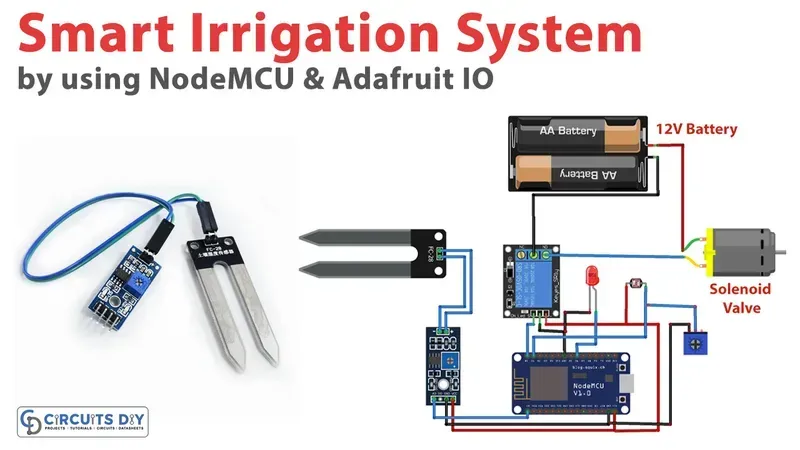
The Crucial Role of Control Boards The control board serves as the central processing unit of a smart irrigation system. It receives data from various sensors, processes this information, and then commands valves or pumps to activate or deactivate irrigation zones. This intelligent orchestration ensures water is delivered efficiently, preventing overwatering or underwatering, and promoting healthier landscapes or crops.
Feature
Smart Irrigation System
Traditional Irrigation System
Water Usage
Optimized, demand-driven
Fixed schedule, often wasteful
Control Method
Automated, data-driven
Manual or timer-based
Efficiency
High (up to 50% water savings)
Low (significant water loss)
Environmental Impact
Reduced runoff, less energy consumption
Increased runoff, higher energy use
Flexibility
Adapts to real-time weather/soil conditions
Rigid, unresponsive to changes
Maintenance
Predictive, fewer issues from over/underwatering
More frequent, reactive to issues
The benefits of adopting smart irrigation systems extend beyond mere water conservation. By reducing water consumption, these systems lead to lower utility bills for homeowners and significant operational cost savings for agricultural and commercial entities. Furthermore, optimized watering promotes healthier plant growth, leading to improved yields in agriculture and more vibrant landscapes. Environmentally, smart irrigation mitigates water runoff, reduces nutrient leaching into waterways, and conserves energy associated with pumping, making it a cornerstone of sustainable resource management. According to the EPA, smart irrigation controllers can reduce outdoor water use by 15-30%.
Key Benefits of Smart Irrigation Systems
Smart irrigation systems transcend traditional watering methods, offering a profound shift towards efficiency and sustainability in agriculture, landscaping, and environmental management. By precisely delivering water based on real-time data, these systems unlock a multitude of benefits that extend far beyond simple convenience, fundamentally transforming resource utilization and operational expenditure.Zero One Solution Limited, with its deep expertise in PCB solutions, understands that the core of these advantages lies in highly reliable and intelligently designed control boards that power these advanced systems.
Optimized Water Conservation At the forefront of smart irrigation benefits is unparalleled water conservation. By integrating advanced sensors (soil moisture, rainfall, temperature) and weather data, these systems irrigate only when and where necessary, significantly reducing water waste from overwatering, runoff, and evaporation. Studies by the EPA suggest that smart irrigation controllers can save an average of 8,800 gallons of water per year for typical residential landscapes, with agricultural applications seeing even more substantial savings, directly contributing to sustainable water resource management.
Reduced Operating Costs The direct consequence of efficient water usage is a substantial reduction in operational costs. Lower water bills, decreased energy consumption for pumping, and reduced labor for manual irrigation checks translate into significant financial savings for farms, commercial properties, and even residential users. Furthermore, optimized watering minimizes plant disease due to overwatering and nutrient leaching, cutting down on expenses related to plant replacement and chemical treatments.
Enhanced Crop Yields and Plant Health Smart irrigation systems provide a tailored watering regimen that ensures plants receive the precise amount of water they need for optimal growth. This eliminates the stress caused by both underwatering and overwatering, leading to healthier plants, improved vigor, and, critically, increased crop yields in agricultural settings. For landscaping, it results in more vibrant, resilient greenery that is better equipped to withstand environmental stresses.
Environmental Stewardship Beyond immediate economic benefits, smart irrigation plays a crucial role in environmental protection. By conserving water, it alleviates strain on local water supplies and reduces the energy footprint associated with water treatment and distribution. Preventing runoff also minimizes the leaching of fertilizers and pesticides into waterways, protecting ecosystems and promoting healthier soil. This commitment to sustainability aligns with global efforts to mitigate climate change and preserve natural resources.
Benefit Category
Impact on Users
Quantitative/Qualitative Outcome
Water Conservation
Reduced water consumption
Up to 50% water savings compared to traditional methods (source: Alliance for Water Efficiency)
Cost Savings
Lower utility bills, less labor
Average annual savings of $100-$300 for residential users; significant operational savings for agriculture
Crop/Plant Health
Optimal growth, reduced disease
15-30% increase in crop yield and improved plant vigor
Environmental Impact
Reduced runoff, energy savings
Decreased ecological footprint, less chemical pollution in waterways
Components of a Smart Irrigation Control Board
Smart Irrigation Control Board Components
A robust Smart Irrigation Control Board is the core intelligence of any modern water management system, orchestrating precise water delivery based on real-time environmental data. Its efficacy hinges on a sophisticated interplay of specialized components, each meticulously selected and integrated to ensure optimal performance, reliability, and efficiency in diverse agricultural and landscaping applications. Understanding these fundamental building blocks is crucial for both design and deployment.
Component Type
Description
Role in Smart Irrigation
Key Considerations
Microcontroller (MCU)
The brain of the control board, processing data and executing irrigation schedules.
Analyzes sensor data, manages communication, and controls actuators (valves, pumps).
Provide real-time data on soil moisture, temperature, humidity, rainfall, and flow rate for informed irrigation decisions.
Accuracy, reliability, durability in harsh environments, calibration requirements, communication interface (analog, digital, I2C, SPI).
Communication Modules
Enables data exchange with external networks or devices.
Facilitates remote monitoring, control, and data logging (e.g., via smartphone apps or cloud platforms).
Range, power consumption, data rate, network availability (Wi-Fi, Bluetooth, LoRaWAN, Cellular), security protocols, antenna design.
Power Management Circuits These circuits regulate and distribute power to all components, ensuring stable operation and maximizing battery life in remote or off-grid installations. Key elements include voltage regulators, battery charging ICs, and power-saving modes to optimize energy consumption, which is critical for sustainable, long-term deployments, especially those relying on solar power.
User Interface (UI) Elements Comprising elements like LCD screens, buttons, or touch panels, these allow for local configuration, status display, and manual override. A well-designed UI enhances usability and provides critical feedback, making the system accessible even without remote connectivity.
Design Considerations for Smart Irrigation PCB Solutions
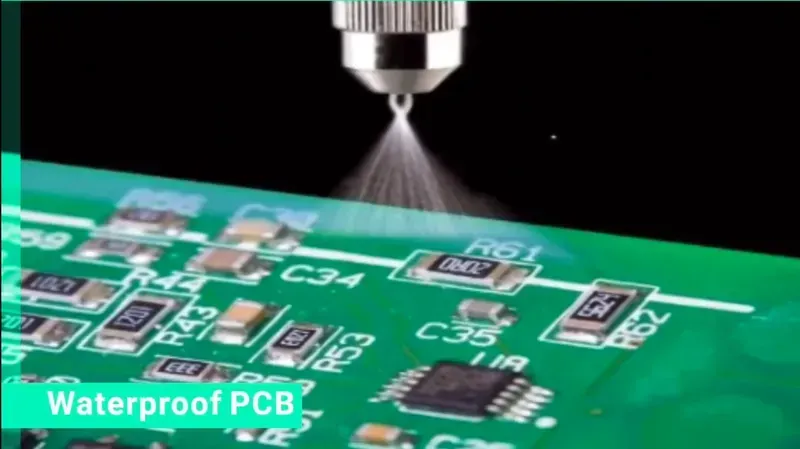
Waterproof Smart Irrigation PCB
Designing a robust and reliable PCB for smart irrigation control boards is paramount for system longevity and performance in often challenging outdoor environments. Critical design considerations extend beyond mere functionality, encompassing aspects such as sensor integration, efficient wireless communication, optimized power management, and stringent environmental protection. A well-engineered PCB ensures accurate data acquisition, seamless communication, and sustained operation, directly impacting the effectiveness of water conservation and agricultural productivity.
Sensor Integration and Signal Integrity Accurate and reliable data from moisture, temperature, and flow sensors is fundamental for intelligent irrigation decisions. PCB design must prioritize signal integrity to minimize noise and interference, especially for low-voltage analog signals. This involves careful component placement, proper grounding techniques, and differential routing where necessary. Considerations for various sensor interfaces (analog, I2C, SPI) and their respective power requirements are also crucial.
Wireless Communication Optimization Smart irrigation systems heavily rely on wireless communication (Wi-Fi, Bluetooth, LoRaWAN, cellular) for remote control and data transmission. The PCB design must accommodate the specific antenna requirements for chosen communication modules, ensuring optimal signal strength and range while minimizing interference from other onboard components. Proper impedance matching and careful trace routing are essential for maximizing wireless performance and reducing power consumption.
Power Efficiency and Management For battery-powered or solar-powered smart irrigation systems, power efficiency is a critical design driver. The PCB must incorporate efficient power management circuits, including low-dropout (LDO) regulators, switching regulators (buck/boost converters), and sleep modes for microcontrollers and peripherals. Minimizing quiescent current and optimizing power delivery to various components directly extends battery life and reduces operational costs.
Environmental Protection (Waterproofing, UV Resistance) Smart irrigation control boards are exposed to harsh outdoor conditions, including moisture, rain, dust, and UV radiation. The PCB design must account for environmental protection through conformal coatings, sealed enclosures, and potentially potting. Component selection should consider industrial-grade parts with extended temperature ranges and robust packaging. UV-resistant soldermasks and materials further enhance durability.
Regulatory Compliance and Certifications Adherence to international and regional regulatory standards (e.g., FCC, CE, RoHS, IP ratings) is non-negotiable for commercial smart irrigation products. PCB design must incorporate best practices for EMC/EMI compliance, including proper shielding, filtering, and layout considerations to prevent unwanted emissions and ensure immunity. Early consideration of these requirements streamlines the certification process and ensures market readiness.
Wireless Communication Technologies for Remote Irrigation Control
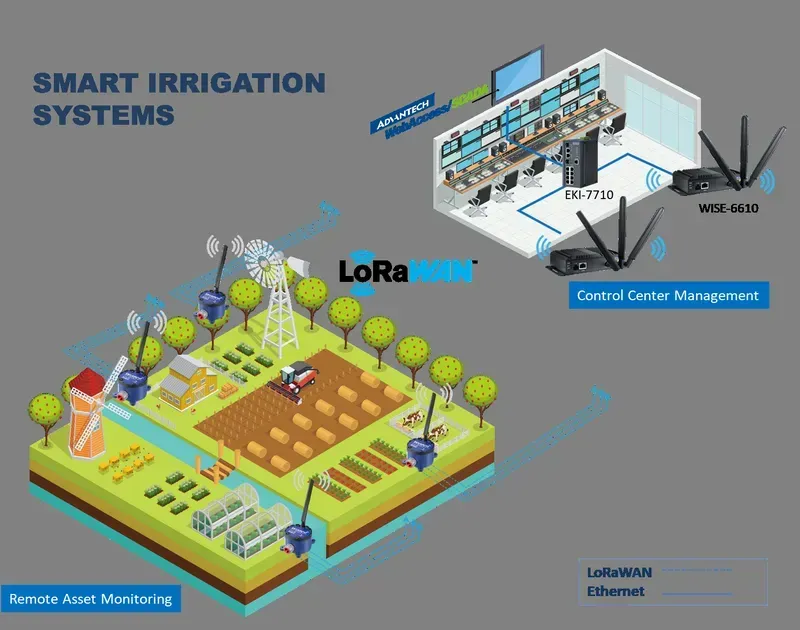
LoRaWAN Wireless Irrigation Module
Remote irrigation control, a cornerstone of smart agriculture, critically relies on robust and efficient wireless communication. The choice of technology dictates a system's range, power consumption, data transfer capabilities, and ultimately, its deployment viability and scalability. Selecting the optimal wireless protocol ensures seamless data flow from sensors to control units and enables remote management, leading to significant water savings and operational efficiencies.
Technology
Key Advantages
Key Disadvantages
Typical Use Cases
Wi-Fi
High data throughput, ubiquitous infrastructure, easy integration with existing IP networks.
High power consumption, limited range (typically 50-100m outdoors), susceptible to interference.
Residential smart irrigation, small to medium-sized farms with existing Wi-Fi coverage for localized control and real-time data streaming.
Bluetooth Low Energy (BLE)
Extremely low power consumption, cost-effective, short-range secure connections.
Very limited range (up to 100m line-of-sight), low data throughput, point-to-point or mesh network limitations.
Local configuration and control via smartphone, sensor data collection within close proximity, personal garden systems, or small agricultural plots.
LoRaWAN
Long range (up to 15km in rural areas), ultra-low power consumption, ideal for sparse data transmission.
Lower data throughput compared to Wi-Fi/cellular, requires LoRaWAN gateway infrastructure, latency for critical real-time commands.
Large-scale agricultural farms, vineyards, remote field monitoring, smart city irrigation, where sensors are widely dispersed and infrequent data updates are sufficient.
Cellular (4G/LTE/5G)
Extensive coverage, high data throughput, reliable for real-time applications, no need for local gateways.
Higher operational cost (data plans), higher power consumption than LoRaWAN/BLE, complex module integration for power efficiency.
Large commercial farms, precision agriculture, remote critical infrastructure, areas without Wi-Fi or LoRaWAN infrastructure where constant connectivity and high data volume are required.
Each wireless technology presents a unique trade-off between range, power efficiency, data rate, and cost. For instance, while Wi-Fi offers high bandwidth, its power demands and range limitations make it less suitable for expansive, battery-powered deployments. Conversely, LoRaWAN excels in long-range, low-power scenarios, perfect for transmitting small packets of sensor data over vast agricultural lands. Cellular networks provide unparalleled coverage and data rates, albeit at a higher operational cost, making them ideal for mission-critical applications or areas lacking local network infrastructure. The optimal choice for a smart irrigation control board solution hinges on a meticulous evaluation of the specific application's environmental conditions, data requirements, power budget, and scalability needs.
Zero One Solution's PCB Solutions for Smart Irrigation
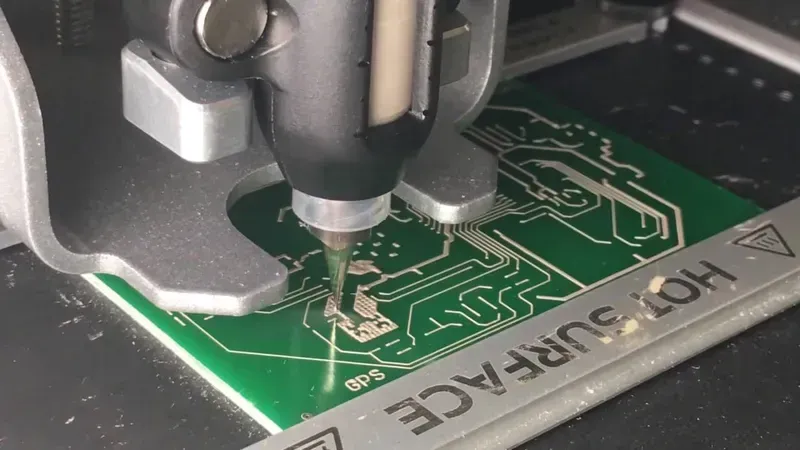
PCB Rapid Prototyping
Zero One Solution Limited stands as a premier partner for developing robust and efficient Printed Circuit Board (PCB) solutions tailored for the intricate demands of smart irrigation control boards. Leveraging over a decade of expertise in rapid prototyping, design, manufacturing, and assembly, we empower innovators to transform advanced irrigation concepts into market-ready products with unparalleled speed and precision. Our commitment to high-performance, reliability, and environmental resilience ensures that your smart irrigation systems can withstand the most demanding agricultural and landscaping conditions, driving water conservation and operational efficiency worldwide.
Rapid Prototyping and Iteration We specialize in accelerated prototype development for smart irrigation PCBs, drastically reducing lead times from concept to functional hardware. This rapid iteration capability allows engineers to quickly test and refine designs, ensuring optimal performance and cost-effectiveness before full-scale production. Our streamlined processes support agile development cycles critical for competitive product launches.
Comprehensive PCB Design and Engineering Our expert design team provides end-to-end PCB design services, specifically addressing the unique requirements of smart irrigation systems. This includes meticulous layout for sensor integration, robust wireless communication modules, efficient power management circuits, and designs optimized for harsh outdoor environments, incorporating features like waterproofing and UV resistance. We ensure designs meet industry standards and regulatory compliance (e.g., IP ratings for environmental protection).
Advanced Manufacturing Capabilities Zero One Solution utilizes state-of-the-art manufacturing facilities to produce high-quality PCBs for smart irrigation control. Our capabilities encompass a wide range of materials and technologies, including multi-layer boards, HDI (High-Density Interconnect) for compact designs, and specialized substrates for thermal management. We maintain stringent quality control throughout the manufacturing process to guarantee consistent product excellence and reliability, even under continuous outdoor exposure.
Optimized sensor integration, robust communication pathways, efficient power delivery, and environmental resilience (water/dust protection).
Rapid Prototyping
Accelerated fabrication of initial PCB samples.
Fast iteration and validation of design concepts, significantly shortening product development cycles for quick market entry with innovative solutions.
Rigorous Assembly and Testing Beyond manufacturing, we offer comprehensive PCB assembly (PCBA) services, including Surface Mount Technology (SMT) and Through-Hole Technology (THT), followed by rigorous testing protocols. This includes In-Circuit Testing (ICT), Functional Testing (FCT), and environmental stress screening to validate the performance and durability of smart irrigation control boards under real-world conditions, minimizing field failures and ensuring long-term operational stability.
Case Studies: Successful Smart Irrigation Projects Using Zero One Solution PCBs
Smart Irrigation Project Site
Zero One Solution Limited consistently delivers robust PCB solutions that drive tangible improvements in smart irrigation systems. Our commitment to rapid prototyping and high-quality manufacturing enables innovators to bring their advanced irrigation control boards to market swiftly, resulting in significant water savings, operational cost reductions, and optimized agricultural output. Below are examples showcasing how our bespoke PCB solutions have empowered real-world smart irrigation advancements.
Large-Scale Agricultural Farm in California A prominent agricultural enterprise in California partnered with Zero One Solution to develop a custom PCB for their precision irrigation system, which integrates soil moisture sensors, weather station data, and predictive analytics. Our high-reliability PCBs, designed for outdoor environments, ensured seamless data acquisition and precise valve control across thousands of acres. The implementation led to a verified 30% reduction in water consumption compared to traditional methods, alongside a 15% increase in crop yield due to optimized watering schedules. Our rapid prototyping capabilities were crucial in accelerating their system deployment by 4 months, providing a significant competitive edge during peak growing seasons. This project demonstrated the impact of robust PCB foundations on large-scale agricultural efficiency and sustainability, directly improving both water management and profitability for the farm.
The Future of Smart Irrigation: Trends and Innovations
The trajectory of smart irrigation is continually evolving, driven by advancements in artificial intelligence, IoT, and data analytics. These innovations are reshaping water management practices, promising unprecedented efficiency and sustainability in agriculture and landscaping. As a leading PCB solution provider, Zero One Solution Limited remains at the forefront, designing control boards that enable these next-generation irrigation systems to thrive.
AI-Powered Irrigation Optimization Artificial Intelligence is set to revolutionize smart irrigation by enabling highly predictive and adaptive systems. AI algorithms can analyze vast datasets, including hyper-local weather forecasts, soil moisture levels, crop growth stages, and historical water usage, to determine the precise amount and timing of irrigation. This goes beyond reactive adjustments, moving towards proactive optimization that minimizes waste and maximizes plant health. For instance, AI can learn from past irrigation cycles to identify patterns and predict future water needs, leading to more intelligent decision-making than rule-based systems. A study published in "Agricultural Water Management" (2022) highlighted that AI-driven irrigation systems could reduce water consumption by 20-30% compared to traditional smart systems, while simultaneously increasing crop yields by optimizing water delivery during critical growth phases. Such systems often utilize advanced machine learning models deployed on robust control boards, demanding high-performance and reliable PCB designs capable of handling complex computational loads and diverse sensor inputs.
Drone-Based Monitoring and Precision Application Drones equipped with multispectral, thermal, and high-resolution cameras are becoming integral to future smart irrigation. These unmanned aerial vehicles (UAVs) can rapidly collect detailed data on plant health, stress levels, and soil conditions across vast agricultural fields. This aerial perspective allows for the identification of specific zones requiring irrigation or nutrient application, enabling highly localized and precise water delivery. Instead of irrigating an entire field uniformly, drone data can inform a variable rate irrigation (VRI) system, delivering water only where and when it's needed most. This granular approach drastically reduces water waste and can mitigate issues like overwatering in specific areas. For example, a research paper by the Journal of Unmanned Vehicle Systems (2023) demonstrated that drone-assisted irrigation management could achieve water savings of up to 15% in large-scale farms while improving crop uniformity. The control boards supporting these drone-integrated systems must facilitate high-speed data transfer from sensors, robust communication with ground control stations, and precise control over irrigation actuators.
Integration with Smart Home/City Ecosystems The future of smart irrigation extends beyond individual farms or gardens, integrating seamlessly into broader smart home and smart city frameworks. For smart homes, this means irrigation systems can communicate with other smart devices, like weather stations or home automation hubs, to optimize water usage based on holistic environmental data and user schedules. In smart cities, large-scale irrigation systems for parks, public spaces, and urban farms can be centrally managed and optimized, contributing to urban resilience and sustainability goals. For example, a smart city platform might use real-time traffic data, public event schedules, and hyper-local microclimate information to dynamically adjust irrigation for urban green spaces. This interconnectedness leverages shared data resources to enhance efficiency. The control boards facilitating such integration require advanced networking capabilities, robust security protocols, and compatibility with various communication standards (e.g., Matter, Zigbee, city-wide LoRaWAN networks). Zero One Solution's expertise in designing highly compatible and secure PCBs is crucial for enabling this level of interoperability.
These emerging trends underscore a shift towards more intelligent, adaptive, and interconnected irrigation solutions. The demand for sophisticated, reliable, and environmentally resilient PCB solutions will continue to grow, making Zero One Solution Limited a pivotal partner in shaping the future of smart irrigation and sustainable water management.
Frequently Asked Questions About Smart Irrigation Control Boards and PCB Solutions
Navigating the complexities of smart irrigation control boards and their underlying PCB solutions can raise numerous questions. This section addresses common inquiries, providing clear, authoritative answers to help you better understand the technology and Zero One Solution Limited's role in advancing these innovations.
What exactly is a smart irrigation control board? A smart irrigation control board is the central processing unit of an intelligent irrigation system. It leverages microcontrollers, sensors (e.g., soil moisture, temperature, rainfall), and communication modules to automate and optimize watering schedules based on real-time environmental data and plant needs, significantly reducing water waste compared to traditional timers. Its core function is to analyze data and command irrigation components like valves and pumps precisely.
How do PCBs enable the intelligence in smart irrigation systems? Printed Circuit Boards (PCBs) are fundamental to smart irrigation systems as they provide the physical platform for all electronic components to connect and communicate. For smart irrigation, PCBs integrate microcontrollers for data processing, sensor interfaces for environmental monitoring, power management circuits for efficient energy use, and wireless communication modules (Wi-Fi, LoRaWAN) for remote control. A well-designed PCB ensures the reliability, efficiency, and robustness of the control board in varying environmental conditions.
What are the critical design considerations for smart irrigation control board PCBs? Key design considerations for smart irrigation control board PCBs include robust environmental protection (e.g., waterproofing, UV resistance) to withstand outdoor conditions, optimized power efficiency for battery-powered systems, seamless integration of diverse sensors, reliable wireless communication module placement for strong signal integrity, and adherence to relevant industry standards and certifications (e.g., IP ratings for dust and water protection). These factors ensure longevity and performance in demanding agricultural or landscaping environments.
What wireless technologies are best suited for remote irrigation control? The optimal wireless technology for remote irrigation control depends on range, power consumption, and data throughput requirements. Wi-Fi is excellent for short-to-medium ranges with high data needs. Bluetooth is ideal for very short-range, low-power applications. LoRaWAN excels in long-range, low-power scenarios, perfect for expansive agricultural fields with minimal data transmission. Cellular (4G/LTE) offers wide coverage for remote locations but typically consumes more power. The choice is often a trade-off between these parameters and the specific application's scale and environment.
How does Zero One Solution Limited ensure high-performance PCBs for smart irrigation? Zero One Solution Limited ensures high-performance PCBs for smart irrigation through a comprehensive approach. We utilize advanced design tools for optimal layout and signal integrity, employ high-quality materials resistant to environmental factors, implement rigorous manufacturing processes including precise component placement and soldering, and conduct thorough testing (e.g., functional testing, environmental stress screening) to guarantee reliability and durability. Our rapid prototyping capabilities also allow for quick iterations and optimization, ensuring that the final PCB solution meets the most demanding performance criteria for smart irrigation systems.
In conclusion, smart irrigation control board solutions represent a significant leap forward in efficient water management. By leveraging advanced technologies and data-driven insights, these systems optimize water usage, reduce waste, and promote sustainable agricultural practices. Zero One Solution Limited is committed to providing the PCB solutions that underpin these innovative systems, empowering our clients to create a greener, more sustainable future. Whether you're developing a new smart irrigation system or seeking to enhance an existing one, we invite you to partner with Zero One Solution and leverage our expertise to bring your vision to life. Contact us today to discuss your project and discover how our PCB solutions can help you achieve your goals.
Share this article with your network to spread awareness about the importance of smart irrigation and the role of advanced PCB solutions in enabling sustainable water management practices. Comment below with your thoughts and experiences with smart irrigation systems.