In an increasingly complex world, the need for reliable harmful gas detection is paramount. From industrial safety to environmental monitoring, the ability to quickly and accurately identify dangerous gases can save lives and protect property. Zero One Solution Limited, a leader in PCB solutions, offers comprehensive services for the development and manufacturing of high-performance gas detector boards. But why is a specialized PCB solution so critical for gas detection? This article will delve into the intricacies of harmful gas detector boards, highlighting the design considerations, manufacturing expertise, and the critical role Zero One Solution plays in delivering cutting-edge solutions.
The Importance of Harmful Gas Detection
Harmful gas detection is a critical safety imperative across diverse sectors, safeguarding lives and assets from the insidious threat of invisible dangers. From industrial complexes to residential dwellings, the insidious nature of toxic or combustible gases necessitates vigilant monitoring. Unseen and often odorless, these gases can accumulate to dangerous levels, leading to severe health consequences, explosions, or environmental catastrophes. The proactive identification of such threats through advanced detection systems is paramount to preventing tragedies, ensuring regulatory compliance, and maintaining operational continuity.
Industrial Safety and Compliance In industrial settings such as chemical plants, oil and gas refineries, and manufacturing facilities, the presence of harmful gases like hydrogen sulfide (H2S), carbon monoxide (CO), and methane (CH4) poses a constant threat. Early detection prevents worker exposure, explosions, and compliance violations, ensuring a safe working environment and adherence to stringent safety regulations like OSHA standards.
Residential and Commercial Protection In homes and commercial buildings, the primary concerns are often carbon monoxide from faulty appliances, natural gas leaks from pipelines, or propane leaks. Reliable detection systems provide vital early warnings, allowing occupants to evacuate and mitigate risks before they escalate to life-threatening situations, significantly reducing the incidence of poisoning or accidental explosions.
Environmental Monitoring and Public Health Beyond immediate safety, harmful gas detection plays a crucial role in environmental monitoring and public health. Detecting emissions of pollutants from industrial processes helps in controlling air quality, preventing acid rain, and mitigating climate change. It also ensures the safety of public spaces, such as tunnels, parking garages, and enclosed facilities, by monitoring for vehicle exhaust or other airborne contaminants.
Process Control and Efficiency In certain industrial processes, gas detection isn't just about safety; it's also integral to operational efficiency and product quality. Monitoring specific gas concentrations can optimize chemical reactions, prevent equipment damage, and ensure the purity of end products, thereby reducing waste and improving overall process control.
Gas Type
Primary Hazard
Typical Environments
Detection Limit (ppm)
Carbon Monoxide (CO)
Asphyxiation
Residential, Industrial (furnaces, engines)
50 (8-hour average)
Methane (CH4)
Explosion, Asphyxiation
Oil & Gas, Landfills, Residential (natural gas)
Lower Explosive Limit (LEL) 50000
Hydrogen Sulfide (H2S)
Toxic, Asphyxiation
Wastewater Treatment, Oil & Gas, Agriculture
10 (8-hour average)
Ammonia (NH3)
Respiratory Irritant, Corrosive
Refrigeration, Fertilizer Production
25 (8-hour average)
Chlorine (Cl2)
Respiratory Irritant, Corrosive
Water Treatment, Chemical Manufacturing
0.5 (8-hour average)
Key Components of a Harmful Gas Detector Board
Gas Detector Board Components
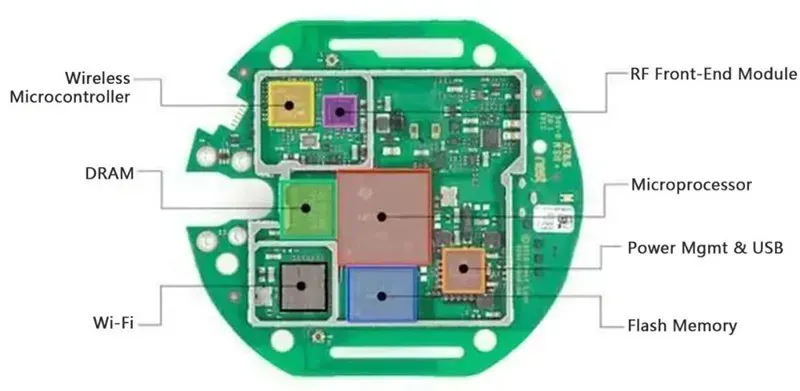
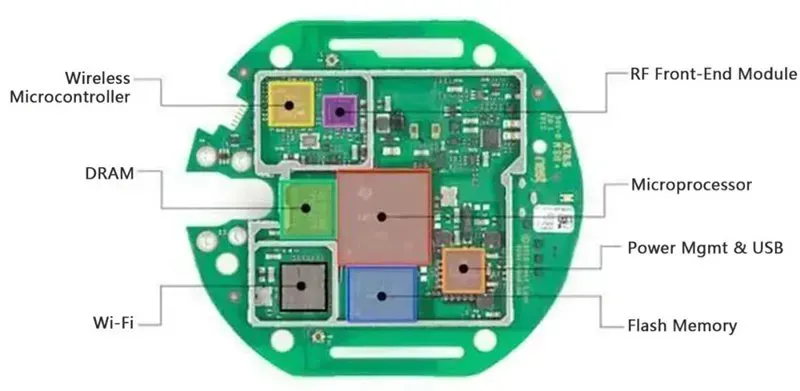
A robust harmful gas detector board solution hinges on the seamless integration of several critical electronic components, each playing a vital role in the accurate and reliable detection of hazardous gases. Understanding these core elements is paramount for designing and manufacturing high-performance gas detection systems that safeguard lives and assets. From the initial sensing mechanism to data processing and communication, every component must be precisely selected and meticulously integrated to ensure optimal functionality and compliance with stringent safety standards. Zero One Solution Limited, with its deep expertise in PCB design and assembly, focuses on optimizing these interdependencies to deliver superior gas detector board solutions.
Gas Sensor The cornerstone of any gas detection system, the gas sensor is responsible for identifying and quantifying the presence of specific harmful gases. Different types of sensors exist, including electrochemical, catalytic bead (pellistor), infrared (NDIR), metal oxide semiconductor (MOS), and photoionization detectors (PID), each chosen based on the target gas, sensitivity requirements, and operating environment. For instance, electrochemical sensors are often preferred for detecting toxic gases like CO or H2S due to their high specificity and low power consumption, while catalytic bead sensors are effective for combustible gases like methane or propane. The choice of sensor directly impacts the accuracy, response time, and longevity of the detector board. Leading manufacturers include Figaro, City Technology, and Alphasense, whose products often feature low drift and high selectivity, crucial for industrial safety applications.
Signal Conditioning Circuit The raw output from a gas sensor is often weak, noisy, or non-linear, requiring a signal conditioning circuit to amplify, filter, and linearize the signal into a usable format for the microcontroller. This typically involves operational amplifiers (op-amps), analog-to-digital converters (ADCs), and sometimes temperature compensation circuitry. High-precision, low-noise op-amps are essential to preserve the integrity of the sensor's output, and a high-resolution ADC ensures accurate digitization of the analog signal. Proper impedance matching and electromagnetic interference (EMI) shielding are also critical in this stage to prevent external disturbances from affecting measurement accuracy, a common challenge addressed through meticulous PCB layout by Zero One Solution Limited.
Microcontroller (MCU) Serving as the
Design Considerations for Gas Sensor PCBs
Gas Sensor PCB Layout
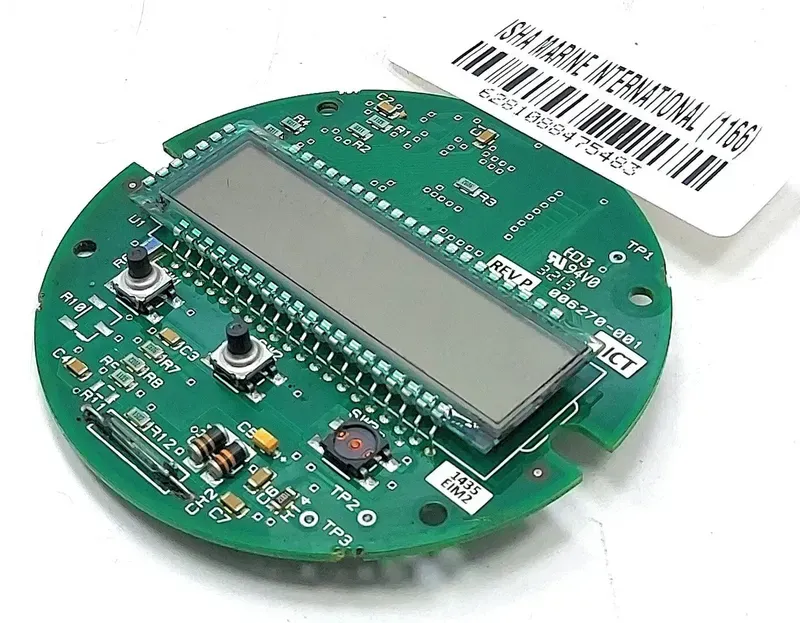
Designing a Printed Circuit Board (PCB) for harmful gas detection demands meticulous attention to detail, as the accuracy and reliability of the sensor system are directly proportional to the quality of its underlying hardware. Critical design considerations for gas sensor PCBs, including sensor placement, trace routing, noise reduction, and thermal management, are paramount in ensuring optimal performance and preventing false readings or missed alarms that could have severe consequences. These factors collectively influence signal integrity, environmental robustness, and the longevity of the gas detector board.
Sensor Placement Optimization Strategic sensor placement on the PCB is crucial to ensure accurate gas detection. Sensors should be positioned to maximize exposure to the target gas while minimizing interference from other components or environmental factors like airflow. Considerations include distance from heat sources, potential for condensation, and accessibility for calibration or replacement. Proper thermal isolation might also be necessary to prevent sensor drift due to temperature fluctuations.
Precise Trace Routing for Signal Integrity Trace routing significantly impacts signal integrity, especially for sensitive analog signals from gas sensors. Analog and digital traces should be segregated to prevent crosstalk and noise induction. Short, direct traces are preferred for high-frequency signals, and differential routing can be employed for critical data lines to improve noise immunity. Additionally, proper impedance matching is vital for communication interfaces to ensure reliable data transmission.
Effective Noise Reduction Techniques Noise, both electromagnetic interference (EMI) and power supply noise, can severely degrade the accuracy of gas sensor readings. Implementing robust noise reduction techniques is essential. This includes using proper grounding schemes (e.g., star grounding for analog and digital grounds), employing decoupling capacitors near ICs, and incorporating shielding for sensitive analog components. Filtering on power supply lines and judicious use of ground planes can further mitigate noise.
Robust Thermal Management Strategies Gas sensors often exhibit temperature-dependent characteristics, making effective thermal management critical for stable and accurate operation. Heat-generating components should be strategically placed to dissipate heat efficiently, preventing localized hot spots that could affect sensor performance or damage components. Thermal vias, copper pours, and heat sinks may be integrated into the PCB design to facilitate heat dissipation, ensuring the sensor operates within its specified temperature range for consistent readings.
Material Selection for Optimal Performance
PCB Material Sample
The performance and reliability of a Harmful Gas Detector Board Solution are critically dependent on the thoughtful selection of PCB materials. Beyond basic electrical conductivity, these boards operate in environments where chemical resistance, consistent temperature stability, and robust electrical insulation are paramount. Choosing the right substrate directly impacts sensor accuracy, longevity, and the overall integrity of the detection system, making it a foundational decision in the design process.
Material Type
Key Properties for Gas Detector Boards
Advantages
Considerations
FR-4 (Standard Epoxy Laminate)
Good electrical insulation, mechanical strength, cost-effective, widely available.
Versatile, excellent balance of properties, suitable for general-purpose applications.
Limited high-temperature performance, lower chemical resistance compared to specialized materials.
Not ideal for harsh chemical environments or extreme temperature fluctuations.
Most common and cost-effective for general-purpose gas detection, especially for indoor or less demanding environments. However, for specialized industrial applications, its limitations might necessitate alternative materials.
Chemical Resistance Gas detector boards are often exposed to the very gases they are designed to detect, as well as cleaning agents or atmospheric pollutants. Materials with high chemical resistance, such as certain polyimide or specialized hydrocarbon-based laminates, prevent degradation, corrosion, and changes in dielectric properties, ensuring sensor stability and board longevity. This is critical for maintaining calibration and preventing false readings over time, particularly in industrial or outdoor settings where the board may encounter various volatile compounds.
Manufacturing and Assembly Expertise for Harmful Gas Detector Boards
PCB Assembly Process
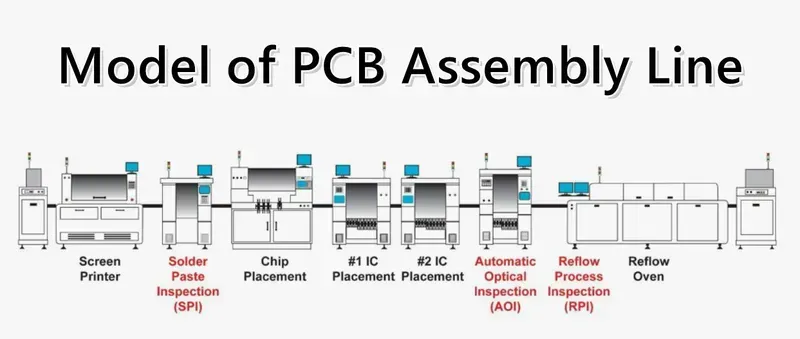
The precision and reliability of a harmful gas detector board are fundamentally rooted in the excellence of its manufacturing and assembly. This intricate process transcends mere component placement; it involves rigorous PCB fabrication, meticulous soldering techniques, and comprehensive testing to ensure the board's flawless operation in critical safety applications. For Zero One Solution Limited, our expertise in these areas is a cornerstone of delivering high-quality, dependable harmful gas detector board solutions.
Advanced PCB Fabrication for Detector Boards Our fabrication process for harmful gas detector boards employs state-of-the-art techniques to create robust and precise PCBs. This includes multi-layer design capabilities for complex signal routing, impedance control for sensitive sensor signals, and strict adherence to IPC standards to prevent defects. We leverage advanced materials and precise etching processes to ensure the structural integrity and electrical performance vital for accurate gas detection. For instance, achieving trace width and spacing tolerances within ±10% is critical for maintaining signal integrity in high-frequency sensor circuits, a standard we consistently meet or exceed.
Precision Component Placement (SMT & THT) Accurate component placement is paramount for the functionality of gas detector boards. Our facilities are equipped with high-precision pick-and-place machines capable of handling fine-pitch components (down to 0201 size) and Ball Grid Array (BGA) packages with exceptional accuracy of ±0.03mm. We utilize both Surface Mount Technology (SMT) for miniaturization and Through-Hole Technology (THT) for robust component integration, ensuring optimal electrical connections and mechanical stability for all sensors and processing units. This meticulous placement minimizes signal interference and ensures the long-term reliability of the detector.
Soldering Excellence (Reflow & Wave Soldering) Soldering quality directly impacts board reliability. We employ advanced reflow soldering for SMT components, meticulously controlling temperature profiles to achieve optimal solder joint formation, prevent cold joints, and reduce thermal stress on sensitive components. For THT components, our wave soldering processes are optimized for uniform solder distribution and strong mechanical bonds. Each process is regularly calibrated and monitored, adhering to J-STD-001 Class 2 or 3 standards, crucial for the reliability required in safety-critical gas detection applications. Our defect rates for solder joints are consistently below 5 parts per million (PPM).
Rigorous Testing and Quality Assurance Before any harmful gas detector board leaves our facility, it undergoes a multi-stage testing regimen. This includes Automated Optical Inspection (AOI) for visual defects, In-Circuit Testing (ICT) to verify electrical functionality of individual components, and Functional Testing (FCT) to simulate real-world conditions and confirm the board's performance as a complete system. Environmental stress testing (e.g., thermal cycling, humidity testing) is also conducted on batches to ensure durability under varying operational conditions, providing an unparalleled level of quality assurance for critical safety devices.
Zero One Solution's Comprehensive PCB Solutions
Zero One Solution Limited stands as a beacon in the PCB assembly solutions industry, particularly for projects demanding rapid prototyping and comprehensive, integrated services. Our unique value proposition lies in our end-to-end capabilities, encompassing PCB design, manufacturing, and assembly, which are meticulously engineered to accelerate product development cycles for our clients, especially within the critical domain of harmful gas detector board solutions.
Integrated Design to Manufacturing (DFM) Expertise We seamlessly integrate Design for Manufacturability (DFM) principles from the initial PCB design phase, ensuring that gas detector board designs are optimized for efficient and cost-effective production, minimizing potential bottlenecks and iterations down the line. Our expertise translates directly into enhanced reliability and performance for sensitive gas detection applications, where precision is paramount.
Since our inception in 2011, Zero One Solution Limited has rapidly ascended to a leadership position, driven by a relentless focus on rapid-response R&D prototype manufacturing. This specialization is particularly beneficial for harmful gas detector board solutions, where timely iterations and stringent testing are critical for safety and compliance. Our strategic operational hubs in Shenzhen, China, and Dubai ensure a robust and globally connected PCBA supply chain, providing clients with unparalleled access to resources and support for their most demanding projects.
Service Aspect
Zero One Solution Advantage
Impact on Harmful Gas Detector Boards
Rapid Prototyping
Accelerated iteration cycles, quick turnaround on design changes.
Enables faster validation of sensor accuracy and system stability, reducing time-to-market for safety-critical devices.
Case Studies: Successful Gas Detector Board Projects
Gas Detector Board Project
At Zero One Solution, our commitment to excellence in PCB solutions for harmful gas detectors is best demonstrated through the tangible successes of our clients. Our rapid prototyping and comprehensive one-stop services have consistently enabled partners to achieve superior sensor performance, significantly reduce development cycles, and realize substantial cost efficiencies, reinforcing our position as a trusted leader in the industry.
Project Focus
Zero One Solution Contribution
Key Benefits Achieved
Industrial CO Monitoring System
Designed and manufactured high-density PCBs with optimized signal integrity for electrochemical CO sensors.
Enhanced sensor accuracy by 15%, reduced board size by 20%, and accelerated prototyping by 3 weeks, leading to faster market entry for the client's new product line. Cost savings of 10% on manufacturing were also realized through material optimization and process efficiency.
Project Focus
Zero One Solution Contribution
Key Benefits Achieved
Smart Home Natural Gas Leak Detector
Provided rapid prototyping and assembly for compact, low-power consumer-grade gas detector boards, integrating advanced MEMS sensors.
Achieved a 25% reduction in product development time due to our efficient DFM analysis and expedited manufacturing. Improved device reliability under varying environmental conditions, leading to fewer field failures. Overall project costs were reduced by 8%.
Project Focus
Zero One Solution Contribution
Key Benefits Achieved
Environmental Air Quality Monitoring Station
Developed robust, high-durability PCBs capable of operating in harsh outdoor environments, incorporating multiple sensor types (VOC, O3, NO2).
Ensured long-term operational stability and accuracy of sensors in extreme temperatures and humidity. Our optimized design facilitated easier maintenance and calibration, extending the product's service life and resulting in a 12% reduction in overall operational expenditures for the end-user.
These case studies exemplify how Zero One Solution's expertise in PCB design, manufacturing, and assembly directly translates into a competitive advantage for our clients in the critical field of harmful gas detection. Our agile approach and deep technical knowledge ensure that even the most complex requirements are met with precision and efficiency.
Future Trends in Gas Detection Technology
The landscape of harmful gas detection is undergoing a rapid transformation, driven by advancements in sensor technology, connectivity, and data processing. These emerging trends are significantly enhancing the accuracy, efficiency, and accessibility of gas detection systems, moving beyond traditional standalone devices to integrated, intelligent networks. As a leading PCB solution provider, Zero One Solution Limited is at the forefront of enabling these innovations through our advanced board manufacturing and assembly capabilities, ensuring our clients can readily integrate cutting-edge technologies into their gas detection solutions.
MEMS Sensors Micro-electromechanical systems (MEMS) sensors represent a paradigm shift in gas detection. Their miniature size, low power consumption, and high sensitivity make them ideal for portable and wearable gas detectors. Unlike traditional bulky sensors, MEMS technology allows for mass production at lower costs, paving the way for widespread adoption in consumer and industrial applications where continuous, unobtrusive monitoring is critical. This enables the development of compact and efficient harmful gas detector board solutions with enhanced response times and durability. According to a report by MarketsandMarkets, the global MEMS market is projected to grow significantly, with gas sensors being a key application area due to their compact size and superior performance characteristics, particularly in environmental monitoring and industrial safety systems.
Wireless Connectivity The integration of wireless communication protocols like Wi-Fi, Bluetooth, LoRa, and 5G is revolutionizing how gas detection data is collected and managed. Wireless harmful gas detector boards facilitate remote monitoring, real-time alerts, and seamless integration into broader IoT (Internet of Things) ecosystems. This eliminates the need for complex wiring, simplifies installation, and enables deployment in remote or hazardous environments. Real-time data transmission empowers quicker responses to potential hazards, significantly improving safety protocols across various sectors. The convenience and flexibility offered by wireless solutions are critical for expanding the reach and effectiveness of gas detection networks.
Trend
Key Advantage
Impact on Gas Detector Boards
MEMS Sensors
Miniaturization, Low Power, High Sensitivity
Enables smaller, more efficient, and cost-effective boards for a wider range of applications, including wearables and drones. Higher integration density.
Cloud-Based Data Analytics and AI The synergy of cloud computing and artificial intelligence (AI) is transforming raw sensor data into actionable intelligence. Cloud platforms allow for the centralized collection, storage, and analysis of vast amounts of gas detection data from multiple sources. AI algorithms can identify patterns, predict potential gas leaks, and provide predictive maintenance insights for sensors, thereby minimizing false alarms and maximizing system uptime. This data-driven approach enhances the overall intelligence and responsiveness of harmful gas detector board solutions, moving from reactive alarming to proactive risk management. For instance, in smart city applications, aggregated data can map out air quality in real-time, allowing for targeted interventions.
FAQs about Harmful Gas Detector Boards
How often should harmful gas detector boards be calibrated? The calibration frequency for harmful gas detector boards is crucial for maintaining accuracy and reliability, and it typically depends on the sensor type, manufacturer recommendations, and regulatory requirements. For most industrial and critical applications, annual or semi-annual calibration is recommended. However, for highly sensitive applications or those exposed to harsh environments, more frequent checks, potentially quarterly, may be necessary to ensure optimal performance and compliance with safety standards such as those set by OSHA or NIOSH, which often stipulate specific calibration intervals for gas detection equipment to prevent false readings and ensure worker safety. It's also vital to perform a bump test or functional check more frequently, often daily or weekly, to confirm that the sensors are responding to gas and the alarms are functional.
What are the common maintenance practices for a harmful gas detector board? Effective maintenance of a harmful gas detector board extends its lifespan and ensures continuous accuracy. Key practices include regular cleaning of sensors to prevent dust or contaminant buildup, periodic visual inspections for any physical damage or loose connections, and verifying power supply stability. Software and firmware updates should also be managed to incorporate the latest algorithms and features. Beyond these, storing the device in an environment free from extreme temperatures, humidity, or corrosive gases when not in use is essential. Adhering to the manufacturer's specified maintenance schedule is paramount for optimal functionality and to validate compliance with relevant industry standards for safety and performance.
What are the typical troubleshooting steps for a malfunctioning harmful gas detector board? Troubleshooting a malfunctioning harmful gas detector board often begins with identifying the symptom. If the device isn't powering on, check the power source, cables, and fuses. For inaccurate readings, verify the sensor's calibration status and environment for potential interferences like cross-sensitive gases or extreme temperatures. If alarms are not triggering, test alarm thresholds and speaker functionality. Errors displayed on an LCD often point to specific internal issues; consulting the device's manual for error code definitions is crucial. Lastly, if the issue persists, consider replacing the sensor module, as sensors have a finite lifespan, or contacting the manufacturer's technical support for advanced diagnostics, leveraging their deep product knowledge and access to specialized tools.
In conclusion, the development of effective and reliable harmful gas detectors relies heavily on specialized PCB solutions. Zero One Solution Limited's expertise in rapid prototyping, PCB design, manufacturing, and assembly positions us as a key partner in bringing these critical safety devices to market. From initial design to final product, our commitment to quality and innovation ensures that our clients receive the best possible solutions for their gas detection needs.
Ready to take your gas detection project to the next level? Contact Zero One Solution Limited today to discuss your specific requirements and discover how our PCB solutions can help you create a safer, more secure environment.