In an era defined by increasing environmental awareness, the demand for precise and reliable environmental monitoring has never been higher. Mobile Environmental Monitoring Vehicles (MEMVs) are at the forefront of this effort, providing real-time data collection across diverse terrains. The heart of these sophisticated vehicles lies in their Printed Circuit Boards (PCBs), which must withstand demanding conditions while ensuring accuracy and efficiency. Zero One Solution Limited, a leader in rapid PCB prototyping and manufacturing, offers comprehensive PCB solutions tailored for MEMVs. But how do these specialized PCBs enhance the capabilities of environmental monitoring vehicles, and what considerations are crucial in their design and implementation? This article delves into the world of Mobile Environmental Monitoring Vehicle PCB solutions, exploring their design intricacies, applications, and the pivotal role they play in safeguarding our planet.
Mobile Environmental Monitoring Vehicles (MEMVs) are advanced, self-contained platforms equipped with an array of sensors and analytical instruments designed to rapidly assess and report on environmental conditions across diverse geographical areas. They serve as indispensable tools in modern environmental management, enabling real-time data collection for air quality, water quality, noise levels, and meteorological parameters. These vehicles are critical for applications ranging from emergency response and industrial emission tracking to long-term climate studies and urban planning. The sophisticated integration of multiple sensors, data processing units, and communication systems within a MEMV is fundamentally enabled by robust Printed Circuit Boards (PCBs), which act as the central nervous system, ensuring reliable operation and accurate data acquisition in dynamic environments.
| Key MEMV Components | Role | PCB Relevance |
|---|---|---|
| Environmental Sensors | Detects specific pollutants (gases, particulates) or parameters (temp, humidity). | Interface for sensor signals, power regulation, signal conditioning. |
| Data Acquisition System (DAS) | Converts analog sensor data to digital, processes and stores it. | High-speed data pathways, analog-to-digital converters, memory interfaces, noise reduction. |
| Communication Modules | Transmits collected data to a central station (e.g., 4G/5G, Satellite, Wi-Fi). | RF circuit design, antenna interfaces, power amplifiers, signal integrity for wireless communication. |
| GPS/Navigation System | Provides precise location data for geo-referencing environmental readings. | RF front-end, digital processing for location data, integration with other vehicle systems. |

Printed Circuit Boards (PCBs) are the unseen backbone of Mobile Environmental Monitoring Vehicles (MEMVs), serving as the central nervous system that integrates and orchestrates all electronic components. Their indispensable role extends beyond mere connectivity; PCBs enable the precise data acquisition, processing, and communication essential for effective environmental surveillance. In the demanding operational environments MEMVs navigate, from scorching deserts to freezing tundras, and across diverse terrains, the robustness and reliability of these PCBs are not merely advantageous, but absolutely critical to ensuring uninterrupted functionality and accurate data integrity, directly impacting the efficacy of environmental protection efforts.
| Environmental Challenge | Impact on MEMV PCB | Design Consideration for Reliability |
|---|---|---|
| Temperature Variations | Thermal expansion/contraction, component stress, signal drift | High Tg materials (e.g., FR-4), optimized thermal management, robust solder joints |
| Humidity & Moisture | Corrosion, short circuits, dielectric breakdown | Conformal coating, proper sealing, moisture-resistant materials |
| Vibrations & Shock | Component detachment, solder joint fatigue, trace cracking | Mechanical reinforcement, leaded components, optimized component placement, proper mounting methods |
| Dust & Contaminants | Short circuits, component damage, reduced heat dissipation | Enclosed housing, robust surface finishes, easy-to-clean designs |
| Electromagnetic Interference (EMI) | Signal corruption, erroneous readings | Ground planes, shielding, differential signaling, careful trace routing |
The challenging operational conditions faced by MEMVs necessitate PCBs that go beyond standard industrial specifications. These conditions include extreme temperature fluctuations, high humidity, significant vibrations, and potential exposure to corrosive elements or dust. A failure in the PCB due to these environmental stressors can lead to system malfunction, data loss, or complete operational shutdown, undermining the very purpose of the MEMV. Therefore, meticulous design, material selection, and manufacturing processes are paramount to ensure the long-term reliability and performance of MEMV PCBs.
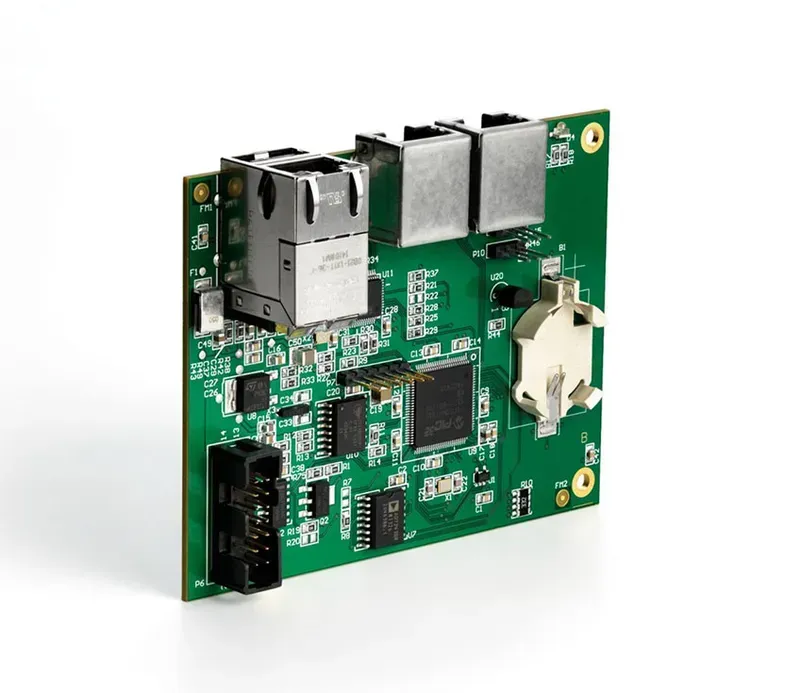
Designing Printed Circuit Boards (PCBs) for Mobile Environmental Monitoring Vehicles (MEMVs) demands a meticulous approach, as these critical components operate in dynamic and often challenging conditions. The core objective is to ensure unwavering reliability, accuracy, and longevity of the monitoring systems. This requires a profound understanding of material science, electrical engineering principles, and the specific operational environment to optimize every aspect of the PCB, from substrate selection to thermal dissipation strategies. Proper design ensures MEMVs can reliably collect and transmit vital environmental data, directly impacting the efficacy of monitoring initiatives.
| Design Consideration | Description | Impact on MEMV Performance |
|---|---|---|
| Material Selection | Utilizing high Tg (Glass Transition Temperature) FR-4 for thermal stability and Aluminum substrates for superior thermal dissipation in high-power sections. | Ensures PCB integrity under extreme temperature fluctuations; prevents delamination and component failure, crucial for continuous operation. |
| Component Placement | Strategic arrangement of components to minimize signal path lengths, reduce electromagnetic interference (EMI), and facilitate efficient thermal transfer. | Optimizes signal integrity and reduces noise, leading to more accurate sensor readings; improves thermal management, extending component lifespan. |
| Signal Integrity | Implementing controlled impedance traces, proper grounding schemes, and differential routing to maintain signal quality and prevent data corruption. | Guarantees the accuracy and reliability of sensitive sensor data, critical for precise environmental measurements and data analysis. |
| Power Distribution Network (PDN) | Designing robust power planes and traces with adequate width and copper weight to ensure stable and clean power delivery to all components, especially sensitive sensors. | Minimizes voltage drops and power noise, preventing erratic sensor behavior and ensuring consistent, reliable operation of the entire monitoring system. |
| Thermal Management | Employing heat sinks, thermal vias, and careful component layout to dissipate heat effectively, especially from high-power components and processors. | Prevents overheating, which can degrade performance, reduce lifespan, or cause immediate failure of electronic components, maintaining system stability. |
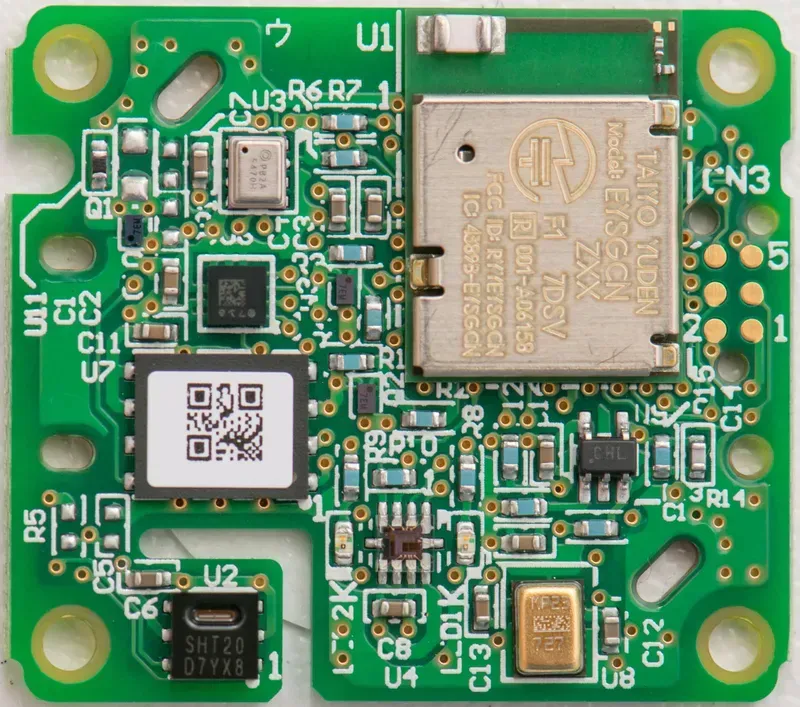
The efficacy of a Mobile Environmental Monitoring Vehicle (MEMV) hinges on the precision and reliability of its diverse sensor suite, each with unique PCB requirements to accurately capture and transmit critical environmental data. From gas detection to particulate matter analysis and comprehensive weather monitoring, the underlying PCB design must be meticulously tailored to the specific sensor type, ensuring optimal signal integrity, robust power delivery, and efficient data acquisition in dynamic operational environments. This specialized approach guarantees that the collected data is accurate and actionable, directly impacting the overall performance of the MEMV.
| Sensor Type | Key PCB Design Considerations | Signal Conditioning & Data Acquisition Needs |
|---|---|---|
| Gas Sensors (e.g., CO, NOx, O3) | High-precision analog frontend, low noise amplification, stable power supply to ensure sensor bias and heater control, robust grounding. | Highly sensitive analog-to-digital conversion (ADC), temperature compensation, calibration data storage, communication interfaces (e.g., I2C, SPI) for digital output. |
| :Particulate Matter (PM) Sensors (e.g., PM2.5, PM10) | Clean power rails for laser/LED light sources and photodetectors, electromagnetic interference (EMI) shielding, vibration resistance. | Fast sampling rates for particle counting, sophisticated algorithms for data processing (e.g., calibration, environmental compensation), robust data storage and transmission protocols. |
| :Weather Monitoring Instruments (e.g., Temperature, Humidity, Pressure, Wind) | Long-term stability and reliability in varying temperatures, robust connectors for external probes, protection against moisture and dust ingress. | Accurate ADC for analog sensors, digital interfaces for smart sensors (e.g., RS485, Modbus), real-time data logging, integration with GPS for location-tagged data. |
| :Noise Sensors (e.g., Sound Level Meters) | Low-noise amplifier circuits for microphones, shielding from electrical interference, robust mechanical mounting. | High-resolution ADC for audio signals, digital signal processing (DSP) for frequency analysis, time-stamping of events, sufficient memory for audio data logging. |
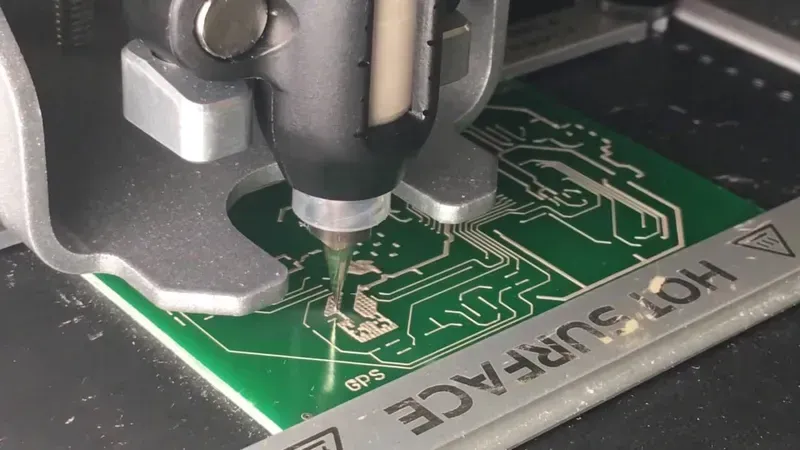
Zero One Solution Limited stands as a premier partner in the advancement of Mobile Environmental Monitoring Vehicle (MEMV) technology, offering comprehensive PCB solutions engineered for the demanding conditions of real-world environmental data acquisition. Our expertise, honed over a decade in the industry, focuses on delivering high-performance, durable, and reliable PCBs that are critical for the accuracy and longevity of MEMV systems. We leverage our deep understanding of the unique challenges faced by environmental monitoring equipment, from extreme temperature fluctuations to constant vibrations, to design and manufacture PCBs that exceed industry standards and customer expectations, ensuring seamless operation and precise data collection in any environment.
| Service Aspect | Zero One Solution's Advantage | Benefit for MEMVs |
|---|---|---|
| Design for Manufacturability (DFM) | Expert engineering review and optimization | Reduced errors, faster production, cost-efficiency |
| Component Sourcing & Procurement | Global network of trusted suppliers | Access to high-quality, specialized components, reduced lead times |
| Automated Assembly (PCBA) | High-precision SMT and through-hole assembly | Improved reliability, consistent performance, reduced manual error |
| Rigorous Testing & Validation | AOI, X-ray, ICT, and functional testing | Ensured circuit integrity, performance, and operational reliability |
| Supply Chain Management | Strategic global presence and logistics expertise | Timely delivery, optimized costs, continuous support |
Zero One Solution Limited's commitment to precision engineering and advanced manufacturing processes translates into tangible benefits for Mobile Environmental Monitoring Vehicle (MEMV) applications, directly addressing the critical demands of field reliability and data accuracy. Our specialized PCB solutions are meticulously designed to elevate MEMV operational efficacy, ensuring robust performance even in the most challenging environmental conditions.
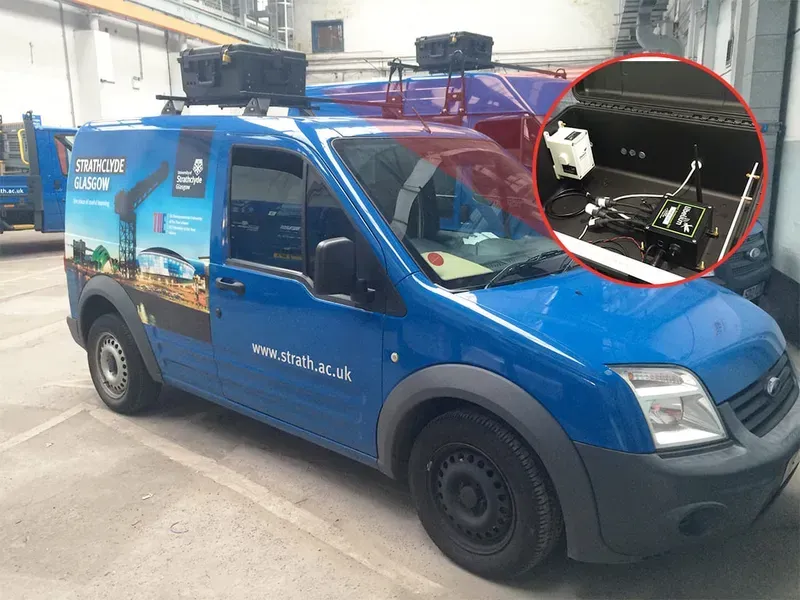
Zero One Solution Limited's commitment to delivering robust and high-performance PCB solutions for Mobile Environmental Monitoring Vehicles (MEMVs) is best demonstrated through real-world applications. Our advanced PCB design, manufacturing, and assembly capabilities have been instrumental in enhancing the reliability and efficiency of critical environmental monitoring projects globally. These case studies highlight how our tailored PCB solutions address the unique challenges of MEMVs, ensuring precise data acquisition and resilient operation in diverse and demanding conditions.
| Project Focus | Challenge Addressed | Zero One Solution's PCB Impact | Outcome |
|---|---|---|---|
| Urban Air Quality Monitoring | High vibration, extreme temperature fluctuations, need for compact sensor integration. | Provided custom rigid-flex PCBs with advanced thermal management and robust component mounting, enabling multi-sensor integration in a confined space. | Achieved 99.8% data acquisition reliability in urban deployments, reducing equipment failure rates by 40% compared to previous solutions and enabling more precise localized pollution mapping. |
| Project Focus | Challenge Addressed | Zero One Solution's PCB Impact | Outcome |
|---|---|---|---|
| Remote Industrial Site Emission Tracking | Harsh chemical exposure, extreme dust, long-term autonomous operation, precise analog signal conditioning for gas sensors. | Designed multi-layer PCBs with specialized conformal coatings (e.g., Parylene) for chemical resistance and optimized signal integrity pathways for low-noise analog-to-digital conversion. | Enabled continuous, accurate monitoring for over 2 years without maintenance in highly corrosive environments, providing critical compliance data and preventing potential environmental hazards. |
| Project Focus | Challenge Addressed | Zero One Solution's PCB Impact | Outcome |
|---|---|---|---|
| Water Body Contamination Surveillance | High humidity, salt spray corrosion, low power consumption for extended battery life, precise GPS and telemetry integration. | Developed compact, low-power PCBs featuring moisture-resistant laminates and integrated power management ICs, optimizing data transmission and GPS accuracy. | Extended MEMV operational endurance by 30% on a single charge, leading to more comprehensive and cost-effective monitoring of aquatic ecosystems across vast areas. |
The evolution of Mobile Environmental Monitoring Vehicles (MEMVs) is intrinsically linked to advancements in Printed Circuit Board (PCB) technology. As environmental challenges become more complex and the demand for real-time, granular data increases, the PCBs at the heart of MEMVs are undergoing significant innovation. These emerging trends are not just incremental improvements but represent foundational shifts towards more capable, versatile, and interconnected monitoring systems.
In conclusion, Mobile Environmental Monitoring Vehicles (MEMVs) are indispensable tools for safeguarding our planet, and their efficacy hinges significantly on the underlying Printed Circuit Board (PCB) solutions. The sophisticated array of sensors, data processing units, and communication modules within MEMVs all rely on robust, high-performance PCBs capable of withstanding demanding operational environments. Zero One Solution Limited stands at the forefront of this critical technology, offering unparalleled expertise in rapid prototyping, manufacturing, and assembly of advanced PCB solutions specifically tailored for MEMVs.
In conclusion, the PCB solutions for Mobile Environmental Monitoring Vehicles represent a critical component in our ability to understand and protect the environment. Zero One Solution Limited's expertise in rapid PCB prototyping, manufacturing, and assembly ensures that these vehicles are equipped with reliable, high-performance PCBs that can withstand the rigors of environmental monitoring. As environmental challenges continue to grow, the importance of advanced PCB solutions in MEMVs will only increase. Contact Zero One Solution today to discuss your environmental monitoring PCB needs and discover how our solutions can drive your projects forward.

