In the intricate world of medical technology, precision and reliability are not just desirable; they are imperative. Especially when it comes to life-sustaining equipment like hemodialysis machines, the underlying electronic components must perform flawlessly. At Zero One Solution Limited, we understand this profound responsibility. Founded in 2011 and based in the global electronic manufacturing hub of Shenzhen, with a strategic branch in Dubai, we have quickly become a leader in rapid-response PCB assembly solutions. This article delves into our specialized Hemodialysis Machine PCB Solutions, showcasing how our expertise in design, manufacturing, and assembly ensures the unparalleled performance and safety demanded by critical healthcare applications.
The Critical Role of PCBs in Hemodialysis Machines
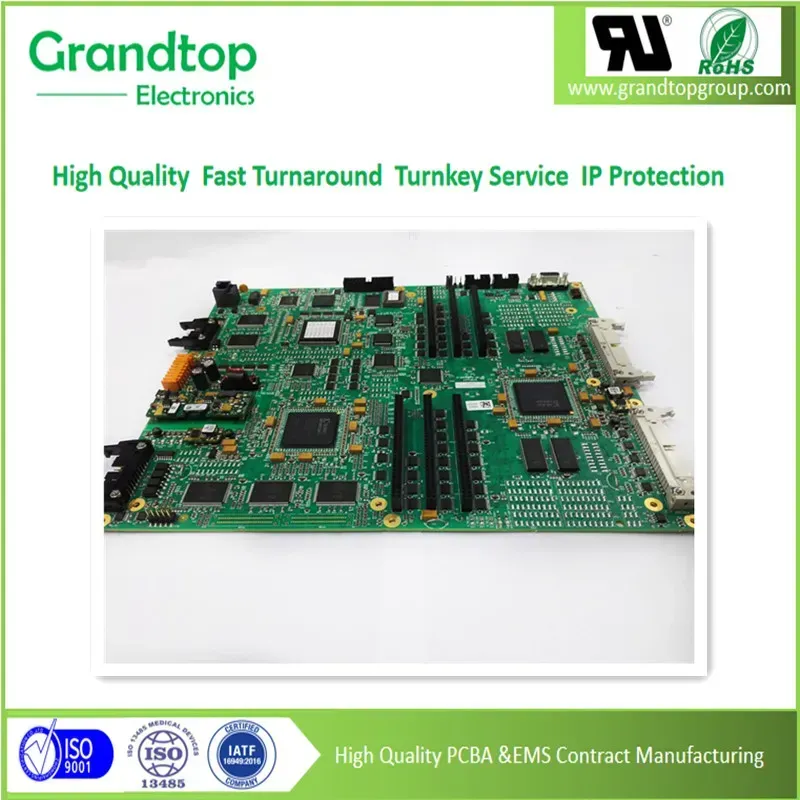
Hemodialysis Machine PCB
Printed Circuit Boards (PCBs) are the indispensable foundation of hemodialysis machines, serving as the central nervous system that orchestrates every critical function, from blood filtration and fluid management to patient monitoring and alarm systems. Given that these machines sustain life, the PCBs within them must meet exceptionally stringent requirements for reliability, precision, and durability. Any malfunction can have severe, life-threatening consequences, underscoring why robust and reliable Hemodialysis PCB solutions are not merely beneficial but absolutely paramount for patient safety and treatment efficacy.
Why are PCBs so critical in hemodialysis machines? PCBs manage all electronic functions, including precise pump control, sensor data acquisition (e.g., blood pressure, conductivity, temperature), fluid balance regulation, and user interface operation. They integrate complex circuitry necessary for the machine's accurate and safe operation, directly impacting patient outcomes and treatment quality.
What makes Hemodialysis PCBs particularly challenging to design and manufacture? The challenges stem from the need for extreme reliability, long-term stability, and precision. They must withstand constant operation, potential exposure to medical fluids, and strict electromagnetic compatibility (EMC) requirements to prevent interference. Furthermore, they are subject to rigorous regulatory standards like ISO 13485, demanding flawless design and manufacturing processes with zero tolerance for defects.
Adherence to medical device standards (e.g., IEC 60601); fault tolerance
Protects patients and operators from electrical hazards and malfunctions
EMC
Minimal electromagnetic interference (EMI) and susceptibility (EMS)
Prevents disruption to other medical equipment and accurate sensor readings
Key Design Considerations for Hemodialysis Machine PCBs
Medical PCB Design Engineer
Designing printed circuit boards (PCBs) for hemodialysis machines demands an unparalleled commitment to precision, reliability, and patient safety. Unlike consumer electronics, these Medical Device PCB solutions operate in life-critical environments, necessitating meticulous attention to every design parameter. The overarching goal is to ensure faultless operation, minimize risks, and deliver consistent, high-quality treatment to patients.
Signal Integrity Maintaining signal integrity is paramount to prevent data corruption and ensure accurate sensor readings and control signals. This involves careful impedance matching, minimizing crosstalk through proper trace routing, and employing shielding techniques, especially for sensitive analog signals crucial for blood flow and pressure monitoring. High-frequency signals require specialized routing and ground plane strategies to avoid reflections and maintain data fidelity, directly impacting the machine's diagnostic accuracy and treatment effectiveness.
Power Management Robust power management is critical for the continuous and stable operation of hemodialysis machines. This includes designing efficient power delivery networks to minimize power loss, ensuring stable voltage rails for sensitive components, and incorporating overcurrent/overvoltage protection. Redundant power supplies and seamless power switching mechanisms are often integrated to ensure uninterrupted therapy in case of a single power path failure, directly impacting patient safety during extended treatment sessions. Advanced power management ICs and optimized layout reduce heat generation, enhancing overall system reliability.
Thermal Dissipation Effective thermal management is vital for the long-term stability and reliability of Hemodialysis Machine PCBs. High-power components, such as pump drivers and heaters, generate significant heat. Design considerations include utilizing adequate copper pour for heat spreading, strategically placing thermal vias, and integrating heat sinks or active cooling solutions. Computational Fluid Dynamics (CFD) simulations are often employed during the design phase to predict thermal performance and optimize component placement and heatsink design, preventing component degradation and ensuring consistent performance over the device's lifespan.
Electromagnetic Compatibility (EMC) EMC compliance is non-negotiable for medical devices to prevent interference with other critical hospital equipment and ensure the machine itself is not susceptible to external electromagnetic disturbances. This involves implementing robust grounding schemes, using EMI shielding, filtering noisy signals, and careful component placement to minimize electromagnetic interference (EMI) generation and enhance immunity. Adherence to standards like IEC 60601-1-2 is essential, requiring rigorous testing to confirm EMC performance and ensure patient safety in complex medical environments.
Design Aspect
Impact on Hemodialysis PCB
Consequences of Neglect
Component Selection
Ensures long-term stability and reliability using medical-grade, high-reliability components.
Optimizes signal integrity, reduces noise, and ensures proper current distribution.
Signal degradation, inaccurate readings, increased EMI/EMC issues, potential system crashes.
Zero One Solution Limited's Expertise in PCB Manufacturing for Hemodialysis
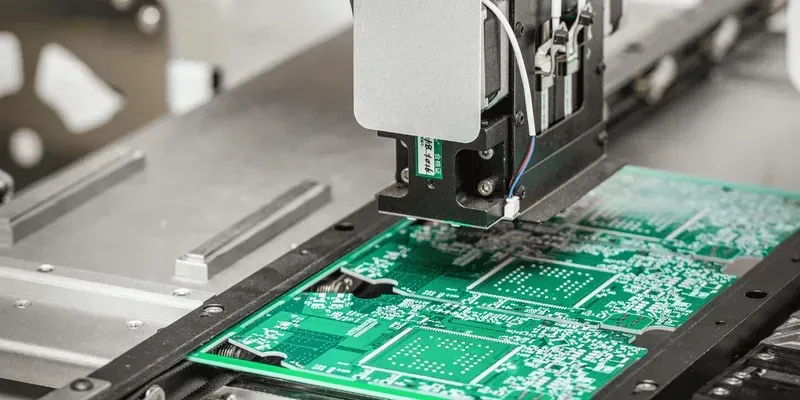
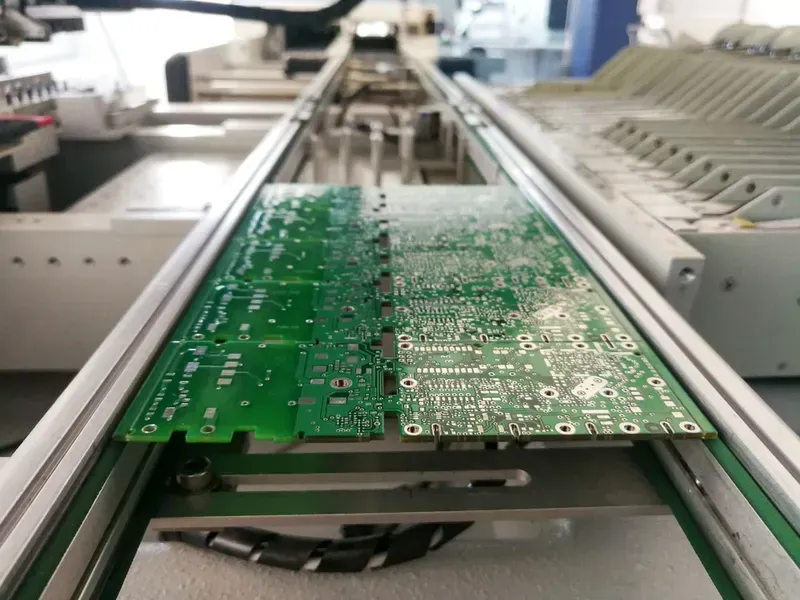
PCB Manufacturing Line
Zero One Solution Limited stands as a premier partner in the intricate landscape of Hemodialysis Machine PCB solutions, leveraging over a decade of specialized experience to deliver unparalleled manufacturing precision and reliability. Our deep understanding of the stringent demands of medical-grade electronics ensures that every PCB we produce for hemodialysis machines meets the highest standards of safety, performance, and longevity. We combine advanced manufacturing processes with rigorous quality control, providing bespoke PCB solutions that underpin the critical functionality of life-sustaining medical equipment.
Advanced Manufacturing Processes for Hemodialysis PCBs We utilize state-of-the-art manufacturing facilities equipped with precision machinery for micro-via drilling, fine-line etching, and multi-layer board fabrication, essential for the complex circuitry within hemodialysis machines. Our processes are optimized for high-density interconnect (HDI) PCBs, crucial for miniaturization and enhanced functionality in medical devices, ensuring superior signal integrity and power delivery.
Stringent Quality Control and Testing Protocols Quality is paramount in medical PCB manufacturing. Zero One Solution Limited implements a multi-stage quality assurance program, including Automated Optical Inspection (AOI), X-ray inspection for internal layers, In-Circuit Testing (ICT), and functional testing tailored to specific hemodialysis machine requirements. This comprehensive testing regimen guarantees defect-free PCBs, critical for patient safety and device reliability.
Adherence to Medical Industry Standards and Compliance Our manufacturing operations are fully compliant with global medical device regulations, including ISO 13485 for medical device quality management systems. We meticulously track and document every stage of the manufacturing process, ensuring full traceability and adherence to design specifications and regulatory mandates, providing our clients with peace of mind regarding compliance.
Advanced Materials and Technologies for Medical PCBs
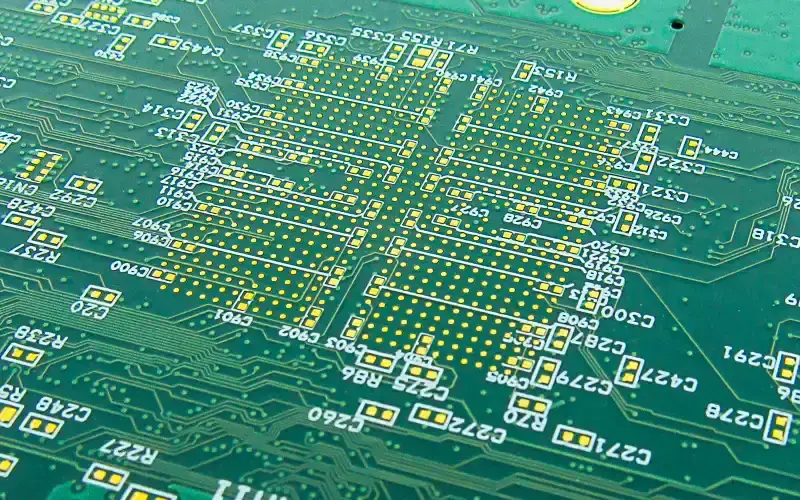
Medical PCB Materials
The performance and reliability of Printed Circuit Boards (PCBs) in hemodialysis machines are profoundly influenced by the selection of advanced materials and the application of cutting-edge manufacturing technologies. For medical-grade PCBs, particularly those integral to life-sustaining equipment, the choice of substrate, laminate, and surface finish, alongside precise assembly techniques, is paramount to ensuring patient safety, long-term durability, and optimal functional integrity. Zero One Solution Limited meticulously selects materials and employs processes that meet the demanding specifications of these critical applications, ensuring our Custom Medical PCB material choices align with the highest industry standards.
Biocompatible and High-Performance Laminates Medical PCBs often require laminates that are not only robust but also biocompatible, non-toxic, and resistant to chemicals and sterilization processes. Materials like FR-4 with enhanced thermal performance, polyimide for flexibility, and specialized ceramic-filled PTFE laminates for high-frequency applications are commonly utilized. These materials ensure signal integrity, minimize dielectric loss, and withstand the harsh operating environments inside hemodialysis machines, which often involve varying temperatures and humidity.
Advanced Soldering and Interconnection Techniques Precision soldering techniques are critical for establishing reliable electrical connections and preventing intermittent failures. Lead-free solder alloys are increasingly mandated due to environmental and health concerns, requiring advanced reflow profiles and solder paste formulations. Additionally, techniques such as BGA (Ball Grid Array) and micro-BGA assembly, along with wire bonding for high-density interconnections, are employed to achieve miniaturization and enhanced circuit density while maintaining robust connectivity. Zero One Solution Limited employs automated optical inspection (AOI) and X-ray inspection to ensure solder joint integrity.
Superior Surface Finishes for Durability and Performance The choice of surface finish significantly impacts a PCB's solderability, corrosion resistance, and shelf life. For medical PCBs, finishes such as Electroless Nickel Immersion Gold (ENIG), Immersion Silver (ImAg), and Organic Solderability Preservatives (OSP) are preferred. ENIG provides excellent flatness for fine-pitch components and good shelf life, making it ideal for medical devices requiring long-term reliability. ImAg offers good solderability and cost-effectiveness, while OSP is environmentally friendly and provides a thin, organic protective layer. The selection depends on the specific application's requirements for reliability and component attachment.
Material/Technology
Key Benefit for Medical PCBs
Application in Hemodialysis Machines
High-Tg FR-4 Laminates
Enhanced thermal stability, mechanical strength
Control boards, power supply units
Polyimide Laminates
Flexibility, high-temperature resistance
Flexible circuits, sensors
Ceramic-Filled PTFE
Low dielectric loss, high-frequency performance
RF communication, advanced sensor interfaces
ENIG Surface Finish
Excellent solderability, corrosion resistance, long shelf life
All critical PCB assemblies
Automated Optical Inspection (AOI)
Detection of defects, ensuring manufacturing quality
Post-soldering inspection of all boards
X-ray Inspection
Non-destructive testing of hidden solder joints (BGAs)
Verification of complex component placements and connections
Quality Assurance and Regulatory Compliance for Hemodialysis Machine PCB Solutions
In the critical realm of medical devices like hemodialysis machines, the integrity and performance of Printed Circuit Boards (PCBs) are paramount, directly impacting patient safety and treatment efficacy. Ensuring unparalleled quality and stringent regulatory compliance for Hemodialysis Machine PCB solutions is not merely a best practice; it is a fundamental imperative. Zero One Solution Limited is deeply committed to upholding the highest standards of quality assurance, meticulously integrating comprehensive testing, rigorous inspection, and unwavering adherence to international medical device regulations, such as ISO 13485, into every phase of our PCB design, manufacturing, and assembly processes. This meticulous approach guarantees the high-reliability PCB solutions indispensable for healthcare applications.
Why is ISO 13485 compliance crucial for Hemodialysis Machine PCB solutions? ISO 13485 is an internationally recognized standard for quality management systems specific to medical devices. For Hemodialysis Machine PCB solutions, compliance ensures that the entire lifecycle, from design and development to production and servicing, adheres to rigorous quality and safety protocols, minimizing risks and ensuring consistent performance in life-critical applications. This standard provides a framework for manufacturers to demonstrate their ability to provide medical devices and related services that consistently meet customer and regulatory requirements.
What testing protocols are essential for high-reliability Hemodialysis Machine PCBs? Essential testing protocols for high-reliability Hemodialysis Machine PCBs include Automated Optical Inspection (AOI) for solder joint integrity and component placement, X-ray inspection for hidden solder joints (e.g., BGA components), In-Circuit Testing (ICT) to verify electrical functionality, and Functional Testing (FCT) to simulate real-world operating conditions. Additionally, environmental stress screening (ESS), such as thermal cycling and humidity testing, is critical to ensure durability and long-term stability under varied clinical conditions. These tests are vital for validating the robustness and safety of the PCB under demanding operational parameters.
Quality Assurance Measure
Description
Benefit for Hemodialysis PCBs
Design Review & Validation
Thorough review of schematics and layouts against medical standards and functional requirements.
Mitigates design flaws early, ensuring optimal signal integrity and power management.
Zero One Solution Limited's commitment extends beyond mere compliance; it's about embedding a culture of quality throughout our entire operation. Our processes are continuously refined to reflect the latest advancements in medical device manufacturing and regulatory landscapes, guaranteeing that every Hemodialysis Machine PCB we produce is not only compliant but also performs flawlessly when it matters most. This dedication to quality assurance is a cornerstone of our promise to deliver high-reliability PCB solutions that empower medical device manufacturers to innovate with confidence.
The Zero One Solution Limited Advantage: Rapid Prototyping and One-Stop Service
PCB Rapid Prototyping
For medical device manufacturers, particularly those developing intricate Hemodialysis Machine PCB solutions, time-to-market and seamless integration across the development lifecycle are paramount. Zero One Solution Limited offers a distinct competitive advantage through its unparalleled rapid prototyping capabilities and a comprehensive one-stop service model, transforming the traditional fragmented approach into a streamlined, efficient, and cost-effective journey from concept to final assembly. This integrated approach significantly accelerates product development cycles, ensuring that critical medical innovations reach patients faster without compromising on quality or regulatory compliance, thereby positioning Zero One Solution Limited as an indispensable partner in the healthcare technology sector.
How does rapid prototyping benefit Hemodialysis Machine PCB development? Rapid prototyping in Hemodialysis Machine PCB development allows for swift iteration and validation of designs. By quickly producing functional prototypes, manufacturers can identify and resolve potential issues early in the design phase, significantly reducing development cycles and costs, and ensuring the final product meets stringent performance and safety standards for medical applications. This agility is crucial for complex medical devices where precision and reliability are non-negotiable.
What does Zero One Solution Limited's one-stop service for Hemodialysis PCBs include? Zero One Solution Limited's one-stop service encompasses the entire PCB lifecycle for hemodialysis machines: from initial design consultation and optimization, through precision manufacturing of the PCBs, to final assembly and rigorous testing. This holistic approach eliminates the complexities of managing multiple vendors, ensuring consistent quality, improved communication, and a faster, more efficient project execution from start to finish, critical for high-reliability medical devices.
How does a streamlined process impact the cost-efficiency of Hemodialysis PCB solutions? A streamlined process, as offered by Zero One Solution Limited, enhances cost-efficiency for Hemodialysis PCB solutions by minimizing errors, reducing rework, and optimizing resource allocation. Consolidating design, manufacturing, and assembly under one roof leads to fewer delays, better material utilization, and volume-based savings, ultimately lowering the overall production cost and accelerating return on investment for medical device manufacturers.
What quality assurance measures are integrated into the one-stop service for medical PCBs? Quality assurance is deeply embedded throughout Zero One Solution Limited's one-stop service for medical PCBs. This includes meticulous design reviews, in-process inspections at every manufacturing stage, automated optical inspection (AOI), X-ray inspection for complex assemblies, and functional testing of final products. Adherence to international medical device standards like ISO 13485 is paramount, ensuring every PCB solution for hemodialysis machines meets the highest benchmarks for reliability, performance, and patient safety.
Can Zero One Solution Limited provide custom Hemodialysis Machine PCB solutions? Yes, Zero One Solution Limited specializes in providing highly custom Hemodialysis Machine PCB solutions. Our expertise lies in understanding the unique and stringent requirements of medical devices, allowing us to tailor PCB designs, material selections, and manufacturing processes to meet specific functional, environmental, and regulatory needs. This custom approach ensures optimal performance and seamless integration into the hemodialysis machine's intricate systems.
Future Trends in Hemodialysis Machine PCB Technology
The evolution of hemodialysis machine PCB technology is driven by relentless innovation, aiming for enhanced patient safety, improved treatment efficacy, and greater accessibility. Miniaturization, increased integration, and advanced connectivity are key future trends shaping the next generation of these critical medical device PCB solutions, pushing the boundaries of performance and functionality.
How is miniaturization impacting Hemodialysis Machine PCB design? Miniaturization in Hemodialysis Machine PCB design is crucial for developing more compact, portable, and patient-friendly devices. This trend involves using higher component densities, smaller package sizes, and advanced PCB manufacturing techniques like HDI (High-Density Interconnect) to reduce the overall footprint while maintaining or enhancing performance. This allows for greater flexibility in device placement and potentially enables home-use hemodialysis, significantly improving patient quality of life and reducing healthcare burdens. Zero One Solution Limited employs state-of-the-art micro-fabrication and assembly processes to support these ultra-compact designs without compromising reliability.
What role does increased integration play in future Hemodialysis Machine PCB Technology? Increased integration involves consolidating multiple functionalities onto a single PCB or chip (System-on-Chip - SoC). For hemodialysis machines, this means integrating sensors, processing units, communication modules, and power management onto fewer, more complex boards. This reduces interconnects, improves signal integrity, lowers power consumption, and enhances overall system reliability by minimizing potential failure points. Integrated Medical Device PCB solutions simplify assembly, reduce manufacturing costs, and streamline diagnostic processes, making future devices more robust and efficient. Zero One Solution Limited's expertise in complex multilayer PCB design and advanced assembly techniques is pivotal in realizing such highly integrated systems.
How will enhanced connectivity influence Hemodialysis Machine PCB solutions? Enhanced connectivity in Hemodialysis Machine PCB solutions will enable remote monitoring, data collection, and telemedicine capabilities, leading to more personalized and proactive patient care. This involves integrating wireless communication modules (e.g., Wi-Fi, Bluetooth, 5G) directly onto the PCBs, facilitating secure and real-time data transfer to healthcare providers. Such connectivity can enable predictive maintenance, remote diagnostics, and immediate intervention in case of anomalies, significantly improving patient safety and operational efficiency. Zero One Solution Limited designs PCBs with optimized RF performance and robust shielding to ensure reliable and secure wireless communication, meeting strict medical data security standards.
What advanced materials are anticipated for future Hemodialysis Machine PCBs? Future Hemodialysis Machine PCBs will increasingly utilize advanced materials offering superior thermal management, dielectric properties, and long-term stability. This includes high-Tg (glass transition temperature) laminates for improved thermal performance, low-loss materials for high-frequency signal integrity, and flexible substrates for wearable or more adaptable devices. These materials are chosen for their ability to withstand harsh operating conditions, resist chemical degradation, and ensure consistent performance over the device's lifespan. Zero One Solution Limited continuously researches and integrates the latest material innovations to deliver cutting-edge and highly reliable Medical Device PCB solutions.
The journey of bringing life-saving medical devices to market is complex, but with the right partners, it can be significantly streamlined and enhanced. Zero One Solution Limited stands as a beacon of reliability and innovation in the PCB solution landscape, particularly for demanding applications like hemodialysis machines. Our unwavering commitment to precision, quality, and rapid prototyping empowers medical device manufacturers to accelerate their R&D and deliver critical healthcare solutions with confidence. We invite you to partner with Zero One Solution Limited. Let our expertise in high-reliability PCB solutions be the foundation for your next groundbreaking medical device. Contact us today to discuss your specific project requirements and discover how we can help you achieve your goals.