In the rapidly evolving landscape of healthcare, medical robots are revolutionizing patient care, diagnostics, and surgical procedures. At the heart of these sophisticated machines lies the navigation board, a critical component that dictates their precision, autonomy, and safety. Zero One Solution Limited, a leader in rapid-response R&D prototype manufacturing and PCB assembly solutions, understands the intricate demands of this vital technology. This article delves into the complexities of medical robot navigation and presents our specialized PCB solution designed to propel innovation in this critical field, ensuring your medical robotic advancements move from concept to reality with unparalleled efficiency.
The integration of robotics into healthcare is not merely a technological trend but a transformative force reshaping patient care, surgical procedures, and hospital logistics. From minimally invasive surgical assistants to autonomous drug delivery systems, medical robots demand exceptionally precise and reliable navigation capabilities. Unlike industrial robots, medical robots operate within highly sensitive environments, necessitating advanced navigation boards that guarantee unparalleled accuracy, real-time responsiveness, and stringent safety protocols to ensure optimal performance and patient well-being.
| Aspect | Industrial Robot Environment | Medical Robot Environment |
|---|---|---|
| Sterility Requirements | Minimal to Moderate | Extremely High (often sterile or aseptic) |
| Real-time Data Processing | High, but tolerances can be flexible | Ultra-high, zero-latency critical for safety |
| Human-Robot Interaction | Controlled, often segregated | Direct, frequent, and safety-critical |
| Regulatory Compliance | Industry-specific standards | Strict medical device regulations (e.g., ISO 13485, FDA) |
| Environmental Variability | Predictable, structured | Dynamic, unpredictable (patient movement, staff) |
The distinct challenges posed by medical environments—such as the imperative for sterile conditions, the demand for real-time data processing without compromise, and the absolute necessity of human-robot interaction safety protocols—highlight that standard industrial PCB solutions are insufficient. Medical robot navigation boards require specialized design and manufacturing processes, emphasizing robustness, fault tolerance, and uncompromised signal integrity to meet these unique and critical demands.
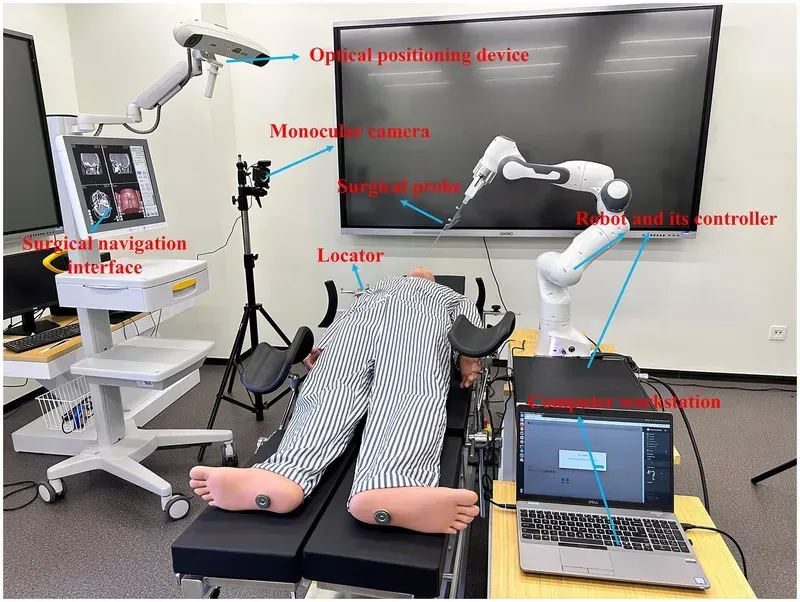
At the core of every advanced medical robot lies a sophisticated navigation board, a critical PCB assembly that orchestrates the robot's perception, decision-making, and movement within complex healthcare environments. This board integrates an intricate array of hardware and software components, each meticulously selected and optimized to ensure unparalleled precision, reliability, and safety. The seamless interplay of these elements is paramount for medical robots to accurately map their surroundings, localize their position with sub-millimeter accuracy, and execute complex path planning and control tasks, ultimately impacting surgical outcomes, diagnostic accuracy, and patient care efficiency. Achieving optimal functionality hinges on superior PCB fabrication and assembly, demanding specialized expertise in integrating diverse technologies onto a compact, high-performance platform.
| Component Category | Specific Technologies | Impact on Navigation Board Performance |
|---|---|---|
| Processing Unit | ARM Cortex-M/R/A, FPGAs, DSPs | Enables real-time SLAM, complex path planning, and rapid decision-making; dictates computational speed and power efficiency. |
| Environmental Sensors | Lidar (ToF, FMCW), Ultrasonic Transducers, Stereo Vision, Structured Light | Provides accurate 3D mapping, obstacle detection, and localization; directly influences the robot's spatial awareness and safety. |
| Localization Sensors | IMUs (Accelerometers, Gyroscopes, Magnetometers), Encoders, GPS (for outdoor/large scale) | Offers precise positional tracking and orientation; crucial for drift correction and maintaining sub-millimeter accuracy. |
| Communication Modules | Ethernet, Wi-Fi (802.11ax), Bluetooth LE, CAN Bus, RS-485 | Ensures reliable data exchange between internal modules and external systems (e.g., operating room networks); impacts responsiveness and integration. |
| Motor Control & Actuation | BLDC/Stepper Drivers, Encoders, PID Controllers | Facilitates precise and smooth robot movement; directly affects the robot's ability to execute planned trajectories and interact with its environment. |
| Power Management | Voltage Regulators, DC-DC Converters, Battery Management ICs | Ensures stable and efficient power distribution, minimizes heat, and maximizes battery life; critical for operational uptime and system stability. |
Designing and manufacturing medical robot navigation boards presents a formidable array of challenges, far exceeding those encountered in conventional electronics. These challenges stem from the critical nature of medical applications, demanding not just functionality but absolute precision, unwavering reliability, and stringent adherence to global regulatory standards. Overcoming these hurdles is paramount to ensuring patient safety, diagnostic accuracy, and the overall efficacy of medical robotic systems.
| Challenge Category | Specific Challenge | Impact on Medical Robot Navigation Board | Zero One Solution Approach |
|---|---|---|---|
| Performance & Environment | Electromagnetic Compatibility (EMC) | Interference with sensitive medical equipment; compromises robot's own sensor data. | Advanced shielding techniques, optimized ground planes, and careful component selection for EMI/RFI suppression, ensuring compliance with IEC 60601-1-2 standards for medical electrical equipment. |
| Performance & Environment | Thermal Management | Overheating of high-performance processors leads to instability, reduced lifespan, and potential failure. | Utilizing advanced thermal simulation, incorporating thermal vias, heat sinks, and appropriate material selection (e.g., high-Tg laminates) to dissipate heat effectively from critical ICs and power components. |
| Design & Miniaturization | Miniaturization & High Density | Limited space for complex circuitry, increasing design complexity and risk of manufacturing defects. | Employing multi-layer PCBs (up to 32 layers), HDI (High-Density Interconnect) technology, fine-pitch BGA assembly, and advanced routing strategies to maximize component density while maintaining signal integrity and manufacturability. |
| Regulatory & Reliability | Regulatory Compliance (ISO 13485, FDA) | Non-compliance results in market access barriers, product recalls, and legal liabilities. | Implementing a rigorous Quality Management System (QMS) compliant with ISO 13485:2016, maintaining comprehensive documentation, full traceability, and conducting thorough design reviews and risk assessments to meet medical device standards. |
| Regulatory & Reliability | Extreme Reliability & Fault Tolerance | Any failure can lead to patient harm, operational downtime, and severe reputational damage. | Integrating redundant systems, error detection and correction mechanisms, robust component selection (medical-grade parts), extensive testing protocols (HALT/HASS), and ensuring adherence to IPC Class 3 standards for high-reliability electronics. |
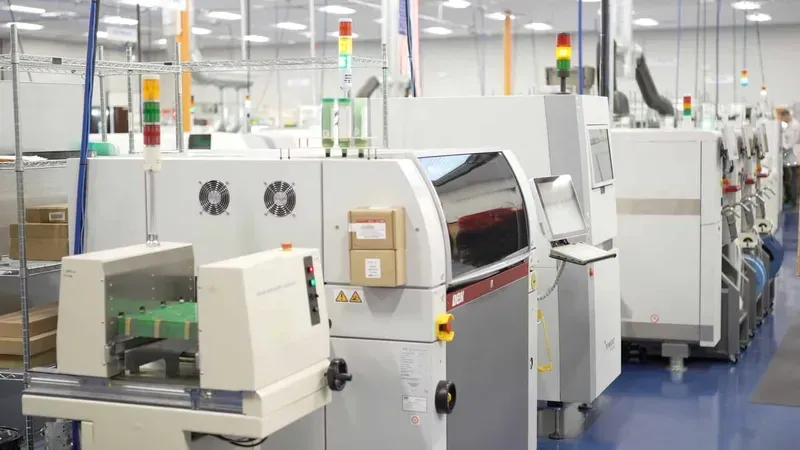
Zero One Solution Limited stands at the forefront of providing unparalleled expertise in medical robot navigation board solutions, precisely addressing the intricate challenges inherent in their production. Our specialized capabilities, honed over years of industry leadership, ensure that the foundational PCBs for these critical systems meet the highest standards of performance, reliability, and regulatory compliance. We empower medical device innovators to accelerate their product development cycles with confidence, knowing that the core navigation technology is built on a foundation of precision engineering and stringent quality control.
| Expertise Area | Zero One Solution Limited's Approach | Benefits for Medical Robot Navigation Boards |
|---|---|---|
| Precision Manufacturing | Utilizing state-of-the-art equipment and rigorous process controls for ultra-fine pitch components and complex multi-layer boards. | Ensures high-density integration and superior signal integrity, vital for sensitive navigation data processing. |
| Rigorous Quality Control | Implementing ISO 13485 compliant quality management systems, including extensive DFM, DFT, and functional testing. | Guarantees fault tolerance, long-term reliability, and adherence to medical device safety standards. |
Our unwavering commitment to delivering high-performance, reliable, and compliant PCBs positions Zero One Solution Limited as the preferred partner for medical robot navigation systems. We understand that precision in navigation directly impacts patient safety and treatment efficacy, and our solutions are designed to reflect this critical responsibility.

Zero One Solution Limited provides a comprehensive suite of PCB services specifically tailored for medical robotics, ensuring that the intricate navigation boards meet the highest standards of performance, reliability, and regulatory compliance. Our "one-stop" service model encompasses every phase of the product lifecycle, from initial design concepts through to advanced assembly and rigorous testing, significantly accelerating the development and time-to-market for innovative medical devices. We understand the critical importance of precision and reliability in medical applications, and our integrated approach minimizes complexities and ensures seamless transitions between design, prototyping, and production.
| Service Area | Description | Benefit for Medical Robotics |
|---|---|---|
| PCB Design & Layout Optimization | Expert review and optimization of schematics and layouts for signal integrity, EMC, thermal management, and miniaturization, crucial for medical robot navigation board solutions. | Ensures peak performance and minimizes electromagnetic interference in sensitive medical environments, enhancing navigation accuracy and safety. |
| Service Area | Description | Benefit for Medical Robotics |
|---|---|---|
| Advanced Assembly (SMT, Through-Hole, Mixed) | Precision assembly services utilizing state-of-the-art SMT, through-hole, and mixed technology capabilities, ensuring optimal component placement and soldering integrity for complex medical robot navigation boards. | Guarantees reliable connections and component performance under demanding operational conditions, vital for the longevity and functionality of medical robots. |
| Service Area | Description | Benefit for Medical Robotics |
|---|---|---|
| Global Component Sourcing | Leveraging our extensive global supply chain network to source high-quality, medical-grade components, mitigating supply chain risks and ensuring compliance with industry standards for medical robot navigation board solutions. | Secures access to critical, specialized components, ensuring BOM stability and adherence to strict medical device standards. |
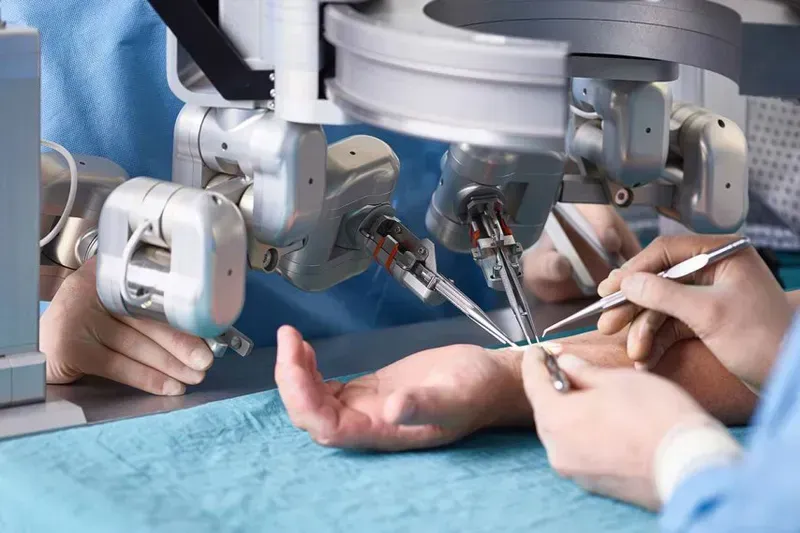
The efficacy and safety of medical robots are inextricably linked to the reliability of their navigation boards. These sophisticated PCB solutions are the silent enablers of groundbreaking advancements, transforming healthcare delivery through enhanced precision, autonomy, and patient safety. Zero One Solution Limited's commitment to engineering superior medical robot navigation boards translates directly into tangible benefits across diverse medical applications, reinforcing our pivotal role in the future of healthcare technology.
| Application Area | Impact of Reliable Navigation Board | Zero One Solution Limited's Contribution |
|---|---|---|
| Surgical Robotics | Enhanced surgical precision, reduced invasiveness, faster recovery times, minimized human error through precise instrument control and real-time anatomical mapping. | High-density PCB design for complex sensor integration, robust signal integrity for precise motor control, thermal management for continuous operation during lengthy procedures, compliance with ISO 13485 for medical device safety and reliability. |
| Application Area | Impact of Reliable Navigation Board | Zero One Solution Limited's Contribution |
|---|---|---|
| Autonomous Hospital Logistics | Improved operational efficiency, automated delivery of medications and supplies, reduced staff workload, optimized resource allocation, and enhanced patient care through timely delivery. | Compact and lightweight PCB designs for mobile platforms, efficient power management for extended battery life, robust communication interfaces (Wi-Fi, Bluetooth, 5G) for seamless hospital network integration, and durable construction for continuous 24/7 operation. |
| Application Area | Impact of Reliable Navigation Board | Zero One Solution Limited's Contribution |
|---|---|---|
| Patient Interaction & Rehabilitation Robots | Safer and more personalized patient interaction, accurate movement tracking for rehabilitation therapies, enhanced patient engagement, and consistent care delivery. | High-precision sensor integration for tactile feedback and spatial awareness, low-power designs for extended use near patients, EMI/EMC compliance to prevent interference with other medical equipment, and stringent quality control for patient safety. |
These case studies underscore that the performance of medical robots is a direct reflection of the underlying PCB technology. Zero One Solution Limited's expertise in designing and manufacturing highly reliable, precise, and compliant medical robot navigation boards is not just a service offering; it's a contribution to a future where medical technology is safer, more efficient, and ultimately, more life-changing.
Zero One Solution Limited's Medical Robot Navigation Board Solution represents our unwavering commitment to advancing healthcare technology through superior PCB manufacturing and assembly. Our strategic location, global supply chain network, and dedication to rapid prototyping empower innovators to overcome development hurdles and bring life-changing medical robots to market faster. Partner with us to leverage our expertise, accelerate your product development cycles, and ensure your medical robots achieve the highest standards of precision, reliability, and performance. Contact Zero One Solution Limited today to discuss how our specialized PCB solutions can elevate your next medical robotics project.

