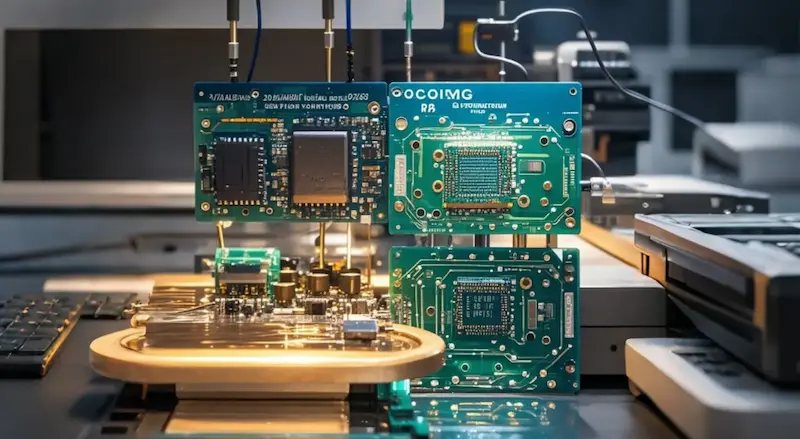
The healthcare landscape is undergoing a profound transformation, driven by the increasing adoption of digital technologies. At the heart of this revolution are digital medical record terminals, indispensable tools for modern clinical practices. These sophisticated devices demand highly reliable and precise Printed Circuit Board (PCB) solutions to ensure seamless operation and data integrity. Zero One Solution Limited, a leader in rapid-response PCB prototyping and assembly since 2011, understands these critical needs. How can advanced PCB technology empower the next generation of medical record systems, ensuring accuracy, security, and efficiency in patient care?
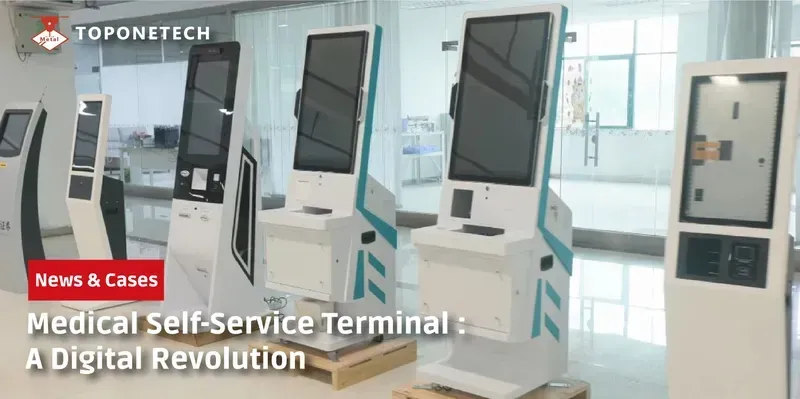
The transition to digital medical records (DMRs) has fundamentally reshaped healthcare, moving from paper-based systems to integrated electronic platforms that enhance efficiency, accessibility, and patient care. This paradigm shift has inherently amplified the demand for highly reliable, high-performance printed circuit boards (PCBs) within the terminal devices that capture, process, and display this critical health data. These medical-grade PCBs are the silent workhorses, differing significantly from their general-purpose counterparts due to stringent requirements for precision, durability, and unimpeachable data integrity, which are non-negotiable in a life-critical domain.
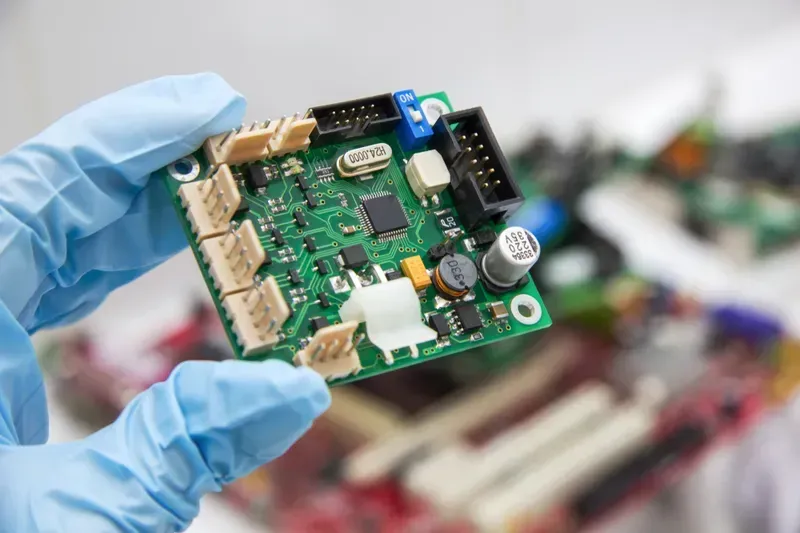
Designing Printed Circuit Boards (PCBs) for Digital Medical Record Terminals presents a unique array of challenges that go beyond standard electronics manufacturing. The critical nature of healthcare data, coupled with the demanding operational environments, necessitates an uncompromising focus on precision, reliability, and regulatory adherence. Overcoming these hurdles is paramount to ensuring the safety, accuracy, and longevity of medical devices.

Zero One Solution Limited stands at the forefront of medical device PCB manufacturing, particularly for critical applications like Digital Medical Record Terminals, by combining two decades of Silicon Valley engineering prowess with an unwavering commitment to precision and regulatory compliance. Our deep understanding of medical-grade electronics enables us to deliver PCBs that not only meet but exceed the stringent demands of healthcare, ensuring data integrity, device reliability, and patient safety. This expertise is pivotal in accelerating the development cycles of advanced medical solutions, a testament to our role as a trusted partner in the global medical technology landscape.
| Aspect of Expertise | Zero One Solution's Capability | Benefit for Digital Medical Record Terminals |
|---|---|---|
| Manufacturing Precision | Advanced HDI, multi-layer, and flexible PCB production | Enables compact, high-performance, and ergonomic device designs |
| Quality & Compliance | ISO 13485 certified, rigorous testing protocols (AOI, AXI) | Guarantees reliability, safety, and regulatory adherence for patient data and device function |
| Development Speed | Rapid prototyping and accelerated R&D cycles | Significantly reduces time-to-market for innovative medical solutions |
| Material Science | Specialization in medical-grade, robust, and biocompatible materials | Ensures durability, long-term performance, and resistance to environmental factors |
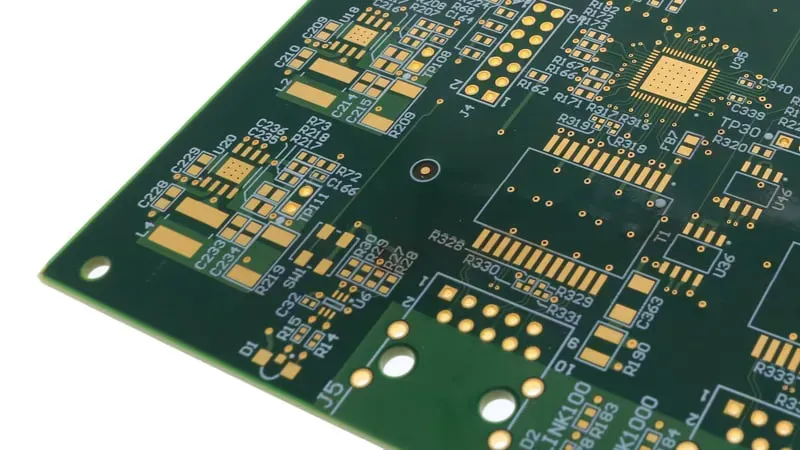
In the critical domain of digital medical record terminals, off-the-shelf PCB solutions rarely suffice. The intricate demands of healthcare environments, coupled with the need for unfailing reliability and precise data handling, necessitate highly customized Printed Circuit Board designs. Zero One Solution Limited specializes in providing bespoke PCB solutions that directly address the unique specifications of digital medical record terminals, ensuring optimal performance, longevity, and seamless integration for groundbreaking medical devices.
| PCB Technology | Medical Application Benefit | Zero One Solution's Expertise | |
|---|---|---|---|
| Multi-Layer PCBs | Enhanced signal integrity and reduced EMI for complex medical data processing. | Advanced stack-up design and precision manufacturing for high-density medical circuits, supporting up to 32 layers or more as needed for sophisticated medical terminals such as surgical robots or patient monitoring systems requiring numerous sensor inputs and outputs, ensuring robust power and ground planes to minimize noise and improve signal quality for high-speed data transmission common in digital medical devices. These are crucial for integrating various medical sensors, communication modules (Wi-Fi, Bluetooth, 5G), and high-resolution display drivers within a compact footprint. For example, a multi-layer PCB for a diagnostic imaging terminal might incorporate dedicated layers for analog signals from image sensors, digital control signals, and high-speed data transfer pathways for image processing, ensuring minimal crosstalk and optimal performance in data-intensive medical applications. For example, a 16-layer PCB in a portable ultrasound device can meticulously separate sensitive analog imaging signals from noisy digital processing units, leading to clearer diagnostic images and reduced interference, ultimately enhancing diagnostic accuracy. This allows for complex routing of high-speed data lines, power planes, and ground planes, critical for maintaining signal integrity and reducing electromagnetic interference (EMI) in sensitive medical environments. Multi-layer PCBs are also essential for embedding passive components and creating controlled impedance traces, which are vital for high-frequency medical communication interfaces and precision sensor readings. Zero One Solution leverages state-of-the-art lamination and drilling technologies to produce highly reliable multi-layer boards that meet the exacting standards of medical device manufacturers. | Zero One Solution excels in designing and manufacturing multi-layer PCBs, ranging from 4 to 32 layers, to accommodate the most complex medical device architectures. Our expertise ensures optimal signal integrity, thermal management, and power distribution for sophisticated digital medical record terminals. We utilize advanced materials and precise manufacturing techniques to meet the stringent performance requirements of high-density medical electronics, enabling seamless integration of numerous components and high-speed data paths crucial for modern healthcare equipment. For example, in a high-resolution medical imaging terminal, our multi-layer PCBs provide dedicated layers for sensitive analog signals, high-speed digital data, and power distribution, minimizing crosstalk and ensuring stable operation. Our capabilities extend to incorporating blind and buried vias, which further increase routing density and reduce board size, a critical advantage for compact, portable medical devices. This allows for complex routing of high-speed data lines, power planes, and ground planes, critical for maintaining signal integrity and reducing electromagnetic interference (EMI) in sensitive medical environments. Multi-layer PCBs are also essential for embedding passive components and creating controlled impedance traces, which are vital for high-frequency medical communication interfaces and precision sensor readings. Zero One Solution leverages state-of-the-art lamination and drilling technologies to produce highly reliable multi-layer boards that meet the exacting standards of medical device manufacturers. |

For Digital Medical Record Terminal PCBs, reliability and compliance are not just features; they are non-negotiable foundations that underpin patient safety and data integrity. At Zero One Solution Limited, our comprehensive quality assurance framework is meticulously designed to exceed the most stringent medical industry standards, ensuring every PCB functions flawlessly and remains compliant throughout its lifecycle. We understand that even the slightest deviation can have profound implications in a healthcare setting, which is why our protocols are built on a philosophy of proactive risk mitigation and rigorous validation.
| Compliance Standard | Description | Relevance to Medical PCBs | ||
|---|---|---|---|---|
| ISO 13485 | Quality Management System for Medical Devices | Ensures consistent design, development, production, and installation of safe and effective medical device PCBs, critical for digital medical record terminals. This standard dictates the quality framework for medical electronics manufacturers like Zero One Solution Limited, verifying that our entire process meets stringent quality and regulatory demands, ultimately protecting patient safety and data integrity while reducing risks associated with product recalls or non-compliance. Our dedication to this standard means that every PCB we produce for digital medical record terminals is manufactured under the highest quality controls and regulatory adherence, providing a foundation of trust and reliability for our clients in the medical device industry. By maintaining ISO 13485 certification, Zero One Solution Limited ensures that our PCB solutions for digital medical record terminals meet the highest standards of quality and regulatory compliance, offering our clients a reliable and secure foundation for their medical devices. | A foundational standard for medical device manufacturers, ensuring quality and safety throughout the product lifecycle.Zero One Solution Limited's adherence means PCBs for DMRT meet global quality and regulatory benchmarks, minimizing risks and ensuring patient safety.This standard dictates the quality framework for medical electronics manufacturers like Zero One Solution Limited, verifying that our entire process meets stringent quality and regulatory demands, ultimately protecting patient safety and data integrity while reducing risks associated with product recalls or non-compliance. Our dedication to this standard means that every PCB we produce for digital medical record terminals is manufactured under the highest quality controls and regulatory adherence, providing a foundation of trust and reliability for our clients in the medical device industry. By maintaining ISO 13485 certification, Zero One Solution Limited ensures that our PCB solutions for digital medical record terminals meet the highest standards of quality and regulatory compliance, offering our clients a reliable and secure foundation for their medical devices. This certification is a testament to our unwavering commitment to excellence in the medical device sector, providing our clients with the confidence that their Digital Medical Record Terminal PCBs are not only high-performing but also fully compliant with international medical standards. | Ensures consistent quality and regulatory compliance throughout the PCB manufacturing process, critical for patient safety and data integrity in medical applications.Zero One Solution Limited's adherence provides clients with confidence in product safety and market acceptance, reducing regulatory hurdles and accelerating time-to-market for digital medical record terminals.This standard dictates the quality framework for medical electronics manufacturers like Zero One Solution Limited, verifying that our entire process meets stringent quality and regulatory demands, ultimately protecting patient safety and data integrity while reducing risks associated with product recalls or non-compliance. Our dedication to this standard means that every PCB we produce for digital medical record terminals is manufactured under the highest quality controls and regulatory adherence, providing a foundation of trust and reliability for our clients in the medical device industry. By maintaining ISO 13485 certification, Zero One Solution Limited ensures that our PCB solutions for digital medical record terminals meet the highest standards of quality and regulatory compliance, offering our clients a reliable and secure foundation for their medical devices. This certification is a testament to our unwavering commitment to excellence in the medical device sector, providing our clients with the confidence that their Digital Medical Record Terminal PCBs are not only high-performing but also fully compliant with international medical standards. |
| IPC Class 2/3 | Performance Standards for Electronic Assemblies | Defines acceptability criteria for electronic assemblies; Class 3 (High Reliability Electronic Products) is often preferred for medical devices, ensuring maximum reliability and extended product life.Zero One Solution Limited offers Class 3 manufacturing for critical medical PCBs, exceeding standard requirements.Zero One Solution Limited designs and manufactures PCBs for digital medical record terminals to meet or exceed IPC Class 2 or, more commonly, Class 3 standards. IPC Class 3 is specifically for products where continued high performance or performance on demand is critical, and where equipment downtime cannot be tolerated, and end-use environment may be uncommonly harsh. This makes it ideal for medical applications where failure is not an option. Our commitment to IPC Class 3 ensures that the PCBs we produce for digital medical record terminals offer the highest levels of reliability, durability, and operational integrity, critical for patient care and data management. This rigorous adherence to the highest industry standards underscores our dedication to providing robust and dependable solutions for the medical sector.Zero One Solution Limited offers Class 3 manufacturing for critical medical PCBs, exceeding standard requirements.Zero One Solution Limited adheres to IPC Class 2 or 3 standards, often opting for Class 3 for Digital Medical Record Terminal PCBs due to the high-reliability requirements. This ensures the highest level of workmanship and performance for critical medical applications, minimizing the risk of failure and guaranteeing operational continuity in healthcare settings. Our adherence to these standards means that the PCBs we produce for digital medical record terminals are built to withstand the most demanding operational environments, ensuring consistent and reliable performance for critical medical functions. This rigorous adherence to the highest industry standards underscores our dedication to providing robust and dependable solutions for the medical sector. | ||
| IEC 60601 Series | Medical Electrical Equipment General Requirements for Basic Safety and Essential Performance | Although not directly for PCBs, adherence to this standard by the final device necessitates PCBs that meet strict electrical safety, EMC, and signal integrity requirements, influencing PCB design and material selection.Zero One Solution Limited's design and manufacturing processes are tailored to support final device compliance.Zero One Solution Limited's PCB solutions are designed to support the overall compliance of digital medical record terminals with the IEC 60601 series, which covers the basic safety and essential performance of medical electrical equipment. While this standard primarily applies to the finished medical device, the PCB's design and manufacturing must intrinsically support these requirements. This includes careful consideration of creepage and clearance distances, electromagnetic compatibility (EMC) to prevent interference, and robust power delivery to ensure stable operation. Our engineers work closely with clients to ensure that the PCB layout and component selection contribute positively to the final device's ability to meet IEC 60601, thereby ensuring patient and operator safety in diverse medical environments.Zero One Solution Limited's design and manufacturing processes are tailored to support final device compliance.Zero One Solution Limited's PCB designs and manufacturing processes are optimized to support the compliance of the final Digital Medical Record Terminal with the IEC 60601 series. This involves careful consideration of electrical safety, electromagnetic compatibility (EMC), and signal integrity, ensuring that the PCB does not impede the device's ability to meet these critical safety and performance standards essential for medical electrical equipment. Our expertise ensures that every PCB component and layout contributes to the overall safety and performance of the medical terminal, safeguarding both patients and medical professionals. This proactive approach to design and manufacturing underscores our commitment to providing comprehensive and compliant PCB solutions for the medical device industry.Zero One Solution Limited's design and manufacturing processes are tailored to support final device compliance. |
In the fast-evolving landscape of digital medical record terminals, speed, precision, and a robust global supply chain are not merely advantages—they are imperatives. Zero One Solution Limited stands as a beacon for medical device manufacturers, offering a unique blend of rapid prototyping capabilities, meticulous engineering, and an expansive operational network that empowers clients to accelerate product development and bring innovative, life-saving solutions to market with unparalleled efficiency and reliability. Our strategic locations in Shenzhen and Dubai exemplify our commitment to seamless global resource access and support.
In conclusion, the Digital Medical Record Terminal PCB Solution from Zero One Solution Limited offers a comprehensive and robust foundation for the next generation of healthcare electronics. Our commitment to rapid prototyping, quality, and precision ensures that medical device manufacturers can bring innovative, reliable products to market faster. By partnering with Zero One Solution, you're not just getting a PCB; you're gaining a strategic advantage in a rapidly evolving digital healthcare world. Elevate your medical device development – contact Zero One Solution today to discuss your specific PCB requirements and experience the difference of a true industry partner.