The dream of intelligent home robots seamlessly integrating into our daily lives is rapidly transitioning from science fiction to reality. From automated vacuum cleaners to smart assistants and personal companions, the complexity and capabilities of these devices are driven by their underlying electronics. At the heart of every sophisticated home robot lies a meticulously designed Printed Circuit Board (PCB). As a veteran engineer and SEO expert with two decades of experience in Silicon Valley, I understand the critical role robust and efficient PCB solutions play in bringing these innovative products to market. Zero One Solution Limited, established in 2011, has been at the forefront of providing unparalleled rapid-response R&D prototype manufacturing and comprehensive PCB assembly solutions. This article will delve into how our specialized 'Home Robot PCB Solution' empowers innovators to accelerate product development and deliver groundbreaking robotic experiences to homes worldwide.
The Rise of Home Robots and Their Electronic Core
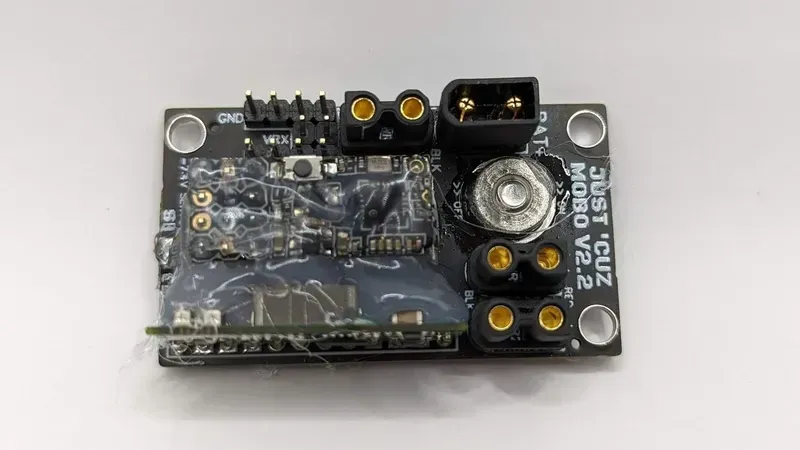
Home Robot Mainboard
The burgeoning presence of home robots, from robotic vacuums to smart assistants and personal companions, signifies a transformative shift in daily living. At the heart of their sophisticated functionality, precise movements, and intelligent decision-making lies the Printed Circuit Board (PCB). These intricate electronic hubs serve as the central nervous system, dictating every action, sensor input, and communication flow. Without a robust and meticulously designed PCB, the complex interplay of components required for autonomous operation, environmental interaction, and user interface would be impossible, underscoring its foundational role in realizing the full potential of home robotics.
What specific applications are driving the demand for home robots? The demand is primarily driven by applications that enhance convenience, safety, and entertainment. This includes robotic vacuum cleaners for automated cleaning, lawn mowers for outdoor maintenance, smart home hubs and assistants for centralized control and voice interaction, security robots for surveillance, and educational/companion robots for interactive learning and social engagement. Each application relies on specialized PCB designs to optimize performance and integration within a domestic environment.
How do PCBs enable the "intelligence" in home robots? PCBs enable intelligence by providing the platform for the robot's computational brain. They integrate microprocessors (CPUs/MCUs), memory, and various sensor interfaces (e.g., LiDAR, cameras, ultrasonic) that collect data from the environment. The PCB facilitates high-speed data transmission between these components, allowing for real-time processing, algorithmic execution for navigation and decision-making, and communication with other devices or cloud services. Specialized PCBs can also incorporate AI accelerators for on-device machine learning, further enhancing autonomy.
What are the fundamental electronic requirements for home robot PCBs? Fundamental electronic requirements include high component density for miniaturization, efficient power management to maximize battery life, robust thermal dissipation to prevent overheating in enclosed spaces, and effective electromagnetic compatibility (EMC) to prevent interference with other home electronics. Additionally, they must support high-speed data transfer for sensory input and processing, integrate wireless communication modules (Wi-Fi, Bluetooth), and ensure mechanical durability to withstand daily operation and potential impacts.
Why are specialized PCB solutions critical for home robotics, as opposed to general-purpose PCBs? Specialized PCB solutions are critical due to the unique constraints and performance demands of home robots. General-purpose PCBs often cannot meet the stringent requirements for miniaturization, low power consumption, high-density interconnect (HDI) for advanced components, and resilience to specific operating conditions (e.g., vibrations, dust). Robotics PCBs demand precise impedance control for high-frequency signals, advanced thermal management, and often flexible or rigid-flex capabilities to fit irregular form factors, which only specialized manufacturing processes can provide.
What is the role of rapid prototyping in the development of home robot PCBs? Rapid prototyping is indispensable for home robot PCB development. It allows engineers to quickly test and validate design iterations, assess functionality, optimize performance, and identify potential issues early in the development cycle. In a fast-evolving market, rapid prototyping accelerates the time-to-market by enabling swift design modifications and reducing costly re-spins, ensuring that innovative robotic solutions can be brought to consumers with agility and efficiency.
Challenges in Home Robot PCB Design and Manufacturing
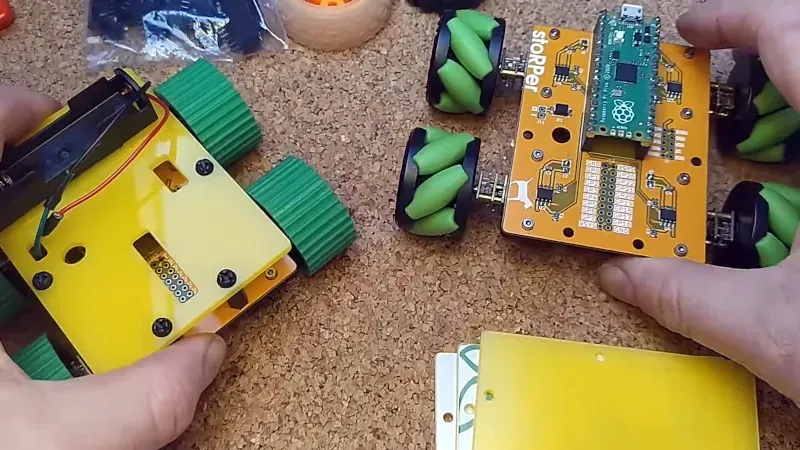
Robot PCB Design
Designing and manufacturing Printed Circuit Boards (PCBs) for home robots presents a unique array of technical hurdles that often exceed the capabilities of standard PCB production. These challenges are intrinsically linked to the compact, autonomous, and often high-performance nature of home robots, demanding specialized expertise in "robotics PCB design" to ensure optimal functionality and longevity. Addressing these complexities is paramount for bringing reliable and innovative home robot solutions to market.
Miniaturization and High-Density Interconnect (HDI) Home robots operate in confined spaces, necessitating incredibly compact electronics. This drives the need for miniaturized PCBs with high-density component placement, often leveraging HDI technology. HDI PCBs allow for finer traces, smaller vias, and increased routing density, enabling complex circuitry in a reduced footprint, but require advanced manufacturing capabilities to achieve precision and reliability.
Power Efficiency and Thermal Management Battery-powered home robots demand exceptional power efficiency to maximize operating time. This necessitates careful component selection and optimized circuit design to minimize power consumption. Concurrently, the high density of components in a small volume generates significant heat, making effective thermal management crucial to prevent overheating, ensure component longevity, and maintain performance, often requiring specialized materials and heat dissipation strategies.
Electromagnetic Compatibility (EMC) Home robots frequently integrate multiple wireless communication modules (Wi-Fi, Bluetooth, Zigbee) and sensitive sensors, making them susceptible to and sources of electromagnetic interference (EMI). Robust EMC design and manufacturing practices are essential to prevent signal degradation, ensure reliable operation, and comply with regulatory standards. This includes meticulous layout, shielding, and grounding techniques to mitigate noise.
Durability and Reliability in Dynamic Environments Unlike static electronics, home robots are subject to motion, vibrations, and potential impacts. PCBs must be robust enough to withstand these mechanical stresses without compromising performance. This requires durable materials, secure component mounting, and sometimes flexible or rigid-flex PCB designs to accommodate movement and ensure long-term reliability in dynamic operating conditions.
Zero One Solution Limited: Your Partner in Home Robot PCB Innovation
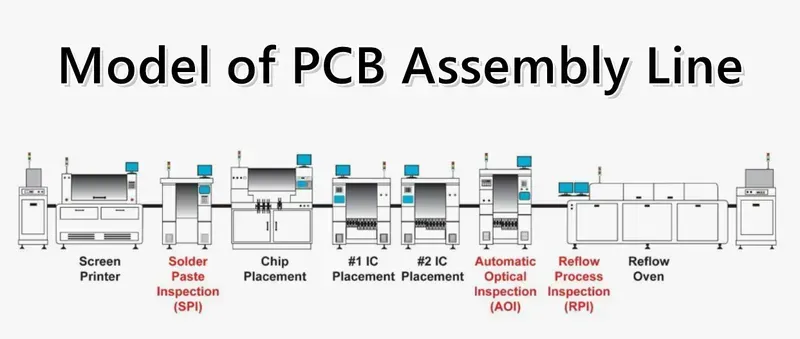
PCBA Production Line
In the burgeoning home robot industry, where innovation and speed to market are paramount, Zero One Solution Limited emerges as an indispensable partner for advanced PCB solutions. With over a decade of specialization in rapid prototyping and comprehensive one-stop PCB services, we empower home robot manufacturers to overcome complex electronic design challenges, ensuring their groundbreaking products reach consumers efficiently and reliably. Our strategic presence in Shenzhen, China's electronic manufacturing heartland, and a branch office in Dubai, positions us globally to leverage unparalleled supply chain advantages for your PCBA for smart homes needs.
Comprehensive One-Stop PCB Services Zero One Solution offers a seamless end-to-end experience, encompassing PCB design, fabrication, component sourcing, and advanced assembly. This integrated approach streamlines your development cycle, reduces logistical complexities, and ensures consistent quality control from concept to final product. Our expertise covers everything from high-density interconnect (HDI) boards crucial for miniaturization, to advanced material handling for thermal management in compact robot designs, making us a true one-stop shop for your home robot PCB needs.
Rapid Prototyping for Accelerated Development Understanding the dynamic nature of the home robot market, our core strength lies in rapid prototyping. We significantly cut down lead times for prototype production without compromising on precision or quality. This agility allows our clients to quickly iterate designs, conduct rigorous testing, and validate functionalities, dramatically accelerating their product development timelines and gaining a crucial competitive edge in bringing innovative home robot solutions to market faster than ever before. This capability is vital for the iterative design process inherent in complex robotics.
Service Aspect
Zero One Solution's Advantage
Benefit for Home Robot Manufacturers
PCB Design Expertise
Specialization in miniaturization, high-density, and low-power designs
Enables compact, energy-efficient, and feature-rich home robots
Advanced PCB Manufacturing
High-precision fabrication, HDI, flexible and rigid-flex capabilities
Ensures robust, durable, and highly functional PCBs for demanding robotic environments
Global Supply Chain
Strategic locations in Shenzhen and Dubai
Access to diverse components, reduced lead times, and competitive pricing for PCBA for smart homes
Quality Assurance
Rigorous testing protocols (AOI, X-ray, ICT)
Delivers highly reliable and stable PCBs, minimizing post-production issues
Dedicated Project Management
Experienced engineering and support teams
Streamlined communication, tailored solutions, and expedited project completion
Key Aspects of Our Home Robot PCB Solution
Precision Circuit Board Assembly
At Zero One Solution Limited, our Home Robot PCB Solution is meticulously engineered to address the intricate demands of modern robotics, ensuring the unparalleled reliability and superior performance of home robot PCBs. We understand that the core of any advanced home robot lies in its printed circuit board, which must be robust, compact, and capable of handling complex computational tasks and precise control functions. Our comprehensive approach integrates high-precision fabrication, cutting-edge assembly techniques, and stringent quality control, all tailored to the unique specifications of robotic applications.
High-Precision PCB Fabrication We utilize advanced manufacturing processes to achieve micro-tolerances essential for compact home robot designs. This includes intricate multi-layer PCBs and HDI (High-Density Interconnect) technology, enabling more components to be packed into smaller footprints while maintaining signal integrity, crucial for sophisticated sensor arrays and AI processing units in home robots. Our precision ensures reliable electrical connections and robust physical structures, even under continuous operation and potential vibrations common in moving robotic systems.
Advanced PCBA Techniques Our assembly capabilities extend to handling the most complex components found in home robots, such as fine-pitch BGAs (Ball Grid Arrays), QFNs (Quad Flat No-leads), and other highly integrated packages. We employ automated pick-and-place machines with exceptional accuracy, minimizing assembly defects and ensuring optimal thermal management for densely packed components. This expertise is vital for power-efficient operation and longevity of home robot electronics, addressing the challenges of heat dissipation in confined spaces.
Rigorous Quality Control Quality is paramount in robotic applications where failure can lead to significant functional issues or safety concerns. Our PCBs undergo multi-stage inspection processes, including Automated Optical Inspection (AOI), X-ray inspection for hidden solder joints (especially crucial for BGAs), and In-Circuit Testing (ICT). We also conduct functional testing tailored to the specific application, ensuring every PCB meets stringent performance benchmarks before integration into a home robot system. This commitment to quality assures the durability and consistent operation of the final product.
Feature
Benefit for Home Robot PCBs
Zero One Solution's Capability
High-Density Interconnect (HDI)
Enables miniaturization and complex signal routing for advanced sensors and processors.
Up to N+N layers, laser drilling, and fine line/space capabilities for maximum component density.
Fine-Pitch BGA Assembly
Supports high-performance microprocessors and memory modules for AI and navigation.
Automated SMT lines with vision systems for precise placement and reflow of components down to 0.2mm pitch.
Advanced Material Selection
Ensures thermal stability, signal integrity, and durability for diverse operational environments.
Access to a wide range of substrates including high-Tg laminates, low-loss materials, and flexible PCBs for specific robotic designs.
Comprehensive Testing & Inspection
Guarantees reliability, performance, and compliance with industry standards.
AOI, X-ray, ICT, and functional testing to validate every aspect of the PCB's integrity and performance.
Accelerating Time-to-Market with Rapid Prototyping
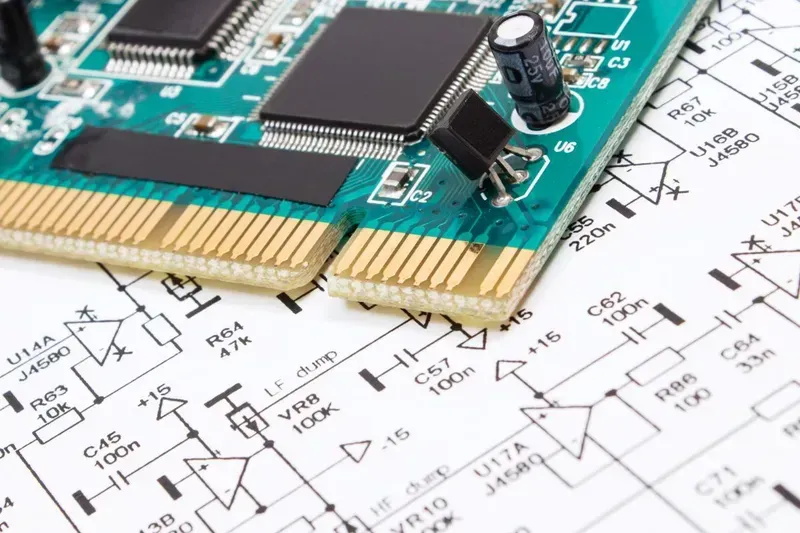
PCB Rapid Prototyping
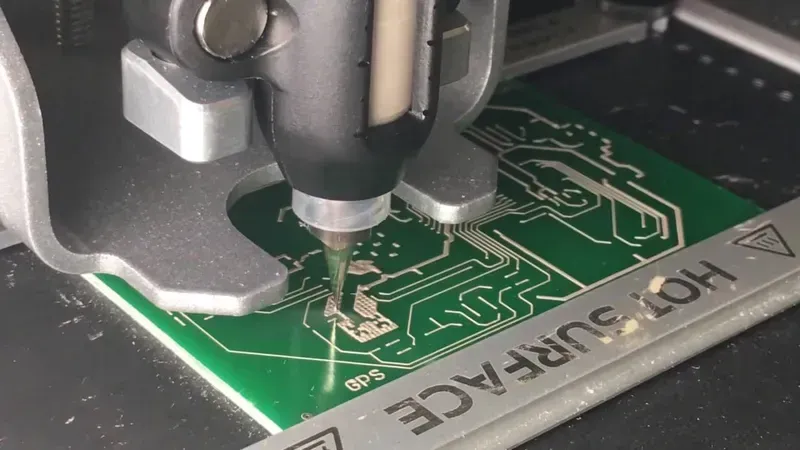
In the hyper-competitive and rapidly evolving home robot market, the ability to quickly transform innovative concepts into tangible, functional products is paramount. Rapid prototyping, particularly in the realm of PCB solutions, serves as the critical enabler for accelerating time-to-market, allowing manufacturers to achieve agile development cycles, validate designs swiftly, and gain a decisive competitive edge. This iterative process of building, testing, and refining prototypes is indispensable for ensuring product viability and performance before full-scale production.
Why is rapid prototyping crucial for home robot PCB development? Rapid prototyping for home robot PCBs is crucial because it enables quick iteration and validation of complex designs, which often involve compact layouts, high-density components, and specific power requirements. It allows engineers to identify and rectify design flaws early, reducing costly rework and delays in later stages, thereby significantly compressing the overall product development timeline and ensuring the robot's reliability and performance meet market demands efficiently.
Aspect of Rapid Prototyping
Impact on Time-to-Market
Benefit for Home Robot PCBs
Design Iteration & Validation
Significantly reduces debugging and redesign cycles.
Allows for quick testing of sensor integration, motor control, and power management circuits, ensuring optimal performance and safety.
How does Zero One Solution Limited's rapid prototyping service specifically benefit home robot manufacturers? Zero One Solution Limited leverages its advanced manufacturing capabilities and strategic location in Shenzhen, a global electronics hub, to offer ultra-fast PCB prototyping and assembly services tailored for home robots. Our ability to quickly produce high-precision, complex PCBs, including HDI and fine-pitch assembly, allows manufacturers to test sophisticated functionalities like AI processing, navigation systems, and human-robot interaction modules with unprecedented speed, drastically shortening their development cycles and accelerating their product launch.
Key Feature of Zero One Solution's Prototyping
Time-to-Market Acceleration
Advantage for Home Robot PCBs
High-Precision Fabrication
Ensures functional prototypes on the first iteration.
Supports miniaturization and high component density required for compact home robot designs.
What are the common challenges in prototyping home robot PCBs and how are they addressed? Common challenges include achieving miniaturization, managing thermal dissipation in confined spaces, ensuring electromagnetic compatibility (EMC), and integrating diverse sensors and actuators. Zero One Solution addresses these by offering advanced PCB technologies like HDI, multi-layer boards, and specialized material selection. Our DFM (Design for Manufacturability) analysis proactively identifies potential issues, ensuring that even complex designs are manufacturable and perform optimally from the prototype stage.
Challenge in Home Robot PCB Prototyping
Zero One Solution's Approach
Outcome for Clients
Miniaturization & High Density
HDI, Micro-Vias, Fine-Pitch Assembly
Compact, high-performance PCBs without compromising functionality or reliability.
Can rapid prototyping also help in reducing overall development costs for home robots? Absolutely. By enabling early detection and correction of design flaws, rapid prototyping significantly reduces the need for expensive late-stage redesigns and re-tooling. This iterative approach minimizes material waste and engineering hours, as well as the risk of product recalls due to undetected issues. For home robots, where precision and reliability are critical, early validation through prototyping translates directly into substantial cost savings throughout the product lifecycle.
The evolution of home robotics demands cutting-edge, reliable, and rapidly deployable PCB solutions. Zero One Solution Limited stands as your premier partner in navigating this intricate landscape, offering not just a service, but a comprehensive 'Home Robot PCB Solution' rooted in experience, expertise, and a commitment to accelerating your innovation. With our rapid prototyping capabilities, stringent quality control, and global supply chain network, we transform your visionary designs into tangible, market-ready products. Let us empower your next breakthrough in home robotics, turning complex challenges into seamless successes. Connect with Zero One Solution today to discuss your project and discover how we can help you lead the future of home automation.