In today's fast-paced healthcare environment, efficient and reliable communication is paramount for patient safety and operational excellence. Traditional wired systems often present limitations in flexibility, installation complexity, and scalability. This is where the innovation of wireless technology steps in, transforming how hospitals manage patient calls and staff responses. Zero One Solution Limited, a leader in rapid-response PCB assembly solutions, is at the forefront of this transformation, offering a robust Hospital Wireless Calling System PCB Solution designed to revolutionize healthcare communication. We delve into how our expertise can empower medical device manufacturers to bring innovative and reliable wireless calling systems to market with unprecedented speed and efficiency.
The Critical Role of Wireless Calling Systems in Modern Healthcare
Modern healthcare environments demand seamless communication to ensure optimal patient care and operational efficiency. Hospital wireless calling systems are at the forefront of this evolution, serving as indispensable tools that significantly enhance patient safety, streamline staff workflows, and foster a more responsive and interconnected healthcare ecosystem. Unlike traditional, often cumbersome, wired systems, wireless solutions offer unparalleled flexibility and reliability, addressing critical pain points such as delayed response times, communication bottlenecks, and inefficient resource allocation. The efficacy of these systems hinges on robust underlying technology, particularly the advanced Printed Circuit Board (PCB) solutions that enable their intricate functionalities, from reliable signal transmission to efficient power management, laying the groundwork for truly transformative patient-provider interactions.
Aspect
Traditional Calling Systems
Wireless Calling Systems
Installation
Complex, extensive wiring
Easier, minimal wiring
Flexibility
Limited relocation, fixed points
High mobility, adaptable
Maintenance
Challenging to diagnose wire faults
Easier module replacement
Scalability
Difficult to expand
Simple to add units
Interference
Less prone to RF, but vulnerable to physical damage
Potential for RF, but advanced shielding exists
Data Integration
Limited or no digital integration
Seamless with EMR/EHR systems
Cost
High initial installation, lower component
Higher component, lower installation/long-term
Enhanced Patient Safety Wireless calling systems dramatically reduce response times to patient emergencies or requests, ensuring prompt medical attention. This immediate communication is vital for time-sensitive interventions, significantly mitigating risks associated with falls, cardiac events, or sudden deteriorations in patient condition. The ability for patients to quickly summon assistance fosters a sense of security and contributes to better clinical outcomes, making these systems a cornerstone of patient-centric care models.
Improved Staff Efficiency By providing direct and instant communication channels between patients and care teams, wireless systems optimize nurse and staff allocation. Nurses can prioritize urgent calls, reducing unnecessary trips and allowing more focused attention on critical tasks. This efficiency translates into less wasted time, reduced staff fatigue, and improved overall productivity, allowing healthcare professionals to dedicate more time to direct patient interaction and less to logistical coordination.
Fostering a Responsive Healthcare Environment The data generated by modern wireless calling systems offers invaluable insights into workflow patterns, patient needs, and staff response times. This data can be analyzed to identify areas for operational improvement, staff training needs, and resource optimization. Such systems transform hospitals into more dynamic, data-driven environments capable of adapting quickly to evolving patient demands and operational challenges, fostering a culture of continuous improvement and proactive care.
Understanding the Core Components of a Hospital Wireless Calling System
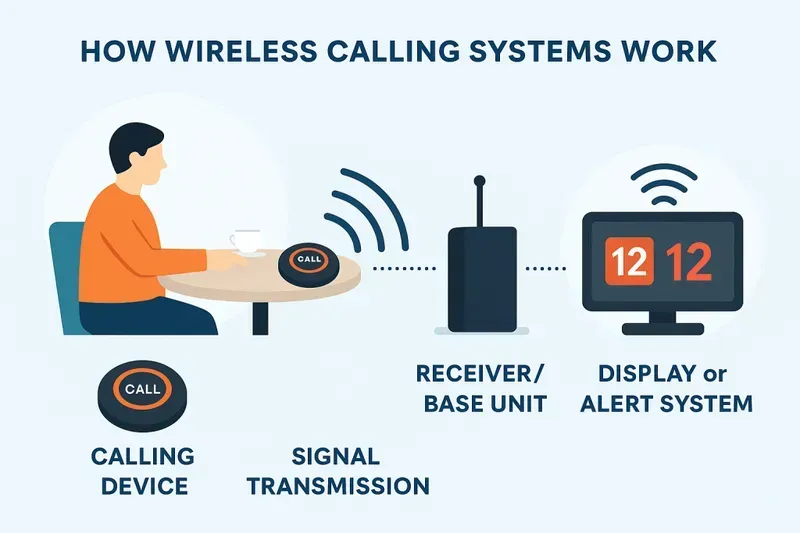
Wireless Calling System Components
A hospital wireless calling system is an intricate network of interconnected electronic components, meticulously designed to facilitate rapid and reliable communication between patients and staff. At its heart, the system's efficiency and dependability hinge on the seamless integration of these core elements, where the Printed Circuit Board (PCB) serves as the foundational backbone, orchestrating their functionality and ensuring robust performance in critical healthcare environments.
Patient Call Transmitters These are the primary patient interface devices, typically call buttons or pendants, responsible for initiating a call. They incorporate low-power RF transmitters, often operating on ISM bands (e.g., 433 MHz, 915 MHz), and require PCBs optimized for compact size, durability, and reliable signal transmission with minimal power consumption, often integrating button matrices and simple indicator LEDs.
Wireless Receivers/Repeaters Strategically placed throughout hospital wards, these units capture signals from patient transmitters. They feature high-sensitivity RF receivers and often act as signal repeaters, extending range and ensuring comprehensive coverage. Their PCBs are complex, requiring careful impedance matching for antenna performance and robust power filtering to maintain signal integrity in electromagnetically noisy hospital settings.
Central Control Unit (CCU) The CCU is the brain of the system, processing incoming calls, managing call priorities, and directing notifications to appropriate staff. It typically houses a microcontroller or embedded processor, memory, and communication interfaces (e.g., Ethernet, Wi-Fi) for integration with hospital information systems. The CCU's PCB is a high-density, multi-layer board, critical for signal routing, power distribution, and heat dissipation to support continuous operation.
Staff Display Units & Pagers These output devices notify staff of incoming calls. Display units (e.g., wall-mounted displays, nurse station terminals) feature LCD/LED screens, input keypads, and networking capabilities. Personal pagers or mobile devices receive call alerts directly. Their PCBs integrate display drivers, wireless communication modules (e.g., Wi-Fi, proprietary RF), and user interface components, designed for clarity, responsiveness, and energy efficiency.
Power Management Modules Ensuring uninterrupted operation, these modules provide stable and clean power to all system components, often incorporating battery backup systems for critical units. Their PCBs are engineered to handle various power inputs, implement voltage regulation, and manage battery charging and discharge cycles efficiently, crucial for system reliability during power fluctuations or outages.
Antenna Integration Antennas are vital for wireless communication. While some are external, many systems utilize on-board or integrated antennas. The PCB design must precisely accommodate antenna impedance matching networks and ground plane considerations to maximize RF performance, minimize signal loss, and ensure optimal range and reliability for wireless transmissions throughout the hospital environment.
Key PCB Design Considerations for Wireless Calling Systems
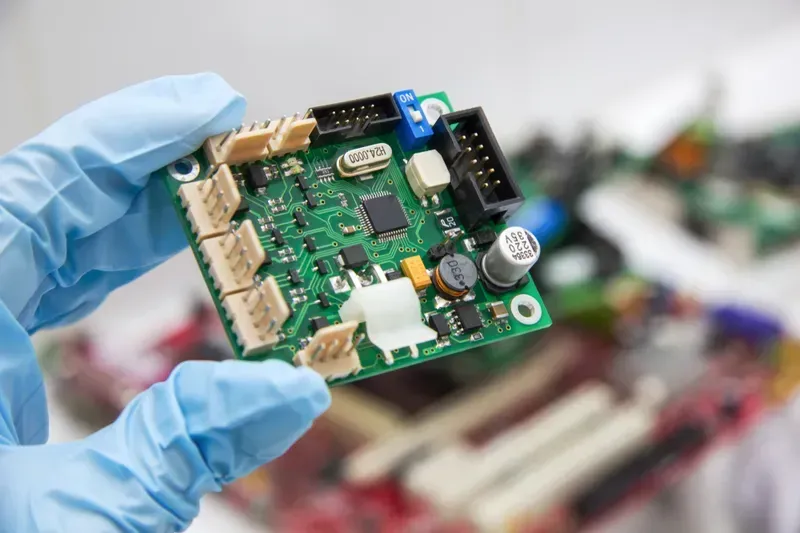
Medical PCB Design
Designing Printed Circuit Boards (PCBs) for hospital wireless calling systems demands meticulous attention to detail, as these devices are critical for patient safety and operational efficiency. Optimal performance and unwavering reliability in a medical setting hinge on addressing several key design considerations, including robust signal integrity, efficient power management, stringent electromagnetic compatibility (EMC), seamless antenna integration, and judicious component selection. Failing to account for these factors can lead to system malfunctions, compromised communication, and potentially, adverse patient outcomes, underscoring the necessity for specialized expertise in this domain.
Signal Integrity (SI) In wireless calling systems, maintaining signal integrity is paramount to prevent data loss and ensure clear, uninterrupted communication. This involves careful impedance matching, minimizing trace lengths, employing proper grounding techniques, and isolating sensitive analog and digital signals to mitigate crosstalk and noise interference. High-frequency design principles are critical for reliable data transmission, particularly in densely populated medical environments.
Power Management Efficient power management is crucial for both battery-operated wireless calling devices and line-powered base stations. Designs must optimize power consumption to extend battery life, reduce heat dissipation, and ensure stable voltage supply across all components. This includes selecting low-power components, implementing efficient voltage regulators (e.g., LDOs, DC-DC converters), and incorporating power-saving modes to enhance system longevity and reliability.
Electromagnetic Compatibility (EMC) Medical environments are rich with diverse electronic equipment, making EMC a critical consideration to prevent interference. PCB designs must incorporate robust shielding, proper grounding, filtering, and strategic component placement to minimize electromagnetic interference (EMI) emissions and ensure immunity to external noise. Adherence to medical device EMC standards (e.g., IEC 60601-1-2) is non-negotiable for system safety and regulatory compliance.
Antenna Integration The antenna is the linchpin of wireless communication. Effective antenna integration on the PCB requires careful consideration of its type (e.g., chip, patch, FPC), placement, and surrounding components to optimize radiation patterns and minimize signal attenuation. Proper impedance matching between the RF front-end and the antenna is essential for maximizing transmission efficiency and range within the hospital infrastructure.
Component Selection for Medical Applications Components selected for hospital wireless calling systems must meet stringent reliability, longevity, and often, medical-grade standards. This involves choosing industrial or automotive-grade components with extended temperature ranges, higher mean time between failures (MTBF), and availability for long-term production. Prioritizing components from reputable suppliers with robust supply chains is also vital for product sustainability and support.
Zero One Solution Limited's Expertise in Medical Device PCB Solutions
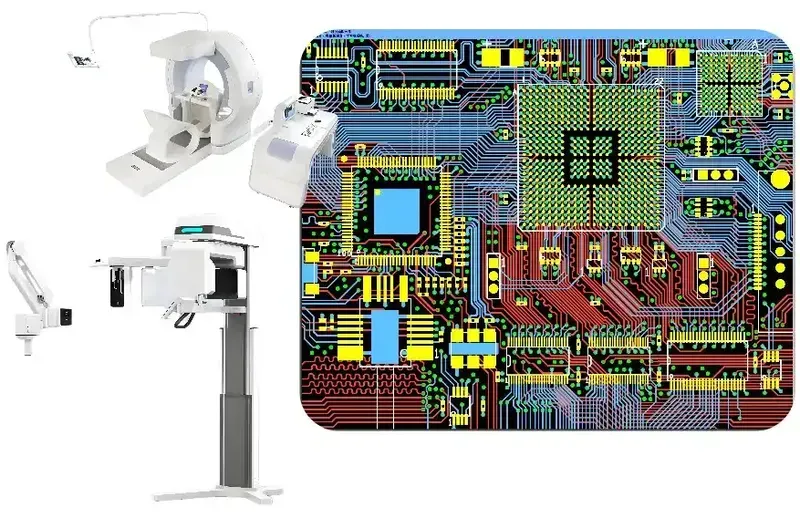
In the critical realm of healthcare, where precision and reliability are paramount, Zero One Solution Limited stands as a veteran authority in providing advanced PCB solutions for medical devices, particularly hospital wireless calling systems. Our specialized capabilities are built upon two decades of engineering and marketing expertise, ensuring that every PCB we produce not only meets but exceeds the stringent demands of medical applications. We understand that a medical device PCB is more than just a circuit board; it is the silent, beating heart of systems that directly impact patient safety and care quality. Our dedication to superior quality, adherence to global industry standards, and profound experience with complex healthcare applications position us as the ideal partner for developing robust and dependable medical device PCBs.
Adherence to Medical Device Standards Zero One Solution Limited is committed to the highest regulatory and quality standards, including ISO 13485 for medical device quality management systems. This ensures that every PCB manufactured for healthcare applications undergoes rigorous validation and verification processes, guaranteeing reliability and patient safety. Our compliance framework covers everything from material selection to final product testing.
Advanced Design and Manufacturing Capabilities Leveraging our 20 years of experience, we employ state-of-the-art design tools and manufacturing processes to produce PCBs optimized for medical environments. This includes expertise in high-density interconnect (HDI) technology, multi-layer boards, and specialized substrate materials that are critical for miniature, high-performance medical devices like wireless calling systems. We prioritize signal integrity and power efficiency to ensure flawless operation.
Key Expertise Area
Description
Benefit for Medical PCBs
Signal Integrity Optimization
Advanced techniques to minimize signal loss and interference, crucial for wireless communication.
Ensures clear and reliable communication in hospital wireless calling systems, preventing dropped signals or false alarms.
Our deep understanding of electromagnetic compatibility (EMC) is particularly vital for wireless calling systems, mitigating interference from other hospital equipment to ensure consistent and accurate data transmission. Furthermore, our robust quality control processes, from initial design review through in-circuit testing (ICT) and functional testing (FCT), guarantee the longevity and performance of our medical PCBs, minimizing potential field failures. This comprehensive approach underscores Zero One Solution Limited's unwavering commitment to empowering healthcare innovation through superior PCB solutions.
Our One-Stop PCB Solution: From Design to Assembly
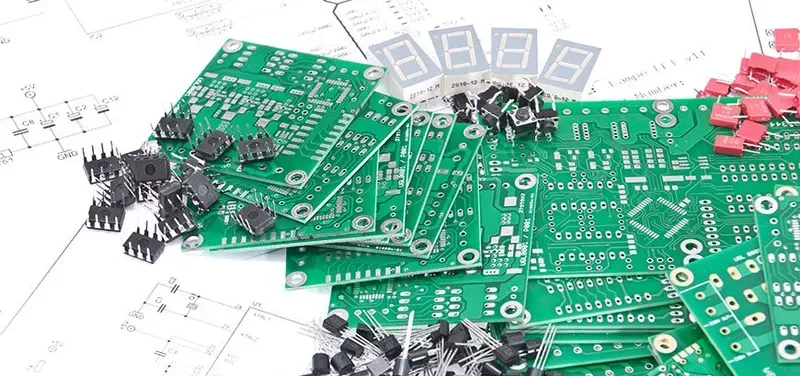
PCB Design to Assembly Process
Zero One Solution Limited offers a truly comprehensive one-stop PCB solution, streamlining the entire product development lifecycle for hospital wireless calling systems, from initial concept design through to final assembly. This integrated approach is critical for medical device manufacturers seeking to accelerate innovation, reduce costs, and ensure the highest levels of quality and reliability in their wireless calling system PCBs. Our expertise spans every stage, providing unparalleled efficiency and a single point of accountability.
Integrated PCB Design Services Our seasoned engineers collaborate closely with clients from the conceptualization phase, leveraging deep expertise in medical device PCB design to optimize layouts for signal integrity, power efficiency, and regulatory compliance. This upfront integration ensures that the design is manufacturable and performs optimally from the outset, avoiding costly redesigns.
Rapid Prototyping Excellence We excel in rapid prototyping, transforming designs into physical prototypes with exceptional speed. This capability allows for quick iteration and rigorous testing, crucial for validating performance and functionality of hospital wireless calling system PCBs in real-world scenarios, significantly shortening the development cycle for medical devices.
Advanced PCB Manufacturing Our state-of-the-art manufacturing facilities utilize cutting-edge technology to produce high-quality PCBs, adhering to stringent medical industry standards. We manage all aspects of fabrication, from material selection to final inspection, ensuring precision and consistency for every board, vital for critical hospital applications.
Precision PCB Assembly (PCBA) Zero One Solution Limited provides expert PCBA services, utilizing automated SMT and THT processes combined with meticulous manual assembly where required. Our assembly processes are optimized for complex medical electronics, ensuring robust connections and reliable performance of the assembled wireless calling system PCBs.
Accelerating Innovation with Rapid-Response R&D Prototype Manufacturing
Medical Device PCB Prototyping
In the dynamic landscape of medical device development, particularly for critical applications like hospital wireless calling systems, the ability to rapidly iterate and test new designs is paramount. Zero One Solution Limited's rapid-response R&D prototype manufacturing capability serves as a cornerstone for accelerating innovation, significantly reducing time-to-market and enabling healthcare providers to benefit from advanced communication solutions sooner. This agility is crucial for validating complex PCB designs under real-world conditions, ensuring optimal performance and reliability before mass production.
Reduced Development Cycles Our streamlined prototyping process compresses the typical development timeline from months to weeks, allowing engineers to quickly test and refine PCB layouts for wireless calling systems, incorporating immediate feedback.
Cost Efficiency in Early Stages Rapid prototyping minimizes the financial risks associated with design flaws by enabling early detection and correction. This prevents costly rework and scrap material that would otherwise occur in full-scale production runs.
Enhanced Design Validation The ability to produce multiple prototype iterations quickly facilitates comprehensive testing of signal integrity, power management, and electromagnetic compatibility (EMC) in various environmental conditions, critical for medical device reliability.
Faster Market Entry By accelerating the R&D phase, Zero One Solution Limited empowers clients to bring their innovative hospital wireless calling system solutions to market ahead of competitors, capturing market share and responding to evolving healthcare needs more effectively.
Adaptability to Regulatory Changes The medical device industry is subject to stringent and evolving regulations. Our rapid prototyping allows for quick adjustments to PCB designs to ensure compliance with new standards (e.g., ISO 13485, IEC 60601), minimizing delays in certification.
Ensuring Reliability and Compliance: Quality Assurance in Medical PCBs
Medical PCB Quality Inspection
In critical healthcare applications, the reliability and compliance of Printed Circuit Boards (PCBs) are paramount, directly impacting patient safety and system functionality. At Zero One Solution Limited, we understand that "good enough" is never an option for medical PCBs. Our quality assurance protocols are meticulously designed to exceed industry standards, ensuring every PCB integrated into a hospital wireless calling system is not only durable and performs flawlessly but also meets stringent regulatory requirements globally. This commitment to rigorous quality control safeguards against potential failures, providing the unwavering reliability essential for continuous patient care.
Aspect of Quality Assurance
Description
Zero One Solution Limited's Approach
Material Selection
Using medical-grade, biocompatible, and durable substrates.
IPC Class 2/3 certified materials; halogen-free options for environmental compliance; strict supplier vetting and material traceability.
Manufacturing Process Control
Precision fabrication, assembly, and soldering processes to minimize defects.
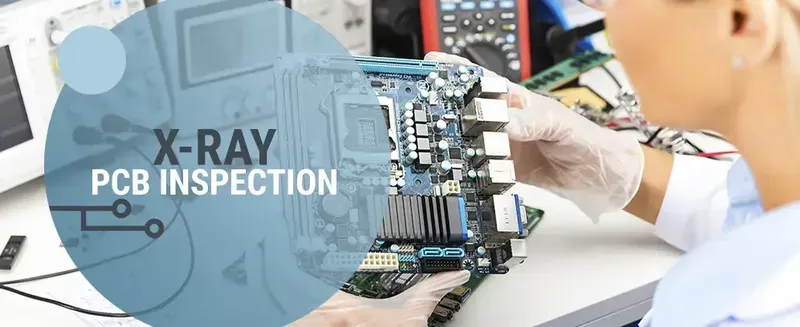
Automated Optical Inspection (AOI), X-ray inspection for BGA/QFN, in-circuit testing (ICT), and functional testing (FCT) for 100% verification.
Environmental Testing
Evaluating PCB performance under varying environmental conditions.
Thermal cycling, humidity testing, vibration testing, and accelerated aging to simulate real-world hospital environments.
Regulatory Compliance
Adherence to international medical device standards and directives.
ISO 9001 and ISO 13485 certified; compliance with RoHS, REACH, and other regional medical device regulations.
Traceability and Documentation
Maintaining comprehensive records for every PCB produced.
Batch-specific serial numbers, detailed production logs, material certificates, and test reports available for full lifecycle traceability.
What ISO certifications are crucial for Medical PCBs? For medical PCBs, the most crucial certifications are ISO 9001 for general quality management systems and, more specifically, ISO 13485 for medical devices quality management systems. ISO 13485 sets forth specific requirements for manufacturers of medical devices and related services, ensuring products consistently meet customer and regulatory requirements. These certifications demonstrate a commitment to quality and regulatory compliance throughout the PCB lifecycle, from design to manufacturing and assembly.
How does Zero One Solution Limited ensure signal integrity in wireless calling system PCBs? Ensuring signal integrity in wireless calling system PCBs is critical for reliable communication. Zero One Solution Limited employs advanced design techniques such as impedance control, careful trace routing to minimize crosstalk and reflections, and strategic placement of ground planes. During manufacturing, we use high-frequency laminates and maintain tight manufacturing tolerances. Post-production, comprehensive testing, including network analyzer measurements, verifies signal performance, ensuring robust wireless communication within the hospital environment.
What testing methods are used to guarantee the durability of medical PCBs? To guarantee the durability of medical PCBs, Zero One Solution Limited utilizes a range of rigorous testing methods. These include thermal cycling, which subjects PCBs to extreme temperature fluctuations to test solder joint integrity and material stability; humidity testing to assess performance in moist environments; and vibration testing to simulate physical stresses during transport and operation. These tests ensure the PCBs can withstand the demanding conditions of continuous use in a hospital setting.
How do you address electromagnetic compatibility (EMC) in medical PCB designs? Addressing Electromagnetic Compatibility (EMC) in medical PCB designs is vital to prevent interference with other sensitive medical equipment. Zero One Solution Limited integrates EMC considerations from the initial design phase, including proper shielding, strategic component placement to minimize emissions, robust grounding schemes, and filtering of power and signal lines. We also perform pre-compliance EMC testing to identify and mitigate potential issues early, ensuring the wireless calling system operates without disrupting other critical hospital systems.
The Global Advantage: Zero One Solution Limited's Strategic Presence
Zero One Solution Limited's strategic global presence, with headquarters in Shenzhen, China, and a branch office in Dubai, UAE, provides an unparalleled advantage in delivering superior Hospital Wireless Calling System PCB Solutions. This dual-location model leverages the strengths of the world's electronics manufacturing hub and a crucial logistical gateway, ensuring robust supply chain resilience, diverse resource access, and efficient global distribution for our clients.
Leveraging Shenzhen: The Heart of Electronics Manufacturing Our presence in Shenzhen, the global epicenter for electronics manufacturing, grants us direct and immediate access to the most advanced PCB fabrication technologies, a vast ecosystem of high-quality component suppliers, and a highly skilled engineering workforce. This proximity to the supply chain core allows for rapid prototyping, competitive pricing, and swift production scaling, critical for high-volume and rapid-response medical device manufacturing. It significantly reduces lead times and enhances our ability to incorporate the latest innovations into our Hospital Wireless Calling System PCB designs, ensuring our solutions remain at the forefront of technology.
Dubai's Strategic Role: A Gateway to Global Markets The Dubai branch office acts as a pivotal hub, facilitating efficient logistics and distribution to clients across Europe, Africa, and the Middle East. Its strategic geographical location minimizes transit times and optimizes shipping costs, providing a crucial logistical advantage. Furthermore, Dubai's robust business infrastructure and open economic policies support seamless international trade, enabling Zero One Solution Limited to navigate complex import/export regulations with ease and provide localized support to our diverse global clientele. This global reach ensures that our Hospital Wireless Calling System PCB Solutions can be deployed rapidly and efficiently worldwide.
Frequently Asked Questions about Hospital Wireless Calling System PCBs
Understanding the intricacies of Printed Circuit Boards (PCBs) for hospital wireless calling systems is crucial for ensuring optimal performance, reliability, and patient safety. Below are some frequently asked questions that delve into common inquiries regarding the design, manufacturing, and implementation of these critical components, providing clarity for healthcare providers and medical device innovators.
How does Zero One Solution Limited ensure the reliability of Hospital Wireless Calling System PCBs? Zero One Solution Limited ensures reliability through a multi-faceted approach. This includes meticulous design validation focusing on signal integrity and power management, selection of high-quality, medical-grade components, and rigorous manufacturing processes. We adhere to international quality standards such as ISO 13485 (for medical devices) and ISO 9001, implementing stringent in-process controls, automated optical inspection (AOI), X-ray inspection, and comprehensive functional testing to identify and rectify any potential defects before deployment. Our commitment to traceability throughout the supply chain further guarantees the integrity of every PCB.
Can Zero One Solution Limited customize PCBs for specific hospital wireless calling system requirements? Absolutely. Customization is a core strength of Zero One Solution Limited. We work closely with clients from the initial concept phase to tailor PCB designs precisely to their unique hospital wireless calling system specifications. This includes optimizing layouts for specific form factors, integrating specialized wireless modules (e.g., Wi-Fi, Bluetooth, Zigbee), incorporating unique sensor inputs, and designing for specific environmental conditions or power constraints. Our engineering team leverages extensive experience to transform conceptual requirements into robust, high-performance custom PCB solutions.
What is the typical lifespan of a PCB in a hospital wireless calling system, and how is it maintained? The typical lifespan of a well-designed and manufactured PCB in a hospital wireless calling system can range from 10 to 15 years, or even longer, assuming proper operating conditions and regular maintenance. Factors influencing lifespan include component quality, thermal management, environmental exposure (humidity, temperature), and the frequency of use. Maintenance primarily involves ensuring stable power supply, managing environmental factors to prevent corrosion or overheating, and periodically checking for physical damage. System software updates can also contribute to the longevity and performance of the PCB by addressing potential bugs or enhancing efficiency.
What electromagnetic compatibility (EMC) considerations are vital for Hospital Wireless Calling System PCBs? EMC is paramount for Hospital Wireless Calling System PCBs to prevent interference with other critical medical equipment and ensure reliable communication. Key considerations include careful grounding and shielding techniques to minimize electromagnetic interference (EMI) emission, optimized PCB layout for signal integrity to reduce susceptibility to external EMI, and strategic placement of components to prevent cross-talk. We also implement filter circuits at I/O ports and power lines, and conduct comprehensive pre-compliance EMC testing to ensure the PCB meets relevant medical device EMC standards (e.g., IEC 60601-1-2) before final product certification.
How does Zero One Solution Limited manage the supply chain for specialized components in medical PCBs? Zero One Solution Limited manages the supply chain for specialized medical PCB components through a robust and globally diversified network. Our strategic presence in Shenzhen, China, and Dubai provides unparalleled access to a wide array of qualified component suppliers. We employ strict vendor qualification processes, dual-sourcing strategies for critical parts, and maintain strong relationships with leading manufacturers to ensure authenticity, quality, and timely availability. Our proactive approach includes long-term forecasting and inventory management to mitigate risks associated with supply chain disruptions, ensuring a consistent and reliable flow of high-quality components for medical-grade PCBs.
Zero One Solution Limited's Hospital Wireless Calling System PCB Solution represents a significant leap forward in healthcare communication. By combining our rapid prototyping capabilities, extensive expertise in PCB design and manufacturing, and a global supply chain network, we empower innovators to transform their concepts into reliable, high-performance medical devices. Our commitment to quality, efficiency, and customer success ensures that your wireless calling systems are not just functional, but truly transformative for patient care. Don't let complex PCB challenges hinder your progress. Partner with Zero One Solution Limited to accelerate your product development and deliver the next generation of healthcare communication. Contact us today to discuss your project and discover how our comprehensive PCB solutions can bring your vision to life.