
In the fast-paced world of hardware innovation, speed is the ultimate currency. If your product launch is stalled by manufacturing bottlenecks, your entire competitive advantage is at risk. Finding a quick-turn PCB assembly partner who balances rapid execution with uncompromising precision is the difference between a successful market entry and a costly pivot.
The Strategic Importance of Speed in Hardware Prototyping

In the fast-paced landscape of hardware development, the speed of your PCB assembly process is not merely a logistical convenience; it is a fundamental strategic asset. The ability to move from a design concept to a physical, testable prototype determines how many iterations you can perform before your product launch window closes. A high-velocity assembly partner shortens the feedback loop, allowing engineering teams to validate assumptions, identify latent defects, and refine performance under real-world conditions long before committing to costly high-volume production.
The Competitive Advantage of Rapid Iteration
Time-to-market is often the most significant predictor of commercial success. By utilizing quick-turn PCB assembly, firms can compress development schedules by weeks or even months. This agility allows teams to adopt a fail-fast mentality, where prototypes are treated as learning tools rather than finalized products. When your assembly lead time matches your design cycle, you eliminate the 'wait state' that frequently stalls innovation and frustrates development teams.
| Metric | Traditional Assembly | Quick-Turn Assembly |
|---|---|---|
| Lead Time | 3-6 Weeks | 24-72 Hours |
| Feedback Cycle | Slow/Occasional | Rapid/Continuous |
| Design Flexibility | Low (Rigid) | High (Adaptive) |
| Project Risk | Higher (Cumulative) | Lower (Mitigated) |
Frequently Asked Questions
- Does higher speed impact the quality of the board?
A top-tier quick-turn partner utilizes advanced automated optical inspection (AOI) and Flying Probe testing to maintain rigorous quality standards even at accelerated turnaround times. - How does quick-turn assembly affect overall project cost?
While unit costs are higher, the reduction in overhead, faster market entry, and the ability to prevent expensive mass-production errors often result in a lower total cost of ownership. - What should I look for in a partner's infrastructure?
Seek partners with robust in-house component sourcing, automated pick-and-place capabilities, and dedicated NPI (New Product Introduction) lines designed specifically for small-batch efficiency.
Evaluating Manufacturing Quality Certifications
Evaluating Manufacturing Quality Certifications
When sourcing a quick-turn PCB assembly provider, certifications serve as the objective evidence of a factory's commitment to repeatability and precision. While speed is the primary driver for prototyping, ignoring quality management systems often leads to 'rework loops' that negate any time saved during the assembly phase. You must prioritize partners that integrate rigorous documentation and standardized inspection criteria into their daily operations.
| Certification | Primary Focus | Why It Matters for Prototypes |
|---|---|---|
| ISO 9001 | Quality Management | Ensures consistent processes and management oversight throughout the build. |
| IPC-A-610 | Acceptability of PCBs | Defines the visual and structural standards for solder joints and component placement. |
| ISO 13485 | Medical Devices | Required for high-stakes prototypes requiring stringent traceability and risk management. |
Interpreting IPC Standards
The IPC-A-610 standard is the electronics industry's 'bible' for assembly quality. Your partner should not only be certified but should actively train their inspection staff to these classes. For most prototype projects, Class 2 (Dedicated Service Electronic Products) is the industry baseline, but if your product is mission-critical, you must specify if they are capable of meeting Class 3 (High Performance/Harsh Environment) requirements.
- Does an ISO 9001 certification guarantee a perfect prototype?
No, it guarantees that the manufacturer has a documented process for quality control and continuous improvement. It ensures that if a failure occurs, the shop has a systemic way to identify the root cause. - How do I verify a partner's claims?
Always request a copy of their current certification certificates. Legitimate providers will have these available and are usually registered in public certification databases that allow you to verify the status and scope of their accreditation. - Should I care about IPC-J-STD-001?
Yes, whereas IPC-A-610 is an inspection standard, J-STD-001 focuses on the actual requirements for soldering materials and processes. A partner that follows both is significantly more likely to deliver reliable, long-lasting solder joints.
Assessing Component Sourcing and Supply Chain Resilience
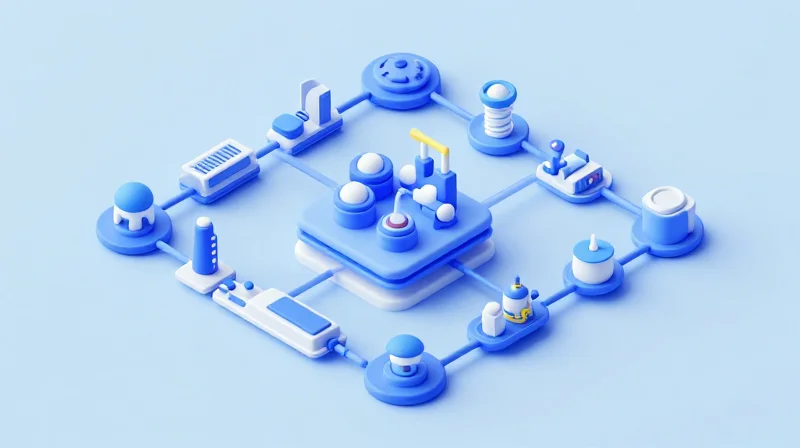
A quick-turn partner is only as fast as their supply chain. When evaluating potential vendors for your prototype project, look beyond simple assembly capabilities and scrutinize how they handle component sourcing. A partner with robust, transparent inventory management practices can mitigate the risk of procurement delays—the leading cause of timeline slips in PCB projects—while proactively identifying potential component obsolescence or availability issues before they impact your manufacturing floor.
Key Supply Chain Indicators for Prototype Success
| Indicator | Why It Matters | What to Ask |
|---|---|---|
| Supplier Integration | Faster procurement and direct access to stock. | Do you have API integration with major distributors like DigiKey or Mouser? |
| Inventory Visibility | Real-time tracking of component status. | How do you notify me if a component goes end-of-life or out-of-stock? |
| Alternative Sourcing | Mitigating lead time risks. | What is your process for vetting and approving equivalent alternative parts? |
Proactive Inventory Management Practices
The most effective partners utilize a 'Design for Procurement' (DfP) approach. This methodology involves reviewing your Bill of Materials (BOM) early in the design phase to flag high-risk or long-lead-time components. By identifying these parts early, your partner can recommend functional replacements, negotiate better procurement paths, or adjust the assembly schedule to accommodate lead times without disrupting the overall project delivery.
Frequently Asked Questions
- Why should I care about my PCB partner's supplier network?
A well-connected partner has established relationships with reputable distributors, ensuring faster procurement times and authentic components, which are vital for meeting tight prototype deadlines. - How does component vetting prevent project failures?
Rigorous vetting ensures that alternative parts are functionally equivalent and meet all specifications. This prevents hardware defects or assembly issues that might otherwise arise from using unverified substitutes. - What if my design requires obsolete components?
An experienced partner will offer early guidance on alternative part selections or suggest design modifications before manufacturing begins, saving you costly re-spins later.
The Value of In-House Quick-Turn Capabilities
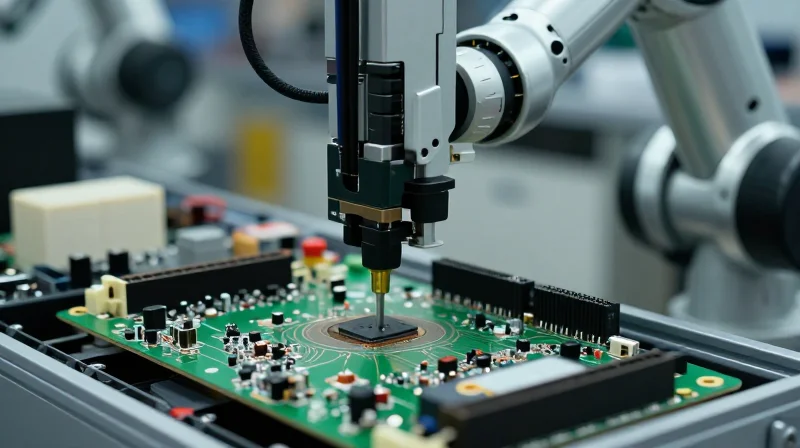
While many firms rely exclusively on external manufacturing partners, maintaining internal quick-turn assembly capabilities serves as a strategic asset. By bringing the fabrication and assembly loop closer to the design team, engineers can validate hardware iterations in hours rather than days, drastically reducing the friction inherent in remote manufacturing workflows.
The Strategic Advantages of Internal Prototyping
| Feature | External Partner | In-House Capability |
|---|---|---|
| Feedback Latency | High (Shipping required) | Minimal (Real-time) |
| Design Control | Dependent on communication | Full oversight |
| IP Security | Risk of third-party exposure | Maximum security |
Key Benefits for Hardware Agility
Internalizing assembly transforms the prototype phase from a linear, hand-off-heavy process into a high-velocity collaborative environment. When design and assembly teams reside under one roof, troubleshooting becomes an immediate, cross-functional effort.
- How does in-house assembly improve design quality?
Engineers can identify and rectify 'design for manufacturing' (DFM) errors immediately, ensuring that final production boards are optimized for scale. - Does in-house assembly reduce intellectual property risks?
Yes, by eliminating the need to send proprietary design files to external vendors during early R&D stages, sensitive IP remains strictly within your organization. - Can in-house assembly handle high-complexity prototypes?
Modern modular equipment allows teams to handle complex SMT assemblies with high precision, mirroring the capabilities of dedicated assembly houses without the logistics overhead.
Ultimately, selecting a quick-turn partner is not just about choosing an external vendor, but about determining which stages of the assembly lifecycle require internal control to protect your project's critical path.
Engineering Support and DFM Feedback

The Strategic Role of DFM Feedback
A superior quick-turn assembly partner views your design files not just as instructions, but as opportunities for optimization. By conducting comprehensive DFM checks—such as verifying solder mask clearances, silkscreen legibility, and component pad patterns—before the first board is populated, an expert partner catches geometric or material conflicts that could lead to electrical shorts or assembly failures.
Proactive vs. Reactive Engineering Support
| Feature | Reactive Partner | Proactive Partner |
|---|---|---|
| Design Review | Upon build failure only | Pre-build automated check |
| Communication | Automated error logs | Dedicated CAM engineering contact |
| Yield Impact | High risk of rework | Optimized for first-pass success |
Evaluating Engineering Support Capabilities
When vetting a partner, assess their ability to provide actionable feedback rather than generic reports. The best partners integrate their engineering teams directly into the pre-production stage, allowing for real-time collaboration on difficult layouts.
- What specific DFM data should you expect?
Look for analysis on copper-to-edge spacing, drill-to-pad ratios, annular ring sufficiency, and thermal relief patterns that could complicate the reflow process. - How does DFM feedback impact prototype speed?
While it may add an initial 24 hours to the intake stage, identifying design flaws early prevents the 'stop-ship' scenario, which can set your project timeline back by weeks. - Should I share my design intent?
Yes; providing context on your end-application allows the engineer to suggest component orientation or footprint adjustments tailored to the specific thermal or mechanical requirements of your prototype.
Communication and Project Transparency
The Role of Dedicated Account Management
When timelines are compressed, traditional ticketing systems often fail to provide the nuance required for complex engineering pivots. A dedicated account manager serves as a single point of truth, bridging the gap between your engineering team and the production floor. This relationship ensures that your project requirements are not merely processed but proactively managed.
Real-Time Tracking and Project Visibility
Visibility is the antidote to the uncertainty often found in prototype assembly. The best partners provide granular status updates that move beyond vague milestones, offering insights into component arrival dates, SMT placement progress, and potential quality inspection bottlenecks.
| Feature | Basic Partner | Best-in-Class Partner |
|---|---|---|
| Communication | Automated email alerts | Dedicated PM/Account Manager |
| Status Updates | Delayed batch status | Real-time dashboard visibility |
| Problem Resolution | Standard support queue | Immediate engineering collaboration |
Communication Best Practices for Prototypes
- How often should you expect status reports?
For quick-turn projects, you should demand daily updates, particularly during the kitting and initial inspection phases, to catch errors early. - What information should be shared during the assembly phase?
Beyond simple status changes, your partner should report any component substitutions, DFM flags identified at runtime, and visual documentation of solder joint or placement issues. - Is a portal enough?
A portal is excellent for data, but it cannot replace human expertise; ensure you have direct contact with the production lead or a dedicated project engineer for urgent inquiries.
Scalability: Moving from Prototype to Production
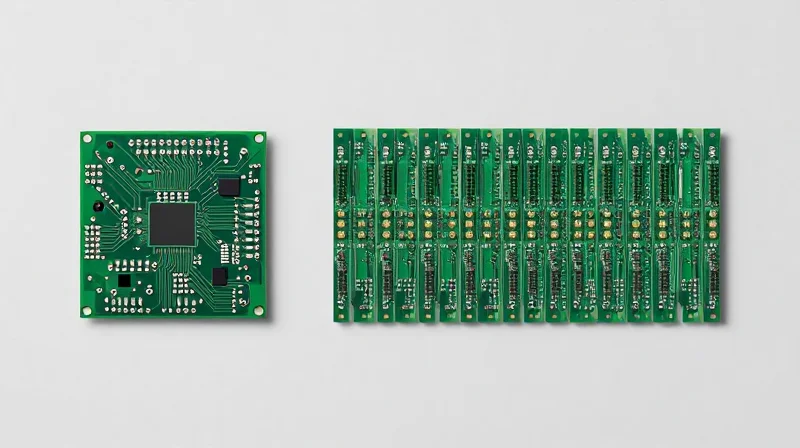
The Importance of Scalable Infrastructure
When choosing a partner, scalability should not be an afterthought; it is a fundamental architectural requirement. A high-quality assembly house must demonstrate the ability to transition your project from a handful of manual boards to automated, high-speed lines. This transition relies on the partner's investment in equipment redundancy, flexible supply chain management, and scalable testing protocols.
Key Differences: Prototyping vs. Production Partnerships
| Feature | Prototyping Phase | Full-Scale Production |
|---|---|---|
| Component Sourcing | Distributor-based, rapid sourcing | Direct manufacturer procurement |
| Assembly Speed | Optimized for turnaround | Optimized for cost/yield |
| Testing Protocol | Visual inspection, basic functional | In-circuit (ICT) and ATE testing |
| Batch Size | 1 to 50 units | 1,000+ units |
Evaluating Scalability Readiness
- Does the partner have automated production lines?
Ensure they own multiple SMT lines that can support high-volume throughput without re-tooling your designs. - How do they handle component procurement during scale-up?
An ideal partner shifts from spot-buy purchasing to strategic partnerships with authorized distributors and OEMs to stabilize lead times and costs. - Can they integrate test data from prototypes into production?
Look for partners who utilize the failure modes and effects analysis (FMEA) gathered during prototyping to optimize the full-scale manufacturing process.
Ultimately, the best partner acts as an extension of your own manufacturing engineering team. By aligning with a vendor that prioritizes consistent process control across all volume levels, you avoid the costly and time-consuming pitfalls of shifting to a new manufacturer once your design reaches maturity.
Conducting a Thorough Vendor Audit
Conducting a Thorough Vendor Audit
Performing a systematic audit of a potential PCB assembly partner moves you beyond marketing claims into verifiable operational reality. This process involves evaluating their facility infrastructure, quality certifications, and the robustness of their technical processes to ensure they can meet your prototype’s specific requirements.
Key Audit Dimensions
| Audit Area | Key Objective | What to Verify |
|---|---|---|
| Quality Systems | Risk Mitigation | ISO 9001/13485 certifications and calibration logs |
| Facility Capacity | Throughput | Equipment age and daily SMT placement capacity |
| Technical Capability | Process Control | IPC-A-610 class compliance and reflow profiling records |
| Supply Chain | Component Integrity | Anti-counterfeit measures and verified vendor lists |
The Prototype Build Test
The most effective audit is a low-stakes 'test run.' Commissioning a single, moderately complex prototype build allows you to evaluate not just the final board, but the entire service ecosystem. Observe how they handle your Gerber files, how they communicate component shortages, and the level of detail provided in their post-assembly inspection reports.
- Should I conduct an on-site audit for a small prototype run?
While virtual audits via video conferencing are increasingly acceptable, an on-site visit is recommended for high-reliability projects where cleanroom standards and strict ESD controls are mission-critical. - What is the most critical document to request during an audit?
Always request their most recent internal quality non-conformance report and their standard DFM feedback template to understand how they address design errors before soldering begins. - How long should a thorough vendor audit take?
A comprehensive remote audit usually spans one to two days of data exchange and interview sessions, whereas an on-site visit is typically a single intensive day.
Selecting the right manufacturing partner is a long-term investment in your company's product trajectory. By prioritizing quality certifications, supply chain transparency, and agile assembly capabilities, you secure your path to a seamless product launch. Ready to accelerate your next prototype? Contact our engineering team today to see how we can bring your design to life faster.
