HVAC Capacitors: Powering Your Comfort - A Comprehensive Guide
2025.01.21
In the world of home comfort, the often-overlooked HVAC capacitor plays a pivotal role. Like the spark plug in your car, this unassuming component provides the electrical 'kick' needed for your AC's motors. This article demystifies HVAC capacitors, explaining their function, common issues, and what you should know about keeping your cooling system running smoothly, connecting basic electrical principles with everyday comfort.
What is an HVAC Capacitor and Its Function?
HVAC Capacitor
HVAC capacitors are essential components within air conditioning (AC) systems, acting as temporary energy storage devices. Their primary function is to provide the necessary electrical boost to start and run the motors in the system, specifically those powering the compressor and fans. Without functional capacitors, these motors cannot operate efficiently or may fail to start, thereby compromising the entire HVAC system's performance.
Think of capacitors like small, rechargeable batteries within your AC. They accumulate electrical charge and then release it rapidly when a motor needs to start or run continuously. This is critical because motors require a significant surge of power to overcome inertia when initiating movement, and a steady stream of power to maintain their operation.
Starting Motors Capacitors provide the initial high-voltage boost required to start the compressor and fan motors. This is a large electrical load which the power grid isn't capable of instantaneously delivering without a capacitor.
Maintaining Motor Operation Run capacitors, in particular, provide a continuous electrical current that keeps the motors running efficiently once they are started.
Enhancing Energy Efficiency By ensuring smooth motor operation, capacitors contribute to the overall energy efficiency of the HVAC system. Faulty capacitors can cause motors to work harder, using more energy and increasing operational costs.
Types of HVAC Capacitors: Run vs. Start
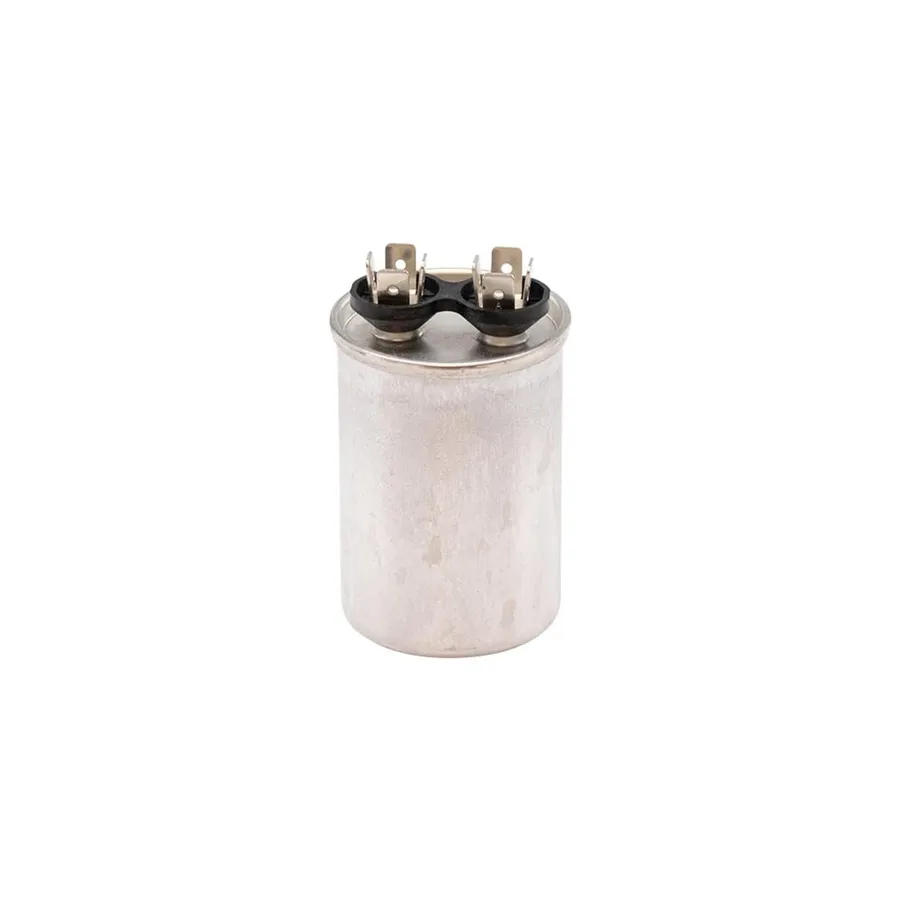
Run Capacitor
HVAC systems utilize two primary types of capacitors: run capacitors and start capacitors. Each type plays a crucial, yet distinct, role in the operation of the system's motors, impacting performance and efficiency. Understanding their differences is essential for effective troubleshooting and maintenance.
Feature
Run Capacitor
Start Capacitor
Function
Provides continuous energy to the motor while running.
Provides a high-energy jolt to start the motor.
Usage
Constantly used when the motor is operating.
Used only during the initial start-up phase of the motor.
Capacity (Microfarads, µF)
Lower capacitance, typically ranging from 2.5 to 60 µF.
Higher capacitance, often ranging from 50 to 300 µF.
Construction
Designed for continuous operation, often oil-filled for heat dissipation and longer life.
Designed for short bursts of high energy and is not rated for continuous operation.
Typical Lifespan
Generally lasts longer due to continuous operation design; with proper conditions they may last 5-10 years.
Shorter lifespan because of the more intense demands of startup cycles; needs replacement more frequently than run capacitor if system is under high load.
Impact on HVAC
Ensures consistent motor speed and performance, which is crucial for efficient operation and energy conservation. A failing run capacitor can lead to motor overheating, increased energy consumption, and premature failure of the motor.
Provides the initial torque to overcome inertia and start the motor. A failing start capacitor can lead to a motor that hums but won't start, increased stress on other system components and system failure
Identifying a Failing HVAC Capacitor: Symptoms to Watch For
Bulging Capacitor
A failing HVAC capacitor can manifest in several ways, often signaling the need for replacement before complete system failure. Early detection of these symptoms can prevent more costly repairs and ensure continued comfort. These signs range from subtle performance issues to complete system shutdown.
Slow Starting Motors One of the most common indicators of a failing capacitor is the delayed start-up of the HVAC system’s motors. This can manifest as a sluggish response from the fan or compressor motor, indicating the capacitor isn't providing the necessary energy to initiate the motor's rotation effectively. A healthy capacitor delivers a quick and strong burst of energy, while a failing one struggles to provide enough power. The unit might also cycle on and off due to the system having difficulties in reaching a stable state of operations.
Humming Noises A consistent humming or buzzing sound emanating from your HVAC unit can be another sign of a capacitor experiencing a performance issue. The humming noise arises from the motor trying to start without sufficient power provided by the capacitor, causing the electrical coils to vibrate at their resonant frequency. This sound is frequently noticed when the system tries to initiate operation.
Complete System Failure In the most severe cases, a completely failed capacitor can lead to the HVAC system's total inability to start. If the capacitor is no longer functioning, it can't supply the motor with the required energy, rendering the system non-operational. This state is reached when the capacitor can no longer hold the charge required to run the motor, therefore, preventing any start attempt.
Increased Energy Consumption As a capacitor deteriorates, the motors within the HVAC system must work harder to achieve their intended performance. This increased effort consumes additional electricity, resulting in higher energy bills without a corresponding increase in the heating or cooling output. This symptom is often gradual and can be missed if regular performance monitoring is not conducted.
Overheating An overworked capacitor struggling to perform its duty may overheat. While the issue may originate at the motor, the root cause might be a degraded capacitor. Overheating can cause the system to shut down or in extreme situations might cause further damage. The system's built-in safety mechanism may trigger an emergency stop.
HVAC Capacitor Ratings: Understanding Microfarads (uF) and Voltage
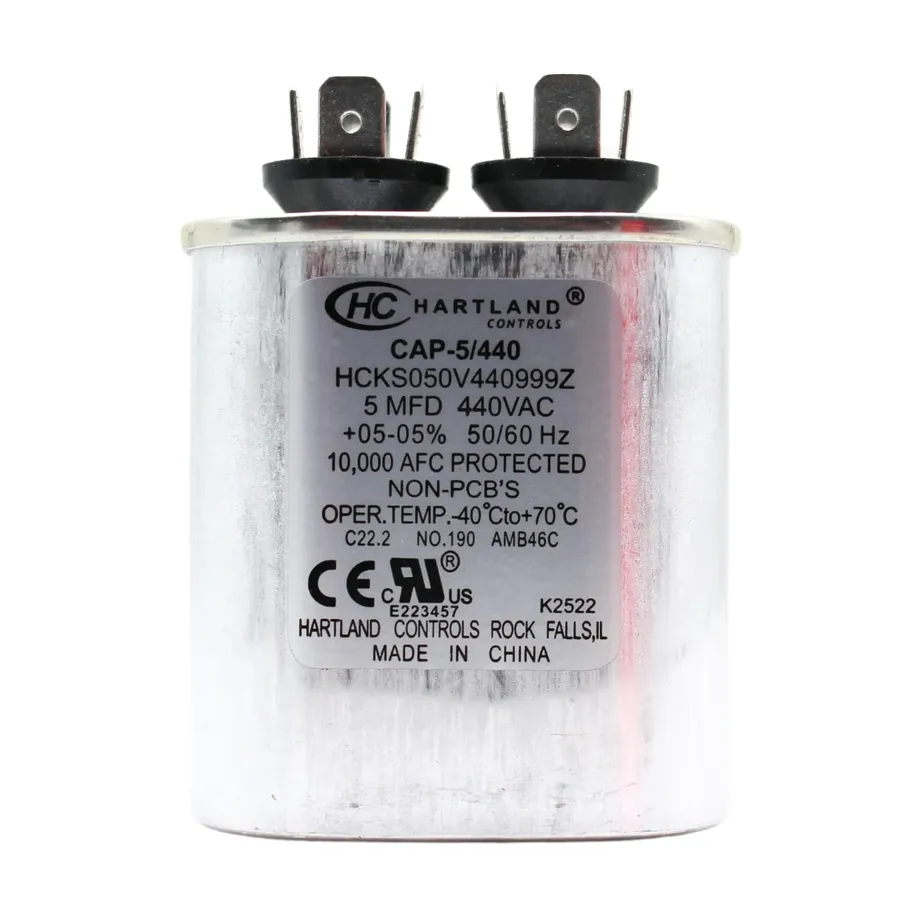
Capacitor Label
HVAC capacitor ratings, specifically microfarads (µF) and voltage, are crucial parameters that dictate the capacitor's ability to function correctly within an HVAC system. Selecting the correct capacitor based on these ratings is paramount to ensure the efficient and safe operation of the system, preventing premature failure or damage to other components.
Rating Parameter
Description
Importance
Microfarads (µF)
Measures the capacitor's electrical storage capacity. A higher microfarad rating signifies the capacitor can store more charge.
Must match the original capacitor's specifications for proper motor start and run performance. Incorrect rating can cause motor overheating or failure.
Voltage
Indicates the maximum voltage the capacitor can safely withstand.
The new capacitor's voltage rating must meet or exceed the original rating to prevent electrical failure. Lower voltage ratings increase failure risks.
The unit microfarad (µF), also sometimes represented as MFD, specifies a capacitor's capacitance, the amount of electrical charge it can store. Voltage, measured in volts, is the maximum amount of electrical potential that can be safely applied across the capacitor's terminals without risking damage. An incorrect microfarad rating may result in inefficient motor operation, or even motor failure, while an inadequate voltage rating can lead to premature capacitor failure or even a dangerous short circuit.
The Risks of DIY HVAC Capacitor Replacement
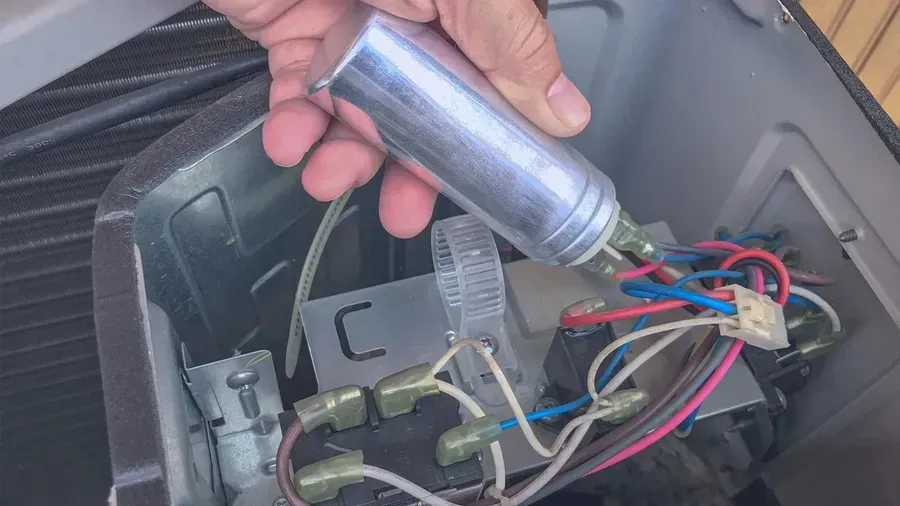
Replacing an HVAC capacitor without adequate electrical training poses significant risks, primarily due to the high-voltage electrical charge these components store. Attempting a DIY replacement can lead to severe electrical shock, serious injury, and potential damage to the HVAC system itself. These risks are not trivial and should be considered carefully before any attempt at self-replacement.
Capacitors store energy even when the unit is powered off. This stored energy, when improperly handled, can result in a powerful and dangerous electrical shock. Furthermore, incorrect installation can damage the HVAC system, resulting in more costly repairs and potentially voiding manufacturer warranties.
Before any work on an HVAC capacitor, it is essential to understand the process of safely discharging it. This is not a trivial task and requires the proper tools (specifically a properly rated discharge tool), as well as the understanding of the procedure. Even if a capacitor appears to be discharged, it can potentially hold some amount of residual charge, so due caution is essential at all times.
The procedure for discharging a capacitor involves connecting a properly rated resistor across the capacitor terminals to slowly bleed off the charge. This process requires careful attention to safety protocols and an understanding of the electrical values involved. While there are tutorials online, they may not always be clear or accurate, and the lack of hands-on experience increases the likelihood of an incident.
Beyond the safety concerns, incorrect capacitor installation can lead to a variety of other problems, like improper system operation, reduced efficiency, and even premature failure of other HVAC components. Therefore, only trained HVAC technicians should perform HVAC capacitor replacements.
Professional HVAC Capacitor Replacement: When to Call an Expert
While some basic HVAC troubleshooting can be done by homeowners, replacing a capacitor is a task best left to certified HVAC professionals. The high voltages involved, coupled with the potential for misdiagnosis and improper installation, create significant safety hazards and risks of damaging the system. Knowing when to call an expert ensures safety and maintains the integrity of your HVAC system.
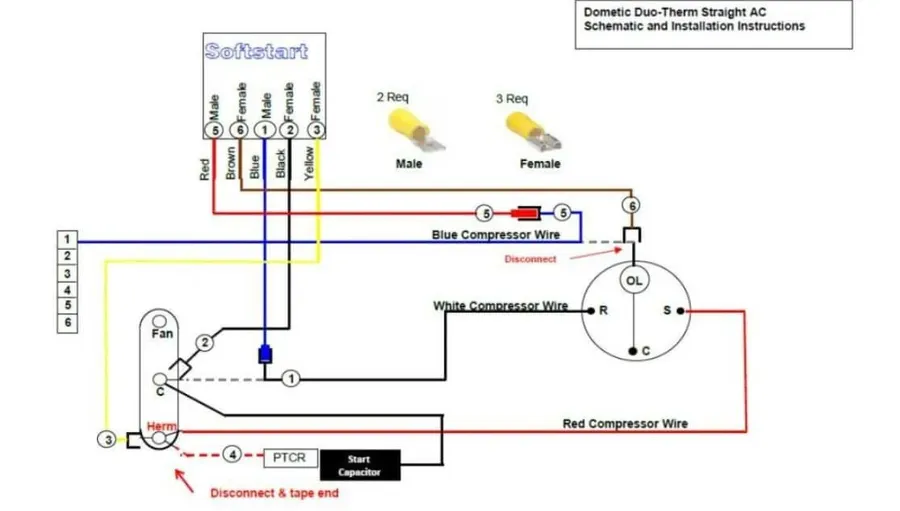
Complex HVAC Systems Modern HVAC systems often incorporate complex wiring and multiple capacitors. Proper identification and replacement require expertise to avoid damaging the control board or other components.
Safety Concerns and High Voltages HVAC capacitors store a significant electrical charge, even when the power is off. Mishandling can result in severe electrical shocks. Professionals have the tools and training to safely discharge capacitors and handle the related electrical work.
Uncertainty of Diagnosis If you are unsure whether a capacitor is truly the source of the problem, a professional can conduct a thorough diagnostic test to identify the issue. Replacing a functioning capacitor will not resolve the problem and will result in unnecessary costs.
Warranty Compliance Improperly replaced components can void manufacturer warranties. Professional replacements often include a warranty on both parts and labor, protecting your investment.
Specialized Tools and Equipment HVAC technicians possess specialized tools, such as multimeters and capacitor testers, to accurately diagnose problems and perform repairs. They also have the appropriate safety equipment such as insulated tools.
Before attempting any troubleshooting, ensure the HVAC system's power is completely off at the breaker box. This is critical for safety, as capacitors can store a dangerous electrical charge even when the unit is off. Proceed with caution and always prioritize your safety.
A methodical approach is key to safely and effectively diagnosing potential capacitor issues, as this process involves direct visual inspection of the component.
Visual Inspection for Physical Damage Carefully examine the capacitor for signs of physical damage. Look for bulges, swelling, or distortion in the capacitor's casing. A bulging capacitor is a strong indication of internal failure. Also, inspect for any leaks, cracks, or burn marks on the casing or terminals. Any of these signs suggest the capacitor is likely faulty and should be replaced.
Check for Terminal Issues Examine the capacitor terminals and wiring connections for corrosion, loose connections, or burnt wiring. Loose connections can prevent proper functioning and cause overheating, which can lead to premature capacitor failure. The terminals should be clean and securely attached.
Use a Multimeter (with caution) If you have experience using a multimeter, you can use it to test the capacitor's capacitance and voltage ratings. Before doing so, ensure the capacitor is discharged with an insulated screwdriver across the terminals, to prevent any shock hazard. Confirm the measured microfarad (uF) value is within the tolerance specified on the capacitor label, which is usually ±5% or ±10%. A significant deviation suggests a bad capacitor.
Listen for Unusual Noises With the system running, be aware of any unusual humming or buzzing sounds coming from the unit, especially when the compressor attempts to start. These noises can be indicative of a faulty capacitor struggling to perform its function of aiding in starting the motor. However, noise can also come from other issues, so further checks are necessary.
Remember, these are preliminary troubleshooting steps. If any signs of damage are visible or if a capacitor is suspected to be bad, it is recommended to seek assistance from an HVAC professional. Attempting to replace or repair the capacitor without adequate training can result in injury or further damage to your HVAC system.
Frequently Asked Questions about HVAC Capacitors
This section addresses common questions regarding HVAC capacitors, covering their lifespan, replacement costs, and impact on system performance. Understanding these aspects is crucial for maintaining an efficient and reliable HVAC system.
What is the typical lifespan of an HVAC capacitor? The typical lifespan of an HVAC capacitor ranges from 5 to 15 years, depending on factors like operating conditions, quality of the capacitor, and the frequency of HVAC usage. High temperatures, voltage fluctuations, and continuous operation at or near its rated capacity can shorten its lifespan. Regular HVAC system maintenance, which includes capacitor checks, is crucial for early detection and replacement before complete failure.
How much does it typically cost to replace an HVAC capacitor? The cost to replace an HVAC capacitor varies significantly depending on several factors, including the capacitor's type and rating (microfarads and voltage), labor costs, and the geographic location of the service. Typically, costs can range from $150 to $450, which often includes the technician's visit and labor. It's essential to obtain quotes from reputable HVAC professionals to ensure you are receiving fair pricing for a necessary service.
What are the symptoms of a failing HVAC capacitor? Common symptoms of a failing HVAC capacitor include the AC system not starting, difficulty in starting, slow motor operation, humming noises, and the system shutting down shortly after starting. These symptoms can occur due to the capacitor being unable to store or release electrical energy efficiently. It’s important to not ignore these signs as a faulty capacitor can lead to more severe damage to other components of the HVAC system.
Can a faulty HVAC capacitor affect energy efficiency? Yes, a faulty HVAC capacitor significantly impacts energy efficiency. When a capacitor is not functioning correctly, the motor it serves (fan or compressor) has to work harder to start and run, which draws more electrical power. This increased energy demand translates into higher energy bills and reduced overall system efficiency. Replacing a failing capacitor promptly restores the system's original efficiency.
Is it safe to replace an HVAC capacitor myself? Replacing an HVAC capacitor yourself is generally not recommended due to the high voltage involved and the risk of electrical shock, which can be lethal. Additionally, improper installation or selecting an incorrect replacement capacitor can damage the HVAC system, leading to expensive repairs. It is always better to seek the services of a qualified HVAC technician for safe and reliable capacitor replacement.
What does an HVAC capacitor actually do? An HVAC capacitor is a component within the AC unit that stores and releases electrical energy. Its primary functions include initiating the start-up of motors (such as the compressor motor or fan motor) and maintaining efficient motor operation by providing the required electrical current during running conditions. It is essential for proper and efficient HVAC system performance.
How to choose the right replacement HVAC capacitor? Selecting the correct replacement capacitor is critical for the performance and longevity of your HVAC system. Ensure the replacement capacitor has identical microfarad (uF) and voltage ratings as the original. Using an incorrectly rated capacitor can cause damage to the motors, reduce system efficiency, or even cause system failure. Checking the manufacturers specifications and consulting a qualified HVAC technician ensures you choose a suitable replacement.
Extending the Life of Your HVAC Capacitor: Proactive Maintenance
HVAC capacitors, while robust, are not invulnerable to the rigors of daily operation and environmental factors. Implementing proactive maintenance strategies is key to maximizing their lifespan, ensuring consistent HVAC system performance, and minimizing unexpected failures.
Ensure Adequate Ventilation Capacitors generate heat during operation. Proper ventilation around the HVAC unit is crucial to prevent overheating, which can degrade the capacitor's internal components and shorten its lifespan. Ensure that the unit is free from obstructions and that airflow is not impeded.
Regular Professional Inspections Schedule annual HVAC system maintenance with a qualified technician. During these checks, the technician can inspect the capacitors for early signs of failure, such as bulging casings, leaks, or other physical damage. Catching issues early can prevent more significant problems later. These inspections should include checking capacitor ratings to confirm they are within the proper operating range.
Avoid Overloading the System Operating the HVAC system under excessive load can put undue stress on the capacitor. Avoid setting the thermostat to extreme temperatures, as this can force the system to run harder and longer than necessary, increasing the strain on components like the capacitor. Additionally, ensuring that the air filters are clean is vital to ensuring that the motor and capacitor do not need to work as hard.
Protect from Environmental Extremes Extreme temperatures and humidity can negatively affect capacitor performance and longevity. Ensure the outdoor unit is shielded from harsh weather conditions where feasible. The ideal operating temperature range is specified in the unit manual. Protect the unit from direct sunlight or heavy rainfall with a canopy or enclosure if appropriate, ensuring that the ventilation is not compromised.
Consistent Power Supply Power fluctuations and surges can damage capacitors. Consider using surge protectors or power conditioning devices to stabilize the power supply to your HVAC system and shield it from power-related damage. This will help prevent damage not only to the capacitor but also other sensitive electronic components of the HVAC system.
Monitor Performance Pay close attention to how your HVAC system is functioning. If you notice any unusual noises, delays in start-up, or reduced cooling or heating capacity, it could indicate a capacitor issue. Addressing these issues quickly with professional help can prevent a minor issue from becoming a major and costly repair.
HVAC capacitors, while small, are crucial to the performance and efficiency of your air conditioning system. Understanding their role, recognizing warning signs, and knowing when to seek professional help ensures a comfortable, cool home. By understanding their vital function, homeowners can ensure the smooth operation of their HVAC system for years to come, with either diy or professional maintenance of these components.