Integrated Circuits: The Tiny Engines Powering Our World
2025.01.17
From the smartphone in your hand to the complex machinery powering industries, integrated circuits (ICs), often called microchips, are the unsung heroes of our technological age. These miniaturized marvels, born from the fusion of materials science and engineering, contain countless transistors and other electronic components, enabling complex computations and control in a tiny space. This article explores their design, function and evolution, highlighting how these tiny circuits have fundamentally changed how we interact with the world.
What are Integrated Circuits?
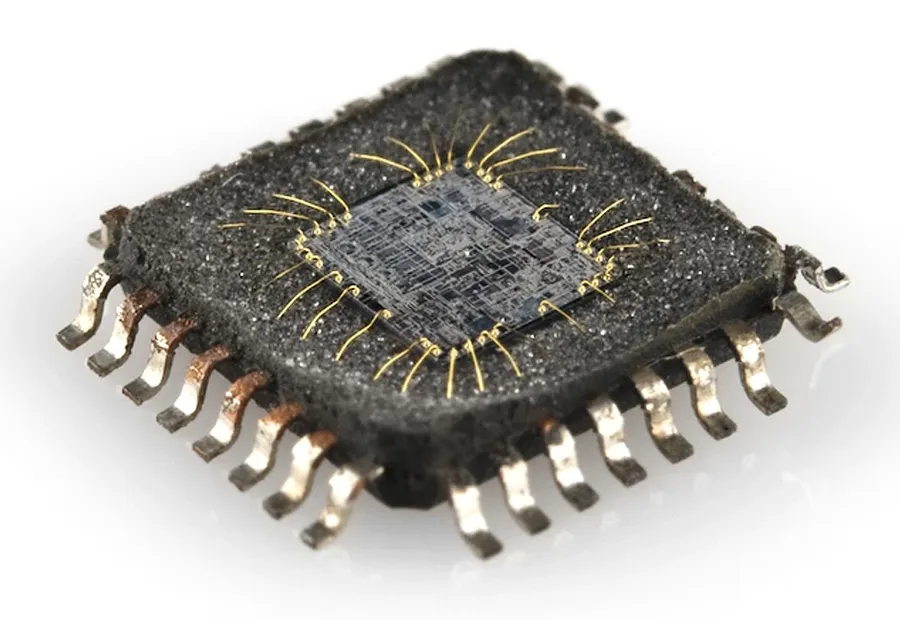
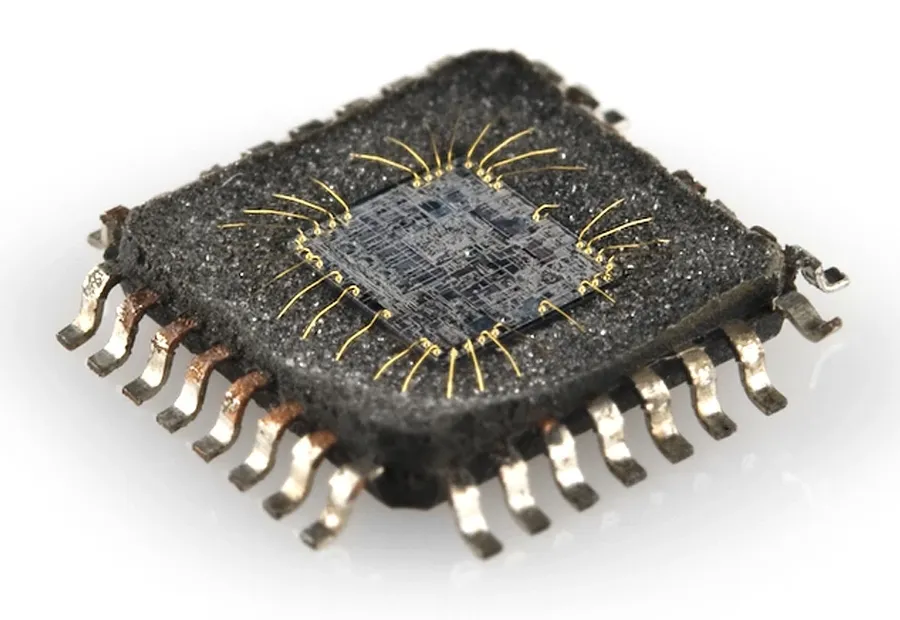
Integrated Circuit Chip
Integrated circuits (ICs), often called microchips or chips, are the fundamental building blocks of modern electronics. They are miniature electronic circuits fabricated on a small semiconductor material, typically silicon. These circuits contain a multitude of interconnected electronic components such as transistors, resistors, and capacitors, all working together to perform a specific function.
The key concept behind an IC is integration – combining many discrete components onto a single substrate. This integration enables devices to be smaller, more reliable, faster, and more energy-efficient compared to older circuit designs constructed with individual components.
The History and Evolution of Integrated Circuits
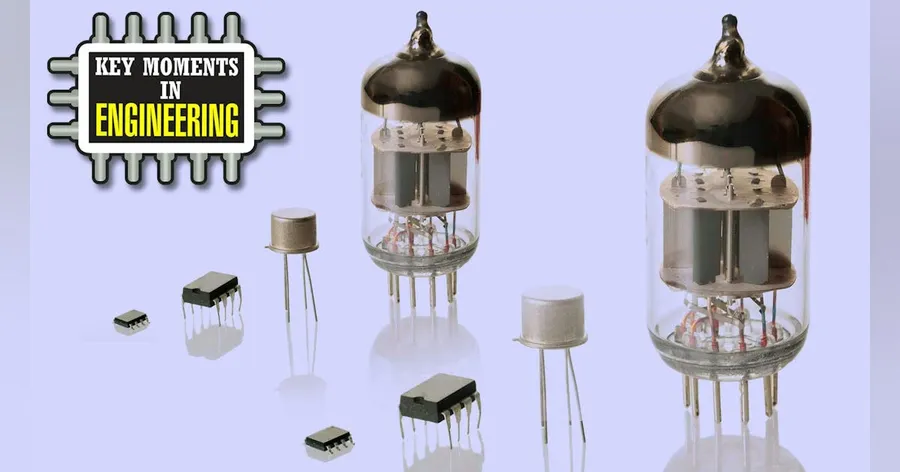
Transistor Evolution
The development of integrated circuits (ICs) is a landmark achievement in electronics, revolutionizing technology through the miniaturization of electronic components onto a single semiconductor chip. This section explores the pivotal moments and key figures that shaped the evolution of ICs, from early concepts to the advanced microprocessors that power modern devices.
Early Concepts (1940s-1950s): The seeds of the IC were sown with the invention of the transistor in 1947 at Bell Labs. This replaced bulky vacuum tubes, which were far less reliable, setting the stage for the possibility of miniaturization. The idea of combining multiple components on a single substrate began to form during this period. Early concepts, such as the 'micromodule' program, explored ways of integrating multiple components but these fell short of the true monolithic integration that became the IC.
The First Integrated Circuits (1958-1959): The first true ICs were independently developed by Jack Kilby at Texas Instruments (1958) and Robert Noyce at Fairchild Semiconductor (1959). Kilby's IC was a germanium circuit that integrated transistors, resistors, and capacitors on a single piece of semiconductor material. Noyce's IC was based on silicon and offered a more practical and easily manufactured version that used planar technology for interconnects, which became the standard method for manufacturing integrated circuits.
Early Integration Levels (1960s): The initial ICs contained only a few components and were classified as Small-Scale Integration (SSI). The 1960s saw a rapid increase in component density, leading to Medium-Scale Integration (MSI), which allowed for more complex circuits like logic gates to be fabricated. This stage is crucial because it marked a significant advancement in reliability and cost-effectiveness of electronics.
Large-Scale Integration (LSI) (1970s): The 1970s marked the arrival of Large-Scale Integration (LSI), integrating thousands of transistors on a single chip, enabling complete functions like memory and early microprocessors. This era is pivotal because it allowed for far more complex digital logic to be integrated into smaller, more efficient components.
Very-Large-Scale Integration (VLSI) (1980s-present): The move to Very-Large-Scale Integration (VLSI) led to millions and now billions of transistors on a single chip. This enabled the development of powerful microprocessors, complex memory devices, and application-specific integrated circuits (ASICs) that define modern computing. Continual improvements in lithography and material science have driven this progress, ensuring devices continue to become smaller, faster, and more energy efficient.
Modern Microprocessors and Beyond: Today, ICs are the backbone of all modern electronics, from smartphones and computers to automotive control systems and medical devices. Ongoing innovations aim for 3D stacking of IC layers, further increasing density, and exploring new materials to extend performance beyond silicon's limitations. The continuous miniaturization of electronic circuits onto a single chip has had profound impacts on society and is a key driver of technological progress.
Types of Integrated Circuits
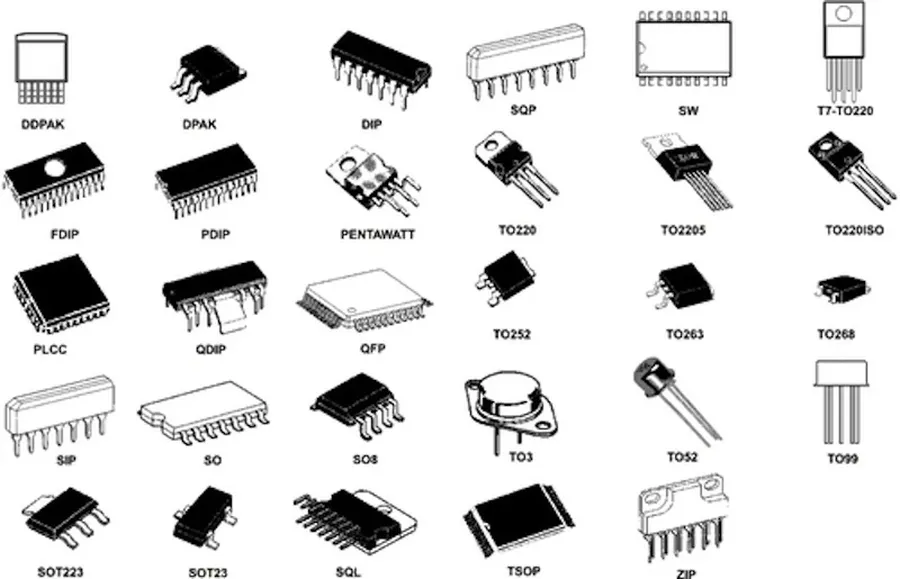
Types of Integrated Circuits
Integrated circuits (ICs) are categorized based on several key characteristics, including their functionality, level of integration, and the underlying manufacturing technology used. Understanding these classifications is crucial for selecting the appropriate IC for a given application. The major categories include analog, digital, and mixed-signal ICs; levels of integration such as SSI, MSI, LSI, and VLSI; and the manufacturing techniques like bipolar and CMOS.
Category
Description
Examples
Applications
Analog ICs
Process continuous signals, such as audio and radio waves.
Operational amplifiers, voltage regulators, sensors.
Audio amplifiers, power management systems, sensor interfaces.
Digital ICs
Process discrete signals using binary logic (0s and 1s).
Use both NMOS and PMOS transistors, known for low power consumption.
Most modern digital ICs, microprocessors, memory.
Virtually all contemporary electronic devices.
How Integrated Circuits Work: A Detailed Look
IC Internal Structure
Integrated circuits (ICs) function through the orchestrated interaction of numerous microscopic components, primarily transistors, resistors, and capacitors, all fabricated on a single semiconductor chip. These components work together to perform complex electrical functions by manipulating electron flow, effectively acting as the building blocks of sophisticated electronic systems. The key is the precise control of electron movement within the semiconductor material to implement digital logic or analog signal processing.
At the core of IC operation lies the transistor, a semiconductor device that acts as an electronic switch and amplifier. Transistors enable the implementation of logic gates (AND, OR, NOT, etc.) and analog circuits (amplifiers, filters, etc.). By carefully combining these gates and circuits, highly complex functionalities can be achieved. The following explains key operational principles:
Transistor Switching: Transistors, the fundamental building blocks, switch on or off based on input voltage or current, thereby allowing or blocking the flow of electrons. These switching actions, when combined, create logic functions. The semiconductor material's (typically silicon) doping is crucial in defining the transistor's type (NPN or PNP) and its function.
Signal Processing: Analog ICs process signals by modulating their amplitude, frequency, or phase. These circuits are essential in audio processing, radio communication, and sensor interfaces. Operational amplifiers (op-amps) are fundamental in analog circuits, performing tasks such as amplification, filtering, and signal comparison.
Logic Gate Functions: Digital ICs rely on logic gates to perform logical operations on binary data (0 and 1). Combinations of these gates build complex digital logic circuits such as adders, multiplexers, flip-flops, and microprocessors. The function of each gate is defined by a truth table that dictates the outputs for each possible input combination.
Interconnection: Tiny conductive pathways within the IC connect the individual components (transistors, resistors, capacitors) and logic gates, allowing signals to propagate through the IC and perform complex tasks. The pattern of these connections are typically defined by multiple layers of metalization which are insulated by dielectric materials.
The interaction of these microscopic components, facilitated by advanced semiconductor fabrication techniques, results in complex behaviors at a macroscopic scale, allowing electronic devices to achieve increasingly sophisticated functionality.
The Manufacturing Process of Integrated Circuits
IC Manufacturing Factory
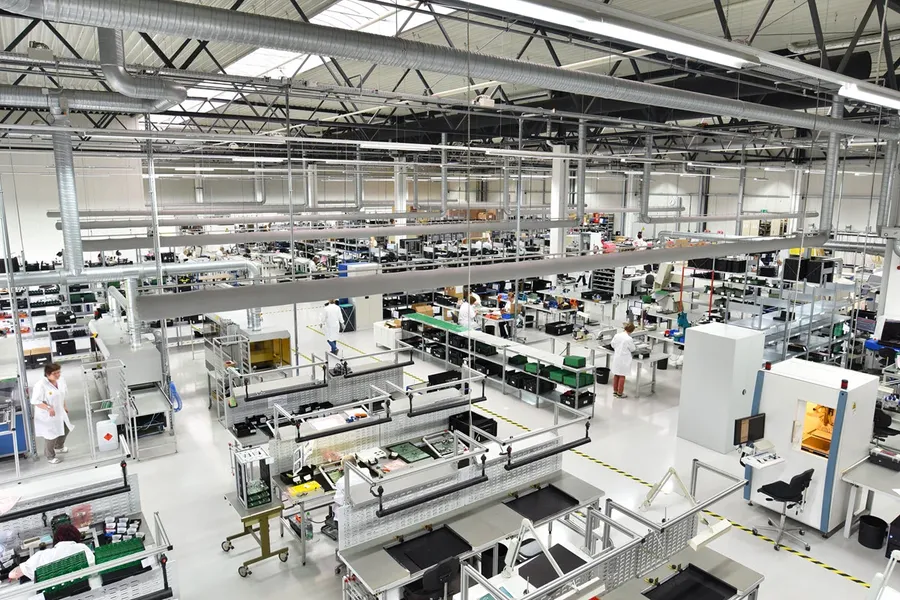
The fabrication of integrated circuits (ICs) is a highly complex and precise multi-step process, transforming raw materials into the intricate electronic components that power modern technology. This process demands extreme accuracy and cleanliness, involving a blend of chemical, mechanical, and optical techniques.
The following outline details the key stages involved in IC manufacturing:
Silicon Wafer Production The process begins with the creation of ultra-pure silicon ingots. These ingots are then sliced into thin, circular wafers, which serve as the foundation for ICs. The purity and crystalline structure of the silicon are critical for the performance of the final product.
Photolithography This stage involves transferring the intricate circuit patterns onto the silicon wafer. A photosensitive material is applied to the wafer, and then exposed to ultraviolet light through a photomask containing the desired circuit layout. The exposed areas of the photoresist are then developed, revealing the pattern on the wafer.
Etching Etching is used to remove the exposed silicon, creating the intricate structures of transistors and other circuit elements. Both wet chemical etching and dry plasma etching techniques are utilized, each providing varying degrees of control and precision.
Doping Doping introduces impurities into specific regions of the silicon wafer to alter its electrical conductivity, enabling the creation of transistors. These impurities are introduced through processes like ion implantation or diffusion.
Thin Film Deposition Thin layers of various materials, like silicon dioxide (insulator) or metals (conductor), are deposited on the wafer using techniques such as chemical vapor deposition or sputtering. These layers create the insulation between components and the conductive pathways necessary for current flow.
Metallization This step involves depositing metal layers on the wafer and structuring them to form interconnects between transistors and other components. These metal paths act as the 'wires' of the integrated circuits.
Testing After completing all manufacturing processes, each IC is tested for functionality and electrical characteristics. This may involve a wide range of tests, such as parametric and functional tests, to weed out defective parts. Defective dies are marked with ink for disposal in the following steps.
Wafer Dicing The wafer is then diced (cut) into individual dies (chips). Each of these individual dies represents a completed IC.
Packaging Each IC die is then carefully placed into its individual package, which provides mechanical support, electrical connections and protection from environmental factors. The die is then connected to the package’s lead frame via fine wires.
Final Test The finished packaged ICs undergo a final testing phase to verify their proper operation before they are ready to be shipped to end-users for deployment in electronic systems.
Applications of Integrated Circuits: Beyond Computers
Integrated Circuit Applications
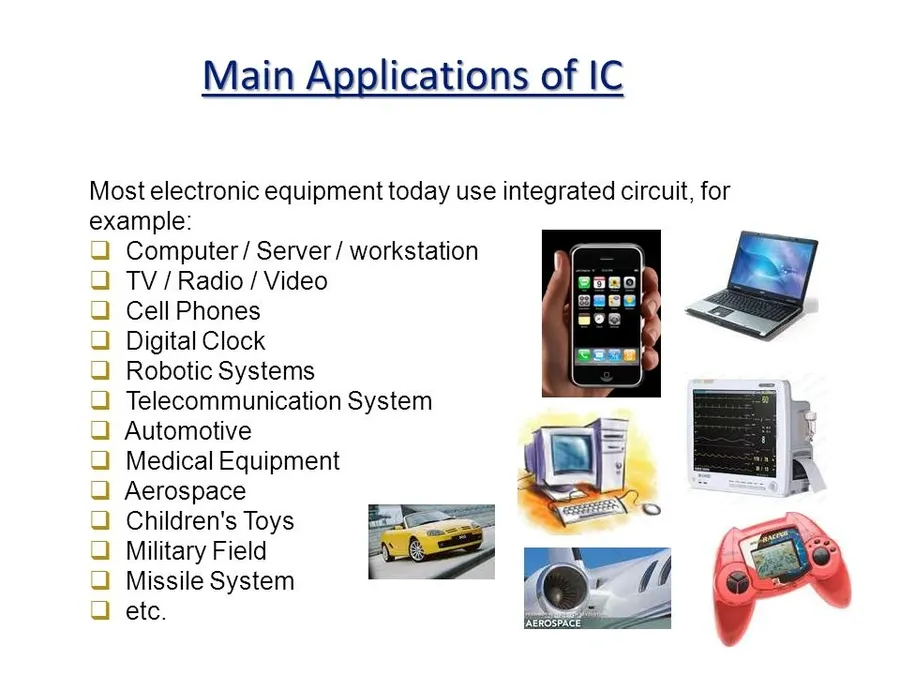
Integrated circuits (ICs), while foundational to modern computing, have permeated nearly every facet of modern technology, extending far beyond the realm of personal computers. Their versatility and compact nature have made them indispensable across a multitude of sectors, driving innovation and enhancing performance in diverse applications.
Consumer Electronics ICs are the core of smartphones, tablets, televisions, gaming consoles, and audio equipment. They handle processing, signal amplification, display driving, and wireless communication.
Automotive Industry Modern vehicles rely heavily on ICs for engine control units (ECUs), anti-lock braking systems (ABS), airbag deployment, infotainment systems, and advanced driver-assistance systems (ADAS) like lane departure warning and adaptive cruise control. The move towards electric vehicles is further increasing the demand for powerful ICs for battery management systems.
Medical Devices ICs are critical in medical devices, including diagnostic equipment like MRI and CT scanners, pacemakers, patient monitoring systems, and implantable devices. Their small size, low power consumption and precise signal processing abilities are particularly valuable.
Telecommunications ICs are fundamental in the infrastructure of telecommunication networks, including cell towers, routers, switches, and fiber optic systems. They enable data transmission, signal processing, and network management, supporting high-speed communication and global connectivity.
Aerospace and Defense In aerospace, ICs power flight control systems, navigation systems, communication systems, and satellite technology. Their high reliability, radiation resistance and performance are essential in extreme environments.
Industrial Automation ICs are the bedrock of industrial automation systems, controlling machinery, robotics, sensors, and process monitoring. They facilitate precision, efficiency, and safety in manufacturing plants and other industrial settings.
Advantages and Disadvantages of Integrated Circuits
Integrated circuits (ICs) have revolutionized electronics, offering numerous advantages that have driven technological advancement. However, they also present certain limitations that must be considered in design and application. A thorough understanding of both the benefits and drawbacks of ICs is essential for engineers and users alike.
Feature
Advantages
Disadvantages
Miniaturization
Significantly reduced size and weight of electronic devices, allowing for portable and compact designs. High density of components enables complex functionality in small spaces.
Challenges in handling and assembling extremely small components; increased sensitivity to manufacturing defects.
Cost-Effectiveness
Mass production lowers the per-unit cost, making advanced electronics affordable for consumers and enabling widespread adoption of technology. Reduced material usage due to small size also contributes to lower costs.
High initial cost of development and fabrication facilities; potential for cost overruns during the design and prototyping phases.
Reliability
High reliability due to monolithic structure with few interconnections; reduced failure rates compared to discrete components. Consistent performance over time and temperature fluctuations.
Susceptibility to electromigration and other failure mechanisms; potential vulnerability to electrostatic discharge (ESD).
Speed
Higher operating speeds due to shorter distances between components; faster signal processing capabilities than discrete components; reduced signal delay.
Limited by parasitic capacitances and inductances; speed limitations in some applications such as high speed memory and high frequency communication circuits.
Performance
Improved performance due to precise fabrication and matching of components; excellent thermal management due to high surface to volume ratio; ability to implement complex functions and advanced algorithms.
Performance degradation due to increased power consumption at higher operating speeds; potential for noise and crosstalk between closely packed components.
Design Complexity
Ability to integrate a large number of components and complex circuits onto a single chip; easier to develop and implement complex logic functions.
Increased complexity in design and verification; requires sophisticated design tools and methodologies; challenges in debugging and troubleshooting.
Thermal Management
Efficient heat dissipation due to the small size of the components; integrated heat sinks and cooling mechanisms can be incorporated into the chip design.
Concentration of heat in small area; difficulties in cooling high-power ICs; thermal stress can cause damage to the chip.
The impact of these factors is profound. The miniaturization and cost-effectiveness of integrated circuits have led to the proliferation of personal electronics, mobile communication, and powerful computing devices. Furthermore, the reliability and speed of integrated circuits have enabled advances in fields like medical imaging, automotive safety systems, and aerospace engineering. However, the complexities in IC design and manufacturing necessitate continuous innovation to address the drawbacks and to realize the full potential of this foundational technology.
Future Trends in Integrated Circuit Technology
Future IC Chip
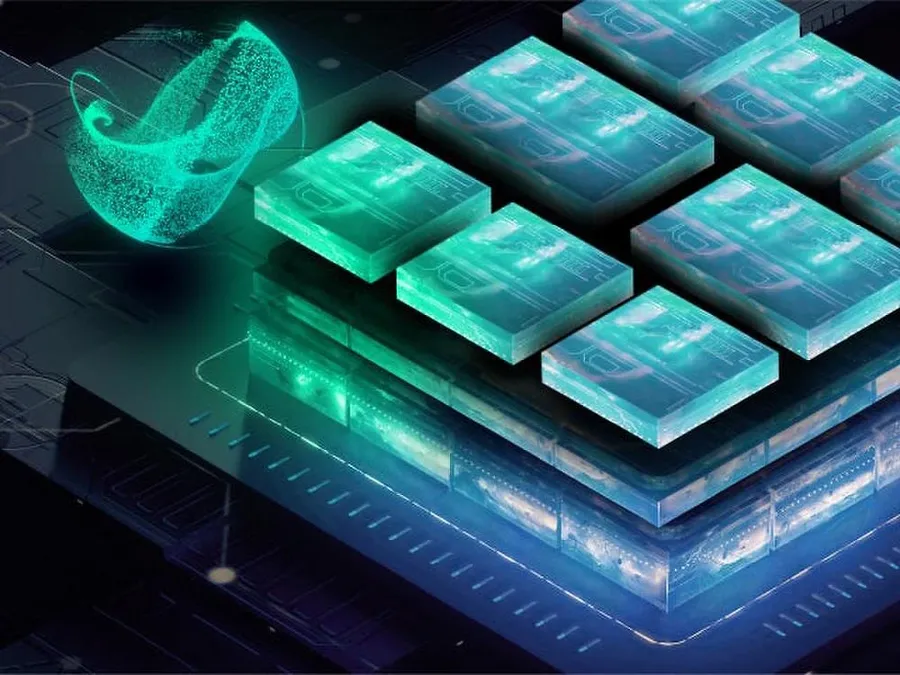
The landscape of integrated circuit (IC) technology is constantly evolving, driven by the insatiable demand for greater performance, efficiency, and functionality. Several promising trends are poised to revolutionize the field, pushing the boundaries of what's possible in electronics and computing. These advancements promise to unlock new capabilities and applications across diverse sectors.
3D Integration Moving beyond traditional 2D chip layouts, 3D integration involves stacking multiple active layers vertically. This approach dramatically increases transistor density, reduces signal path lengths, and enhances performance while minimizing footprint. It’s a critical enabler for complex system-on-a-chip (SoC) designs.
Novel Materials: Graphene and Beyond Silicon, while ubiquitous, faces physical limits. Research into alternative materials like graphene, with its exceptional electron mobility, and other 2D materials is gaining momentum. These materials offer the potential for faster, more energy-efficient devices, and enable new functionalities not achievable with traditional materials. The exploration of other exotic materials such as transition metal dichalcogenides (TMDs) are also being undertaken.
Neuromorphic Computing Inspired by the structure and function of the human brain, neuromorphic computing aims to create ICs that can process information in a way similar to biological neural networks. This approach uses artificial neurons and synapses to perform pattern recognition and other complex tasks with greater efficiency than conventional computing.
Quantum Computing Integration While still in its early stages, research into integrating quantum computing elements with classical ICs is underway. This hybrid approach promises to harness the immense computational power of quantum systems while leveraging existing infrastructure for control and data management, representing a potentially paradigm shift for the industry.
Artificial Intelligence (AI) Driven Design The development of increasingly complex ICs requires more sophisticated design tools and techniques. AI is poised to play a significant role in optimizing the design process by rapidly evaluating different design options and identifying the most efficient layouts, significantly accelerating the design cycle and improving outcomes.
Frequently Asked Questions About Integrated Circuits
This section addresses common questions about integrated circuits (ICs), providing clear and concise answers to enhance understanding of these fundamental components of modern electronics.
What is an Integrated Circuit? An integrated circuit (IC), also known as a microchip or chip, is a miniature electronic circuit manufactured on a small piece of semiconductor material. It incorporates numerous interconnected electronic components, such as transistors, resistors, and capacitors, to perform a specific function or set of functions.
What are the three major types of Integrated Circuits? The three major types of integrated circuits, categorized by their function, are: 1) Analog ICs, which process continuous signals; 2) Digital ICs, which process discrete signals; and 3) Mixed-Signal ICs, which combine both analog and digital functions. Each type serves distinct needs in electronic systems.
Is an Integrated Circuit a CPU? While a Central Processing Unit (CPU) is an integrated circuit, not all integrated circuits are CPUs. A CPU is a specific type of IC designed to perform the core computational tasks of a computer. Integrated circuits encompass a much broader range of components that perform various electronic functions.
What is the primary function of an IC? The primary function of an IC is to perform a specific electronic task or set of tasks within a device or system. This can range from simple signal amplification to complex data processing. The versatility of ICs enables them to handle a multitude of electronic operations with precision and efficiency.
In which generation of computers were Integrated Circuits first used? Integrated circuits were first widely used in the third generation of computers, which emerged in the mid-1960s. This marked a significant advancement over the previous generations of computers, which relied on transistors and vacuum tubes.
What are some examples of everyday devices that use integrated circuits? Integrated circuits are ubiquitous in modern electronics and are found in a diverse array of devices. Examples include smartphones, computers, televisions, automobiles, medical equipment, and various household appliances. Their miniaturization and functionality make them indispensable across all sectors.
How does the level of integration affect the performance of an Integrated Circuit? The level of integration, ranging from Small Scale Integration (SSI) to Very Large Scale Integration (VLSI), affects the complexity, density, and capabilities of an integrated circuit. Higher levels of integration allow for more complex functionalities within smaller spaces, while also potentially impacting speed and power efficiency due to the density.
In conclusion, integrated circuits are the foundational building blocks of the modern digital world. Their continuous evolution, marked by relentless miniaturization and increasing complexity, demonstrates the powerful impact of these tiny wonders. From enabling instantaneous communication to powering groundbreaking medical equipment, integrated circuits have revolutionized every facet of life. The future of ICs promises even greater innovations, further propelling human advancement in the digital age and beyond. This ongoing journey ensures that these tiny circuits remain at the heart of our technological progress.