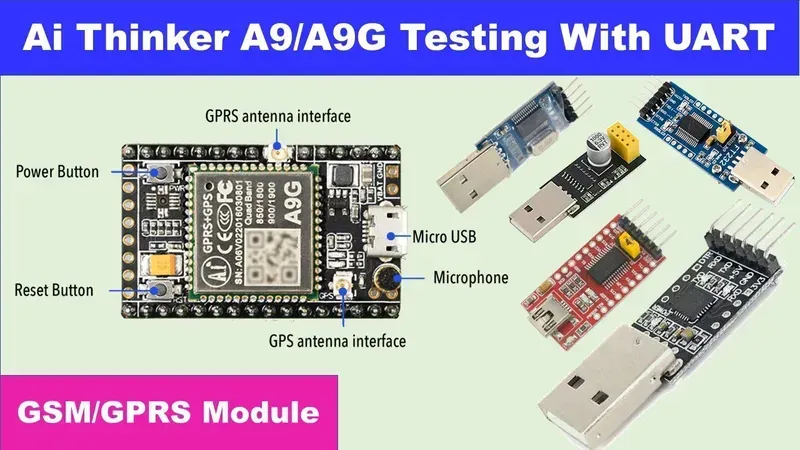
In today's rapidly evolving technological landscape, the Internet of Things (IoT) stands at the forefront of innovation, connecting countless devices to create smarter, more efficient systems. At the heart of many critical IoT applications lies the need for robust, reliable, and precise location and communication capabilities. This is where integrated GPRS (General Packet Radio Service) and GPS (Global Positioning System) module solutions become indispensable. Zero One Solution Limited, a leader in rapid-response PCB assembly and prototyping, understands this critical demand. This article delves into the comprehensive IoT GPRS+GPS Module Solution, exploring its significance, technical aspects, and how Zero One Solution empowers businesses to accelerate their product development and bring revolutionary IoT devices to market with unparalleled efficiency and precision.
Understanding IoT GPRS+GPS Module Solutions: The Foundation of Connected Devices
At the heart of modern IoT (Internet of Things) applications lies the seamless integration of communication and location technologies. IoT GPRS+GPS module solutions represent a critical component, combining the capabilities of General Packet Radio Service (GPRS) for cellular data transmission with the Global Positioning System (GPS) for precise location tracking. These modules enable devices to not only connect to the internet but also pinpoint their exact geographical coordinates, facilitating a wide array of applications from asset tracking to environmental monitoring. This introductory section delves into the fundamentals of these modules, elucidating their pivotal role in the IoT ecosystem and highlighting the synergy between cellular connectivity and satellite-based positioning.
GPRS: Cellular Connectivity for Data Transmission GPRS provides a cost-effective and widely available means of transmitting data over cellular networks. It allows IoT devices to send and receive information, such as sensor readings, status updates, and control commands, to a central server or platform. This capability is essential for real-time monitoring, remote control, and data logging in various applications.
GPS: Satellite-Based Positioning for Location Tracking GPS technology utilizes a network of satellites to determine the precise location of a device on Earth. GPS modules receive signals from these satellites to calculate latitude, longitude, and altitude. This functionality is vital for tracking assets, monitoring vehicles, and enabling location-based services.
Synergistic Integration: The Power of Combination The true value of GPRS+GPS modules lies in their combined capabilities. By integrating both technologies, these modules enable devices to transmit location data over a cellular network, providing real-time tracking and monitoring from virtually anywhere in the world. This integrated approach simplifies the design and deployment of IoT solutions, making them more efficient and cost-effective.
Key Features and Benefits of Integrated GPRS+GPS Modules in Modern IoT
The integration of GPRS (General Packet Radio Service) and GPS (Global Positioning System) modules represents a cornerstone technology for a wide array of modern IoT applications. This combination provides a powerful solution that merges cellular communication capabilities with precise location tracking, offering numerous advantages that significantly enhance the functionality, efficiency, and reliability of IoT devices. These integrated modules are pivotal for enabling real-time data transmission and location awareness, critical for applications ranging from asset tracking to environmental monitoring.
Real-Time Tracking and Location Services: GPRS+GPS modules provide the ability to track the location of assets or individuals in real-time. The GPS component accurately determines the device's location, while the GPRS component transmits this location data over a cellular network. This is essential for applications like vehicle tracking, personal safety devices, and fleet management, allowing for constant monitoring and immediate response in emergencies or operational adjustments.
Remote Monitoring and Data Acquisition: The combined capabilities of GPRS and GPS enable remote monitoring of various environmental parameters and device statuses. Sensors can collect data (e.g., temperature, pressure, humidity) and transmit this data along with location information to a central server using GPRS. This is highly beneficial in applications such as smart agriculture, where soil conditions can be monitored across fields, or in environmental monitoring, where air quality data can be gathered from remote locations.
Reliable Data Transmission: GPRS technology provides reliable data transfer over cellular networks, ensuring that information is consistently transmitted even in remote or challenging environments. This reliability is crucial in applications where continuous data flow is necessary, such as industrial monitoring systems or remote healthcare devices. The stability of GPRS ensures that critical data reaches its destination, enabling informed decision-making and timely interventions.
Enhanced Power Efficiency: Modern GPRS+GPS modules are designed to optimize power consumption. Features like deep sleep modes and efficient data transmission protocols help to extend the battery life of IoT devices. This is critical in applications where devices operate on battery power for extended periods, such as asset trackers or wearable devices. Prolonged battery life reduces maintenance requirements and improves the overall usability of the devices.
Cost-Effectiveness: Compared to other connectivity options, GPRS is often a cost-effective solution for IoT applications, especially in areas where 3G or 4G networks may not be fully available or are more expensive. This affordability makes GPRS+GPS modules suitable for a wide range of applications, including those with budget constraints. The balance of functionality and cost makes it a preferred choice for many IoT projects.
Compact Size and Integration: The integration of GPRS and GPS in a single module simplifies the design and manufacturing process of IoT devices. The compact form factor reduces the overall size of the device, making it easier to integrate into various form factors, from wearable devices to industrial sensors. This streamlined integration also reduces design complexity, which saves time and resources during product development.
Technical Specifications and Integration Considerations for IoT GPRS+GPS Modules
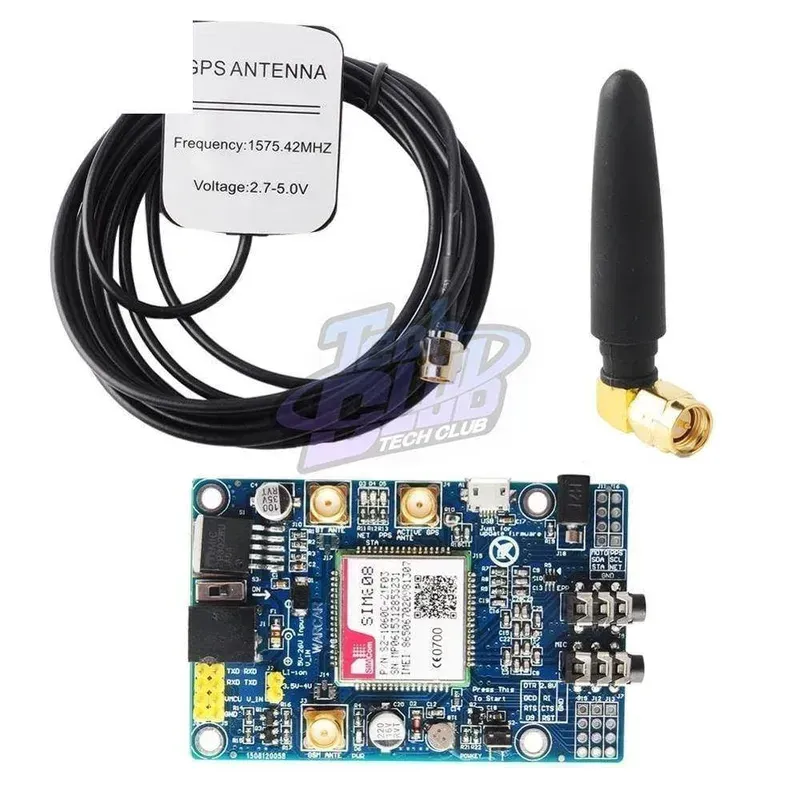
GPRS GPS Module Interface
Successful integration of IoT GPRS+GPS modules hinges on meticulous attention to technical specifications and careful consideration of various factors. This includes selecting the right module interfaces, optimizing power consumption, designing effective antenna systems, and understanding firmware customization options to ensure reliable performance within a PCB design. Furthermore, the PCB layout plays a crucial role in maintaining signal integrity and achieving optimal GPS reception.
Technical Aspect
Considerations and Best Practices
Module Interfaces
UART, SPI, I2C: Select interfaces based on application needs. Ensure proper voltage levels and signal conditioning. Prioritize interfaces that offer the best balance of data throughput and power efficiency.
Power Consumption
Optimize power usage with low-power modes. Implement efficient power management circuitry on the PCB. Consider using a dedicated power management IC (PMIC) to regulate voltage and current.
Antenna Design
Choose antennas that match the module's frequency bands. Properly place antennas away from other components to minimize interference. Employ impedance matching techniques for optimal signal transmission and reception. Consider antenna diversity.
Firmware Customization
Understand the module's AT command set for configuration and control. Develop custom firmware for specific functionalities, such as data processing and event triggering. Ensure OTA (Over-The-Air) firmware update capabilities.
PCB Integration
Implement a multi-layer PCB design for optimal routing and signal isolation. Adhere to recommended guidelines for component placement and trace routing. Properly ground the PCB to minimize noise and interference. Consider thermal management techniques.
By carefully addressing these technical specifications and integration considerations, developers can create robust and reliable IoT solutions. Furthermore, consulting with experienced PCB design and manufacturing partners, like Zero One Solution Limited, can streamline the integration process and ensure optimal performance of GPRS+GPS modules.
Zero One Solution's Expertise in Optimized GPRS+GPS Module PCB Design
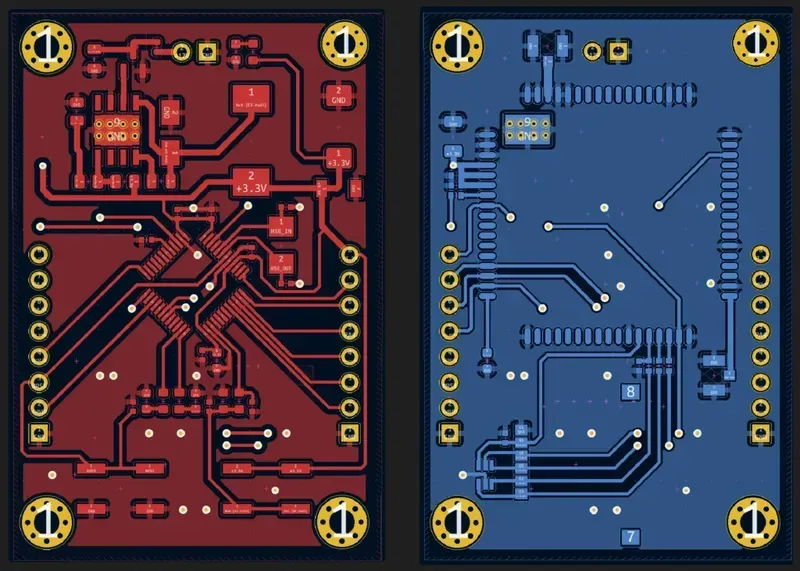
GPRS GPS Module PCB Design
At Zero One Solution Limited, we excel in designing and manufacturing high-performance PCBs specifically tailored for GPRS+GPS modules, ensuring optimal functionality and reliability for your IoT devices. Our expertise encompasses every aspect of PCB design, from signal integrity to thermal management, enabling us to deliver solutions that meet the demanding requirements of modern IoT applications.
Our PCB design process for GPRS+GPS modules is meticulously crafted to address critical factors that impact performance:
Signal Integrity: We prioritize signal integrity by employing advanced techniques such as impedance matching, careful trace routing, and minimizing signal reflections. This ensures that the GPRS and GPS signals are transmitted with minimal distortion, maximizing the module's performance and data accuracy.
Compact Footprint: Our engineers are skilled at designing compact PCBs that optimize space utilization without compromising performance. This is particularly crucial for applications where size and weight are critical, allowing for the integration of GPRS+GPS modules into a wide range of devices.
Antenna Placement and Design: We carefully consider antenna placement and design to optimize signal reception and transmission. Our designs minimize interference and ensure the antenna is positioned for the best possible performance. We work closely with antenna manufacturers to select the most suitable antennas for each application.
Power Management: Efficient power management is essential for extending battery life in mobile IoT devices. We design PCBs that incorporate appropriate power supply circuitry, including voltage regulators and filtering components, to ensure stable and efficient power delivery to the GPRS+GPS module. Proper power supply design also minimizes noise and improves overall system performance.
Thermal Management: We address thermal management challenges by implementing strategies such as optimized component placement, the use of thermal vias, and the selection of appropriate PCB materials to dissipate heat effectively. This ensures the reliable operation of the GPRS+GPS module, even in demanding environments.
Our design expertise is further enhanced by the use of advanced PCB design software and simulation tools. We perform thorough simulations to validate our designs before prototyping, minimizing the risk of errors and accelerating the development process. We adhere to IPC standards and employ rigorous quality control measures throughout the manufacturing process to ensure the highest level of reliability and performance.
Zero One Solution: Your Partner for Rapid IoT GPRS+GPS Module Productization
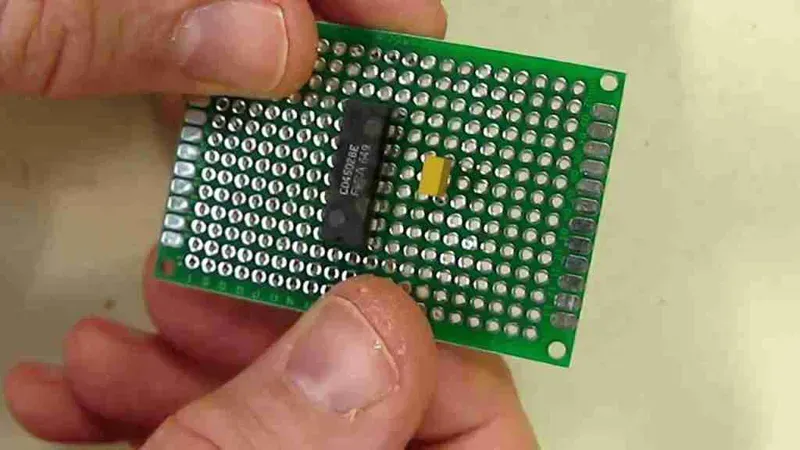
PCB Prototype Sample
In the fast-paced world of IoT, time-to-market is critical. Zero One Solution Limited offers a distinct advantage by providing comprehensive, one-stop services that streamline the entire process of bringing your IoT products, featuring GPRS+GPS modules, from concept to market. Our expertise spans from rapid PCB prototyping to high-volume manufacturing and assembly, ensuring your innovative solutions are launched efficiently and effectively.
The Zero One Solution Advantage includes:
Rapid Prototyping Accelerate your design validation with our rapid prototyping services. We facilitate quick iterations and modifications, allowing for swift testing and refinement of GPRS+GPS module integration within your PCB design.
Design for Manufacturability (DFM) & Assembly (DFA) Our experienced engineering team ensures your PCB designs are optimized for efficient manufacturing and assembly. This proactive approach minimizes production issues, reduces costs, and enhances product reliability.
Global Supply Chain Network Leverage our strategically positioned global supply chain network. This ensures access to high-quality components, competitive pricing, and timely delivery, regardless of your project's scale.
High-Volume Manufacturing Transition seamlessly from prototype to mass production. We have the capacity and expertise to scale up manufacturing while maintaining stringent quality control standards.
Comprehensive Assembly Services Benefit from our full-service assembly capabilities, including surface-mount technology (SMT), through-hole technology (THT), and testing services, ensuring a fully functional and reliable product.
Zero One Solution is committed to delivering high-quality, reliable, and cost-effective solutions for your IoT projects. By partnering with us, you gain a competitive edge, reducing development time and maximizing your return on investment.
Real-World Applications and Industry Impact of IoT GPRS+GPS Module Solutions
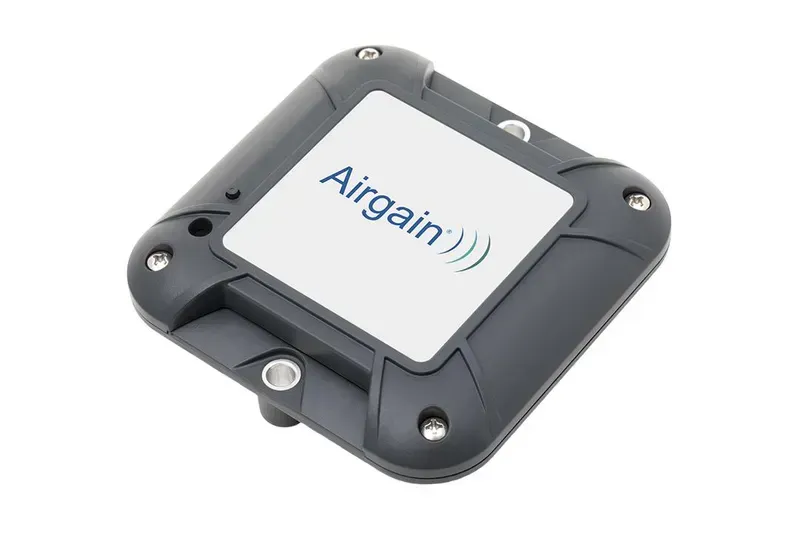
Asset Tracking Device
IoT GPRS+GPS module solutions are transforming industries by enabling real-time tracking, monitoring, and data transmission capabilities. These compact, integrated modules provide a cost-effective and efficient way to connect devices to the internet, facilitating a wide range of applications that enhance operational efficiency, improve decision-making, and create new business opportunities. Zero One Solution Limited's expertise in PCB design and manufacturing is crucial in realizing these benefits across diverse sectors.
Asset Tracking GPRS+GPS modules are extensively used for tracking valuable assets, such as equipment, vehicles, and shipping containers. Real-time location data helps prevent theft, optimize logistics, and improve asset utilization. For instance, construction companies can monitor the location and usage of heavy machinery, reducing downtime and improving project management.
Fleet Management Fleet management solutions leverage GPRS+GPS to track vehicle location, monitor driver behavior, and optimize routes. This leads to fuel savings, reduced maintenance costs, and enhanced safety. Delivery services, transportation companies, and logistics providers benefit significantly from these capabilities, improving operational efficiency and customer service.
Smart Agriculture In agriculture, GPRS+GPS modules enable precision farming techniques. They are used to monitor the location of agricultural machinery, track environmental conditions (e.g., soil moisture, temperature), and optimize irrigation and fertilizer application. This results in increased crop yields, reduced resource consumption, and improved sustainability.
Personal Safety Devices Personal emergency response systems (PERS) and wearable devices utilize GPRS+GPS modules to provide location tracking and communication capabilities for individuals in need of assistance. These devices are critical for elderly care, lone worker protection, and outdoor recreation, enabling rapid response in emergency situations.
Environmental Monitoring GPRS+GPS modules are deployed in environmental monitoring applications to track air quality, water levels, and weather patterns. These devices provide crucial data for environmental protection agencies, researchers, and urban planners, enabling informed decision-making and proactive management of environmental resources.
Zero One Solution Limited supports these applications by designing and manufacturing customized PCBs optimized for GPRS+GPS modules, ensuring reliable performance and efficient integration across various industries. Our rapid prototyping and manufacturing capabilities enable businesses to quickly deploy these solutions and gain a competitive edge.
Ensuring Reliability and Performance: Comprehensive Testing and Quality Assurance for GPRS+GPS Modules
GPRS GPS Module Testing
At Zero One Solution Limited, we understand that the success of an IoT GPRS+GPS module solution hinges on its reliability, accuracy, and longevity. Therefore, we have implemented rigorous testing protocols and stringent quality control measures throughout our PCB design, manufacturing, and assembly processes. This commitment ensures that the devices we produce not only meet but exceed industry standards, providing our clients with dependable and high-performing products. Our quality assurance process is a multi-faceted approach designed to eliminate defects and optimize performance.
Design Verification Testing (DVT) Before production, all PCB designs for GPRS+GPS modules undergo DVT. This involves simulating real-world operational conditions, stress testing, and signal integrity analysis. We meticulously examine the PCB layout to confirm that it meets all functional and performance requirements. This stage aims to identify and rectify potential design flaws early in the process, preventing costly revisions down the line.
Manufacturing Process Control We employ advanced manufacturing process controls, including Automated Optical Inspection (AOI), X-ray inspection, and In-Circuit Testing (ICT). AOI systems scrutinize solder joints, component placement, and overall board quality to ensure compliance with IPC standards. X-ray inspection validates hidden solder joints, such as those under BGAs. ICT verifies the electrical functionality of each component and connection, helping catch manufacturing defects.
Functional Testing and Calibration Each manufactured PCB is subjected to comprehensive functional testing. This includes testing the GPRS and GPS functionalities, along with calibration to ensure precise location data and reliable data transmission. Functional testing is performed on the assembled modules, simulating real-world usage scenarios and stressing various operational parameters such as temperature and voltage variations.
Environmental Testing We subject our GPRS+GPS module solutions to environmental tests to ensure they can withstand challenging operational conditions. These tests include thermal cycling, humidity testing, and vibration testing, designed to assess the module’s performance under extreme conditions. This step guarantees that the devices function reliably in various environments, from outdoor deployments to industrial settings.
Quality Audits and Continuous Improvement Zero One Solution Limited regularly conducts internal quality audits and participates in external audits to verify compliance with industry standards. We also continuously improve our processes based on the data collected during testing and customer feedback. Our commitment to quality is a continuous cycle of improvement, ensuring that our GPRS+GPS module solutions consistently meet and exceed expectations.
Through these rigorous testing and quality assurance measures, Zero One Solution Limited provides its clients with assurance of superior reliability and performance in every GPRS+GPS module PCB design, assembly, and solution. We believe that thorough testing and stringent quality control are essential for building trust and delivering cutting-edge IoT solutions.
Future Trends in IoT Connectivity and GPRS+GPS Module Solutions
The landscape of IoT connectivity is rapidly evolving, with several key trends poised to reshape the capabilities and applications of GPRS+GPS module solutions. Understanding these advancements is crucial for businesses seeking to leverage cutting-edge technologies and maintain a competitive edge. This section explores the emerging trends in IoT connectivity, including LPWAN technologies, 5G integration, and advancements in GPS accuracy that will shape the future of GPRS+GPS module solutions.
LPWAN Technologies Low Power Wide Area Network (LPWAN) technologies, such as NB-IoT and LoRaWAN, are gaining prominence for IoT applications. These technologies offer improved power efficiency and extended range, making them ideal for applications where devices are located in remote areas or require long battery life. The adoption of LPWAN alongside GPRS+GPS will enable more versatile solutions, combining wide-area connectivity with precise location tracking, particularly in areas with limited cellular coverage.
5G Integration The rollout of 5G networks introduces significantly faster data speeds, lower latency, and increased capacity. Integrating 5G with GPRS+GPS modules will enhance data transmission capabilities and facilitate real-time applications such as autonomous vehicles and high-speed data transfer for remote monitoring. This integration demands sophisticated PCB design and antenna optimization to fully utilize the benefits of 5G technology, which Zero One Solution Limited is prepared to facilitate.
Advancements in GPS Accuracy Continuous improvements in GPS technology are leading to more precise and reliable location data. Innovations such as multi-band GNSS receivers and enhanced signal processing algorithms are improving accuracy, even in challenging environments such as urban canyons. These advancements will improve the reliability of location-based applications, from asset tracking to precision agriculture, leading to more efficient operations and improved decision-making. The design of PCBs must account for noise isolation and antenna placement to benefit from these advanced GPS features.
Edge Computing Edge computing, where data processing occurs closer to the source, is another significant trend. By integrating edge computing capabilities into GPRS+GPS modules, devices can process data locally, reducing latency and bandwidth usage. This approach is critical for applications requiring real-time decision-making, such as industrial automation and smart city initiatives. Zero One Solution Limited’s expertise in designing compact and efficient PCBs facilitates the integration of edge computing hardware directly into the modules, providing enhanced performance.
Miniaturization and Integration The trend towards smaller, more integrated modules continues. As technology advances, GPRS+GPS modules are becoming increasingly compact, allowing for integration into a wider range of devices and form factors. This trend also includes integrating multiple functionalities onto a single module, reducing costs and complexity. Zero One Solution’s PCB design expertise allows for optimized designs that maximize the benefits of miniaturization and integration.
Zero One Solution Limited stays at the forefront of these trends by continually investing in R&D and refining its PCB design and manufacturing processes. Our commitment to innovation ensures that our clients are well-positioned to take advantage of the latest advancements in IoT connectivity and GPS technology, delivering superior solutions for their specific needs.
Frequently Asked Questions about IoT GPRS+GPS Module Solutions and PCB Integration
This section addresses common questions regarding IoT GPRS+GPS module solutions, focusing on practical aspects of selection, integration, and optimization within PCB designs. These FAQs provide insights to assist in the successful deployment of GPRS+GPS modules across diverse IoT applications.
What are the key considerations when selecting a GPRS+GPS module for an IoT project? Choosing the right module involves evaluating several factors: GPS accuracy and sensitivity, GPRS data rates, power consumption (especially crucial for battery-powered devices), operating temperature range, and the module's form factor and physical dimensions. Ensure the module's specifications align with your application's environmental and performance requirements. Moreover, consider the availability of technical support and documentation from the manufacturer.
How does PCB design impact the performance of a GPRS+GPS module? PCB design significantly affects the performance of GPRS+GPS modules. Critical aspects include antenna placement, which should be away from noise sources and obstructions, and proper impedance matching for the RF signals. Ground plane design is important for signal integrity. Power supply design must provide stable and clean power to the module, avoiding voltage drops. Careful attention to these details minimizes interference and maximizes signal strength.
What are the common challenges in integrating GPRS+GPS modules into a PCB? Integration challenges include ensuring optimal antenna performance, mitigating RF interference, managing power consumption, and complying with regulatory requirements for radio frequency emissions. Other common issues are achieving accurate GPS positioning in challenging environments (e.g., urban canyons) and ensuring reliable GPRS connectivity in areas with varying signal strength. Comprehensive testing and simulation at the PCB design stage is essential to address these challenges.
What are the best practices for antenna design and placement on a PCB? Optimal antenna design involves choosing the right antenna type (e.g., patch, ceramic, or external) based on the application. Antenna placement should be on a clear area of the PCB, away from metallic components, power supplies, and other potential sources of interference. The antenna should have a clear line of sight to the sky (for GPS) and not be obstructed by the device's enclosure or other components. Ensure proper impedance matching and use appropriate ground plane design around the antenna for optimal performance.
How can I optimize power consumption in a GPRS+GPS module-based IoT device? Power optimization involves several strategies: selecting a module with low power modes (e.g., sleep mode), implementing efficient power management circuits, and optimizing the firmware to minimize the module's active time. Consider using a low-dropout regulator (LDO) to provide stable and efficient power to the module. Regular monitoring of the device's power consumption is crucial. Utilizing duty cycling (turning the module on and off at intervals) is often a practical approach.
The integration of GPRS and GPS capabilities into IoT modules represents a significant leap forward in creating intelligent, connected systems. From precise asset tracking to smart city infrastructure, the possibilities are virtually limitless. At Zero One Solution Limited, we are not just a PCB solution provider; we are your strategic partner in innovation. Our deep expertise in rapid prototyping, PCB design, manufacturing, and assembly ensures that your IoT GPRS+GPS module solutions are robust, reliable, and ready for deployment. Empower your next generation of IoT devices with unparalleled connectivity and location intelligence. Contact Zero One Solution Limited today to discuss your project and discover how our one-stop services can transform your vision into reality, swiftly and successfully.