Offline Interconnected Payment Device Module Development Solution
2025.07.16
In an increasingly connected world, the demand for reliable and secure payment solutions that operate seamlessly, even offline, is paramount. From remote retail points to event venues, businesses require payment devices that ensure uninterrupted transactions regardless of network availability. This article delves into the intricacies of developing robust offline interconnected payment device modules, highlighting the critical role of advanced PCB solutions in bringing these innovative systems to life. Discover how Zero One Solution Limited, a leader in rapid prototyping and PCB assembly, empowers businesses to overcome development challenges and deliver cutting-edge payment technologies to market efficiently.
Understanding the Critical Need for Offline Interconnected Payment Solutions
In today's fast-paced world, the ability to conduct financial transactions seamlessly, regardless of network availability, is no longer a luxury but a necessity. Offline interconnected payment solutions are at the forefront of this evolution, ensuring that commerce continues uninterrupted, even when traditional online payment methods are inaccessible. These solutions are designed to operate flawlessly in environments with limited or no internet connectivity, such as remote areas, disaster zones, or during network outages. They are essential for businesses seeking to maintain customer service continuity and provide reliable payment options in all circumstances.
The demand for such solutions is fueled by a growing expectation for ubiquitous payment options. Consumers and businesses alike benefit from the flexibility and security offered by offline payment systems. By enabling transactions to be processed and stored locally until connectivity is restored, these solutions bridge the gap between online and offline commerce, making them a vital component of modern financial infrastructure.
Consider scenarios such as:
* **Retail Environments:** Ensuring transactions continue during temporary internet service disruptions.
* **Mobile Payment Systems:** Supporting payments in areas with unreliable network coverage.
* **Emergency Services:** Enabling transactions in disaster-stricken areas where communication infrastructure may be compromised.
In these and many other cases, the ability to process payments offline is not just convenient; it is critical for business survival and customer satisfaction.
The core value proposition of offline interconnected payment solutions is to enable uninterrupted business operations, enhance customer satisfaction, and promote financial inclusion by providing a reliable, secure, and accessible payment mechanism, regardless of network conditions.
Essential Components and Architecture of an Offline Interconnected Payment Module
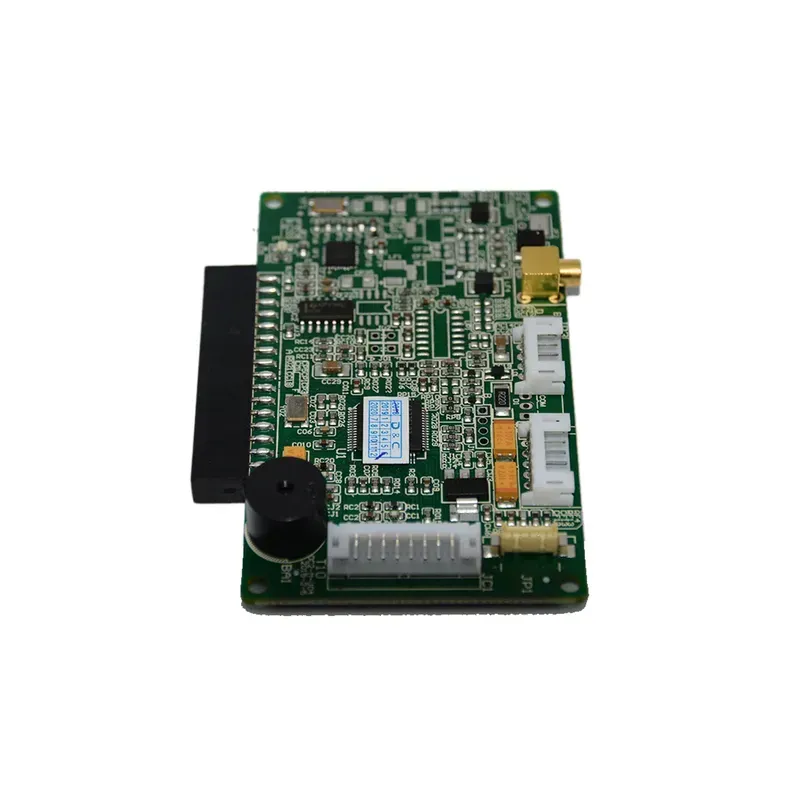
Payment Module Microcontroller
An effective offline interconnected payment module is a sophisticated system integrating several critical hardware and software components. These components work in concert to ensure secure, reliable, and efficient transaction processing even without an active network connection. Understanding these elements is crucial for developers aiming to create robust payment solutions. This section offers a detailed overview of these components.
Microcontroller Unit (MCU) The MCU serves as the brain of the module, managing all operations. It processes payment data, handles communication protocols, and controls security features. Key considerations include processing power, low power consumption, and security certifications like EMVCo compliance for secure transaction processing. Choosing an MCU with sufficient memory and processing speed is vital for handling complex transactions and encryption algorithms.
Secure Element (SE) The SE is a tamper-resistant hardware security module that stores sensitive data such as cryptographic keys and performs secure transactions. It protects against various attacks, including physical tampering and data breaches. Selection of a suitable SE is crucial as it directly impacts the security posture of the payment device. SEs should be certified to industry standards such as Common Criteria EAL5+ or higher.
Memory Non-volatile memory (e.g., Flash) stores the operating system, application code, and transaction history. The choice of memory type and capacity is important for storing transaction data, software updates, and configuration settings. Ensure enough memory to store a sufficient number of offline transactions and maintain data integrity. Consider also including volatile memory (e.g., RAM) for real-time data processing.
Communication Interfaces These enable communication with card readers, other devices, and, when available, network infrastructure. Common interfaces include Bluetooth, NFC (Near Field Communication), and cellular modules (2G, 3G, or 4G). The selection depends on the required range, data transfer rates, and environmental conditions. Power efficiency and communication protocol security are also critical.
Battery Management System (BMS) The BMS is essential for managing the power supply and ensuring the module's operational longevity. It includes charging circuitry, battery monitoring, and power optimization features. Designing a BMS that balances power efficiency with long operational life is essential for a good user experience. Factors include battery type, capacity, and charging characteristics.
Antenna For contactless payments, an antenna is necessary for NFC or other wireless communication. Antenna design impacts the range, reliability, and performance of the wireless transactions. Antenna placement, size, and material choice are crucial considerations, and signal integrity should be a focus during PCB design and assembly.
These components, along with well-designed software, create a robust offline payment module capable of providing secure, reliable, and efficient transactions. Careful selection and integration of these elements are crucial for the success of any offline payment solution. A well-designed and optimized PCB is essential for bringing these components together effectively (as discussed in the next section).
Optimized PCB Design: The Cornerstone of Reliable Offline Payment Modules
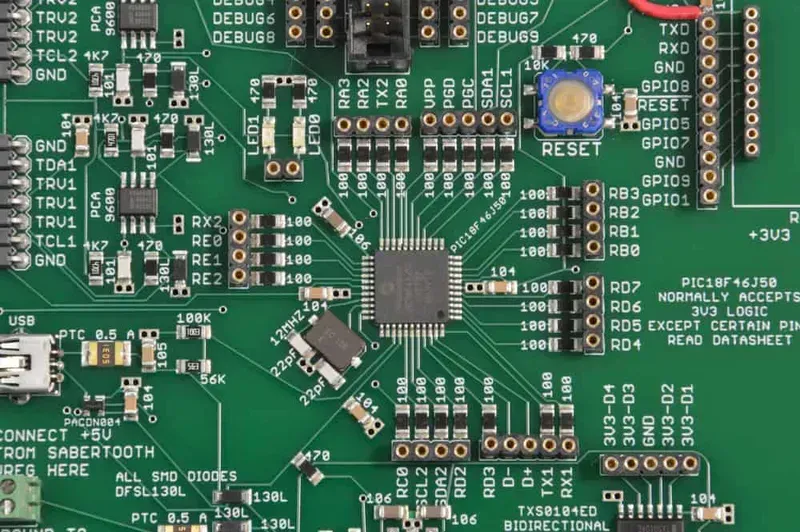
PCB Layout Close-Up
In the intricate world of offline payment module development, the Printed Circuit Board (PCB) design transcends mere component placement; it's the very foundation upon which the reliability, security, and efficiency of the device are built. A meticulously crafted PCB ensures optimal signal integrity, robust power management, and stringent security measures, directly impacting the performance and longevity of the payment module. At Zero One Solution Limited, we understand that the PCB isn't just a component, but the critical enabler of a successful offline payment solution.
The PCB's role is multifaceted, encompassing several crucial aspects:
Signal Integrity: Precise trace routing and impedance control are vital for preventing signal degradation, especially in high-frequency applications such as those involving secure element communication. Poor signal integrity can lead to transaction errors and security vulnerabilities.
Power Efficiency: Strategic PCB layout minimizes power consumption by reducing trace lengths and optimizing component placement. This is crucial for extending battery life in offline payment devices, ensuring they remain operational for extended periods.
Security: PCB design incorporates security measures like controlled impedance, shielding, and tamper detection circuits to protect sensitive data. These features safeguard against unauthorized access and manipulation of payment information.
Component Placement: The arrangement of components influences thermal management, electromagnetic interference (EMI), and overall device performance. Careful placement ensures that sensitive components are protected from interference and heat, maximizing the device's lifespan.
Material Selection: Choosing the correct PCB materials (e.g., FR-4, Rogers) is critical for meeting performance, environmental, and cost requirements. The material directly impacts signal integrity, operating temperature range, and resistance to environmental factors.
The implications of a poorly designed PCB can be severe, including transaction failures, data breaches, and device malfunctions. Conversely, a well-designed PCB provides a robust, secure, and efficient platform for offline payment processing. Zero One Solution Limited employs cutting-edge design tools and adheres to the strictest industry standards to deliver PCB solutions that exceed expectations. Our expertise ensures your offline payment modules are not only functional but also secure and reliable.
Zero One Solution Limited: Your Partner in Rapid PCB Prototyping for Cutting-Edge Payment Devices
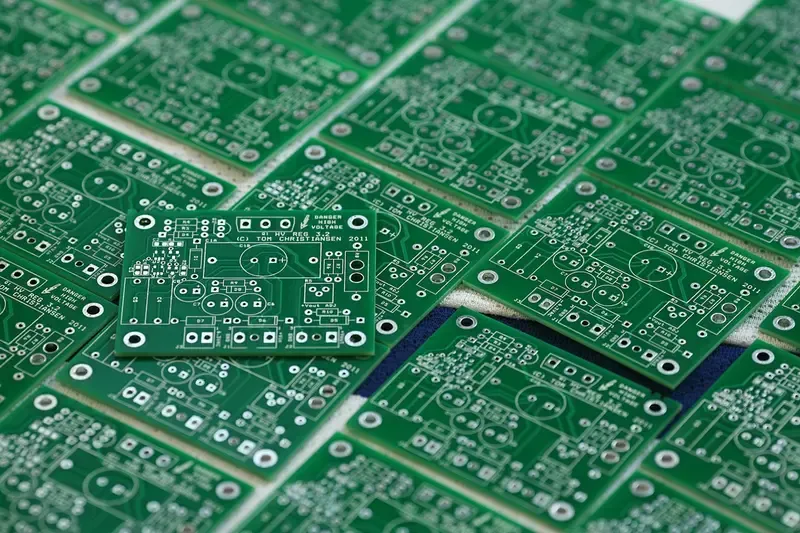
PCB Prototype Manufacturing
In the fast-evolving landscape of payment technology, time-to-market is crucial. Zero One Solution Limited excels in providing rapid PCB prototyping services, specifically tailored for the development of offline interconnected payment device modules. Our expertise enables clients to swiftly design, manufacture, and validate prototypes, ensuring they can adapt and thrive in a competitive market. We are committed to accelerating your product development cycle, ensuring you can bring innovative solutions to market ahead of the curve.
Our capabilities are designed to meet the demanding requirements of the payment industry. Zero One Solution Limited offers comprehensive services, including:
Accelerated PCB Design Leveraging advanced design software and experienced engineers to create optimized PCB layouts that meet strict size, performance, and security criteria. We can handle complex designs with multiple layers, high-speed signals, and sensitive analog components.
Rapid Prototyping Providing quick-turn PCB fabrication services, enabling multiple iterations of prototypes in a short timeframe. This allows for immediate feedback and adjustments, accelerating the refinement process.
Component Sourcing and Assembly A global supply chain network ensures access to a wide range of components, combined with our advanced assembly capabilities, including SMT (Surface Mount Technology) and through-hole assembly. We ensure accurate component placement, and quality control.
Thorough Testing and Validation Offering comprehensive testing services, including functional testing, signal integrity analysis, and environmental testing, to guarantee the reliability and performance of each prototype.
Our state-of-the-art facilities and stringent quality control processes ensure that all prototypes adhere to the highest standards of quality and reliability. By partnering with Zero One Solution Limited, clients gain a strategic advantage in reducing development time, minimizing costs, and successfully launching innovative payment solutions. This is achieved through meticulous attention to detail, adherence to industry best practices, and a customer-centric approach.
Ensuring Security and Compliance in Offline Interconnected Payment Module Development
Encrypted Chip Close-Up
The cornerstone of successful offline interconnected payment module development lies in robust security and unwavering compliance. This involves a multi-layered approach, integrating stringent security protocols, encryption methodologies, tamper-detection mechanisms, and adherence to regulatory standards like PCI DSS, to safeguard sensitive financial data and ensure user trust.
Here's a breakdown of key considerations:
Encryption and Data Protection Implementing strong encryption algorithms (e.g., AES, RSA) to protect sensitive data at rest and in transit. Employing secure key management practices to safeguard cryptographic keys.
Tamper Detection and Prevention Integrating physical and logical tamper-detection mechanisms, such as tamper-evident seals and secure boot processes, to detect and prevent unauthorized access or modification of the module's hardware or software.
Secure Element (SE) Integration Utilizing a secure element to store and protect sensitive data, such as cryptographic keys and payment credentials, and to perform cryptographic operations in a secure environment. This is essential for safeguarding against various attack vectors.
Compliance with Industry Standards Ensuring compliance with relevant industry standards, such as PCI DSS for handling cardholder data. This requires rigorous security assessments, regular audits, and the implementation of stringent security controls.
Secure Firmware and Software Updates Implementing secure firmware and software update mechanisms to address vulnerabilities and maintain the security posture of the payment module. This includes secure boot, code signing, and over-the-air (OTA) updates.
These measures collectively fortify the payment module against potential security threats, ensuring the confidentiality, integrity, and availability of financial transactions. Compliance is not merely a checkbox but an ongoing commitment to maintaining the highest standards of security in an evolving threat landscape.
Bridging the Gap: Interconnectivity Challenges and Solutions for Offline Payment Devices
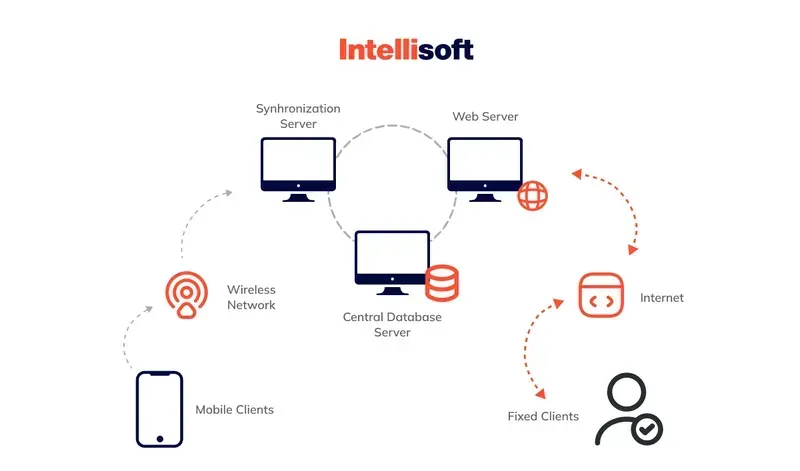
Data Synchronization Server
The success of offline payment devices hinges not only on their ability to function independently but also on their capacity to seamlessly reintegrate with the central payment systems. Ensuring reliable data synchronization and communication once connectivity is restored presents significant challenges, demanding robust solutions to maintain data integrity, resolve conflicts, and provide a smooth user experience. This section delves into these complexities, offering insights into the critical aspects of interconnectivity in offline payment device modules.
Data Synchronization Protocols Developing secure and efficient protocols for data transfer is crucial. This involves choosing the appropriate communication methods (e.g., Bluetooth, Wi-Fi, cellular data) based on the device's capabilities and environment. Protocols must support data compression, encryption, and error checking to ensure fast, secure, and reliable data transmission. For instance, protocols like Transport Layer Security (TLS) can encrypt data during transit, safeguarding sensitive payment information.
Data Integrity and Validation Data integrity is paramount. Implementing checksums, digital signatures, and transaction logging within the module ensures data accuracy and allows for verification upon reconnection. A robust validation process at both the device and the central server end is essential to confirm the authenticity and completeness of each transaction. This includes comparing checksums, checking for duplicate transactions, and verifying the validity of cryptographic signatures.
Conflict Resolution Mechanisms Conflicts can arise when multiple transactions are processed offline and then synchronized concurrently. Conflict resolution strategies must be designed to manage these scenarios effectively. Timestamp-based conflict resolution, where the transaction with the latest timestamp is prioritized, is one approach. Additionally, more complex strategies may involve transaction reconciliation, allowing administrators to review and resolve discrepancies manually or through automated processes based on predefined rules.
Communication Infrastructure A reliable communication infrastructure is critical. This includes selecting appropriate hardware (e.g., cellular modems, Wi-Fi modules) and ensuring their proper integration with the PCB. Network configuration, signal strength, and data transfer rates must be considered to guarantee stable and timely data exchange. Testing under varied network conditions is important to ensure reliability.
Security Considerations during Synchronization Data security must be maintained throughout the synchronization process. This includes end-to-end encryption, secure key exchange, and robust authentication mechanisms to protect data during transmission. Regular security audits and penetration testing are recommended to identify and mitigate vulnerabilities. The use of hardware security modules (HSMs) can also provide an extra layer of protection for sensitive data.
At Zero One Solution Limited, we recognize the criticality of flawless interconnectivity. Our expertise in PCB design and rapid prototyping allows us to develop payment modules that efficiently handle data synchronization challenges, ensuring data integrity, security, and a seamless user experience. Our designs incorporate the latest security protocols, communication technologies, and conflict resolution strategies, making your payment devices reliable and compliant.
Why Choose Zero One Solution Limited for Your Offline Payment Device Module?
Selecting the right partner is crucial for success in the fast-paced world of offline payment device development. Zero One Solution Limited offers a distinct advantage, combining rapid prototyping expertise with a global supply chain and comprehensive support, ensuring your product not only meets stringent performance and security standards but also achieves optimal time-to-market and cost-efficiency. Our commitment goes beyond mere manufacturing; we provide a collaborative partnership, driving innovation and facilitating your success in the competitive landscape of offline payment solutions.
Accelerated Time-to-Market Our rapid prototyping services significantly reduce development cycles. We specialize in quick-turn PCB design, fabrication, and assembly, enabling faster iteration and validation of your payment device prototypes. This agility is critical for capturing market opportunities before your competitors.
Cost-Effective Solutions We optimize costs through efficient manufacturing processes and strategic component sourcing. Our global supply chain ensures competitive pricing, and our design-for-manufacturability (DFM) approach minimizes waste, resulting in cost-effective solutions without compromising quality or performance.
Global Supply Chain Access Benefit from our extensive network of trusted suppliers. Zero One Solution Limited offers access to a wide range of components and materials, ensuring consistent supply and minimizing risks related to component shortages or obsolescence. This global reach is especially important in today's volatile market.
Expert Support from Design to Assembly We provide end-to-end support, from initial PCB design and layout to final assembly and testing. Our experienced engineers work closely with you throughout the entire process, offering expert guidance and ensuring your payment device module meets the highest standards of quality and reliability.
Enhanced Security and Compliance Our commitment to security and compliance is paramount. We understand the rigorous requirements of the payment industry, including PCI DSS. We integrate robust security measures into the design and manufacturing process, ensuring your devices meet all necessary regulatory standards.
Customized Solutions for Your Needs We understand that every project is unique. Zero One Solution Limited provides customized solutions tailored to your specific requirements, whether you're developing a point-of-sale terminal, a mobile payment device, or an embedded payment module. We adapt to your needs, ensuring your vision becomes reality.
Frequently Asked Questions (FAQs) on Offline Interconnected Payment Module Development
This section addresses common queries regarding the development of offline interconnected payment modules, providing clarity on various aspects of the process, from initial design to deployment and maintenance.
What are the primary challenges in developing an offline payment module? The main challenges include ensuring data security in offline environments, managing power efficiently to prolong battery life, handling data synchronization with central systems upon reconnection, and adhering to stringent compliance standards like PCI DSS. Signal integrity and component reliability in harsh environments also pose significant design challenges.
How does Zero One Solution Limited ensure the security of offline payment modules? Zero One Solution Limited integrates robust security measures, including hardware-based encryption, secure element integration for key storage, tamper-detection mechanisms, and adherence to industry best practices and compliance standards. Our PCB design incorporates optimal component placement and signal integrity to prevent vulnerabilities.
What PCB design considerations are critical for offline payment devices? Critical PCB design considerations include optimizing signal integrity to prevent data breaches, selecting high-quality materials for durability, ensuring proper thermal management for component longevity, and compact layout designs to minimize device size. Zero One Solution Limited's expertise in rapid prototyping ensures these aspects are effectively addressed.
How does Zero One Solution Limited assist with the rapid prototyping of offline payment modules? Zero One Solution Limited offers rapid PCB prototyping services, including quick-turn manufacturing and assembly, allowing for fast iteration and validation of designs. Our streamlined processes and global supply chain enable us to deliver prototypes in minimal time, accelerating the development cycle.
What compliance standards are essential for offline payment module development? Compliance with PCI DSS is crucial for protecting cardholder data. Additionally, adherence to EMVCo standards for chip card transactions, and regional regulations regarding data privacy and security, are essential. Zero One Solution Limited ensures that all designs meet these required standards.
What are the advantages of using offline payment modules? Offline payment modules offer the advantages of enabling transactions in areas with limited or no network connectivity, ensuring business continuity, enhancing user convenience, and broadening market reach. They also provide increased transaction speed and reduced dependency on network infrastructure.
How can I get started with developing an offline interconnected payment module with Zero One Solution Limited? You can start by contacting Zero One Solution Limited to discuss your specific requirements and project scope. Our team of experts will guide you through the entire process, from initial design and prototyping to manufacturing and assembly, ensuring a seamless and efficient development experience.
The development of reliable and secure offline interconnected payment device modules is a complex yet crucial endeavor for modern commerce. By integrating cutting-edge PCB design, manufacturing, and assembly, Zero One Solution Limited offers a comprehensive solution that addresses the multifaceted demands of this specialized field. Our commitment to rapid prototyping, exceptional quality, and global strategic presence ensures that your innovative payment solutions move from concept to market with unparalleled speed and efficiency. Partner with Zero One Solution Limited to transform your vision into reality and empower the next generation of seamless offline payment experiences. Contact us today to discuss your project and discover how our expertise can accelerate your success.