In today's advanced scientific and industrial environments, maintaining a safe and controlled atmosphere within laboratories is paramount. The silent threat of hazardous gas leaks necessitates robust and reliable monitoring systems. At Zero One Solution Limited, we understand this critical need, and we provide a comprehensive Laboratory Gas Monitoring PCB Solution designed to ensure the safety and accuracy of your lab environment. Our solution integrates cutting-edge PCB design, manufacturing, and assembly, providing a foundation for highly sensitive and responsive gas detection systems. This article explores the crucial role of PCB solutions in laboratory gas monitoring, highlighting the design considerations, key components, and manufacturing expertise that Zero One Solution Limited brings to the table, empowering labs to maintain a safer, more controlled environment and ensuring the integrity of research and the well-being of personnel.
In the intricate ecosystem of modern laboratories, robust gas monitoring is not merely a regulatory compliance checkbox but a fundamental pillar of safety, operational continuity, and research integrity. Undetected gas leaks, whether from compressed gas cylinders, experimental setups, or even HVAC systems, pose severe risks ranging from immediate asphyxiation, explosion, or fire hazards to long-term health detriments for personnel, and irreversible damage to valuable experiments or sensitive equipment. A reliable and highly accurate gas detection system, underpinned by expertly engineered Printed Circuit Boards (PCBs), is therefore indispensable for safeguarding human lives, protecting costly research investments, and ensuring a stable, controlled environment critical for scientific precision.
The implementation of advanced gas monitoring solutions in laboratories extends beyond immediate hazard mitigation, playing a crucial role in maintaining the integrity of experimental conditions. Fluctuations in gas concentrations can compromise research results, affect cell cultures, or disrupt sensitive reactions. For instance, maintaining precise CO2 levels in incubators is vital for biological research, and any deviation can invalidate weeks or months of work. Therefore, continuous and accurate gas monitoring ensures that environmental parameters remain within specified tolerances, guaranteeing the reproducibility and validity of scientific findings. The financial implications of compromised experiments or damaged equipment further underscore the necessity for proactive and reliable gas monitoring systems.
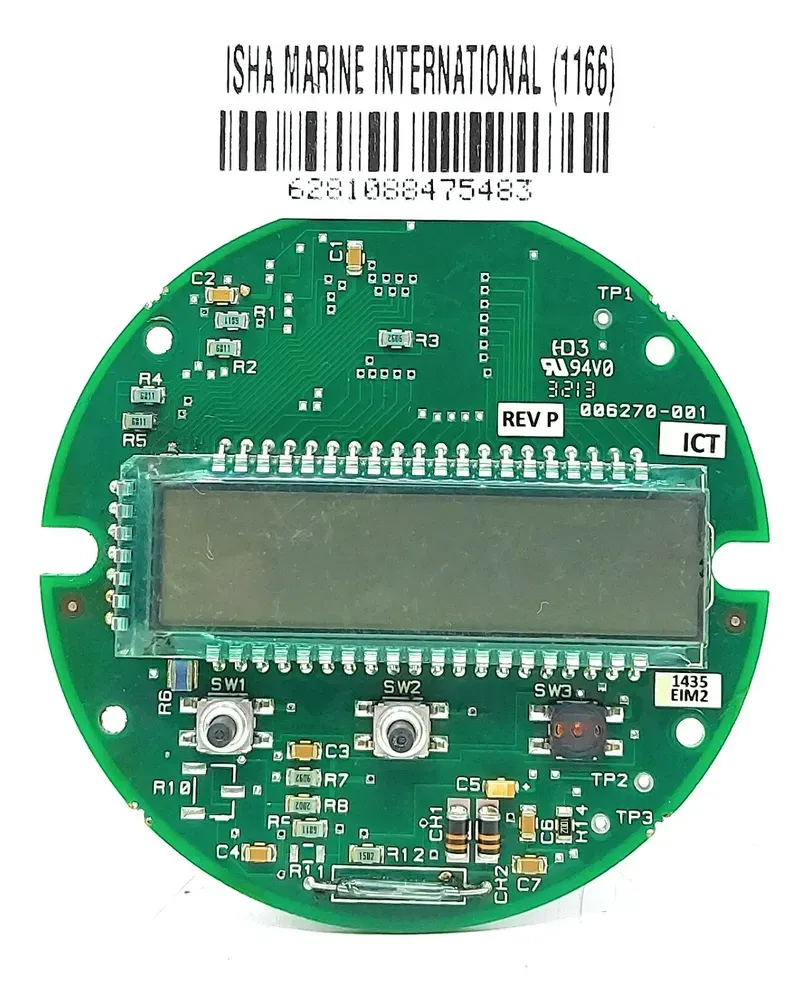
Zero One Solution Limited delivers a comprehensive and integrated Laboratory Gas Monitoring PCB Solution, meticulously engineered to address the critical safety and accuracy demands of modern laboratories. Our unique value proposition lies in our seamless, one-stop service, encompassing everything from innovative PCB design and precision manufacturing to advanced assembly. This integrated approach ensures optimal performance, reliability, and expedited deployment of gas monitoring systems, empowering laboratories to maintain a safe environment and secure their research integrity with unparalleled efficiency.
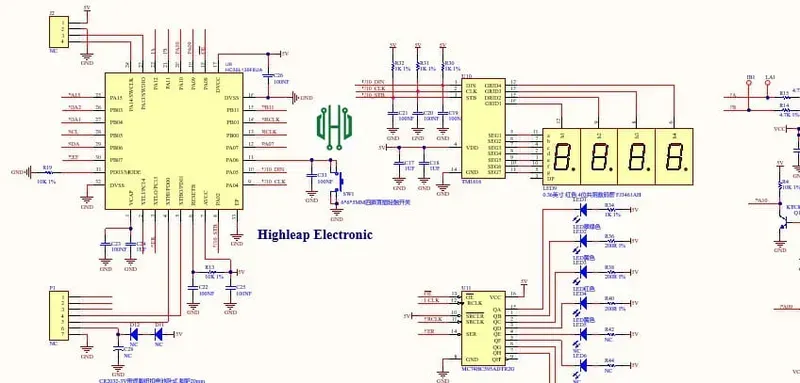
Designing Printed Circuit Boards (PCBs) for gas monitoring systems, particularly for sensitive laboratory environments, demands meticulous attention to detail to ensure accuracy, reliability, and safety. The core of an effective gas sensor PCB lies in its ability to accurately read minute chemical changes and translate them into actionable data, necessitating precise sensor placement, robust signal conditioning, effective noise reduction, and efficient power management. These considerations are paramount for developing a system that can reliably detect and quantify gas concentrations, safeguarding both personnel and critical experiments.
| Design Consideration | Description | Impact on Performance |
|---|---|---|
| Sensor Placement | Strategic positioning on the PCB to optimize gas flow and minimize external interference, considering environmental factors like temperature and humidity gradients. | Ensures accurate and rapid gas detection by exposing the sensor optimally to the target gas, reducing response time. |
| Signal Conditioning | Implementing amplification, filtering, and analog-to-digital conversion (ADC) circuits to convert raw sensor outputs into clear, digital signals. | Crucial for amplifying weak sensor signals and removing unwanted noise, leading to higher measurement precision and stability. |
| Noise Reduction | Techniques such as proper grounding, shielding, component selection, and layout optimization to mitigate electromagnetic interference (EMI) and radio-frequency interference (RFI). | Minimizes false positives and negatives, enhancing the reliability and trustworthiness of gas concentration readings. |
| Power Management | Designing efficient power supply circuits, including voltage regulators and power converters, to provide stable and clean power to sensors and associated electronics. | Ensures consistent sensor operation, extends battery life in portable units, and prevents measurement drift due to voltage fluctuations. |
| Thermal Management | Designing for heat dissipation to maintain optimal operating temperatures for sensors and other components, preventing thermal drift and component degradation. | Maintains sensor accuracy and prolongs the lifespan of electronic components, especially critical for sensitive electrochemical and catalytic sensors. |
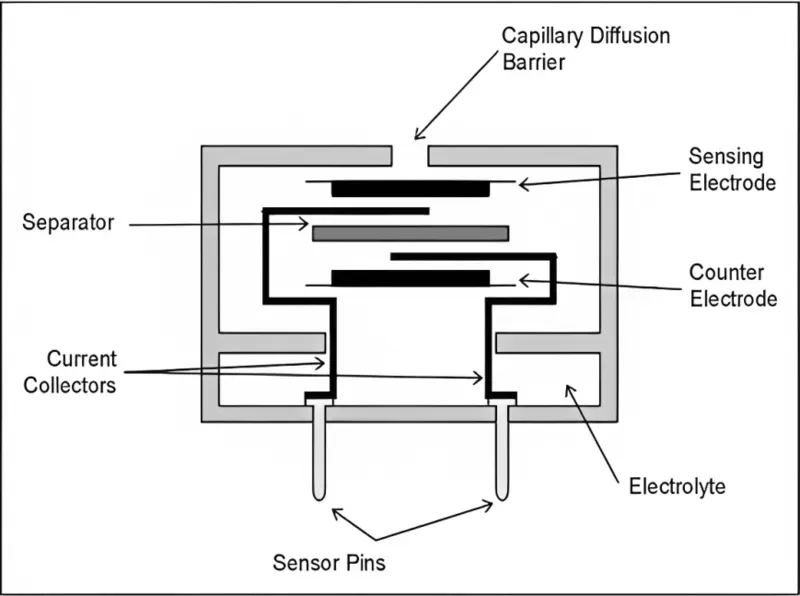
Selecting the appropriate gas sensor is paramount for the accuracy, reliability, and effectiveness of any laboratory gas monitoring PCB solution. The diverse nature of gases present in laboratory environments, from inert gases to highly reactive or toxic compounds, necessitates a meticulous selection process that considers the specific target gas, required sensitivity, response time, and the prevailing environmental conditions. A poorly chosen sensor can lead to inaccurate readings, missed alerts, and compromise the safety and integrity of research operations. Engineers must carefully evaluate sensor technologies to match them precisely with the application's unique demands, ensuring optimal performance and compliance with safety standards.
| Sensor Type | Working Principle | Target Gases | Advantages | Disadvantages | Typical Applications |
|---|---|---|---|---|---|
| Electrochemical Sensor | Measures current produced by chemical reaction with gas | O2, CO, H2S, NO2 | High sensitivity, good selectivity, low power consumption | Limited lifespan, affected by extreme temperatures, cross-sensitivity to other gases | Personal safety monitors, industrial safety systems |
| Infrared (IR) Sensor | Detects gas concentration by absorption of IR radiation | CO2, Hydrocarbons, SF6 | Highly stable, long lifespan, unaffected by oxygen levels, non-consumable | Higher cost, can be affected by dust/dirt, limited to IR-absorbing gases | HVAC systems, leak detection, industrial process control |
| Metal Oxide Semiconductor (MOS) Sensor | Measures resistance change due to gas adsorption on a heated metal oxide layer | CO, VOCs, CH4, LPG | Low cost, small size, fast response | Poor selectivity, affected by humidity, high power consumption for heater | Air quality monitoring, residential gas alarms |
| Catalytic Bead Sensor (Pellistor) | Measures resistance change due to catalytic combustion of gas | Combustible gases (CH4, Propane, Butane) | Robust, reliable for flammable gases, wide detection range | Requires oxygen, susceptible to poisoning, high power consumption | Explosive atmosphere monitoring, industrial safety |
| Photoionization Detector (PID) | Ionizes VOCs using UV lamp and measures resulting current | VOCs, BTEX | High sensitivity for VOCs, fast response, non-destructive | Affected by humidity, lamp contamination, limited to ionizable gases | Environmental monitoring, hazmat response, industrial hygiene |
| Thermal Conductivity Sensor (TCD) | Measures change in thermal conductivity of gas | H2, He, Ar, CO2 | Detects non-combustible gases, robust, long lifespan | Lower sensitivity, affected by temperature fluctuations, requires reference gas | Gas chromatography, leak detection of inert gases |
When making your selection, consider the following key factors: 1. **Target Gas(es):** Identify the specific gases you need to monitor. Some sensors are broad-spectrum, while others are highly selective. 2. **Concentration Range:** Determine the minimum and maximum concentrations of the gas to be detected. This dictates the sensor's required sensitivity and dynamic range. 3. **Accuracy and Precision:** Evaluate the required level of measurement accuracy for your application. Critical research or safety applications demand higher precision. 4. **Response and Recovery Time:** How quickly does the sensor need to react to changes in gas concentration, and how quickly does it return to baseline? 5. **Environmental Conditions:** Temperature, humidity, pressure, and the presence of interfering gases can all affect sensor performance. Ensure the chosen sensor is rated for your operating environment. 6. **Lifespan and Calibration Requirements:** Understand the sensor's expected operational life and the frequency of calibration needed to maintain accuracy. 7. **Cost and Power Consumption:** Balance performance requirements with budget constraints and power availability, especially for battery-powered or energy-efficient systems. Zero One Solution Limited assists clients in navigating these complex choices, leveraging our deep expertise in PCB integration to ensure the chosen sensors perform optimally within the overall monitoring system.
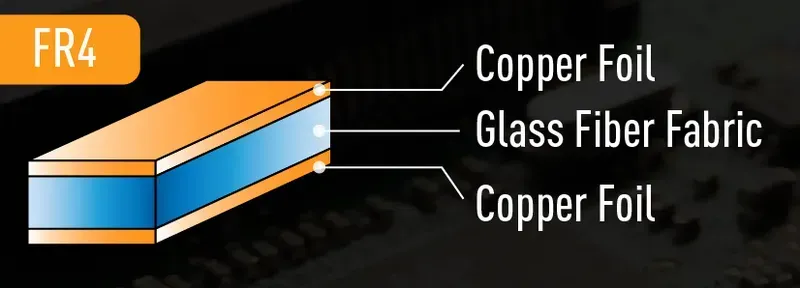
The foundation of a reliable Laboratory Gas Monitoring PCB Solution lies not only in circuit design but critically in the judicious selection of PCB materials and the precision of manufacturing processes. These elements are paramount for ensuring signal integrity, robust durability, and unwavering resistance to the demanding environmental factors often present in laboratory settings, such as chemical exposure, varying temperatures, and humidity. Suboptimal material choices or manufacturing shortcuts can lead to signal degradation, premature component failure, and ultimately compromise the accuracy and safety of gas detection.
| Material Type | Key Advantage for Gas Monitoring PCBs | Typical Application Scenario |
|---|---|---|
| FR-4 (Standard Glass Epoxy) | Cost-effective, good mechanical strength | General-purpose gas sensors, non-critical environments |
| Rogers (High-Frequency Laminates) | Low dielectric loss, stable Dk/Df, excellent signal integrity | High-frequency RF sensors, precise analog signal conditioning |
| Polyimide | High temperature resistance, flexibility, chemical inertness | Sensors in high-heat areas, flexible sensor arrays, harsh chemical labs |
| Ceramic Substrates | Excellent thermal conductivity, dimensional stability, chemical resistance | High-power sensors, sensors requiring extreme temperature stability |
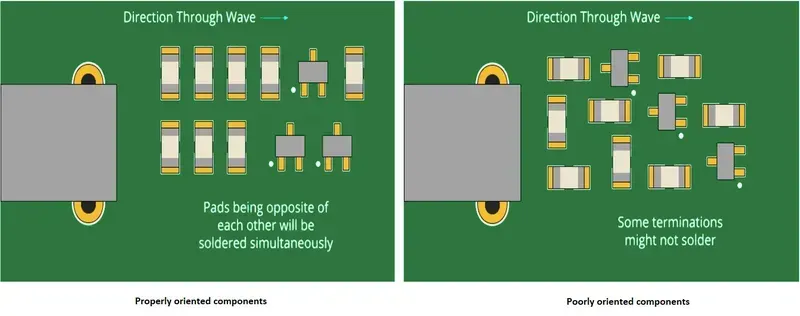
For laboratory gas monitoring systems, the efficacy of the entire solution hinges not just on the quality of individual components, but crucially on the precision of PCB assembly and the thoroughness of post-assembly testing. Advanced assembly techniques ensure the meticulous placement of sensitive gas sensor components, mitigating signal interference and guaranteeing robust electrical connections, while rigorous testing protocols validate system performance under simulated laboratory conditions, confirming accuracy, reliability, and compliance with stringent safety standards.
Seamless integration of Zero One Solution's Laboratory Gas Monitoring PCB Solution with Data Acquisition (DAQ) and control systems is paramount for laboratories to achieve real-time environmental awareness, automate safety protocols, and gain critical insights into gas concentrations. This integration transforms raw sensor data into actionable intelligence, enabling proactive hazard mitigation and optimization of experimental conditions, which is crucial for maintaining a safe and efficient research environment. Our expertise ensures that these sophisticated PCB solutions are not isolated components but rather central nervous systems capable of communicating effectively within a larger intelligent laboratory infrastructure.
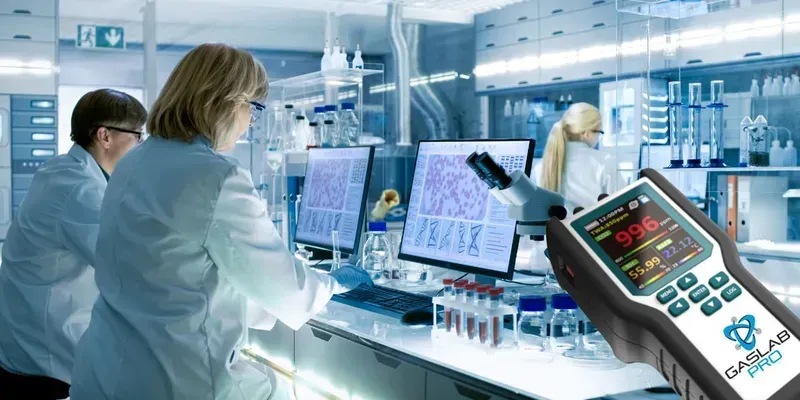
Zero One Solution Limited's Laboratory Gas Monitoring PCB Solution has consistently proven its efficacy in diverse real-world laboratory environments, demonstrating a tangible impact on safety, operational efficiency, and regulatory compliance. These case studies highlight our commitment to delivering tailored, high-performance solutions that address specific client challenges while ensuring the utmost reliability and precision in gas detection. Our comprehensive approach, from custom PCB design to advanced assembly and rigorous testing, enables laboratories to achieve superior gas monitoring capabilities, protecting personnel and critical research assets.
| Case Study | Client Type | Challenge | Zero One Solution's Implementation | Impact & Results |
|---|---|---|---|---|
| Pharmaceutical R&D Lab | Large Pharmaceutical Company | Need for continuous, multi-gas monitoring (VOCs, O2, CO2) in cleanrooms with minimal footprint and high accuracy. | Designed compact, low-power PCBs integrating an array of electrochemical and NDIR sensors. Implemented advanced signal conditioning for high sensitivity and low noise, coupled with wireless data transmission modules. | Achieved real-time, highly accurate monitoring of critical gases across multiple cleanroom zones. Enhanced compliance with GMP standards, reduced false alarms, and improved data traceability, leading to a 15% reduction in manual monitoring checks and enhanced personnel safety. |
| .University Research Facility | Leading Academic Institution | Monitoring flammable gases (Methane, Propane) and toxic gases (H2S, NH3) in various experimental setups, requiring robust, reliable, and easily reconfigurable systems. | Developed modular PCB solutions supporting interchangeable sensor arrays for different gas types. Utilized durable FR-4 materials and conformal coating for chemical resistance. Integrated with a centralized data acquisition system for lab-wide oversight. | Significantly improved safety protocols by providing immediate alerts for hazardous gas levels. The modular design reduced deployment time by 20% for new experiments and provided researchers with actionable data, preventing potential accidents and protecting valuable research projects. |
| .Industrial Chemical Testing Lab | Environmental Testing Services Provider | Continuous monitoring of highly corrosive gases (Cl2, SO2) in exhaust vents and storage areas, requiring long-term stability and resistance to harsh environments. | Engineered PCBs with specialized high-temperature, chemically resistant substrates and robust component selection. Incorporated advanced sensor calibration routines and self-diagnostic features to ensure consistent performance in aggressive atmospheres. | Delivered a highly reliable gas monitoring system that withstands corrosive conditions, drastically reducing maintenance frequency by 30%. Provided precise and continuous data for environmental compliance reporting, avoiding potential regulatory penalties and ensuring worker safety. |
Navigating the complexities of laboratory gas monitoring requires precise and reliable PCB solutions. This section addresses common inquiries to clarify key aspects of designing, implementing, and maintaining these critical systems, ensuring optimal safety and performance in sensitive laboratory environments.
In conclusion, the Laboratory Gas Monitoring PCB Solution offered by Zero One Solution Limited represents a commitment to safety, precision, and reliability in critical laboratory environments. By integrating advanced PCB design, meticulous manufacturing processes, and a deep understanding of gas sensing technologies, we provide a comprehensive solution that empowers laboratories to proactively detect and mitigate potential gas hazards. We're dedicated to providing innovative solutions that not only meet but exceed the evolving demands of modern laboratories. Contact Zero One Solution Limited today to discover how our PCB solutions can enhance the safety and efficiency of your laboratory operations. Let us partner with you in creating a safer, more controlled, and more productive research environment.

