Imagine a world without the simple click of a light switch or the seamless activation of your smartphone. At the heart of these actions lies the electronic switch, a critical component in modern technology. Unlike its mechanical counterparts, the electronic switch utilizes semiconductor materials and electronic signals, allowing for faster, more precise control of electrical currents. In this article, we will explore the fascinating world of electronic switches, delving into their different types, how they function, and their diverse applications across a variety of fields. Understanding electronic switches is essential to appreciating the modern world of electronics.
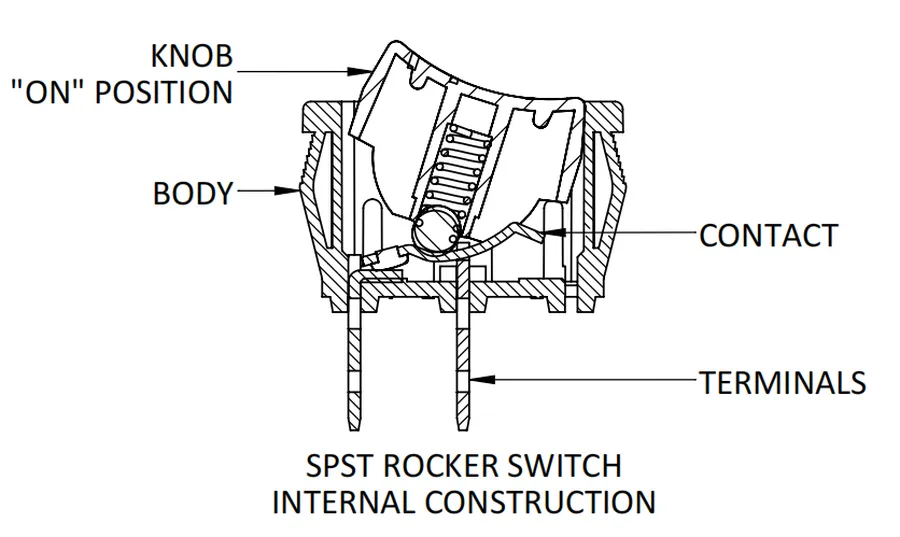
An electronic switch is a device that controls the flow of electrical current in a circuit by electronic means, using semiconductor materials, unlike mechanical switches which rely on physical movement. This fundamental difference leads to superior performance, reliability and versatility in many applications, making them a cornerstone of modern electronics. Electronic switches, often employing solid-state technology, exhibit rapid switching speeds, enhanced durability, and the capability to manage both AC and DC currents with precision.
Key distinction between electronic switches and mechanical switches are detailed as follows:
| Feature | Electronic Switch | Mechanical Switch |
|---|---|---|
| Switching Mechanism | Solid-state components (e.g., transistors, diodes) | Physical contact of metallic components |
| Speed | Extremely fast (nanoseconds to microseconds) | Slower (milliseconds) |
| Durability | High endurance, minimal wear and tear | Limited lifespan due to mechanical fatigue |
| Control Signal | Electronic signal (voltage or current) | Physical force (manual, lever, etc.) |
| Bounce | No contact bounce issues | Susceptible to contact bounce |
| Size and Integration | Small, can be highly integrated into ICs | Bulkier, requires more space |
| Power Handling | Wide range, from very low to high power | Limited to specific current and voltage |
Solid-state switch technology is at the heart of electronic switches, eliminating the need for moving parts. This technology is the basis of most modern electronic switching solutions. These switches employ semiconductors like transistors and diodes, allowing them to perform switching functions in mere nanoseconds and operate effectively with very low currents, making them a key component in power management systems and digital circuit boards, where reliability and speed are critical.
Electronic switches are fundamental components in modern electronics, enabling the control of electrical power and signals. They are primarily categorized into transistors, relays, and integrated circuit (IC) switches, each leveraging different physical principles to achieve switching functionality. Understanding the operational characteristics of these key types is crucial for effective circuit design and application.
| Switch Type | Subtypes | Switching Mechanism | Typical Applications | Key Characteristics |
|---|---|---|---|---|
| Transistors | Bipolar Junction Transistors (BJT), Field-Effect Transistors (FET) | Current or voltage control of semiconductor junctions | Amplifiers, digital logic, power supplies | Fast switching speeds, small size, voltage or current-controlled operation. |
| Relays | Electromechanical Relays (EMR), Solid-State Relays (SSR) | Electromagnetically controlled mechanical contact (EMR) or semiconductor based (SSR) | High power switching, isolation between control and load circuits, industrial control | High current capabilities (EMR), fast reliable switching (SSR), isolation between control and load circuits. |
| IC Switches | Analog switches, digital switches (e.g. multiplexers, demultiplexers) | Logic gates and semiconductor devices | Signal routing, data selection, complex switching networks | Integrated functionality, precise control, compact size. |
Each type offers unique advantages and is selected based on specific application requirements. Transistors are favored for high-speed, low-power applications, Relays for high current loads, and IC switches where complex switching logic is required.
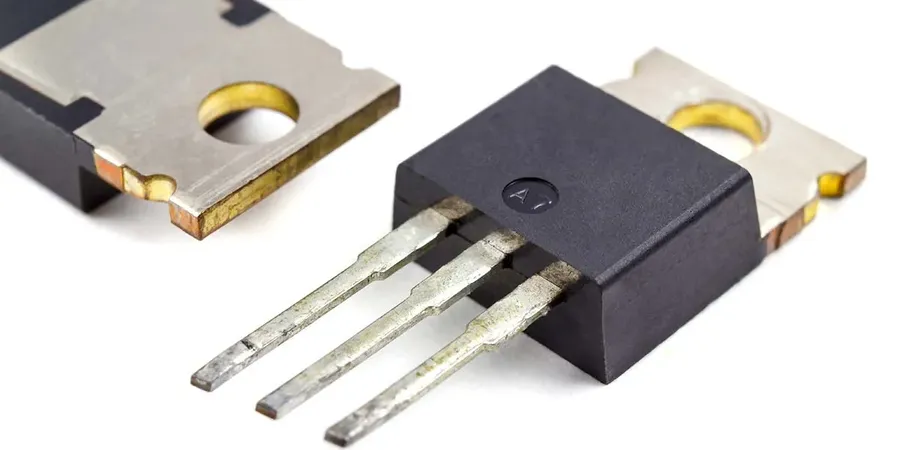
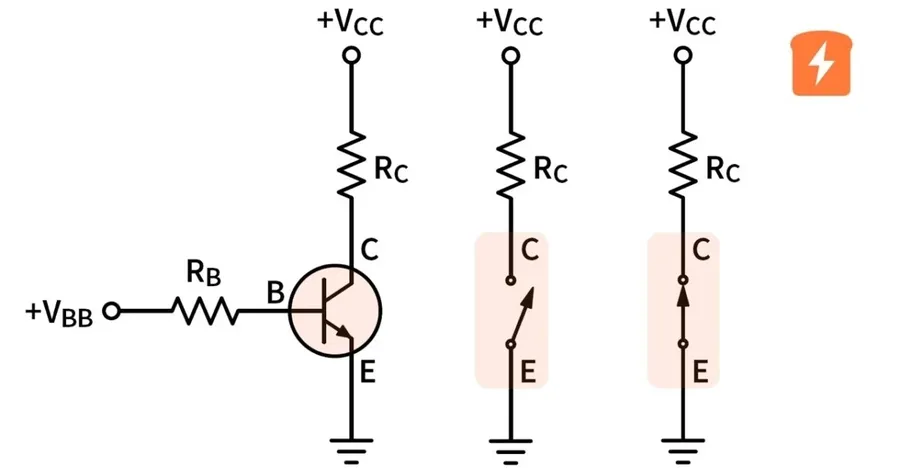
Transistors, fundamental components in modern electronics, serve as highly efficient electronic switches by controlling current flow through a semiconductor material with an electronic signal. This control mechanism allows for the rapid and precise switching action essential in digital circuits and many other electronic applications. Both Bipolar Junction Transistors (BJTs) and Field-Effect Transistors (FETs) achieve this function, although their internal operating mechanisms differ.
Understanding how transistors function as electronic switches requires a closer look at their operational states. In the context of switching, transistors operate in two key modes: saturation (ON state) and cutoff (OFF state). These modes allow transistors to either conduct current freely or block it, effectively replicating the behavior of a traditional mechanical switch but through electronic means.
| Feature | Bipolar Junction Transistors (BJTs) | Field-Effect Transistors (FETs) |
|---|---|---|
| Control Mechanism | Current-controlled (base current) | Voltage-controlled (gate voltage) |
| Types | NPN and PNP | N-channel and P-channel |
| Input Impedance | Low | High |
| Operating Regions | Cutoff, Active, and Saturation | Cutoff, Linear (Ohmic), and Saturation |
| Switching Speed | Typically Moderate | Typically Faster |
In summary, transistors, whether BJTs or FETs, are indispensable as electronic switches, enabling precise and efficient control of electrical circuits. Their ability to transition rapidly between on and off states under electronic control makes them crucial in various electronic applications.
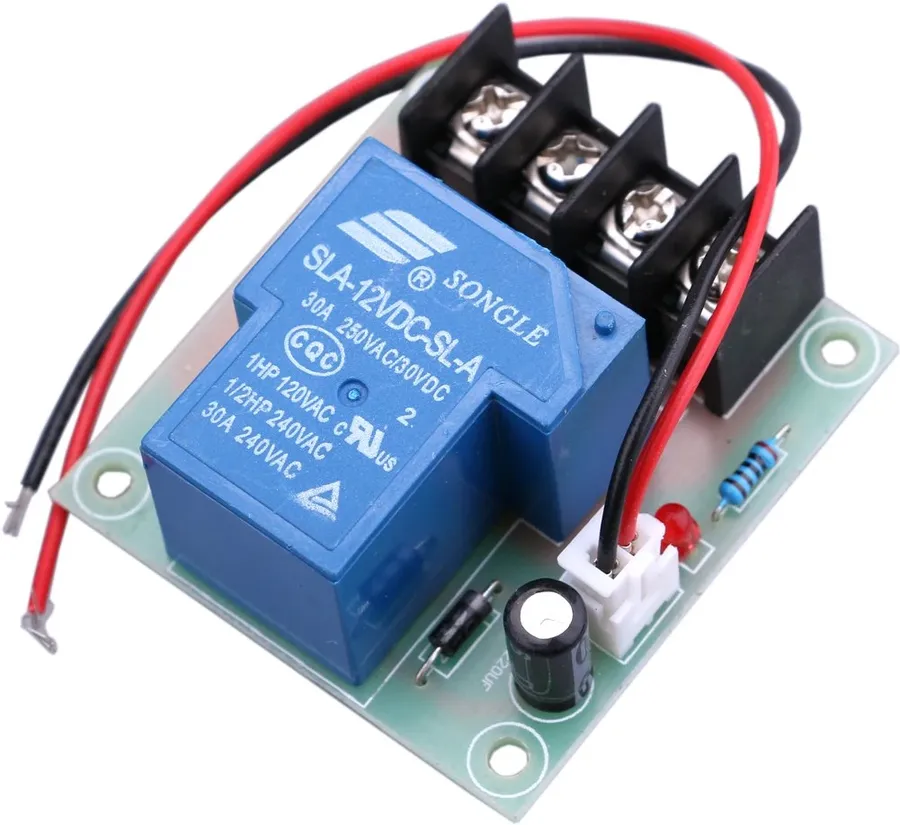
Relays serve as electrically controlled switches, broadly categorized into electromechanical relays (EMRs) and solid-state relays (SSRs). EMRs utilize mechanical movement to open or close contacts, while SSRs employ semiconductor devices for switching actions. This section explores the operational differences, advantages, disadvantages, and suitable applications for each type.
| Feature | Electromechanical Relay (EMR) | Solid-State Relay (SSR) |
|---|---|---|
| Switching Mechanism | Mechanical movement of contacts | Semiconductor switching (e.g., transistors, thyristors) |
| Switching Speed | Relatively slow (milliseconds) | Very fast (microseconds to nanoseconds) |
| Lifespan | Limited by mechanical wear | Longer lifespan due to no moving parts |
| Contact Bounce | Present | Absent |
| Acoustic Noise | Audible clicking | Silent operation |
| Isolation | Galvanic isolation (physical separation) | Optical or transformer isolation |
| Power Consumption | Higher coil current required | Lower input current requirements |
| Cost | Generally less expensive | Generally more expensive |
| Sensitivity to Environment | May be affected by shock and vibration | More resistant to shock and vibration |
| EMI Generation | Higher due to arcing | Lower due to no arcing |
Electromechanical relays (EMRs) operate based on the principle of electromagnetism. When a current flows through the coil, it generates a magnetic field, which attracts a movable armature. This movement either opens or closes the contacts, thus switching the connected circuit. The physical nature of this operation leads to limitations in switching speed, lifespan due to mechanical wear, and the potential for contact bounce.
Solid-state relays (SSRs) use semiconductor devices like transistors, thyristors, or TRIACs to achieve switching. These devices conduct current when a control signal is applied, enabling fast switching with no moving parts, leading to extended lifespans and silent operation. Isolation in SSRs is achieved through optical or transformer coupling, offering robust protection against electrical surges. However, SSRs typically have a higher cost than EMRs.
The choice between EMRs and SSRs depends significantly on the application requirements. EMRs are suitable for applications where cost is a major concern and moderate switching speed is acceptable, such as in older industrial control systems and some consumer electronics. Conversely, SSRs are the preferred choice for high-speed switching applications, and where longevity, quiet operation and reliability are essential. These include applications within aerospace, medical equipment, and modern automation systems.
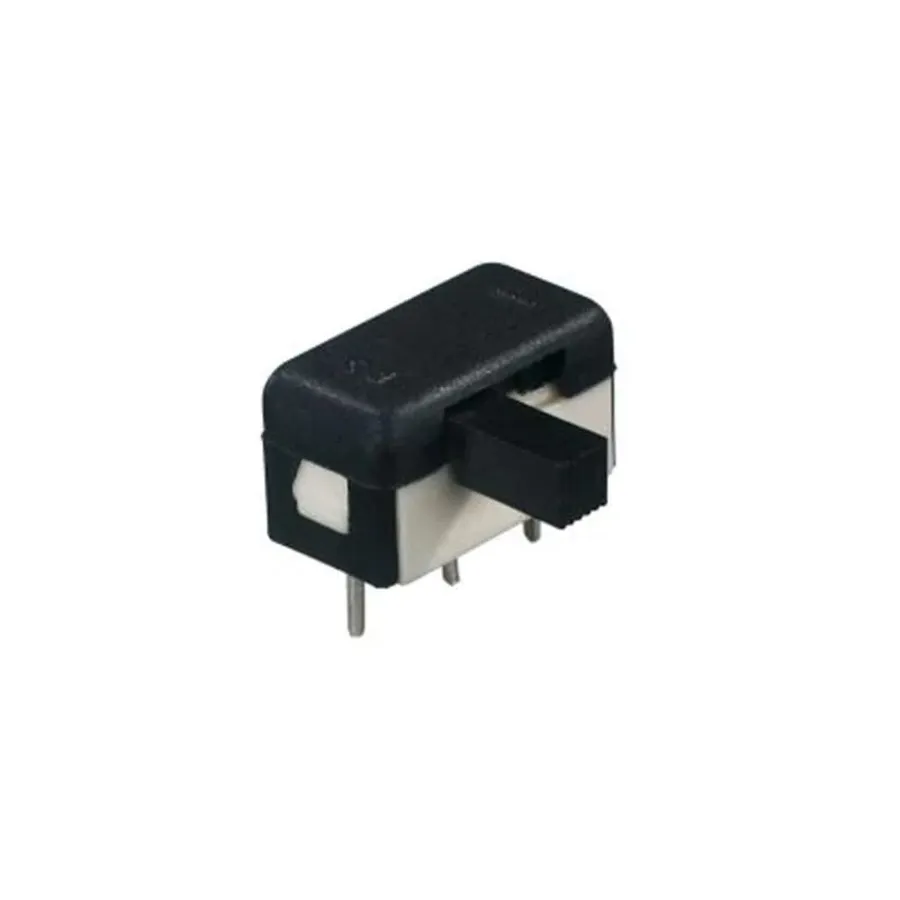
Electronic switches are fundamental components across numerous industries, enabling the control and manipulation of electrical power and signals. Their versatility stems from their ability to rapidly and reliably switch between on and off states, making them indispensable in both simple and complex electronic systems.
Here's a breakdown of key application areas:
Designing circuits with electronic switches requires careful consideration of several factors to ensure optimal performance, reliability, and safety. These factors include power requirements, switching speeds, and necessary protection circuits, each playing a critical role in the overall functionality of the electronic system.
| Consideration | Description | Impact on Circuit Design |
|---|---|---|
| Power Requirements | The voltage and current levels that the switch will need to handle when it is conducting (on-state) and when it is not conducting (off-state). | Improper power handling leads to component failure or damage due to overheating, affecting reliability and lifespan. |
| Switching Speeds | The speed at which the switch transitions between its on and off states. | Switching speeds affect the circuit's ability to handle high-frequency signals. Slow speeds can cause signal distortion and inefficiencies. |
| Protection Circuits | Circuits designed to safeguard the electronic switches from damage caused by overcurrent, overvoltage, and other transient conditions. | Lack of protection can lead to device failure, especially in harsh operating conditions, compromising the entire circuit's functionality. |
| Operating Temperature | The ambient temperature and self-heating of the electronic switch, this affects its performance and lifespan | Operating outside of the temperature range will affect switch parameters, possibly damage the device, and reduce overall circuit reliability. |
| Control Signal Characteristics | The voltage, current, and timing parameters required to control the switch. | Inadequate control signals will lead to the electronic switch behaving erratically, and not switching at the correct time, or not switching at all. |
To optimize performance and reliability, engineers need to select electronic switches that match the circuit's power needs and ensure that switching speed is adequate for the desired operating frequencies. Furthermore, incorporating protection circuits, such as snubbers for inductive loads and clamping circuits for overvoltage, is crucial for safeguarding the electronic switch and the entire system. Effective thermal management, utilizing heat sinks and thermal interface materials, further enhances the switch's performance and lifespan.
This section addresses common inquiries regarding electronic switches, providing clear and concise answers to enhance understanding of their functionality, types, and applications.
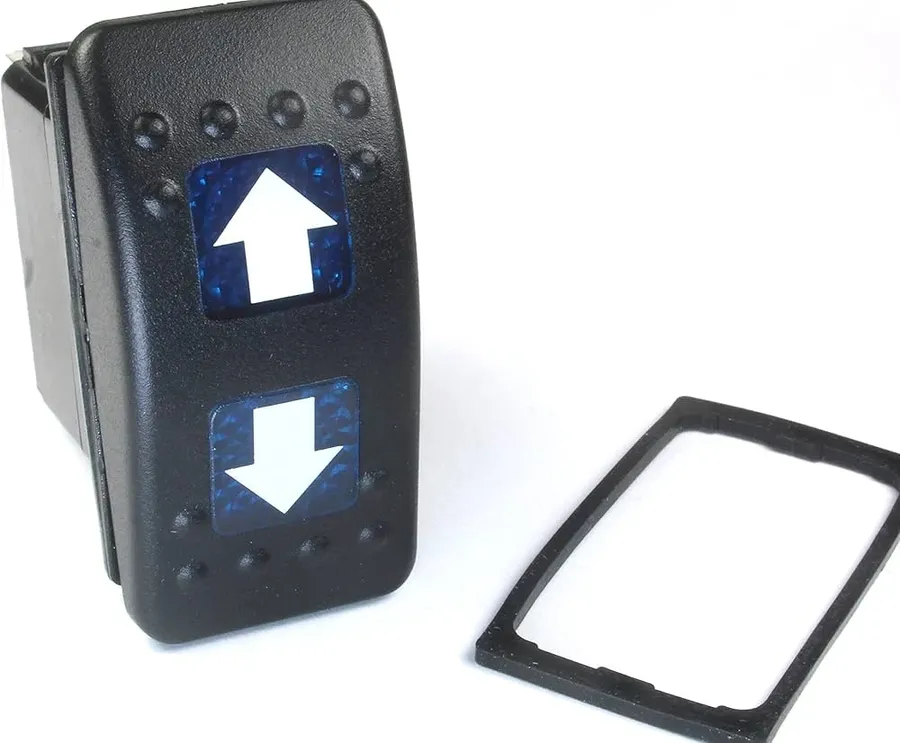
The field of electronic switches is continually evolving, driven by demands for enhanced performance, efficiency, and integration capabilities. Current trends point towards significant advancements in miniaturization, energy efficiency, and the exploration of novel materials, paving the way for revolutionary applications in emerging technologies.
These trends are not isolated but rather interconnected, each influencing the development of the others. Miniaturization, for example, is not just about making components smaller; it also impacts energy consumption, switching speeds, and overall system performance. Similarly, the development of new materials goes hand-in-hand with the quest for better efficiency and higher operational frequencies. Below, we delve deeper into these crucial areas, highlighting their current state and future implications.
In conclusion, electronic switches are the unsung heroes of the modern technological landscape. Whether it's through the swift action of a transistor in a microchip or the robust response of a relay in industrial machinery, these switches enable the control and manipulation of electrical currents that power our world. Understanding the different types of electronic switches, how they function, and their applications will empower you to see electronic designs with a deeper understanding, and highlight the critical importance of this basic component. As technology continues to evolve, so too will the sophistication and applications of electronic switches, further driving progress in all sectors of technology and society.

