In the ever-evolving world of electronics, maintaining a stable power supply is crucial. The LM7805 voltage regulator, a staple in countless circuits, steps in to ensure a reliable 5V output. Like a steadfast guardian, it protects sensitive components from voltage fluctuations. This article delves into the heart of the LM7805, exploring its functionality, applications, and design considerations, guiding you through its practical use and empowering your electronic creations with precision.
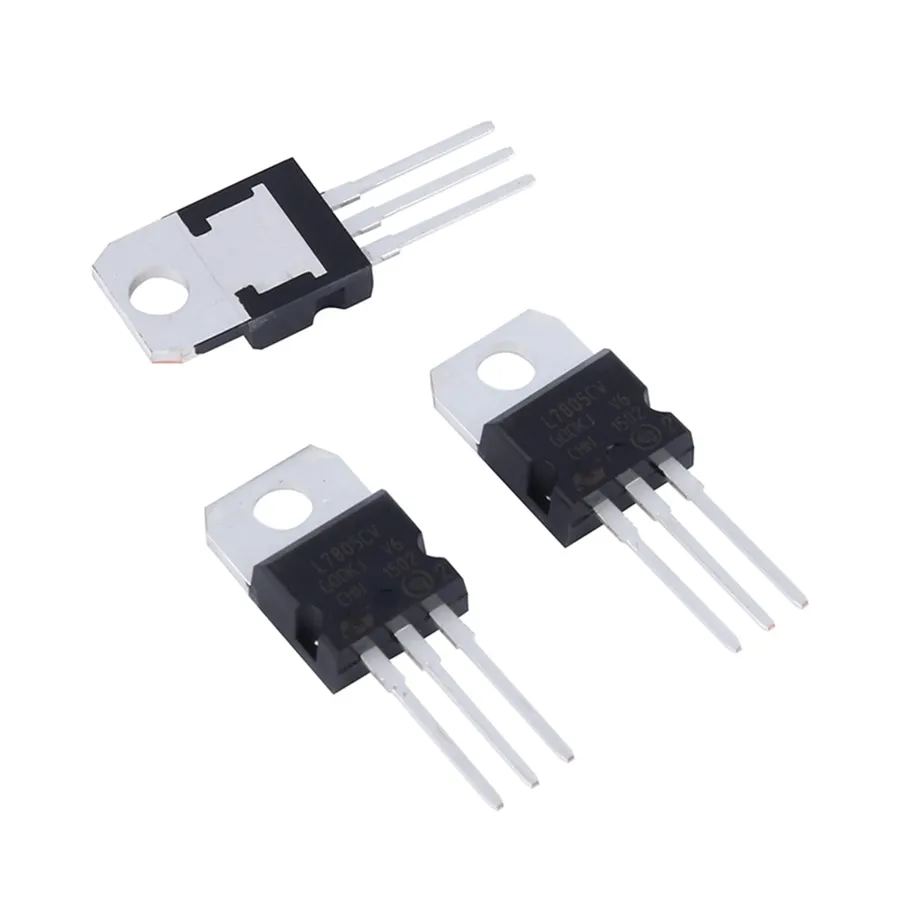
The LM7805 is a three-terminal positive linear voltage regulator, pivotal in countless electronic circuits for maintaining a stable 5V output. Its primary function is to accept a higher input voltage and provide a consistent 5V DC supply, ensuring connected components receive the precise voltage they require to operate correctly. This regulation is achieved through internal circuitry that manages the flow of current to maintain the designated output voltage, irrespective of minor variations in the input voltage or load current demand. The LM7805 is widely favored for its simplicity, reliability, and cost-effectiveness, making it a staple in both hobbyist and professional electronics designs.
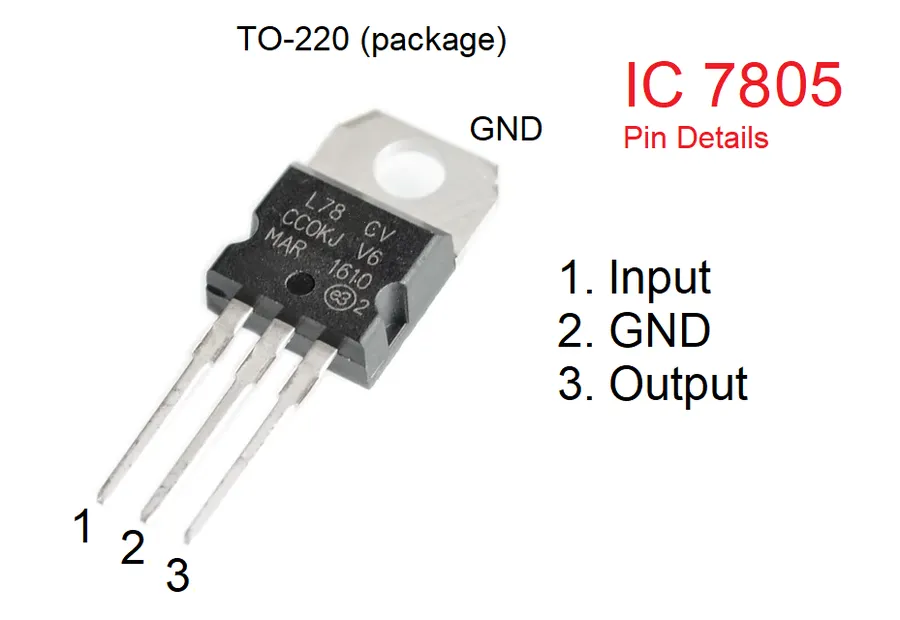
The LM7805 is a three-terminal linear voltage regulator, and understanding its pinout is crucial for correct circuit implementation. The device has three pins: input, output, and ground. Proper connection, as well as considerations for stable operation are essential for any design using this component.
| Pin Number | Pin Name | Description |
|---|---|---|
| 1 | Input (VIN) | This pin receives the unregulated input voltage, which should be higher than the desired output voltage (5V) and within the maximum specified input voltage for the device. |
| 2 | Ground (GND) | The ground pin serves as the common reference point for both the input and output voltages. |
| 3 | Output (VOUT) | This pin delivers the regulated 5V output voltage. It is the pin that connects to the load requiring a stable 5V supply. |
In practice, connecting the LM7805 involves connecting the unregulated DC power to pin 1 (VIN), the load to pin 3 (VOUT), and using pin 2 (GND) as a common reference to ensure proper voltage regulation. It's also good practice to use decoupling capacitors on the input and output pins, which will help stabilize the operation of the regulator and reduce noise.
The LM7805 is a three-terminal positive linear voltage regulator that provides a stable 5V output, crucial for many electronic applications. Understanding its specifications, particularly regarding voltage, current, and power handling, is essential for proper circuit design and reliable operation. This section details these key parameters and their implications.
| Parameter | Typical Value | Unit | Notes |
|---|---|---|---|
| Input Voltage Range | 7.0 to 25 | V | Minimum input voltage should be greater than output voltage + dropout voltage (typically 2V). |
| Output Voltage | 5.0 | V | Typical output voltage with a tolerance of ±4%. |
| Output Current | 1.0 | A | Maximum continuous output current. Subject to thermal limitations. |
| Quiescent Current | ~5 | mA | Current drawn by the regulator when no load is connected. |
| Power Dissipation | See Datasheet | W | Depends on input voltage, output current, and ambient temperature. Requires appropriate heatsinking. |
| Thermal Resistance (Junction-to-Case) | 5 | °C/W | Typical value for TO-220 package. Different packages will have different values. |
| Thermal Resistance (Junction-to-Ambient) | 50 | °C/W | Typical value for TO-220 package without heatsink. Different packages will have different values. |
The LM7805's ability to deliver a stable 5V output makes it indispensable in powering digital logic circuits, microcontrollers, and other sensitive components. However, effective thermal management, particularly through the use of heatsinks, is crucial to prevent overheating and maintain optimal performance when operating at higher current levels.
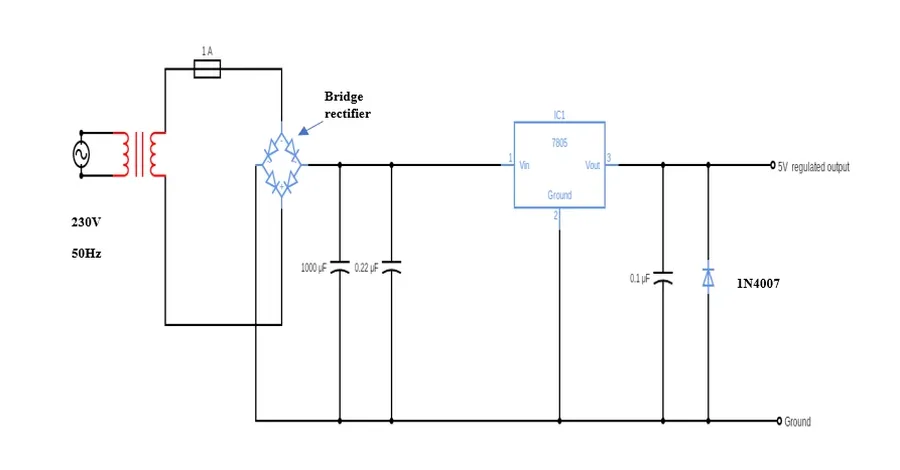
Implementing the LM7805 voltage regulator in basic circuits is straightforward, yet requires careful attention to detail to ensure stable and reliable operation. A fundamental understanding of component selection, particularly decoupling capacitors, is critical for optimal performance and noise reduction.
The core of a basic LM7805 circuit involves connecting the input voltage source to the input pin (Pin 1), the output to the load (Pin 3), and grounding the ground pin (Pin 2). However, to achieve stable and reliable operation, it's crucial to incorporate decoupling capacitors. These capacitors mitigate voltage fluctuations and noise that could negatively affect the circuit's performance.
Proper capacitor selection is essential for reliable operation of the LM7805. Ceramic capacitors are favored for their low ESR (Equivalent Series Resistance) and their ability to handle high frequency noise. Electrolytic capacitors, though offering higher capacitance in smaller sizes, have a higher ESR and are not usually suitable for decoupling. The key is to place these capacitors as close as possible to the LM7805 to minimize parasitic inductance which would otherwise reduce their decoupling effectiveness.
| Component | Purpose | Typical Value | Placement |
|---|---|---|---|
| LM7805 Voltage Regulator | Regulates voltage from input to a stable 5V output | N/A | Central in circuit |
| Input Capacitor (C1) | Provides stable input voltage, mitigates voltage spikes | 0.33µF or higher | Close to input pin (Pin 1) |
| Output Capacitor (C2) | Stabilizes output voltage and reduces noise | 0.1µF or higher | Close to output pin (Pin 3) |
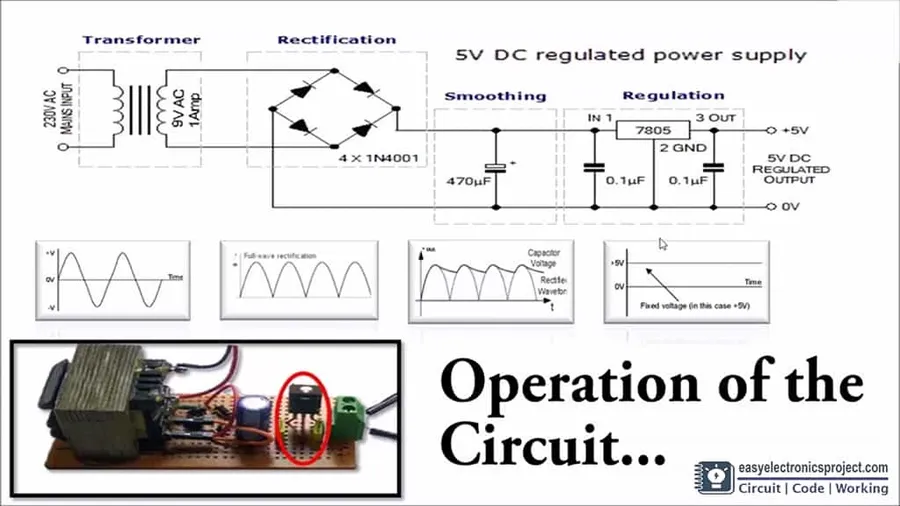
While the LM7805 is primarily a fixed 5V regulator, it can be adapted for more complex applications requiring adjustable output voltages or current limiting through the addition of external components. These modifications, while extending the regulator's capabilities, introduce trade-offs in efficiency and complexity.
A common technique for achieving an adjustable output voltage with an LM7805 is to introduce a voltage divider between the regulator's ground pin and the actual circuit ground. By using a potentiometer in the divider, one can create a variable ground reference voltage. The output voltage will then be the sum of the LM7805's 5V regulation and this offset voltage.
Another advanced technique is using the LM7805 with an external pass transistor to increase the current output capacity. When the 7805 hits its current limit, an external transistor kicks in and takes over the additional current load and thus protecting the IC. Similarly, by adding a resistor in series with the regulator output, one can implement current limiting. This protects both the regulator and the load from over-current conditions. However, the additional components add to the circuit complexity and increase power dissipation.
Advanced circuits often require thermal management strategies because modifications can lead to increased power dissipation in the regulator. This often necessitates the use of heatsinks and careful component selection to avoid thermal runaway.
| Modification | Advantages | Disadvantages |
|---|---|---|
| Adjustable Output Voltage | Provides flexibility in output voltage | Reduced output voltage accuracy; increased circuit complexity due to external components. |
| External pass transistor | Increase current output capacity | Increased power dissipation; complexity |
| Current Limiting | Protects against over-current | Voltage drop at output; Reduced overall efficiency and power usage |
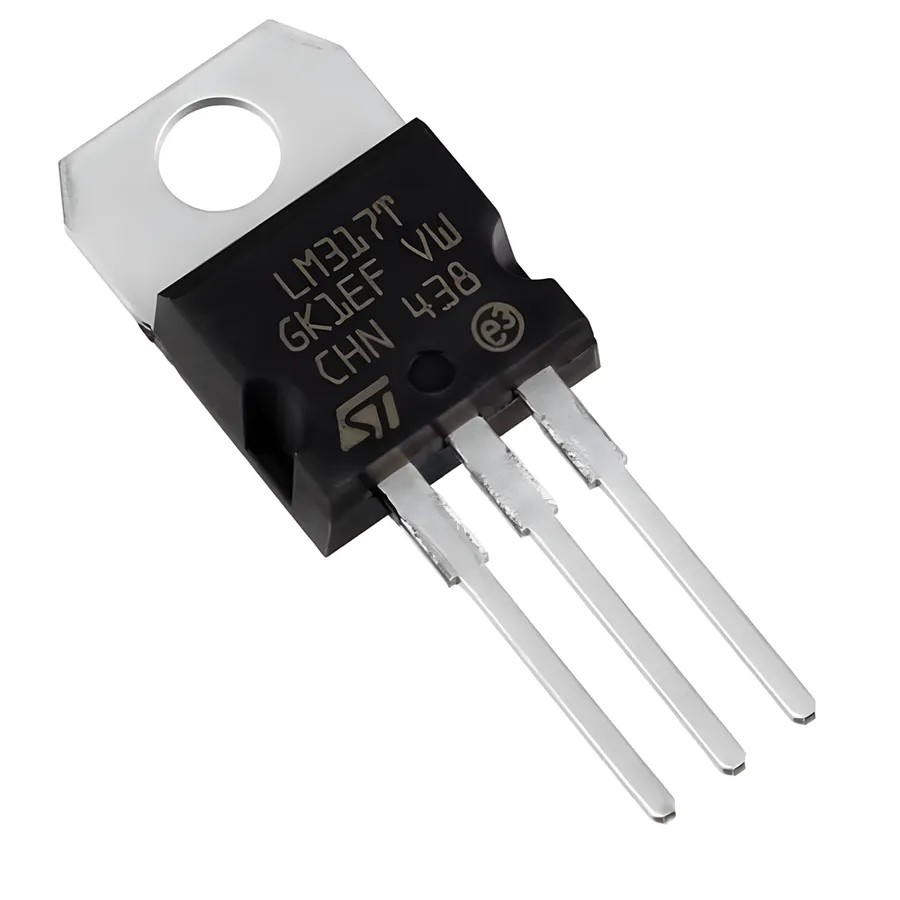
The LM7805 is a staple linear voltage regulator, but it's not the only option. When selecting a regulator, factors such as required output voltage, current, efficiency, and cost need careful consideration. This section compares the LM7805 to common alternatives like the LM317 and explores their respective strengths and weaknesses.
| Feature | LM7805 | LM317 | Switching Regulator (Generic) |
|---|---|---|---|
| Type | Fixed Linear Regulator | Adjustable Linear Regulator | Switching Regulator |
| Output Voltage | 5V Fixed | 1.25V to 37V Adjustable | Typically Adjustable via Feedback |
| Output Current | Up to 1A (with heat sinking) | Up to 1.5A (with heat sinking) | Varies significantly (0.5A to 5A+) |
| Efficiency | Moderate to low (especially at high voltage drops) | Moderate to low (especially at high voltage drops) | High (typically 70-95%) |
| Heat Dissipation | Significant, Requires Heat Sink | Significant, Requires Heat Sink | Less Heat Dissipation at Similar Power Levels |
| Complexity | Simple, Few external components | Slightly more complex, needs voltage divider | More complex circuitry required, requires inductor and other components |
| Cost | Low | Low | Moderate to High |
| Noise | Low | Low | Higher switching noise |
| Typical Application | Fixed 5V supply for digital circuits | Adjustable voltage power supplies | Efficient power supply for devices with varying current demands |
In summary, the LM7805 is ideal for applications requiring a simple, fixed 5V supply, while the LM317 is better suited for adjustable voltage needs. Switching regulators offer significantly improved efficiency, particularly at higher voltage differences between input and output. However, switching regulators are more complex and costly. The best choice depends heavily on the specific application requirements.
Effective troubleshooting of the LM7805 voltage regulator is crucial for ensuring the reliability and stability of electronic circuits. Common issues such as overheating, voltage instability, and oscillations can disrupt circuit functionality, but with systematic analysis and appropriate remedies, these challenges can be effectively managed.
This section addresses common queries regarding the LM7805 voltage regulator, providing concise and authoritative answers to help users understand its operation, limitations, and best practices.
The LM7805 voltage regulator is a foundational component in electronics, consistently providing a stable 5V output for various applications. Understanding its characteristics, design considerations, and alternatives is vital for any electronics enthusiast or professional. From basic circuits to advanced power management, the LM7805 continues to enable innovation and maintain stability in the dynamic landscape of modern electronic design. As technology evolves, the principles of reliable power will continue to be critical, and the LM7805 stands as a testament to this enduring need.

