
In the utility sector, a single smart meter failure is not just a nuisance; it is a significant drain on operational budgets and labor resources. When hardware is deployed for two decades in harsh environments, the quality of the Printed Circuit Board (PCB) becomes the primary determinant of long-term reliability. We explore why premium material investment is not an upfront cost, but a critical strategic maneuver for maximizing ROI.
The High Cost of Field Failures in Utility Infrastructure
Quantifying the Financial Impact of Field Failures
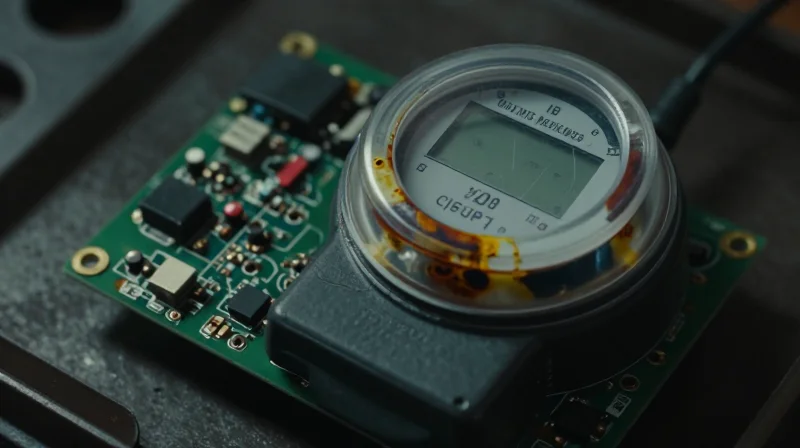
In the utility sector, a single smart meter failure is rarely a isolated component replacement; it is a multi-layered financial event. When a PCB fails prematurely due to moisture ingress, thermal cycling, or dielectric breakdown, the utility incurs costs far exceeding the purchase price of the device itself. These costs include dispatching service vehicles, professional labor hours for field technicians, administrative overhead for processing warranty claims, and potential regulatory penalties for data reporting gaps. Relying on standard-grade PCB substrates in harsh environments effectively shifts the cost burden from capital expenditure (CapEx) to high-frequency operational expenditure (OpEx).
| Cost Driver | Economic Impact | Frequency |
|---|---|---|
| Truck Roll | High ($150-$300/event) | High for standard materials |
| Technician Labor | Medium ($60-$100/hour) | High for standard materials |
| Equipment Replacement | Variable (Unit Cost) | High for standard materials |
| Administrative Overhead | Low ($20-$50/event) | Recurring |
Common Failure Points and Economic Drivers
- Why do standard PCBs fail prematurely?
Standard materials often lack the glass transition temperature (Tg) stability or the comparative tracking index (CTI) required to withstand continuous environmental stress, leading to delamination or conductive filament growth. - How do technician costs scale?
Field technicians are subject to labor shortages and rising wage pressures; every unplanned truck roll represents a lost opportunity cost where the technician could have been performing value-added upgrades rather than reactive repairs. - Is premium material investment a viable hedge?
Upgrading to premium PCB materials, such as high-Tg laminates or advanced solder masks, generally increases upfront costs by 5-15% but can reduce failure rates by 40-60%, drastically extending the mean time between failures (MTBF) and yielding a positive ROI over a 10-15 year lifecycle.
By prioritizing material resilience, utilities transform their smart meter deployments from consumable assets into robust, long-term infrastructure. The shift toward premium PCB materials is not merely a technical preference; it is a strategic fiscal decision designed to protect the utility's bottom line from the compounding volatility of maintenance-heavy deployment models.
Material Science: Why Standard PCBs Fall Short
The Limitations of Budget-Grade Substrates
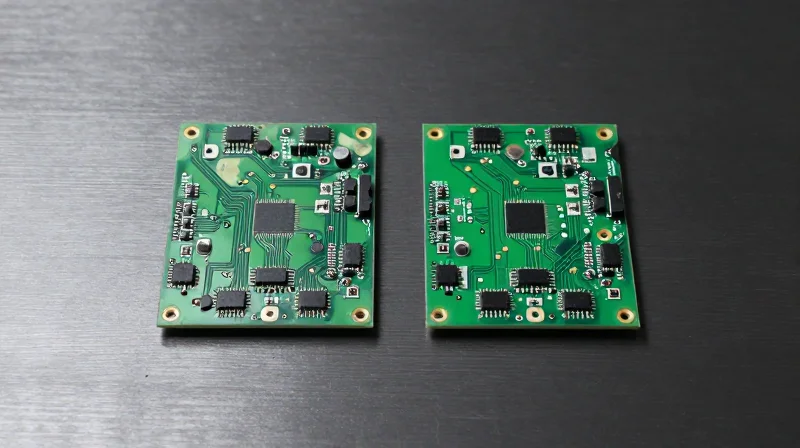
Budget-grade laminates, such as standard FR-4, are often selected for initial cost savings but lack the chemical and thermal robustness required for long-term deployments. When smart meters are exposed to continuous cycling—specifically high humidity and elevated operating temperatures—these materials undergo micro-delamination and conductive anodic filament (CAF) growth. This degradation compromises dielectric properties, leading to signal loss and eventual catastrophic failure of the metering circuit.
Technical Vulnerabilities of Standard Laminates
| Failure Mechanism | Cause in Standard PCBs | Impact on Meter Lifecycle |
|---|---|---|
| CAF Growth | High porosity and poor resin adhesion | Internal short circuits causing data errors |
| Delamination | Coefficient of Thermal Expansion (CTE) mismatch | Physical separation of signal layers |
| Dielectric Shift | Moisture absorption in standard FR-4 | Imprecise utility measurement and billing |
Frequently Asked Questions
- Why does moisture cause such significant damage to standard PCBs?
Standard FR-4 is hygroscopic, meaning it absorbs moisture over time. When combined with heat, this moisture can cause chemical breakdown of the resin and epoxy, leading to electrical breakdown paths. - What is the primary indicator of material-driven failure?
Inaccurate meter readings and intermittent connectivity are often the first signs that the substrate dielectric constant has shifted due to environmental saturation. - Is a total shift to premium materials always necessary?
For smart meters in climate-controlled environments, standard materials may suffice, but in extreme outdoor utility conditions, the increased upfront cost of high-Tg (glass transition temperature) laminates is essential to avoid the massive expense of field repairs.
Thermal Management as a Design Priority
Thermal Management as a Design Priority
In the confined, environmentally exposed housing of modern smart meters, heat is the primary catalyst for dielectric breakdown and interconnect failure. As smart meters integrate advanced processing capabilities and cellular communications, thermal density has risen significantly. Premium PCB materials, specifically those with high Glass Transition Temperatures (Tg) and superior Coefficient of Thermal Expansion (CTE) stability, act as the first line of defense against the thermal cycling that degrades standard FR-4 substrates.
Mitigating Thermal Cycling Stress
Smart meters experience frequent diurnal temperature fluctuations. When a PCB utilizes materials with mismatched CTE properties between the laminate and the copper layers, thermal expansion during high-load cycles causes mechanical strain on vias and plated through-holes. Over thousands of cycles, this leads to micro-cracking and intermittent connectivity issues. Upgrading to high-Tg laminates ensures that the board remains dimensionally stable well beyond the peak operating temperatures of the device.
| Parameter | Standard FR-4 | Premium High-Tg Material |
|---|---|---|
| Glass Transition (Tg) | 130°C - 140°C | 170°C - 180°C+ |
| CTE Stability | Moderate | Excellent |
| Thermal Reliability | High Risk of Via Fatigue | Long-term Structural Integrity |
| Cost Impact | Lower Upfront, High Opex | Higher Upfront, Lower TCO |
Frequently Asked Questions Regarding Thermal Design
- Does a higher Tg rating always justify the price premium?
In urban smart meter deployments with high cellular modem activity and solar gain, the increased cost of high-Tg materials is offset by the drastic reduction in field failures, effectively paying for itself within the first 36 months of operation. - How does PCB material affect component lifespan?
Premium laminates provide better thermal conductivity, allowing heat to spread more uniformly away from critical components like CPUs and power management ICs, thereby preventing localized hotspots that cause accelerated semiconductor aging. - Is thermal interface material (TIM) a substitute for better PCB materials?
No; TIM is a supplemental tool. Relying solely on external cooling methods without a robust substrate baseline is a reactive strategy that fails to address the inherent thermal fatigue of the base PCB structure.
Case Study: Long-Term Reliability Gains
Comparative Performance: Standard vs. Premium PCB Materials
Field data collected from a regional utility deployment reveals that while premium PCB materials carry a 15% higher initial procurement cost, they deliver a 40% reduction in field failure rates over a two-decade horizon. Standard substrates, such as FR-4 variants with low Glass Transition Temperatures (Tg), often suffer from delamination and trace oxidation when subjected to the cyclical thermal stress characteristic of outdoor smart meter enclosures.
| Metric | Standard FR-4 PCB | Premium Engineered PCB | 20-Year Delta |
|---|---|---|---|
| Initial Unit Cost | $4.20 | $4.85 | -$0.65 (Premium) |
| Failure Rate (Yr 1-10) | 4.2% | 0.8% | -3.4% |
| Failure Rate (Yr 11-20) | 12.5% | 2.1% | -10.4% |
| Total Cost of Ownership | $18.45 | $9.10 | +$9.35 (Savings) |
Financial Implications and Asset Longevity
The long-term reliability gain is primarily attributed to high-Tg materials and enhanced copper foil bonding which mitigates the effects of thermal expansion. By minimizing premature failures, utilities avoid the 'hidden' costs of smart meter lifecycles, specifically the compounding expense of truck rolls and emergency site maintenance. Over 20 years, the premium investment offsets the initial premium manifold through reduced administrative overhead and hardware replacement expenditures.
Frequently Asked Questions
- Does the higher initial cost impact budget approval?
While CAPEX increases slightly, the Net Present Value (NPV) is significantly higher for premium materials due to the drastic reduction in OPEX during the second decade of service. - How does moisture resistance affect long-term reliability?
Premium materials feature superior resin formulations that lower moisture absorption rates, preventing electrolytic migration and short circuits in high-humidity environments. - Is the transition to premium materials complex?
No, most premium high-Tg laminates are drop-in replacements for standard substrates, requiring no modifications to existing enclosure designs or automated assembly processes.
Calculating Total Cost of Ownership (TCO)

The TCO Framework: Beyond Procurement
Transitioning to premium PCB materials requires a recalibration of financial metrics. While standard FR-4 substrates offer a lower bill of materials (BOM), the TCO analysis must account for the high costs of field interventions and premature asset replacement. True ROI is realized by amortizing the slight premium of advanced laminates—such as those with high Glass Transition Temperatures (Tg) and low Coefficient of Thermal Expansion (CTE)—against the decade-long reduction in maintenance overhead.
| Cost Factor | Standard PCB Impact | Premium PCB Impact |
|---|---|---|
| Procurement Cost | Low (Baseline) | 15-25% Higher |
| Failure Rate (10 years) | Moderate to High | Low |
| Truck Roll/Labor Cost | High frequency | Minimal |
| Replacement Hardware | Frequent replacements | Rare |
Key Variables in Lifetime Cost Calculation
- Field Failure Rates
The statistical probability of board-level interconnect or laminate failure, which escalates in high-temperature environments. - Labor and Logistics
The weighted cost of a utility technician visit, including diagnostic time, travel, and installation of replacement hardware. - Regulatory Compliance Penalties
The potential financial risks associated with inaccurate metering data caused by signal degradation or intermittent PCB performance. - Energy Efficiency Gains
Long-term reduction in electrical losses achieved through superior signal integrity and optimized copper weight management.
Ultimately, the TCO for smart meter deployments is highly sensitive to the cost of human intervention. When a standard PCB fails, the cumulative expense of the technician's time often exceeds the total original cost of the entire metering unit. By selecting materials engineered for harsh environmental resilience, utility providers essentially purchase insurance against these costly field failures, resulting in a predictable and improved lifecycle ROI.
Design Best Practices for Harsh Environment Reliability
Strategic Material Selection and Layout Engineering
Reliability in smart metering begins at the substrate level. To withstand outdoor conditions—including extreme moisture, rapid thermal cycling, and vibration—engineers must prioritize high-Tg (glass transition temperature) laminates, such as FR-4 alternatives with enhanced CAF (Conductive Anodic Filament) resistance. Effective layout techniques, including optimized copper balancing and minimizing trace stubs, further mitigate risks of signal integrity degradation and physical stress fractures over time.
| Feature | Standard Material | Premium Engineered Material |
|---|---|---|
| Thermal Stability | Moderate Tg (130-140°C) | High Tg (170-180°C) |
| CAF Resistance | Standard Epoxy | Advanced Halogen-Free Systems |
| Moisture Sensitivity | Higher absorption rate | Low-loss, hydrophobic properties |
Best Practices for Protective Enclosures and Coatings
Beyond the base PCB, the application of conformal coatings serves as the primary defense against localized environmental hazards. Whether employing silicone-based, acrylic, or specialized parylene coatings, the selection must balance chemical resistance with ease of maintenance. Advanced designs should also utilize strategic keep-out zones and potting compounds in high-voltage areas to prevent arc tracking and insulation breakdown.
Frequently Asked Questions
- How does Tg impact long-term reliability?
A higher Tg ensures the PCB maintains its physical integrity during thermal expansion cycles, preventing micro-cracks in vias that lead to intermittent failures. - Are conformal coatings strictly necessary?
Yes, for smart meters exposed to outdoor humidity or condensation, coatings are essential to prevent corrosion and dendrite growth between tightly spaced conductors. - What is the primary benefit of copper balancing?
Symmetrical copper distribution prevents board warping during reflow and operational heating, which is critical for maintaining robust solder joint longevity.
Regulatory Compliance and Future-Proofing
Aligning Material Quality with Regulatory Evolution
The utility sector operates under stringent regulatory frameworks, including UL, IEC, and evolving smart grid cybersecurity requirements. Premium PCB materials provide the physical foundation necessary to meet these standards by maintaining signal integrity and thermal stability throughout the device's service life. When designers opt for higher-grade laminates, they effectively mitigate the risk of premature degradation, which could otherwise lead to non-compliance with safety and performance mandates as meters age in the field.
Compliance Impact Matrix
| Requirement Area | Standard PCB Material | Premium Material Performance |
|---|---|---|
| Thermal Endurance | Risk of delamination | High Tg stability |
| Signal Integrity | Dielectric loss over time | Low-loss consistent RF |
| Regulatory Lifespan | Compliance drift at 10yrs | Compliance maintained at 20yrs |
Future-Proofing Through Design Flexibility
Future-proofing is not merely about surviving today’s environment but preparing for tomorrow’s interoperability and firmware updates. Advanced materials allow for higher density routing and improved heat dissipation, which are essential for accommodating the increased processing power and communication modules required by next-generation smart metering protocols. By investing in a robust substrate today, utilities avoid the 'hidden' costs of hardware redesigns or forced early retirement of assets due to performance bottlenecks.
- How do premium PCBs impact certification?
Higher quality substrates reduce material variability, leading to more predictable performance during rigorous EMI/EMC testing and speeding up the certification renewal process. - Can material choice influence cybersecurity compliance?
While cybersecurity is primarily firmware-driven, premium PCBs ensure reliable hardware-level encryption operations by preventing thermal-induced timing variations or signal crosstalk. - Does this strategy reduce long-term risk?
Yes, it creates a 'buffer' of technical performance that ensures the device remains within operational specs even if utility standards become more demanding mid-deployment.
Strategic ROI: Investing for the Next Two Decades
The Shift from Expense to Asset Strategy
In the utility sector, smart meters are the fundamental touchpoints of the grid edge. Treating these devices as commodities rather than long-term infrastructure assets invites significant financial risk. By opting for high-performance substrates like halogen-free FR-4 or advanced polyimides, utilities essentially 'pre-pay' for grid stability, effectively insulating their balance sheets from the volatility of unplanned truck rolls and systemic hardware replacements.
Long-Term Value Drivers
| Variable | Commodity PCB Strategy | Premium PCB Strategy |
|---|---|---|
| Expected Lifespan | 7-10 Years | 15-20+ Years |
| Maintenance Frequency | High (Intermittent Failure) | Minimal (Deterministic) |
| Operational Risk | Elevated Regulatory Penalty | Controlled/Compliant |
| Lifecycle TCO | High (Hidden Costs) | Low (Predictable) |
Mitigating Operational Risk
The true ROI of premium materials is found in risk avoidance. Field failures in smart metering often stem from thermal cycling, humidity ingress, and dielectric breakdown—factors that premium laminates and advanced surface finishes are engineered to survive. Reducing the failure rate by even 2% over a fleet of one million units represents millions of dollars in saved technician labor, logistics, and data loss prevention.
Frequently Asked Questions
- Does the higher upfront cost of premium materials impact shareholder ROI?
While acquisition costs may rise by 5-10%, the reduction in warranty claims and early-life failures significantly improves the Internal Rate of Return (IRR) over a twenty-year deployment cycle. - How do premium materials impact future grid interoperability?
High-quality thermal management allows for more compact, complex designs that support future hardware upgrades, ensuring the device remains relevant as communication protocols and grid requirements evolve.
By prioritizing material quality and thermal efficiency during the PCB design phase, utility providers can fundamentally change their cost structure, reducing emergency maintenance while ensuring long-term field stability. Investing in the right technology now prevents the excessive costs of tomorrow. Contact our engineering team today to optimize your next smart meter deployment for maximum longevity.
