
In the demanding world of industrial infrastructure, unexpected electronic failure is not just an inconvenience—it is a massive financial liability. From high humidity to corrosive chemical exposure, environmental factors relentlessly attack PCB integrity. This article explores the economic rationale for investing in advanced conformal coating, transforming a 'protective layer' into a strategic asset for operational longevity and risk mitigation.
The Real Cost of Field Failures in Industrial Electronics
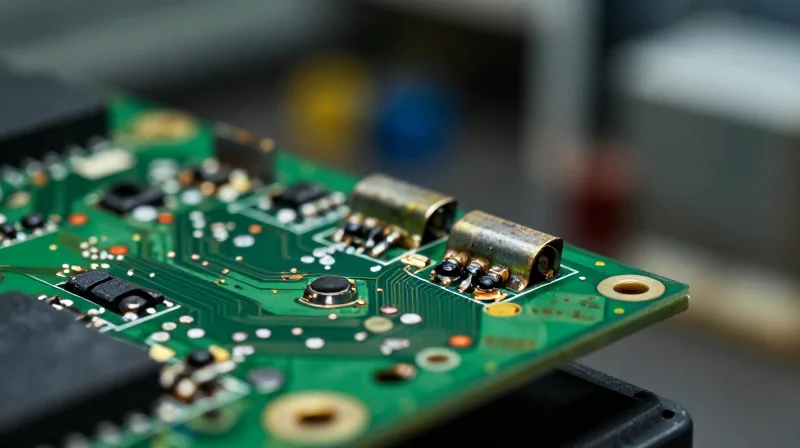
The Multiplier Effect of Component Failure
When an electronic assembly fails in an industrial setting, the immediate hardware replacement cost is often the smallest portion of the total financial impact. In high-availability environments like manufacturing plants or remote energy infrastructure, a single faulty PCB can trigger a catastrophic ripple effect across operational budgets.
| Cost Category | Direct vs. Indirect Impact | Economic Significance |
|---|---|---|
| Hardware Replacement | Direct | Low |
| Field Service Labor | Direct | Moderate |
| Unplanned Downtime | Indirect | Extreme |
| Supply Chain/Logistics | Direct/Indirect | Moderate |
| Brand/Customer Trust | Indirect | High |
Deconstructing Downtime and Remediation Costs
- What is the true cost of unplanned downtime?
Beyond lost production minutes, it includes idle labor costs, missed delivery penalties, and the surge pricing associated with expedited emergency replacement components. - How does labor intensity influence ROI?
Replacing a surface-mount component in a controlled factory environment costs a fraction of the expense required to dispatch a field technician to a remote, hazardous, or off-shore location. - Why does premature asset replacement hurt capital efficiency?
Frequent failure cycles force companies to shorten their depreciation schedules, effectively inflating the Total Cost of Ownership (TCO) and diverting capital from growth investments toward reactive maintenance.
By applying advanced conformal coatings, engineers can shift the burden from reactive maintenance to proactive reliability. Protecting sensitive electronics against environmental factors—such as moisture, salt mist, and conductive dust—eliminates the primary drivers of field failure, thereby stabilizing the lifecycle ROI of the asset.
Understanding the Mechanisms of Environmental Degradation

The Kinetic Drivers of Electronic Degradation
Environmental degradation of PCBAs is rarely the result of a single isolated event; rather, it is a synergistic acceleration of physical and chemical breakdown. When protective barriers are insufficient, moisture combined with ionic contaminants creates a high-conductivity pathway that leads to dendritic growth and localized electrochemical migration. This process is exacerbated by thermal cycling, which induces mechanical stress through differing coefficients of thermal expansion (CTE) among components, solder joints, and substrates.
Primary Environmental Failure Mechanisms
| Mechanism | Primary Trigger | Resulting Failure |
|---|---|---|
| Electrochemical Migration | Moisture + Ionic Contaminants | Dendritic short-circuits |
| Galvanic Corrosion | Salt Mist + Humidity | Trace/Lead oxidation and loss |
| Thermal Fatigue | Cyclic Temperature Shifts | Solder joint cracking |
Frequently Asked Questions Regarding Environmental Impacts
- How does moisture lead to catastrophic failure?
Moisture acts as a solvent for residues left behind by manufacturing processes, such as flux, forming a conductive electrolyte that enables current leakage between closely spaced traces. - Why is salt mist particularly aggressive?
Salt mist introduces high concentrations of chloride ions, which significantly lower the activation energy required for metallic oxidation and pitting on copper and solder surfaces. - Can temperature changes alone degrade an assembly?
Yes. Constant thermal cycling creates micro-stresses that, over time, propagate cracks in solder joints, eventually leading to intermittent electrical connections or complete circuit open-circuits.
Professional-Grade Conformal Coating: Beyond Simple Protection
Beyond Simple Protection: Engineering for Resilience
True industrial-grade conformal coating is not merely an aesthetic sealant; it is a precision-engineered barrier designed to maintain electrical integrity under extreme operational duress. While low-cost, off-the-shelf aerosol sprays often provide a superficial moisture barrier, they lack the chemical cross-linking density, thermal stability, and adhesion promoters necessary for long-term field reliability. Professional solutions utilize specialized chemistries like Parylene, high-performance silicones, or dual-cure urethanes, which are applied via controlled processes to ensure uniform thickness and zero defects—essential for meeting strict reliability standards in sectors like energy and industrial manufacturing.
Comparative Analysis: Standard vs. Industrial-Grade
| Feature | DIY / Standard Coating | Professional-Grade Solution |
|---|---|---|
| Thermal Cycling | Poor (prone to cracking) | Excellent (high elasticity) |
| Application Control | Manual / Variable | Automated / Uniform |
| Chemical Resistance | Minimal | High-grade solvent/acid resistance |
| Service Life | Short-term / Temporary | 10+ Years |
Strategic Considerations for Industrial Lifecycle ROI
- Why is application method just as critical as the material itself?
The best material will fail if unevenly applied; industrial processes use robotic dispensing to ensure consistent coverage around sensitive components, preventing 'shadowing' where corrosion can take root. - How does professional coating impact long-term ROI?
By significantly reducing the MTBF (Mean Time Between Failures) and eliminating the need for frequent site visits, professional coating shifts maintenance from a reactive, cost-heavy burden to a predictable, lifecycle-optimized asset management strategy. - Does professional coating support inspection and rework?
Yes, high-end coatings often include UV tracers for rapid quality inspection and are formulated for controlled removal, allowing for efficient PCB repair without permanent damage to the substrate.
Quantifying the ROI of High-Quality Coating Materials

The transition from viewing conformal coating as a commoditized overhead to a strategic asset investment is critical for maximizing Return on Investment (ROI). While high-quality coating materials command a higher unit cost, their financial performance is realized through the extension of Mean Time Between Failures (MTBF) and the radical mitigation of catastrophic field failures in harsh environments.
Financial Impact of MTBF Extension
Increasing the MTBF is the most effective lever for improving lifecycle ROI. Every additional hour of reliable operation reduces the frequency of intrusive maintenance cycles. In high-stakes industrial applications, the cost of a single service dispatch—including logistics, skilled labor, and specialized downtime—often exceeds the initial cost of high-grade dielectric protection by orders of magnitude.
| Metric | Unprotected Electronics | Advanced Coated Electronics |
|---|---|---|
| Estimated MTBF | Low (e.g., 2,000 hrs) | High (e.g., 10,000+ hrs) |
| Failure Rate | Significant (High Volatility) | Minimal (Stabilized) |
| Maintenance Cost | High reactive expense | Low preventative expense |
| Asset Lifecycle | Short (3-5 years) | Extended (7-10+ years) |
Calculating Total Cost of Ownership (TCO)
ROI is not merely the absence of failure but the optimization of total cost across the asset's lifespan. By integrating resilient coatings, organizations can defer capital expenditure related to equipment replacement and drastically lower the operational costs associated with recurring warranty claims and field support.
- How does material quality affect the ROI timeframe?
Superior materials ensure consistent chemical resistance, which prevents performance drift over years, whereas lower-tier coatings may degrade within months, leading to early re-application costs. - Is the initial investment in premium coatings always justified?
Yes, when calculating the 'cost of failure' in remote or mission-critical environments, the ROI is usually positive within the first 12 to 18 months of operation due to decreased emergency maintenance labor. - What is the primary indicator of improved financial performance?
The stabilization of unplanned maintenance overhead is the strongest indicator, as it demonstrates that the coating is effectively insulating the circuitry from the specific environmental stressors causing premature degradation.
Case Study: Lessons from a Major Infrastructure Failure
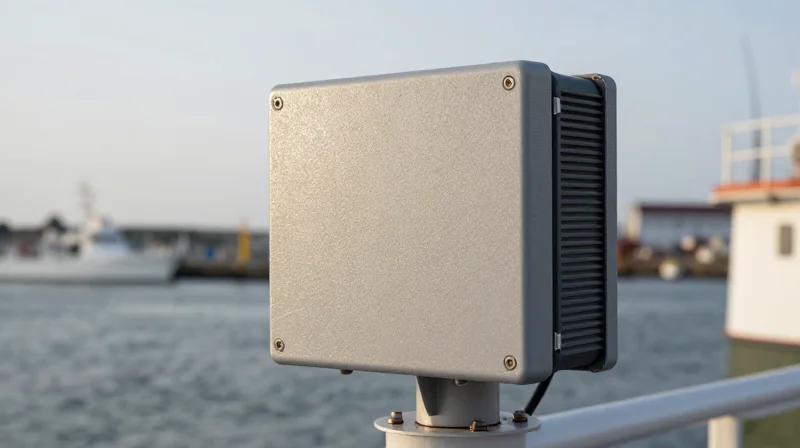
The Scenario: Coastal Sensor Deployment
In a mid-sized port facility, automated docking sensors were failing at an average rate of 14 months due to extreme exposure to salt-laden air and high-humidity thermal cycling. Initially, the facility utilized standard acrylic-based coatings, which suffered from micro-cracking and osmotic blistering, leading to rapid trace corrosion and signal attenuation.
Comparative Analysis: Material Performance
| Failure Metric | Acrylic Coating (Previous) | Advanced Silicone/Polyurethane |
|---|---|---|
| Avg. Time to Failure | 14 Months | 62+ Months |
| Cost per Maintenance Cycle | $4,500 | $1,200 |
| Environmental Resilience | Low (Permeable) | High (Hydrophobic) |
Strategic Intervention and Outcomes
By transitioning to a high-dielectric-strength, moisture-curing polyurethane coating, the engineering team eliminated the corrosion-induced failures. This intervention transformed the component lifecycle from a source of recurring capital expenditure into a stable, long-term asset.
- Why did the original coating fail?
The acrylic coating was too permeable, allowing moisture ingress during thermal expansion cycles, which created localized corrosion cells on the PCB. - What was the primary driver of ROI?
The reduction in labor costs and facility downtime outweighed the initial material cost increase by approximately 400% over the first five years. - Is material selection the only factor?
No; proper cleaning and surface preparation were identified as critical prerequisites for the adhesion required to maintain long-term protection.
Strategic Application Methods for Maximum Effectiveness
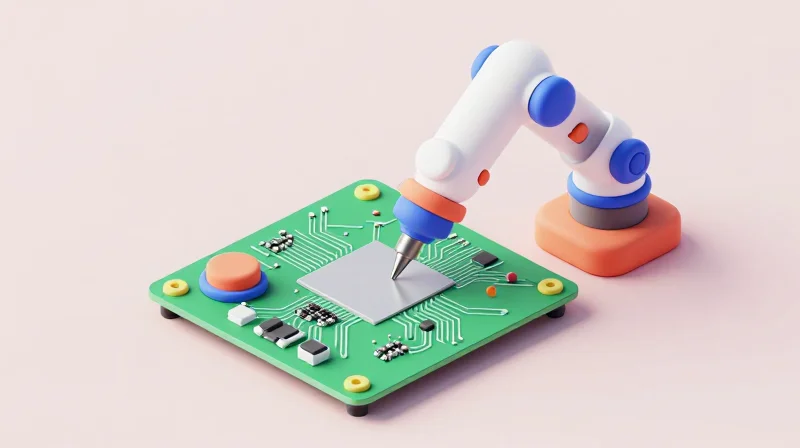
The Transition to Robotic Precision
Manual coating processes are inherently prone to operator variability, leading to uneven thickness, 'pooling' in sensitive areas, and inadequate coverage on vertical component sides. Strategic application demands the integration of multi-axis robotic platforms. These systems utilize programmable dispense patterns that ensure material is deposited only where required, minimizing masking labor and eliminating the risk of coating migration into keep-out zones like high-speed connectors.
| Metric | Manual Application | Automated Robotic |
|---|---|---|
| Thickness Consistency | Variable/Low | High/Repeatable |
| Material Waste | High (Overspray) | Minimal (Targeted) |
| Throughput Capacity | Low/Batch-based | High/Inline |
| Defect Rate | Moderate/High | Near-Zero |
Optimizing Application Parameters for Longevity
Maximum ROI is driven by the repeatability of the dry-film thickness. Advanced systems leverage real-time flow monitoring and viscosity control, which are essential for maintaining the dielectric strength and moisture barrier properties required for extreme industrial environments. Strategic deployment involves calibrating the nozzle geometry specifically for the board's component density, ensuring that the capillary action does not compromise micro-miniature surface mount devices.
Strategic Implementation FAQs
- How does automated application directly influence lifecycle ROI?
Automated application ensures the coating meets the exact design specification for thickness. Uniform protection prevents localized corrosion, significantly increasing Mean Time Between Failures (MTBF) and reducing costly field repairs. - Why is 'no-clean' flux compatibility critical in automated setups?
Automated systems cannot compensate for surface contaminants. Proper cleaning or selecting flux-compatible materials is mandatory to prevent delamination, which would otherwise negate the investment in the high-precision application process. - Can robotic coating handle complex 3D board geometries?
Yes, modern 5-axis or 6-axis robotic cells can tilt and rotate the spray head to coat component leads and vertical sidewalls, ensuring a true conformal barrier that 2D or manual methods cannot replicate.
Regulatory Compliance and Industry Standards
The Role of Standards in Lifecycle Reliability
Regulatory compliance is not merely a bureaucratic requirement; it serves as a robust framework for validating the structural integrity and chemical performance of conformal coatings. In industrial environments where electronics face extreme conditions, standards ensure that materials are tested for insulation resistance, thermal cycling, and humidity resistance, directly influencing the MTBF and preventing the type of catastrophic failures observed in our case study.
Core Industry Standards
| Standard | Primary Focus | Benefit to ROI |
|---|---|---|
| IPC-CC-830 | Qualification of compound performance | Ensures reliable protection against environmental stress. |
| IEC 60664-3 | Insulation coordination | Prevents electrical breakdown in contaminated environments. |
| UL 746E | Safety and flammability | Mitigates catastrophic failure risk and regulatory liability. |
Frequently Asked Questions
- Why is IPC-CC-830 considered the gold standard?
It provides a standardized methodology for testing and qualifying the chemical and electrical properties of coatings, ensuring consistency across different manufacturing sites. - How does compliance impact long-term maintenance costs?
Compliance reduces the variability in coating quality. By ensuring the coating performs as expected, manufacturers avoid costly premature field failures and recurring repair cycles. - Does using UL-certified materials guarantee total protection?
While UL certification confirms a material meets safety and flammability benchmarks, the application process must also align with IPC standards to ensure uniform coverage and effective performance.
Future-Proofing Your Assets: A Proactive Maintenance Strategy
Moving Beyond Afterthought Protection
Integrating conformal coating at the earliest design stage is no longer a luxury but a fundamental necessity for industrial longevity. When maintenance teams treat coatings as an afterthought, they inherit the risks of environmental degradation, such as corrosion, dendritic growth, and mechanical stress. By shifting to a proactive lifecycle strategy, organizations transform protective barriers into high-performance assets that significantly reduce the cost of ownership.
Strategic Implementation Framework
A proactive maintenance strategy requires aligning technical specifications with operational environments. Implementing a lifecycle-focused protocol involves continuous monitoring of coating integrity rather than waiting for component failure to trigger an inspection.
| Maintenance Approach | Economic Impact | Risk Profile |
|---|---|---|
| Reactive | High (emergency downtime) | Severe |
| Interval-Based | Moderate | Calculated |
| Proactive/Lifecycle | Optimal (low TCO) | Minimal |
Frequently Asked Questions
- How does proactive coating impact ROI?
Proactive application reduces the frequency of component replacements and unscheduled outages, lowering the Total Cost of Ownership (TCO) by extending the interval between maintenance cycles. - Can coating be applied to existing legacy assets?
Yes, through careful inspection and professional rework processes, legacy hardware can be retrofitted with advanced coatings, provided the underlying surface is properly cleaned and prepared. - What is the primary indicator of coating effectiveness?
Uniformity of thickness and adhesion stability under thermal cycling are the key metrics that distinguish high-performing protective layers from vulnerable, poorly applied materials.
Investing in high-quality conformal coating is an essential strategy for minimizing the hidden costs of industrial equipment failure. By shifting from reactive repairs to proactive protection, companies can significantly boost their operational ROI and system reliability. Is your infrastructure protected against the elements? Contact our team of experts today to discuss how we can help extend the lifecycle of your mission-critical electronics.
