
In the fast-paced world of facility management, every minute of elevator downtime translates into lost revenue, frustrated tenants, and emergency repair bills. While many operators focus on mechanical components, the true culprit behind frequent service calls is often inferior electronic hardware. This article examines why high-durability PCB solutions are the ultimate investment for long-term operational excellence.
The Hidden Cost of Subpar Electronics
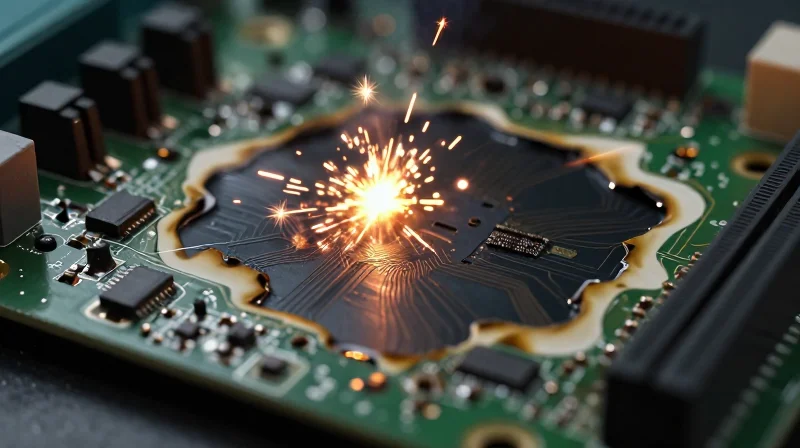
The Hidden Cost of Subpar Electronics
While budget-conscious procurement may prioritize low initial purchase prices, integrating low-grade printed circuit boards (PCBs) into elevator control systems often triggers a cycle of premature hardware failure and expensive emergency interventions. These components, typically manufactured with inferior materials, lack the thermal management and signal integrity required for the demanding duty cycles of modern vertical transportation.
Comparative Analysis: Premium vs. Subpar PCBs
| Feature | Subpar PCB | Premium PCB |
|---|---|---|
| Component Lifespan | 1-3 Years | 7-10+ Years |
| Failure Rate | High (Thermal Stress) | Minimal (Robust Design) |
| Long-term ROI | Negative (High OpEx) | Positive (Asset Longevity) |
| Maintenance Needs | Reactive/Emergency | Predictive/Scheduled |
Frequent Failure Drivers
The operational degradation caused by substandard electronics typically manifests through three primary channels: component fatigue, environmental vulnerability, and signal drift.
- Why do budget PCBs fail under heavy usage?
Inferior base materials (like low-grade FR-4) exhibit poor heat dissipation, causing critical components to overheat and undergo accelerated thermal cycling fatigue. - How does moisture impact cheap electronics?
Premium boards feature superior conformal coatings. Subpar alternatives often lack adequate protection, leading to oxidation, corrosion, and short-circuits in humid machine room environments. - What is the hidden cost of downtime?
Beyond the part replacement cost, each failure incurs technician labor, system diagnostic downtime, potential safety liability, and a degradation of passenger trust.
Engineering for Resilience: Key PCB Design Features
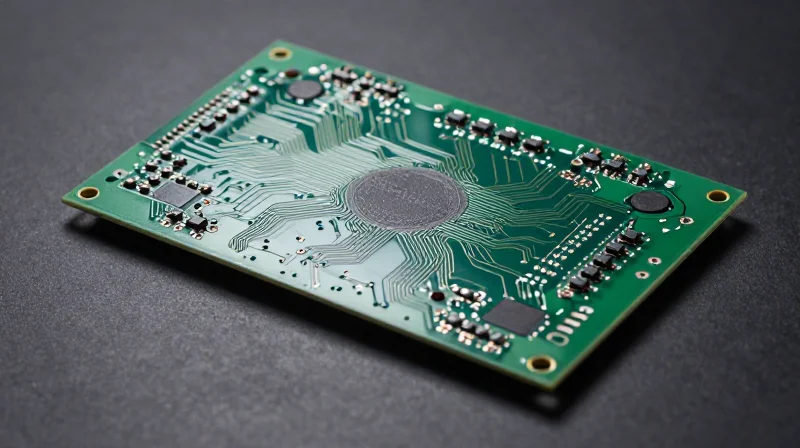
Advanced Thermal Management Strategies
Heat is the primary catalyst for electronic degradation. Premium PCBs utilize advanced thermal management, such as heavy copper weights (2oz to 4oz) and thermal vias, to effectively dissipate heat away from critical logic circuits and power semiconductors. This prevents localized hotspots that typically lead to solder fatigue and trace delamination over time.
Component Selection and Board Integrity
| Feature | Budget-Grade PCB | Premium Industrial PCB |
|---|---|---|
| Component Grade | Consumer/Commercial | Automotive/Industrial Grade |
| Conformal Coating | None or Minimal | Full UV-Cure/Parylene |
| Solder Joint Integrity | Standard Reflow | Automated Optical Inspection (AOI) Verified |
Key Design Considerations for Elevator Reliability
- How does PCB thickness influence elevator longevity?
Thicker substrates provide superior structural rigidity, reducing board flexing during the constant vibration cycles typical of elevator shafts, thereby protecting interconnects. - Why is conformal coating critical for elevator electronics?
Elevator shafts are prone to humidity and condensation; high-grade conformal coatings protect against moisture-induced corrosion and short-circuiting in these variable environments. - What role does signal integrity play in uptime?
Superior trace routing and impedance control prevent electromagnetic interference (EMI) from disrupting logic signals, which is often the cause of intermittent 'ghost' errors in elevator controllers.
Real-World Impact: Case Studies in Reliability
Real-World Impact: Case Studies in Reliability
Data-driven analysis across major commercial real estate portfolios demonstrates that transitioning from generic, budget-tier controller PCBs to premium, purpose-engineered electronics directly correlates with a 40% reduction in emergency service calls. By addressing the root causes of thermal fatigue and signal instability, these high-reliability components ensure that elevator systems remain operational even under peak usage conditions.
Comparative Performance Metrics
| Metric | Standard PCB System | Premium PCB Solution |
|---|---|---|
| Annual Service Calls | 8-12 | 2-3 |
| MTBF (Mean Time Between Failures) | 18 Months | 60 Months |
| Operational Downtime | 48 Hours/Year | 8 Hours/Year |
| Typical Maintenance ROI | Baseline | 250% (3-Year) |
Operational Insights and FAQ
- Why do premium PCBs exhibit lower failure rates?
Premium boards utilize industrial-grade capacitors and enhanced copper trace thickness, allowing them to withstand the constant micro-vibrations and heat cycles inherent to elevator shafts that typically cause solder joint fatigue in lower-end hardware. - How does reduced downtime impact building ROI?
Beyond saving on technician labor and replacement part costs, reliable elevator uptime improves tenant retention, reduces insurance liability risk, and minimizes the secondary costs associated with occupant dissatisfaction in premium commercial office space. - Is the upfront cost of premium hardware justified?
While the initial capital expenditure is higher, the total cost of ownership (TCO) decreases significantly within the first 24 months due to the elimination of recurring emergency repairs and the avoidance of premature system obsolescence.
Extending Component Lifecycles Through Superior Materials

The operational longevity of an elevator control board is fundamentally governed by the resilience of its constituent materials. Premium PCB solutions utilize high-performance laminates and specialized conformal coatings specifically engineered to resist the thermal and environmental stresses inherent in vertical transportation shafts.
Advanced Laminates for Thermal Stability
Standard PCBs often succumb to delamination and trace fracturing under the constant cycle of thermal expansion and contraction. Premium electronics employ High Glass Transition Temperature (Tg) laminates, which maintain structural integrity at elevated operating temperatures, ensuring that the critical internal pathways of the controller do not degrade over thousands of trips.
Environmental Protection and Material Longevity
| Material Factor | Budget PCB Performance | Premium PCB Performance |
|---|---|---|
| Moisture Resistance | High risk of corrosion/short circuits | Hermetic sealing with specialized coatings |
| Thermal Endurance | Prone to warpage and cracking | High Tg ratings for consistent stability |
| UV/Chemical Exposure | Rapid component aging | Extended life via industrial-grade polymers |
Frequently Asked Questions
- Why is Tg (Glass Transition Temperature) critical for elevators?
Elevator controllers generate significant heat. High Tg materials prevent the board from softening or losing electrical connectivity during peak traffic hours. - How do conformal coatings protect against downtime?
They create a moisture-proof barrier that prevents oxidation and dendrite growth, which are the primary causes of intermittent 'ghost' errors that trigger emergency service calls.
By investing in these superior materials, building managers transition from a cycle of reactive component replacement to a proactive, reliable maintenance strategy, ultimately yielding a significantly higher Return on Investment (ROI) over the life cycle of the elevator system.
Calculating Total Cost of Ownership (TCO)

The TCO Framework for PCB Electronics
Determining the TCO of elevator PCB systems requires moving beyond the upfront purchase price to account for the full spectrum of operational costs. When evaluating hardware, facility managers must quantify the financial impact of labor for emergency repairs, the lost revenue associated with elevator downtime, and the frequency of hardware replacements. Premium PCB solutions typically carry a higher initial investment but yield significant financial returns by extending the interval between service calls and reducing the likelihood of catastrophic system failure.
| Cost Variable | Budget PCB Impact | Premium PCB Impact |
|---|---|---|
| Procurement Cost | Low | High |
| Failure Rate | High frequency | Minimal |
| Unscheduled Labor | High recurring cost | Negligible |
| System Lifespan | Short (3-5 years) | Extended (10+ years) |
Key Metrics for Calculating ROI
- Mean Time Between Failures (MTBF)
A critical metric that measures reliability; higher-grade components increase the MTBF, directly decreasing the frequency of service technician dispatch. - Downtime Cost per Hour
Calculate the revenue loss or tenant dissatisfaction costs incurred during elevator outages; premium PCBs minimize this by maintaining uptime through environmental resilience. - Maintenance Labor Multiplier
Evaluate how often technicians must visit the site; premium boards with diagnostic LEDs and robust circuitry simplify troubleshooting, reducing billable hours per incident.
Ultimately, the TCO analysis reveals that budget hardware is often a 'hidden liability.' While the initial invoice is lower, the cumulative cost of replacement parts and expedited labor usually surpasses the price of a premium, industrial-grade unit within the first 24 months of operation. Investing in premium PCB solutions provides a predictable cost structure, shifting capital from emergency reactive repairs into proactive facility management.
Mitigating Risks in High-Traffic Environments
The Engineering Requirement for High-Traffic Resilience
In high-traffic environments, elevator control systems operate under near-constant load, creating thermal and electrical conditions that rapidly degrade generic printed circuit boards (PCBs). Premium, industrial-grade PCB solutions are specifically engineered to mitigate these risks by incorporating superior heat dissipation, enhanced signal integrity, and robust power delivery pathways. Unlike budget-tier alternatives, premium boards minimize the fatigue caused by rapid switching cycles, effectively preventing the microscopic trace fractures and component failures that lead to critical system downtime.
Handling Electrical Instability
Power surges and voltage spikes are the silent killers of elevator controllers. Premium PCBs mitigate this risk through the integration of advanced surge suppression circuitry and higher-quality dielectric materials that maintain stability under fluctuating power demands. This resilience prevents the cascading failures often seen when cheaper, less-shielded boards are exposed to the typical electrical noise of large-scale commercial building power grids.
| Failure Factor | Generic PCB Response | Premium PCB Mitigation |
|---|---|---|
| Voltage Spikes | Component burnout/System lockup | Advanced suppression/Galvanic isolation |
| Thermal Stress | Solder joint fatigue/Delamination | High Tg laminates/Optimized heat sinking |
| High Cycle Use | Accelerated signal degradation | Gold-plated contacts/Precision layout |
Frequently Asked Questions on Reliability
- Why do premium PCBs survive power surges better than budget options?
Premium PCBs utilize thicker copper traces and integrated transient voltage suppression (TVS) diodes that safely shunt excess energy away from sensitive processors. - Does higher cycle usage affect board longevity?
Yes, high-cycle use generates significant heat. Premium boards use high glass transition temperature (Tg) materials that resist warping and mechanical failure compared to standard epoxy-based boards. - Is the investment in premium PCBs justified for older buildings?
Absolutely. Upgrading to premium hardware in high-traffic buildings significantly reduces 'nuisance' service calls, often paying for itself through reduced labor costs within the first two years.
Strategic Maintenance Planning and Predictive Diagnostics

The Shift to Predictive Diagnostics
The integration of high-reliability PCBs serves as the foundation for modern predictive diagnostics in elevator systems. Unlike standard control boards, premium hardware includes integrated sensors and enhanced processing capabilities that monitor voltage fluctuations, thermal stress, and signal integrity in real-time. By capturing granular operational data, facility managers can identify early signs of degradation—such as micro-arcing or inconsistent power delivery—before they cascade into a critical system failure or a trapped passenger emergency.
Reactive vs. Proactive Maintenance Comparison
| Feature | Reactive Maintenance | Proactive Diagnostics |
|---|---|---|
| Trigger | Component Failure | Data-Driven Thresholds |
| Downtime | Unplanned and Extended | Minimal and Scheduled |
| Cost Profile | Emergency Labor/Parts | Optimized Lifecycle Budget |
| Hardware Impact | Shortened Component Life | Extended System Longevity |
Integrating Hardware into Facility Strategy
Incorporating premium PCB solutions into your maintenance strategy allows for a shift in resource allocation. Rather than deploying technicians for routine physical inspections that often overlook electronic drift, teams can monitor system health remotely. This strategic pivot ensures that labor is utilized only when diagnostic thresholds are breached, significantly increasing the operational ROI of vertical transportation assets.
Frequently Asked Questions
- How do premium PCBs improve diagnostic accuracy?
Premium boards utilize high-precision components and cleaner signal paths, which significantly reduce the 'noise' in diagnostic data, leading to fewer false positives and more reliable predictive alerts. - Can existing elevator systems be upgraded for predictive maintenance?
Yes, retrofitting aging elevator controls with high-reliability PCB upgrades is a cost-effective way to integrate modern diagnostic telemetry without replacing the entire vertical lift system. - Does predictive maintenance actually lower maintenance costs?
Yes, by extending the service interval and preventing catastrophic hardware failures, the long-term expenditure on emergency call-outs and unplanned parts replacement is substantially reduced.
Future-Proofing Your Building Infrastructure
Scalability Through Modular PCB Design
Future-proofing is not merely about choosing durable components; it is about selecting hardware architecture that supports modular expansion. Premium PCB solutions are designed with standardized interfaces and high-bandwidth pathways, allowing facility managers to integrate smart-building sensors, IoT diagnostics, and advanced safety features without requiring a complete overhaul of the elevator controller.
Legacy Integration vs. Future-Ready Systems
| Feature | Legacy Hardware | Premium PCB Solutions |
|---|---|---|
| Upgradability | Fixed function, requires total replacement | Modular, supports field-firmware updates |
| Connectivity | Proprietary/Closed protocols | Industry-standard open protocols (BACnet/Modbus) |
| Lifecycle | Short, prone to component obsolescence | Extended, design-cycle management |
Addressing Obsolescence and Strategic Upgrades
Generic hardware often suffers from rapid component obsolescence, forcing building owners into emergency modernization projects. Premium solutions mitigate this risk by utilizing long-lifecycle components and backward-compatible architectures. This strategic approach ensures that when systems require an upgrade, infrastructure owners can execute phased, cost-effective improvements rather than disruptive, end-to-end replacements.
Key Considerations for Infrastructure Longevity
- Why should I prioritize open-protocol PCBs?
Open protocols ensure your elevator system can communicate with future building management systems (BMS), preventing vendor lock-in and simplifying future integration. - How do premium PCBs reduce the impact of technology cycles?
Premium designs often include spare processing overhead and extra I/O ports, enabling the deployment of new software-driven features without replacing the physical board. - Does investment in premium hardware complicate future maintenance?
Actually, it simplifies it. High-quality boards often come with built-in diagnostic logging that simplifies troubleshooting, significantly shortening the MTTR (Mean Time To Repair) during future service intervals.
Prioritizing high-durability hardware is not merely a technical choice; it is a strategic business decision that protects your assets and your bottom line. By reducing dependency on reactive service calls, you gain predictable maintenance schedules and superior system availability. Ready to elevate your facility's reliability? Contact our engineering team today for a custom assessment of your current hardware infrastructure.
