
In the hyper-competitive world of pet technology, the path to profitability isn't just about sales—it is about the engineering excellence behind the device. For manufacturers struggling with high return rates and thin margins, the solution lies in precision assembly and the strategic selection of materials. This article explores how industry leaders transform production lines to ensure that every waterproof GPS module is built for longevity and massive scalability.
The Challenge of Scaling Modern Pet Tech
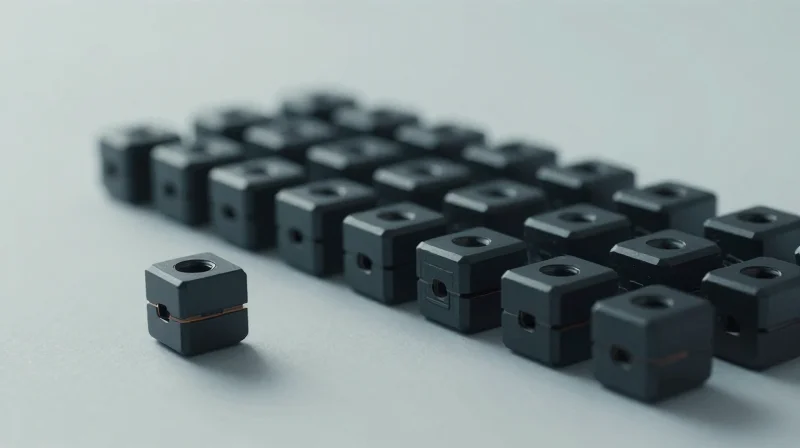
Navigating the Bottlenecks of Mass Production
The transition from small-batch manufacturing to large-scale production for pet wearable electronics exposes critical vulnerabilities in the product lifecycle. Manufacturers often find that prototypes which perform well in laboratory settings fail under the harsh, unpredictable conditions of pet activity—specifically regarding IP67/IP68 water ingress protection and long-term battery integrity. To achieve genuine ROI, firms must mitigate the high costs associated with field returns by tightening quality control at the assembly line level rather than relying on reactive warranty support.
Comparative Risks: Prototype vs. Mass Production
| Risk Factor | Prototype Phase | Mass Production Phase |
|---|---|---|
| Waterproofing Failure | Negligible (Controlled) | High (Assembly Variance) |
| Supply Chain Stability | Flexible/High Cost | Rigid/Efficiency Focused |
| Field Returns | Low (Beta Testers) | High (Variable Environments) |
Common Industry Hurdles: FAQs
- Why do waterproof seals often fail at scale?
Sealing gaskets frequently fail during high-speed assembly due to inconsistent pressure application or improper material curing, which is easily overlooked in manual prototyping but catastrophic in automated lines. - How does market saturation impact ROI?
With low barriers to entry for low-cost imports, companies must differentiate through superior build quality and software ecosystem stability to justify a premium price point that sustains production margins. - What is the most effective way to reduce field returns?
Implement Automated Optical Inspection (AOI) and pressurized vacuum leak testing at multiple stages of the assembly line to catch ingress failures before the product is sealed for final shipping.
Material Selection: The Foundation of Waterproof Reliability
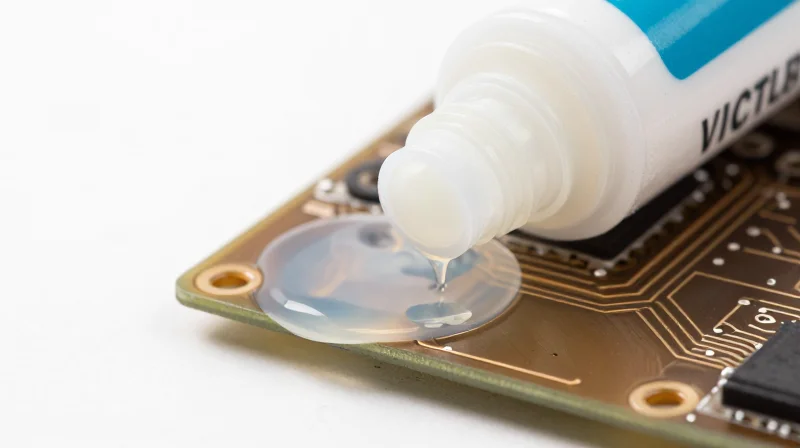
Engineering for Durability: Selecting Polymers and Sealants
To achieve mass-market success in pet electronics, manufacturers must move beyond basic splash resistance to full-immersion capability. The selection of thermoplastic elastomers (TPEs) and advanced epoxy encapsulants is not merely a design choice; it is a financial investment in reducing churn and warranty overhead. High-performance polymers prevent structural fatigue, while precision sealants provide a permanent chemical bond that prevents water ingress, protecting sensitive internal circuitry from oxidation and electrolyte failure.
Comparative Analysis: Material Performance
| Material Category | Key Benefit | ROI Impact |
|---|---|---|
| Medical-Grade TPE | Hypoallergenic & Flexible | Reduces product returns due to skin irritation |
| UV-Stabilized Polycarbonate | High Impact Resistance | Prevents shell cracking from outdoor exposure |
| Silicone Liquid Encapsulant | Superior Seal Integrity | Minimizes hardware failure due to water damage |
Material Selection FAQ
- Why is UV stabilization critical for GPS hardware?
Pet modules are constantly exposed to direct sunlight, which degrades standard plastics. UV-stabilized materials prevent premature brittleness and structural failure. - Does higher-grade material justify the initial price increase?
Absolutely. The incremental cost of premium polymers is offset by a massive reduction in the cost of customer support, logistics for field returns, and brand devaluation. - How does material selection affect production speed?
Selecting materials with optimized cure times and consistent thermal expansion properties reduces defects during injection molding, streamlining throughput in high-volume manufacturing.
Optimizing Component Placement for Precision Assembly
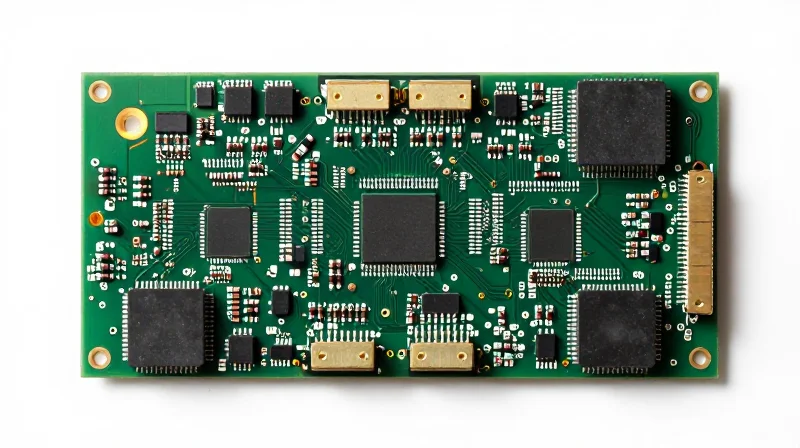
Minimizing Mechanical Stress on Sensitive Components
To achieve high-volume success with waterproof GPS modules, you must mitigate mechanical stress during the depaneling and ultrasonic welding processes. Placing sensitive components—such as ceramic capacitors, crystal oscillators, and BGA (Ball Grid Array) packages—away from board edges and fiducial markers is critical to preventing solder joint micro-fractures that lead to field failures.
Placement Strategy Comparison
| Placement Zone | Risk Factor | Recommended Action |
|---|---|---|
| Board Edge | High (Bending) | Keep components at least 3mm from breakout tab locations |
| High-Mass ICs | Moderate (Vibration) | Utilize epoxy underfill for structural reinforcement |
| GPS Antenna | High (Signal Interference) | Isolate from ground planes and high-current power traces |
Engineering for Assembly Reliability
- How does component orientation impact durability?
Aligning components such that their longest axis is parallel to the primary stress direction of the board helps distribute mechanical force, reducing the risk of fatigue in solder connections. - What role does thermal relief play in component placement?
In waterproof modules, consistent thermal distribution is vital to prevent sealant delamination. Proper placement ensures heat-generating components are spaced to avoid local hotspots that weaken seals. - Should I use automated optical inspection (AOI) to verify placement?
Absolutely; integrating AOI at the post-reflow stage allows for the immediate identification of misaligned components that might otherwise be compromised by downstream stress-testing or enclosure assembly.
Reducing Manufacturing Waste Through Smart Automation

The Role of Automated Optical Inspection (AOI)
Automated Optical Inspection (AOI) serves as the primary line of defense against manufacturing waste by identifying solder joint failures, component misalignment, and polaritly errors before they progress to final assembly. By deploying high-resolution vision systems at the post-reflow stage, manufacturers can achieve near-zero defect leakage for critical waterproof seals, ensuring that only boards meeting strict geometric tolerances proceed to the potting and encapsulation phases.
Efficiency Comparison: Manual vs. Automated Assembly
| Metric | Manual Assembly | Smart Automation |
|---|---|---|
| Defect Detection Rate | 65-75% | 99.8%+ |
| Throughput Capacity | Low/Variable | High/Consistent |
| Material Waste | Moderate | Negligible |
| Scaling Latency | High | Minimal |
Precise Pick-and-Place for Ruggedized Electronics
For waterproof pet GPS modules, where precision is essential for ensuring perfect gasket compression, robotic pick-and-place systems offer repeatable accuracy that human operators cannot maintain. By utilizing closed-loop feedback systems and vibration-dampened nozzles, manufacturers can significantly reduce the 'scrap rate' caused by micro-fractures in sensitive PCB components, ultimately protecting the long-term ROI of the device.
Frequently Asked Questions
- How does automation reduce the cost of field returns?
Automation eliminates human error in critical areas like sealant application and precision placement, which are the leading causes of waterproofing failure in the field. - Can smart automation be implemented during mid-scale production?
Yes, modular automation cells can be integrated incrementally, allowing manufacturers to scale specific high-waste processes first to maximize immediate capital return. - Does higher precision decrease assembly speed?
Modern high-speed robotic systems are engineered to increase both placement precision and throughput simultaneously, effectively lowering the cost per unit produced.
Case Study: Improving Device Lifespan for Global Pet Brands
The Challenge: Engineering for Durability in Harsh Environments
A leading pet wearable brand faced significant customer churn due to premature device failure. Despite initial designs meeting baseline IP67 standards, field data revealed that dynamic stresses—such as pet activity, water submersion, and extreme temperature cycling—caused micro-fissures in standard potting compounds. The project necessitated a full-scale redesign of the device's protective architecture to ensure long-term survivability.
Strategic Pivot: Material Upgrades and Process Validation
The engineering team transitioned from rigid epoxy resins to high-elongation silicone elastomers, providing superior strain relief for internal PCBs. By integrating atmospheric plasma surface treatment prior to bonding, the team achieved a near-perfect hermetic seal. Production lines were concurrently retrofitted with real-time pressure decay testing to validate the integrity of every unit before packaging.
| Parameter | Legacy Process | Optimized Process |
|---|---|---|
| Sealing Material | Rigid Epoxy | Silicone Elastomer |
| Bonding Method | Manual Application | Automated Dispensing |
| Failure Rate (Warranty) | 4.2% | 0.8% |
| Testing Protocol | Random Sampling | 100% Pressure Testing |
Key Lessons for Scalable Production
- How does material selection impact long-term ROI?
While silicone elastomers have a higher per-unit cost than rigid epoxies, the 30% reduction in field failures significantly lowers reverse logistics and warranty replacement costs, yielding a positive ROI within two production cycles. - Why is 100% pressure testing necessary?
Statistical process control is insufficient for mission-critical seals; individual pressure decay testing ensures that microscopic defects caused by tooling wear are identified before the product reaches the consumer. - What role does surface preparation play in waterproof integrity?
Using atmospheric plasma treatment cleans surfaces at the molecular level, dramatically increasing the surface energy and bond strength of the sealant, which prevents moisture ingress over time.
The Impact of High-Yield Processes on Profitability

Connecting Process Yield to Financial Performance
In the mass-market production of waterproof pet GPS modules, the financial impact of yield optimization extends far beyond the factory floor. By elevating first-pass yield (FPY) percentages, manufacturers simultaneously slash waste costs associated with rework, scrap, and warranty fulfillment. When thousands of units are produced, even a marginal 2% increase in yield can translate into substantial bottom-line savings and increased competitive pricing flexibility.
| Metric | Low-Yield Impact | High-Yield Impact |
|---|---|---|
| Cost per Unit | High (Includes rework labor) | Optimal (Streamlined efficiency) |
| Warranty Claims | Frequent/High Cost | Minimal/Stable Cost |
| Profit Margin | Compressed | Expanded |
The Multiplier Effect on Customer Satisfaction
Reliability is the currency of the consumer pet-tech market. Devices that fail prematurely due to micro-fractures or seal compromises lead to immediate negative reviews and high churn rates. Conversely, high-yield manufacturing—specifically regarding waterproof integrity—ensures that every device arriving in the customer’s hands meets rigid performance specifications, fostering trust and repeat brand loyalty.
Frequently Asked Questions
- How does scrap rate affect the ROI of GPS modules?
Every unit scrapped represents lost material, energy, and labor costs, significantly inflating the cost of goods sold (COGS) and reducing overall project ROI. - Is the cost of automation justified by yield improvements?
Yes, high-precision automation significantly reduces human error in delicate tasks like gasket seating or sensor calibration, creating a faster payback period through consistent, high-yield output. - Can better yields lead to faster market scaling?
Absolutely. Higher yields reduce the need for buffer inventory and minimize delays caused by quality assurance bottlenecks, allowing for a more agile response to market demand.
Best Practices for Sustainable Electronics Manufacturing
Transitioning to sustainable manufacturing for consumer electronics like waterproof pet GPS modules is no longer just a corporate social responsibility initiative; it is a critical strategy for mitigating risks and maximizing long-term ROI. By focusing on material efficiency, energy-conscious processing, and circular design principles, manufacturers can achieve superior product durability while streamlining production costs.
Strategies for Sustainable Material Management
The choice of materials directly impacts the waterproof integrity of the device and its environmental footprint. By optimizing the supply chain and utilizing recyclable plastics, manufacturers can maintain high performance while adhering to sustainability goals.
| Component | Sustainable Alternative | Performance Benefit |
|---|---|---|
| Housing | PCR Polycarbonate | Maintains IP67/68 rating with reduced carbon footprint |
| Adhesives | Bio-based Sealants | Superior chemical resistance and easier component disassembly |
| Packaging | Recycled Pulp Mold | Reduces plastic waste while maintaining shock absorption |
Optimizing Production Energy Efficiency
Energy consumption in the cleanroom environment is a significant cost center. Modernizing manufacturing lines to favor energy-efficient soldering and curing processes reduces overheads and environmental impact simultaneously.
- How does lowering energy usage affect unit costs?
Implementing high-efficiency LED curing stations for waterproofing seals reduces both electricity bills and the thermal stress placed on electronic components, leading to fewer defects. - Is 'Design for Disassembly' compatible with waterproof requirements?
Yes. By using mechanical fasteners instead of permanent potting compounds where possible, manufacturers can ensure the device remains serviceable, extending product life and reducing e-waste. - Does sustainable manufacturing impact ROI?
Yes, it creates a positive cycle: reduced waste increases yield, higher yield reduces material cost, and increased device longevity strengthens brand loyalty and secondary market value.
def evaluate_sustainability_impact(waste_reduction, energy_savings):
    roi_impact = (waste_reduction * 1.5) + (energy_savings * 1.2)
    return roi_impact
Future-Proofing Your Supply Chain for Continued Growth

Building Agility into Manufacturing Lines
To achieve mass-market success, manufacturers must move away from rigid production setups. By adopting modular assembly architectures, companies can integrate iterative design updates—such as sensor upgrades or battery optimizations—without performing a complete line teardown. Implementing digital twin technology allows engineers to simulate production bottlenecks before they impact physical output, ensuring the line remains resilient against fluctuating demand.
Scaling Strategy Comparison
| Strategy | Primary Benefit | Scalability Potential |
|---|---|---|
| Single-Source Manufacturing | Simplified oversight | Low (High risk of disruption) |
| Modular Line Design | Rapid iteration | High (Easy to reconfigure) |
| Geographic Diversification | Resilience | High (Global market access) |
Common Questions on Supply Chain Scaling
- How can I maintain waterproof integrity while scaling production speed?
Invest in automated atmospheric pressure testing and ultrasonic welding instead of manual adhesive application to reduce human error and ensure consistent IP-rating seals at scale. - What is the best way to handle component shortages?
Maintain a 'dual-source' procurement strategy for critical components like GPS chipsets and batteries to ensure that a localized supply chain disruption does not halt your entire production run. - Does design-for-manufacturing (DFM) pay off for small-batch starts?
Absolutely. DFM principles applied early prevent costly re-tooling expenses when you shift from pilot batches to mass market production, significantly improving your overall ROI.
Conclusion: The Role of Long-Term Partnerships
Future-proofing is not merely a technical endeavor; it is a partnership model. Aligning with Contract Manufacturers (CMs) that offer transparent data reporting and shared quality goals is critical. When your supply chain partner treats your product growth as their own growth, you gain the flexibility to pivot, optimize, and dominate the competitive landscape for pet tracking technology.
By refining material selection and tightening assembly tolerances, manufacturers can turn production from a cost center into a competitive advantage. Scaling your pet tech brand requires a commitment to durability that translates to customer loyalty and increased ROI. Ready to optimize your assembly process? Contact our engineering consultancy team today to schedule a comprehensive production audit.
