
In the demanding world of industrial lighting, premature component failure is more than an inconvenience; it is a significant drain on operational budgets. As heat remains the primary enemy of LED performance, the choice of substrate becomes the critical pivot point between a system that fails in months and one that thrives for years. This article explores why investing in superior Aluminum PCB substrates is not merely a material upgrade, but a strategic financial decision that drastically reduces maintenance and drives long-term profitability.
Understanding the Thermal Management Challenge in LEDs
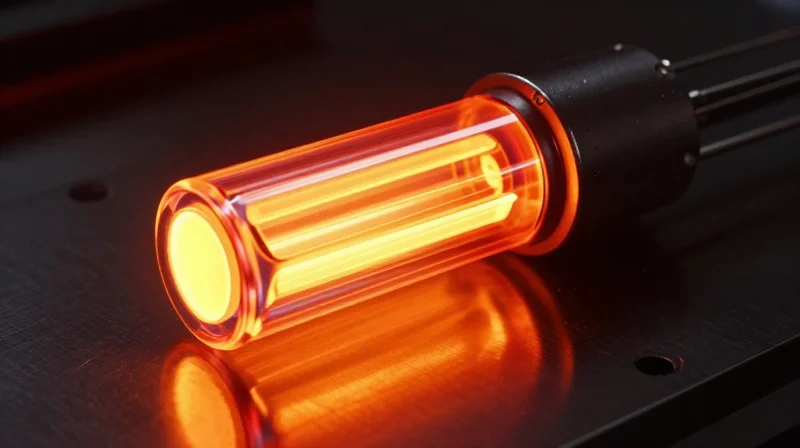
The Thermal Paradox in LED Engineering
While LEDs are touted for their energy efficiency, they are inherently sensitive to thermal accumulation. Unlike incandescent bulbs that radiate heat via infrared energy, LEDs dissipate heat primarily through conduction at the junction. When temperatures exceed optimal thresholds, the internal semiconductor structure undergoes permanent degradation, manifesting as irreversible lumen depreciation and color shift. In industrial environments, where ambient temperatures are often elevated, failing to implement superior heat dissipation substrates leads to premature component failure, effectively negating the perceived cost benefits of LED adoption.
Comparative Thermal Substrate Performance
| Substrate Type | Thermal Conductivity (W/mK) | Suitability for High-Power LED |
|---|---|---|
| Standard FR-4 | 0.2 - 0.3 | Low (Thermal Barrier) |
| Standard Aluminum PCB | 1.0 - 2.0 | Moderate |
| High-Performance Al-PCB | 3.0 - 8.0+ | High (Excellent) |
Operational Risks of Inadequate Heat Dissipation
- What happens to the LED junction temperature when heat is trapped?
Excessive junction temperature accelerates the chemical degradation of the phosphor and encapsulant materials, leading to significant drops in light output and color inconsistency. - Why does standard FR-4 fail in industrial lighting?
FR-4 is an electrical insulator with poor thermal conductivity, creating a localized 'thermal dam' that traps heat directly beneath the LED chip, forcing the driver to work harder and reducing system lifespan. - How does aluminum bridge the gap in TCO?
Aluminum's high thermal conductivity allows the substrate to act as an integrated heat sink, efficiently drawing heat away from the diode, which preserves component longevity and minimizes maintenance-related downtime.
The Engineering Superiority of Aluminum PCB Substrates
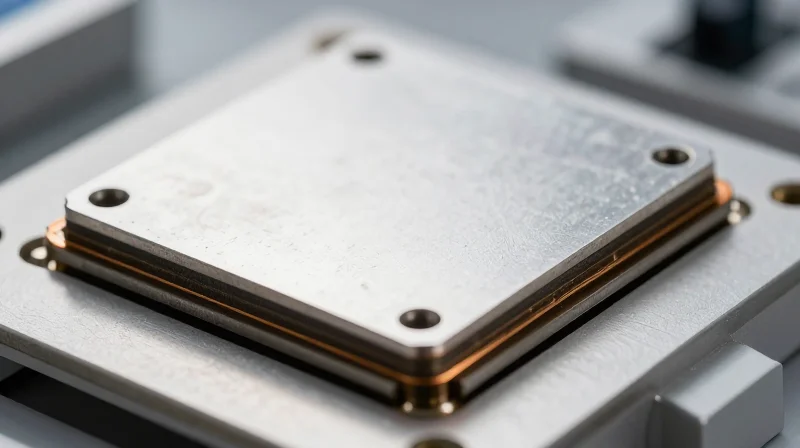
The Anatomy of Aluminum Metal Core PCBs
At its core, an Aluminum PCB, often referred to as a Metal Core Printed Circuit Board (MCPCB), replaces the traditional fiberglass-epoxy (FR4) base with a high-performance aluminum alloy. This substrate typically consists of three distinct layers: a metal base for mechanical support and heat sinking, a thermally conductive but electrically insulating dielectric layer, and a copper circuitry layer. This material stack-up allows heat generated by the LED junction to be transferred directly to the metal core, effectively bypassing the insulating barriers that plague conventional boards.
Comparing Thermal Performance: Aluminum vs. FR4
| Feature | FR4 (Standard) | Aluminum MCPCB |
|---|---|---|
| Thermal Conductivity | Low (0.25 W/mK) | High (1.0 to 3.0+ W/mK) |
| Heat Dissipation Path | Lateral (Poor) | Vertical (Efficient) |
| Mechanical Stability | Moderate | High (Rigid) |
| Long-Term Reliability | Reduced by Heat | High (Thermal Management) |
Why Aluminum Outperforms Standard Substrates
The primary advantage of the metal core substrate is its ability to serve as an integrated heat sink. While FR4 materials function as thermal insulators—trapping heat within the PCB and necessitating secondary cooling components—aluminum acts as a conductor. By reducing the thermal resistance between the LED component and the environment, aluminum substrates prevent thermal buildup, which is the leading cause of LED degradation and failure. This inherent capability allows for higher power densities and smaller form factors without sacrificing operational lifespan.
Frequently Asked Questions
- Does the aluminum base affect the electrical properties?
No. The thin, specialized dielectric layer provides essential electrical isolation while maintaining high thermal conductivity, ensuring that the circuit remains safely insulated from the metal core. - Can Aluminum PCBs be used in extreme industrial environments?
Yes. Beyond thermal management, the rigidity and mechanical strength of aluminum provide superior vibration and impact resistance, making them ideal for automotive, industrial, and outdoor lighting applications. - Is the transition to MCPCB cost-effective?
While material costs are higher than standard FR4, the reduction in thermal management overhead—such as fewer auxiliary cooling devices and extended LED lifespan—leads to a significantly lower total cost of ownership.
Impact on Maintenance Costs and Downtime
Quantifying the Cost of Thermal Failure
The primary driver of LED system failure is junction temperature elevation, which accelerates semiconductor degradation. In industrial lighting applications, relying on standard FR4 substrates often leads to premature lumen depreciation and catastrophic driver failure. Aluminum PCBs mitigate these risks by providing a direct thermal path, effectively suppressing heat-induced failures and extending the mean time between failures (MTBF).
| Failure Metric | FR4 Performance | Aluminum PCB Performance |
|---|---|---|
| Junction Temperature | High (Thermal Choke) | Low (Optimal Dissipation) |
| Field Failure Rate | Moderate to High | Negligible |
| Maintenance Frequency | Short Intervals | Extended Life Cycles |
Reducing Operational Expenditure
Maintenance costs are not solely determined by the price of replacement diodes; they are heavily influenced by labor, logistics, and site access. Aluminum PCBs reduce total cost of ownership (TCO) by decreasing the frequency of site visits and hardware replacements. By maintaining optimal operating temperatures, the entire LED assembly remains within its efficiency band longer, delaying capital reinvestment and reducing emergency service calls.
Common Questions on Downtime Reduction
- How do aluminum PCBs prevent field failures?
By facilitating faster heat transfer from the LED junction to the heat sink, aluminum PCBs prevent thermal runaway and solder joint fatigue, which are the leading causes of field-deployed LED failure. - Does the higher initial cost of aluminum substrates pay off?
Yes. While the board cost may be slightly higher than FR4, the reduction in warranty claims and the elimination of repeat maintenance labor result in a significantly lower TCO over the product's 5-to-10-year lifespan. - What is the impact on unplanned downtime?
High-performance thermal management ensures that the lighting system operates within designed parameters, drastically reducing the occurrence of flicker, color shifts, and total darkness events that require emergency intervention.
Energy Efficiency and Operational Gains

Thermal management is the cornerstone of energy efficiency in modern LED lighting. When LEDs operate at lower junction temperatures, their efficacy—measured in lumens per watt—remains consistently high, preventing the thermal droop that plagues poorly cooled fixtures. High-performance aluminum PCBs provide a low-resistance path for heat, ensuring that electrical input is converted into light rather than parasitic heat, which directly reduces total energy consumption over the product lifecycle.
Thermal Stability and Luminous Efficiency
The relationship between operating temperature and luminous flux is inverse. As heat builds up in the LED junction, the internal quantum efficiency drops, resulting in reduced brightness for the same amount of power draw. By utilizing the superior thermal conductivity of aluminum-core PCBs, systems maintain a lower, stable operating environment, allowing manufacturers to drive LEDs closer to their peak efficiency points without risking premature thermal degradation.
| Parameter | Standard FR4 Substrate | Aluminum MCPCB |
|---|---|---|
| Thermal Conductivity (W/mK) | 0.2 - 0.5 | 1.0 - 3.0+ |
| Thermal Resistance | High | Very Low |
| Energy Efficiency | Degrades quickly with heat | High sustained efficiency |
| Cooling Requirements | Heavy heat-sinking needed | Integrated heat dissipation |
Operational Gains and Lifecycle Cost Reduction
- Does lower power consumption justify the initial cost of aluminum PCBs?
Yes, the reduction in electricity consumption, coupled with extended maintenance intervals and lower cooling requirements, typically results in a lower Total Cost of Ownership (TCO) within the first 18 to 24 months of operation. - How does stable thermal performance impact power supply longevity?
By reducing the heat transferred back to the driver components, aluminum PCBs allow the entire lighting system to operate cooler, which prevents secondary failures in sensitive electronic power components. - Can aluminum PCBs eliminate the need for external active cooling?
In many designs, yes. The high conductivity of the metal core allows for passive cooling solutions that are lighter, more reliable, and free from the ongoing energy costs associated with fans or active thermal management systems.
Real-World Case Studies: From Failure to Reliability
Warehouse Lighting: Transitioning from FR4 to Aluminum Core
A mid-sized logistics firm faced a recurring 15% failure rate in its high-bay LED fixtures within the first 18 months of operation, primarily due to localized thermal runaway on standard FR4 substrates. By transitioning to high-performance aluminum-based PCBs, the company effectively eliminated substrate-level thermal fatigue, extending the mean time between failures (MTBF) by 40% and reclaiming significant labor costs previously allocated to lift-assisted maintenance.
Performance Comparison: Standard FR4 vs. High-Performance Aluminum
| Metric | FR4 PCB System | Aluminum PCB System |
|---|---|---|
| Thermal Conductivity | 0.25 W/mK | 1.0 - 3.0 W/mK |
| Failure Rate (Yr 2) | 12-15% | Less than 2% |
| Maintenance Interval | 18 Months | 48+ Months |
| Total Cost Ownership | High | Low |
Frequently Asked Questions on Reliability
- Why do FR4 boards fail more frequently in high-wattage LEDs?
FR4 is an electrical insulator with poor thermal conductivity; it acts as a thermal barrier, trapping heat at the LED junction and causing rapid degradation of solder joints and phosphors. - How does aluminum substrate impact secondary costs?
Beyond component longevity, aluminum substrates reduce the need for bulky external heat sinks and cooling fans, lowering raw material costs and simplifying the physical assembly of the light fixture. - Is the initial capital expenditure for aluminum worth the ROI?
Yes, while aluminum PCBs carry a higher unit cost, the reduction in warranty claims, emergency site visits, and replacement inventory consistently results in a lower Total Cost of Ownership over a 3-5 year window.
Analyzing the Total Cost of Ownership (TCO)
Beyond the Bill of Materials: Understanding TCO
While procurement teams often focus on the unit price of a printed circuit board, the Total Cost of Ownership (TCO) encompasses the entire lifecycle of the LED system. In high-performance lighting, the substrate represents a small fraction of the total assembly cost, yet it dictates the system's longevity. By selecting high-thermal-conductivity aluminum PCBs, manufacturers can eliminate the 'hidden' costs associated with premature failures, warranty claims, and reputation damage.
| Cost Driver | Low-Quality PCB Impact | High-Performance Al-PCB Benefit |
|---|---|---|
| Maintenance Labor | High frequency due to component burnout | Minimal; set-and-forget reliability |
| Warranty Claims | Escalating reverse logistics costs | Near-zero incidence rate |
| Operational Energy | Efficiency drops as heat increases | Optimized thermal path maintains efficiency |
| Component Lifespan | Accelerated aging of LEDs | Extended functional life |
The Economics of Heat Dissipation
The primary cause of failure in power LEDs is junction temperature mismanagement. High-performance aluminum substrates act as a heat sink interface, effectively conducting heat away from the semiconductor die. When an LED operates at a lower junction temperature, its MTBF (Mean Time Between Failures) increases exponentially. Investing in high-grade dielectric layers reduces the thermal resistance between the chip and the aluminum base, directly lowering the cost of cooling and thermal management at the system level.
Frequently Asked Questions on TCO
- Does a higher-cost PCB always result in a lower TCO?
In high-duty-cycle industrial or outdoor lighting, yes. The cost of a single truck roll to replace a failed fixture in a hard-to-reach area can exceed the price difference of premium PCBs across hundreds of units. - How does PCB quality affect energy costs?
Higher thermal resistance leads to light output depreciation; as heat rises, efficiency drops, forcing the system to draw more current to maintain the same lumen level, thus increasing power consumption. - What is the biggest hidden cost in budget LED substrates?
The indirect cost of brand erosion and customer churn following premature site failures, which are nearly impossible to recover from financially.
Environmental and Sustainability Benefits
The Sustainability Advantage of Aluminum Substrates
The environmental impact of LED lighting systems is defined as much by the manufacturing durability of the underlying electronics as it is by the energy efficiency of the diodes themselves. Aluminum PCBs facilitate superior thermal management, which prevents the accelerated degradation of lighting components. By extending the service life of industrial luminaires, these substrates significantly reduce the frequency of hardware replacement, thereby minimizing resource extraction, reducing e-waste, and aligning LED deployment with circular economy principles.
ESG Performance and Operational Efficiency
Integrating high-performance aluminum PCBs is a strategic lever for organizations aiming to meet stringent Environmental, Social, and Governance (ESG) targets. Because aluminum is highly recyclable and the PCBs themselves offer extreme longevity, firms can report lower carbon footprints over the asset lifecycle. Improved thermal dissipation leads to consistent power conversion, which directly reduces energy waste during the operational phase of the lighting system.
| Sustainability Metric | Standard FR4 Substrate | High-Performance Aluminum PCB |
|---|---|---|
| Component Lifespan | Moderate (risk of thermal fatigue) | Extended (superior heat dissipation) |
| E-Waste Generation | High (frequent replacement cycles) | Low (long-term durability) |
| Recyclability | Difficult to process | Highly recyclable metal base |
| Energy Efficiency | Degrades as heat builds up | Maintained through thermal stability |
Key Environmental Considerations: FAQ
- How does thermal management impact environmental goals?
Better thermal management prevents diode overheating, which maintains high luminous efficacy for longer. This reduces the total energy required to illuminate a space over the lifespan of the fixture. - Are aluminum PCBs environmentally friendly at end-of-life?
Yes, the aluminum substrate is significantly easier to recycle compared to multi-layered organic laminates, allowing companies to reclaim raw materials and reduce landfill contribution. - Can hardware durability justify a higher initial cost?
Absolutely. From an ESG perspective, the 'Total Cost of Ownership' includes the environmental cost of procurement and disposal. Longer-lasting components reduce these costs significantly over time.
Selecting the Right Supplier for High-Performance PCBs
Critical Criteria for PCB Supplier Evaluation
To achieve maximum ROI, your supplier must be viewed as a technical partner rather than a commodity vendor. High-performance LED applications require precise thermal management and manufacturing consistency that only specialized manufacturers can provide.
| Evaluation Metric | Low-Cost Focus | High-Performance Partner |
|---|---|---|
| Thermal Conductivity Testing | Rare or Non-Existent | Standardized Validation |
| Material Sourcing | Varied/Unbranded | Tier 1 Certified Base Laminates |
| Process Reliability | High Variance | ISO/IATF Quality Systems |
| Design Support | Passive/None | Proactive DFM Recommendations |
Essential Manufacturing and Technical Standards
When vetting a potential manufacturing partner, prioritize those who maintain strict adherence to international quality standards such as ISO 9001 and IATF 16949, particularly for automotive or industrial lighting. A reliable supplier must demonstrate repeatable thermal resistance metrics and precise dielectric thickness control to ensure consistent heat dissipation across entire production batches.
- How does material quality impact my long-term TCO?
Superior thermal interface materials prevent micro-cracks and solder joint fatigue, directly extending the MTBF (Mean Time Between Failures) and reducing expensive field maintenance. - What role does DFM (Design for Manufacturing) play?
A competent supplier identifies potential thermal bottlenecks before production begins, preventing costly design iterations and manufacturing defects. - Should I require third-party thermal verification?
Yes, high-performance projects benefit from documented verification of thermal conductivity (W/mK) to ensure the PCB meets the exact specifications required by your specific LED array.
Ultimately, the right supplier provides transparency in their supply chain, robust technical support for thermal simulations, and a verifiable track record in industrial-grade applications. Investing time in a rigorous supplier qualification process is the most effective way to protect your initial capital expenditure and ensure the long-term profitability of your LED lighting systems.
By prioritizing quality Aluminum PCB substrates, facility managers and engineers can effectively neutralize the risks of thermal degradation, ensuring their lighting systems perform at peak efficiency for years. Reducing the frequency of maintenance not only preserves your budget but reinforces operational continuity. Are you ready to optimize your lighting infrastructure for maximum ROI? Contact our technical team today to assess your current substrate specifications and learn how we can enhance your system durability.
