
In the cutthroat world of precision measurement hardware, a single point of failure on a circuit board isn't just an annoyance; it is a direct blow to your brand reputation and operational bottom line. While initial manufacturing costs often tempt hardware leaders to seek budget-friendly fabrication, the hidden expenses of maintenance, warranty claims, and downtime tell a much different story. Let’s explore how investing in high-precision PCB manufacturing transforms from an upfront expense into a strategic asset for long-term ROI.
The True Cost of 'Low-Cost' PCB Fabrication
The Hidden Expenses of Discount Manufacturing
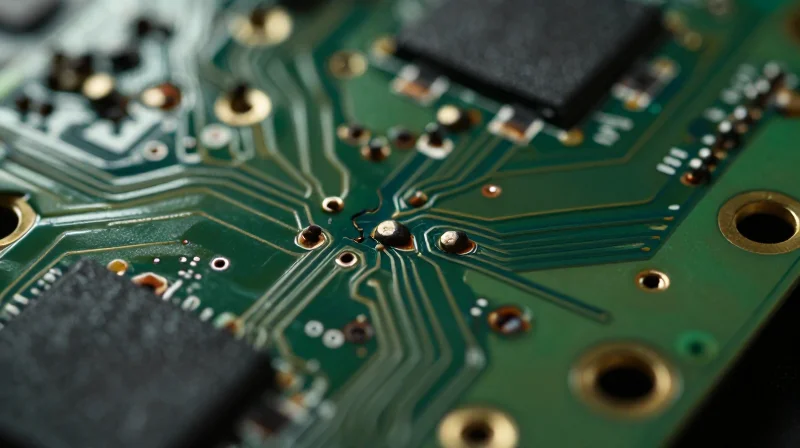
While low-cost PCB fabrication appears attractive on a balance sheet, it often represents a false economy. The procurement of substandard materials, relaxed tolerances, and lack of rigorous quality assurance creates a 'hidden tax' on your production cycle. When boards fail in the field or require constant rework during assembly, the labor and logistical costs quickly eclipse the small savings gained during the initial purchase.
| Variable | Low-Precision Approach | High-Precision Approach |
|---|---|---|
| Material Quality | Variable Tg (Glass Transition) | Consistent, Industrial Grade |
| Tolerance Control | Loose/Broad Standards | Tight/Military Standards |
| Failure Rate | High (Field Returns) | Low (Reliable Uptime) |
| Maintenance Impact | Frequent Debugging/Rework | Minimal Routine Checks |
Common Failure Points in Low-Cost Fabrication
- Thermal Delamination
Lower-grade laminates cannot handle the sustained thermal cycling required in modern high-performance electronics, leading to catastrophic layer separation. - Inconsistent Plating Thickness
Poor control in through-hole plating leads to cracked barrels and intermittent electrical connectivity, which are notoriously difficult to diagnose. - Impedance Mismatches
Lack of precision in trace width and dielectric spacing results in signal integrity issues that cripple data throughput and device performance.
Ultimately, the decision to prioritize low unit pricing over manufacturing precision shifts the burden of quality control from the supplier to the customer. Investing in high-precision fabrication is not just about the quality of the board; it is an investment in system reliability and operational longevity, ensuring that your long-term ROI is protected by engineering excellence rather than compromised by cost-cutting measures.
Anatomy of Precision: What Defines Premium Manufacturing
The Architecture of Resilience
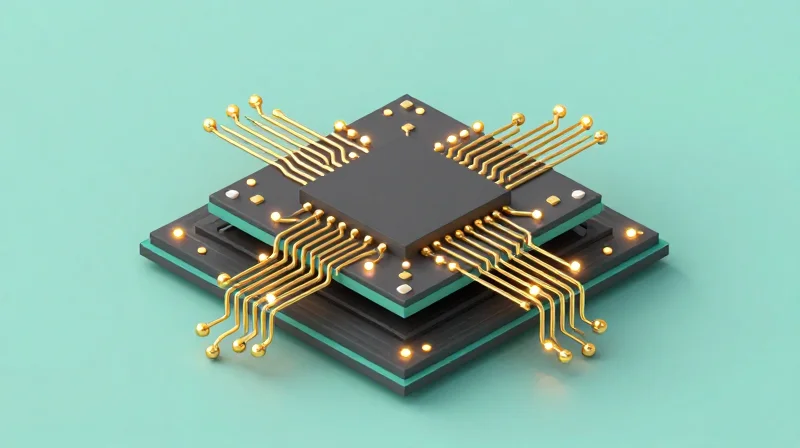
At the core of high-precision manufacturing lies the transition from general-purpose fabrication to application-specific engineering. While standard boards rely on bulk processes, high-precision manufacturing prioritizes structural integrity through controlled impedance, high-glass transition temperature (Tg) substrates, and advanced surface finishes that resist environmental oxidation.
| Feature | Standard PCB | High-Precision PCB |
|---|---|---|
| Trace Tolerance | +/- 10-20% | +/- 5% or less |
| Substrate Material | Standard FR-4 | High Tg/Low Loss Laminates |
| Via Reliability | Potential micro-cracking | Plated-through hole integrity |
| Surface Finish | HASL | ENIG or Immersion Silver |
Technical Benchmarks of Superiority
- Why does Trace Integrity matter?
Precision etching ensures that trace widths and spacing are uniform, minimizing signal reflection and crosstalk which are primary culprits in intermittent electronic failure. - How does Thermal Management impact ROI?
High-precision boards utilize specialized substrates that dissipate heat efficiently, preventing delamination and solder joint fatigue, effectively doubling the board's operational lifespan. - What role do Registration Tolerances play?
Advanced registration accuracy ensures perfect alignment between layers, preventing open or short circuits that typically only manifest under thermal stress or vibration.
Investing in these specifications serves as an insurance policy against the hidden costs of downtime. By defining manufacturing through these rigorous lenses, enterprises move away from the 'replace-and-repair' cycle, solidifying a foundation of operational reliability that protects long-term margins.
Mitigating Field Failures Through Thermal Management

Thermal degradation remains the leading cause of field failures in sensitive electronic measurement equipment. When PCBs are manufactured with imprecise trace geometries or inferior thermal interface materials, localized heat concentrations—often called 'hot spots'—rapidly accelerate the wear of dielectric layers and solder joints. Investing in high-precision manufacturing processes ensures optimal heat dissipation, maintaining component temperatures within safe operating ranges and preventing the structural fatigue that leads to expensive, on-site service calls.
Engineering for Thermal Resilience
Precision-engineered boards utilize advanced stack-up designs that incorporate thermal vias and controlled copper thickness to distribute heat more efficiently across the entire surface area. By reducing thermal impedance, these manufacturing techniques prevent the microscopic fractures that typically develop due to thermal expansion cycles in low-grade, standard-tolerance boards.
| Feature | Standard PCB Impact | High-Precision PCB Impact |
|---|---|---|
| Copper Thickness | Variability leads to localized overheating. | Uniform thickness prevents thermal bottlenecks. |
| Thermal Vias | Sparse or poorly aligned heat extraction. | Optimized grid patterns for superior conductivity. |
| Dielectric Integrity | Risk of delamination under high thermal stress. | High Tg (Glass Transition) materials maintain stability. |
Frequently Asked Questions on Thermal Reliability
- How does PCB precision reduce long-term maintenance?
Precision manufacturing prevents excessive heat build-up that causes component aging, significantly reducing the frequency of field failures and unscheduled maintenance cycles. - Why is trace uniformity vital for heat management?
Inconsistent trace widths create variable resistance, which forces current-dense areas to run hotter than the rest of the board, leading to uneven thermal stress and mechanical failure. - Does higher material quality offset initial investment?
Yes. By avoiding the 'hidden costs' of field repairs and replacement parts, premium manufacturing provides a lower total cost of ownership (TCO) compared to standard, cheaper alternatives.
The ROI Calculation: TCO vs. Upfront Investment
The Total Cost of Ownership (TCO) Framework
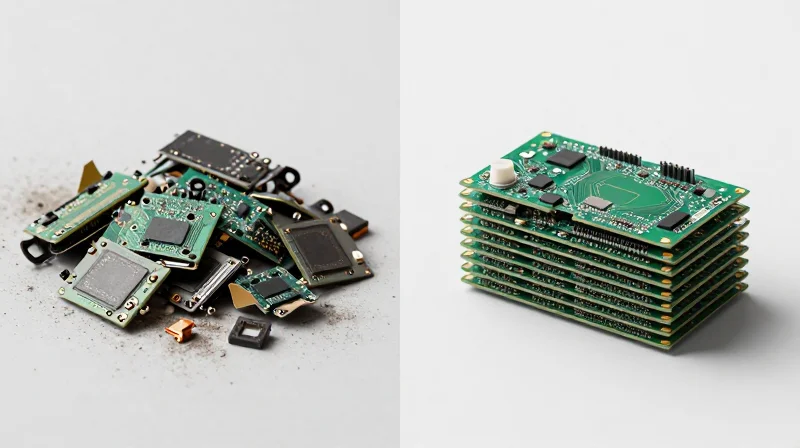
When evaluating PCB procurement, stakeholders often fixate on the unit price. However, true ROI is realized only when considering the TCO, which encompasses the initial investment plus the cumulative expenses related to system downtime, field diagnostics, and premature component replacement.
| Cost Factor | Low-Precision Approach | High-Precision Approach |
|---|---|---|
| Upfront Investment | Lower | Higher |
| Failure Rate | High (10-15%) | Negligible (<1%) |
| Maintenance Frequency | Frequent/Reactive | Rare/Scheduled |
| Component Lifespan | Short (1-3 years) | Long (5-10+ years) |
Quantifying Maintenance Savings
High-precision manufacturing minimizes micro-cracking and trace impedance fluctuations, which are the primary culprits behind intermittent field failures. By investing in superior materials and advanced lithography during fabrication, organizations effectively eliminate the 'hidden tax' of constant repair cycles.
- How does higher precision translate to labor savings?
Reduced failure rates mean your engineering team spends less time troubleshooting boards and more time on product innovation, directly reducing indirect labor overhead. - Can high-precision PCBs be justified for short-lifecycle products?
While essential for long-term deployments, high-precision boards also prevent catastrophic early-life failures that can damage a brand’s reputation during critical market entry phases. - What is the primary indicator of reduced maintenance costs?
The stabilization of Mean Time Between Failure (MTBF) metrics is the most reliable indicator that your investment in precision is successfully lowering operational maintenance costs.
To calculate the ROI, divide the total TCO (Initial Cost + Sum of Annual Maintenance) by the operational lifespan. Shifting to high-precision manufacturing consistently yields a lower TCO over three years or more, as the reduction in field support costs quickly offsets the initial cost premium.
Signal Integrity and Precision in Measurement Hardware
Signal Integrity and Precision in Measurement Hardware
In high-precision measurement hardware, the printed circuit board is not merely a carrier for components; it is an active participant in signal conditioning. When PCBs lack tight manufacturing tolerances, variations in trace impedance and dielectric consistency can introduce jitter, crosstalk, and signal attenuation. By investing in high-precision fabrication, engineers ensure that high-speed signals maintain their integrity, reducing the need for aggressive error-correction software and lowering the incidence of false readings that lead to costly system maintenance.
Key Factors Affecting Signal Performance
| Parameter | Impact of Standard PCB | Benefit of High-Precision PCB |
|---|---|---|
| Trace Impedance | High variance causes signal reflection | Uniform impedance for signal fidelity |
| Dielectric Constant | Phase shift and timing errors | Stable timing and reduced jitter |
| Copper Roughness | High-frequency signal loss | Optimized high-speed data transmission |
Common Questions on PCB Precision and Maintenance
- How does PCB manufacturing precision affect sensor calibration cycles?
Boards with tight tolerances exhibit less thermal drift and parasitic reactance, leading to more stable baseline readings and extending the required time interval between manual sensor calibrations. - Why do high-precision PCBs reduce noise-related maintenance?
Superior trace routing and ground plane integration significantly lower electromagnetic interference, preventing erratic data spikes that technicians often mistakenly diagnose as hardware component failures.
Ultimately, the cost of failing to address signal integrity at the board level is compounded by frequent field service calls. By utilizing advanced manufacturing techniques, such as laser-drilled microvias and precise controlled-impedance processes, firms can guarantee that their measurement systems remain accurate over longer operational lifespans, drastically reducing total cost of ownership.
Standardization and Compliance as Risk Mitigation
Standardization as a Foundation for Reliability
High-precision PCB manufacturing is inherently aligned with global standards such as IPC-6012 and ISO 9001. By utilizing fabrication facilities that prioritize these certifications, companies move beyond basic functionality toward a robust compliance framework. This standardization acts as a risk-mitigation strategy by ensuring that every component meets verified thresholds for material purity, layer registration, and thermal stability. When boards are manufactured to these stringent levels, the likelihood of systemic failures—which often trigger costly product recalls or regulatory scrutiny—drops significantly, directly protecting the firm's bottom line.
Comparative Impact on Risk Mitigation
| Risk Category | Low-Precision Approach | High-Precision Approach |
|---|---|---|
| Regulatory Failure | High: Non-standard materials lead to audit gaps | Low: Full traceability and cert-compliant specs |
| Operational Liability | Increased: Component drift causes outages | Minimal: Proven thermal and electrical stability |
| Recall Exposure | Significant: Mass failures due to latent defects | Negligible: Controlled processes prevent defects |
Frequently Asked Questions on Compliance and Cost
- How does PCB certification lower legal risk?
Certified boards undergo rigorous testing protocols that provide a verifiable audit trail. In the event of product liability litigation or regulatory review, possessing documentation of adherence to international standards serves as a critical defense, demonstrating due diligence. - Do higher standards increase the total cost of ownership?
While the upfront fabrication cost is higher, the TCO is significantly lower. High-precision manufacturing reduces the frequency of field failures and maintenance cycles, preventing the exponential costs associated with downtime and hardware replacement. - Does precision manufacturing impact long-term scalability?
Yes, standardizing on high-precision processes early in the design cycle ensures that products can scale into global markets without requiring redesigns or costly qualification updates to meet regional safety and environmental mandates.
Case Study: From Recurring Repairs to Reliable Performance
Case Study: From Recurring Repairs to Reliable Performance
For a global industrial automation provider, the cycle of perpetual maintenance was crippling profit margins. By shifting from standard-tolerance PCB fabrication to high-precision manufacturing processes, the company effectively eliminated the root causes of intermittent connectivity and signal degradation that previously plagued their field hardware.
| Metric | Legacy Process | High-Precision Process |
|---|---|---|
| Average Mean Time Between Failure (MTBF) | 18 Months | 60 Months |
| Annual Field Service Calls | 1,200 | 210 |
| PCB Defect Rate | 3.2% | 0.08% |
Quantifying the Operational Shift
The transition was not merely a change in supplier; it was a fundamental shift in quality architecture. By utilizing advanced laser direct imaging (LDI) and tighter impedance control during fabrication, the company achieved superior layer alignment. This precision ensured that even in harsh operational environments, the PCBs maintained signal integrity, drastically reducing the thermal stress that historically caused circuit warping and component fatigue.
- Why did maintenance costs drop significantly?
The reduction in signal noise and mechanical stress meant that components operated within their intended design parameters, preventing premature failure. - Was the initial investment higher?
Yes, high-precision manufacturing commands a higher upfront cost, but the ROI was realized within 14 months due to savings on logistics, warranty labor, and replacement parts. - Does precision impact compliance?
Yes, the tighter tolerances inherent in high-precision boards ensure consistent adherence to EMI/EMC standards, minimizing the need for re-certification and field recalls.
Future-Proofing Your Hardware Strategy
Investing in Lifecycle Longevity
Future-proofing is not merely about selecting current top-tier components; it is about building a foundation that accommodates future software updates, higher data throughput, and increased thermal demands. High-precision PCBs provide the signal integrity and thermal management required to support next-generation workloads without requiring a complete hardware redesign, thereby securing your long-term ROI.
Strategic Comparison: Standard vs. High-Precision Infrastructure
| Feature | Standard PCB Strategy | High-Precision Strategy |
|---|---|---|
| Design Margin | Minimal; prone to failure under load | High; supports future upgrades |
| Component Stress | High thermal fatigue | Optimized heat dissipation |
| Maintenance Cost | Frequent replacement cycle | Low; extended service life |
| Scalability | Hardware overhaul required | Adaptive to new firmware/logic |
Key Considerations for Future-Ready Design
- How does PCB precision influence software upgrades?
Precise manufacturing ensures stable signal pathways and low latency, which prevents the hardware bottlenecks that often emerge when modern, resource-heavy firmware is deployed on older architectures. - Why does thermal management matter for ROI?
Effective heat dissipation provided by high-precision substrates prevents premature component degradation, significantly extending the Mean Time Between Failures (MTBF) and reducing emergency maintenance costs. - Is high-precision manufacturing compatible with rapid scaling?
Yes, standardizing on high-precision fabrication creates a reliable baseline that simplifies the integration of new modules and ensures consistent performance across diverse operational environments.
Ultimately, the cost of high-precision manufacturing is an upfront investment in operational stability. By minimizing the frequency of hardware replacements and system downtime, organizations can reallocate maintenance budgets toward innovation and digital transformation, ensuring they remain competitive in a rapidly evolving technological landscape.
Ultimately, your hardware is only as reliable as the boards powering it. By shifting the focus from initial cost to long-term performance, manufacturers can eliminate the cycle of costly field failures and build a reputation for unmatched reliability. Are you ready to optimize your production strategy? Contact our engineering team today to discuss how high-precision fabrication can elevate your product's performance and bottom-line growth.
