In the world of energy-efficient lighting, the 9W MCPCB LED stands out for its balance of power and efficiency. Whether you're a DIY enthusiast or a manufacturer, understanding the nuances of the mcpcb led 9w price is crucial. This article delves into the various aspects affecting its cost and provides a guide to help you make informed decisions, connecting technology with practical applications in your everyday life.
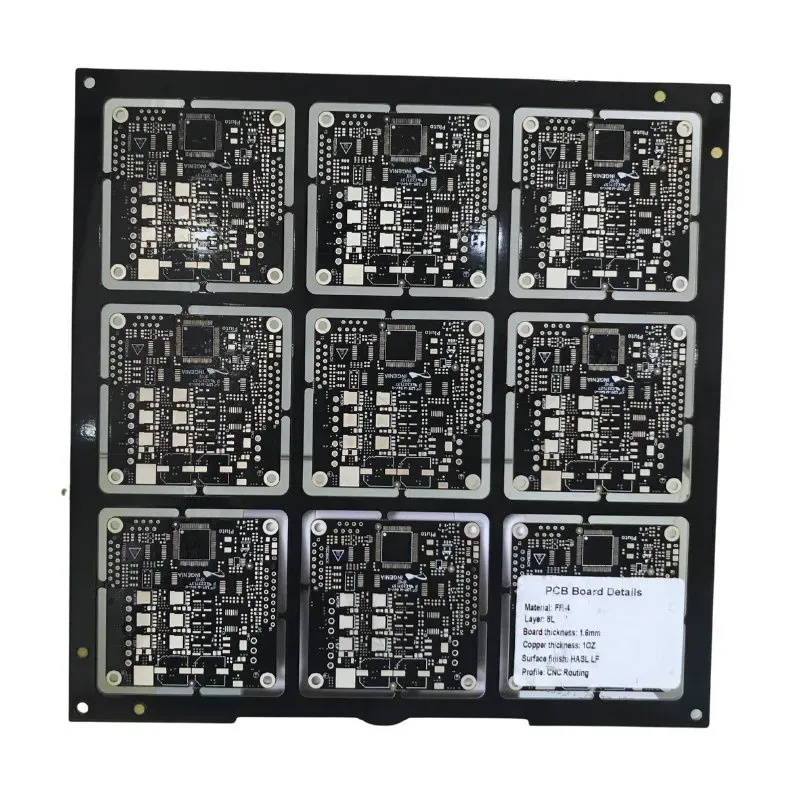
A 9W MCPCB LED, or Metal Core Printed Circuit Board Light Emitting Diode, is a type of LED lighting solution distinguished by its integration of LED chips onto a metal substrate, typically aluminum. This design facilitates efficient heat dissipation, crucial for the longevity and performance of high-power LEDs like the 9W variant. The MCPCB acts as both a structural support and a thermal management system, allowing for a more compact and robust lighting module compared to traditional printed circuit boards.
The construction of a 9W MCPCB LED typically involves several key components: a metal base (usually aluminum) which provides structural integrity and a path for heat dissipation; a thin dielectric layer which electrically isolates the LED chips from the metal base, while allowing heat transfer; copper traces which carry electrical current to the LEDs and LED chips which emit light when energized. The LED chips in a 9W MCPCB LED are specifically selected for their efficiency in converting electrical energy into light, their color temperature and light output characteristics.
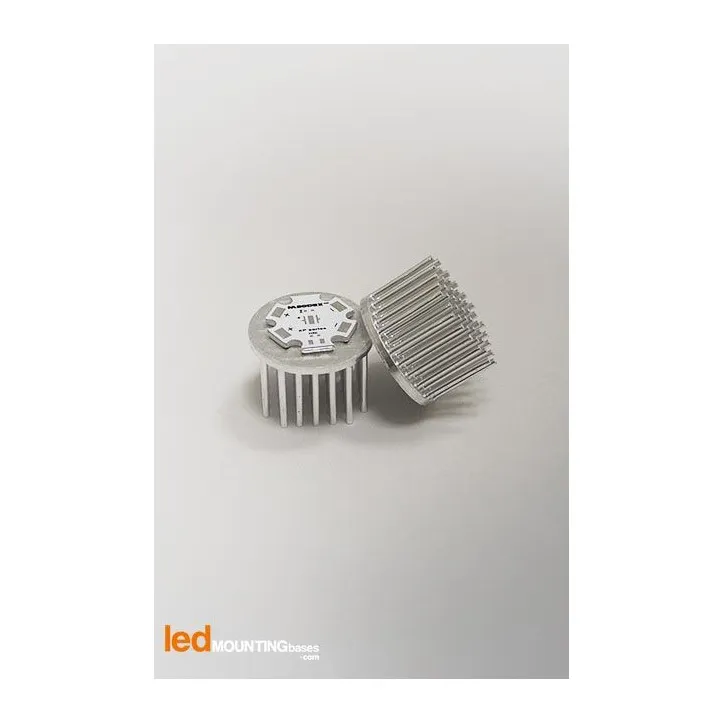
The price of a 9W MCPCB LED is not a fixed value; it fluctuates based on several key factors. These factors encompass material costs, manufacturing complexities, and overall market dynamics, all of which contribute to the final price that consumers see.
Understanding these influences allows for a more informed purchasing decision.
| Factor | Description | Impact on Price |
|---|---|---|
| Aluminum Base Material | The quality and thickness of the aluminum substrate used in the MCPCB. | Higher grade, thicker aluminum increases cost due to improved thermal dissipation and durability. |
| Copper Layer Thickness | The thickness of the copper layer on the MCPCB which facilitates electrical conductivity. | Thicker copper layers provide better current carrying capacity, which translates to higher cost. |
| LED Chip Quality and Brand | The performance characteristics (luminous efficacy, color rendering index) and manufacturer of the LED chip. | High-quality LED chips from reputable brands command a premium, while generic chips will reduce the price but possibly reduce performance and longevity. |
| Manufacturing Process | The complexity of the manufacturing process, including precision in chip placement, soldering, and overall assembly. | More complex and refined manufacturing processes result in higher costs but also improve reliability and product life. |
| Market Demand | The overall market demand for 9W MCPCB LEDs, which affects supply and pricing. | High demand can drive prices up, while lower demand can lead to price reductions. |
| Order Volume | The quantity of MCPCB LEDs purchased. | Bulk purchases typically result in lower per-unit costs due to economies of scale, but individual units will cost more. |
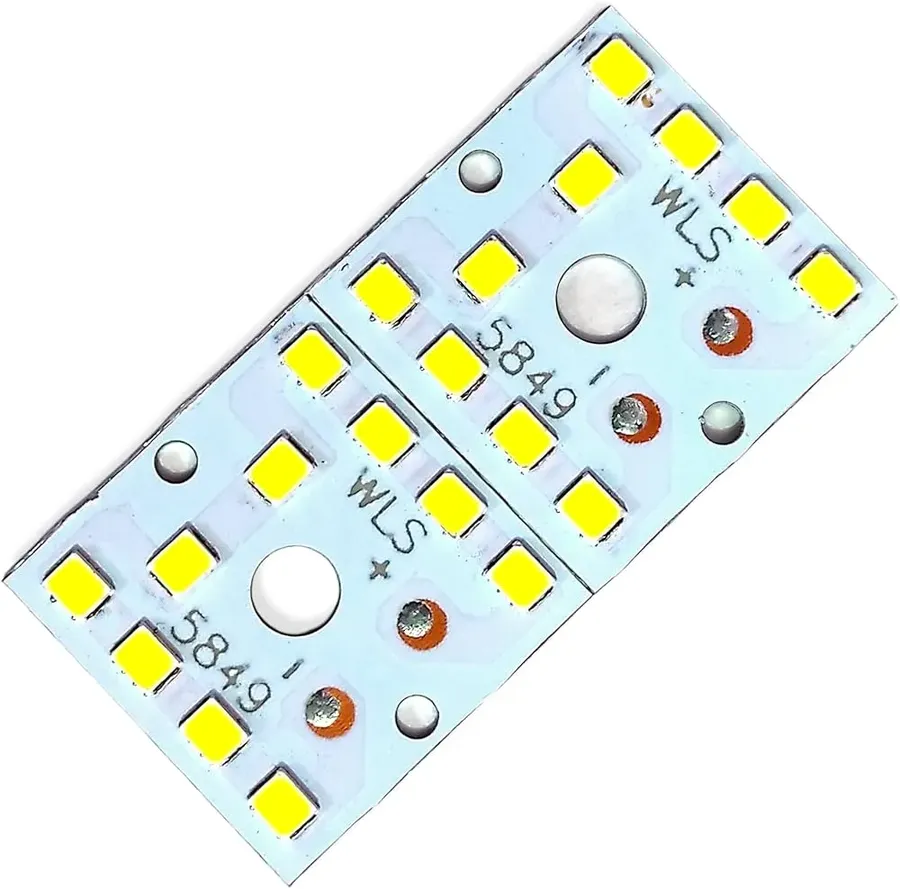
The price range for 9W MCPCB LEDs varies significantly based on several factors, including the quality of the LED chip, the materials used in the MCPCB, and the supplier. Generally, prices can range from a few cents to a couple of dollars per unit, depending on whether you're purchasing retail or in bulk. Understanding this price variance requires examining both the low-end and high-end options available in the market.
At the lower end, you might find 9W MCPCB LEDs priced between $0.30 to $0.70 per unit. These are often manufactured with less expensive LED chips and thinner copper layers on the MCPCB. While these options might be suitable for simple projects or cost-sensitive applications, they may not offer the same levels of performance, longevity, or color accuracy as higher-priced alternatives. Bulk purchases at this price point could see these costs further reduced.
On the higher end, premium 9W MCPCB LEDs can range from $1.00 to $2.50 or more per unit. These typically use high-quality LED chips from reputable manufacturers, along with thicker copper layers and better thermal management designs. These options offer superior performance in terms of luminous efficacy, color rendering index (CRI), and lifespan, making them ideal for applications requiring reliable and high-performance lighting solutions. The higher initial investment is often justified by increased efficiency and longer product life. Below is a table that shows a general price range.
| Category | Price per Unit (USD) | Typical Applications |
|---|---|---|
| Low-End MCPCB LED 9W | $0.30 - $0.70 | Simple projects, cost-sensitive applications |
| Mid-Range MCPCB LED 9W | $0.70 - $1.50 | General lighting, home use |
| High-End MCPCB LED 9W | $1.00 - $2.50+ | High-performance lighting, commercial applications |
It is also important to note that the price will also be affected by the purchasing source, retail or bulk, and also the region. The prices mentioned here are a general approximation, for the most accurate price comparison, you should consult directly with suppliers and manufacturers.
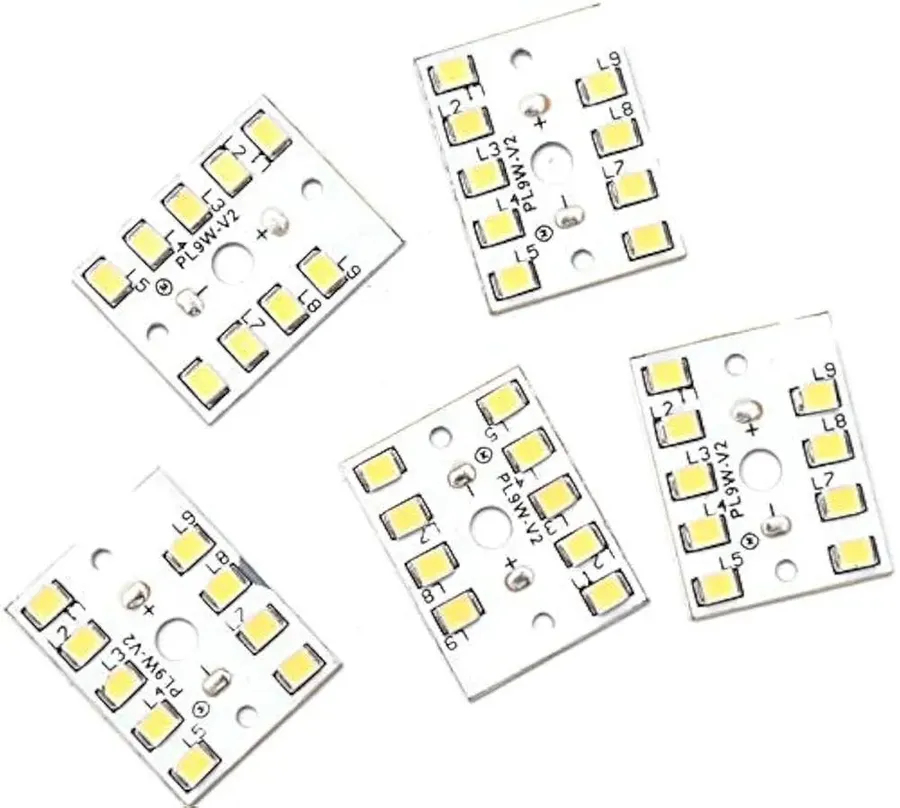
The procurement of 9W MCPCB LEDs involves navigating various supply channels, each offering distinct advantages and disadvantages in terms of cost, reliability, and accessibility. Understanding these nuances is crucial for making informed purchasing decisions, whether for individual projects or bulk manufacturing needs. The availability ranges from large online marketplaces to specialized distributors.
| Source | Price | Reliability | Availability | Suitability |
|---|---|---|---|---|
| Online Marketplaces | Competitive | Varies; Requires vetting | High | Small to medium quantities |
| Specialty Suppliers | Moderate to High | High | Moderate | Small to medium, technical projects |
| Local Distributors | Moderate | Moderate to High | Moderate | Immediate needs, local support |
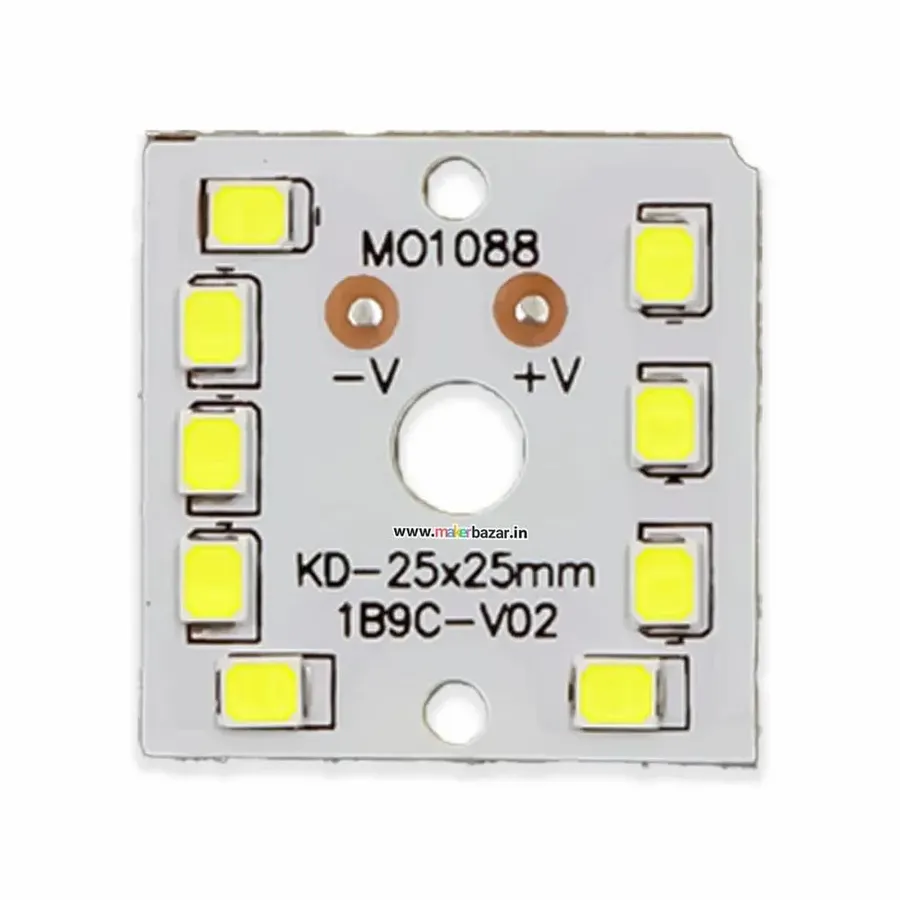
Selecting a 9W MCPCB LED requires careful consideration of its specifications to ensure optimal performance and longevity. Critical parameters such as color temperature, luminous flux, and forward voltage directly influence the light's quality and the system's efficiency. Quality control during manufacturing is paramount to guarantee consistent and reliable performance.
| Parameter | Description | Typical Value for 9W MCPCB LED | Importance |
|---|---|---|---|
| Color Temperature (CCT) | Describes the color appearance of the light emitted. | 2700K - 6500K (Warm White to Cool White) | Affects the mood and ambiance of the lighting environment. |
| Luminous Flux (lm) | Measures the total amount of light emitted by the LED. | 700 - 1000 lm | Determines the brightness of the light. |
| Forward Voltage (Vf) | The voltage required to operate the LED. | Typically 9-12V, but depends on the circuit design | Must match the driver's output voltage for correct operation. |
| Current (mA) | The current required to operate the LED. | Typically 700-1000mA, but depends on the circuit design | Must match the driver's output current for correct operation. |
| Color Rendering Index (CRI) | Measures the ability of a light source to reveal the colors of objects faithfully. | 80 or higher | High CRI ensures accurate color representation. |
| Viewing Angle | The angle at which the light is emitted by the LED. | Typically 120-140 degrees | Impacts the area covered by the light. |
| Thermal Resistance | Measures the LED's capacity to dissipate heat. | Low (e.g., < 10 °C/W) | Essential for maintaining LED performance and lifespan. |
| LED Chip Quality | Quality of the LED chip used in the module. | High-quality brands like Cree, Osram, or Samsung | Impacts performance, reliability and lifespan. |
| MCPCB Material Quality | Quality of the material used in the MCPCB. | High-quality aluminium with good heat dissipation properties | Impacts heat dissipation and overall life span of the module |
Quality control in MCPCB LED manufacturing is critical. This includes rigorous testing of electrical and optical parameters and thermal performance. Look for certifications that indicate compliance with industry standards, which helps to ensure reliable and consistent performance.
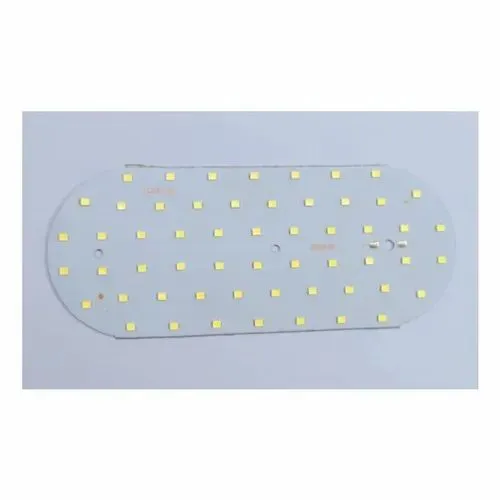
The economic advantage of purchasing 9W MCPCB LEDs in bulk versus individual units is a significant consideration for any project or business requiring these components. This section delineates the cost differences, provides strategic insights into when bulk purchasing becomes advantageous, and outlines typical price reductions associated with larger quantities.
The primary driver for reduced unit costs in bulk purchases is economies of scale. Manufacturers and suppliers are generally able to offer lower per-unit prices when fulfilling large orders due to reduced overhead, streamlined production, and logistical efficiencies. These savings are then passed on to the customer, making bulk procurement a financially prudent choice for projects with substantial LED requirements.
Conversely, individual unit purchases are suitable for smaller projects, prototyping, or testing. However, these come at a higher per-unit cost. The convenience and flexibility of buying single units often outweigh the price difference for smaller-scale applications.
| Purchase Quantity | Approximate Price per Unit | Total Cost | Suitability |
|---|---|---|---|
| 1-10 Units | $1.50 - $2.50 | $1.50 - $25.00 | Small projects, testing, prototyping |
| 100-500 Units | $0.80 - $1.20 | $80 - $600 | Medium-sized projects, small businesses |
| 1000+ Units | $0.40 - $0.70 | $400+ | Large-scale manufacturing, big projects |
Typical price drops can vary significantly based on supplier and volume, but discounts of 20-50% per unit are common when moving from small purchases to larger bulk orders. Planning for future projects and consolidating purchases where possible, is recommended, to take advantage of bulk purchase discounts.
To make the best purchasing decision, it's crucial to weigh the project's requirements against the bulk discount structure offered by your supplier. This involves accurately forecasting the volume needed for both current and near-future projects, and considering storage and handling constraints for bulk stock.
To effectively evaluate the cost of 9W MCPCB LEDs, a comparative analysis across various suppliers is essential. This table provides a structured overview, highlighting key differences in pricing, shipping costs, delivery times, and warranty policies to aid in informed decision-making.
| Supplier | Unit Price (USD) | Bulk Price (1000+ Units) (USD) | Shipping Cost (USD) | Delivery Time (Days) | Warranty (Months) | Notes |
|---|---|---|---|---|---|---|
| Supplier A | 1.20 | 0.95 | 5.00 | 3-5 | 12 | Standard quality |
| Supplier B | 1.50 | 1.10 | 7.50 | 5-7 | 18 | Higher lumen output |
| Supplier C | 1.10 | 0.85 | 6.00 | 4-6 | 12 | Good value, standard quality |
| Supplier D | 1.80 | 1.30 | 8.00 | 2-4 | 24 | Premium chips, fast delivery |
| Supplier E | 1.35 | 1.00 | 6.50 | 6-8 | 12 | Average quality |
This section addresses common queries regarding 9W MCPCB LEDs, providing clarity on pricing, functionality, and performance, and offers practical advice for buyers.
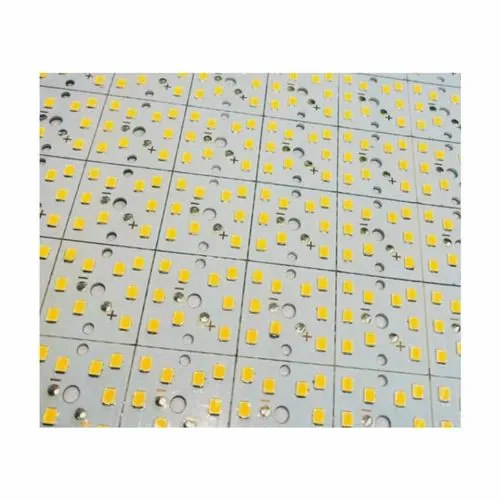
Selecting the appropriate 9W MCPCB LED requires careful consideration of both price and performance. A balance between cost and quality ensures optimal lighting performance and longevity. This section provides practical guidance to navigate the selection process effectively.
Understanding the mcpcb led 9w price requires a careful consideration of multiple factors, including material quality, supplier reputation, and purchase quantities. By using this guide, whether you're a manufacturer or hobbyist, you'll gain the knowledge needed to source 9W MCPCB LEDs at a competitive price while ensuring quality, bridging the gap between technological advancement and user application. Remember that informed decisions regarding the mcpcb led 9w price not only save you money but ensure the longevity and efficiency of your lighting products.

