Find Local PCB Board Manufacturers Near Me: A Comprehensive Guide
2025.01.02
In today's tech-driven world, printed circuit boards (PCBs) are the backbone of virtually every electronic device. From smartphones to medical equipment, PCBs enable the functionality we rely on daily. For engineers and businesses looking to prototype or manufacture these essential components, finding reliable and fast PCB board manufacturers near me is crucial. This article will guide you through the process of identifying the best local PCB fabrication and assembly services, ensuring your project gets the quality it needs. We will explore where to find PCB board manufacturers near me, and what factors are important in your selection, so let's get started!
Why Choose Local PCB Board Manufacturers?
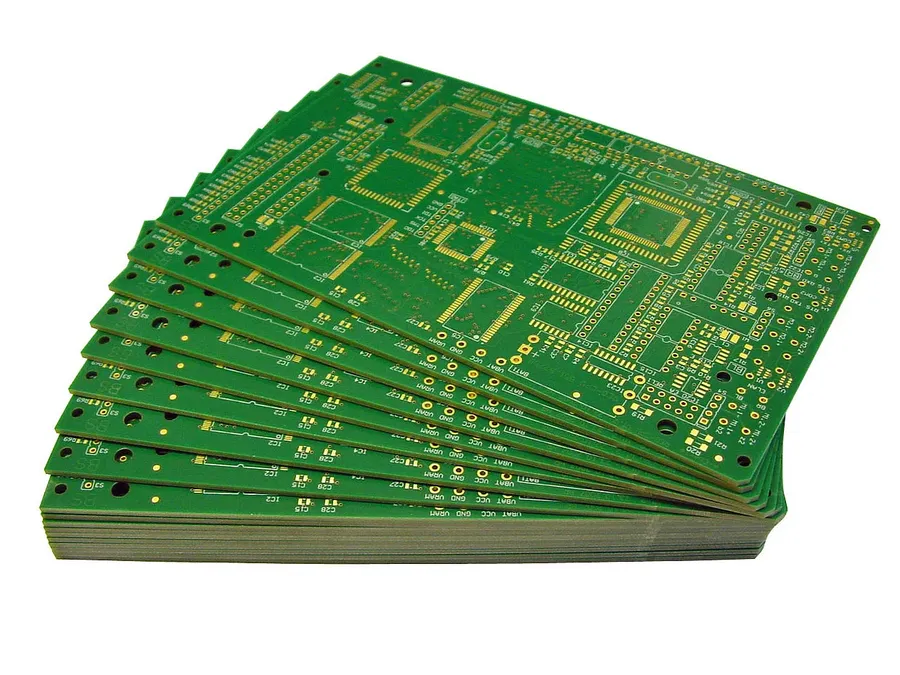
Printed Circuit Board
Opting for a local PCB (Printed Circuit Board) manufacturer offers several distinct advantages that can significantly impact the efficiency and cost-effectiveness of your project. These benefits primarily revolve around reduced lead times, enhanced communication, and minimized logistical complexities, all of which contribute to a more streamlined and responsive production process.
Faster Turnaround Times Local manufacturers often provide quicker turnaround times due to reduced shipping distances and streamlined internal processes. This allows for faster prototyping and production cycles, enabling quicker time-to-market for your products. This is especially critical for projects with tight deadlines or those requiring iterative design changes.
Improved Communication Working with a local manufacturer facilitates easier and more direct communication. This can lead to quicker problem resolution, better understanding of your specific requirements, and a more collaborative partnership. Face-to-face meetings or calls within similar time zones can greatly improve the design, manufacturing and validation process.
Reduced Shipping Costs Proximity to your manufacturer means lower shipping costs and potentially no international custom clearance delays. This can be especially beneficial for larger orders or ongoing production. Reduced freight costs can improve the overall cost efficiency for PCB production projects.
Enhanced Quality Control Local manufacturing enables easier onsite visits and more frequent inspections, allowing for better quality control and potentially fewer manufacturing defects. This proximity ensures issues can be addressed immediately and efficiently, minimizing delays and costs associated with defective PCBs.
Support for Local Economy Partnering with local PCB manufacturers supports your community's economy and promotes local job creation. This contribution has positive impacts on your company's brand and market positioning.
Key Factors to Consider When Choosing a Local PCB Manufacturer
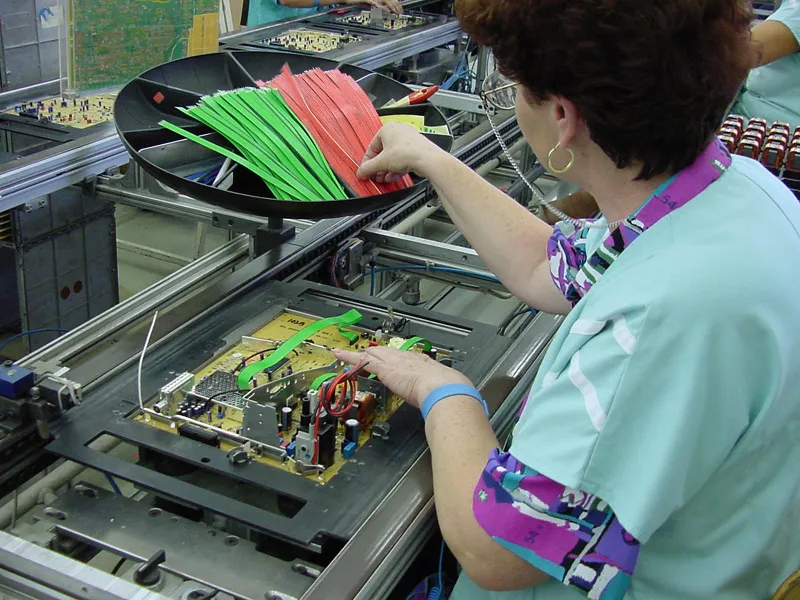
PCB Workshop
Selecting the right local PCB manufacturer is crucial for ensuring the quality and timely delivery of your printed circuit boards. This section details the key factors that should influence your decision, encompassing not just cost, but the comprehensive capabilities and support a manufacturer offers.
Factor
Description
Importance
Manufacturing Capabilities
Range of services offered, including PCB type (single-layer, multi-layer, flexible), assembly capabilities (SMT, through-hole), and special processes (e.g., impedance control, microvias).
Essential for matching your project requirements to the manufacturer's technical expertise and capacity.
Quality Control
The standards and procedures for ensuring PCB quality, including certifications (e.g., ISO 9001, IPC standards), inspection processes (AOI, X-ray), and material traceability.
Critical for reliability, performance, and long-term operational life of the PCBs.
Material Options
Availability of different PCB materials (FR-4, aluminum, Rogers, polyimide), material thickness options, and surface finish choices (HASL, ENIG, OSP).
Influences electrical properties, thermal performance, and environmental compatibility.
Price
Cost per board, tooling costs, and any other associated fees. Understanding the pricing structure and options for volume discounts.
A major consideration in the overall project budget; needs a balance between cost and quality.
Customer Support
Responsiveness to inquiries, availability of engineering assistance, ease of communication, and post-production support.
Vital for problem-solving and ensuring a smooth manufacturing process.
Turnaround Time
The time required from order placement to delivery of completed boards, including lead times for prototypes and production runs.
Important for meeting project deadlines, especially for time-sensitive projects.
Where to Find Local PCB Board Manufacturers
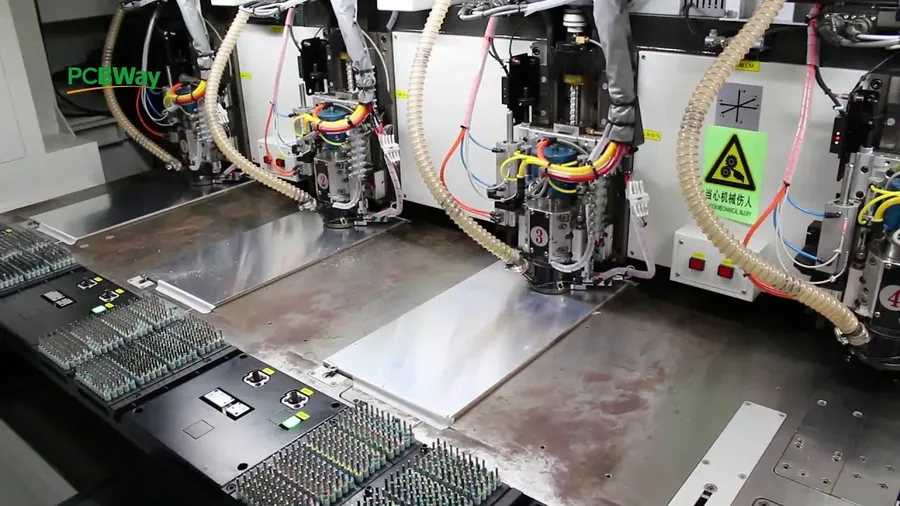
PCB Production Machines
Locating a suitable local PCB manufacturer is crucial for efficient and cost-effective prototyping and production. This section details several reliable methods for finding these manufacturers, ensuring you connect with the right partner for your needs. Utilizing a combination of online directories, professional networks, and search engines can significantly streamline the process.
Online PCB Directories Dedicated PCB directories like PCB Directory and ThomasNet host extensive listings of manufacturers. These platforms often allow filtering by location, services, and certifications, enabling you to narrow your search efficiently. They are typically comprehensive, offering detailed company profiles including capabilities, contact information, and customer reviews.
Professional Networking Sites LinkedIn can be used to search for PCB manufacturers by keywords, geographical area, and company size. This platform also allows you to view company profiles, connect with representatives, and often find reviews or industry insights. Using LinkedIn for targeted searches may also surface valuable professional connections with expertise in the PCB fabrication space.
Google Maps and Local Searches Google Maps provides a spatial representation of manufacturers, allowing you to locate facilities near your location. You can use local search terms like “PCB manufacturers near me,” and this will show the manufacturer on maps. This approach can uncover smaller, local firms that may not be as prominent on larger directories. This method allows the user to get familiar with the actual location of the facility.
Industry Associations Exploring industry associations such as the IPC (Association Connecting Electronics Industries) can provide a list of member manufacturers. These associations maintain high industry standards, thus assuring good quality manufacturers. The manufacturer's adherence to industry standards is an additional metric for evaluation.
Analyzing Local PCB Board Manufacturers: What to Look For
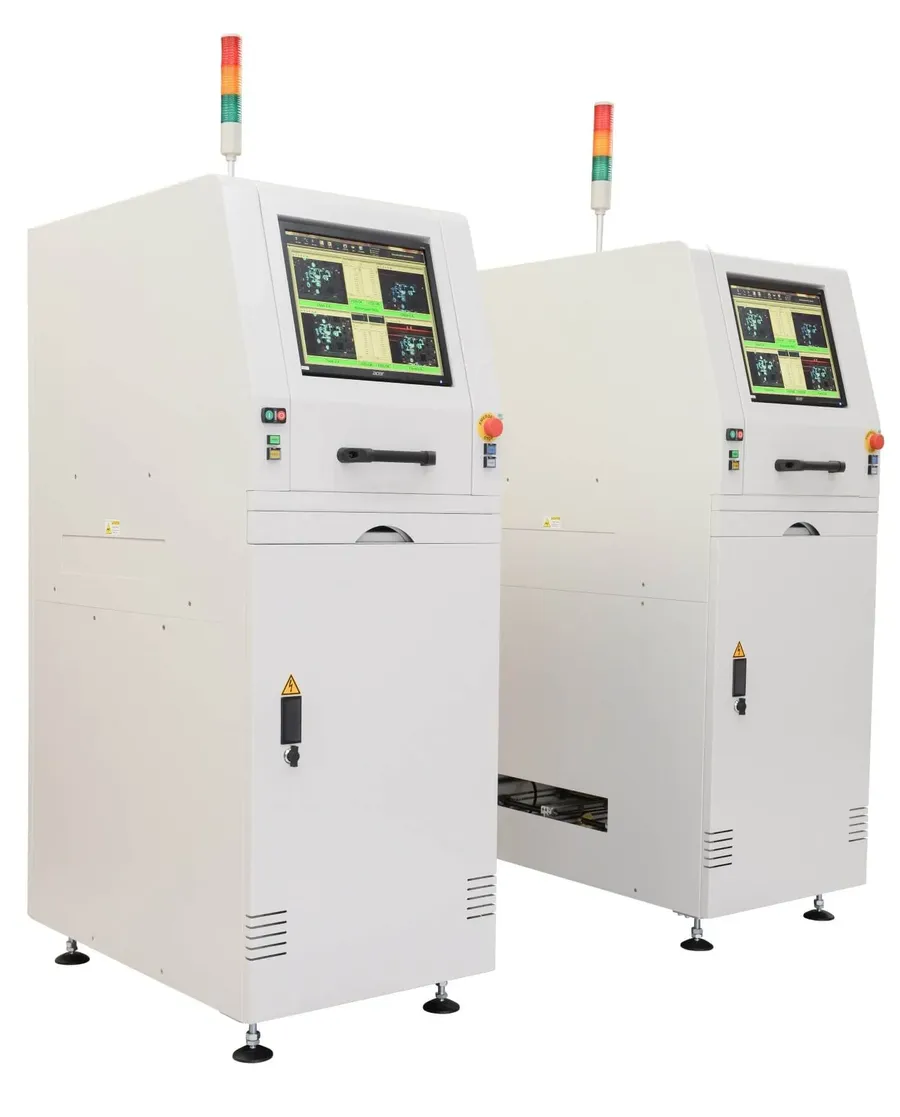
PCB Inspection Machine
Evaluating the capabilities of local PCB board manufacturers is crucial for ensuring the successful production of your electronic devices. This analysis should go beyond just price and consider a range of technical and operational factors that directly impact the quality, reliability, and timely delivery of your PCBs.
Factor
Description
Importance
Manufacturing Capabilities
Range of services offered (e.g., single-layer, multi-layer, flexible PCBs, rigid-flex PCBs); production volume capacity; specialized processes like blind and buried vias.
Determines if the manufacturer can meet the specific requirements of your design; crucial for complex and advanced designs.
Advanced Assembly Services
Capabilities for surface mount technology (SMT) and through-hole assembly; ability to handle fine-pitch components, Ball Grid Array (BGA) and other advanced packages; x-ray inspection services.
Important for designs with complex component types or high density placement.
Quality Control and Certifications
Adherence to industry standards (e.g., IPC); use of quality control measures at different stages of production; certifications like ISO 9001, ISO 14001, ISO 13485 (if applicable); testing capabilities (e.g., electrical testing, functional testing).
Ensures the reliability and performance of the PCBs, reducing the risk of defects.
Material Options
Availability of different materials (e.g., FR-4, Rogers, aluminum); knowledge of material properties and suitability for various applications; material certification or testing methods.
Crucial for the performance and reliability of the PCB under operating conditions; especially important in high-frequency applications and harsh environments.
Quick Turn Services
Ability to provide fast turnaround times for prototypes or urgent orders; streamlined process to quickly move from design to production; response times to communications.
Essential for testing design iterations quickly and for meeting tight deadlines.
Prototyping Services
Dedicated services and resources for producing prototypes; flexibility for design iterations; small batch production capabilities.
Essential for quickly testing and verifying designs before mass production.
Customer Support
Availability of technical support and design advice; responsiveness to queries and concerns; post-sales support and handling of issues.
Important for a smooth design and production process, addressing concerns and design challenges.
Pricing and Payment Terms
Transparent pricing structures, payment methods; understanding of any non recurring engineering fees (NRE); price comparisons for different order quantities and delivery times.
Ensures budget adherence and cost predictability.
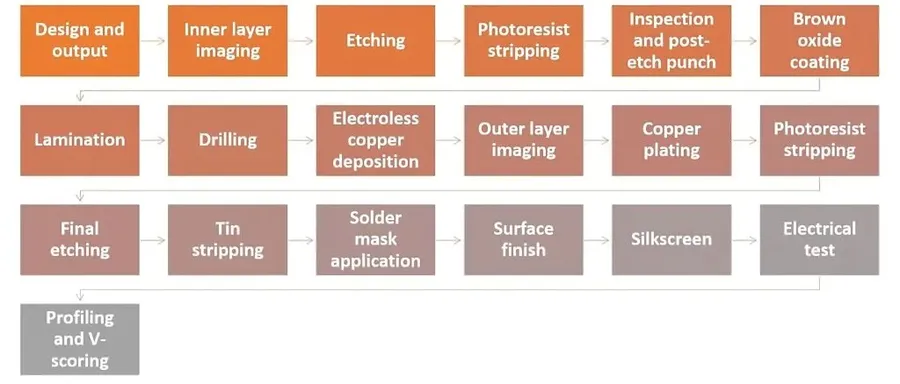
Understanding PCB Manufacturing Processes
PCB Manufacturing Process
The fabrication of Printed Circuit Boards (PCBs) involves several key manufacturing techniques, each suited to different design complexities and performance requirements. Understanding these processes is crucial for effective collaboration with PCB manufacturers and for optimizing your design for manufacturability.
Three primary methods dominate PCB assembly:
Surface Mount Technology (SMT) SMT involves placing components directly onto the surface of the PCB. This automated process utilizes solder paste and reflow ovens, enabling the mounting of small components. It's highly efficient for high-volume production, creating dense designs and allowing for smaller devices. SMT benefits include reduced manufacturing costs and increased production speed. The technique utilizes pick-and-place machines to position components with a high degree of accuracy.
Through-Hole Assembly Through-hole assembly requires components with leads inserted into holes drilled through the PCB. After component placement, they are soldered to the board. It is better for components that are subject to mechanical stress. This method is traditionally more robust than SMT but is less conducive to high-density designs and automated manufacturing. It is also more labor-intensive and costly compared to SMT for mass production.
Mixed Technology Mixed technology incorporates both SMT and through-hole components on the same PCB. This method leverages the advantages of both processes for complex boards. Mixed technology is useful in designs that require a combination of high-density surface-mounted components and robust through-hole components. It requires precise planning and execution, often involving multiple soldering stages.
Feature
Surface Mount Technology (SMT)
Through-Hole Assembly
Mixed Technology
Component Placement
Surface of PCB
Through holes in PCB
Combination of both
Assembly Method
Automated
Manual/Automated
Mix of both
Component Size
Small
Larger
Various sizes
Density
High
Lower
Medium to High
Cost
Generally Lower for high-volume
Generally Higher
Variable based on complexity
Mechanical Strength
Moderate
High
Moderate to High
Complexity
Suitable for complex design
Suitable for simple design
Suitable for complex design
Cost Considerations for PCB Board Fabrication
Bare PCB Board
The cost of PCB (Printed Circuit Board) fabrication is influenced by a multitude of factors, each contributing to the overall expense. Understanding these cost drivers is crucial for effective budgeting and design optimization. This section details these key parameters, providing a foundation for informed decision-making in your PCB manufacturing process.
Cost Factor
Description
Impact on Cost
Board Size
The physical dimensions of the PCB.
Larger boards require more material and processing, increasing costs.
Layer Count
The number of conductive layers within the PCB.
More layers increase manufacturing complexity and material usage, resulting in higher costs.
Material
The type of substrate material used (e.g., FR-4, Aluminum, Rogers).
Different materials have varying costs; high-performance or specialized materials are generally more expensive.
Complexity
The intricacy of the board design, including trace density, via count, and component placement.
More complex designs require advanced manufacturing processes and may have higher defect rates, raising costs.
Volume
The quantity of PCBs ordered.
Higher volumes generally result in lower per-unit costs due to economies of scale.
Surface Finish
The type of coating applied to the board's surface (e.g., HASL, ENIG, Immersion Silver).
More advanced finishes with better performance characteristics are often more costly.
Turnaround Time
The time required for PCB fabrication.
Faster turnaround times, such as quick-turn services, typically come with a premium.
Special requests will likely lead to additional charges.
Frequently Asked Questions About Local PCB Board Manufacturing
Navigating the landscape of PCB manufacturing can raise numerous questions. This section addresses common inquiries regarding local PCB board fabrication, offering clear and concise answers to help you make informed decisions. We'll cover aspects from lead times and design assistance to material availability, providing practical information for your project.
What is the typical lead time for PCB fabrication from a local manufacturer? Lead times for PCB fabrication vary based on complexity, quantity, and the manufacturer's current workload. Standard lead times range from a few days for simple prototypes to several weeks for complex, high-volume orders. Local manufacturers often offer faster turnaround times compared to overseas options due to proximity, streamlined logistics, and more direct communication channels.
Do local PCB board manufacturers offer design assistance? Many local PCB manufacturers provide design assistance, ranging from design rule checks (DRC) and design for manufacturability (DFM) reviews to complete design services. It's beneficial to choose a manufacturer that offers design support as it can significantly reduce errors and iterations, ensuring your design meets manufacturing requirements. This reduces the risk of delays and costly rework.
What types of PCB materials are commonly available from local manufacturers? Local PCB manufacturers offer a wide variety of PCB materials, including FR-4 (the most common), aluminum, polyimide, and Rogers materials. The availability of specific materials depends on the manufacturer's specialization and capabilities. It is essential to verify that the chosen manufacturer has the materials that match your project requirements for performance, cost and environmental conditions.
Can local manufacturers handle both prototype and production runs? Most local PCB manufacturers have the capability to manage both prototype and production volumes. This is a major advantage since you can ensure consistency by working with the same manufacturer from the design verification stage to final production, simplifying the process and reducing potential issues with changes between manufacturers.
What quality control measures do local PCB manufacturers typically implement? Quality control measures vary between manufacturers, but generally include Automated Optical Inspection (AOI), electrical testing, and impedance control. It is best practice to inquire about their specific quality protocols and certifications (e.g., ISO 9001) to ensure the delivered products are of the highest quality and consistent with industry standards.
What file formats are required for PCB manufacturing? The most commonly required files are Gerber files, which include all layer information, and a Bill of Materials (BOM), which lists all components required. It is advisable to also include a drill file and centroid file for placement. It is crucial that these files are accurate to prevent errors and delays during the manufacturing process. Consulting with the manufacturer ahead of submission is advised for optimal file preparation.
Are there any restrictions or limitations in manufacturing complex PCB designs locally? While most manufacturers can handle complex PCB designs with advanced features like blind/buried vias, microvias, and high layer counts, there might be certain limitations based on their equipment and expertise. It is advised to communicate design specifics ahead of time and verify their capabilities to handle your requirements. Choosing a manufacturer with a solid track record in complex fabrication will help reduce risks of production issues.
How to Prepare Your PCB Design for Manufacturing
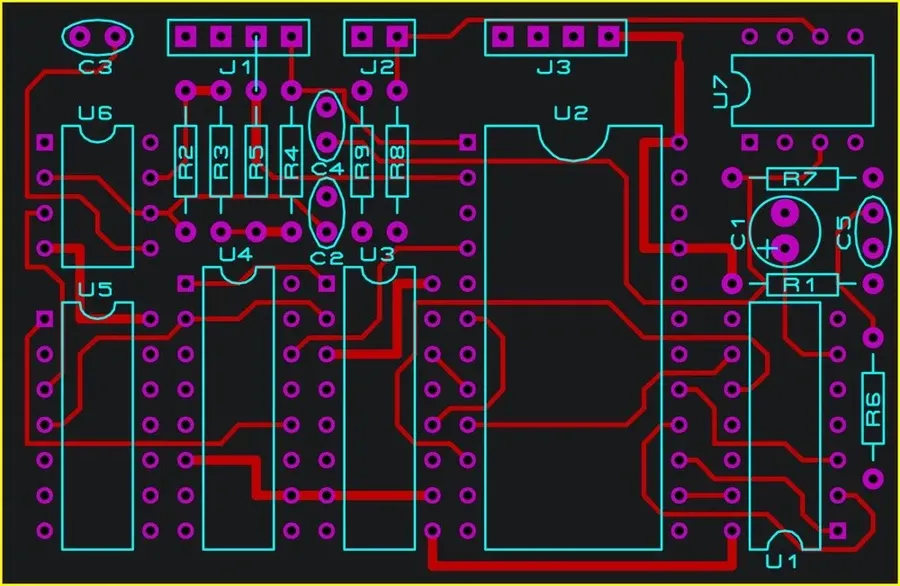
PCB Layout Design
Proper preparation of your PCB design is paramount for a smooth and accurate manufacturing process. This involves creating comprehensive documentation and adhering to industry-standard formats, enabling manufacturers to translate your design into a physical board effectively. Neglecting these steps can lead to delays, errors, and increased costs.
Gerber Files Gerber files are the industry-standard format for PCB design data. They represent each layer of your PCB (copper layers, silkscreen, solder mask, etc.) as vector images. Accurate and complete Gerber files are crucial for manufacturing. Ensure you include all layers required for your board's construction.
Bill of Materials (BOM) The BOM is a comprehensive list of all components required to assemble your PCB. This should include specific part numbers, manufacturer information, package types, and quantities. An accurate BOM is essential for component procurement and assembly.
Centroid Data (Pick and Place File) This file specifies the X, Y location and rotation of each component on the PCB. It’s used by automated assembly machines to accurately place components. The file format is generally a simple text or CSV file that can be read by assembly equipment.
Drill Files Drill files contain the location and size of all drilled holes on the PCB, including via holes and mounting holes. Accurate drill files ensure proper mechanical alignment and electrical connections. It's crucial to differentiate between plated and unplated through-hole drills.
Fabrication Drawings Fabrication drawings provide key mechanical specifications for your PCB, including board dimensions, layer stackup details, critical hole locations, and any special manufacturing requirements. This is a visual representation of the board's overall specifications and is essential for ensuring that the physical board is constructed as per your requirements.
Special Instructions or Notes Include any special manufacturing requirements or design notes. This could involve special material specifications, impedance control requirements, test point locations, and critical tolerances. Clear instructions will help avoid errors and ensure you get what you need.
Board Outline The board outline needs to be clearly defined within the Gerber files, typically on the copper layers. It is critical that the outline is dimensionally accurate since this is used for panelization, which enables the most effective use of manufacturing resources. Ensure the board outline is closed and properly defines the intended shape.
Finding the right PCB board manufacturers near me is crucial for the success of any electronics project. By understanding the benefits of local manufacturers, considering essential factors like capabilities and costs, and utilizing the right resources, you can locate a reliable partner for your PCB fabrication needs. Remember to prioritize manufacturers that offer the specific services and quality you need for your project. Start searching for a PCB board manufacturers near me, and good luck with your project!