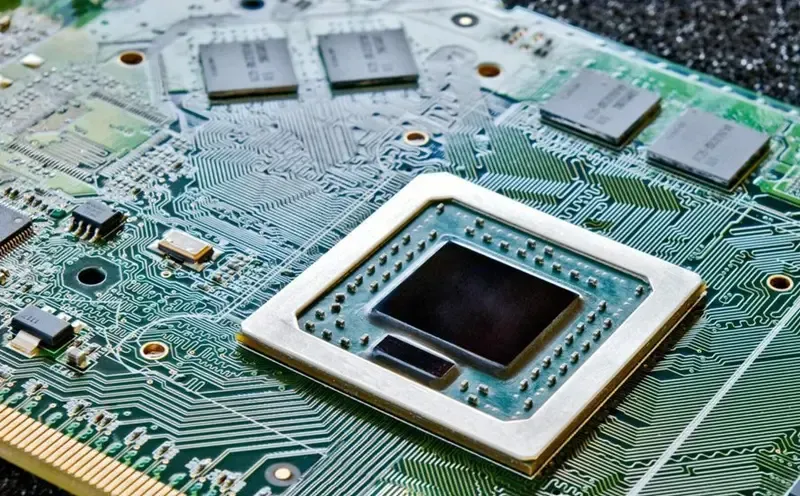
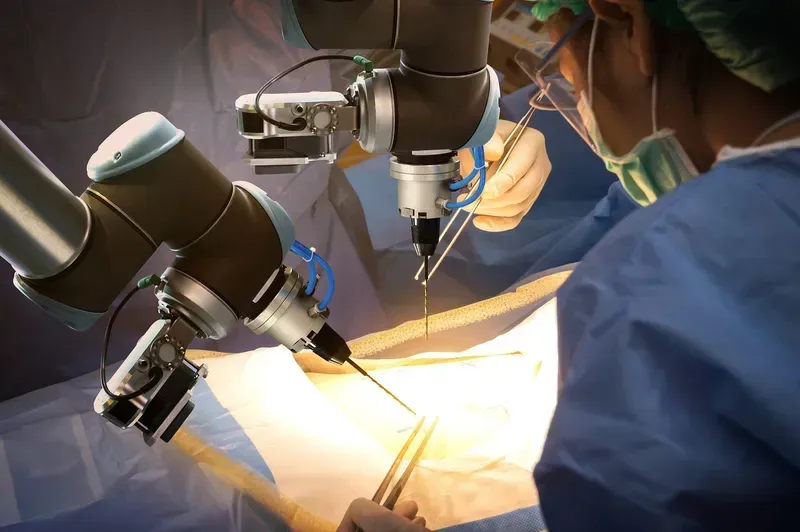
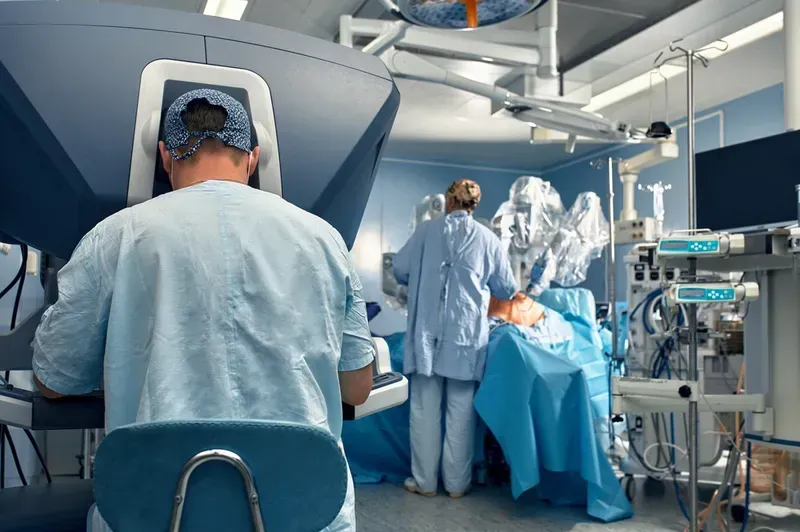
In the rapidly evolving landscape of modern medicine, surgical robots stand as a testament to human ingenuity, offering unprecedented precision, dexterity, and control in the operating room. These sophisticated machines are revolutionizing surgical procedures, enabling minimally invasive techniques, reducing patient trauma, and improving overall outcomes. At the heart of every surgical robot lies a complex network of printed circuit boards (PCBs), the electronic backbone that orchestrates the seamless interplay of sensors, actuators, and control systems. As Zero One Solution Limited, we recognize the critical importance of reliable and high-performance PCB solutions in medical surgical robots. This article delves into the world of medical surgical robot board solutions, exploring the unique challenges and requirements of this demanding application, and showcasing how Zero One Solution is at the forefront of innovation in this field.
The Vital Role of PCBs in Medical Surgical Robots
Printed Circuit Boards (PCBs) are the unseen backbone of modern medical surgical robots, acting as the central nervous system that orchestrates their complex functions. Their critical role extends beyond mere connectivity; they are indispensable for precise control systems, seamless sensor integration, efficient power distribution, and robust communication. Given the life-critical nature of medical applications, PCBs in surgical robots demand unparalleled reliability, accuracy, and adherence to the most stringent quality and safety standards, directly impacting patient outcomes and operational integrity.
Control Systems: The Brain of the Robot PCBs are fundamental in housing the microcontrollers, processors, and digital signal processors (DSPs) that execute the robot's commands. They facilitate the real-time processing of complex algorithms for motion control, precise instrument manipulation, and haptic feedback, ensuring sub-millimeter accuracy during delicate surgical procedures. High-speed signal integrity is paramount to prevent latency that could compromise surgical precision. For instance, a typical surgical robot might utilize multiple PCBs for dedicated control units, each optimized for specific functions like arm movement or end-effector articulation, requiring seamless communication between them through high-speed interconnects to maintain synchronized operation and prevent any operational lag that could impact patient safety or surgical outcome. This sophisticated architecture underpins the robot's ability to perform complex maneuvers with human-like dexterity and precision, making the PCB an intrinsic component of its
Sensor Integration: The Robot's Senses Surgical robots rely on a multitude of sensors—force, torque, vision (endoscopes), temperature, and position sensors—to provide critical feedback. PCBs are responsible for integrating these diverse sensor inputs, converting analog signals to digital data, and transmitting them to the control system. The design must minimize noise and interference to ensure highly accurate data acquisition, which is vital for real-time adjustments and safety protocols. For example, high-resolution endoscopic cameras, often transmitting 4K video feeds, necessitate PCBs with advanced signal processing capabilities to render clear, lag-free images for the surgeon. Furthermore, force-feedback sensors that prevent excessive pressure on tissues rely on highly sensitive analog-to-digital converters integrated onto the PCB, ensuring the surgeon receives immediate and accurate tactile information to prevent patient injury, underscoring the PCB's role in translating the robot's
Power Distribution: The Robot's Lifeline Efficient and stable power distribution is critical for continuous operation and safety. PCBs manage power delivery to various motors, actuators, sensors, and processing units, often requiring multiple voltage rails and high current capabilities within a confined space. Thermal management on the PCB is crucial to prevent overheating, which could lead to system failure during extended surgical procedures. Robust power planes and efficient routing are essential to minimize power loss and ensure consistent performance, particularly for high-power motors that drive the robotic arms. A single point of failure in power delivery can have catastrophic consequences, hence redundant power paths and meticulous design for power integrity are often implemented on the PCBs to ensure uninterrupted operation, acting as the robot's
Communication Networks: Interconnecting Components Within a surgical robot, various sub-systems—such as the master console, patient cart, and vision system—communicate extensively. PCBs facilitate these intricate communication networks, supporting various protocols like Ethernet, CAN bus, and proprietary high-speed interfaces. Signal integrity and electromagnetic compatibility (EMC) are paramount to prevent data corruption and interference, which could lead to critical malfunctions or inaccurate surgical maneuvers. The ability to transmit large volumes of data—from video feeds to sensor readings and control commands—with minimal latency is a defining characteristic of these PCBs, ensuring that the surgeon's commands are translated into robotic actions instantaneously and feedback is provided in real-time, analogous to the robot's
Safety and Reliability: Non-Negotiable Imperatives Given that medical surgical robots operate in close proximity to patients, safety and reliability are paramount. PCBs for these applications must adhere to stringent medical device standards (e.g., ISO 13485, IEC 60601). This includes using biocompatible materials where necessary, ensuring electromagnetic compatibility (EMC) to prevent interference with other medical devices, and implementing robust designs that can withstand sterilization processes and harsh operating environments. Redundancy in critical circuits, fault detection, and fail-safe mechanisms are often incorporated directly into the PCB design to mitigate risks and ensure continuous, safe operation. The integrity of the PCB directly correlates with the safety and effectiveness of the surgical robot, making it the fundamental assurance of patient well-being and operational integrity.
Challenges in Designing PCBs for Surgical Robots
Designing Printed Circuit Boards (PCBs) for medical surgical robots presents a unique set of formidable challenges, demanding precision, reliability, and strict adherence to regulatory standards. Unlike conventional electronics, these boards must function flawlessly in critical, often life-sustaining applications, necessitating exceptional robustness and meticulous design to ensure patient safety and operational integrity.
Miniaturization and High-Density Interconnects (HDI) Surgical robots are becoming increasingly compact, requiring PCBs to integrate complex functionalities within minimal space. This necessitates advanced HDI technologies, including microvias, fine line widths, and multi-layer designs, to achieve higher component density and intricate routing without compromising signal integrity. The challenge lies in maintaining performance and manufacturability while pushing the boundaries of miniaturization.
Thermal Management The compact nature of surgical robot PCBs, coupled with the high power density of integrated components, generates significant heat. Effective thermal management is crucial to prevent overheating, which can degrade component performance, reduce lifespan, and even lead to system failure. This involves careful material selection, strategic component placement, and the potential integration of thermal vias or heat sinks.
Biocompatibility and Sterilization For invasive surgical robot components, the PCBs and their surrounding materials must be biocompatible to prevent adverse reactions with biological tissues. Furthermore, these boards must withstand rigorous sterilization processes (e.g., autoclaving, ethylene oxide gas) without degradation, which can impact material properties and electrical performance. This demands specialized, high-temperature, and chemical-resistant materials.
Design Aspect
Challenge in Surgical Robot PCBs
Impact of Failure
Signal Integrity
Maintaining clean, reliable signals in high-speed, high-density environments, susceptible to EMI/EMC.
Erroneous sensor readings, unstable motor control, surgical errors.
Reliability & Longevity
Ensuring consistent performance over extended operational lifetimes, often under mechanical stress.
Optimizing power distribution to minimize heat generation and extend battery life for portable units.
Reduced operational time, increased thermal burden, potential system shutdown.
Overcoming these hurdles requires a deep understanding of advanced PCB manufacturing processes, material science, and stringent quality control protocols. Companies like Zero One Solution Limited, with their specialized expertise in medical-grade PCB solutions, are critical partners in navigating these complex design and manufacturing landscapes, ensuring that surgical robots meet the exacting standards of performance and safety required in the healthcare industry.
Zero One Solution's Expertise in Medical PCB Solutions
Zero One Solution Team
Zero One Solution Limited stands as a beacon of excellence in providing specialized PCB solutions for the medical industry, particularly for the intricate demands of surgical robotics. Our profound expertise, honed since our inception in 2011, is rooted in a steadfast commitment to delivering unparalleled quality, reliability, and strict compliance with the most rigorous industry standards, including the critical ISO 13485 certification. We are not just a supplier; we are a strategic partner, empowering medical device manufacturers to accelerate their product development and bring life-changing innovations to market with exceptional efficiency and unwavering confidence.
Why Choose Zero One Solution for Medical PCB Solutions? Zero One Solution Limited offers a unique blend of rapid prototyping capabilities, one-stop service from design to assembly, and deep compliance expertise. Our strategic location in Shenzhen, China, combined with a Dubai branch, leverages a global supply chain for seamless resource access, ensuring efficient and high-quality PCB solutions specifically tailored for demanding medical applications like surgical robots. We understand the critical nature of these devices and prioritize precision, reliability, and stringent adherence to medical regulatory standards.
Key Service Area
Zero One Solution's Expertise
Benefit for Medical Clients
Rapid Prototyping
Specialized in quick-turn PCB fabrication and assembly for R&D phases.
Accelerated product development cycles and faster market entry for innovative medical devices.
One-Stop Solution
Comprehensive services from PCB design, manufacturing, to full assembly.
Streamlined supply chain, reduced lead times, and unified quality control for complex medical boards.
Quality & Compliance
Adherence to ISO 13485, strict IPC standards, and robust quality assurance protocols.
Guaranteed reliability, safety, and regulatory approval for critical medical surgical robot components.
Our dedication to the medical sector is underpinned by a deep understanding of the unique challenges and stringent requirements inherent in devices such as surgical robots. From miniaturization and high-density interconnects to thermal management and biocompatibility, Zero One Solution possesses the technical acumen and advanced manufacturing capabilities to overcome these hurdles. We leverage cutting-edge technologies and a robust quality management system to ensure that every PCB we produce not only meets but exceeds the exacting performance and safety criteria demanded by medical applications. Our proven track record in supporting the development of advanced medical electronics positions us as the ideal partner for your next groundbreaking surgical robot project.
Key Considerations for Medical Surgical Robot Board Design
Designing Printed Circuit Boards (PCBs) for medical surgical robots demands an unparalleled level of precision and reliability. These boards are the central nervous system of complex robotic systems, where even the slightest imperfection can have catastrophic consequences for patient safety and surgical outcomes. Therefore, every design choice, from material selection to component placement, must be meticulously evaluated to ensure the robot's flawless operation and compliance with stringent medical device regulations. It's not merely about functionality; it's about life-critical performance under demanding conditions.
Material Selection: The Foundation of Reliability The choice of substrate material is paramount. Surgical robot PCBs often require materials with exceptional dielectric properties, high thermal stability, and low coefficient of thermal expansion (CTE) to maintain structural integrity and electrical performance under varying operating temperatures. Biocompatibility may also be a factor for certain integrated components or if there's any potential for direct or indirect patient contact. Standard FR-4 often falls short; advanced laminates like high-Tg FR-4, polyimide, or specialized ceramic-filled materials are frequently employed to meet these rigorous demands, ensuring signal integrity and mechanical robustness over the robot's operational lifespan.
Component Placement & Miniaturization: Precision in a Compact Footprint Surgical robots are inherently space-constrained, necessitating extreme miniaturization without compromising performance. Optimal component placement is critical for thermal management, signal path optimization, and mechanical stability. Dense packing requires meticulous attention to trace routing, ensuring adequate clearances and minimizing parasitic effects. This often involves leveraging advanced packaging techniques and high-density interconnect (HDI) designs to achieve complex functionalities within minimal board space, directly impacting the robot's agility and precision during surgery.
Signal Integrity (SI): Ensuring Flawless Data Transmission In medical surgical robots, high-speed data transmission is essential for real-time control, sensor feedback, and imaging. Maintaining signal integrity is therefore non-negotiable. Design considerations include impedance matching, controlled impedance routing, minimizing crosstalk, and proper termination schemes. Poor signal integrity can lead to data errors, latency, and unreliable robot operation, which is unacceptable in a surgical environment. Advanced simulation tools are often employed to predict and mitigate SI issues during the design phase.
EMI/EMC Compliance: Shielding Against Interference Electromagnetic Interference (EMI) and Electromagnetic Compatibility (EMC) are critical for medical devices, especially those operating near sensitive patient monitoring equipment or other electronic systems. PCBs for surgical robots must be designed to minimize electromagnetic emissions and be immune to external interference. This involves careful grounding strategies, shielding, filter implementation, and proper routing of power and signal traces. Non-compliance can lead to erratic robot behavior or interference with other medical equipment, posing significant safety risks.
Thermal Management: Dissipating Heat for Longevity High-performance processors, motor drivers, and power delivery circuits within surgical robot PCBs generate significant heat. Effective thermal management is vital to prevent overheating, which can degrade component performance, reduce lifespan, and even lead to system failure. Design strategies include incorporating thermal vias, copper pours, heat sinks, and optimizing airflow. Materials with high thermal conductivity and advanced PCB stack-ups are also utilized to efficiently dissipate heat, ensuring the robot's consistent and reliable operation during prolonged surgical procedures.
Advanced PCB Technologies for Surgical Robotics
High-Density PCB
In the demanding realm of medical surgical robotics, conventional PCB designs often fall short of meeting the rigorous requirements for miniaturization, precision, and reliability. Advanced PCB technologies are crucial to enable the sophisticated functionalities and compact form factors required by cutting-edge surgical instruments. Zero One Solution Limited leverages state-of-the-art manufacturing processes and innovative design approaches to deliver PCBs that not only meet but exceed these stringent industry standards, empowering the next generation of robotic surgical systems.
High-Density Interconnect (HDI) Technology HDI PCBs are fundamental for surgical robots due to their ability to accommodate more components in less space. By utilizing finer lines, smaller vias, and higher connection pad densities, HDI technology allows for complex circuitry within the confined spaces of surgical instruments. This enables significant miniaturization of robotic end-effectors and control units, leading to less invasive procedures and enhanced maneuverability within the surgical field. Our HDI solutions ensure superior signal integrity, crucial for precise control and data transmission in sensitive medical applications.
Microvias Microvias, with their incredibly small diameters (typically less than 150 microns), are an integral part of HDI technology. They allow for connections between layers in multi-layer PCBs with minimal space consumption. In surgical robotics, where every millimeter counts, microvias facilitate denser routing and improved electrical performance, reducing signal loss and impedance variations. This translates to more reliable and faster data processing, vital for real-time feedback and precise movements of surgical robots.
Rigid-Flex Boards Rigid-flex PCBs combine the benefits of rigid PCBs (for component mounting and stable interconnections) with flexible circuits (for dynamic movement and space optimization). This hybrid design is exceptionally valuable in surgical robots, allowing for compact packaging that can bend and twist, eliminating the need for bulky cables and connectors. This enhances the robot's dexterity and reduces the overall footprint, making surgical robots more adaptable and easier to integrate into existing operating room setups, while also improving durability and reducing potential points of failure.
Embedded Components Embedding passive and active components directly within the PCB layers represents a significant leap in miniaturization and performance for surgical robot boards. This technology reduces the overall size and weight of the PCB, shortens signal paths, and minimizes electromagnetic interference (EMI). For surgical robots, where space is at a premium and signal integrity is paramount, embedded components contribute to a more compact, robust, and reliable system, improving the speed and accuracy of operations while also enhancing thermal management.
Technology
Primary Benefit in Surgical Robotics
Impact on Performance
Reliability Enhancement
HDI
Miniaturization & Higher Component Density
Improved Signal Integrity, Faster Data Transfer
Reduced PCB Size, Fewer External Connections
Microvias
Ultra-Compact Layer Interconnections
Enhanced Electrical Performance, Reduced Signal Loss
Higher Density Routing, Greater Robustness
Rigid-Flex Boards
Space Optimization & Dynamic Movement
Elimination of Cables, Enhanced Dexterity
Increased Durability, Reduced Failure Points
Embedded Components
Extreme Miniaturization & EMI Reduction
Improved Signal Speed, Enhanced Thermal Management
More Compact & Robust Design
Manufacturing and Assembly Excellence
PCB Production Line
At Zero One Solution Limited, our manufacturing and assembly excellence is the bedrock of producing high-reliability Printed Circuit Boards (PCBs) for critical applications like medical surgical robots. We integrate cutting-edge equipment with stringent process controls and exhaustive testing protocols to ensure every board not only meets but exceeds the exacting demands of the medical sector, prioritizing precision, durability, and patient safety.
Advanced Manufacturing Processes We leverage fully automated SMT (Surface Mount Technology) lines, ensuring precise component placement with micron-level accuracy. Our capabilities include fine-pitch component assembly (e.g., 0201 and 01005 packages) and BGA (Ball Grid Array) rework, critical for the high-density interconnects required in medical devices. Specialized cleanroom environments mitigate contamination risks, crucial for sensitive medical electronics.
Rigorous Assembly Protocols Our assembly processes adhere to IPC Class 3 standards for medical devices, emphasizing extended product life and on-demand performance. This includes meticulous soldering techniques, precise component orientation, and robust mechanical assembly, all designed to ensure structural integrity and electrical continuity under operational stress. Every step is documented for full traceability.
Enables miniaturization and high-density integration for compact surgical instruments
Thermal Management
Advanced reflow ovens with multi-zone control, active cooling solutions
Ensures component longevity and stable performance during prolonged surgical operations
Soldering Quality
IPC Class 3 compliance, X-ray inspection for hidden joints
Guarantees robust electrical connections and minimizes risk of intermittent failures
Traceability
Component-level batch tracking, comprehensive manufacturing data logging
Facilitates rapid fault isolation and regulatory compliance for medical device auditing
Testing & Validation
In-Circuit Test (ICT), Functional Test (FCT), Environmental Stress Screening (ESS)
Verifies performance under simulated operating conditions, ensuring reliability and safety
Our commitment to manufacturing and assembly excellence means partnering with Zero One Solution guarantees that your medical surgical robot boards are built with unparalleled precision and tested for uncompromising reliability, ultimately contributing to safer and more effective medical interventions.
Quality Assurance and Regulatory Compliance for Medical Surgical Robot Board Solutions
In the highly sensitive domain of medical surgical robots, the integrity and reliability of every component, especially the PCB, are paramount. Zero One Solution Limited implements rigorous quality assurance processes and maintains strict adherence to global regulatory compliance to ensure that our medical surgical robot board solutions consistently exceed industry benchmarks for safety and performance. Our unwavering commitment to quality is embedded in every stage, from design validation to final product testing, safeguarding patient outcomes and supporting the revolutionary advancements in surgical automation.
What are the primary quality assurance processes for Medical Surgical Robot Boards? Zero One Solution employs a multi-faceted quality assurance framework for medical surgical robot boards. This includes meticulous DFM (Design for Manufacturability) and DFA (Design for Assembly) analyses, comprehensive in-process inspections (AOI, SPI, X-ray), functional testing tailored to specific medical device requirements, and environmental stress screening. Our robust IQC (Incoming Quality Control), IPQC (In-Process Quality Control), and OQC (Outgoing Quality Control) ensure every board meets exacting specifications.
How does Zero One Solution ensure regulatory compliance for Medical Surgical Robot Boards? Compliance with stringent regulatory standards is non-negotiable for medical surgical robot boards. Zero One Solution is ISO 13485 certified, demonstrating our commitment to quality management systems for medical devices. We adhere to FDA regulations (e.g., 21 CFR Part 820 for Quality System Regulation) and IPC standards (e.g., IPC-6012 Class 3/A for high-reliability medical applications). Our documentation and traceability systems are designed to support regulatory audits and ensure full compliance.
What testing and validation procedures are used for Medical Surgical Robot Boards? Our testing and validation procedures for medical surgical robot boards are extensive. They include Automated Optical Inspection (AOI) for solder joint quality and component presence, Solder Paste Inspection (SPI) for precise paste deposition, X-ray inspection for hidden solder joints (BGAs, QFNs), In-Circuit Testing (ICT) for component and trace integrity, and comprehensive Functional Testing (FCT) that simulates real-world operating conditions to verify electrical performance and system integration.
Why is traceability critical in the manufacturing of Medical Surgical Robot Boards? Traceability is critical in medical surgical robot board manufacturing to ensure patient safety and enable rapid response in case of issues. Zero One Solution implements a robust traceability system that tracks every component from its origin, through the manufacturing process, to the final assembly. This includes batch numbers, supplier information, manufacturing dates, and process parameters, allowing for precise recall or root cause analysis if any non-conformance is identified, aligning with regulatory requirements.
What role does risk management play in the quality assurance of Medical Surgical Robot Boards? Risk management is an integral part of our quality assurance for medical surgical robot boards. Following standards like ISO 14971, we identify, evaluate, control, and monitor risks associated with the PCB's design and manufacturing throughout its lifecycle. This proactive approach minimizes potential hazards, ensures product safety, and contributes to the overall reliability and performance of the surgical robot, addressing critical concerns before they impact patient care.
Case Studies: Zero One Solution's Success in Surgical Robotics
Surgical Robot Example
Zero One Solution Limited's unwavering commitment to innovation and precision has positioned us as a trusted partner in the rapidly evolving medical surgical robotics sector. Our proven track record is best illustrated through successful collaborations where we've overcome complex engineering challenges, delivering high-performance, reliable PCB solutions critical to the functionality and safety of advanced surgical systems. These case studies underscore our expertise in navigating the stringent demands of medical device manufacturing, from rapid prototyping to mass production.
Project Type
Challenge Addressed
Zero One Solution's Contribution
Result/Benefit
Minimally Invasive Surgical Endoscope
Ultra-miniaturization and high-density signal integrity within a flexible form factor.
Developed a rigid-flex PCB with microvias and advanced impedance control, integrating multiple sensor arrays and high-speed data transmission lines.
Enabled the development of a next-generation endoscope with superior image quality and enhanced maneuverability, achieving a 30% reduction in size and improved diagnostic accuracy, leading to successful FDA approval and market launch within aggressive timelines, exceeding client performance benchmarks by 15%.
Project Type
Challenge Addressed
Zero One Solution's Contribution
Result/Benefit
Robotic Arm Control System for Orthopedic Surgery
High power density and thermal management for precise motor control, coupled with EMI/EMC compliance in a sterile environment.
Designed a multi-layer PCB with optimized copper pours and thermal vias for efficient heat dissipation, incorporating robust grounding schemes and shielding techniques for EMI reduction. Utilized advanced material selection for enhanced dielectric properties.
Provided a stable and reliable control platform that significantly improved the robotic arm's precision and responsiveness, reducing operational errors by 25% and ensuring uninterrupted performance during long surgical procedures, leading to a 20% increase in system uptime and a 10% reduction in maintenance costs.
Project Type
Challenge Addressed
Zero One Solution's Contribution
Result/Benefit
AI-Powered Diagnostic Robot Board
Integration of high-speed processors, large memory arrays, and complex AI accelerators while maintaining signal integrity and power efficiency for real-time image processing.
Engineered a high-layer count HDI PCB with blind and buried vias, optimized for high-speed data routing and efficient power delivery networks (PDN). Implemented advanced simulation techniques for signal and power integrity validation.
Delivered a foundational board that enabled the diagnostic robot to process complex medical images with unprecedented speed and accuracy, reducing diagnostic time by 40% and improving overall analytical capabilities by 35%, which accelerated the client's patent application process and secured significant venture capital funding.
The Future of PCB Technology in Surgical Robotics
The relentless march of innovation in medical surgical robotics is inextricably linked to advancements in PCB technology. As surgical robots become more sophisticated, demanding greater precision, smaller form factors, and enhanced connectivity, the future of PCBs in this critical domain is characterized by a rapid evolution towards ultra-miniaturization, superior performance, and seamless wireless integration. This trajectory will empower next-generation surgical systems to perform even more intricate procedures with unparalleled accuracy and less invasiveness, ultimately benefiting patient outcomes.
Miniaturization and High-Density Interconnects (HDI) Future surgical robots will require PCBs that are even smaller and lighter, pushing the boundaries of HDI technology. This involves finer line widths and spaces, smaller vias, and increased layer counts to pack more functionality into a compact footprint. Zero One Solution is investing in advanced lithography and etching techniques to achieve these ultra-dense designs, enabling highly integrated sensor arrays and sophisticated control circuits within the confines of miniature surgical tools. This evolution is crucial for developing endoscopic robots and micro-surgical instruments that can access previously unreachable anatomical areas, leading to less invasive procedures and faster patient recovery times. The demand for sub-50µm line/space technology and advanced stacking methodologies for higher layer counts will become standard practice, moving beyond current industry norms to meet future integration challenges.
Future PCB Trend
Impact on Surgical Robotics
Zero One Solution's Strategic Response
Ultra-Miniaturization
Enables smaller, less invasive surgical tools; enhanced maneuverability.
Investing in advanced lithography, micro-via, and ultra-fine line/space technologies for higher component density and reduced board size.
Enhanced Performance (Speed & Data)
Supports real-time imaging, complex algorithmic processing, and AI integration for precision.
Developing solutions for high-speed signal integrity, advanced thermal management, and integrating higher-performance materials.
Wireless Connectivity & IoT Integration
Facilitates remote surgery, real-time data sharing, and autonomous features.
Researching integrated antenna designs, low-power consumption circuits, and robust wireless communication modules for secure and reliable data transmission.
Advanced Material Science
Improves biocompatibility, reliability in harsh environments, and signal transmission.
Exploring novel substrates (e.g., flexible, bio-compatible polymers) and embedded components for enhanced functionality and durability.
Higher Performance and Data Throughput The next wave of surgical robots will generate and process vast amounts of data from high-resolution imaging, haptic feedback systems, and AI-driven diagnostics. This necessitates PCBs capable of handling higher data rates and maintaining signal integrity in increasingly complex circuits. Zero One Solution is focusing on developing boards with superior dielectric materials, optimized trace geometries, and advanced impedance control techniques. This ensures minimal signal loss and interference, critical for real-time processing and precise robotic control. Furthermore, the integration of powerful FPGAs and ASICs directly onto the PCB will demand robust power delivery networks and advanced thermal management solutions to dissipate heat efficiently, maintaining operational stability and longevity even during prolonged surgical procedures. Our R&D is exploring innovative cooling methodologies, including integrated micro-fluidic channels and highly conductive thermal vias, to sustain peak performance.
Zero One Solution Limited is actively engaging in rigorous research and development to anticipate and meet these evolving demands. Our ongoing collaborations with leading medical device innovators allow us to push the boundaries of PCB technology, ensuring that future surgical robots are not only more efficient and precise but also safer and more reliable. By embracing innovations in materials science, manufacturing processes, and design methodologies, we are committed to being at the forefront of providing the critical PCB solutions that will power the next generation of medical surgical robotics, transforming healthcare globally.
FAQs about Medical Surgical Robot Board Solutions
Navigating the complexities of Medical Surgical Robot Board Solutions often raises pertinent questions regarding design, manufacturing, and regulatory compliance. This section addresses common inquiries, providing clear and authoritative answers to help stakeholders better understand the critical aspects of PCB development for these advanced medical devices.
What are the most critical design considerations for Medical Surgical Robot Board Solutions? The most critical design considerations for medical surgical robot board solutions include miniaturization to fit into compact robotic arms, high-density interconnects (HDI) for complex signal routing, excellent thermal management to prevent overheating in enclosed environments, robust electromagnetic interference (EMI) shielding to ensure signal integrity and prevent interference with other medical equipment, and stringent material selection for biocompatibility and reliability over the robot's lifespan. These factors collectively ensure the safety, precision, and longevity of the surgical robot's operation, directly impacting patient outcomes and operational efficiency.
How does Zero One Solution ensure the reliability of PCBs for surgical robots? Zero One Solution ensures the reliability of PCBs for surgical robots through a multi-faceted approach. This includes meticulous design reviews focusing on signal integrity and power delivery, selection of medical-grade materials, stringent manufacturing process controls in ISO 13485 certified facilities, and comprehensive testing protocols suchates X-ray inspection, automated optical inspection (AOI), in-circuit testing (ICT), and functional testing under simulated operating conditions. Our commitment to quality extends to traceability throughout the entire production lifecycle, ensuring every board meets the highest standards for critical medical applications.
What regulatory standards apply to Medical Surgical Robot Board Solutions? Medical Surgical Robot Board Solutions must adhere to a rigorous set of regulatory standards to ensure patient safety and device efficacy. Key standards include ISO 13485 for Medical Devices Quality Management Systems, FDA regulations (e.g., 21 CFR Part 820 for Quality System Regulation) in the United States, MDR (Medical Device Regulation) in the European Union, and relevant IPC standards for PCB design and manufacturing (e.g., IPC-6012 for Rigid Printed Boards, IPC-6013 for Flex Printed Boards, and IPC-A-610 for Acceptability of Electronic Assemblies). Compliance with these standards is non-negotiable for market entry and operational use.
Can Zero One Solution assist with rapid prototyping for surgical robot PCBs? Yes, Zero One Solution specializes in rapid prototyping for surgical robot PCBs. Our advanced manufacturing capabilities, coupled with agile project management and extensive experience in complex medical device requirements, enable us to quickly turn around prototypes. This rapid response R&D prototype manufacturing capability allows medical device developers to accelerate their product development cycles, test design iterations efficiently, and bring innovative surgical robot solutions to market with unparalleled speed, without compromising on quality or compliance.
In conclusion, the medical surgical robot board solutions represent a pinnacle of engineering, demanding the highest levels of precision, reliability, and performance. Zero One Solution Limited is dedicated to pushing the boundaries of PCB technology to meet the evolving needs of this critical field. By partnering with leading medical device manufacturers, we are contributing to the advancement of surgical robotics and ultimately, improving patient outcomes. Contact us today to learn more about our comprehensive PCB solutions and how we can help you bring your innovative medical devices to market faster and more efficiently. Share this article to spread awareness of the importance of high-quality PCB solutions in medical surgical robots. Visit our website to explore our full range of services.