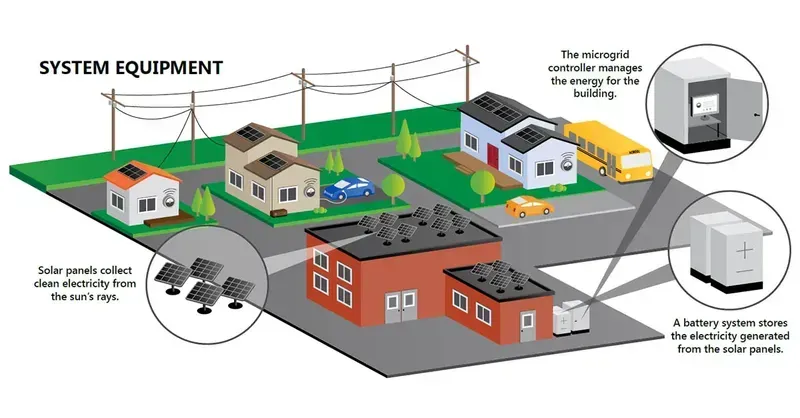
In an era where energy independence and sustainability are paramount, microgrids are emerging as a transformative solution. These localized energy systems offer enhanced resilience, efficiency, and integration of renewable sources. However, the true intelligence of a microgrid lies in its control system, and at its heart is the control motherboard. Zero One Solution Limited, a leader in rapid-response PCB assembly and design, offers advanced Microgrid Control Motherboard Solutions designed to optimize performance and accelerate the deployment of next-generation energy systems. How can a robust, custom-engineered motherboard be the linchpin for your microgrid's success?
The Rise of Microgrids: A Foundation for Energy Independence
In an era demanding robust, sustainable, and decentralized energy solutions, microgrids have emerged as a pivotal architecture for achieving true energy independence and resilience. These localized grids, capable of operating autonomously or interconnected with the main utility, represent a transformative shift from traditional centralized power systems. Their increasing importance stems from an unparalleled ability to enhance energy security, integrate diverse renewable sources, and optimize local energy consumption, making advanced control mechanisms like a dedicated microgrid control motherboard not just beneficial, but absolutely critical for their effective operation and the stability of modern energy infrastructure.
Enhanced Resilience and Reliability Microgrids provide critical power during main grid outages, ensuring continuous operation for essential services and critical infrastructure. This islanding capability is vital for hospitals, military bases, and data centers, offering a superior level of energy security compared to reliance on a single, vulnerable central grid. Data from the U.S. Department of Energy indicates that microgrids can reduce outage times by over 98% in critical facilities, underscoring their resilience.
Sustainability and Decarbonization By seamlessly integrating distributed energy resources (DERs) such as solar PV, wind turbines, and battery storage, microgrids accelerate the transition to a low-carbon future. They enable the efficient utilization of intermittent renewable sources, reducing reliance on fossil fuels and lowering carbon emissions. According to BloombergNEF, global microgrid capacity is projected to double by 2027, largely driven by the imperative for sustainable energy solutions and the decreasing cost of renewable technologies and energy storage systems.
Aspect
Traditional Grid
Microgrid
Centralization
Centralized generation and distribution
Decentralized generation and local distribution
Resilience
Vulnerable to widespread outages
Can operate autonomously (islanding mode)
Renewable Integration
Challenges with intermittent sources
Designed for high penetration of DERs
Energy Efficiency
Transmission losses
Reduced transmission losses, optimized local consumption
Control Complexity
Simpler, top-down control
Complex, real-time bidirectional control (e.g., via a Microgrid Control Motherboard)
What is a Microgrid Control Motherboard?
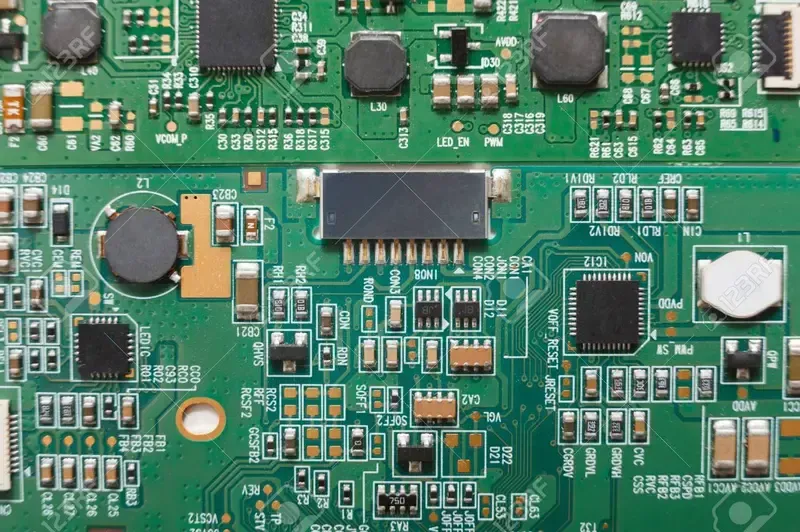
Microgrid Control Motherboard Close-up
A Microgrid Control Motherboard serves as the central nervous system of a microgrid, a localized energy grid that can operate autonomously or connected to a main grid. This sophisticated PCB-based system is meticulously designed to manage and optimize the complex interplay of distributed energy resources (DERs) such as solar panels, wind turbines, battery storage, and generators. Its primary function is to orchestrate power flow, ensure grid stability, enhance efficiency, and facilitate seamless transitions between grid-connected and islanded modes, embodying the critical role of advanced custom PCB solutions in modern energy infrastructure. Effectively, it is the intelligent core that transforms a collection of energy assets into a resilient, self-sufficient, and optimized energy ecosystem.
Component
Function
Impact on Microgrid
Central Processing Unit (CPU)
Executes algorithms for energy management, fault detection, and optimization.
Enables real-time decision-making for power dispatch and system stability, crucial for dynamic load changes and DER integration. Leads to enhanced energy efficiency and reliability, minimizing downtime and operational costs by facilitating proactive responses to system anomalies and optimizing resource utilization based on predictive analytics and current operational parameters, ensuring continuous and stable power supply for critical loads under various conditions. Efficient CPU performance directly translates to faster response times, more accurate control, and superior overall system resilience, particularly in dynamic islanded modes where self-sufficiency is paramount for uninterrupted operations.
Enables real-time decision-making for power dispatch and system stability, crucial for dynamic load changes and DER integration. Leads to enhanced energy efficiency and reliability, minimizing downtime and operational costs by facilitating proactive responses to system anomalies and optimizing resource utilization based on predictive analytics and current operational parameters, ensuring continuous and stable power supply for critical loads under various conditions. Efficient CPU performance directly translates to faster response times, more accurate control, and superior overall system resilience, particularly in dynamic islanded modes where self-sufficiency is paramount for uninterrupted operations.
Allows bidirectional communication with DERs, sensors, and external grids.
Facilitates coordinated control and data exchange, ensuring all microgrid components operate in harmony. High-speed, robust communication ensures that control commands are executed promptly and that critical operational data is relayed without delay, which is essential for maintaining synchronized operation and effective fault isolation, thereby preventing system-wide disruptions and ensuring seamless power delivery.
Why is a custom PCB solution critical for microgrid control motherboards? A custom PCB solution is paramount because microgrid control demands highly specific performance characteristics, intricate integration of diverse communication protocols (e.g., CAN, Modbus, Ethernet), and robust reliability under varying environmental conditions. Off-the-shelf solutions often lack the tailored processing power, precise I/O configurations, and specialized protection circuits necessary for optimal microgrid operation. Custom designs by experts like Zero One Solution Limited ensure optimized footprint, reduced electromagnetic interference (EMI), enhanced thermal management, and seamless integration of proprietary algorithms, leading to superior efficiency, stability, and longevity. This bespoke approach allows for the creation of a motherboard perfectly aligned with the microgrid's unique architecture and operational demands, providing a distinct competitive advantage and ensuring future scalability while adhering to stringent industry standards for safety and performance, thus mitigating operational risks and accelerating deployment schedules by eliminating compatibility issues commonly associated with generic components. The precision in design and manufacturing directly contributes to the system's ability to handle complex load balancing, reactive power compensation, and frequency regulation with unparalleled accuracy, which are fundamental requirements for maintaining grid stability and power quality in both grid-connected and islanded modes of operation. Furthermore, a custom PCB can integrate advanced security features at the hardware level, safeguarding the microgrid from cyber threats and ensuring reliable data integrity. This level of customization also facilitates easier compliance with specific regional and international regulatory requirements, which is crucial for global deployment and market acceptance of microgrid technologies, ultimately supporting a more resilient and sustainable energy future for diverse applications, from critical infrastructure to remote communities.
Key Features and Capabilities of Advanced Microgrid Motherboards
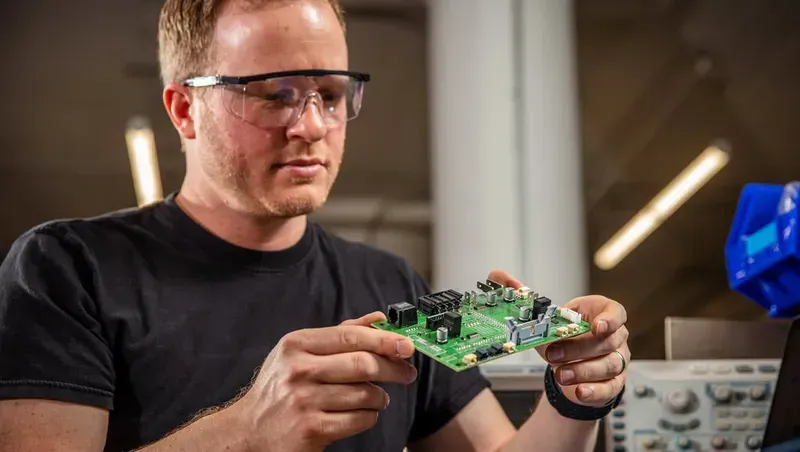
Microgrid Motherboard Circuit Board
Advanced microgrid control motherboards are the linchpin for efficient and resilient distributed energy systems, meticulously engineered to provide the processing power and diverse connectivity essential for dynamic energy management. These sophisticated PCBs serve as the central nervous system, integrating disparate energy sources, loads, and storage units into a cohesive, optimized network. Their design prioritizes real-time data acquisition and robust communication to ensure seamless operation, rapid fault detection, and proactive system optimization, thereby maximizing energy independence and operational stability.
Feature Category
Specific Capability
Benefit to Microgrid Operation
Processing & Control
High-Performance MCU/DSP
Enables real-time data processing, complex algorithm execution for predictive control, and optimal power dispatch across diverse DERs and loads. Essential for stable grid-tied and islanded operation.
Communication Interfaces
CAN, Ethernet (Modbus/IEC 61850), RS-485
Facilitates seamless communication with inverters, battery management systems (BMS), smart meters, and external grid operators, ensuring data exchange for coordinated control and monitoring.
Data Acquisition
High-Resolution ADCs, Multiple Sensor Inputs
Accurately measures voltage, current, frequency, and temperature across various points, providing critical real-time data for precise load balancing, fault detection, and energy flow management.
Safeguards sensitive electronic components from electrical disturbances and ensures continuous, reliable operation by detecting and mitigating potential failures, enhancing system longevity.
Energy Source Integration
Flexible I/O for PV, Wind, Battery, Genset
Supports diverse energy inputs and storage technologies, allowing the motherboard to adapt to various microgrid architectures and optimize energy harvesting from renewable sources.
Implementing these advanced features requires meticulous PCB design and manufacturing expertise. The integration of high-speed digital circuits with sensitive analog measurement paths demands precise layout to prevent electromagnetic interference (EMI). Furthermore, the robust construction to withstand harsh environmental conditions, often encountered in microgrid deployments, is paramount. From thermal management to component selection for extended operational lifespans, every aspect of the motherboard's design is critical to ensuring its reliability and performance as the backbone of modern energy independence.
Zero One Solution Limited's Expertise in Microgrid Control Motherboard Solutions
Engineer Operating PCB Design Software
At the heart of a resilient and efficient microgrid lies a robust control motherboard. Zero One Solution Limited stands as a premier partner in developing these critical components, offering unparalleled expertise in rapid prototyping, custom PCB design, manufacturing, and assembly specifically engineered for the demanding world of energy management systems. Our integrated one-stop service ensures that your innovative microgrid solutions move from concept to reality with speed, precision, and unwavering reliability, solidifying our position as a leader in high-reliability PCB solutions for microgrids and smart grid applications.
Rapid Prototyping for Accelerated Innovation Our core strength lies in rapid-response R&D prototype manufacturing. This capability is paramount for microgrid control motherboards, where iterative design and testing are crucial. We empower clients to quickly validate designs, integrate new functionalities, and reduce development cycles, significantly accelerating time-to-market for groundbreaking energy solutions.
Custom PCB Design Tailored for Complex Energy Systems Microgrid control demands highly specialized PCB designs that account for diverse power sources, stringent communication protocols, and robust environmental resilience. Our experienced engineers meticulously design custom PCBs that optimize signal integrity, power efficiency, and component placement, ensuring the motherboard acts as a true brain for your energy network.
High-Reliability Manufacturing and Assembly Given the mission-critical nature of microgrids, reliability is non-negotiable. Zero One Solution Limited employs advanced manufacturing processes and rigorous quality control for both PCB fabrication and assembly. We specialize in producing boards capable of operating reliably in harsh conditions, from industrial complexes to remote utility sites, guaranteeing the longevity and performance of your microgrid infrastructure.
One-Stop Service for Seamless Project Execution We provide a comprehensive, integrated approach from initial design consultation to final assembly. This eliminates the complexities of managing multiple vendors, streamlining your supply chain, and ensuring consistent quality and communication throughout the entire project lifecycle. Our clients benefit from a single point of contact and unified responsibility for their microgrid control motherboard solution.
Strategic Global PCBA Supply Chain Access Headquartered in Shenzhen, China, and with a branch in Dubai, Zero One Solution Limited leverages a vast global network for component sourcing and logistical support. This strategic positioning ensures access to the highest quality materials, competitive pricing, and efficient delivery, regardless of your operational location, providing a robust foundation for your microgrid projects.
The Design and Development Process: From Concept to Reality
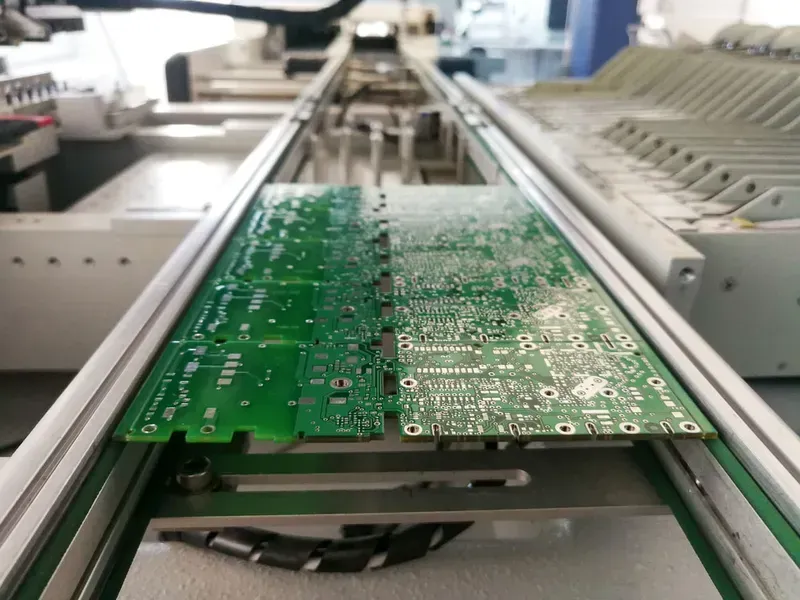
PCB Manufacturing Production Line
Developing a robust microgrid control motherboard demands a meticulous, systematic approach, transforming complex energy management concepts into high-reliability hardware. This multi-stage process ensures that the final PCB solution precisely meets the stringent requirements of distributed energy systems, from initial conceptualization to scalable mass production, guaranteeing optimal performance and seamless integration.
Requirements Gathering and System Specification The foundational step involves thoroughly understanding the microgrid's unique operational parameters, including power sources (solar, wind, battery), load characteristics, desired control algorithms (e.g., peer-to-peer, hierarchical), communication protocols (Modbus, CAN, Ethernet), environmental conditions, and safety standards. This phase culminates in a detailed functional specification that guides subsequent design.
Schematic Design and Component Selection Based on the specifications, engineers develop the electrical schematic, selecting appropriate microcontrollers, power management ICs, communication interfaces, and peripheral components. Emphasis is placed on industrial-grade components for reliability, efficiency, and long-term availability, ensuring the design is robust against electrical noise and environmental stressors.
PCB Layout and Routing With the schematic finalized, the design transitions to physical layout. This critical stage involves arranging components, routing traces, and defining layer stack-ups while considering signal integrity, power distribution, thermal management, electromagnetic compatibility (EMC), and manufacturability (DFM). Advanced PCB design software is used to optimize performance and reduce potential issues.
Prototyping and Initial Testing Once the layout is complete, initial prototypes are fabricated. These boards undergo rigorous testing, including functional verification, signal integrity analysis, power consumption measurement, thermal performance assessment, and basic communication tests. This iterative phase allows for early detection and correction of design flaws before mass production.
Firmware Development and Integration Concurrently with hardware development, embedded firmware is written to control the motherboard's operations, implement control algorithms, manage data acquisition, and handle communication. This firmware is integrated with the prototype hardware and further refined through comprehensive testing to ensure stable and efficient microgrid management.
Validation, Certification, and Optimization The integrated hardware and software undergo extensive validation against the original requirements, including stress tests, environmental tests (temperature, humidity), and electromagnetic compatibility (EMC/EMI) testing to ensure compliance with industry standards (e.g., IEEE 1547). Feedback from these tests drives final optimizations for performance, reliability, and cost-effectiveness.
Mass Production and Quality Control Upon successful validation, the design is transitioned to mass production. This involves DFM (Design for Manufacturing) and DFA (Design for Assembly) considerations to optimize the process. Strict quality control measures, including automated optical inspection (AOI), in-circuit testing (ICT), and functional end-of-line testing, are implemented to ensure every board meets the highest standards.
Benefits of a Tailored Microgrid Control Motherboard
Investing in a custom-designed Microgrid Control Motherboard offers distinct advantages over generic, off-the-shelf solutions, providing a strategic edge in the rapidly evolving energy landscape. Tailored motherboards are engineered to precisely meet the unique demands of specific microgrid architectures, ensuring optimal performance, enhanced reliability, and unparalleled efficiency. This bespoke approach mitigates the compromises inherent in standardized products, leading to more robust and responsive energy management systems that directly address project-specific challenges and opportunities.
Optimized Performance and Efficiency A custom Microgrid Control Motherboard is designed to perfectly match the specific energy generation, storage, and load profiles of a given microgrid. This precise alignment allows for the optimization of power flow, seamless integration of diverse Distributed Energy Resources (DERs), and highly efficient energy conversion, leading to reduced energy losses and improved overall system performance. Generic solutions often involve unused features or require inefficient workarounds, which can compromise performance and increase operational costs.
Enhanced Reliability and Durability Tailored designs incorporate components and layouts specifically chosen to withstand the operational environment and stress factors unique to a microgrid application, from temperature fluctuations to electrical transients. This focused engineering significantly boosts the motherboard's long-term reliability and durability compared to mass-produced, generalized alternatives, reducing downtime and maintenance overhead. Our rigorous design and testing protocols ensure a highly resilient product.
Reduced Size and Footprint Customization allows for the elimination of unnecessary components and the optimization of PCB layout, resulting in a more compact and space-efficient motherboard. This is particularly crucial in microgrid installations where physical space may be limited, enabling smaller enclosures and more flexible deployment options. Our expertise in high-density interconnect (HDI) and multi-layer PCB design facilitates this miniaturization without compromising functionality or thermal management.
Specialized Functionality and Integration Unlike standard boards, a custom motherboard can integrate highly specialized communication interfaces, processing capabilities, and sensor inputs precisely required for advanced microgrid functionalities, such as predictive control algorithms, sophisticated load forecasting, and advanced cyber-security features. This bespoke integration ensures seamless compatibility with existing and future microgrid components, maximizing interoperability and system intelligence.
Faster Time-to-Market While initial development might seem longer, a tailored solution, when developed by an experienced partner like Zero One Solution Limited, can significantly accelerate the overall project timeline. By directly addressing specific requirements and avoiding the need for extensive adaptations or workarounds associated with off-the-shelf products, the design-to-deployment cycle is streamlined, enabling quicker market entry for innovative microgrid solutions. Our rapid prototyping capabilities are key to achieving this efficiency.
Cost-Effectiveness Over Lifecycle Although the upfront cost of a custom solution might appear higher than a mass-produced item, the long-term cost benefits are substantial. Optimized performance leads to energy savings, enhanced reliability reduces maintenance and replacement costs, and specialized functionality minimizes the need for additional external hardware or software. This holistic approach ensures a superior return on investment over the microgrid's operational lifespan.
Applications Across Various Sectors
Microgrid System Outdoor Installation
Microgrid control motherboards are the foundational intelligence enabling distributed energy systems to thrive across a myriad of demanding environments. Their ability to autonomously manage diverse energy sources and loads makes them indispensable for ensuring reliable, efficient, and resilient power delivery in sectors ranging from remote infrastructure to critical urban facilities. These tailored solutions empower microgrids to adapt to dynamic conditions, providing energy independence and enhancing operational continuity.
Remote Communities and Off-Grid Locations In areas lacking reliable grid access, microgrid control motherboards are pivotal for orchestrating solar, wind, and battery storage systems to provide consistent power for homes, schools, and essential services. They manage resource allocation, optimize energy dispatch, and ensure stability, transforming the quality of life in isolated regions without relying on traditional grid infrastructure. For example, a village in a developing nation could utilize a microgrid control motherboard to manage a hybrid solar-diesel system, ensuring continuous power even during cloudy periods or high demand.
Industrial Complexes and Manufacturing Facilities Large industrial sites benefit from microgrids to reduce energy costs, ensure power quality for sensitive equipment, and maintain operations during grid outages. The control motherboard facilitates seamless transitions between grid-connected and islanded modes, manages peak shaving, and integrates industrial loads with on-site generation, like cogeneration or rooftop solar. A petrochemical plant, for instance, could employ a microgrid with a dedicated control motherboard to maintain critical processes during grid disturbances, preventing costly shutdowns and ensuring safety.
Military Bases and Defense Installations Energy resilience is paramount for military operations. Microgrid control motherboards enable bases to operate independently of the main grid, integrating various generation assets and ensuring a secure, uninterrupted power supply critical for mission readiness. They support advanced cybersecurity protocols and robust power management under extreme conditions, critical for national security. A forward operating base might use a ruggedized microgrid control system to manage tactical power generation and storage, ensuring constant power for communications and surveillance.
Hospitals and Healthcare Facilities Uninterrupted power is a matter of life and death in healthcare. Microgrid control motherboards allow hospitals to maintain essential services during grid failures, integrating backup generators, battery storage, and even on-site renewables to create a self-sufficient energy ecosystem. They prioritize critical loads and ensure seamless power transfer. For example, a hospital in a hurricane-prone region could use a microgrid control motherboard to ensure its ICU and operating rooms remain powered throughout a major storm, drawing from solar and battery reserves when the main grid is down.
Commercial Buildings and Campuses Businesses and universities are increasingly adopting microgrids to achieve sustainability goals, reduce energy bills, and enhance energy security. The control motherboard optimizes energy consumption, integrates EV charging infrastructure, and manages demand response programs, leading to significant operational efficiencies and reduced carbon footprint. A university campus might deploy a microgrid controlled by an advanced motherboard to integrate its solar arrays, geothermal systems, and EV charging stations, optimizing energy use across numerous buildings and reducing utility costs.
FAQs about Microgrid Control Motherboard Solutions
Understanding the intricacies of Microgrid Control Motherboard Solutions is crucial for optimizing distributed energy systems. This section addresses frequently asked questions, providing clear, concise, and authoritative answers to demystify key aspects of microgrid control, motherboard design, and the benefits of specialized PCB manufacturing for energy management.
What is the primary function of a microgrid control motherboard? The primary function of a microgrid control motherboard is to act as the central nervous system of a microgrid. It is responsible for orchestrating the seamless operation of all distributed energy resources (DERs), managing power flow, ensuring grid stability, optimizing energy efficiency, and facilitating smooth islanding and grid-connected operations. This involves real-time data acquisition, precise control algorithms, and robust communication protocols to maintain system reliability and performance.
Why is a custom-designed microgrid control motherboard preferred over off-the-shelf solutions? Custom-designed microgrid control motherboards offer significant advantages over generic, off-the-shelf solutions by providing optimized performance, enhanced reliability, and specialized functionality tailored to specific microgrid architectures and requirements. They can be engineered for precise power management, integrate unique sensor inputs, and fit specific form factors, leading to improved efficiency, reduced size, and faster time-to-market for complex energy management systems, directly addressing the unique challenges of each deployment.
How does Zero One Solution Limited ensure the reliability of its microgrid control motherboard solutions? Zero One Solution Limited ensures the reliability of its microgrid control motherboard solutions through a rigorous, multi-stage process that encompasses high-quality custom PCB design, precision manufacturing, and comprehensive testing. We utilize robust components, implement advanced protection circuits, adhere to stringent industry standards (e.g., IPC Class 2/3), and conduct exhaustive functional and environmental testing to guarantee optimal performance and longevity in demanding energy environments. Our rapid prototyping capabilities also allow for iterative design improvements and thorough validation.
What communication interfaces are essential for a modern microgrid control motherboard? Essential communication interfaces for a modern microgrid control motherboard include CAN bus for reliable internal device communication, Ethernet for high-speed data transfer and network integration, and Modbus (RTU/TCP) for widely adopted industrial control and SCADA system compatibility. Additionally, support for protocols like IEC 61850 for substation automation, Zigbee/LoRa for IoT devices, and various wireless protocols (Wi-Fi, Cellular) can be crucial for comprehensive microgrid management and external connectivity.
Zero One Solution Limited stands at the forefront of enabling the next generation of energy infrastructure through our specialized Microgrid Control Motherboard Solutions. Our commitment to rapid prototyping, exceptional quality, and global accessibility ensures that your microgrid projects move from concept to deployment with unprecedented speed and reliability. By choosing Zero One Solution Limited, you're not just getting a PCB solution; you're gaining a strategic partner dedicated to empowering your innovation in the sustainable energy landscape. Ready to power the future? Contact us today to discuss how our custom microgrid control motherboards can elevate your energy management systems.