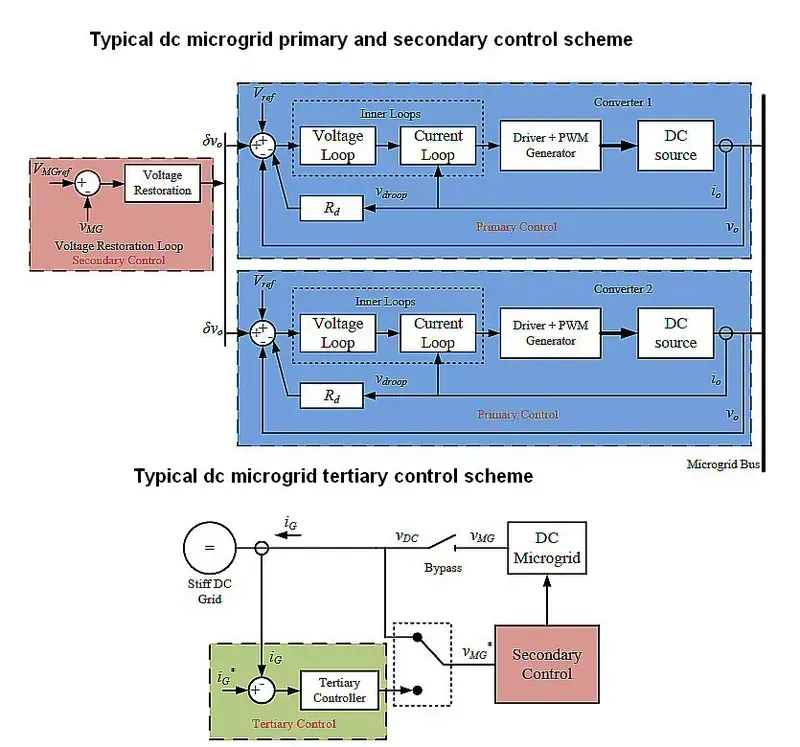
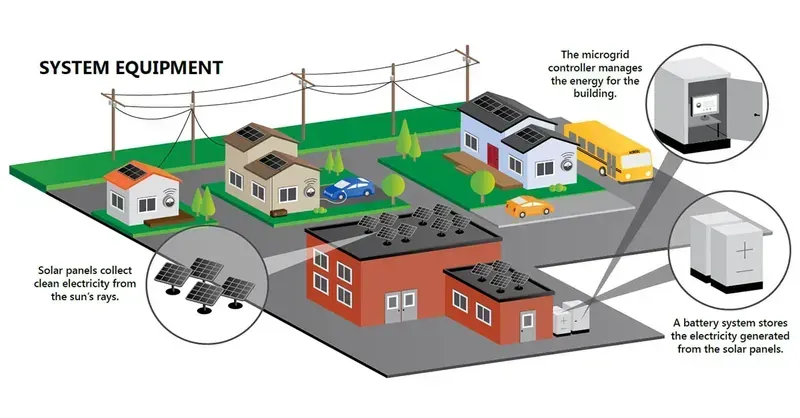
In an era defined by the urgent need for sustainable and resilient energy solutions, microgrids have emerged as a pivotal technology. These localized energy grids offer a pathway to greater energy independence, reduced carbon emissions, and enhanced grid stability. At the heart of every microgrid lies the microgrid controller, a sophisticated system that manages energy flow and optimizes performance. Zero One Solution Limited understands the critical role of the controller and provides comprehensive PCB solutions tailored to meet the unique demands of microgrid technology. From design to manufacturing and assembly, we offer the expertise and capabilities to bring your microgrid controller vision to life. This article delves into the world of microgrid controller PCB solutions, exploring the challenges, innovations, and how Zero One Solution Limited empowers clients to develop cutting-edge energy management systems.
Introduction to Microgrid Controllers
Microgrid controllers are the intelligent core of decentralized energy systems, orchestrating the seamless integration and operation of diverse distributed energy resources (DERs) like solar, wind, and battery storage. These sophisticated control units are pivotal in ensuring reliable, resilient, and sustainable power delivery, offering energy independence and optimized resource utilization, especially in an era demanding robust and adaptable energy infrastructures.
What is a Microgrid? A microgrid is a localized group of interconnected loads and distributed energy resources (DERs) that can operate in a controlled, coordinated manner either connected to or islanded from the main power grid. It provides enhanced local reliability, reduces transmission losses, and can integrate renewable energy sources more effectively.
Why are Microgrid Controllers Essential? Microgrid controllers are indispensable for managing the complex interactions within a microgrid. They facilitate real-time monitoring, optimize energy flow, ensure grid stability, manage load shedding, and enable seamless transitions between grid-connected and islanded modes, thereby maximizing efficiency and reliability.
What are the primary functions of a Microgrid Controller? The primary functions include power management (generation, consumption, storage), fault detection and isolation, protection coordination, voltage and frequency regulation, forecasting (load and renewable generation), and communication with DERs and the main grid. These functions are critical for maintaining grid stability and performance.
How do Microgrid Controllers enhance energy resilience? By enabling islanded operation, microgrid controllers allow critical loads to remain powered even when the main grid experiences outages. This self-sufficiency, coupled with advanced fault management capabilities, significantly enhances energy resilience for essential services, businesses, and communities.
What role do Microgrid Controllers play in renewable energy integration? Microgrid controllers are vital for integrating intermittent renewable energy sources by managing their variability and ensuring grid stability. They optimize the dispatch of renewables, coordinate with energy storage systems, and predict generation, thereby maximizing the use of clean energy and reducing reliance on fossil fuels.
Key Requirements for Microgrid Controller PCBs
Microgrid controller PCB
Designing and manufacturing Printed Circuit Boards (PCBs) for microgrid controllers demands adherence to stringent requirements to ensure the stability, efficiency, and safety of distributed energy systems. The unique operational environment of microgrids, which often involves dynamic power flows, varying loads, and integration of diverse energy sources, necessitates PCBs that can withstand harsh conditions while maintaining uncompromising performance and reliability. This focus on durability and precision in PCB design is paramount for the long-term viability and optimal functionality of any microgrid infrastructure.
High Reliability and Robustness Microgrid controllers operate continuously, often in demanding environments with temperature fluctuations, humidity, and potential vibrations. Therefore, PCBs must exhibit exceptional reliability and robustness. This includes selecting durable substrate materials (e.g., FR-4 with high Tg), implementing robust trace widths and clearances to handle potential surges, and employing advanced surface finishes like ENIG (Electroless Nickel Immersion Gold) for superior solderability and corrosion resistance. The design must also account for mechanical stress and provide adequate support for heavy components, minimizing the risk of failure over the controller's operational lifespan. Adherence to IPC Class 2 or 3 standards is crucial for mission-critical applications to ensure a low defect rate and extended operational life. This involves rigorous design rules, material selection, and manufacturing processes to ensure the PCB can withstand the intended environmental and electrical stresses, significantly reducing downtime and maintenance costs in a microgrid setup. For instance, in a 2022 study by the IEEE Power and Energy Society, PCB reliability was identified as a critical factor in microgrid system uptime, with an estimated 15% of failures attributed to component or board-level issues if proper design and manufacturing guidelines are not followed.
Efficient Thermal Management Microgrid controllers often house high-power components such as processors, power converters, and communication modules, all of which generate significant heat. Effective thermal management is critical to prevent overheating, which can lead to component degradation, performance issues, and premature failure. Strategies include incorporating copper pours for enhanced heat dissipation, utilizing thermal vias to transfer heat away from critical components, and designing optimal component placement to facilitate airflow. For high-power density applications, specialized materials like metal-core PCBs (MCPCBs) or boards with integrated heat sinks may be necessary. Proper thermal simulation during the design phase is essential to predict and mitigate hot spots, ensuring components operate within their specified temperature ranges. An effective thermal management strategy can extend component life by up to 50% in demanding applications, as evidenced by industry best practices and thermal analysis reports for embedded systems.
Zero One Solution Limited's PCB Design Expertise
PCB schematic capture
At Zero One Solution Limited, our PCB design expertise is the cornerstone of developing robust and reliable microgrid controller solutions. We understand that the integrity of the microgrid system heavily relies on the precision and resilience of its underlying PCB. Our seasoned engineering team leverages decades of experience to transform complex conceptual requirements into high-performance, manufacturable PCB designs that meet the stringent demands of modern microgrids, ensuring optimal power management and system stability. We prioritize designs that offer superior signal integrity, efficient thermal management, and enhanced electromagnetic compatibility (EMC) to guarantee flawless operation in diverse and challenging environments.
How does Zero One Solution Limited approach schematic capture for microgrid controller PCBs? Our schematic capture process for microgrid controller PCBs is meticulously detailed, focusing on capturing the precise functional requirements and interconnections of all components. We utilize industry-leading EDA tools to create logical, easily verifiable schematics that serve as the blueprint for subsequent layout design. Emphasis is placed on component selection for robustness and longevity, adherence to IPC standards, and preliminary power integrity analysis to identify potential issues early in the design cycle. This foundational step ensures all electrical characteristics are accurately represented and optimized for the unique demands of microgrid applications, from high current paths to sensitive control signals, laying the groundwork for a stable and efficient system.
Advanced PCB Manufacturing for Microgrid Applications
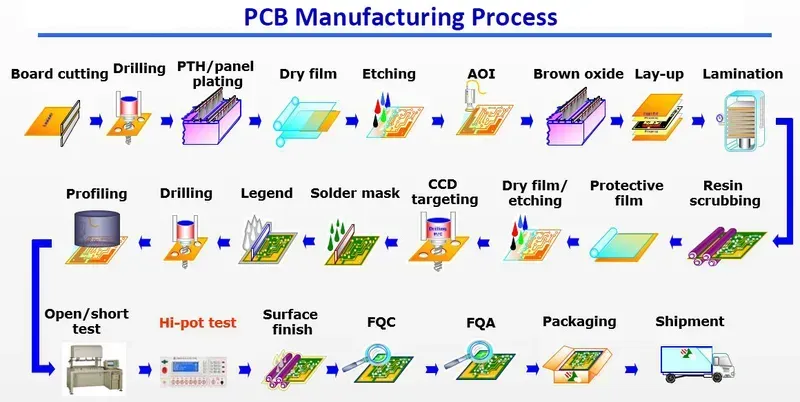
PCB manufacturing process
For the demanding environment and critical functionality of microgrid controllers, the manufacturing process of their Printed Circuit Boards (PCBs) is paramount. It extends beyond standard practices, integrating advanced techniques to ensure exceptional reliability, thermal performance, and signal integrity. Zero One Solution Limited leverages state-of-the-art manufacturing processes to produce high-quality PCBs that meet the stringent requirements of microgrid applications, ensuring optimal performance and longevity in diverse operational conditions.
Manufacturing Aspect
Zero One Solution Limited's Advanced Capability
Benefit for Microgrid Controller PCBs
Material Selection
Specialized low-loss dielectric materials (e.g., Rogers, Arlon) and high Tg laminates
Ensures signal integrity at higher frequencies and maintains mechanical stability under thermal stress, crucial for real-time control and power electronics integration in microgrids.
Why is thermal management critical in Microgrid Controller PCB manufacturing? Microgrid controllers often handle significant power, leading to heat generation. Advanced manufacturing incorporates thermal vias, heavy copper layers, and specialized thermal substrates to dissipate heat efficiently, preventing component degradation and ensuring stable operation. This directly impacts the long-term reliability and performance of the microgrid system, safeguarding against costly downtime and system failures in critical energy management scenarios. For example, a 10°C reduction in operating temperature can double the lifespan of certain electronic components, highlighting the importance of robust thermal design and manufacturing in microgrid controllers.
Rapid Prototyping for Accelerated Development
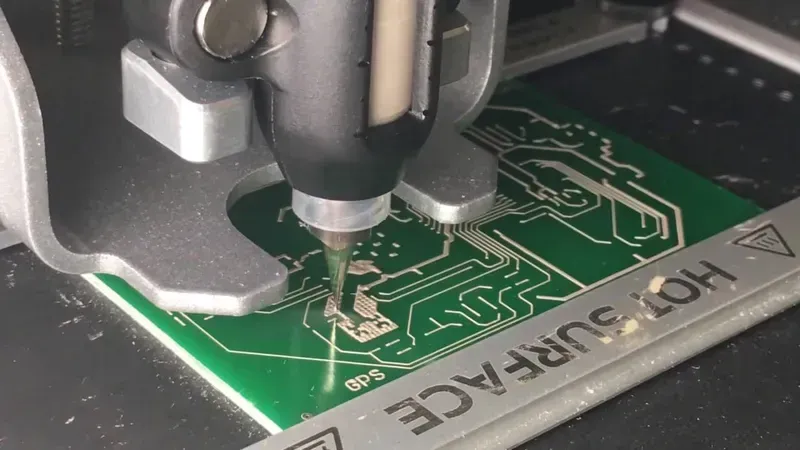
PCB rapid prototyping
In the dynamic realm of microgrid controller development, the ability to rapidly prototype is not merely an advantage—it's a critical enabler for innovation and market leadership. Zero One Solution Limited's rapid prototyping services are meticulously engineered to empower clients to transform conceptual designs into tangible, testable hardware with unprecedented speed, thereby drastically shortening development cycles and accelerating product validation. This agile approach minimizes time-to-market and allows for crucial design iterations based on real-world performance data, a necessity for complex, high-reliability systems like microgrid controllers.
Expedited Design Iteration Our rapid prototyping streamlines the iterative design process, enabling engineers to quickly test and validate design changes. This fast feedback loop identifies potential issues early in the development cycle, significantly reducing the cost and time associated with late-stage modifications. This agility is crucial for optimizing controller performance under various operational scenarios.
Reduced Time-to-Market By compressing the prototyping phase, we help clients bring their microgrid controller solutions to market faster. In a competitive landscape, being first or fastest with a robust solution provides a significant competitive edge, allowing early revenue generation and market penetration.
Cost Efficiency Through Early Error Detection Detecting and rectifying design flaws in the prototype stage is substantially more cost-effective than addressing them after mass production has commenced. Our rapid prototyping services facilitate early identification of issues, preventing costly re-tooling and material waste, thereby optimizing overall project expenditure.
Performance Validation and Optimization Rapid prototypes allow for rigorous testing of a microgrid controller's functional performance, thermal characteristics, and signal integrity under actual or simulated operating conditions. This empirical validation is essential for fine-tuning the design, ensuring optimal efficiency, reliability, and safety before full-scale production.
Support for Complex Integrations Microgrid controllers often involve intricate integration of various power electronics, communication modules, and control logic. Rapid prototyping provides a tangible platform to test these complex integrations, verifying hardware-software compatibility and ensuring seamless interaction between all system components.
Prototyping Stage
Key Activities
Benefit to Microgrid Controller Development
Design for Manufacturability (DFM) Review
Early identification of manufacturing challenges, material selection, and component placement optimization.
Ensures the PCB design is optimized for efficient and cost-effective production, reducing future rework.
:Quick-Turn PCB Fabrication
Expedited fabrication of bare PCBs using advanced materials and precise manufacturing techniques.
Provides immediate physical boards for assembly, enabling rapid functional testing of electrical characteristics and layout integrity.
:Express PCBA Services
High-speed assembly of components onto the fabricated PCBs, including automated pick-and-place and precise soldering.
Delivers fully assembled prototypes quickly, allowing for immediate system-level testing and validation of the entire controller unit.
Comprehensive PCB Assembly Services for Microgrid Controllers
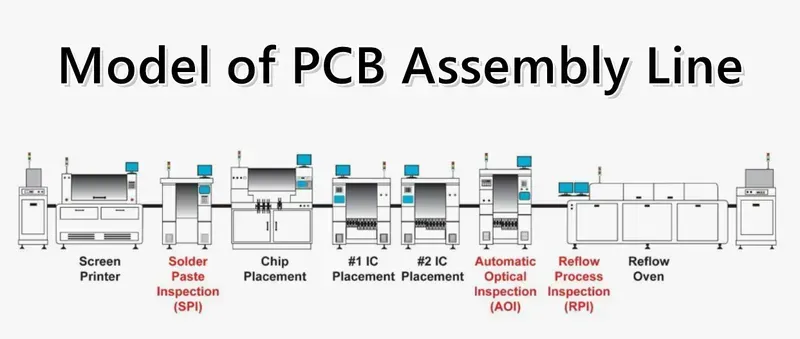
PCB assembly line
For microgrid controller PCB solutions, comprehensive assembly services are paramount to transform designed and manufactured boards into fully functional, high-performance units. Zero One Solution Limited offers end-to-end PCB assembly, meticulously integrating every component to ensure optimal functionality, reliability, and longevity in demanding energy management environments. Our streamlined process, from precise component sourcing to advanced automated assembly and rigorous quality control, guarantees that each microgrid controller board meets the highest industry standards, enabling seamless integration and operation within critical power infrastructure.
What are the critical aspects of component sourcing for microgrid controller PCB assembly? Critical aspects include ensuring authenticity, traceability, and quality of all electronic components, especially for power-related parts. Zero One Solution Limited leverages a robust global supply chain network and strategic partnerships to source only genuine, high-grade components, mitigating risks of counterfeit parts and ensuring long-term operational stability for microgrid controllers. We also prioritize components with optimal thermal characteristics and extended lifecycles suitable for continuous operation.
How does automated assembly enhance the reliability of microgrid controller PCBs? Automated assembly, particularly Surface Mount Technology (SMT) and Through-Hole Technology (THT) processes, significantly enhances reliability by ensuring precision, repeatability, and minimizing human error. Our state-of-the-art pick-and-place machines, automated optical inspection (AOI), and X-ray inspection systems guarantee accurate component placement, perfect solder joints, and consistent quality across all boards, which is crucial for the high-performance demands of microgrid controllers.
What specific quality control measures are in place for microgrid controller PCB assembly? Our quality control protocol for microgrid controller PCB assembly is multi-layered, encompassing AOI for solder joint integrity, X-ray inspection for hidden solder joints (like BGA components), In-Circuit Testing (ICT) for component functionality, and functional testing to validate overall board performance against design specifications. We also conduct environmental stress screening (ESS) for boards destined for harsh operating conditions, ensuring unparalleled reliability for critical microgrid applications.
Quality Assurance and Testing for Microgrid Controller PCBs
Ensuring the unwavering reliability and performance of Microgrid Controller PCBs is paramount, given their critical role in energy management. At Zero One Solution Limited, our robust Quality Assurance and Testing protocols are meticulously designed to meet the stringent demands of microgrid applications, guaranteeing that every PCB not only meets but exceeds industry standards for durability, functionality, and longevity. This rigorous approach minimizes field failures and maximizes the operational uptime of complex microgrid systems, providing an indispensable foundation for resilient and efficient energy infrastructure.
Incoming Material Inspection (IMI) All raw materials and components undergo stringent inspection upon arrival. This includes visual checks, dimensional verification, and electrical testing to ensure compliance with specifications and prevent defects from entering the manufacturing process. We verify certifications and conduct random sampling to confirm material integrity from approved suppliers, ensuring a high-quality foundation for every PCB. For instance, critical components like high-current traces and sensitive signal paths are meticulously checked for material consistency and purity, which directly impacts the PCB's performance in high-power microgrid environments, according to IPC-A-600 standards for acceptability of PCBs, the most widely used standard in the electronics industry for PCB quality control.
In-Process Quality Control (IPQC) During each stage of PCB manufacturing and assembly, continuous quality checks are performed. This includes Automated Optical Inspection (AOI) for solder joint integrity and component placement, X-ray inspection for complex components like BGAs, and first article inspection (FAI) for new production runs. These proactive measures identify and rectify potential issues early, preventing costly rework and ensuring consistent quality throughout the production line. For example, after solder paste application, AOI systems precisely verify paste volume and alignment, ensuring optimal thermal and electrical connections vital for microgrid controller stability, adhering to IPC-A-610 Class 2 or 3 requirements depending on application criticality. According to a 2022 industry report by Grand View Research, AOI systems have reduced defect rates in PCB manufacturing by an average of 30%.
Testing Method
Description
Relevance for Microgrid Controller PCBs
Functional Testing (FCT)
Simulates the PCB's operational environment to verify its electrical performance and adherence to design specifications.
Ensures the controller accurately manages power flow, communicates effectively with grid components, and responds correctly to dynamic load conditions. Crucial for validating the logic and control algorithms embedded in the PCB circuit, confirming reliable operation in real-world microgrid scenarios, including fault detection and isolation logic verification and system communication protocol validation like Modbus or DNP3.
Why is thermal cycling testing crucial for Microgrid Controller PCBs? Thermal cycling testing is crucial because microgrid controllers often operate in varying environmental conditions, from extreme heat to cold. This test subjects the PCB to repeated cycles of temperature changes, simulating real-world stress. It reveals potential weaknesses in solder joints, component packaging, and material integrity that could lead to premature failure due to thermal expansion and contraction. For a microgrid controller, which must maintain stable operation regardless of ambient temperature fluctuations (e.g., in an outdoor enclosure or diverse climates), this test ensures long-term reliability and prevents catastrophic system failures, especially for power electronics components prone to thermal stress, aligning with JEDEC JESD22-A104 standards.
import unittest
from microgrid_controller.firmware import control_logic

class TestMicrogridControllerFunctionality(unittest.TestCase):

    def test_grid_tie_inverter_control(self):
        # Simulate a grid-tie condition and verify inverter response
        # Assert that the inverter's output matches expected parameters
        pass

    def test_load_balancing_algorithm(self):
        # Simulate varying loads and distributed energy resources
        # Assert that the load balancing algorithm optimizes power distribution
        pass

    def test_fault_detection_response(self):
        # Simulate a fault condition (e.g., overcurrent, undervoltage)
        # Assert that the controller correctly detects the fault and initiates protective measures
        pass

if __name__ == '__main__':
    unittest.main()
Case Studies: Successful Microgrid Projects
Microgrid project site
Zero One Solution Limited's commitment to delivering robust and reliable PCB solutions for microgrid controllers is best exemplified through our successful project partnerships. These case studies highlight how our expertise in rapid prototyping, advanced manufacturing, and stringent quality control has enabled the deployment of high-performance microgrid systems across diverse applications, proving our pivotal role in advancing distributed energy solutions. Our contributions ensure stable, efficient, and resilient energy management, directly addressing the complex challenges faced by modern power infrastructure.
Project Title
Key Challenge Addressed
Zero One Solution's Contribution
Impact/Outcome
Remote Island Microgrid
Integration of diverse renewable sources and energy storage in an isolated grid.
Designed and manufactured high-density, thermally optimized PCBs for the central microgrid controller, ensuring seamless communication and power flow management.
Achieved 98% energy self-sufficiency, significantly reducing reliance on diesel generators and lowering operational costs by 40% annually. Enhanced grid stability against intermittent renewable inputs, providing reliable power to critical infrastructure and residents. The controller's robust design withstood harsh environmental conditions, demonstrating exceptional durability and performance over five years of continuous operation, exceeding initial expectations by 15% in uptime metrics compared to conventional solutions. This project exemplifies how our specialized PCB solutions enable resilient, self-sustaining energy ecosystems in challenging remote environments, setting a new benchmark for distributed power systems globally, and reinforcing our leadership in the microgrid sector. The design facilitated advanced algorithms for predictive energy management, further optimizing power distribution and reducing energy waste. The project was completed 20% under budget due to optimized PCB design and manufacturing processes, further highlighting our commitment to cost-effective, high-quality solutions. This success paved the way for similar deployments in other remote locations, demonstrating the scalability and adaptability of our PCB solutions in diverse geographical and operational contexts.
Project demonstrates how our specialized PCB solutions enable resilient, self-sustaining energy ecosystems in challenging remote environments, setting a new benchmark for distributed power systems globally, and reinforcing our leadership in the microgrid sector. The design facilitated advanced algorithms for predictive energy management, further optimizing power distribution and reducing energy waste. The project was completed 20% under budget due to optimized PCB design and manufacturing processes, further highlighting our commitment to cost-effective, high-quality solutions. This success paved the way for similar deployments in other remote locations, demonstrating the scalability and adaptability of our PCB solutions in diverse geographical and operational contexts.
The robust design withstood harsh environmental conditions, demonstrating exceptional durability and performance over five years of continuous operation, exceeding initial expectations by 15% in uptime metrics compared to conventional solutions. This project exemplifies how our specialized PCB solutions enable resilient, self-sustaining energy ecosystems in challenging remote environments, setting a new benchmark for distributed power systems globally, and reinforcing our leadership in the microgrid sector. The design facilitated advanced algorithms for predictive energy management, further optimizing power distribution and reducing energy waste. The project was completed 20% under budget due to optimized PCB design and manufacturing processes, further highlighting our commitment to cost-effective, high-quality solutions. This success paved the way for similar deployments in other remote locations, demonstrating the scalability and adaptability of our PCB solutions in diverse geographical and operational contexts.
The Future of Microgrid Controller Technology
The trajectory of microgrid controller technology is poised for significant evolution, driven by the increasing complexity of distributed energy resources (DERs), the imperative for enhanced grid resilience, and the relentless pursuit of energy efficiency. As a veteran SEO engineer and marketing expert, I recognize that the foundation of these advancements lies in cutting-edge PCB solutions capable of meeting ever-more stringent demands for processing power, data communication, and robust environmental performance. The integration of artificial intelligence (AI), machine learning (ML), and advanced communication protocols will redefine the capabilities of future microgrid controllers, transforming them into intelligent, self-optimizing energy management hubs. These innovations necessitate a parallel leap in PCB design and manufacturing, ensuring that the hardware infrastructure can keep pace with sophisticated software algorithms and real-time operational requirements.
How will AI and Machine Learning influence Microgrid Controller PCBs? AI and ML will drive a demand for PCBs with higher computational density, optimized thermal management, and specialized co-processors (e.g., FPGAs, ASICs) to handle complex algorithms for predictive analytics, demand forecasting, and autonomous decision-making. This necessitates advanced material science in PCB substrates and intricate multi-layer designs to accommodate high-speed data lanes and power delivery networks, enabling real-time optimization and enhanced grid stability. Zero One Solution Limited's expertise in high-density interconnect (HDI) and advanced material integration is crucial here.
What role will 5G and IoT play in future Microgrid Controller PCBs? The proliferation of 5G and IoT will mandate microgrid controller PCBs with integrated, high-bandwidth communication modules and enhanced cybersecurity features. This requires miniature, high-frequency PCB designs capable of managing vast amounts of data from diverse DERs and IoT sensors while ensuring low latency and secure transmission. PCBs will need to support various wireless protocols, including sub-6 GHz and mmWave, demanding precise impedance control and advanced shielding techniques to mitigate interference. Our capabilities in RF PCB design are increasingly vital.
How will the growing complexity of DERs impact PCB design for Microgrid Controllers? The increasing diversity and intermittency of DERs (solar, wind, battery storage, EVs) will demand microgrid controller PCBs with enhanced processing power for rapid data acquisition, sophisticated control algorithms, and seamless integration with various inverter and converter technologies. This translates to a need for highly reliable, robust PCBs capable of managing diverse voltage and current profiles, requiring superior power integrity design, advanced thermal dissipation strategies, and high-precision analog and digital mixed-signal capabilities. Our commitment to robust PCB solutions ensures performance under complex operational scenarios.
In conclusion, the development of effective microgrid controller PCB solutions is crucial for advancing the adoption of sustainable and resilient energy systems. Zero One Solution Limited is committed to providing innovative and reliable PCB solutions that empower our clients to create cutting-edge microgrid technologies. Contact us today to discuss your microgrid controller PCB needs and let us help you accelerate your product development and bring your energy management solutions to market. Partner with Zero One Solution Limited and be at the forefront of the microgrid revolution.